Support

Billund

About

Billund. Source: Kupi.Binoculars

Billund may appear to be a modest town on the map, but it holds a legendary status in the world of imagination and play. Located in the heart of the Jutland peninsula in Denmark, this small municipality is globally renowned as the birthplace of the famous LEGO brick. Despite its compact size and a population of approximately 6,000 residents, Billund attracts millions of visitors annually, transforming it into a bustling hub of international tourism and family-friendly entertainment.

The town is situated in the Region of Southern Denmark, surrounded by charming heathland and agricultural landscapes. While the climate is typical of the region—mild summers and cool, breezy winters—the warmth of the local hospitality makes it a welcoming destination year-round. The transformation of this quiet rural community into a global capital of children's culture is a unique tale; exploring the history of Billund reveals how the vision of a local carpenter changed the town's destiny and identity forever.

Travelers flock here primarily for the world-famous LEGOLAND Billund Resort, the very first of its kind, which opened its gates in 1968. Beyond the theme park, the city offers the architectural marvel known as LEGO House, often called the "Home of the Brick," where creativity knows no bounds. For those seeking relaxation and aquatic fun, the massive Lalandia holiday center and water park provides a tropical escape regardless of the weather outside.

Whether you are a lifelong fan of colorful building blocks or simply looking for an unforgettable family getaway, Billund offers a magical experience. It is a place where creativity is celebrated on every corner, inviting visitors of all ages to play, learn, and explore in an atmosphere of pure joy.
Weather Overview

Billund experiences a temperate oceanic climate, making it a pleasant destination to visit for most of the year, though visitors should always be prepared for changeable conditions. The weather in Billund is characterized by mild, comfortable summers and cool winters, with precipitation spread relatively evenly across all seasons.

During the summer months of June through August, the town sees its warmest temperatures, with averages hovering around 15°C to 17°C. August is typically the warmest month, reaching daily highs of approximately 20.5°C, creating ideal conditions for exploring outdoor attractions like LEGOLAND. Winters, spanning from December to February, are generally cold but rarely extreme; January is usually the coldest month with an average temperature of 2.7°C and lows just above freezing.

Rainfall is a consistent feature of the local climate, with the number of wet days ranging from 11 to 16 days per month throughout the year. October tends to be the wettest regarding frequency, so packing a raincoat or umbrella is recommended regardless of when you plan your trip. Overall, travelers can expect warm summers with occasional rain and cold, dry winters.

Interesting Facts

Beyond the main attractions, Billund holds many fascinating secrets that reveal its transformation from a quiet village to a global hub. Here are some intriguing facts that showcase the unique spirit of this Danish town.
LEGO House. Source: Kupi.Binoculars
  • An Airport Built on Bricks: Billund Airport, now the second largest in Denmark, owes its existence entirely to the toy industry. It began in the early 1960s as a private airstrip established by Godtfred Kirk Christiansen to handle the growing business travel for the LEGO Group, eventually opening to the public and transforming the region's connectivity.

  • Official Capital of Children: The town has formally adopted the title "Capital of Children." This is not merely a marketing slogan but a municipal strategy where urban planning and city development often involve input from children, ensuring the city remains a playful and safe environment for its youngest citizens.

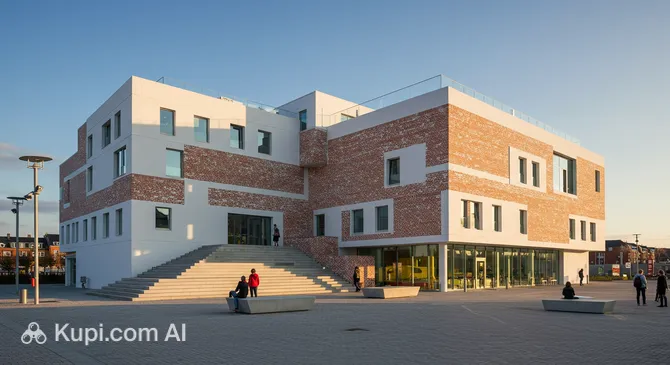
  • Architectural Homage: The stunning LEGO House is an architectural marvel designed to resemble 21 giant white bricks stacked on top of each other. If you look at the building from above (or check Google Earth), the topmost "keystone" block has the exact proportions of a classic 2x4 LEGO brick.

  • A Cozy Contrast: While the town is famous for plastic bricks, it also houses a softer collection at the Teddy Bear Art Museum. Interestingly, this museum is located in the former private villa of the LEGO family, offering a whimsical and historical contrast to the modern theme parks surrounding it.

How to Get There

Reaching the "Capital of Children" is remarkably convenient, largely due to its status as a major tourist hub in Scandinavia. Whether you are arriving for a family holiday or a business trip, the town is well-connected to the rest of the world. For a comprehensive guide on all available transport methods, you can read more about how to get to Billund.

The most direct way to arrive is via Billund Airport (BLL), which is an international airport located directly in the city, just 2.8 km from the center. As the second-largest airport in Denmark, it handles a significant volume of passengers annually and serves as a primary gateway to the region. The transfer to the city center is incredibly quick; a taxi or bus ride typically takes only about 10 to 15 minutes. Alternatively, travelers can fly into Esbjerg Airport (EBJ) in the city of Esbjerg, situated approximately 42.6 km away. While much smaller, it offers a regional option, with a travel time of around 45 minutes by car to Billund.

For clarity, here is a summary of the main airports:

Airport Name City Passenger Traffic Km from City
Billund Airport Billund High 2.8
Esbjerg Airport Esbjerg Low 42.6
Sonderborg Airport Sonderborg Low 95.4
Westerland - Sylt Airport Westerland Low 103.1
Aarhus Airport Aarhus Medium 114.0

The city of Billund does not have its own railway station, which means visitors traveling by train will need to transfer to a bus or taxi for the final leg of the journey. A common rail hub for travelers is Aarhus H Station in the city of Aarhus, located about 82.8 km from Billund. From there, the journey by car takes approximately 1 hour and 15 minutes, while public transport connections generally take around 1.5 to 2 hours. For those arriving from further abroad, Copenhagen Central Station is the major national hub, though it is situated 217.1 km away, requiring a transfer of about 3 hours by road across the country.

Below is an overview of the nearest and most significant railway stations:

Station City Passenger Traffic Km to Center
Aarhus H Station Aarhus High 82.8
Aalborg Railway Station Aalborg Medium 154.7
Copenhagen Central Station Copenhagen Very High 217.1
Helsingborg Central Station Angelholm High 226.9
Ängelholm Railway Station Angelholm Low 240.5

Main Attractions

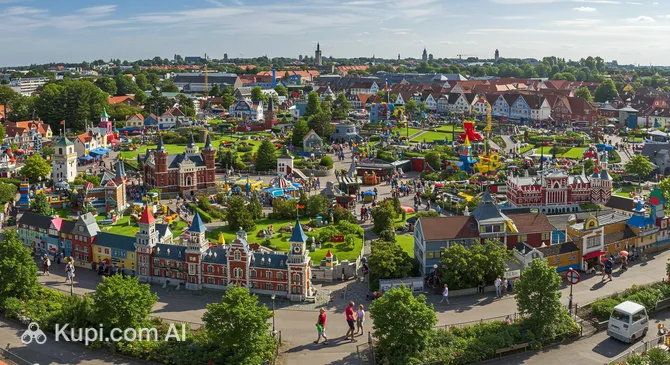
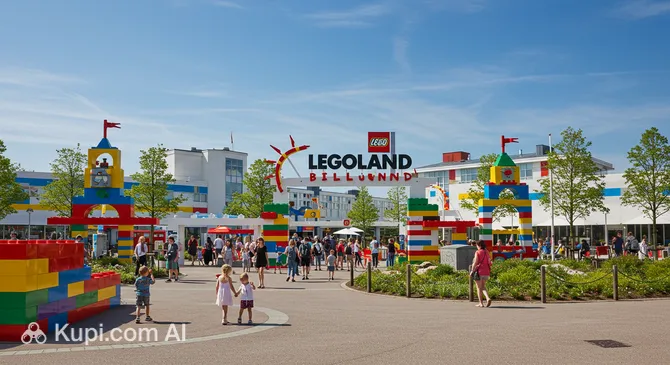
No trip to this region would be complete without visiting LEGOLAND Billund, the original park that started a global phenomenon. Opened in 1968 next to the original LEGO factory, this theme park is a wonderland for families and fans of the iconic brick. The heart of the park is Miniland, where millions of LEGO bricks recreate famous Danish and international landmarks in stunning detail. Beyond the miniatures, the park offers thrilling roller coasters, themed areas like Ninjago World and the Adventure Land, and plenty of interactive experiences that allow children to earn their first "driving license" at the traffic school.

LEGOLAND Billund. Source: Kupi.Binoculars

For a deeper dive into creativity, LEGO House offers a unique experience center known as "Home of the Brick." Unlike a traditional theme park, this architectural gem focuses on play and imagination with its color-coded experience zones. Visitors can direct their own movies, build sea creatures to release into a digital aquarium, or marvel at the massive Tree of Creativity. It stands as a tribute to the endless possibilities of the brick, appealing to adults and children alike with its mix of nostalgia and high-tech innovation.

If you are looking for tropical fun regardless of the Scandinavian weather, Lalandia Billund is the perfect escape. This massive holiday center is famous for the Aquadome, Scandinavia's largest water park, where the air and water are kept at a balmy temperature year-round. Families can enjoy thrilling water slides, a wave pool, and wellness areas. The complex also houses Monky Tonk Land, a large indoor play center, along with bowling alleys, mini-golf, and restaurants, making it a comprehensive resort for active relaxation.

Lalandia Billund. Source: Kupi.Binoculars

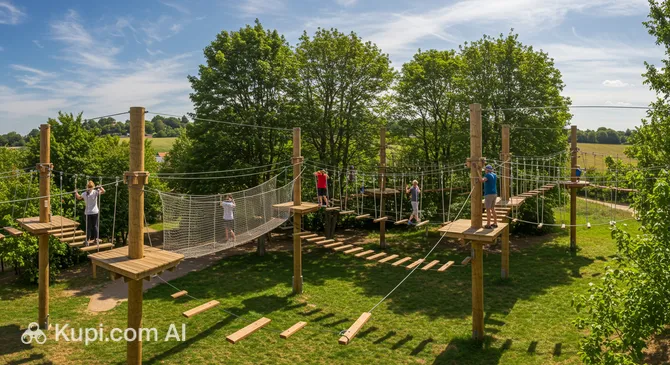
Nature lovers and active families should head to WOW PARK, a sprawling amusement park set within the forest. This attraction emphasizes physical play in the great outdoors, featuring treehouse villages connected by suspension bridges, giant nets stretched among the trees, and underground caves to explore. It is a fantastic place to burn off energy and reconnect with nature, offering a rustic and sensory-rich alternative to the plastic-fantastic world of the other local parks.

For a change of pace, the Teddy Bear Art Museum offers a charming and quiet retreat. Located in the former private home of the LEGO family, this museum is dedicated to the history and art of teddy bears. The collection is whimsical and heartwarming, set within a beautiful modernist villa surrounded by a serene garden. It provides a delightful cultural contrast to the high-energy attractions nearby, inviting visitors to enjoy art, history, and perhaps a slice of cake in the cozy café.

Local Cuisine

The culinary scene in Billund is a delightful reflection of its status as a family-friendly capital. While you might not find an abundance of Michelin stars here compared to Copenhagen, the town offers a warm and welcoming food culture that blends traditional Danish staples with playful, kid-oriented dining experiences. Restaurants here are exceptionally accommodating to children, often providing extensive kids' menus and play areas, ensuring that mealtime is stress-free for parents.

When it comes to traditional Danish cuisine, visitors should definitely try Smørrebrød. These open-faced sandwiches on dense, dark rye bread are topped with a variety of cold cuts, fish, cheeses, and garnishes, making for a perfect lunch. Another local favorite is Frikadeller, savory Danish meatballs typically served with potatoes, gravy, and pickled beetroot. For those with a sweet tooth, a visit to a local bakery for authentic Wienerbrød (Danish pastry) is mandatory; the flaky, buttery textures are unlike anything found abroad.

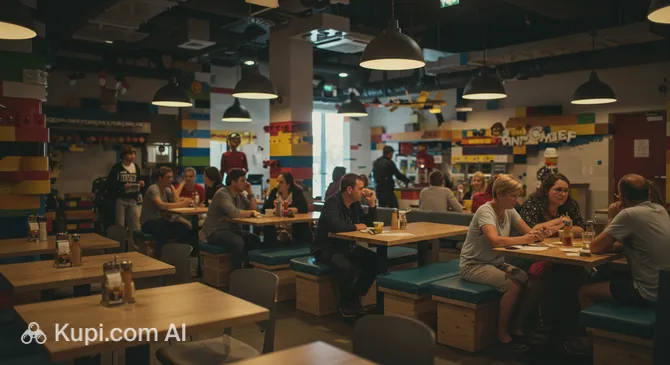
One of the most unique dining experiences in the world can be found right here at Mini Chef, located within the LEGO House. In this interactive restaurant, the food culture of Billund truly shines through innovation and play. Guests "build" their meal orders using LEGO bricks, which are then scanned at the table. The food is prepared by minifigure chefs (digitally) and delivered by friendly robots, turning lunch or dinner into an unforgettable attraction in itself.

Mini Chef. Source: Kupi.Binoculars

For a quick and casual bite, the Danish hot dog stand, or Pølsevogn, is a cultural institution. A classic roasted hot dog topped with remoulade, mustard, ketchup, raw onions, and crispy fried onions is a must-try street food experience. In the town center, you will also find popular local spots for takeaway and easy meals, such as Elite Pizza and Kebab, which serves as a convenient option for tourists looking for a hearty meal after a long day at the theme parks.

Regarding beverages, Denmark is famous for its beer, with brands like Carlsberg and Tuborg being ubiquitous, but you can also find local craft brews in various establishments. For a celebratory touch, adults might try Akvavit (snaps), a strong spiced spirit often consumed with lunch during holidays. For a non-alcoholic refreshing option, Hyldeblomstsaft (elderflower cordial) is extremely popular and widely available. To unwind in the evening, the Airport Hotel Bar offers a relaxed atmosphere to enjoy a drink before or after your travels.

Travel Tips

Visiting the "Capital of Children" is a dream come true for many families, but a little preparation goes a long way in ensuring your adventure is as smooth as it is fun. To help you make the most of your time in this playful Danish town, here is a collection of practical advice covering everything from packing essentials to local customs.

  1. Dress in Layers: The Danish weather can be quite unpredictable, even in summer. It is wise to pack breathable layers that you can easily add or remove. Since you will likely be spending a lot of time outdoors at attractions like LEGOLAND or WOW PARK, comfortable walking shoes are non-negotiable. Always bring a waterproof jacket or a sturdy umbrella, as rain showers can occur suddenly throughout the year.

  2. Getting Around: Billund is a relatively small and compact town. Many of the major attractions, such as LEGO House and the city center, are within walking distance of each other. During the high tourist season (summer), there is often a free shuttle bus that connects the airport, major hotels, campsites, and attractions like LEGOLAND and Lalandia. Taxis are available but can be expensive; if you plan to stay strictly within Billund, a rental car is usually not necessary unless you want to explore the wider Jutland region.

  3. Currency and Payments: The local currency is the Danish Krone (DKK). While it is good to have a small amount of cash, Denmark is a highly digitized society. International credit and debit cards (Visa and Mastercard) are accepted almost everywhere, from hot dog stands to ticket counters. Tipping is not mandatory as service charges are included in the bill, but rounding up the total for good service is appreciated.

  4. Health and Safety: Billund is an extremely safe destination for tourists. Pharmacies are known as "Apotek" and are easily recognizable by their green cross sign. For non-urgent medical advice, you can call the local medical guard (Lægevagten), while 112 is the number for all emergencies. The tap water is clean, safe, and delicious to drink, so bring a reusable bottle to stay hydrated.

  5. Communication: The official language is Danish, but English is spoken fluently by the vast majority of the population, especially in a tourist hub like Billund. You will have no trouble communicating in hotels, restaurants, or shops. Learning a simple "Tak" (Thank you) or "Hej" (Hello) is a nice gesture that locals always appreciate.

  6. Respect the Bike Lanes: In Denmark, cycling is a serious mode of transport, not just a hobby. Be very careful not to walk in the designated bicycle lanes, which are often situated between the sidewalk and the road. Pedestrians wandering into bike lanes is a common annoyance for locals and can be dangerous.

  7. What to Avoid: Do not expect shops to be open late every day. While supermarkets often have long opening hours, smaller boutiques and high street shops typically close early on Saturdays (around 2:00 PM or 3:00 PM) and may be closed entirely on Sundays. Plan your souvenir shopping accordingly to avoid disappointment.

  8. A Tip for Families: If you are visiting multiple attractions in the region, look out for the "Be Happy Pass." This is often provided free of charge by local accommodation providers and offers various discounts, special badges, and small gifts for children at different spots in and around Billund, adding an extra layer of fun for the little ones.

Billund is designed with visitors in mind, making it one of the most stress-free destinations you can choose for a holiday. By keeping these practical tips in mind, you can focus entirely on building memories—brick by brick—in this welcoming and creative corner of Denmark.

Entertainment & Nightlife

Billund is primarily known as a family-friendly destination, and its nightlife reflects this relaxed and welcoming character. Unlike the bustling metropolises of Copenhagen or Aarhus, you will not find a rowdy district filled with nightclubs and thumping bass here. Instead, the evening entertainment scene is cozy, intimate, and largely centered around the major hotels and the town center. The atmosphere is laid-back, catering to parents unwinding after a day at the theme parks, business travelers, and locals enjoying a quiet drink. The dress code is almost universally casual; you can feel comfortable in jeans and a sweater just about anywhere.

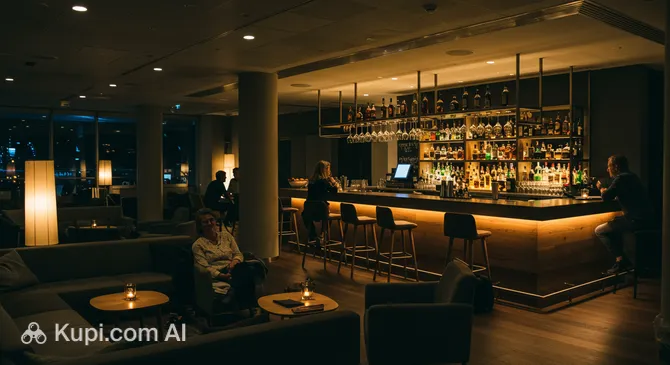
For those seeking a sophisticated place to enjoy a cocktail or a glass of wine, hotel bars are the main staple of the local nightlife. One such venue is the Airport Hotel Bar. Located conveniently for travelers, it offers a calm environment perfect for a nightcap. It serves a variety of international drinks and Danish beers, providing a space where conversation flows easily without the distraction of loud music. It is an ideal spot to relax if you have an early flight or simply want to escape the more energetic family crowds for an hour or two.

Airport Hotel Bar. Source: Kupi.Binoculars

If you prefer an evening that combines activity with entertainment, the Lalandia Billund complex is the town's true entertainment hub after dark. While it is a resort by day, in the evening, its plaza comes alive with a different energy. Here you can find a sports bar showing major matches, bowling alleys that stay open late, and restaurants that serve dinner well into the evening. It is a bustling area where the vibe is energetic and fun, making it a great option for groups or families who aren't quite ready to go to sleep yet.

For late-night cravings or a casual bite after a night out, options in the town center are modest but reliable. Places like Elite Pizza and Kebab offer a straightforward menu that hits the spot when other kitchens have closed. Situated in the heart of the town, such eateries are popular with locals and tourists alike who need a quick, hearty meal to end the night.

Regarding logistics and safety, Billund is exceptionally safe for evening walks. The streets are well-lit and quiet, with virtually no crime to worry about. However, the town is spread out, and walking from the center to the airport or resort areas can take longer than expected. Taxis are the most convenient way to get around at night; it is advisable to have your hotel reception book one for you or to have a local taxi number saved, as you cannot simply hail them on the street. Prices can be high, so sharing a ride is recommended.

While the nights are quiet, the daytime entertainment options in Billund are vibrant and diverse. Beyond the famous brick-themed attractions, visitors can explore cultural gems like the Teddy Bear Art Museum, which offers a whimsical look at history through cuddly toys, or immerse themselves in nature at WOW PARK, an outdoor amusement park in the forest. These venues provide a delightful contrast to the evening's slower pace, ensuring that your days are as filled with excitement as your nights are with relaxation.

Parks & Museums

Billund is a town where the boundaries between museums, parks, and playgrounds are delightfully blurred. Rather than traditional quiet halls, the cultural landscape here is defined by interactive experiences and creative outdoor spaces. Whether you are looking to explore local history, appreciate art, or immerse yourself in nature, the area offers unique spots that appeal to both adults and children.

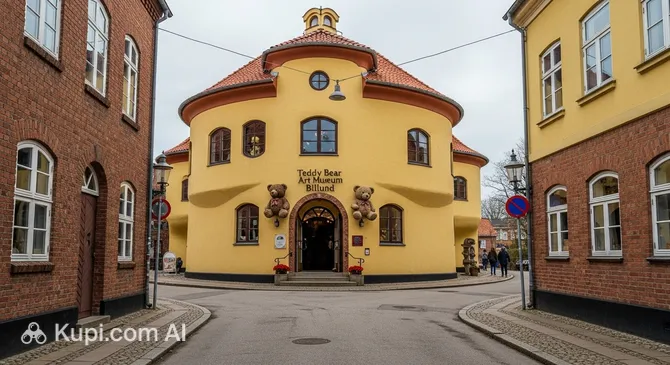
For a sophisticated yet whimsical cultural experience, the Teddy Bear Art Museum is a must-visit. Located in the former private villa of the LEGO family, this museum presents a diverse collection of teddy bears ranging from antique classics to modern art pieces. The experience extends outdoors to the beautiful "Garden of Edith," a serene parkland surrounding the villa where visitors can enjoy a peaceful walk amidst sculptures and manicured flowerbeds.

Teddy Bear Art Museum. Source: Kupi.Binoculars

While often celebrated as a play center, LEGO House also functions as the definitive museum for the world's most famous toy brand. The History Collection, located in the basement, offers a fascinating journey through time. Here, guests can view the original wooden toys from the 1930s and trace the evolution of the plastic brick, making it a nostalgic destination for history buffs and lifelong fans.

If you prefer fresh air and active exploration, WOW PARK offers a completely different kind of park experience. Set within a sprawling forest, this attraction is dedicated to physical play in nature. Spanning a vast area, it features suspension bridges high in the tree canopy, underground caves, and giant nets. It serves as a fantastic green escape where families can reconnect with the outdoors away from the digital world.

WOW PARK. Source: Kupi.Binoculars

Connecting the town center with the major entertainment districts is the Skulpturpark Billund (Sculpture Park). This 1.3-kilometer nature path runs along a gentle stream and functions as an open-air gallery, featuring nearly 20 sculptures by various artists. It is a perfect route for a leisurely stroll or a bike ride. Finally, the iconic LEGOLAND Billund features its own outdoor museum in the form of Miniland, where millions of bricks meticulously recreate famous landmarks and capital cities from around the globe.

Getting Around

The public transport system in Billund is straightforward and efficient, designed primarily to accommodate the large influx of families visiting the major attractions. Given the town's modest size, there is no metro, tram, or trolleybus network. Instead, the city relies entirely on a well-connected bus service operated by the regional transport authority, Sydtrafik. These buses act as the main link between the town center, the airport, the resort areas, and the nearest railway stations in cities like Vejle and Kolding.

For tourists, the most relevant bus routes are the regional lines that connect travelers arriving by train to the heart of Billund. However, a special feature during the high tourist season (typically late June to August) is the free city shuttle bus. This service runs in a continuous loop connecting Billund Airport, major hotels, campsites, LEGOLAND, and Lalandia. It is an incredibly convenient and cost-effective way to move between your accommodation and the theme parks without worrying about schedules or tickets.

Paying for public transport can be done in several ways. The most common method for residents is the Rejsekort (Travel Card), an electronic smart card that you tap on "Check In" and "Check Out" stands located inside the bus. While tourists can buy an anonymous version of this card at the airport or major stations, it requires a deposit and a minimum balance, which might be inconvenient for short stays. A more user-friendly alternative for visitors is to use the Sydtrafik app or the national Rejsebillet app, where you can purchase single tickets or day passes directly on your smartphone using a credit card.

If you prefer physical tickets, you can still purchase single-ride tickets from the bus driver using cash (Danish Kroner). It is highly advisable to carry small change, as drivers may not be able to break large banknotes. Ticket prices are based on a zone system; a short trip within the town is relatively cheap, while regional trips to Vejle or Kolding will cost more. Remember that if you buy a paper ticket, it is valid immediately, whereas app tickets must be purchased before you board the vehicle.

Beyond buses, taxis are a reliable but more expensive alternative. You can find them waiting at the taxi rank outside the airport terminal, or you can book one via phone or app through local companies like Billund Taxa. Unlike in some cities, you generally cannot hail a taxi from the street corner; booking in advance is recommended, especially for early morning departures. Ride-sharing apps like Uber are not operational in Denmark due to local regulations.

Given Denmark's cycling culture, renting a bicycle is a popular and enjoyable way to get around. The terrain is flat, and there are safe, designated bike paths connecting the town center with the major attractions. Many hotels and campsites offer bike rentals for both adults and children. Additionally, the town is very walkable, featuring the "Playline," a creative urban path designed to make walking between the town center and the tourist attractions an entertaining experience in itself.

Accommodation

Where to Stay:

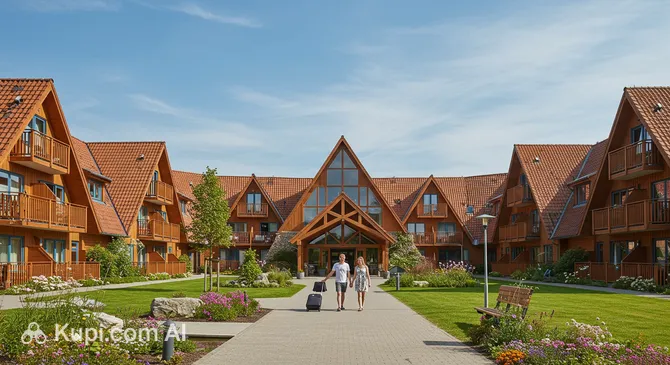
Billund is a destination designed primarily for families, and its accommodation landscape reflects this perfectly. Visitors can choose from a wide array of options ranging from immersive, themed resorts and comfortable mid-range hotels to budget-friendly hostels and well-equipped campsites. Because the town is relatively small, most lodgings are designed to be practical and fun, often featuring play areas and family suites to accommodate larger groups.

The most convenient area to stay is undoubtedly the district surrounding the major theme parks. Many tourists prefer hotels located within walking distance of the main attractions to minimize travel time. Alternatively, the town center offers a quieter atmosphere with smaller inns and bed-and-breakfasts, yet it remains close enough to reach the entertainment zones by a short walk or a quick bus ride. Staying near the airport is also a viable option, offering easy access to transit without being far from the fun.

For those seeking a complete resort experience, Lalandia Billund is a standout choice. This holiday center offers modern holiday homes rather than traditional hotel rooms, providing families with the space and facilities to cook their own meals while enjoying access to the massive on-site water park and entertainment complex. It represents the upper end of the self-catering market, combining the freedom of a rental with the amenities of a luxury resort.

Regarding costs, travelers should be prepared for Scandinavian price levels, which can be higher than the European average. Accommodation falls largely into the mid-range to luxury bracket, especially during school holidays. A crucial tip for planning your trip is to book well in advance. During the peak summer season (July and August), the best locations sell out months ahead of time. Booking online through major travel platforms or directly via the resort websites is the most effective way to secure your preferred dates and rates.

Nearby Cities

For those looking to explore the surroundings, Billund serves as an excellent base for day trips to several interesting nearby locations:

City Population Distance (km)
Esbjerg 72,261 50
Kolding 61,638 34
Horsens 61,074 48
Vejle 60,231 27
Herning 50,565 47

Just a short drive away, Vejle offers a delightful mix of modern architecture and natural beauty. Located at the head of a scenic fjord, the city is famous for its striking waterfront buildings, such as The Wave (Bølgen) and Fjordenhus. It is also known as one of Denmark's best shopping towns, featuring a long pedestrian street filled with boutiques and cafes, making it a perfect spot for a relaxed afternoon stroll.

For history and culture enthusiasts, Kolding is a must-visit destination. The city is dominated by the majestic Koldinghus, a royal castle that has been beautifully restored and now serves as a museum housing historical collections and changing exhibitions. Additionally, the Trapholt Museum of Modern Art and Design offers a contemporary contrast, set within a beautiful park overlooking the water.

On the west coast, Esbjerg provides a breath of fresh sea air and a maritime atmosphere. Visitors are often drawn to the colossal Man Meets the Sea sculptures, which stand nine meters tall looking out over the water. As a major port city, it also serves as the gateway to the Wadden Sea National Park, a UNESCO World Heritage site known for its unique tidal nature and wildlife.

These nearby destinations offer a glimpse into the diverse culture and landscapes of the region, ranging from royal history to modern design and rugged coastal nature.

Shopping & Souvenirs

Shopping:

Shopping in Billund is a unique experience that mirrors the town's character: intimate, family-oriented, and heavily influenced by the playful spirit of its most famous export. While you will not find the sprawling boulevards of high-end fashion brands typical of larger cities, the town offers a curated selection of stores that cater to the needs of families and tourists. The retail scene is dominated by toys, Danish design, and practical necessities, ensuring that visitors can find everything from exclusive souvenirs to daily groceries.

The primary shopping district is concentrated in the town center, particularly around Butikstorvet. This open-air shopping square serves as the commercial heart of the municipality. Here, you can find a variety of essential services and stores, including supermarkets, clothing boutiques, a pharmacy, and a florist. It is a pleasant, pedestrian-friendly area where locals and tourists mix, offering a relaxed pace that is a welcome break from the energetic theme parks.

For a more concentrated shopping experience, the arcade within Lalandia Billund functions as the area's main mall-like destination. The covered promenade features a range of shops selling well-known fashion brands, swimwear, and accessories. It is also home to a large supermarket, making it a convenient stop for families staying in holiday homes who need to stock up on food and supplies. The atmosphere here is lively and bustling, regardless of the weather outside.

Unlike many older European towns, Billund does not have a permanent, historic market hall. However, the town occasionally hosts seasonal flea markets and pop-up events, particularly during the summer months and the Christmas season. For food lovers, the local supermarkets are excellent places to explore Danish gastronomy, offering a wide selection of rye breads, cheeses, and local confectionery that serve as great edible souvenirs.

When it comes to souvenirs, Billund is arguably one of the best places in the world to buy toys. The LEGO House features a flagship store that is accessible to the public without an entry ticket. This store is a pilgrimage site for fans, as it sells exclusive LEGO sets and merchandise that cannot be purchased anywhere else on the planet. Similarly, the shop at LEGOLAND Billund offers a massive array of kits and costumes. Beyond bricks, you can find charming Danish design items and high-quality plush toys at the museum gift shops in town.

Store opening hours in Billund follow standard Danish customs. Most high street shops open around 10:00 AM and close by 5:30 PM on weekdays. On Saturdays, shops often close earlier, typically around 2:00 PM, and many are closed entirely on Sundays. However, the shops within Lalandia and the major supermarkets usually have extended opening hours, often operating seven days a week to accommodate tourists. Cash is rarely needed, as Denmark is a nearly cashless society; credit and debit cards are accepted for even the smallest purchases.

For visitors residing outside the European Union, tax-free shopping is available. If you spend above a certain threshold in a single store, you are eligible for a VAT refund. Look for the "Tax-Free" signage in shop windows and ask the staff for a refund form at the checkout, which you can then validate at the airport before leaving the country.

Reached the end of the page?

That means the route is fully explored