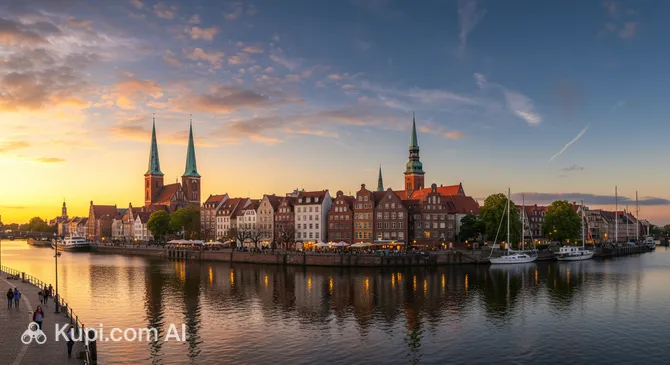
Welcome to Rostock, a vibrant port city located in the north of Germany. As the largest city in the state of Mecklenburg-Vorpommern, it serves as a significant economic and cultural hub along the Baltic Sea coast. With a population of over 200,000 residents, Rostock offers a lively urban atmosphere combined with the relaxing charm of a seaside destination, situated where the Warnow River widens and flows into the sea.
Rostock. Illustration.
Source: Kupi.com AI
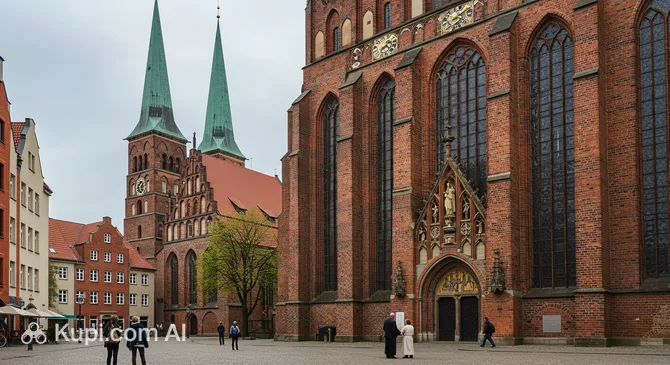
The city boasts a rich heritage that is evident in its stunning architecture and layout. The history of Rostock is deeply intertwined with the powerful Hanseatic League, an era that bequeathed the city its distinctive Brick Gothic buildings and impressive fortifications. Visitors can admire the majestic St. Mary's Church (Marienkirche), famous for its astronomical clock, or stroll through the historic city center to see the remnants of the old city wall and its imposing gates.
Beyond its historical center, Rostock is renowned for the seaside district of Warnemünde. Just a short trip from the downtown area, this former fishing village delights travelers with its wide sandy beaches, a classic lighthouse, and the picturesque Teepott building. Whether you are interested in exploring one of the world's oldest universities or simply want to enjoy the fresh sea breeze on a harbor cruise, Rostock provides a memorable experience for every traveler.
Weather Overview
Rostock features a temperate maritime climate, largely defined by its location on the Baltic coast. This proximity to the sea ensures that the city avoids extreme temperature fluctuations, making it a year-round destination with distinct seasonal changes. Summers are generally mild and pleasant, with average temperatures in July and August hovering around 18°C and daytime highs reaching approximately 22°C, creating ideal conditions for exploring the seaside.
The colder months bring cooler air, though temperatures rarely drop significantly below freezing. In January and February, the average temperature stays around 3°C to 3.5°C. Rainfall is distributed fairly evenly throughout the year, so carrying an umbrella is always a good idea. To help you pack the right gear for your trip, be sure to check the current weather in Rostock. Expect comfortable, mild summers with occasional showers and cool, damp winters.
Average monthly temperature
Average monthly precipitation
Interesting Facts
Beyond the main attractions, Rostock holds many fascinating secrets and historical curiosities that often escape the casual observer. From mystical numbers to groundbreaking aviation milestones, the city's past is filled with unique stories that continue to shape its identity today.
Rostock was historically celebrated as the "City of Seven," a number that held special significance for the residents. Legend has it that the city once boasted seven city gates, seven main churches, seven bridges, and even seven lime trees in the Rosengarten. Today, the imposing Kroepeliner Gate stands as one of the few surviving testaments to this numerical tradition.
Hidden within St. Mary's Church, Rostock is a true mechanical marvel: an astronomical clock dating back to 1472. It is widely considered the only medieval clock of its kind in the world that still functions with its original clockwork mechanism, accurately tracking moon phases and zodiac signs for over five centuries.
The city played a pivotal role in aviation history, marking the dawn of the jet age. In August 1939, the Heinkel He 178, the world's first turbojet-powered aircraft, successfully completed its maiden flight in the Marienehe district of Rostock, forever changing the future of flight.
Founded in 1419, the University of Rostock is not just a place of learning but a historical record holder. It stands as the oldest university in the Baltic Sea region and the third oldest in Germany, having operated continuously for more than 600 years.
St. Mary's Church, Rostock. Illustration.
Source: Kupi.com AI
Traveler photos:
How to Get There
Reaching this Baltic port city is straightforward thanks to its well-connected transport network, offering convenient options by air, rail, and road. Whether you are arriving from within Germany or from abroad, you can find all ways to reach the city to suit your itinerary.
For those preferring air travel, the most direct entry point is Laage Airport (IATA: RLG). Located approximately 22 km from the city center, it is a convenient regional hub. A trip by taxi or airport shuttle from here generally takes approx. 30 minutes. Alternatively, many international travelers choose Hamburg Airport (IATA: HAM), situated in the city of Hamburg, about 148 km away. As a large international airport, it offers a wider range of flight connections. Another major option is Copenhagen Airport (IATA: CPH) in Copenhagen, Denmark, located roughly 174 km from Rostock, which often involves a scenic ferry crossing to reach the German coast.
For clarity, here is a summary of the main airports:
Traveling by train is another excellent way to arrive, offering scenic views of the Mecklenburg countryside. The city is served by Rostock Hauptbahnhof (IATA: RTK), the main central station located just 2.6 km from the city center. It connects the city to the wider German rail network with frequent services. For those arriving from further away, a transfer may be required at Hamburg Hauptbahnhof (IATA: ZMB) in Hamburg. Situated about 150 km from Rostock, this major railway hub handles a vast amount of passenger traffic and provides high-speed connections to destinations across Europe.
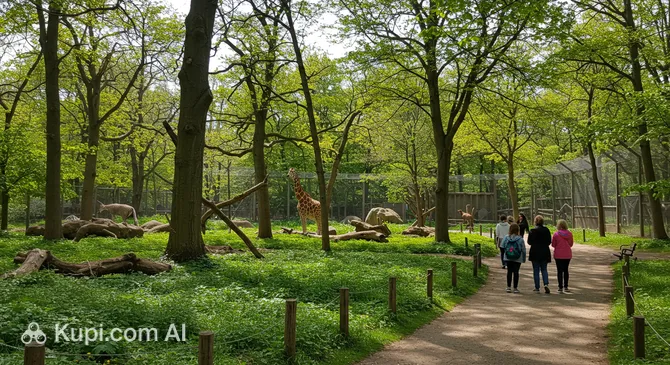
One of the most celebrated destinations for families and nature lovers is the Rostock Zoo. Often recognized as one of the best zoos in Europe, it is home to thousands of animals from around the globe in spacious, naturalistic enclosures. A major highlight within the zoo is the Darwineum, a unique interactive museum and tropical hall that explores the theory of evolution. Tourists flock here to observe great apes and jellyfish while learning about the diversity of life on Earth in an engaging way.
Rostock Zoo. Illustration.
Source: Kupi.com AI
Traveler photos:
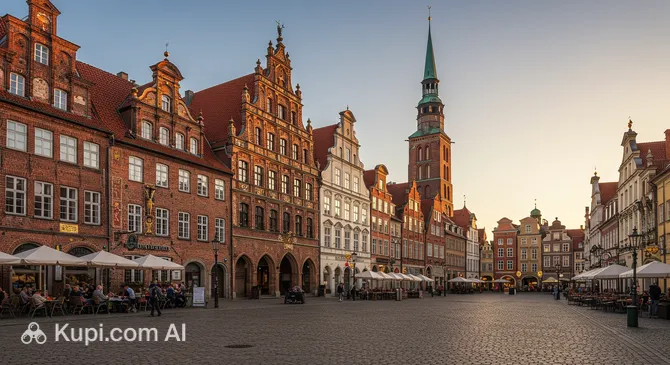
To truly understand the city's Hanseatic heritage, a walk through the Rostock Old Town is essential. This area preserves the charm of the past with its winding streets and traditional Brick Gothic architecture. Visitors enjoy exploring the historic alleyways, discovering hidden shops, and admiring the colorful gabled houses that line the streets. It serves as a picturesque backdrop for photography and a leisurely afternoon stroll through the city's history.
Rostock Old Town. Illustration.
Source: Kupi.com AI
Traveler photos:
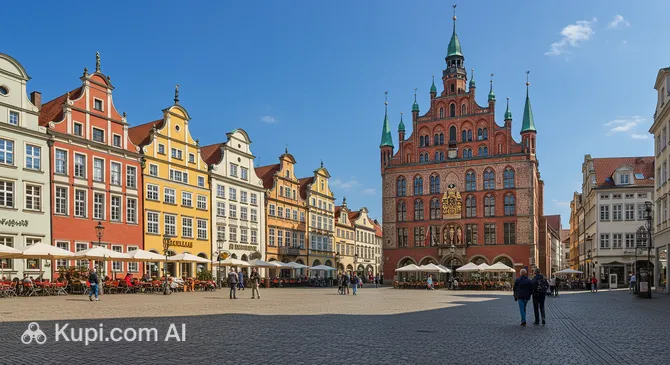
At the heart of the city lies the New Market Square (Neuer Markt), a lively gathering place that connects the historic center with modern city life. Dominated by the distinctive pink-hued Town Hall, the square hosts bustling weekly markets where locals sell fresh produce and regional specialties. It is a perfect starting point for tourists to soak up the local atmosphere, enjoy a coffee at a nearby cafe, and watch the vibrant daily life of Rostock unfold.
New Market Square. Illustration.
Source: Kupi.com AI
Traveler photos:
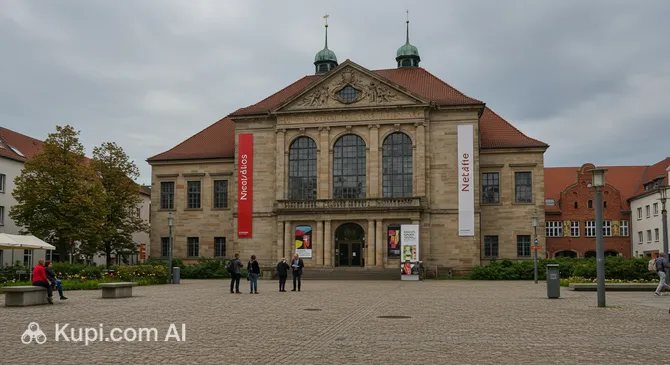
For culture enthusiasts, the Rostock Art Gallery (Kunsthalle Rostock) offers an impressive collection of contemporary art. Located in a scenic park setting near the Swan Pond, the building itself is an architectural landmark. Inside, visitors can explore rotating exhibitions featuring national and international artists, making it a dynamic hub for modern creativity and artistic expression in the region.
Rostock Art Gallery. Illustration.
Source: Kupi.com AI
Traveler photos:
Local Cuisine
The culinary landscape of Rostock is heavily influenced by its location on the Baltic Sea, making it a paradise for seafood lovers. Fresh catches land daily at the harbor, and no visit is complete without trying a classic Fischbrötchen. This fresh fish sandwich, typically filled with pickled herring, onions, or remoulade, is the ultimate local street food, perfect for enjoying while strolling along the waterfront.
For a heartier meal, traditional Northern German cuisine takes center stage. You should try the Mecklenburger Rippenbraten, a savory roast pork rib dish often stuffed with apples and prunes, blending sweet and salty flavors in a way that warms the soul on a breezy day. Another regional favorite is Pannfisch, consisting of pan-fried fish fillets served with fried potatoes and a rich mustard sauce, reflecting the hearty, rustic nature of the local diet.
Zur Kogge. Illustration.
Source: Kupi.com AI
Traveler photos:
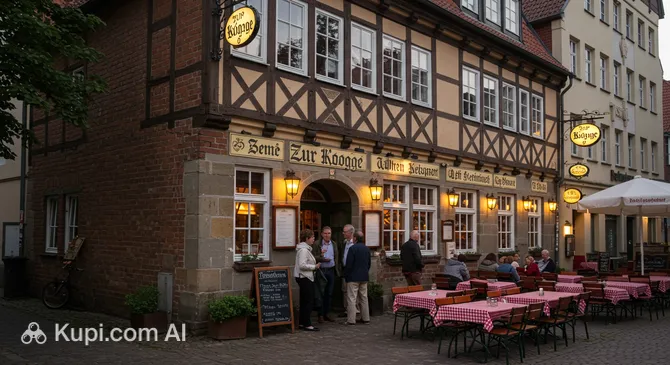
To experience the city's authentic maritime atmosphere, dining at a historic establishment is highly recommended. The restaurant Zur Kogge is a legendary spot in Rostock, known for its maritime decor resembling the interior of a ship and its menu full of traditional sailors' fare. It is a favorite among both locals and tourists seeking a genuine taste of the city's Hanseatic past.
When it comes to drinks, the locals are proud of their brewing tradition. A freshly tapped Rostocker Pils is the standard accompaniment to any meal, brewed right in the city. For something non-alcoholic or a unique souvenir, look for products made from Sanddorn (sea buckthorn). Known as the "lemon of the North," this bright orange berry grows along the coast and is processed into vitamin-rich juices, teas, and sweet liqueurs that capture the essence of the Baltic coast.
Beyond the traditional taverns, the city offers a variety of modern dining experiences. Places like Restaurant Käthe provide a cozy ambiance to relax after a day of sightseeing. Whether you are grabbing a snack at the bustling city harbor or sitting down for a multi-course dinner in the Old Town, Rostock's food scene is welcoming, hearty, and full of flavor.
Travel Tips
To ensure your visit to this charming Hanseatic city is as smooth and enjoyable as possible, we have compiled a list of essential travel advice. From navigating the local customs to packing for the coastal climate, these practical tips will help you experience Rostock with the confidence of a local.
Clothing and Gear: The weather on the Baltic coast can be changeable, so the "onion principle" (dressing in layers) is your best friend. Even in summer, a windproof and waterproof jacket is essential to protect against the stiff sea breeze, especially if you plan to visit Warnemünde. Be sure to pack comfortable, flat walking shoes, as the historic center features many cobblestone streets that can be tricky in heels or stiff soles.
Transportation: Rostock has an excellent public transport network operated by RSAG, consisting of trams, buses, and ferries. The S-Bahn is the fastest way to travel between the main station (Hauptbahnhof) and the coast. You can buy tickets at machines or via mobile apps, but remember to validate your ticket before boarding if it is not pre-stamped. Taxis are available but can be expensive; walking or renting a bike is often the best way to explore the city center.
Finances: The local currency is the Euro (€). While credit cards (Visa, Mastercard) are increasingly accepted in hotels and supermarkets, Germany is still very much a cash-based society. Smaller bakeries, cafés, and souvenir shops often accept only cash or the local "EC-Karte" (debit card). It is wise to carry some cash with you at all times. Tipping is customary; rounding up the bill or leaving about 5-10% is standard practice.
Health and Safety: Rostock is generally a very safe city for tourists. Pharmacies are marked with a large red "A" (for Apotheke) and are well-stocked; a rotation system ensures at least one is open 24/7 for emergencies. For serious medical emergencies, dial 112. Tap water is of high quality and perfectly safe to drink throughout the city.
Communication: The official language is German. While younger people and those working in the tourism industry typically speak good English, some older locals may not. Learning a few basic phrases goes a long way. A local SIM card can be purchased at supermarkets or phone shops for data access, as free public Wi-Fi is not always available everywhere.
Local Etiquette: In Northern Germany, the standard greeting is "Moin". It is used at any time of day or night—not just in the morning—and is a friendly way to say hello. Germans value punctuality, so try to be on time for tours or reservations. When entering a small shop, it is polite to greet the staff.
What to Avoid: Do not walk on the designated bicycle lanes, which are often marked in red or paved differently on sidewalks. Cyclists in Rostock ride fast and expect the path to be clear. Also, avoid jaywalking; locals strictly obey pedestrian traffic lights ("Ampelmännchen"), and crossing on red is frowned upon, especially if children are nearby.
Additional Tip: Be aware of the "Sunday Rest" (Ruhetag). Most shops, supermarkets, and pharmacies are closed on Sundays. However, in the seaside resort district of Warnemünde, special regulations often allow shops to open on Sundays during the tourist season, making it a great spot for weekend browsing.
With these practical insights in hand, you are well-prepared to relax and enjoy the maritime atmosphere of Rostock without any surprises. Whether you are strolling through the Old Town or watching ships pass by at the harbor, you can now navigate the city with ease and focus on making lasting memories.
Entertainment & Nightlife
As a vibrant university city, Rostock offers a lively and diverse nightlife scene that caters to students, locals, and visitors alike. While the historic center quiets down in the late evening, other neighborhoods come alive with music and conversation. The epicenter of the city's nightlife is undoubtedly the Kröpeliner-Tor-Vorstadt (KTV) district. This trendy area is packed with pubs, student bars, and alternative cultural venues, making it the perfect place to start a night out. During the warmer months, the City Harbor (Stadthafen) also transforms into a popular open-air meeting point where people gather to enjoy drinks by the water as the sun sets.
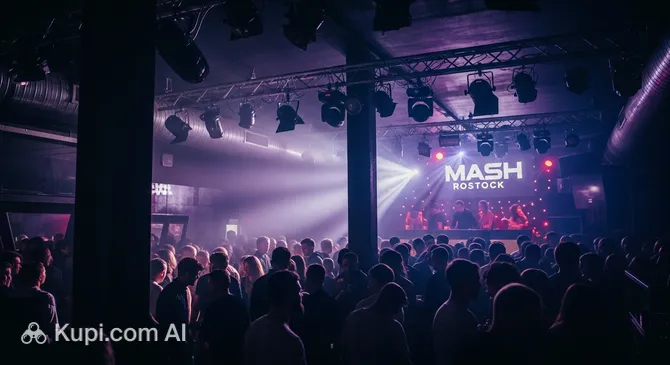
For those looking to dance the night away, the city offers several energetic clubs. A well-known venue in the heart of the nightlife district is Mash Rostock. This club is famous for its eclectic mix of music genres, ranging from charts and black music to house, attracting a diverse crowd of party-goers. It typically hosts themed nights and is a staple of the local weekend scene.
Mash Rostock. Illustration.
Source: Kupi.com AI
Traveler photos:
If you prefer a more electronic vibe, Stadtkind is another popular spot located nearby. It is known for its intimate atmosphere and solid lineup of electronic and techno beats, often featuring local DJs. The dress code in most of Rostock's clubs is casual and relaxed; there is rarely a need for formal attire. Most venues open their doors around 10:00 PM or 11:00 PM, but the parties usually peak well after midnight.
For a more sophisticated evening or a relaxed cocktail, you might explore the city's bar scene. Liberty Delis offers a stylish setting to enjoy expertly crafted drinks and a laid-back ambiance. It is an excellent choice for those who want to converse and unwind rather than spend the night on a dance floor. Prices in Rostock are generally reasonable, especially in the student-heavy KTV area, where happy hour deals are common.
Getting around at night is safe and convenient. The local public transport system operates a "Fledermaus" (Bat) night bus service that connects the main districts and the harbor area throughout the night on weekends. Taxis are also readily available and can be hailed on the street or called via phone. The city is generally very safe for night walks, particularly in the populated areas of the KTV and the city center, though standard travel precautions should always be observed.
Beyond the nightlife, Rostock offers plenty of daytime entertainment options. Culture lovers can visit the Volkstheater Rostock for plays and musical performances or explore the Rostock Cultural History Museum, located in a historic monastery, to delve deeper into the region's past. For shopping enthusiasts, the Kroepeliner Tor Center provides a modern mall experience right in the city center, perfect for a leisurely afternoon before the evening festivities begin.
Parks & Museums
Rostock is not only defined by its brick gothic architecture and bustling port but also by its abundant green spaces and rich cultural institutions. The city seamlessly blends urban living with nature, offering visitors a variety of serene parks, gardens, and museums that preserve the region's fascinating maritime and Hanseatic history.
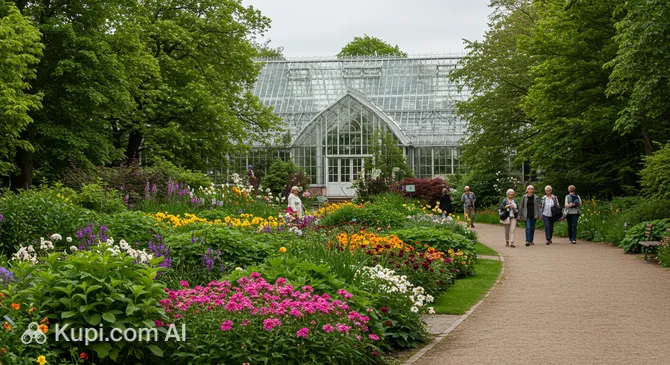
For nature enthusiasts, the Botanical Garden of the University of Rostock is a must-visit destination. Located near the city center, this scientific garden covers approximately 7.8 hectares and is home to around 10,000 plant species from diverse climate zones. Visitors can wander through the arboretum, explore the alpine garden, or admire the tropical plants in the greenhouses. It serves as a peaceful retreat for students and tourists alike, offering a quiet escape from the urban hustle while showcasing the diversity of global flora.
Botanical Garden of the University of Rostock. Illustration.
Source: Kupi.com AI
Traveler photos:
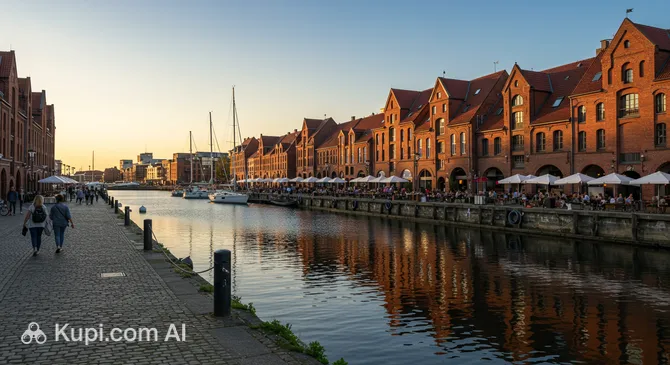
Another unique outdoor area is the Haedge Peninsula in the city harbor. This tongue of land jutting into the Warnow River perfectly captures Rostock's industrial charm. It is characterized by historic harbor cranes and old warehouses that have been preserved as monuments to the city's trading past. Today, it is a popular spot for a leisurely walk along the waterfront, offering panoramic views of the ships and the modern city skyline, especially beautiful during sunset.
Haedge Peninsula. Illustration.
Source: Kupi.com AI
Traveler photos:
In addition to these spots, the IGA Park, created for the International Garden Show in 2003, remains one of the largest recreational areas in the city. Located in the Schmarl district, it features vast lawns, themed gardens, and the impressive Traditionsschiff (Traditional Ship), which serves as a floating museum. It is an ideal location for long walks, open-air concerts, and family picnics by the water.
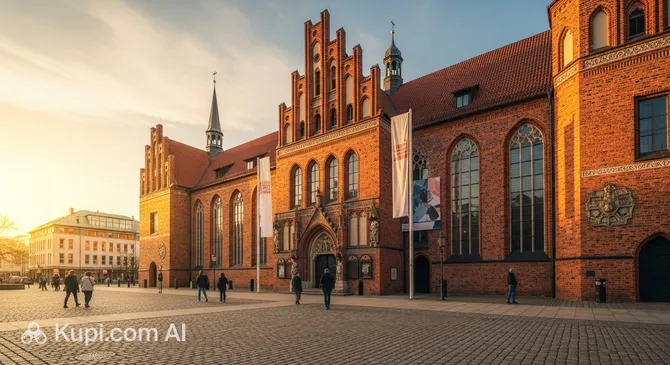
Delving into the city's past, the Rostock Cultural History Museum offers a deep dive into local heritage. Housed in the historic Abbey of the Holy Cross (Kloster zum Heiligen Kreuz), a Cistercian convent founded in the 13th century, the museum itself is an architectural gem. The exhibitions display a wide range of artifacts, from medieval religious art and toys to coins and crafts that tell the story of Rostock's rise as a Hanseatic power. The tranquil convent garden is also worth a visit.
Rostock Cultural History Museum. Illustration.
Source: Kupi.com AI
Traveler photos:
Given Rostock's location, no cultural tour is complete without mentioning the Shipbuilding and Maritime Museum. Located on board the peace ship "Dresden" within the IGA Park, this museum documents the history of shipbuilding in the region. Visitors can explore the engine room, bridge, and crew quarters of the ship, gaining insight into the maritime traditions that have shaped the city's identity for centuries.
For an authentic local experience, take a stroll along the Wallanlagen (Wall Parks). These green belts follow the line of the old city fortifications and provide a scenic route around the historic center. It is a favorite route for locals to walk their dogs or enjoy a coffee on a bench, surrounded by centuries-old trees and remnants of the city wall.
Getting Around
Public transport in Rostock is efficient, reliable, and the most convenient way to explore the city and its seaside districts. The network is integrated under the Verkehrsverbund Warnow (VVW) and operated primarily by the Rostocker Straßenbahn AG (RSAG). The backbone of the system consists of six tram lines that crisscross the city center and connect major residential areas. For tourists, the S-Bahn (suburban train) is particularly important, as it provides a fast and frequent connection between the main train station (Hauptbahnhof) and the popular coastal district of Warnemünde, taking only about 20 minutes.
Complementing the trams and trains is an extensive bus network that serves areas further from the city center. A unique feature of Rostock's transport system is its ferries, which are fully integrated into the public network. These ferries carry passengers across the Warnow River, connecting the city harbor with the Gehlsdorf district and linking the seaside resort of Warnemünde with Hohe Düne. Riding the ferry offers a scenic shortcut and a great view of the water, all for the price of a standard bus ticket.
The ticketing system is unified, meaning a single ticket is valid for trams, buses, the S-Bahn, and ferries within the designated zone. Most of the city, including Warnemünde, falls within the "Rostock" fare zone. Tickets can be purchased at multilingual vending machines located at major stops and train stations, or inside trams and buses (often accepting coins or cards). For convenience, you can also use the free VVW app to buy mobile tickets. Travelers planning to explore extensively should consider a Day Ticket (Tageskarte) or a Group Day Ticket, which offers unlimited travel until 3:00 AM the following day and is often more economical than buying single fares.
If you are staying for a few days, the RostockCARD is an excellent option for tourists. It acts as a travel pass for the entire public transport network and provides discounts on tours, museums, and attractions. When using paper tickets, remember to validate them immediately upon boarding by inserting them into the orange stamping machines; failure to do so can result in a fine. Tickets purchased from mobile apps or specific machines may already be validated, so check the print details carefully.
Public transport runs frequently throughout the day, with trams arriving every 10 minutes on main lines. On weekends and at night, the city operates a special night bus service known as the "Fledermaus" (Bat). These buses ensure you can get back to your hotel safely after a night out, departing hourly from the city center to various districts. The schedule is reliable, making it easy to enjoy the nightlife without worrying about a ride home.
For those who prefer alternatives, Rostock is an incredibly bike-friendly city. Bicycle rentals are widely available, and dedicated bike lanes make cycling a pleasant way to see the sights, especially along the harbor and coastal paths. Taxis are also available and can be found at designated stands or booked via phone and apps, though they are generally more expensive than public transit. Car-sharing services and e-scooters are also present in the city center for short, flexible trips.
Accommodation
Finding the perfect place to stay in Rostock is easy, as the city offers a wide spectrum of accommodation options to suit every budget and travel style. Visitors can choose from modern business hotels, charming guesthouses, budget-friendly hostels, and luxurious seaside resorts. Additionally, there is a strong market for vacation rentals and apartments, which are particularly popular for families and those planning longer stays along the Baltic coast.
The choice of location largely depends on the purpose of your trip. For travelers interested in history, culture, and nightlife, the City Center (Stadtmitte) is the most convenient area. Staying here places you within walking distance of the historic market square, the main shopping streets, and the vibrant university district. It is an ideal base for those who want to explore the architectural landmarks and enjoy the urban atmosphere.
On the other hand, if a beach vacation is your priority, the seaside district of Warnemünde is the place to be. Located just a short train ride from the center, this area feels like a separate resort town. Here, you will find hotels with sea views, traditional villas, and cozy holiday homes. It is the perfect spot for waking up to the sound of waves and enjoying immediate access to the sandy beaches and the promenade.
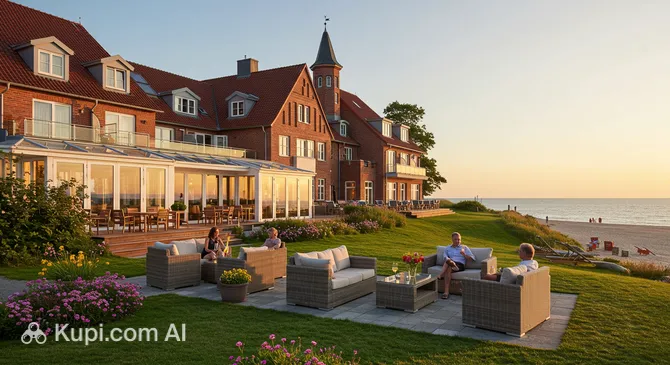
For those seeking a comfortable stay with resort-style amenities, Hotel Rostock is a notable option available in the city. Establishments like this typically offer a range of services designed to make your visit relaxing, serving as a good example of the hospitality you can expect in the region.
Hotel Rostock. Illustration.
Source: Kupi.com AI
Traveler photos:
Booking Tips: Rostock is a very popular destination, especially during the summer months (June to August) and major events like the Hanse Sail. During these peak times, accommodation in both the city center and Warnemünde fills up quickly. It is highly recommended to book your room well in advance—often several months ahead—to secure the best rates and availability.
Prices and Reservations: The cost of accommodation varies significantly by season and location. In the off-season, you can find excellent value, with budget and mid-range options being quite affordable. However, prices tend to rise during the summer and holidays. Most hotels and apartments can be easily booked via major online platforms or directly through their websites. Whether you are looking for a luxury suite with a view of the Baltic Sea or a simple room near the harbor, Rostock has something to offer every traveler.
Nearby Cities
For those looking to explore the surroundings, Rostock serves as an excellent base for day trips to several interesting nearby locations. The region of Mecklenburg-Vorpommern is rich in history, featuring majestic castles, well-preserved medieval towns, and scenic coastal landscapes within a short distance.
One of the top recommendations is Schwerin, the state capital located approximately 69 km away. It is best known for the stunning Schwerin Palace, often referred to as the "Neuschwanstein of the North," which sits picturesquely on an island in Lake Schwerin. Visitors can explore the opulent museum rooms, stroll through the palace gardens, and enjoy the charming historic old town.
Another must-see destination is Wismar, situated just 48 km to the west. As a UNESCO World Heritage site, the city offers an authentic glimpse into the Hanseatic past with its magnificent brick Gothic churches and one of the largest market squares in Northern Germany. The historic harbor is particularly atmospheric, perfect for enjoying a fresh fish sandwich directly from a boat.
Travelers may also wish to visit Stralsund, located about 68 km to the east. Also recognized as a UNESCO World Heritage site, it serves as the gateway to the island of Rügen. The city is famous for its unique layout surrounded by water and the Ozeaneum, an award-winning aquarium that explores the marine life of the Baltic and North Seas.
City
Population
Distance
Warnemünde
6 400
9 km
Bad Doberan
12 752
13 km
Ribnitz-Damgarten
15 451
28 km
Güstrow
29 241
33 km
Wismar
42 785
48 km
These nearby destinations offer a glimpse into the diverse culture and landscapes of the region, making them perfect for enriching your travel itinerary.
Shopping & Souvenirs
Shopping in Rostock offers a delightful mix of modern convenience and historic charm, making it a satisfying experience for every type of traveler. The city center is compact and walkable, allowing visitors to browse through international fashion chains, independent boutiques, and traditional specialty shops without the need for extensive travel. Whether you are looking for the latest trends, maritime antiques, or regional delicacies, the city provides a relaxed atmosphere where retail therapy meets sightseeing.
The beating heart of the city's retail scene is the Kröpeliner Straße, affectionately known by locals as the "Kröpi." This bustling pedestrian zone runs through the historic center, stretching from the iconic Kröpeliner Gate to the New Market. It is lined with beautifully restored gabled houses that host a variety of department stores, shoe shops, and fashion outlets. For a more unique experience, venture into the narrow side streets and courtyards (Hinterhöfe) branching off the main strip, where you can discover smaller boutiques, bookstores, and artisan workshops selling handcrafted goods.
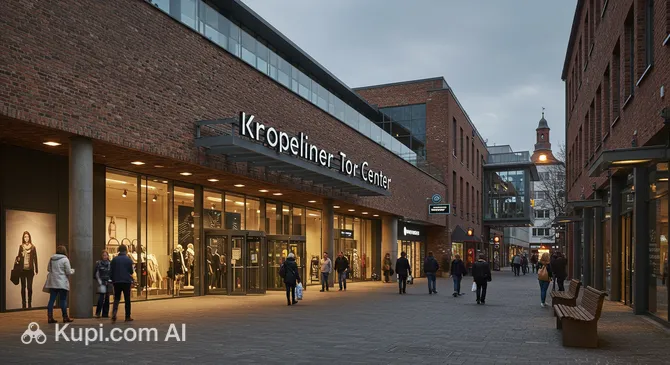
For those who prefer everything under one roof, the city boasts several impressive shopping centers. The Kroepeliner Tor Center (KTC) is the most prominent, located directly in the city center. It houses dozens of shops ranging from fashion and electronics to groceries, along with a food court that offers a quick bite. Another major destination is the Ostsee Park, situated just outside the city in the Sievershagen district. As one of the largest shopping malls in the region, it features a vast array of retailers and free parking, making it a convenient stop for those traveling by car.
Kroepeliner Tor Center. Illustration.
Source: Kupi.com AI
Traveler photos:
If you enjoy the atmosphere of open-air commerce, the markets in Rostock are a must-visit. The New Market Square hosts a traditional weekly market where local farmers and traders sell fresh fruit, vegetables, flowers, and regional snacks. It is the perfect place to mingle with locals and sample fresh produce. Additionally, the seaside district of Warnemünde offers a famous fish market at the harbor, where you can buy freshly smoked fish directly from the cutter boats—an authentic maritime shopping experience.
When searching for the perfect souvenir to take home, look for products made from Sanddorn (sea buckthorn). This bright orange berry is a specialty of the Baltic coast and is processed into everything from vitamin-rich juices and jams to liqueurs and cosmetics. Maritime-themed items, such as ship models, striped shirts, and lighthouse decor, are also popular. For a taste of the city, a bottle of local Rostocker beer or a savory specialty from a local smokehouse makes for a great gift.
Most shops in the city center are open Monday through Saturday, typically from 10:00 AM to 8:00 PM, though smaller boutiques may close earlier, around 6:00 PM or 7:00 PM. Grocery stores often stay open longer. It is important to note that, in accordance with German custom, almost all shops are closed on Sundays. Exceptions are sometimes made in the tourist district of Warnemünde during the peak season or on designated "Shopping Sundays" (Verkaufsoffene Sonntage) throughout the year. While major department stores and supermarkets accept credit cards (Visa, Mastercard), smaller shops and market stalls often prefer cash, so it is wise to carry some Euros with you.
For visitors residing outside the European Union, tax-free shopping is available in many participating stores. Look for the "Tax Free" sign in the window. If you spend above a certain threshold, you can request a tax refund form at the checkout, which can then be processed at the airport or other customs exit points upon leaving the EU, allowing you to reclaim a portion of the Value Added Tax (VAT).