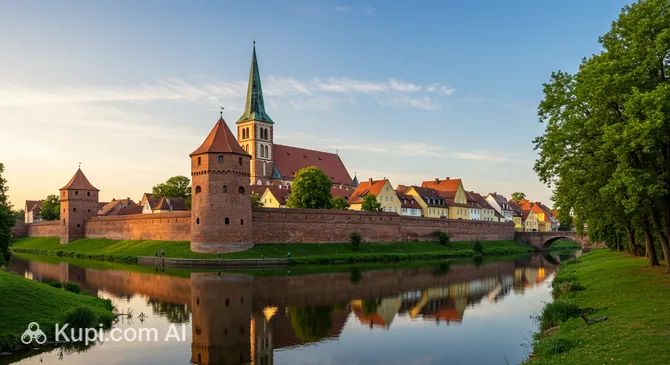
Welcome to Neubrandenburg, a captivating destination often referred to as the "City of Four Gates." Famous for its remarkably preserved medieval fortifications, this city offers a unique blend of historical charm and natural beauty. Located in the federal state of Mecklenburg-Vorpommern in Germany, it serves as a vibrant regional center situated on the northern edge of the stunning Tollensesee lake.
Neubrandenburg. Illustration.
Source: Kupi.com AI
The history of Neubrandenburg is visible at every turn, particularly through its signature Brick Gothic architecture. The city's most iconic feature is its almost completely intact medieval city wall, punctuated by four magnificent gates: the Treptower, Stargarder, Friedländer, and Neues Tor. These structures are considered some of the finest examples of their kind in the region.
Beyond its fortifications, the city is home to the majestic St. Mary's Church (Konzertkirche), which has been brilliantly repurposed as a modern concert hall renowned for its acoustics. Whether you are exploring the historic ramparts or taking a peaceful walk along the shores of the Tollensesee, Neubrandenburg invites you to discover its rich heritage and scenic landscapes.
Weather Overview
The climate in Neubrandenburg is moderately continental, characterized by pleasant, warm summers and cold, damp winters. Generally, visitors can expect comfortable temperatures for outdoor exploration during the middle of the year, though precipitation is a regular occurrence across all seasons. For a comprehensive forecast to help plan your packing list, checking the weather in Neubrandenburg is highly recommended.
The summer months of June through August offer the most inviting conditions, with average temperatures ranging from 17.6°C to 19.0°C. August is typically the warmest month, seeing daily highs reach approximately 23°C. However, rain remains a possibility even in summer, with July experiencing up to 14 wet days, so carrying an umbrella is always a good idea.
In contrast, the winter season from December to February is chilly, with average temperatures hovering between 2.4°C and 3.1°C. Nights can be cold, with minimums dipping close to freezing around 0.5°C. This period is also quite damp, featuring about 13 to 14 wet days per month, making it perfect for enjoying the city's indoor cultural attractions.
Average monthly temperature
Average monthly precipitation
Interesting Facts
Beyond the main attractions, Neubrandenburg holds many fascinating secrets and unique features that define its local character. From architectural curiosities embedded in the medieval fortifications to modern recreational highlights, there is much to discover beneath the surface.
The city's medieval wall is unique for its "Wiekhäuser," or guard houses, built directly into the ramparts. Originally designed for defense, these small half-timbered structures were later converted into housing for the poor in the 18th century and today serve as charming studios, clubs, and apartments, giving the fortification a lively, inhabited feel.
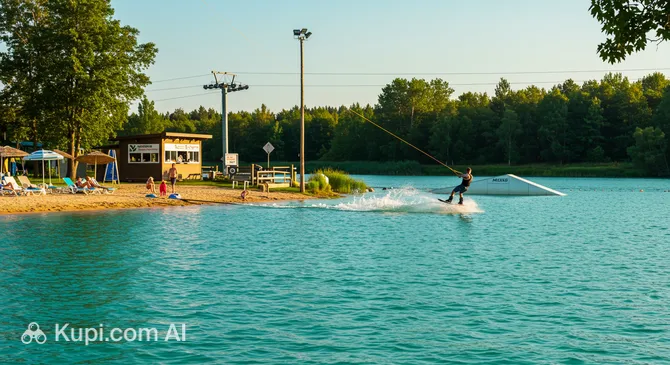
Neubrandenburg is a surprising hub for water sports enthusiasts, particularly at the Reitbahnsee. Here, you will find the Neubrandenburg Cable Water Ski Park, a facility that allows visitors to water ski and wakeboard using a cable system instead of a boat, making the sport accessible right near the city center.
Local folklore celebrates a figure known as "Mudder Schulten," a baker's wife from the 19th century famous for her sharp wit and original personality. She is considered a Neubrandenburg original, and her legacy is immortalized with a dedicated fountain and sculpture in the pedestrian zone.
The city seamlessly blends history with nature at the Kulturpark Neubrandenburg. This extensive landscaped park acts as a green bridge connecting the historic city center to the shores of the Tollensesee, offering a picturesque transition from Brick Gothic architecture to serene lakeside promenades.
Neubrandenburg Cable Water Ski Park. Illustration.
Source: Kupi.com AI
Traveler photos:
How to Get There
Reaching this historic city is straightforward, with several transport options available depending on your starting point. For a comprehensive overview of all travel methods, you can read more about how to get to Neubrandenburg to help plan your journey effectively.
The city does not have its own airport, but international travelers can conveniently fly into Berlin Brandenburg (BER) in Berlin, which is approximately 135 km away. As a major international hub, it offers extensive connections. From the airport, visitors can rent a car or take a train to reach Neubrandenburg in approximately two hours. Alternatively, for those looking for a closer regional option, Laage Airport in Rostock is situated about 77 km away. A transfer by taxi or shuttle bus from this airport typically takes around one hour.
For clarity, here is a summary of the main airports:
Travelers arriving by rail can utilize major hubs in the surrounding region to easily access the city. Berlin Hauptbahnhof in Berlin is a significant junction located about 116 km away. From there, you can catch direct connecting trains to Neubrandenburg, with the journey taking approximately two hours. Another key option is Rostock Hauptbahnhof, which is about 94.5 km away. Connecting trains from Rostock are frequent and typically reach the city in just over an hour.
Here is a list of the nearest major railway stations:
Neubrandenburg offers a delightful mix of historical sights, recreational areas, and modern amenities. While the city is famous for its medieval fortifications, visitors will find a variety of other engaging spots to explore, ranging from serene parks to lively shopping districts.
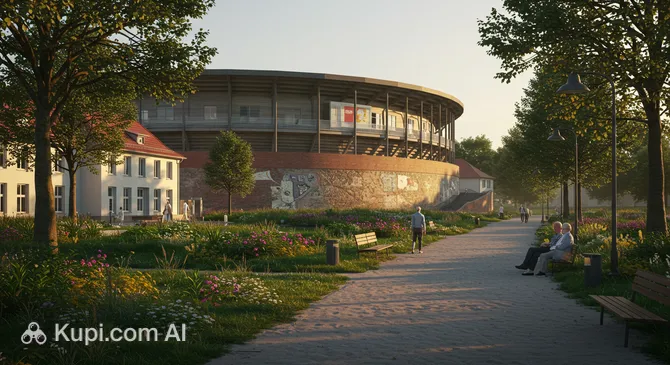
One of the most prominent recreational areas is the Kulturpark Neubrandenburg. Situated between the historic city center and the shimmering Tollensesee lake, this extensive park serves as the city's green lung. It is a favorite destination for both locals and tourists seeking relaxation, featuring beautifully landscaped gardens, winding walking paths, and ample space for picnics. The park acts as a scenic gateway to the lake, making it perfect for a leisurely afternoon stroll.
Kulturpark Neubrandenburg. Illustration.
Source: Kupi.com AI
Traveler photos:
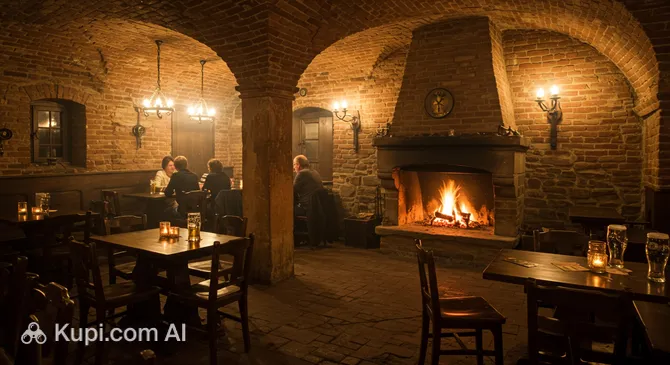
For those interested in a unique dining experience steeped in history, the Wallenstein Cellar Tavern is a must-visit. Located within the historic fortifications, this establishment offers a rustic atmosphere that transports guests back in time. It is an excellent spot to enjoy hearty traditional cuisine while soaking in the medieval ambiance that defines much of the city's character.
Wallenstein Cellar Tavern. Illustration.
Source: Kupi.com AI
Traveler photos:
Travelers looking for a modern shopping experience should head to the Marktplatz Center Neubrandenburg. Located in the heart of the city, this shopping mall provides a vibrant contrast to the ancient architecture outside. With a wide variety of fashion boutiques, specialty stores, and cafes, it is the central hub for retail therapy and a convenient place to pick up souvenirs or enjoy a coffee break.
Active visitors will appreciate the Neubrandenburg Cable Water Ski Park located at the Reitbahnsee. This facility is a major draw for water sports enthusiasts, offering the chance to wakeboard or water ski using an environmentally friendly cable system. Whether you are a beginner or a pro, it promises an adrenaline-filled day out on the water.
Local Cuisine
The culinary scene in Neubrandenburg is deeply rooted in the hearty traditions of Mecklenburg-Vorpommern, offering a taste of honest, rustic Northern German flavors. A signature dish that perfectly represents the region is the Mecklenburger Rippenbraten. This savory roast pork rib is traditionally stuffed with apples and prunes, creating a delightful contrast between the salty meat and the sweet fruit filling. It is almost invariably served with red cabbage and potatoes, providing a comforting meal that locals have cherished for generations.
Given the city's prime location on the edge of the Tollensesee, freshwater fish is a staple on many menus. Diners can look forward to freshly caught pike, perch, and carp, often prepared simply to let the natural flavors shine. Smoked fish is also a popular local delicacy, perfect for a light lunch or a snack on the go. Potatoes, known in the local dialect as "Tüften," accompany almost every main course, appearing as boiled potatoes, fried potatoes, or in hearty soups.
When it comes to drinks, the local culture favors regional beers, with pilsner being the most common choice in taverns and restaurants. However, the region is also famous for Sanddorn (sea buckthorn). This bright orange berry, rich in vitamins, is processed into everything from tart juices and hot teas to sweet liqueurs. It is a distinctive flavor of the area that visitors should definitely try, either as a refreshing non-alcoholic beverage or a digestif.
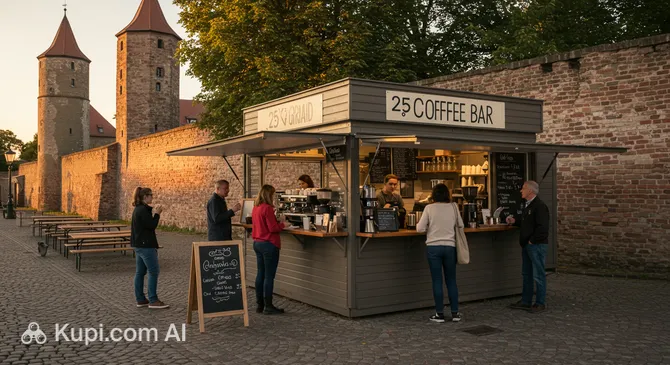
The city's dining landscape offers a blend of historical charm and modern café culture. You can find traditional inns housed within historic buildings near the city gates, as well as contemporary spots perfect for relaxation. For those seeking a cozy atmosphere, the 25 Grad Coffee Bar is a welcoming establishment. It serves as an excellent spot to recharge with high-quality coffee and delicious snacks while soaking in the local vibe.
25 Grad Coffee Bar. Illustration.
Source: Kupi.com AI
Traveler photos:
Travel Tips
To ensure your visit to the "City of Four Gates" is as smooth and enjoyable as possible, we have compiled a set of practical recommendations. These tips will help you navigate local customs, prepare for the weather, and make the most of your time in this charming part of Mecklenburg-Vorpommern.
Clothing and Gear: Since the weather can be changeable with frequent rain even in summer, packing layers and a sturdy umbrella or raincoat is essential. The historic city center features charming but uneven cobblestone streets, so bring comfortable walking shoes. If you plan to visit the Concert Church or upscale restaurants, smart-casual attire is appropriate, though general day wear is relaxed.
Transportation: Neubrandenburg is a compact city, and the best way to explore the historic center within the medieval walls is on foot. For longer distances or trips to the lake, the local bus network is reliable and efficient. Bicycles are also a fantastic option here; the region is very bike-friendly, with dedicated paths circling the city walls and leading around the Tollensesee.
Finances: The official currency is the Euro (€). While credit and debit cards (Visa, Mastercard) are widely accepted in hotels, supermarkets, and larger shops, Germany is still very much a cash-oriented society. Smaller bakeries, cafes, and kiosks often accept only cash or the local "EC-Karte." It is wise to carry some cash for small purchases. Tipping is customary; rounding up the bill or leaving about 5-10% is standard practice.
Health and Safety: Neubrandenburg is generally a very safe city for travelers. Pharmacies are marked with a red "A" (for Apotheke) and can provide advice for minor ailments; they operate on a rotating schedule for night and weekend services. For serious medical emergencies, dial 112. Tap water is safe to drink and of high quality.
Communication: The official language is German. While younger people and those in the tourism industry generally speak English well, some older residents might have limited proficiency. Learning a few basic phrases like "Guten Tag" (Good day), "Danke" (Thank you), and "Bitte" (Please) will be warmly received. Free Wi-Fi is often available in cafes and public buildings, but buying a local prepaid SIM card at a supermarket is recommended for constant connectivity.
Local Etiquette: In Northern Germany, people may seem reserved at first but are generally friendly and helpful. A common greeting in this region is "Moin", which can be used at any time of day. Punctuality is highly valued, so try to be on time for tours or reservations. When entering a shop, it is polite to greet the staff.
What to Avoid: Be careful not to walk in designated bike lanes, which are often marked in red on the sidewalks; cyclists can be fast and expect the path to be clear. Additionally, avoid jaywalking or crossing the street when the pedestrian light is red, even if no cars are coming, as locals strictly adhere to traffic rules and it sets a bad example for children.
Sunday Closures: Keep in mind that in Germany, Sundays are traditionally rest days. Most shops, supermarkets, and pharmacies are closed on Sundays. Only bakeries (for a few hours in the morning), gas stations, and some restaurants remain open. Plan your grocery shopping for Saturday to avoid being caught without supplies.
Armed with these practical tips, you are ready to immerse yourself in the history and nature of Neubrandenburg without any hassles. Whether you are cycling around the Tollensesee or admiring the Brick Gothic architecture, a little local knowledge will go a long way in making your trip unforgettable.
Entertainment & Nightlife
Nightlife in Neubrandenburg is characterized by a relaxed and welcoming atmosphere, deeply intertwined with the city's historic charm. Unlike the bustling metropolises of Germany, the evening scene here is more intimate, favoring cozy pubs, rustic taverns, and casual meeting spots over large-scale clubbing. The heart of the action is undoubtedly the Innenstadt (city center), where the unique architecture of the medieval fortifications plays a central role. Many of the "Wiekhäuser"—the small half-timbered guard houses built into the city walls—have been converted into charming bars and small venues, offering a nightlife experience you won't find anywhere else.
For a truly atmospheric evening, visitors should head to the Wallenstein Cellar Tavern. Located within the historic setting, this venue is perfect for those who enjoy a rustic ambiance accompanied by hearty food and drinks, often reminiscent of a medieval feast. It is a popular spot for both locals and tourists to start the night. If you prefer a more modern and laid-back vibe, the 25 Grad Coffee Bar transforms from a daytime café into a lively spot for evening cocktails and socializing, making it an excellent choice for a warm-up drink or a relaxed night out.
While the city is quieter than Berlin or Hamburg, there are options for those looking to dance. The nightlife districts around the Friedrich-Engels-Ring and the streets leading off the market square occasionally host livelier crowds, particularly on weekends when the local student population is out. Venues in these areas range from classic German "Kneipen" (pubs) to small dance clubs that stay open until the early morning hours. The music scene is diverse, often featuring local DJs or themed parties that cater to a mixed crowd of students and residents.
For a more serene evening experience, especially during the warmer months, the Kulturpark Neubrandenburg is the place to be. This expansive park often hosts open-air events, concerts, and night markets near the lake. Even without a specific event, a night walk along the illuminated paths towards the Tollensesee offers a romantic and peaceful alternative to the bar scene. The park is safe and well-frequented, serving as a green connector between the urban center and nature.
Practicalities for a night out in Neubrandenburg are straightforward. The city center is compact and safe for walking at night, with well-lit streets and a generally low crime rate. Dress codes are casual almost everywhere; smart-casual is sufficient even for the nicer bars. Prices are reasonable, reflecting the student-friendly nature of the town. If you need to travel further afield or return to accommodation on the outskirts late at night, taxis are readily available and can be called via local dispatch services, as ride-sharing apps may be less frequent than in major hubs.
Before the sun sets, Neubrandenburg offers plenty of cultural entertainment to fill your day. The Concert Church (Konzertkirche) is a world-class venue for classical music and theater, housed in a stunning brick gothic church. History buffs will appreciate the Regional Museum, which provides deep insights into the area's past. For active travelers, the daytime is best spent at the lake or exploring the city's art collections, ensuring a well-rounded itinerary before the evening festivities begin.
Parks & Museums
Neubrandenburg seamlessly intertwines its rich cultural heritage with abundant greenery, offering visitors a delightful mix of indoor education and outdoor relaxation. The city is not only defined by its medieval brick architecture but also by its proximity to nature, making it easy to transition from a museum visit to a peaceful walk by the water in a matter of minutes.
The most prominent green space in the city is the Kulturpark Neubrandenburg. Located directly between the medieval city walls and the northern shore of the Tollensesee, this park serves as the recreational heart of the city. It features well-maintained promenades, flower gardens, and open lawns perfect for picnics. The park is more than just a green area; it is a cultural venue that hosts open-air concerts and festivals, acting as a vibrant bridge connecting the urban center with the serene natural landscape of the lake.
For those seeking a more rugged natural experience, the Brodaer Holz on the western shore of the Tollensesee is an excellent destination. This extensive forested area offers a network of hiking and cycling trails that provide stunning elevated views over the lake and the city skyline. Within this area lies the Belvedere, a classic lookout point that was historically designed to offer the best panoramic vistas of Neubrandenburg, making it a favorite spot for photographers and nature lovers alike.
Immersing yourself in the city's history is best done at the Regional Museum Neubrandenburg (Regionalmuseum). Housed in the beautifully preserved complex of the former Franciscan Monastery, the museum itself is an architectural gem. The exhibitions here delve deep into the history of the region, from archaeological finds to the development of the city's fortifications. It provides a comprehensive narrative of life in Mecklenburg-Vorpommern through the centuries, making it an essential stop for history buffs.
Art enthusiasts should visit the Kunstsammlung Neubrandenburg (Art Collection). Known for its impressive inventory of German art from the 18th to the 21st century, the gallery places a special emphasis on painting, graphics, and sculpture. It regularly hosts rotating special exhibitions that showcase both historical and contemporary works, reflecting the city's dedication to maintaining a vibrant cultural scene.
The city's most significant "open-air museum" is undoubtedly its Medieval Fortifications. The almost completely preserved city wall, stretching over 2.3 kilometers, allows visitors to walk through history. The four imposing Brick Gothic gates—Treptower, Stargarder, Friedländer, and Neues Tor—are architectural masterpieces that define the city's silhouette. Walking the circular path along the ramparts offers a unique perspective on how the city was defended and organized in the Middle Ages.
For a truly authentic experience, look out for the small Wiekhäuser embedded in the city walls. While many are private, some have been converted into small galleries or public workshops. Peeking into one of these converted guardhouses offers a rare glimpse into how historical structures are creatively adapted for modern cultural use.
Getting Around
Public transport in Neubrandenburg is reliable, efficient, and perfectly scaled for a city of its size. The system relies primarily on a comprehensive network of buses operated by the local transport authority, Neubrandenburger Verkehrsbetriebe (NVB). As the city is relatively compact, there is no metro, tram, or trolleybus system. Instead, the bright buses connect the historic city center with the surrounding residential districts and the lakeside areas, making it easy for visitors to reach all major attractions without a car.
The bus network consists of several main lines that converge at key hubs, most notably the Central Bus Station (ZOB) located adjacent to the train station and the stops near the Treptower Tor. Buses generally run at regular intervals throughout the day, typically every 15 to 30 minutes on popular routes during peak times. In the evenings and on weekends, the frequency decreases, so it is advisable to check the timetable in advance if you are planning a late dinner or an evening outing.
For tickets and payment, the system is straightforward. You can purchase single tickets (Einzelfahrschein) or day passes (Tageskarte) directly from the bus driver upon boarding. It is important to note that while some modern systems accept cards, it is highly recommended to carry small denominations of cash (euros), as drivers often only accept cash payments. Alternatively, tickets can sometimes be purchased at ticket machines located at major stops or via the "DB Navigator" app, which covers regional transport across Germany.
A practical tip for tourists is to consider the Day Ticket if you plan to take more than two trips in a single day, as it offers unlimited travel within the city zone and is a cost-effective option. If you buy a ticket from a machine, remember to validate it by stamping it in the small box on the bus if it hasn't been pre-stamped. Failure to show a valid, stamped ticket during a random inspection can result in a fine.
Beyond buses, cycling is an extremely popular alternative and arguably the best way to experience the "City of Four Gates." Neubrandenburg is very bike-friendly, with dedicated paths circling the medieval walls and extending around the Tollensesee lake. Rental bikes are available at various points in the city, including near the train station. For those preferring a more direct route, taxis are available but cannot usually be hailed on the street; you will need to find a designated taxi stand or call a local dispatch service to book a ride.
While there is no historic metro, the city offers a unique seasonal transport experience on the water. The "Weisse Flotte" (White Fleet) operates passenger ships on the Tollensesee, including the liner "Rethra." While primarily used for leisure cruises, these boats also serve as a scenic way to travel between different points along the lake, such as Gatsch Eck or Klein Nemerow, offering a relaxing alternative to road transport during the warmer months.
Accommodation
Finding the perfect place to stay in Neubrandenburg is relatively straightforward, as the city offers a welcoming mix of accommodation options that cater primarily to mid-range travelers, families, and outdoor enthusiasts. While you will not find an abundance of ultra-luxury 5-star resorts, the city is well-supplied with comfortable business hotels, charming family-run guesthouses (often called "Pensionen"), and a wide selection of modern holiday apartments.
For those who want to be in the heart of the action, the Innenstadt (Inner City) is the most convenient area. Staying within or near the medieval city walls places you within walking distance of the historic gates, the concert church, and the main shopping streets. This area is ideal for cultural travelers who want to step out of their hotel and immediately be surrounded by Brick Gothic architecture and local cafes.
Alternatively, if your visit is focused on relaxation and nature, look for accommodation near the Tollensesee. The areas bordering the Kulturpark Neubrandenburg and the lakefront offer a quieter atmosphere with scenic views. These spots are particularly popular in the summer, serving as excellent bases for swimming, hiking, and cycling trips around the water.
Booking Tips: Neubrandenburg is a popular regional destination, especially during the warm summer months when the lake attracts visitors from across Germany. It is highly recommended to book your accommodation well in advance if you plan to travel between June and August. During the off-peak seasons, finding a room spontaneously is usually easier.
In terms of pricing, the city is generally affordable compared to major German tourist hubs like Berlin or Munich. Most properties fall into the budget to mid-range category. Booking is typically done through major online travel platforms, though many smaller local guesthouses and holiday apartments also accept direct inquiries, sometimes offering a better rate for longer stays.
Nearby Cities
Situated in the heart of the Mecklenburg Lake District, Neubrandenburg serves as an excellent starting point for exploring the wider region of Mecklenburg-Vorpommern and northern Brandenburg. The surrounding area is dotted with charming towns that boast rich histories, distinctive architecture, and scenic landscapes, all within a comfortable driving distance for a day trip.
The closest neighbor of significance is Neustrelitz, located just 27 km to the south. As a former residential city of the Grand Dukes of Mecklenburg-Strelitz, it offers a baroque city layout and an impressive castle garden that invites leisurely strolls. Heading about 48 km to the east, travelers will find Prenzlau, the capital of the Uckermark district. Known for its brick gothic architecture, particularly the St. Mary's Church, it provides a peaceful contrast to the busier tourist hubs.
For those willing to travel a bit further, the Hanseatic city of Greifswald lies approximately 58 km to the north. This university town is famous for its maritime flair, the ruins of Eldena Abbey, and its connection to the painter Caspar David Friedrich. To the west, about 77 km away, is Güstrow, known as the "Barlach Town" for its association with the expressionist artist Ernst Barlach and its magnificent Renaissance palace.
Another worthwhile destination is Neuruppin, situated roughly 79 km south of Neubrandenburg. Often called the "Fontane City" after the writer Theodor Fontane, it features a classicist town center and sits beautifully on the edge of the Ruppiner See.
Here is a summary of nearby cities to help you plan your excursions:
City
Population
Distance
Neustrelitz
20 140
27 km
Demmin
10 657
40 km
Anklam
12 385
42 km
Rechlin
2 000
45 km
Pasewalk
10 213
48 km
Shopping & Souvenirs
Shopping in Neubrandenburg offers a pleasant mix of modern convenience and historic charm. As a regional center for the Mecklenburg Lake District, the city attracts visitors from the surrounding areas with its diverse retail options. The experience is concentrated largely within the medieval city walls, allowing tourists to combine sightseeing with browsing for fashion, books, and local specialties in a pedestrian-friendly environment.
The main shopping artery of the city is Turmstraße. This pedestrian zone runs through the heart of the historic center and is lined with a variety of shops, ranging from well-known clothing chains to smaller, independent boutiques. Walking along this street, you can enjoy the backdrop of the city's restored architecture while exploring stores selling shoes, jewelry, and electronics. It is a lively meeting point for locals and a great place to soak up the everyday atmosphere of the city.
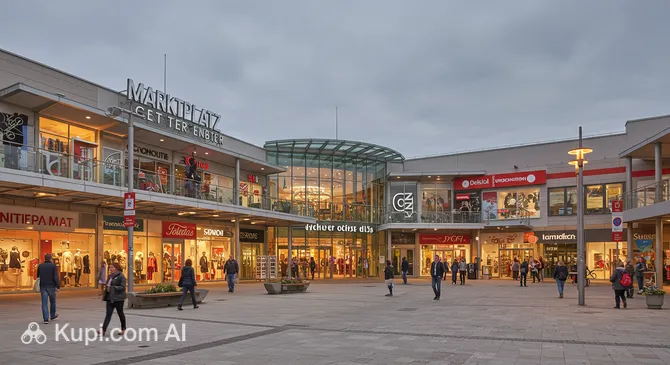
For a more comprehensive shopping experience under one roof, the Marktplatz Center Neubrandenburg is the premier destination. Located centrally on the market square, this glass-domed mall houses numerous shops across multiple levels, offering international fashion brands, beauty products, and services. It serves as a modern counterpoint to the historic surroundings and is a convenient stop for travelers needing anything from travel essentials to a quick snack in the food court.
Marktplatz Center Neubrandenburg. Illustration.
Source: Kupi.com AI
Traveler photos:
Visitors interested in fresh local produce and regional flair should visit the Weekly Market (Wochenmarkt) on the Marktplatz. Typically held twice a week, this market is where local farmers and traders sell fresh fruit, vegetables, meats, and flowers. It is also an excellent place to find regional snacks, such as fresh fish sandwiches or hearty sausages, providing a taste of the local culinary culture amidst the bustle of commerce.
When looking for souvenirs to take home, products made from Sanddorn (sea buckthorn) are a top recommendation. This bright orange berry grows abundantly in the region and is processed into jams, juices, liqueurs, and even cosmetics. Additionally, items featuring the iconic "Four Gates" of Neubrandenburg—such as postcards, mugs, or small replicas—are popular keepsakes that celebrate the city's unique Brick Gothic heritage.
Store opening hours in Neubrandenburg generally follow standard German regulations. Most shops in the city center and the Marktplatz Center are open from Monday to Saturday, typically between 10:00 AM and 7:00 PM or 8:00 PM. It is important to remember that nearly all retail stores, including supermarkets, are closed on Sundays. While major stores and the shopping mall accept credit and debit cards (Visa, Mastercard), smaller boutiques and market stalls often prefer or require cash payments.
For travelers residing outside the European Union, tax-free shopping is available in participating stores. Look for the "Tax Free" signage in shop windows. If you spend above a certain threshold, you can request a tax refund form at the checkout, which can later be processed at the airport or border crossing upon leaving the EU.