Support

Groningen

About

Welcome to Groningen, the vibrant capital of the eponymous province in the northern part of the Netherlands. Often referred to as the "Metropolis of the North," this city offers a unique blend of historical charm and youthful energy, largely thanks to its prestigious university and significant student population. It is a place where centuries-old architecture meets modern culture, creating a lively atmosphere that captivates visitors from the moment they arrive.

Geographically, Groningen serves as the economic and cultural hub of the region. With a population of approximately 233,000 inhabitants, it is the largest city in the north, yet it retains a cozy, manageable feel. The city is known for its compact center, which is largely car-free, making it a paradise for pedestrians and cyclists. The climate is typical of the region, with mild summers and cool winters, perfect for enjoying the cozy cafés and bustling market squares year-round.
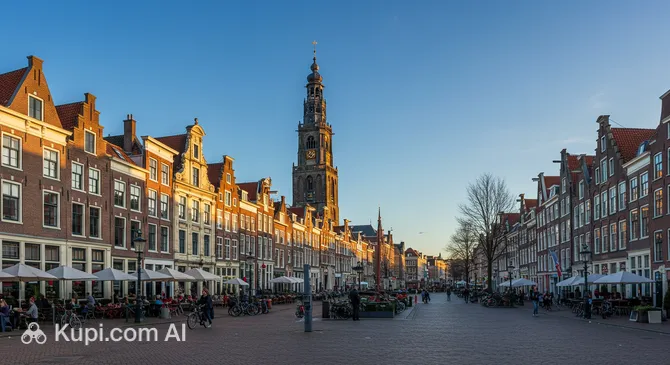
Groningen. Source: Kupi.Binoculars

The history of Groningen is rich and visible at every turn, from its ancient warehouses to the peaceful inner-city courtyards known as hofjes. One of the city's most iconic landmarks is the Martinitoren, a towering church steeple located on the Grote Markt that offers breathtaking panoramic views. For lovers of art and design, the Groninger Museum is an absolute must-see, famous for its spectacular modern architecture and diverse exhibitions that sit uniquely on an island in the canal.

Whether you are looking to explore historic sites, enjoy vibrant nightlife, or simply relax by the canals, Groningen is a destination that surprises and delights. We invite you to discover the hidden gems of this dynamic city and experience its welcoming northern hospitality for yourself.
Weather Overview

The climate in this northern city is influenced by its proximity to the sea, resulting in moderate temperatures year-round without extreme highs or lows. Generally, you can expect comfortable, mild summers and cool winters, with a fair chance of precipitation regardless of the season. To help plan your packing list effectively, it is worth checking the detailed weather in Groningen before your trip.

During the warmest months of July and August, average temperatures hover around 17.5°C to 18.1°C, with daytime highs occasionally reaching up to 21.9°C. This creates pleasant conditions for exploring the city, though you should still be prepared for showers, as there are typically 14 to 16 wet days per month in summer. Winters are significantly cooler, particularly in January, when the average temperature drops to 4.3°C and minimums can fall to 2.4°C. With rain occurring on 12 to 17 days each month throughout the year, keeping an umbrella or raincoat handy is always a smart choice.

Interesting Facts

Beyond the main attractions, Groningen holds many fascinating secrets that contribute to its unique character and vibrant atmosphere. Here are a few surprising insights into this northern metropolis that reveal its true spirit.

  • Groningen is frequently cited as the "World Cycling City," boasting a transportation network where bicycles truly rule the road. Decades ago, the city implemented a revolutionary traffic circulation plan that prioritized cyclists and pedestrians, resulting in a center that is remarkably quiet and free of car congestion.

  • The city is famous for having no mandatory closing times for its hospitality establishments, a rarity in the Netherlands. This allows the nightlife to continue well into the early morning hours, contributing to its reputation as a city that never sleeps.

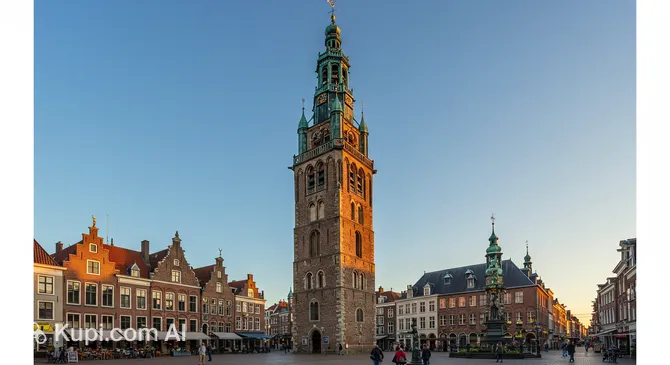
  • The iconic Martini Tower, the highest steeple in the north, is not perfectly straight. Due to the subsidence of the ground, the tower leans approximately 0.6 meters off-center, a quirk that locals affectionately embrace.

  • Art lovers might be surprised to learn that the spectacular Groninger Museum is essentially an artificial island. The colorful, modernist building stands right in the water of the Verbindingskanaal, serving as a literal bridge between the station and the city center.

  • With a massive student population relative to its size, Groningen consistently ranks as the city with the youngest average age in the country, fueling its dynamic cultural scene and progressive vibe.

Martini Tower. Source: Kupi.Binoculars

How to Get There

Reaching Groningen is straightforward, thanks to excellent transport connections linking the city to the rest of the Netherlands and neighboring Germany. Whether you prefer flying directly into the region or landing at a major international hub and continuing by train, you have several efficient choices. For a detailed overview of all travel options, you can read more about how to get to Groningen.

The most convenient entry point for proximity is Eelde Airport (IATA: GRQ), located just 11.1 km from the city center. Although it is a smaller facility with lower passenger traffic, it allows for a quick arrival. A transfer by bus or taxi from this airport to the heart of the city takes approximately 30 to 40 minutes.

Alternatively, many international travelers choose to fly into Amsterdam Airport Schiphol (IATA: AMS). Situated about 158 km from Groningen, this is a major global hub. The most efficient way to reach Groningen from here is by train; direct intercity trains run regularly from the airport's railway station, with a travel time of around 2 hours.

For clarity, here is a summary of the main airports in the wider region:

Airport Name City Passenger Traffic Km from City
Amsterdam Airport Schiphol Amsterdam Very Large 158.4
Weeze Airport Dusseldorf Medium 182.2
Bremen Airport Bremen Medium 149.8
Munster Osnabruck International Airport Munster Medium 142.4
Eelde Airport Groningen Small 11.1

For those traveling by rail, Groningen has its own central station, known as the Hoofdstation. If you are arriving from a distant location, you might transfer through a major railway hub. One of the most significant hubs is Amsterdam Centraal Station in Amsterdam, located approximately 146 km away. From there, frequent direct trains whisk you to Groningen in about 2 hours.

Another option, particularly for those coming from Germany, is Bremen Hauptbahnhof in the city of Bremen, situated about 151 km from Groningen. Travelers can take a connecting train or a long-distance bus from this station, with the journey typically taking between 2.5 and 3.5 hours depending on the connection.

Below is a list of major railway stations in the wider region:

Station City Passenger Traffic Km to Center
Amsterdam Centraal Station Amsterdam Very Large 146.2
Bremen Hauptbahnhof Bremen Large 151.1
Osnabrück Hauptbahnhof Munster Large 145.9
Ede-Wageningen Station Ede Medium 145.8
Hilversum Railway Station Hilversum Medium 145.6

Main Attractions

Groningen is a city that seamlessly blends historic grandeur with cutting-edge architecture and lush green spaces. Whether you are an art enthusiast, a history buff, or simply looking for the best panoramic views, the city's diverse array of sights ensures there is something for everyone. Here are some of the top places you should not miss during your visit.

Standing tall over the Grote Markt, the Martini Tower is the undisputed symbol of the city. Known locally as d'Olle Grieze (The Old Gray One), this medieval steeple has watched over Groningen for over 500 years. Visitors can climb the winding stone staircase to reach the viewing gallery, which rewards the effort with spectacular vistas of the city center and the surrounding countryside. It is not just a viewpoint but a journey through history, with ancient bells and vaulted ceilings to admire along the way.

Martini Tower. Source: Kupi.Binoculars

For a striking contrast to the historic center, head to the Groninger Museum. This architectural marvel, situated on an island in the canal opposite the train station, is famous for its colorful and unconventional design. Inside, the museum hosts a diverse collection that ranges from local history and porcelain to provocative contemporary art and fashion. It is a vibrant cultural hub that promises to inspire and challenge your perspective on art.

In the heart of the city lies a modern masterpiece, the Forum Groningen. This spectacular building is much more than just a meeting place; it acts as the city's living room, housing a library, cinema, and exhibition spaces. One of its main draws is the publicly accessible rooftop terrace, which offers arguably the best modern vantage point for sweeping views over the rooftops of Groningen, perfect for photos or simply soaking in the atmosphere.

Forum Groningen. Source: Kupi.Binoculars

If you need a break from the urban bustle, the Stadspark is the ideal retreat. Located just a short distance from the center, this expansive English landscape-style park offers winding paths, ponds, and open meadows. It is a favorite spot for locals to jog, picnic, or enjoy open-air concerts in the summer. Whether you want to take a leisurely walk or visit the petting zoo, the park provides a peaceful green sanctuary within the city.

Local Cuisine

The culinary landscape of Groningen is a delightful reflection of its character: grounded in tradition yet vibrant and youthful. Thanks to its position as a major trade hub and the influence of a large international student population, the city offers a diverse mix of eateries ranging from cozy "brown cafes" to trendy bistros. The food here is often hearty, using fresh ingredients from the surrounding farmlands, but you will also find plenty of modern, experimental kitchens.

You cannot visit this city without trying its most famous snack, the Groninger Eierbal (often locally called an "aaierbal"). This deep-fried delicacy consists of a hard-boiled egg encased in a savory, curry-flavored ragout and covered in breadcrumbs. It is so integral to the local culture that it has been recognized as intangible cultural heritage. You can find the best ones at local snack bars or automat shops, often enjoyed after a night out or as a satisfying quick lunch.

Another classic dish to warm you up is Groninger Mosterdsoep, a creamy soup made from the region's robust, grainy mustard, typically served with bits of bacon or ham. For those with a sweet tooth, look for a slice of Groninger Koek, a spiced breakfast cake similar to gingerbread, often containing candied peel or nuts. It pairs perfectly with a cup of coffee at one of the many cafes surrounding the market squares.

When it comes to drinks, the city has a strong tradition of distilling. Local jenever (Dutch gin) is a staple, and tasting a glass from a local distillery is a rite of passage for visitors. The cocktail scene is also thriving in this university city. For a sophisticated evening, you might visit The Stockroom, a speakeasy-style bar known for its expert mixology and intimate atmosphere. Alternatively, The Happy Traveler offers a welcoming spot to enjoy a drink among friends.

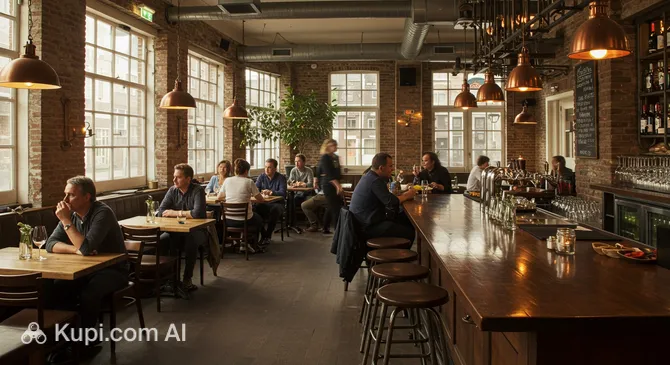
Block & Barrels. Source: Kupi.Binoculars

For a hearty meal, the city center is packed with options. The Vismarkt (Fish Market) is not only a place to buy fresh fish and vegetables on market days but is also lined with excellent restaurants and terraces. If you are looking for a place that combines high-quality craft beers with delicious food, Block & Barrels is a fantastic choice located in a historic setting. Whether you grab a quick herring from a street stall or settle in for a three-course dinner, Groningen’s hospitality ensures you won't leave hungry.

Travel Tips

To help you make the most of your visit to the "Metropolis of the North," we have compiled a list of essential tips that will help you navigate Groningen like a local. From mastering the cycling culture to understanding payment methods, these practical insights ensure a smooth and enjoyable trip.

  1. Prepare for Changeable Weather. The Dutch climate is notoriously unpredictable, often experiencing "four seasons in one day." It is best to dress in layers so you can adapt to shifting temperatures. A sturdy, windproof umbrella or a quality raincoat is an absolute essential, regardless of the season. Since the city center features historic cobblestones, leave the high heels at home and opt for comfortable walking shoes.
  2. Embrace the Bicycle. Groningen is often cited as the premier cycling city of the world, and for good reason. The best way to explore is to rent a fiets (bicycle) from the station or local shops. While the city is very walkable, public transport (buses) is efficient for longer distances; you can check in and out using your contactless debit or credit card. Avoid renting a car for city exploration, as the center is largely car-free and parking is expensive.
  3. Go Digital with Payments. The local currency is the Euro (EUR). While carrying a small amount of cash is useful for markets, Groningen is rapidly becoming a cashless society. Many cafes and shops operate on a "Pin Only" (cards only) basis. Major debit cards (Maestro, V-Pay) and credit cards (Visa, Mastercard) are widely accepted, though American Express is less common. Tipping is not mandatory, but rounding up the bill or leaving a small tip of 5-10% for good service is appreciated.
  4. Stay Alert in Traffic. Groningen is generally very safe, but the biggest hazard for tourists is often the bicycle traffic. Cyclists here move fast and have the right of way in many situations. Always look left, right, and left again before crossing the street, and never stop abruptly in the middle of a path. Pharmacies (Apotheek) are widely available for minor health issues, and tap water is excellent and safe to drink everywhere.
  5. Language is No Barrier. The official language is Dutch, but the level of English proficiency in Groningen is exceptionally high, partly due to the large international student population. You will have no trouble communicating in English in restaurants, shops, or museums. However, learning a simple "Dankjewel" (Thank you) or "Goedemorgen" (Good morning) is a polite gesture that locals always appreciate.
  6. Respect Public Spaces. The Dutch value consideration and order. When waiting for a bus or service, queuing properly is expected. In conversation, locals are known for their directness; do not mistake this for rudeness, as it is simply a cultural norm of honesty. If you are exploring the quiet hofjes (courtyards), remember that people live there, so keep your voice down and respect their privacy.
  7. Watch Where You Walk. The most common mistake tourists make is walking on the bicycle paths. These are usually marked with red asphalt or bike symbols. Walking here is not only dangerous but will also draw the ire of local cyclists. Stick to the sidewalks and pedestrian zones to ensure a harmonious coexistence with the two-wheeled traffic.
  8. Timing Your Shopping. Be aware that shop opening hours might differ from what you are used to. Most shops open later on Mondays (around 1:00 PM) and close by 6:00 PM on weekdays. However, Thursday is Koopavond (late-night shopping), when stores in the city center stay open until 9:00 PM, creating a lively atmosphere perfect for evening browsing.

Armed with these tips, you are ready to dive into the energetic rhythm of Groningen without a hitch. Whether you are navigating the bustling Grote Markt or enjoying a quiet moment by the canals, you will find the city welcoming, accessible, and full of character.

Entertainment & Nightlife

Entertainment and Nightlife:

Groningen has a well-deserved reputation as one of the best nightlife cities in the Netherlands, largely driven by its substantial student population. The city is famous for having no mandatory closing hours for bars and clubs, meaning the fun often continues until the sun comes up. The atmosphere is energetic, unpretentious, and welcoming, with a diverse range of venues that cater to everything from relaxed drinks to all-night dancing.

The epicenter of the action is undoubtedly the area around the Grote Markt, specifically the southern side, and the adjacent Poelestraat and Peperstraat. This district is packed with pubs, dance bars, and terraces that buzz with activity every night of the week, though Thursdays, Fridays, and Saturdays are the busiest. Because everything is concentrated in a compact area, it is easy to "pub crawl" from one venue to another without needing transport.

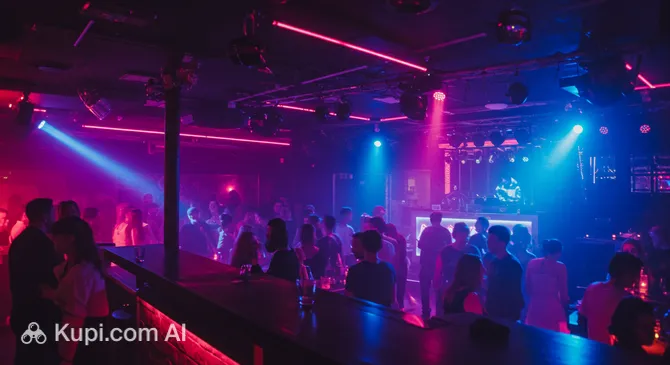
For those looking to dive into the local party scene, Nachtcafé Warhol is a popular choice. Located in the bustling Papengang, this venue is known for its vibrant atmosphere and eclectic mix of music, often drawing a lively crowd ready to dance the night away. It captures the youthful spirit of the city perfectly and is a staple of Groningen's nightlife.

Nachtcafé Warhol. Source: Kupi.Binoculars

If you prefer a typically Dutch "feestcafé" experience, where sing-alongs and high-energy pop music are the norm, you might visit Partycafe de Doos. These types of venues are incredibly popular with students and locals alike, offering a casual and festive environment where the focus is purely on having a good time. Dress codes in Groningen are generally very relaxed; jeans and sneakers are acceptable almost everywhere, keeping with the city's down-to-earth vibe.

Regarding practicalities, the peak time for nightlife usually starts late, often after 11:00 PM or midnight. Entry to most bars and smaller clubs is free, which is a significant bonus for budget-conscious travelers. The city is very safe for night walks, but as always, keep an eye on your belongings in crowded places. Getting home is easy; since the center is car-free, most people cycle, but there is also a centrally located taxi stand on the Grote Markt if you prefer a ride.

While the nights are long, Groningen also offers plenty of entertainment during the day. Culture enthusiasts can explore the fascinating collections at the University Museum, which showcases nature, science, and academic heritage. For families traveling with children or those seeking some active indoor fun, the Indoor Playground Groningen provides a great space to burn off energy regardless of the weather.

Parks & Museums

Parks and Museums:

Groningen is a city that prides itself on a harmonious balance between urban vibrancy and natural tranquility, offering a wealth of green sanctuaries alongside its impressive cultural institutions. From cutting-edge art exhibitions to historic gardens, the city invites visitors to explore its diverse heritage and relax in its lush outdoor spaces.

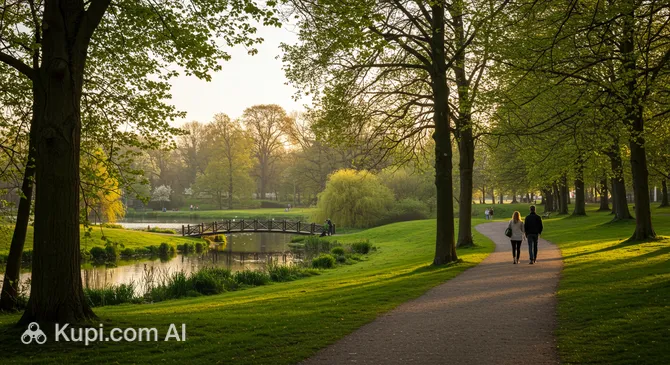
One of the most beloved green spaces in the city is the Stadspark. Located on the western edge of the city, this expansive park was a gift from a wealthy industrialist to the people of Groningen in the early 20th century. It is designed in the English landscape style, featuring winding water features, majestic old trees, and broad lawns. It serves as the city's "green lung" and is a popular venue for summer festivals, but on quiet days, it is perfect for a peaceful walk through the arboretum or a visit to the petting zoo.

Stadspark. Source: Kupi.Binoculars

Another significant green area is the Sterrebos Park, situated in the southern part of the city. This historic park is known for its star-shaped path network ("ster" means star) and monumental trees. It offers a shady retreat near the modern architectural landmarks of the Kempkensberg area. It is a favorite spot for a quick escape into nature, where you can admire the sculptures and the rich birdlife that thrives in the old canopy.

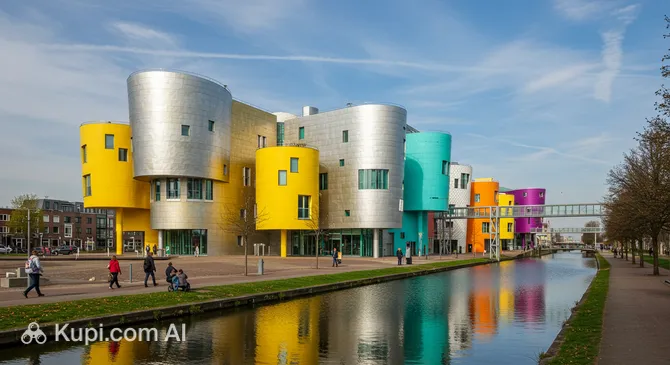
When it comes to culture, the Groninger Museum is the undisputed highlight. While its exterior is a postmodern spectacle, the interior houses an equally fascinating collection. It is particularly renowned for its extensive collection of work by "De Ploeg," a local artistic collective, as well as its fine porcelain and rotating contemporary art exhibitions. The museum consistently pushes boundaries, making it a stimulating destination for art lovers.

Groninger Museum. Source: Kupi.Binoculars

For a deep dive into science and academic history, the University Museum is a hidden gem. Located in the academic heart of the city, this museum showcases the rich heritage of the University of Groningen, founded in 1614. Visitors can explore a wide range of curiosities, from anatomical preparations to ethnographic objects and scientific instruments, offering a glimpse into centuries of research and education.

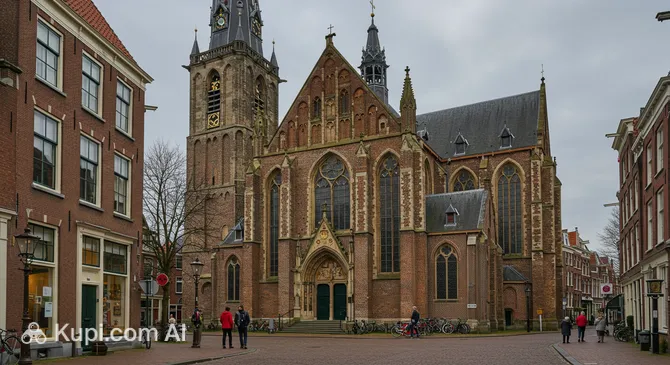
Groningen's history is also etched into its religious architecture. The Akerk, formerly known as the Der Aa-kerk, is a stunning medieval landmark rising above the Vismarkt. Today, it functions primarily as a cultural venue for exhibitions, concerts, and events, allowing visitors to admire its vaulted interior and historic organ in a secular setting.

Akerk. Source: Kupi.Binoculars

Another architectural marvel is the St. Joseph Cathedral. Designed by the famous architect Pierre Cuypers, this neo-Gothic church is known for its towering spire and beautiful stained-glass windows. It remains an active place of worship and a serene spot to appreciate the city's ecclesiastical heritage.

For a truly authentic and quiet experience, seek out the Prinsentuin. This Renaissance-style garden, tucked away behind the Prinsenhof hotel, is a masterpiece of manicured hedges and rose and herb gardens. It is known for its berceau (covered walkway) and is arguably the most romantic and fragrant spot in the city center, often missed by the rushing crowds.

Getting Around

Public transport in Groningen is efficient, modern, and easy to use, although the compact nature of the city means that many attractions are within walking distance of each other. The primary mode of public transportation within the city limits is the bus network. There are no trams or metro lines in the city. The bus system, operated by Qbuzz, is extensive, connecting the central railway station (Hoofdstation) with all neighborhoods, the university campus, and the surrounding region. The buses are recognizable by their distinct colors; city buses are typically gray or electric-blue, while the Q-link buses, which connect the city to nearby towns, have specific colors for each line.

The payment system has become significantly more tourist-friendly in recent years. The most convenient option for visitors is OVpay, which allows you to check in and out directly using your contactless debit card, credit card, or mobile phone (Apple Pay/Google Wallet). There is no need to purchase a separate transit card if you have a compatible bank card. Alternatively, you can buy a rechargeable OV-chipkaart (public transport chip card) at the station or ticket machines, though this requires a card fee and a minimum balance. Single tickets can also be purchased from the driver, but be aware that buses are cashless; you can only pay with a card.

For a smooth journey, always remember to check in when boarding and check out when exiting the bus by holding your card or phone against the card reader. Failing to check out may result in a higher fare being charged. Public transport generally operates from early morning until around midnight. On weekends, there are often night buses serving popular routes, which is helpful for enjoying the city's nightlife. To plan your trip, reliable apps like 9292 or Google Maps provide real-time schedules and route options.

While buses are excellent, the true local way to navigate Groningen is by bicycle. The city is world-renowned for its cycling infrastructure, and renting a bike is often faster and more flexible than taking the bus. Rental shops are abundant, particularly around the central station. Taxis are available but can be relatively expensive compared to other options; you will typically find them at designated stands at the Grote Markt or the train station, rather than hailing them on the street. Ride-sharing apps and car-sharing services are also present but are less essential given the car-free nature of the city center.

A special feature of the local transport landscape is the Hoofdstation (Main Station) itself. Even if you are not taking a train, this building is worth a visit. Completed in 1896, its station hall is a stunning example of Neo-Gothic and Neo-Renaissance architecture, featuring an ornate papier-mâché ceiling and decorative tiles. It is widely considered one of the most beautiful railway stations in the country, transforming a simple transit hub into a historic attraction.

Accommodation

Finding the perfect place to stay in Groningen is relatively easy, as the city offers a wide spectrum of accommodation options to suit every budget and preference. The selection ranges from lively hostels catering to the backpacking and student community to charming bed-and-breakfasts and comfortable mid-range hotels. For those seeking a touch of luxury, there are several boutique hotels housed in historic buildings that combine modern amenities with classic Dutch architecture.

The most popular area for tourists is undoubtedly the City Center (Binnenstad). Staying within the canal ring places you within walking distance of major attractions like the Grote Markt, the Vismarkt, and the nightlife districts. This area is perfect if you want to be in the heart of the action, with cafes and shops right on your doorstep. Alternatively, the area around the Central Station is highly convenient for travelers arriving by train, offering easy access to both the historic center and the Groninger Museum while providing quick connections for day trips.

A unique feature of accommodation in Groningen is the opportunity to stay on the water. Given the city's extensive network of canals, several "botels" (hotel boats) are docked near the center. These floating hotels offer a distinctively Dutch experience, allowing you to sleep on a converted barge with views of the water. It is a memorable alternative to a standard hotel room and often provides a cozy, nautical atmosphere.

Regarding costs, prices in Groningen are generally moderate compared to Amsterdam. Budget travelers can find affordable hostel beds or simple rooms, while mid-range hotels offer good value for money. However, availability can tighten quickly, particularly at the start of the academic year or during major festivals like Eurosonic Noorderslag. It is highly recommended to book your accommodation in advance during these peak times. Most properties can be easily reserved through major online booking platforms, though booking directly sometimes offers small perks.

Nearby Cities

For those looking to explore the surroundings, Groningen serves as an excellent base for day trips to several interesting nearby locations:

One of the most prominent neighbors is Assen, the capital of the Drenthe province. Located just a short journey south, it is renowned for the Drents Museum, which hosts impressive international exhibitions and archaeological treasures, including the famous bog bodies. Assen is also globally known among motorsport fans as the home of the TT Circuit, often called the "Cathedral of Speed."

To the southeast lies Veendam, a town deeply rooted in the region's peat-colonial history. Often called a "Park City" because of its abundant greenery and canals, it offers a fascinating look into the past at the Veenkoloniaal Museum. For those interested in art and design, a trip to Drachten in the province of Friesland is worthwhile. It played a significant role in the De Stijl art movement and features a vibrant cultural center.

City Population Distance (km)
Assen 68836 25
Drachten 45186 34
Tynaarlo 33978 16
Stadskanaal 31789 36
Veendam 27491 24

These nearby destinations offer a glimpse into the diverse culture and landscapes of the region.

Shopping & Souvenirs

Groningen is a vibrant destination for shoppers, offering a diverse mix of major international chains, charming boutiques, and bustling markets. The city center is compact and largely pedestrianized, making it easy to wander comfortably from one district to another. Whether you are looking for high-end fashion, vintage treasures, or local delicacies, the streets of this northern city have something to suit every taste.

The principal shopping artery is the Herestraat, where you will find most of the well-known high street brands and department stores. For a more distinctive experience, explore the side streets such as the Folkingestraat and the Zwanestraat. These areas are celebrated for their independent lifestyle shops, galleries, and specialty food stores. Folkingestraat, in particular, is often recognized for its unique character, packed with hidden gems and inviting storefronts that offer a contrast to the larger chains.

Markets play a central role in local life and are a must-visit for an authentic experience. On Tuesdays, Fridays, and Saturdays, the Vismarkt and Grote Markt transform into lively trading hubs. Here, locals buy fresh fish, cheese, flowers, and regional produce. It is the perfect place to soak up the atmosphere and perhaps pick up a tasty snack like a warm stroopwafel or fresh herring while you browse.

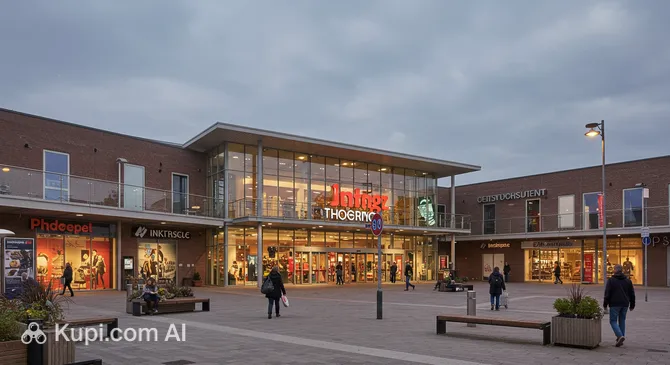
For those who prefer indoor shopping with everything under one roof, the city offers several excellent facilities just outside the historic core. The Paddepoel Shopping Center is the largest indoor mall in the northern Netherlands, housing over 80 shops ranging from fashion retailers to daily groceries. Another convenient option is the Selwerd Shopping Center, which provides a variety of stores and amenities in a friendly neighborhood setting.

Paddepoel Shopping Center. Source: Kupi.Binoculars

Most shops in the city center are open seven days a week, with Sunday opening hours typically starting around noon. A special tradition in Groningen is the Koopavond (late-night shopping) on Thursdays, when stores in the center stay open until 9:00 PM. This creates a buzzing evening atmosphere, allowing visitors to combine a shopping spree with dinner or drinks in the nearby cafes.

Reached the end of the page?

That means the route is fully explored