Support

Dormagen

About

Nestled along the banks of the Rhine River, Dormagen is a charming city that perfectly blends industrial heritage with historical beauty. Located in the state of North Rhine-Westphalia in Germany, it sits conveniently between the major metropolitan hubs of Düsseldorf and Cologne. With a population of approximately 64,500 residents, Dormagen offers a welcoming atmosphere where visitors can escape the hustle and bustle of larger cities while still enjoying excellent connectivity and local amenities.

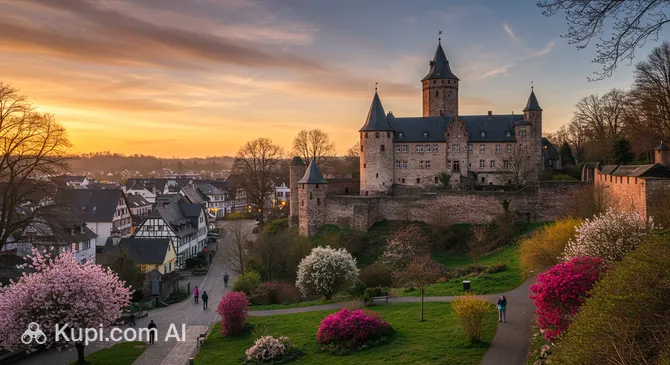
Dormagen. Source: Kupi.Binoculars

The city boasts a rich heritage that dates back to Roman times, originally known as Durnomagus. Travelers interested in the past will find the history of Dormagen fascinating, particularly in the district of Zons. Often referred to as the "Rothenburg of the Rhineland," Zons is a remarkably well-preserved medieval toll fortress featuring ancient walls, towers, and a windmill that transport visitors back in time. Another architectural gem is the Knechtsteden Abbey, a stunning Romanesque basilica surrounded by peaceful woodlands, ideal for a serene afternoon walk.

Beyond its historical sites, Dormagen is known for its lush green spaces and recreational opportunities along the Rhine. The scenic river promenade invites tourists for leisurely strolls or cycling tours, offering picturesque views of the water and the passing ships. Whether you are exploring the cobblestone streets of the old town or enjoying the natural beauty of the Tannenbusch wildlife park, Dormagen promises a delightful experience. It is a destination that truly rewards those who take the time to explore its unique character and hidden treasures.

Weather Overview

Dormagen experiences a temperate climate typical of the Rhineland region, characterized by moderate seasonal variations that make it accessible year-round. Summers are generally pleasant and warm, creating ideal conditions for exploring the outdoor attractions and the river promenade. To help plan your packing list and daily activities, it is helpful to consult the current forecast and detailed weather in Dormagen before your trip.

During the peak summer months of July and August, average temperatures stay around 19.6°C, with daytime highs often reaching a comfortable 24°C. Winters, spanning from December to February, are significantly cooler, with average temperatures ranging from 3.9°C to 5.3°C and lows dipping to around 1.8°C. Rainfall is fairly consistent throughout the year, with 12 to 19 wet days per month, so visitors should expect warm summers with occasional rain and cold, damp winters.

Interesting Facts

Beyond its well-preserved fortress and industrial backdrop, Dormagen holds intriguing stories that add depth to its character. From quirky local legends to unique cultural intersections, the city offers several surprises for the attentive traveler.
  • The Beer Frontier: Situated right between the rival cities of Cologne and Düsseldorf, Dormagen lies on a unique cultural fault line often called the "Beer Equator." Unlike its neighbors who strictly adhere to their local brews, many pubs here diplomatically serve both Kölsch and Altbier to satisfy all palates.

  • The Pig Feud of Zons: The historic district of Zons is home to a curious legend known as the "Schweinefehde" (Pig Feud) of 1577. Local folklore tells of how the town's farmers bravely reclaimed their herd of pigs from plundering soldiers, an event humorously commemorated today by the bronze Pig Fountain in the town center.

  • A Haven for Sound: Hidden within the city is the Phono-Museum, a specialized collection dedicated to the history of recorded sound. It houses roughly 250 exhibits, including fully functional Edison phonographs and rare gramophones, making it a fascinating stop for music history enthusiasts.

  • Roman Cavalry Legacy: While its Roman roots are known, the specific nature of the settlement was distinct; Durnomagus served as a specialized fort for an auxiliary cavalry unit. Excavations have revealed that this was a significant base for horse-mounted troops guarding the Rhine frontier, rather than a standard legionary camp.

How to Get There

Reaching this destination is convenient due to its central location in the Rhineland, nestled between major transport hubs. Whether you are arriving by air or rail, you have several efficient options to choose from. For a comprehensive overview of routes and transport modes, you can read more about how to get to Dormagen in our detailed guide.

The city of Dormagen does not have its own airport, but it is well-served by major international hubs in neighboring cities. The closest and most significant option is Dusseldorf International Airport (DUS), located in Dusseldorf approximately 21.2 km away. A taxi or bus ride from there typically takes around 52 minutes. Another excellent option is Cologne Bonn Airport (CGN) in Cologne, situated about 31.6 km from Dormagen. The journey by road from this airport usually takes approximately 67 minutes. Both airports handle a large volume of passengers annually, ensuring frequent flight connections.

For clarity, here is a summary of the main airports:

Airport Name City Passenger Traffic Km from City
Dusseldorf International AirportDusseldorfHigh21.2
Cologne Bonn AirportCologneHigh31.6
Dortmund AirportDortmundMedium72.2
Weeze AirportDusseldorfMedium74.1
Maastricht Aachen AirportMaastrichtLow77.0

Traveling by train is a very popular method for reaching the city. Visitors can arrive directly at Dormagen Railway Station (ZCW), which is conveniently located just 1.1 km from the city center. For international travelers or those coming from further afield, the major hub of Düsseldorf Hauptbahnhof (QDU) in Dusseldorf is only 14.2 km away. From there, frequent regional trains connect swiftly to Dormagen, making the final leg of the journey quick and easy.

Below is a list of the nearest railway stations and their distance to the center:

Station City Passenger Traffic Km to Center
Cologne Central StationCologneVery High19.1
Düsseldorf HauptbahnhofDusseldorfVery High14.2
Leverkusen Mitte StationLeverkusenMedium12.7
Dormagen Railway StationDormagenMedium1.1
Messe/Deutz StationCologne19.9

Main Attractions

Dormagen offers a fascinating variety of sights that range from well-preserved medieval fortifications to serene natural landscapes. Whether you are a history enthusiast, a nature lover, or a family traveling with children, the city provides several compelling reasons to explore its distinct districts. Here are some of the most interesting places to visit during your stay.

Zons is undoubtedly the crown jewel of tourism in the area. Often referred to as the "Rothenburg of the Rhineland," this district is a remarkably preserved medieval toll town located directly on the Rhine. Visitors can walk along the ancient city walls, admire the imposing towers, and view the historic windmill that still stands guard over the fortress. It is a perfect destination for those who want to step back in time and experience the atmosphere of the 14th century without the overwhelming crowds found in larger tourist hubs.

For those seeking spiritual history and architectural beauty, Knechtsteden Abbey is a must-see. This 12th-century Premonstratensian monastery is hidden away in a quiet forest area to the west of the city center. The complex centers around the Basilica of St. Andrew, a masterpiece of Romanesque architecture known for its impressive frescoes and peaceful ambiance. The abbey grounds are ideal for a contemplative walk, and the site frequently hosts cultural events and concerts that bring the historic walls to life.

Families and outdoor enthusiasts will find Tierpark Tannenbusch to be a delightful escape. This local wildlife park and recreation area allows visitors to see native animals such as red deer, wild boars, and various bird species in a natural setting. In addition to the animal enclosures, the park features a Geopark that explains the geological history of the region and a large playground for children. It is a fantastic spot for a relaxing afternoon picnic or an educational nature walk.

Located within the grounds of the Zons fortress, the Kreismuseum Zons offers a deeper dive into regional culture. The museum is renowned for its extensive collection of textile arts, including Art Nouveau designs and contemporary tapestries. It also houses exhibits on the local history of the Rhine toll system and everyday life in the Middle Ages. The juxtaposition of modern art exhibitions within the ancient castle walls makes it a unique cultural stop.

Local Cuisine

The culinary scene in Dormagen is a delightful reflection of the wider Rhineland region, characterized by hearty, rustic dishes that prioritize flavor and comfort. Visitors can expect generous portions of traditional German fare, often prepared with locally sourced ingredients. The city’s location between major culinary hubs influences its menus, offering a blend of savory meat dishes and unique potato-based sides that provide a warm welcome to any traveler.

One of the absolute must-try dishes is Rheinischer Sauerbraten. Unlike other variations found across Germany, the Rhenish version of this marinated pot roast often incorporates raisins and a sauce thickened with gingerbread or sugar beet syrup, creating a distinct balance of sweet and sour flavors. Another regional classic is Himmel un Ääd (Heaven and Earth), a savory combination of mashed potatoes ("earth") and apple sauce ("heaven"), typically served with fried black pudding and onions. It is a simple yet culturally significant meal that locals cherish.

For a lighter snack, often enjoyed in the afternoon or alongside a drink, look for the curiously named Halve Hahn. Despite its name translating to "half a rooster," this dish contains no chicken at all; it is actually a sturdy rye bread roll served with a thick slice of aged Gouda cheese, mustard, and pickles. It is a staple in local pubs and beer gardens, perfectly designed to be eaten by hand while socializing.

The drinking culture in Dormagen is particularly special due to its geography. Situated on the "border" between the brewing traditions of Cologne and Düsseldorf, the city is one of the few places where you can easily find both Kölsch (a light, top-fermented beer from Cologne) and Altbier (a dark, copper-colored beer from Düsseldorf) served in the same establishments. Whether you prefer the crispness of a Kölsch or the malty depth of an Alt, the local Brauhaus (brewery pub) atmosphere is convivial and inclusive.

Dining out in Dormagen offers a variety of settings, from cozy, timber-framed inns in the historic district of Zons to modern restaurants along the Rhine promenade. In the spring, the menus transform to feature Spargel (white asparagus), which is celebrated locally as "white gold" and served with hollandaise sauce, ham, or potatoes. Whether you are grabbing a quick bite at a street market or enjoying a long dinner in a rustic tavern, the food culture here is unpretentious and deeply satisfying.

Travel Tips

Visiting Dormagen offers a relaxing break between the bustling metropolises of the Rhineland, combining medieval charm with modern convenience. To help you make the most of your stay, here are some practical tips to ensure a smooth and enjoyable experience.

  1. Clothing and Gear: The weather in this region can be changeable, so dressing in layers is the best strategy. Even in summer, carrying a light rain jacket is wise. If you plan to explore the historic district of Zons, pack comfortable, sturdy walking shoes, as the cobblestone streets and ancient walls can be uneven and difficult to navigate in heels or sandals.

  2. Transportation: Dormagen is well-connected by the S-Bahn (suburban train), specifically the S11 line, which provides quick access to Cologne and Düsseldorf. Within the city, the local bus network (Stadtbus) is reliable. However, the area is incredibly bike-friendly; renting a bicycle is often the most enjoyable way to get around, especially for trips along the scenic Rhine promenade.

  3. Finances: The local currency is the Euro (€). While supermarkets and larger restaurants accept cards, Germany is still very much a cash-oriented society. Smaller cafés, bakeries, and ticket kiosks in Zons may only accept cash or the local "EC card" (debit card). It is advisable to carry some cash for small purchases. Tipping is customary; simply rounding up the bill or leaving 5-10% is polite.

  4. Health and Safety: Germany has excellent medical care. Pharmacies are marked with a large red "A" (for Apotheke) and can provide advice for minor ailments; a rotating schedule ensures one is always open nearby for emergencies. The city is generally very safe, but standard precautions against pickpocketing should be taken in crowded areas like train stations.

  5. Communication: The official language is German. While many younger people and those in the tourism industry speak English well, it is not guaranteed in smaller local shops or with older residents. Learning a few basic phrases like "Guten Tag" (Good day) and "Danke" (Thank you) is highly appreciated. Free Wi-Fi is available in some public spots, but buying a prepaid SIM card at a supermarket is recommended for consistent data.

  6. Local Etiquette: Punctuality is valued here, so try to be on time for tours or reservations. When entering a small shop or waiting room, it is polite to greet everyone with a general "Hallo." Sunday is considered a quiet day (Ruhetag); refrain from loud noises or mowing lawns, and respect the peaceful atmosphere in residential areas.

  7. What to Avoid: Do not walk in the designated bicycle lanes. The locals cycle fast and frequently, and stepping into the bike path is considered rude and can be dangerous. Also, avoid jaywalking; waiting for the green pedestrian light ("Ampelmännchen") is the norm, and crossing on red is frowned upon, especially if children are present.

  8. Shopping Hours: Be aware that almost all shops, including supermarkets and pharmacies, are closed on Sundays. The only exceptions are bakeries (usually open in the morning), petrol stations, and kiosks. Plan your grocery shopping for Saturday to avoid being caught without supplies.

With these essentials in mind, you are ready to explore the historic streets of Zons and the scenic riverbanks with confidence. Enjoy your time discovering the unique character and welcoming spirit of this delightful part of Germany!

Entertainment & Nightlife

While Dormagen may not rival the pulsating 24-hour party scenes of its famous neighbors, Cologne and Düsseldorf, it offers a surprisingly vibrant and welcoming nightlife for those who know where to look. The city’s evening entertainment focuses less on mega-clubs and more on conviviality, characterized by cozy pubs, lively music bars, and culturally rich events. It is the perfect destination for travelers who appreciate a relaxed night out with good drinks, hearty food, and friendly local company.

The heart of the local nightlife is primarily centered around the city center, particularly along and near the Kölner Straße. Here, you will find a variety of establishments that cater to different moods. For a lively atmosphere that bridges the gap between a pub and a party venue, Streetlife is a local institution. Known as a "music bar," it is a favorite meeting point for residents to enjoy an impressive selection of whiskeys, cocktails, and burgers while listening to rock and pop hits. Just a short walk away, Pink Panther offers a more energetic vibe, often featuring DJ beats and a modern setting for those looking to dance or enjoy a late-night drink.

For a completely different evening experience, the historic district of Zons provides a rustic and atmospheric backdrop. In the warmer months, the Freilichtbühne Zons (Open Air Theatre) is a major highlight, hosting comedy shows, concerts, and theatrical performances within the ancient fortress walls. Before or after a show, visitors can settle into one of the traditional taverns in the Old Town to sample local beers. Venues like the Schlossdestille often host thematic culinary events, such as medieval dinners, which add a unique historical flavor to the night.

The atmosphere in Dormagen is generally casual and unpretentious. There is rarely a strict dress code; smart-casual attire is perfectly acceptable almost everywhere. Prices for drinks and entry fees are typically lower than in the major metropolitan hubs nearby. For those seeking a more intense clubbing experience, the S-Bahn line S11 runs late into the night, providing a safe and quick connection to the world-famous nightlife districts of Cologne and Düsseldorf, allowing you to party in the big city and return to the quiet safety of Dormagen to sleep.

During the daylight hours, entertainment in Dormagen leans towards cultural and outdoor activities. The city is home to several small but engaging museums, such as the Phono-Museum, and offers extensive opportunities for cycling along the Rhine. Whether you are catching a sunset performance in Zons or enjoying a cold Kölsch or Altbier in a downtown pub, the city ensures a pleasant and memorable stay.

Parks & Museums

Dormagen surprises visitors with a harmonious balance of expansive green landscapes and rich cultural institutions. The city is not only a hub of industrial history but also a place where nature conservation and artistic heritage are deeply valued. From serene wildlife parks to specialized museums housed in medieval fortresses, there are plenty of opportunities to explore the region's natural beauty and intellectual legacy.

Tierpark Tannenbusch is the city's premier destination for nature lovers and families. This extensive wildlife park and recreation area is home to native European species, including red deer, wild boars, and various breeds of domestic farm animals. Unlike typical zoos, Tannenbusch emphasizes a natural forest setting, allowing animals to roam in large enclosures. A highlight within the park is the Geopark, which features an open-air exhibition of stones and geological formations, offering an educational journey through the earth's history. With its large playgrounds and picnic areas, it is a perfect spot for a relaxing day out.

For those seeking a more untamed natural experience, the Zonser Grind offers a breathtaking escape along the Rhine. This nature reserve, located in a loop of the river near the historic district of Zons, is a haven for biodiversity. The vast floodplain meadows and old orchards provide a habitat for rare bird species and amphibians. It is an ideal location for hiking or cycling, offering panoramic views of the Rhine and the passing ships, all while surrounded by the tranquility of protected flora and fauna.

Culturally, the Kreismuseum Zons stands out as a significant institution. Housed within the walls of the medieval Zons fortress, the museum creates a fascinating dialogue between the past and the present. It is renowned for its impressive collection of Art Nouveau pewter and textile arts, including contemporary tapestries. The museum frequently hosts special exhibitions that range from historical photography to modern applied arts, making it a compelling stop for art enthusiasts who appreciate craftsmanship set against a historic backdrop.

Another unique cultural venue is the International Phono+Radio-Museum located in the city center. This specialized museum is dedicated to the history of sound recording and reproduction. The collection boasts over 200 exhibits, ranging from the earliest Edison phonographs to vintage radios and gramophones. Visitors can often see demonstrations of these antique devices, providing an auditory and visual journey through the evolution of music technology. It is a hidden gem that appeals to both technology buffs and music historians.

The cultural landscape of Dormagen is inextricably linked to its historical architecture. The grounds of Knechtsteden Abbey, while primarily a religious site, also function as a cultural center surrounded by the protected forest area of Chorbusch. The abbey often serves as a venue for the Festival of Early Music, blending architectural splendor with high-caliber cultural performances.

For a truly authentic experience, take a walk along the "Deich" (dike) path at sunset. This lesser-known route offers one of the most picturesque perspectives of the region, where the industrial silhouette of the Rhineland meets the soft, natural curves of the river landscape. It is a favorite local spot for evening contemplation away from the main tourist trails.

Getting Around

Public transport in Dormagen is efficient, clean, and well-integrated into the larger regional networks of the Rhineland. The system relies primarily on a combination of suburban trains and a dense network of local buses, making it easy for visitors to navigate between the city center, the historic district of Zons, and the surrounding neighborhoods without needing a car.

The backbone of the local transit system is the railway, specifically the S-Bahn (suburban train). The S11 line is the most important connection for tourists, running frequently to link Dormagen station with major neighboring hubs. Regional Express trains also stop at the main station, providing faster connections for longer distances. The train station is centrally located, making it a convenient starting point for any journey.

Within the city limits, mobility is ensured by the Stadtbus (city bus) network. These buses connect residential areas and outlying districts, such as Nievenheim and the popular tourist destination of Zons, with the train stations and the city center. The buses run on a regular schedule throughout the day. For travel late at night or on weekends, specific "Night Express" (NE) lines are available, ensuring safe transport after evening entertainment.

Dormagen is part of the VRR (Verkehrsverbund Rhein-Ruhr) transport association, which means a unified ticketing system applies to all trains and buses within the network. Fares are based on zones; a "Zone A" ticket typically covers travel within the city itself. Tickets can be purchased at vending machines located at train stations, directly from bus drivers (usually requiring cash), or conveniently via mobile apps like the DB Navigator or the VRR app. Day passes are often the most economical option for tourists planning multiple trips.

A crucial detail for visitors is the ticket validation process. If you purchase a paper ticket from a machine, it often must be stamped before you board a train or immediately upon entering a bus. Look for the orange or red stamping boxes on platforms or inside vehicles. Failure to validate a ticket can result in an immediate fine, so always check if your ticket is pre-stamped or requires this extra step.

A unique and scenic feature of the local transport landscape is the Rhine Ferry (Rheinfähre) named "Fritz Middelanis." Connecting the historic district of Zons with the opposite riverbank, this ferry carries both pedestrians and vehicles. It operates daily and offers a charming, short voyage across the water, saving a long detour over distant bridges. It is not just a mode of transport but a popular experience for sightseers and cyclists.

For those preferring alternatives to public transit, cycling is highly recommended. The region is predominantly flat and boasts excellent bike paths, making bicycle rentals a fantastic way to explore the river promenade and nature reserves. Taxis are also readily available, primarily found waiting at the central railway station or bookable by phone. While international ride-hailing apps may have limited availability compared to larger metropolises, local taxi companies provide reliable service for direct transfers.

Accommodation

Accommodation in Dormagen primarily caters to travelers seeking a quiet retreat or a convenient, budget-friendly base for exploring the wider Rhineland. The city offers a solid selection of reliable mid-range hotels, family-run guesthouses (Gasthöfe), and functional business accommodations. While the city does not feature sprawling luxury resorts, visitors can expect high standards of cleanliness, hearty breakfasts, and warm hospitality typical of the region.

Choosing the right area to stay depends largely on the nature of your visit. For tourists looking for atmosphere and charm, the historic district of Zons is the most popular choice. Hotels here are often situated near the medieval walls or the river, offering scenic views and a romantic setting perfect for evening strolls along the Rhine. Conversely, the City Center is the practical choice for those prioritizing logistics. Staying near the railway station provides immediate access to the S-Bahn lines, making it easy to take day trips to Cologne or Düsseldorf without the hassle of city traffic.

A crucial tip for booking in Dormagen is to be aware of the regional trade fair calendar. Because the city is located directly between two major exhibition hubs, local hotels often serve as overflow accommodation during large international fairs (Messe) in Cologne and Düsseldorf. During these peak times, availability drops sharply, and prices can increase. It is highly advisable to book well in advance if your travel dates coincide with major events in the neighboring cities.

Generally, Dormagen offers excellent value for money. The price range is typically moderate to budget-friendly, often significantly cheaper than comparable options in the city centers of its famous neighbors. Most hotels and apartments can be booked easily via major online platforms, though some smaller, traditional guesthouses may prefer direct inquiries. Whether you choose a modern room in the center or a rustic inn in Zons, you will find Dormagen to be a comfortable and cost-effective home base.

Nearby Cities

For those looking to explore the surroundings, Dormagen serves as an excellent base for day trips to several interesting nearby locations.

Just a short journey south lies Cologne, a vibrant metropolis famous for its stunning Gothic Cathedral, a UNESCO World Heritage site that dominates the skyline. Visitors can wander through its historic Old Town, visit the unique Chocolate Museum, or walk across the Hohenzollern Bridge for panoramic views of the Rhine. To the north is Düsseldorf, known as Germany's fashion capital. It offers a sophisticated mix of high-end shopping along the Königsallee, modern architecture in the Media Harbour, and a lively atmosphere in its Old Town, often called the "longest bar in the world." For those interested in history, the nearby city of Neuss is one of Germany's oldest cities, boasting significant Roman heritage and the imposing Quirinus Minster.

City Population Distance (km)
Cologne 1,083,498 20
Dusseldorf 645,923 15
Leverkusen 163,851 14
Solingen 159,360 20
Neuss 153,796 16

These nearby destinations offer a glimpse into the diverse culture and landscapes of the region.

Shopping & Souvenirs

Shopping in Dormagen offers a relaxed and stress-free alternative to the crowded boulevards of nearby metropolises. While the city may not boast high-end luxury avenues, it provides a pleasant mix of modern retail convenience and charming local commerce. The atmosphere is laid-back, allowing visitors to browse for daily necessities, fashion, and regional specialties without the hustle typically associated with larger urban centers.

The heart of the city's retail life beats along the Kölner Straße. This pedestrian zone serves as the main shopping mile, lined with a variety of independent boutiques, well-known chain stores, bookstores, and drugstores. It is a popular place for locals and tourists alike to stroll, window-shop, and stop for a coffee at one of the many pavement cafés. The street is beautifully landscaped, often hosting seasonal decorations that add to the welcoming ambiance.

For a more concentrated shopping experience, the Rathaus-Galerie Dormagen is the city's premier destination. Located directly adjacent to the pedestrian zone, this modern shopping mall houses dozens of shops under one roof. Visitors can find everything from international fashion brands and electronics to home goods and groceries. The center is spacious and bright, offering a comfortable environment for shopping regardless of the weather.

Those who appreciate fresh, local produce should not miss the traditional Weekly Market (Wochenmarkt). Held regularly in the city center around the Paul-Wierich-Platz, usually on Tuesday and Friday mornings, this market is a vibrant display of regional agriculture. Here, you can purchase fresh fruit, vegetables, flowers, and meats directly from local farmers. Additionally, the historic district of Zons often features small artisan shops and hosts special craft markets throughout the year, perfect for finding unique handmade items.

When looking for souvenirs, the historic heritage of the region offers the best inspiration. Items related to the medieval fortress town of Zons—such as ceramic mugs, postcards, or small replicas of the famous windmill—are popular choices. Culinary gifts are also well-received; look for locally produced honey, mustard, or a bottle of regional herbal liqueur. Given Dormagen's location on the "Beer Equator," a gift set featuring both Kölsch and Altbier makes for a humorous and culturally relevant keepsake.

Opening hours in Dormagen follow standard German regulations. Most larger shops and the Rathaus-Galerie are typically open from 9:30 AM or 10:00 AM until 8:00 PM, Monday through Saturday. Smaller boutiques and family-run businesses may close earlier, around 6:00 PM or 6:30 PM, and some may close for a lunch break on Saturdays. It is important to remember that nearly all shops, including supermarkets, are closed on Sundays.

Regarding payment methods, major credit and debit cards (Visa, Mastercard, Maestro) are widely accepted in the shopping mall and larger retail chains. However, cash remains essential for smaller purchases, especially at the weekly market, in bakeries, or in smaller souvenir shops in Zons. Visitors from outside the European Union may be eligible for tax-free shopping on certain purchases; look for the "Global Blue" or "Tax Free" signage in participating store windows to request a refund form.
Reached the end of the page?

That means the route is fully explored