Support

Nijmegen

About

Welcome to Nijmegen, a captivating destination that claims the title of the oldest city in the Netherlands. This vibrant city effortlessly blends its ancient Roman roots with a youthful energy, largely thanks to its large student population. Located in the province of Gelderland, near the German border, Nijmegen serves as a cultural and economic hub for the region, offering visitors a unique mix of historical depth and modern liveliness.

Situated on the banks of the Waal River, the city boasts a scenic waterfront and a rolling landscape that is quite distinct within the typically flat Dutch countryside. With a population of approximately 177,000, it feels bustling yet accessible. The fascinating history of Nijmegen stretches back over 2,000 years, and traces of its past can still be seen in the architecture and archaeological finds scattered throughout the town.
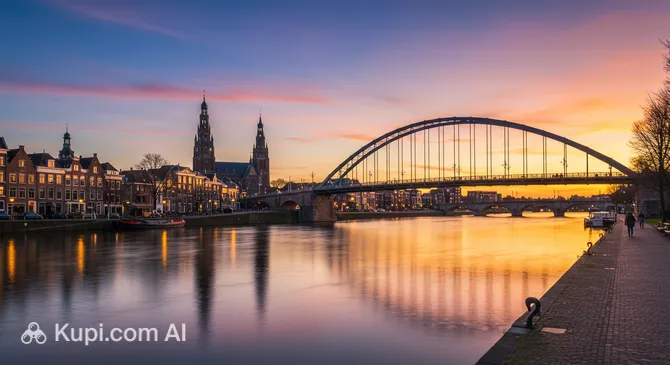
Nijmegen. Source: Kupi.Binoculars

Travelers are drawn to the charming Grote Markt, the city's central square surrounded by historic buildings and inviting cafes. A visit to the majestic Stevenskerk offers insight into the city's religious heritage, while the Valkhof Park provides not only green space but also ruins of a castle that once stood guard over the river. For those who enjoy a view, a stroll along the Waalkade promenade is the perfect way to soak in the riverside atmosphere.

Whether you are interested in exploring ancient ruins, shopping in unique boutiques, or simply enjoying a drink on a sunny terrace, Nijmegen has something to offer. We invite you to discover the warmth and character of this historic gem on your next journey.
Weather Overview

Understanding the local climate is helpful when planning your visit to this historic city. The weather in Nijmegen is generally mild and temperate, featuring pleasant summers and cool winters. During the peak summer months of July and August, average temperatures sit comfortably around 18.5°C to 18.9°C, with daytime highs often reaching 23°C, making it a delightful time for outdoor exploration.

Winters are chillier, with average temperatures in January dipping to roughly 4.3°C and minimums hovering around 2.2°C. Rainfall is a consistent feature throughout the year, so it is wise to come prepared. You can expect frequent precipitation with approximately 11 to 16 wet days each month, so packing a raincoat or umbrella is recommended regardless of the season.

Interesting Facts

Beyond its scenic river views and student atmosphere, Nijmegen holds a treasure trove of stories that span millennia. Here are a few unique insights into the character and history of this fascinating Dutch city.
  • Nijmegen hosts the largest multiple-day marching event in the world, known as the International Four Days Marches or "De Vierdaagse". Every July, over 40,000 participants from across the globe descend on the city to walk 30 to 50 kilometers each day, transforming the streets into a massive, week-long festival.

  • A poignant daily ritual takes place on the bridge known as De Oversteek (The Crossing). Every single evening at sunset, a veteran walks across the bridge in silence while 48 pairs of streetlights ignite one by one at a slow marching pace. This ceremony honors the 48 American soldiers who lost their lives crossing the Waal River during the liberation of the city in 1944.

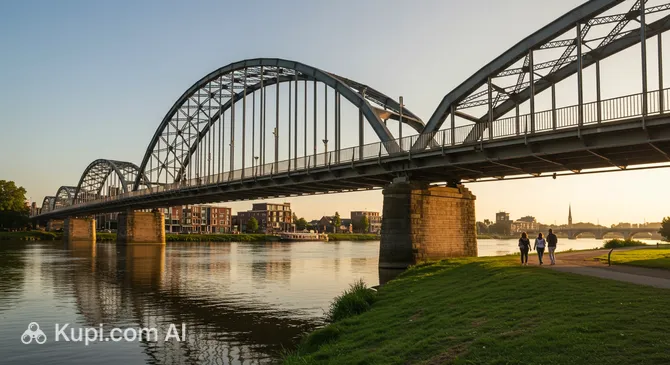
  • The iconic Waal Bridge is a defining feature of the city's skyline and a monument to its resilience. This arch bridge played a pivotal strategic role during Operation Market Garden in World War II and remains one of the busiest and most recognizable bridges in the country.

  • History runs deep at Valkhof Park, which sits on a small hill overlooking the river. This strategic spot was not only the site of a Roman settlement but later housed a magnificent palace built by Emperor Charlemagne, the ruins of which—including the Barbarossa ruin—can still be explored today.

  • You can experience the city from a completely different perspective at the muZIEum. This unique experiential museum is dedicated to the lives of the visually impaired, offering guided tours in absolute darkness led by blind or partially sighted guides, challenging you to rely entirely on your other senses.

Waal Bridge. Source: Kupi.Binoculars

How to Get There

Reaching this historic Dutch city is quite convenient thanks to its central location and excellent transport connections. Whether you are arriving by air or rail, you have several options to choose from. For a detailed overview of all travel methods and routes, you can read more about how to get to Nijmegen to help plan your journey effectively.

The city of Nijmegen does not have its own airport, but it is well-served by several nearby hubs. The closest option for many travelers is Weeze Airport (IATA: NRN), located near Dusseldorf (Germany), approximately 33.1 km from Nijmegen. A taxi or bus ride from here typically takes around 45 minutes. For those flying internationally from further afield, Amsterdam Airport Schiphol (IATA: AMS) in Amsterdam is the most significant gateway. Situated about 91.6 km away, the travel time by road is approximately 1.5 hours. Another viable option is Eindhoven Airport (IATA: EIN), which is about 55.2 km away and takes roughly one hour to reach by car. Travelers may also consider flying into Dusseldorf International Airport (IATA: DUS), located about 88.7 km from the city.

For clarity, here is a summary of the main airports:

Airport Name City Passenger Traffic Km from City
Amsterdam Airport SchipholAmsterdamVery Large91.6
Dusseldorf International AirportDusseldorfLarge88.7
Eindhoven AirportEindhovenMedium55.2
Rotterdam The Hague AirportRotterdamSmall98.8
Weeze AirportDusseldorfSmall33.1

Traveling by train is often the most comfortable way to arrive directly in the city center. The primary railway hub is Nijmegen Station (QNQ), which is conveniently located in Nijmegen itself, just 0.6 km from the heart of the city. As a major station with significant annual passenger traffic, it offers frequent connections to other Dutch cities. If you are coming from the southern Netherlands, you might also pass through Eindhoven Railway Station in Eindhoven, located about 54.9 km away, before connecting to Nijmegen.

Below is a list of the nearest and most relevant railway stations:

Station City Passenger Traffic Km to Center
Eindhoven Railway StationEindhovenHigh54.9
Nijmegen StationNijmegenMedium0.6
Ede-Wageningen StationEdeMedium24.3
Venlo StationVenloMedium57.4
Emmerich Railway Stations-HeerenbergUnknown27.3

Main Attractions

Nijmegen is a city where history comes alive, offering a delightful mix of ancient heritage and green urban spaces. From towering gothic structures to museums that delve deep into the region's past, the city's landmarks provide a fascinating journey through time for every visitor.

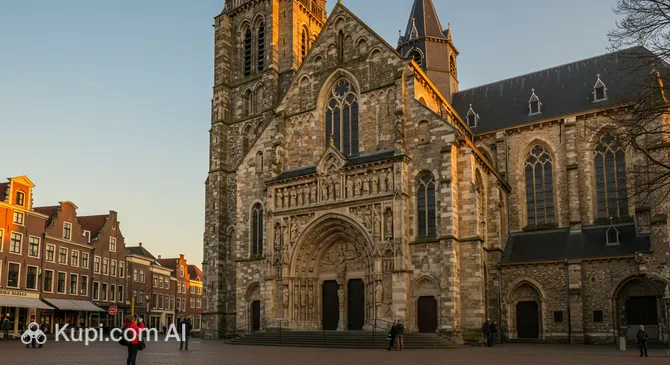
One of the most striking landmarks in the city center is St. Stephen's Church (Stevenskerk). As the oldest and largest church in Nijmegen, its history dates back to the 13th century. Visitors are drawn to its impressive Gothic architecture and the monumental organ inside. For those willing to climb the tower, the reward is a breathtaking panoramic view over the city and the surrounding river landscape.

St. Stephen's Church. Source: Kupi.Binoculars

For a peaceful escape within the city limits, Kronenburgerpark is a favorite among locals and tourists alike. This English-style landscape park is not just a place for relaxation; it is also home to the majestic Kruittoren (Powder Tower), a remnant of the old city walls. The park's rolling hills, pond, and historic atmosphere make it a perfect spot for a leisurely afternoon stroll or a picnic.

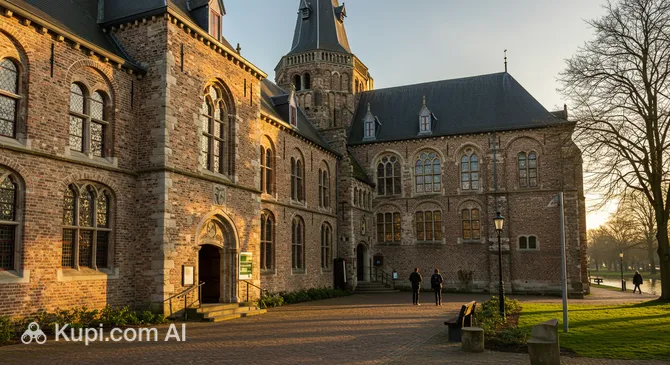
History enthusiasts should not miss the Valkhof Museum, located on the historic Valkhof hill. This museum houses an extensive collection of Roman archaeology, showcasing Nijmegen's status as an important Roman city. In addition to ancient artifacts, the museum features modern art and offers a comprehensive look at the cultural history of the region, all housed in a striking modern building designed by architect Ben van Berkel.

Another unique cultural attraction is De Bastei, a center for nature and cultural history situated directly on the Waal river. The building itself incorporates a 16th-century defensive tower, blending historical architecture with modern design. Inside, interactive exhibits tell the story of the river, the city's fortifications, and the local flora and fauna, making it an engaging experience for visitors of all ages.

Local Cuisine

The culinary scene in Nijmegen reflects its character as a historic yet youthful city, offering a delightful mix of traditional Dutch comfort food and modern international flavors. A true local specialty that every visitor should try is Marikenbrood. Named after the legendary character Mariken van Nieumeghen, this sweet pastry is filled with almond paste, cinnamon, and sugar, making it the perfect accompaniment to a cup of coffee at one of the city's many cozy cafes.

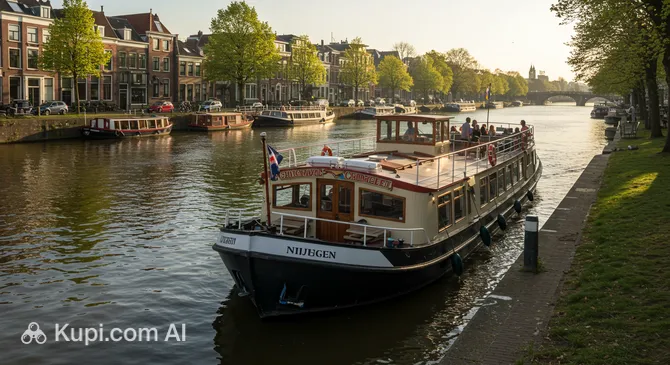
For a hearty meal that combines sightseeing with dining, the Pancake Boat Nijmegen is a favorite attraction. Here, you can indulge in traditional Dutch pancakes—often topped with bacon, cheese, or syrup—while cruising along the Waal River. It is a unique way to experience the local love for pannenkoeken while enjoying views of the skyline and the nature reserves along the banks.

Pancake Boat Nijmegen. Source: Kupi.Binoculars

When it comes to drinks, Nijmegen has a strong beer culture. The city is home to several craft breweries and historic pubs. A standout venue for beer enthusiasts is Café Jos Meesterschenkerij, which is renowned for its extensive selection of specialty beers and jenever. It is an excellent spot to sample local brews or enjoy a classic Dutch borrel (drinks with snacks) featuring savory treats like bitterballen—crispy fried meatballs served with mustard.

The dining atmosphere in Nijmegen is vibrant and accessible, largely influenced by its large student population. The Grote Markt and the streets surrounding the Stevenskerk are lined with terraces that fill up quickly on sunny days. Whether you are looking for a quick street food snack, a "daghap" (daily special) at a brown café, or fine dining in a historic cellar, the city offers a welcoming environment for every palate.

Travel Tips

To make the most of your trip to the oldest city in the Netherlands, a few practical preparations go a long way. Nijmegen is welcoming and relaxed, but knowing the local customs and logistics will ensure your visit runs smoothly.

  1. Clothing and Gear: The Dutch weather is notoriously changeable, so dressing in layers is the best strategy regardless of the season. Always pack a waterproof jacket or a sturdy umbrella. Unlike the rest of the country, Nijmegen is known for its hills, so bring comfortable walking shoes to navigate the slopes and the historic cobblestone streets in the city center.
  2. Transportation: The city center is compact and pedestrian-friendly, making walking the best option for sightseeing. Bicycles are the preferred local mode of transport; renting one is a great way to blend in. Public transport is efficient, with a reliable bus network (Breng) connecting the suburbs and the central station. You can easily check in and out of buses and trains using your contactless debit or credit card (OVpay).
  3. Finances: The local currency is the Euro (€). The Netherlands is rapidly becoming a cashless society, and cards are preferred almost everywhere. While Visa and Mastercard are widely accepted, carrying a Maestro or V-Pay card can be helpful in smaller shops or supermarkets (Albert Heijn). Tipping is not mandatory, but rounding up the bill or leaving a small amount for good service is appreciated.
  4. Health and Safety: Nijmegen is a safe city with high standards of healthcare. For minor health issues, you can visit a Drogist (drugstore) for over-the-counter items or an Apotheek (pharmacy) for prescriptions. In case of a serious emergency, dial 112. Be mindful of your surroundings at night, but generally, the city is secure for tourists.
  5. Communication: Dutch is the official language, but the level of English proficiency in Nijmegen is exceptionally high, partly due to the large student population. You will have no trouble communicating in English in restaurants, shops, and museums. Free Wi-Fi is widely available in cafes, on trains, and in public spaces.
  6. Local Etiquette: The Dutch value directness and punctuality. A simple handshake is the standard greeting. When entering a shop or a small business, it is polite to greet the staff. In public, people tend to speak at a moderate volume and respect personal space.
  7. What to Avoid: The most common mistake tourists make is walking in the bicycle lanes. These are often marked with red asphalt or bike symbols. Cyclists move fast and have the right of way in these lanes; blocking them is dangerous and frowned upon.
  8. Local Insight: If you are in town on a Monday or Saturday, visit the lively market on the Grote Markt for fresh local produce and snacks. Also, note that Thursday is typically Koopavond (shopping evening), where shops in the city center stay open later than usual, often until 9:00 PM.

With these tips in hand, you are ready to enjoy the unique atmosphere of Nijmegen without any hassle. Relax, rent a bike if you are feeling adventurous, and immerse yourself in the local culture with confidence.

Entertainment & Nightlife

As a vibrant university town, Nijmegen boasts a nightlife scene that is energetic, diverse, and unpretentious. The presence of thousands of students keeps the city young, ensuring that the evenings are just as lively as the days. Whether you are looking for a cozy brown café, a thumping dance floor, or a sophisticated cocktail lounge, the city center offers plenty of options to keep you entertained well into the early hours.

The heartbeat of Nijmegen's nightlife is undoubtedly the Molenstraat. This bustling street is lined with numerous bars and pubs, making it the primary destination for pub crawls and social gatherings. On warm evenings, the terraces on the Grote Markt are packed with locals enjoying drinks under the shadow of historic buildings. For a more alternative and laid-back atmosphere, the area around the Honig Complex—a converted industrial site—offers a trendy mix of culture, food, and drinks.

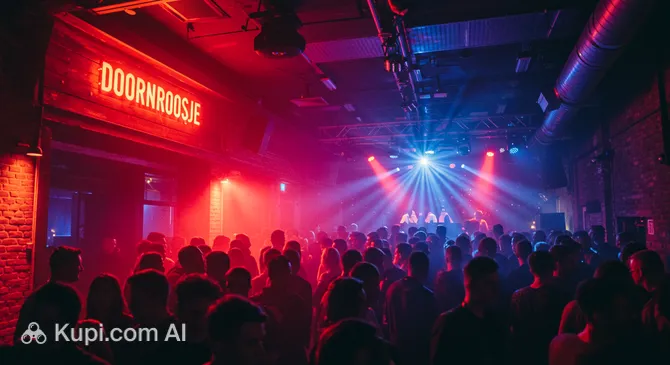
Music lovers should not miss Doornroosje, a nationally renowned pop stage and cultural venue located right next to the central station. It hosts a wide variety of live concerts ranging from rock to electronic music, and frequently transforms into a club for dance nights. It is a cornerstone of the local cultural scene and attracts big international names as well as local talent.

Doornroosje. Source: Kupi.Binoculars

For a more intimate setting with a historic touch, T Kunsje offers a charming atmosphere perfect for a night out with friends. If you prefer sipping drinks with a view, the Hotel Nijmegen-Lent Bar provides a modern and stylish environment where you can relax and enjoy the skyline. Another popular spot for a casual bite or a relaxed evening is the Kronkel Coffeeshop, known for its welcoming vibe and comfortable interior.

The nightlife in Nijmegen generally peaks on Thursday nights (the traditional student night) and on weekends. Most bars in the center are open until at least 2:00 AM on weekends, with clubs staying open closer to 4:00 AM or 5:00 AM. The dress code is typically casual and relaxed; you will rarely need formal attire unless you are attending a specific gala or an upscale event. Jeans and sneakers are perfectly acceptable in almost all venues.

Regarding safety, Nijmegen is considered very safe for night walks, especially in the busy city center. However, as with any city, it is wise to stay in well-lit areas and avoid walking alone through empty parks late at night. Getting around is easy; most locals cycle, but if you need a ride, designated taxi stands are located at the Central Station and near the Grote Markt. You can also easily order a taxi via phone or app.

While the nights are spirited, daytime entertainment is equally engaging. Beyond the historical museums, the city offers excellent cinemas and theaters, such as the LUX arthouse cinema, which is the largest of its kind in Europe. For families or those seeking lighthearted fun, the city's parks and shopping streets provide ample distraction before the sun goes down.

Parks & Museums

Nijmegen is widely known as a green city, where urban life seamlessly connects with nature and rich cultural heritage. From botanical gardens tucked away in quiet neighborhoods to museums that safeguard the city's two-thousand-year-old history, there are plenty of spaces to explore for nature lovers and history buffs alike.

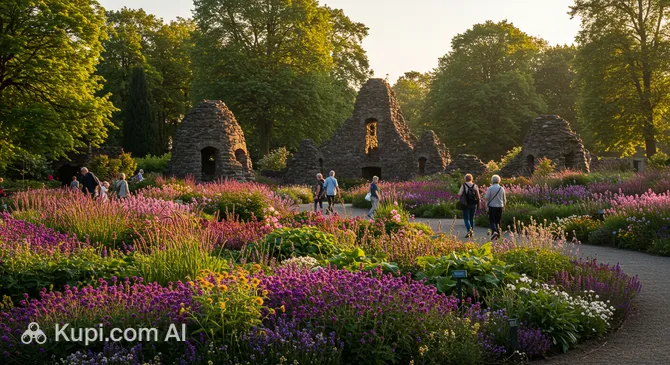
One of the hidden gems for nature enthusiasts is Hortus Nijmegen. Located in the Brakkenstein district, this botanical garden offers a peaceful retreat from the city center. It features a specialized collection of plants, a rock garden, and a charming tea house where visitors can relax. The garden is designed to promote biodiversity and serves as a living museum of flora, making it a perfect spot for a quiet afternoon walk among rare plant species.

Hortus Nijmegen. Source: Kupi.Binoculars

Closer to the city center and the river, Hunner Park offers a different kind of experience. Situated near the approach to the bridge, this park is steeped in history and provides excellent views of the Waal River. It is home to the Belvedere, a 15th-century watchtower, and remnants of the city's fortifications. It is a favorite spot for locals to sit on the grass and watch the ships pass by, blending historical sightseeing with outdoor relaxation.

For a larger recreational space, the Goffertpark is the city's "central park," offering vast lawns, wooded paths, and a petting zoo. It is the go-to location for open-air concerts and festivals, as well as a great place for jogging or a family picnic.

When it comes to museums, Nijmegen's status as the oldest city in the Netherlands is well represented. While the Valkhof Museum is the primary destination for Roman archaeology and modern art, another unique institution deserves attention: the Velorama. Located on the Waalkade, this is the only national bicycle museum in the Netherlands. It houses an impressive collection of historic bicycles, showcasing the evolution of the two-wheeler which is so central to Dutch culture.

Valkhof Museum. Source: Kupi.Binoculars

Another cultural highlight is De Bastei, which serves as a bridge between the city's history and its natural environment. It is particularly interesting for tourists because it allows you to descend into the archaeological underground to see the original 16th-century stratemakerstoren (road paver's tower) and learn about the flora and fauna of the river region in an interactive setting.

For those interested in smaller, specialized venues, the Huis van de Nijmeegse Geschiedenis (House of Nijmegen History) located in the Mariënburg chapel offers rotating exhibitions about specific eras or events in the city's past, often free of charge.

Insider Tip: If you want to experience the true natural beauty of the region, rent a bike and head straight for the Ooijpolder. This nature reserve begins just outside the city center along the river and offers a stunning landscape of wild horses, cattle, and wetlands that feels worlds away from the urban bustle.

Getting Around

Navigating Nijmegen is remarkably straightforward, thanks to an efficient and well-integrated public transport network. While the city does not have a metro or tram system, it relies on a comprehensive bus network and a series of railway stations that effectively connect the city center with the suburbs and surrounding neighborhoods. For most tourists, the combination of walking in the compact historic center and using buses for longer distances is the perfect way to get around.

The backbone of local transport is the bus service operated by Breng. You can easily recognize these buses by their distinctive pink and blue design. They run frequently and cover all major districts, including the university area, the museums, and the newer developments across the Waal River in Lent. In addition to buses, the city functions as a regional rail hub with five train stations: Nijmegen (Central), Nijmegen Dukenburg, Nijmegen Goffert, Nijmegen Heyendaal, and Nijmegen Lent. Using the train is often the fastest way to hop between these specific districts, acting almost like a rapid transit system within the city limits.

Paying for public transport has become very convenient for visitors with the introduction of OVpay. You do not need to purchase a specific travel card beforehand; you can simply check in and check out using your contactless debit card, credit card, or mobile phone wallet. The system automatically calculates the fare based on the distance traveled. If you prefer, you can still buy disposable tickets at the yellow ticket machines located at train stations or purchase a ticket from the bus driver, though keep in mind that cash is generally not accepted on board—card payments are the norm.

A crucial rule for using public transport here is the check-in and check-out procedure. You must tap your card or ticket against the card reader when boarding the bus or entering the train platform, and you must do the same when you exit. If you forget to check out, you may be charged a higher default fare. Buses typically operate from early morning, around 6:00 AM, until shortly after midnight. On weekends, night buses may be available, but schedules can vary, so checking a journey planner app like 9292 is highly recommended.

While public transport is excellent, the most popular alternative—and arguably the best way to experience the local lifestyle—is cycling. Nijmegen boasts an incredible infrastructure of cycle paths, including the "Snelbinder," a dedicated bicycle bridge attached to the railway bridge. You can easily rent a bike at the main station (OV-fiets) or from various rental shops in the center. Taxis are also available and can be found at designated stands near the station and the Grote Markt, but they are relatively expensive compared to other options. Ride-sharing apps and car rentals are available but are generally unnecessary for exploring the city itself due to traffic restrictions in the historic core.

Accommodation

Accommodation:

Finding the perfect place to stay in Nijmegen is relatively easy, as the city offers a diverse range of accommodation options to suit various budgets and preferences. Travelers can choose from charming bed and breakfasts housed in historic buildings, reliable mid-range chain hotels, and modern establishments with sleek amenities. For those traveling on a tighter budget or seeking a social atmosphere, there are also well-maintained hostels and guesthouses, often catering to the city's youthful student vibe.

When it comes to choosing a location, the City Center is naturally the most popular choice for tourists. Staying here places you within walking distance of the main shopping streets, the historic Grote Markt, and the lively cafe culture. For a quieter experience that is still centrally located, the area around Kronenburgerpark offers a scenic and peaceful environment near the old city walls. Alternatively, the area of Lent, situated just across the river via the bridge, has become increasingly popular. Hotels here often feature modern architecture and offer spectacular views of the Nijmegen skyline from across the water.

Hotel Nijmegen-Lent Bar. Source: Kupi.Binoculars

A crucial booking tip for anyone planning a trip to Nijmegen involves the city's biggest event: the International Four Days Marches (Vierdaagse). Held annually in mid-July, this event attracts tens of thousands of visitors. During this week, accommodation is fully booked months—sometimes even a year—in advance. If your travel dates coincide with this festival, it is essential to secure your room as early as possible. For visits during the rest of the year, booking a few weeks ahead is generally sufficient.

In terms of pricing, Nijmegen is comparable to other Dutch cities outside of Amsterdam. Budget travelers can expect to pay between €40 and €80 per night for hostels or basic rooms. Mid-range hotels typically charge between €90 and €140, while luxury options and boutique hotels in prime locations can exceed €150 per night. Reservations can be easily made through major online booking platforms, though booking directly with smaller B&Bs can sometimes offer a more personal touch.

Nearby Cities

For those looking to explore the surroundings, Nijmegen serves as an excellent base for day trips to several interesting nearby locations:

One of the most popular destinations is Arnhem, the capital of the Gelderland province. Located just a short distance away, it is famous for its pivotal role in World War II, specifically the Battle of Arnhem, and offers major attractions like the expansive Burgers' Zoo and the Netherlands Open Air Museum. Another historically significant town is Wageningen, known globally for its university and as the site where the German capitulation was signed in 1945. For a more relaxed excursion, Wijchen is renowned for its beautiful 14th-century castle and lovely gardens, making it a perfect spot for a quiet afternoon.

City Population Distance (km)
Arnhem 164096 16
Zevenaar 44096 18
Rheden 43816 21
Wijchen 41261 8
Wageningen 39635 19

These nearby destinations offer a glimpse into the diverse culture and landscapes of the region, ranging from bustling city centers to serene historical sites.

Shopping & Souvenirs

Shopping in Nijmegen is a delightful experience that combines historical charm with modern convenience. The city center boasts a compact and pedestrian-friendly layout, making it easy to explore a wide variety of stores on foot. From high-end fashion and popular international chains to quirky independent boutiques, the city offers something for every style and budget.

A true highlight for any shopper is the Lange Hezelstraat. Recognized as the oldest shopping street in the Netherlands, it leads up to the river and is lined with beautiful historic facades. Here, you will not find the usual big brands; instead, the street is famous for its unique specialty shops, vintage stores, art galleries, and cozy interior design boutiques. It is the perfect place to find a one-of-a-kind souvenir or a special gift.

For those looking for well-known fashion labels and larger department stores, the Broerstraat and the Marikenstraat are the places to be. The Marikenstraat is particularly architecturally interesting, designed as a two-level open-air shopping street that seamlessly integrates modern design with the existing urban fabric. Nearby, the covered Molenpoort Passage offers a convenient escape on rainy days, housing a mix of clothing stores and specialty retailers.

If you enjoy the bustle of a traditional market, make sure to visit the Grote Markt. Located in the shadow of the majestic St. Stephen's Church, the general market takes place every Monday and Saturday. It is a vibrant spot where locals buy fresh produce, flowers, cheese, and fabrics. On Saturdays, the atmosphere is especially lively, often spilling over into the adjacent Kelfkensbos square.

Nijmegen is very accommodating when it comes to opening hours. Most shops in the city center are open seven days a week. Thursday is the traditional Koopavond (shopping evening), with many stores staying open until 9:00 PM. On Sundays, the city hosts "Koopzondag," meaning the vast majority of shops open their doors from around 12:00 PM to 5:00 PM, creating a relaxed weekend vibe for visitors.

Reached the end of the page?

That means the route is fully explored