Support

Wageningen

About

Wageningen is a fascinating destination where deep-rooted traditions meet cutting-edge science. Located in the province of Gelderland, this vibrant city is known globally for its prestigious university, but it offers much more than just academic excellence for the traveler. With its unique blend of historic charm and youthful energy, it provides a welcoming atmosphere for visitors from all walks of life.

Situated on the north bank of the Lower Rhine river, the city serves as a scenic gateway to the Veluwe, one of the largest nature areas in the Netherlands. Although the permanent population is around 40,000, the city feels incredibly lively and international due to its large student community. The lush green surroundings and the river landscape make it an ideal spot for outdoor enthusiasts who enjoy cycling and walking.
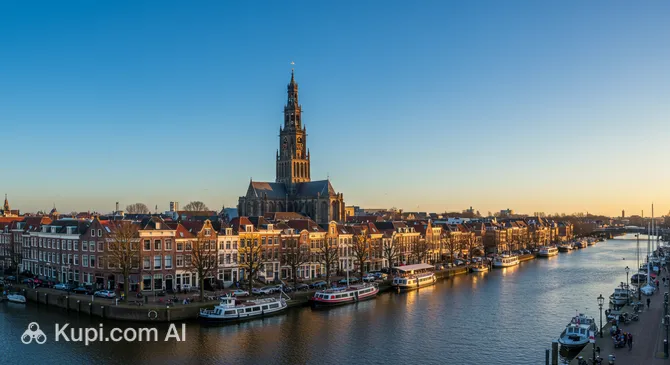
Wageningen. Source: Kupi.Binoculars

The city holds a very special place in the collective memory of the Dutch people as the "City of Liberation." It was here, at the historic Hotel de Wereld, that the capitulation of German forces was negotiated in May 1945, effectively ending World War II in the country. Travelers can delve deeper into the history of Wageningen to understand its transformation from a fortified medieval settlement to a modern symbol of peace and freedom.

Aside from its historical landmarks, Wageningen offers beautiful attractions for nature lovers. The Belmonte Arboretum is a must-visit, featuring a vast botanical garden on the Wageningen Mountain that offers breathtaking panoramic views over the Rhine valley. In the city center, visitors can enjoy the relaxed vibe of the market square, surrounded by inviting cafes and the imposing Grote Kerk.

Whether you are drawn by its significant role in history, its renowned botanical gardens, or simply the desire to explore a friendly Dutch city, Wageningen is well worth a visit. It promises a delightful mix of culture, nature, and relaxation for your journey.
Weather Overview

Wageningen experiences a temperate maritime climate, typical of the Netherlands, which generally means mild temperatures and a fair amount of moisture throughout the year. The weather is rarely extreme, making the city accessible for visitors in any season, though packing layers is always a smart strategy. For a more detailed forecast and seasonal breakdown, you can consult the guide to the weather in Wageningen.

The summer months of June, July, and August are the warmest and most popular for outdoor activities. August typically sees the highest temperatures, with an average of around 18.8°C and daytime highs often reaching 23.0°C. Winters, spanning from December to February, are decidedly cooler. January is usually the coldest month, with average temperatures dropping to 4.4°C and nightly lows hovering around 2.3°C.

Rainfall is a constant companion in this region, keeping the local landscapes lush and green. Precipitation is distributed relatively evenly across the calendar, with the number of wet days ranging from 11 to 16 days per month. Expect warm summers with occasional rain and cold, damp winters, so bringing a waterproof jacket or umbrella is recommended regardless of when you plan to visit.

Interesting Facts

Beyond its academic reputation and pivotal role in World War II history, Wageningen holds a treasure trove of lesser-known stories and unique features. From geological oddities to artistic niches, there is much to uncover beneath the surface of this riverside city.
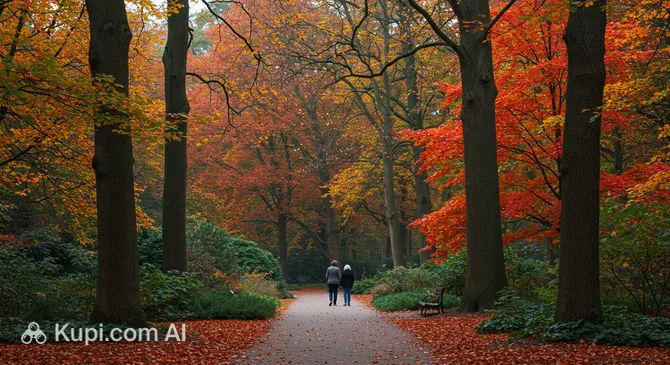
Belmonte Arboretum. Source: Kupi.Binoculars
  • The city is the official keeper of the "Freedom Flame" (Vrijheidsvuur), a powerful national symbol. Every year at midnight on May 5th, a ceremonial fire is lit here, and relay runners from all over the country light their torches to carry the flame back to their own municipalities, spreading the message of freedom across the nation.

  • Art enthusiasts will find a fascinating niche at Het Depot, a sculpture gallery housed in a former botany laboratory. This venue is unique for its specialized collection that focuses almost entirely on contemporary sculptures of the human torso, blending art seamlessly with nature.

  • Although the Netherlands is famous for its flat terrain, this area sits on the "Wageningen Mountain," a push moraine formed during the Saalian Ice Age. This geological elevation is what gives the Belmonte Arboretum its stunning panoramic views over the Lower Rhine, offering a perspective that is rare in the Dutch landscape.

  • Despite its modest population size, Wageningen is one of the most culturally diverse places in the country. Thanks to the globally renowned university, the city is home to students and researchers from over 100 different nationalities, creating a vibrant, cosmopolitan atmosphere usually found only in major capitals.

How to Get There

Reaching this university city is straightforward thanks to the Netherlands' excellent transport infrastructure. While it is tucked away in the scenic greenery of Gelderland, it remains well-connected to major international and regional hubs. For a detailed breakdown of all travel options, you can read more about how to get to Wageningen.

The city of Wageningen does not have its own airport, but you can fly into Amsterdam Airport Schiphol (IATA: AMS) in the city of Amsterdam, which is about 73 km from Wageningen. As the country's main international gateway, it welcomes flights from all over the world. A journey by taxi or car from Schiphol to Wageningen typically takes around 60 to 75 minutes.

Alternatively, travelers can arrive at Eindhoven Airport (IATA: EIN) in Eindhoven, located approximately 61 km away. This airport is a convenient option for those flying within Europe. The travel time by road from Eindhoven to Wageningen is roughly 50 to 60 minutes.

For clarity, here is a summary of the main airports:

Airport Name City Passenger Traffic Km from City
Amsterdam Airport Schiphol Amsterdam Very High 72.7
Dusseldorf International Airport Dusseldorf High 108.1
Eindhoven Airport Eindhoven Medium 61.1
Rotterdam The Hague Airport Rotterdam Low 84.5
Weeze Airport Dusseldorf Low 52.4

For those traveling by train, it is important to note that the city of Wageningen does not have a railway station within the city center. The most significant and convenient hub is the Ede-Wageningen Station (IATA: EWS), located in the neighboring city of Ede, just 6.5 km from Wageningen. From there, you can take a bus, which takes about 20 to 25 minutes, or opt for a taxi, which is faster and reaches the heart of the city in approximately 10 to 15 minutes.

Here is an overview of the nearest railway stations:

Station City Passenger Traffic Km to Center
Eindhoven Railway Station Eindhoven High 61.0
Nijmegen Station Nijmegen Medium 19.1
Ede-Wageningen Station Ede Medium 6.5
Hilversum Railway Station Hilversum Medium 44.2
Emmerich Railway Station s-Heerenberg 43.4

Main Attractions

Wageningen offers a delightful array of attractions that cater to nature lovers, art enthusiasts, and foodies alike. From botanical wonders to unique cultural venues, the city's compact size makes it easy to explore these highlights, each offering a distinct glimpse into the local character.

One of the most celebrated spots in the city is the Belmonte Arboretum. Situated on the Wageningen Mountain, this expansive botanical garden is renowned for having one of the largest collections of rhododendrons and magnolias in the Benelux region. Visitors are drawn here not only for the diverse flora but also for the stunning vistas over the Lower Rhine river, making it a perfect location for a peaceful walk or a scenic picnic in any season.

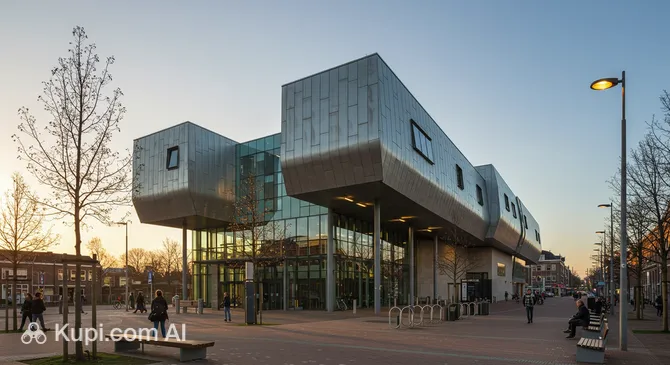
Het Depot. Source: Kupi.Binoculars

For a distinct cultural experience, Het Depot is a fascinating destination. Located in a beautifully renovated former laboratory, this sculpture gallery is dedicated primarily to the depiction of the human torso. It uniquely combines art with nature, as the exhibitions are set within a context that connects the indoor sculptures with the surrounding green spaces. It is an intriguing place for tourists seeking contemporary art in a tranquil, contemplative setting.

Reflecting the city's vibrant international atmosphere, Soek Damascus offers a memorable culinary journey. This restaurant is highly regarded for its authentic Syrian cuisine, serving dishes rich in tradition and flavor. It stands out as a testament to the diverse community in Wageningen, providing a warm and welcoming environment for travelers looking to enjoy a high-quality meal with a story behind it.

Local Cuisine

Wageningen is often referred to as the heart of "Food Valley," a title that reflects its global reputation for food science and agricultural research. For the visiting gourmand, this translates into a dining scene that is surprisingly diverse and high-quality for a city of its size. The culinary landscape here is a vibrant mix of traditional Dutch comfort food and international flavors brought in by the large community of students and researchers from around the world.

No trip to the Netherlands is complete without sampling the local snacks, and Wageningen is the perfect place to indulge. Bitterballen, savory deep-fried meat ragout balls usually served with mustard, are a staple at local terraces and pubs. For those with a sweet tooth, a fresh, warm Stroopwafel (syrup waffle) from a market vendor is an absolute must. In the colder months, hearty dishes like Stamppot (mashed potatoes mixed with vegetables and served with smoked sausage) dominate the menus, offering a warm welcome after a day of exploring.

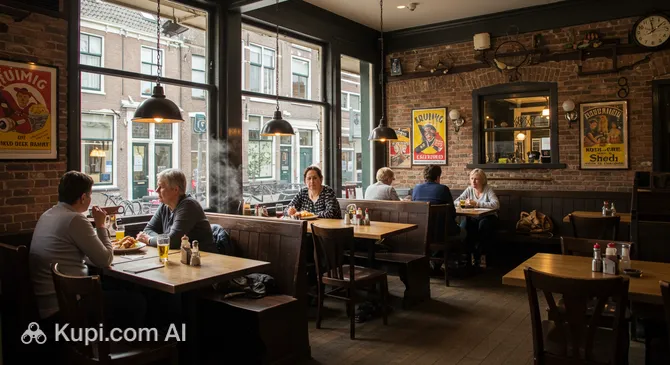
Kruimig Fry Shop. Source: Kupi.Binoculars

One of the most beloved Dutch culinary traditions is "friet" (fries), and locals take this simple dish very seriously. For a premium experience, you can visit Kruimig Fry Shop, a popular spot that elevates the humble potato into a gastronomic delight. Here, you can enjoy fresh, artisanal fries often served with a variety of rich sauces, ranging from the classic mayonnaise to peanut sauce or a mix of both known as "patatje oorlog" (war fries).

When it comes to drinks, the city has a cozy pub culture centered around the historic Market Square (Markt). It is common to see locals enjoying a fluitje or vaasje (standard glasses of pilsner) on sunny afternoons. For something stronger, you might try Jenever, a traditional Dutch juniper-flavored spirit that is the predecessor to gin. Given the city's focus on sustainability and agriculture, you will also find a growing selection of organic juices and locally brewed craft beers that highlight regional ingredients.

The food culture in Wageningen is deeply social and revolves largely around the city center. The weekly markets, held on Wednesdays and Saturdays around the Grote Kerk, are excellent places to mingle with residents. Here, you can buy fresh cheese, bread, and produce directly from farmers in the Gelderland region. Whether you are looking for a quick street food bite or a sit-down meal with organic ingredients, the city's atmosphere is always welcoming and unpretentious.

Travel Tips

Wageningen is a welcoming and compact city, but knowing a few local customs can make your visit even smoother. Here are some practical tips to help you blend in with the students and locals while exploring this green gem in the Netherlands.

  1. Clothing and Gear: The Dutch weather is notoriously unpredictable, so dressing in layers is key. Bring a waterproof jacket or a sturdy umbrella, as showers can occur year-round. Since Wageningen is known for its beautiful nature and the hilltop gardens, comfortable walking shoes are a must for navigating both the cobbled city center and the unpaved forest paths.
  2. Transportation: The city center is small and easily explored on foot, but to live like a local, you should rent a bicycle (fiets). There are no metros or trams here; the main connection to the wider region is the bus service linking the city to the Ede-Wageningen railway station. Taxis are available but can be pricey, so public transport or biking is usually the best option.
  3. Finances: The currency is the Euro (€). The country is rapidly becoming a cashless society, and cards are accepted almost everywhere. However, be aware that some smaller shops and supermarkets may prefer Maestro or V-Pay debit cards over international credit cards like Visa or Mastercard, so carrying a small amount of cash is wise. Tipping is not mandatory, but rounding up the bill is a polite gesture.
  4. Health and Safety: Wageningen is a very safe city, even at night. For minor health issues, you can visit a drugstore (drogist) for over-the-counter items, while prescription medicine requires a pharmacy (apotheek). In case of a serious emergency, dial 112 for police, ambulance, or fire services.
  5. Communication: The official language is Dutch, but due to the presence of the international university, the level of English here is exceptionally high. You will rarely face a language barrier. Locals appreciate a friendly "Hallo" (Hello) or "Dank je wel" (Thank you), but you can comfortably conduct all your business in English.
  6. Local Etiquette: The Dutch value punctuality and directness, so do not be offended by straightforward answers. When entering a shop, it is polite to greet the staff. If you are cycling, always signal your turns with your hand—it is not just polite, it is a safety rule used by everyone from students to seniors.
  7. What to Avoid: Never walk in the designated bicycle lanes, which are often reddish-colored and marked with a bike symbol. Cyclists ride fast and expect pedestrians to stay on the sidewalk; blocking the fietspad is the quickest way to annoy the locals and can be dangerous.
  8. Market Days: To truly experience the local vibe, try to visit the city center on a Wednesday morning or Saturday. The weekly market around the main church is the perfect place to buy fresh stroopwafels, cheese, and organic produce directly from regional farmers.

With these tips in hand, you are ready to enjoy the relaxed and open atmosphere of Wageningen. Whether you are here for the history or the nature, a little preparation ensures you can focus entirely on making great memories.

Entertainment & Nightlife

Entertainment in Wageningen is heavily influenced by its large and international student population, creating a vibrant yet laid-back atmosphere that distinguishes it from larger Dutch cities. The nightlife here is less about massive nightclubs and exclusivity, and more about "gezelligheid"—a Dutch concept encompassing coziness, conviviality, and fun. The action is concentrated almost entirely around the Market Square (De Markt) and the adjacent streets surrounding the historic church, where terraces fill up quickly on sunny evenings and the hum of conversation lasts well into the night.

For those looking to experience the local vibe, Thursday is traditionally the biggest night out, as it is the start of the student weekend. The dress code is universally casual; jeans and sneakers are the norm everywhere. You will find a variety of "brown bars" (traditional Dutch pubs) serving excellent draft beers, including local craft brews. Venues like Café Loburg are institutions in the city, frequently hosting live music sessions, jam nights, and band performances that attract a mix of students and locals. If you prefer a quiet drink or a game of pool, the pubs along the Heerenstraat and Hoogstraat offer a welcoming environment.

Practicalities for a night out in Wageningen are straightforward. Most bars stay open until 2:00 AM on weekdays and 4:00 AM on weekends. Prices are generally student-friendly, making it an affordable destination for travelers. Getting around is best done by bicycle or on foot, as the city center is compact and pedestrian-friendly. Safety is rarely a concern; the city is well-lit and secure for walking at night. If you need a ride home, there is a designated taxi stand located directly on the Market Square, or you can easily call a local cab service.

While the nights are lively, the city also offers engaging entertainment during the day. Culture enthusiasts should not miss Het Depot, a unique sculpture gallery set in a beautiful arboretum setting, which offers a serene artistic experience. For those who prefer nature as their entertainment, a visit to the Belmonte Arboretum provides a stunning backdrop for a relaxing afternoon walk before heading into town for dinner. Additionally, the city features a charming movie theater, the Heerenstraat Theater, which screens a mix of blockbusters and arthouse films, often in their original language with subtitles.

Parks & Museums

Wageningen offers a harmonious blend of lush landscapes and rich heritage, making it a delightful destination for those who appreciate both the outdoors and cultural history. The city is renowned for its green character, largely due to the influence of its agricultural university, and boasts a variety of museums that celebrate everything from modern art to pivotal moments in world history.

One of the crown jewels of the city's green spaces is the Belmonte Arboretum. Located on the Wageningen Mountain, this botanical garden is not only a haven for plant enthusiasts but also offers some of the most spectacular views in the Netherlands. Visitors can wander through extensive collections of rhododendrons, magnolias, and exotic trees while enjoying panoramic vistas of the Lower Rhine valley. It is a perfect spot for a tranquil afternoon walk, far removed from the bustle of city life.

For a wilder natural experience, the nearby Blauwe Kamer nature reserve is a must-visit. Situated along the banks of the Rhine, this riverine landscape is constantly shaped by the water and is home to free-roaming herds of Konik horses and Galloway cattle. It serves as a paradise for birdwatchers and hikers who want to experience the raw beauty of the Dutch river delta. Closer to the city center, the Torckpark offers a smaller, intimate green retreat, reflecting the garden style of the 19th century.

In terms of culture, the city presents unique venues that blend art with nature. Het Depot is a standout attraction, functioning as a sculpture gallery set within a beautiful arboretum. This museum is distinct for its focus on the human torso, displaying a diverse collection of contemporary sculptures in a setting that encourages quiet contemplation. The interplay between the indoor art and the outdoor gardens creates a seamless cultural experience.

To dive into the local history, a visit to Museum De Casteelse Poort is essential. Housed in the remnants of a former castle, this museum chronicles the history of Wageningen, from its medieval origins to its development as a university city. It also covers the significant events of World War II, providing context to the city's title as the "City of Liberation." Just a short walk away stands the historic Hotel de Wereld, a landmark of immense national importance where the capitulation of German forces in the Netherlands was negotiated in 1945.

For a truly authentic local experience, take a bicycle or a long walk along the Rijndijk (Rhine Dyke) at sunset. This path offers unobstructed views of the river and the floodplains, a favorite pastime for residents seeking fresh air and stunning scenery. It is a simple yet memorable way to connect with the landscape that defines this region.

Getting Around

Public transport in Wageningen is efficient and reliable, though it differs significantly from larger metropolises. The city does not have its own train station, metro, tram, or trolleybus system. Instead, the public transit network relies entirely on a comprehensive bus system that connects the city center, the university campus, and the surrounding region. The most important connection for travelers is the high-frequency bus line (often line 303) linking Wageningen to the Ede-Wageningen railway station, which serves as the primary gateway to the national train network.

Navigating the payment system has become much easier for tourists in recent years thanks to the introduction of OVpay. You can now check in and out of buses directly using your contactless debit card, credit card, or mobile wallet (like Apple Pay or Google Wallet). This eliminates the need to purchase a separate travel card for short visits. Alternatively, you can buy an anonymous OV-chipkaart at stations or supermarkets if you plan to stay longer, though the card itself has a purchase fee. Cash is generally not accepted on buses for ticket purchases.

For a smooth journey, it is essential to remember the "check-in, check-out" rule. You must tap your card or phone against the card reader when boarding the bus and again when exiting. If you forget to check out, you may be charged a higher default fare. Operating hours for buses typically run from early morning until around midnight, though services are less frequent on weekends and holidays. To plan your trip effectively, it is highly recommended to download the 9292 app or the NS app, which provide real-time schedules and route planning.

While buses are the primary motorized option, the true "public transport" of Wageningen is the bicycle. Cycling is the most popular way to get around, and the city boasts excellent infrastructure with dedicated bike paths everywhere. Visitors can easily rent a bicycle at the bus station or local shops. For those arriving by train at Ede-Wageningen, the "OV-fiets" (public transport bike) rental scheme is available, allowing you to cycle the final stretch to the city, a ride that takes about 20 to 25 minutes through scenic surroundings.

Taxis are available but are significantly more expensive than public transit and are not typically hailed on the street. You will usually find them at designated stands, such as the one at the bus station, or you must book them by phone or app in advance. Car-sharing services are present but are generally geared more towards residents than short-term tourists. Given the city's compact size, most visitors find that walking or biking, supplemented by the bus for longer distances, is sufficient to see everything.

Accommodation

Where to Stay:

Accommodation in Wageningen reflects the city's character as a university town and a historic center. While it does not have the vast array of options found in major tourist hubs like Amsterdam, it offers a solid selection of comfortable and welcoming places to stay. The range typically includes professional mid-range hotels often used by visiting academics and business travelers, as well as smaller, cozy bed and breakfasts that provide a more personal touch. There are also a few budget-friendly options and holiday parks located on the outskirts for those who prefer a self-catering experience close to nature.

When choosing where to stay, location depends largely on your plans. The City Center is the most convenient area for tourists who want to be within walking distance of the historic Market Square, museums, and the main dining district. Staying here means you are steps away from the evening buzz and the bus station. Alternatively, the areas surrounding the Wageningen Campus or the edge of the Veluwe forests offer a quieter, greener environment. These spots are ideal for visitors who prioritize tranquility or plan to spend their time hiking and cycling in the nearby nature reserves.

Prices in Wageningen are generally moderate compared to the capital. You can expect to find standard hotel rooms in the mid-range price bracket, while B&Bs may offer slightly more affordable rates depending on the season. Booking is typically done easily through major online platforms or directly with the establishment.

A crucial tip for travelers is to book well in advance if your visit coincides with major university events, such as graduations or the start of the academic year in September. Additionally, accommodation fills up very quickly around May 4th and 5th, as the city is the national center for Liberation Day celebrations. During these peak times, availability becomes scarce, and prices may rise.

Nearby Cities

For those looking to explore the surroundings, Wageningen serves as an excellent base for day trips to several interesting nearby locations:

City Population Distance (km)
Nijmegen 177659 19
Arnhem 164096 16
Ede 72460 8
Veenendaal 66912 10
Barneveld 59992 20

Just a short journey east lies Arnhem, the capital of the province. This city is famous for its pivotal role in World War II, memorialized at the bridge famously known from "A Bridge Too Far." Beyond its history, Arnhem is a fashion hub with excellent shopping and is home to two of the country's top attractions: the immersive Netherlands Open Air Museum and the expansive Burgers' Zoo.

To the south, you will find Nijmegen, which claims the title of the oldest city in the Netherlands. It offers a lively atmosphere fueled by its own student population and a rich history dating back to Roman times. A walk along the Waalkade quay offers stunning river views, while the historic market square provides plenty of terraces for a relaxing drink.

For nature lovers, the neighboring town of Ede is the perfect gateway to the Hoge Veluwe National Park. This vast nature reserve features heathlands, sand dunes, and woodlands, and houses the world-renowned Kröller-Müller Museum, which boasts the second-largest collection of Van Gogh paintings in the world.

These nearby destinations offer a glimpse into the diverse culture and landscapes of the region.

Shopping & Souvenirs

Shopping in Wageningen is a relaxed and pleasant experience, characterized by a cozy, small-town atmosphere rather than the hustle of a major metropolis. While you won't find massive department stores or high-end luxury fashion houses here, the city offers a charming mix of well-known Dutch retail chains, independent boutiques, and specialty stores. It is the perfect place to browse for books, sustainable fashion, and local delicacies at a leisurely pace, with everything located within a compact, walkable center.

The heartbeat of the local shopping scene is the Hoogstraat (High Street). This pedestrianized thoroughfare runs through the center of town and is lined with a variety of shops ranging from clothing and shoes to drugstores and lifestyle boutiques. Branching off from the Hoogstraat are smaller side streets and alleyways where you can discover unique independent retailers selling vintage items, gifts, and artisanal products. The area surrounding the Markt (Market Square) also features several shops, seamlessly blending retail with the city’s café culture.

Unlike larger Dutch cities, Wageningen does not have large indoor shopping malls. The shopping experience is almost entirely open-air, focusing on the historic streets of the city center. There are smaller neighborhood shopping centers, such as 'De Tarthorst', but these are primarily supermarkets and service shops for residents. For tourists, the downtown area remains the primary destination for any retail therapy.

Markets play a significant role in the city's community life. The most popular event is the weekly Saturday Market, held around the Grote Kerk on the Market Square from early morning until late afternoon. Here, locals and visitors alike gather to buy fresh flowers, Dutch cheese, fish, vegetables, and warm snacks. A smaller market is also held on Wednesdays. These markets are excellent places to experience the local vibe and pick up fresh, high-quality ingredients.

If you are looking for souvenirs, Wageningen offers some distinct local options. Given the city's location in the "Food Valley" and its agricultural university, locally produced food items make excellent gifts. Look for regional cheeses, organic jams, or locally brewed craft beers. Items related to the city's history as the "City of Liberation" are also meaningful keepsakes. Additionally, traditional Dutch treats like stroopwafels (syrup waffles) in decorative tins are widely available and always appreciated.

Standard opening hours for shops are generally from 09:00 or 10:00 to 18:00 on Tuesdays through Fridays. On Mondays, many shops open later, often around 13:00. Saturdays typically have slightly shorter hours, closing around 17:00. Wageningen usually hosts a "Koopavond" (late-night shopping) on Fridays, where some stores stay open until 21:00. Sunday shopping ("Koopzondag") is not a weekly occurrence for all shops; while supermarkets are often open, many boutiques remain closed on Sundays.

Regarding payment, the Netherlands is rapidly becoming a cashless society. Almost all shops in Wageningen accept debit cards (Maestro and V-Pay are the standard). Major credit cards like Visa and Mastercard are increasingly accepted in larger stores and restaurants, but some smaller independent boutiques or market stalls may still prefer debit cards or cash. It is advisable to carry a small amount of cash, especially for small purchases at the market.

For visitors from outside the European Union, tax-free shopping may be available in certain larger stores if you spend above a specific threshold. Look for the "Tax Free" signage in shop windows and ask the staff for a refund form at the checkout, though opportunities for this are less frequent here than in major tourist hubs like Amsterdam.

Reached the end of the page?

That means the route is fully explored