Support

Calais

About

Calais is a vibrant port city that serves as a major gateway between the UK and the continent, offering a unique blend of maritime charm and cultural heritage. Located in the northernmost part of France, within the Hauts-de-France region, it is the closest French town to England, situated just across the Strait of Dover. With a population of approximately 73,000 residents, the city has a lively atmosphere and plays a significant role in cross-channel trade and tourism.
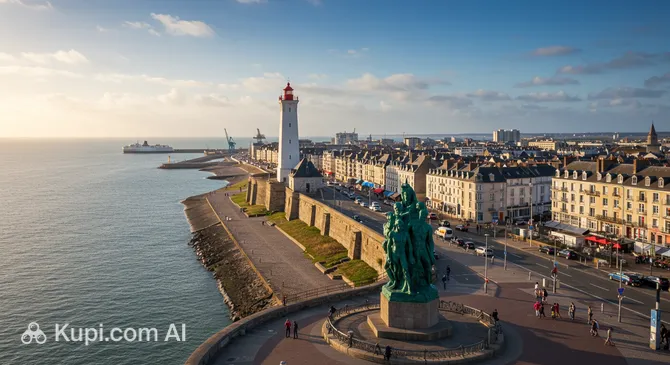
The fascinating history of Calais is deeply intertwined with its strategic position, resulting in a rich tapestry of historical landmarks. One of the most iconic sights is the majestic Hôtel de Ville (Town Hall), distinguished by its UNESCO-listed belfry which dominates the skyline. Visitors can also admire Auguste Rodin's famous sculpture, The Burghers of Calais, standing as a poignant reminder of the city's resilience during the Hundred Years' War.

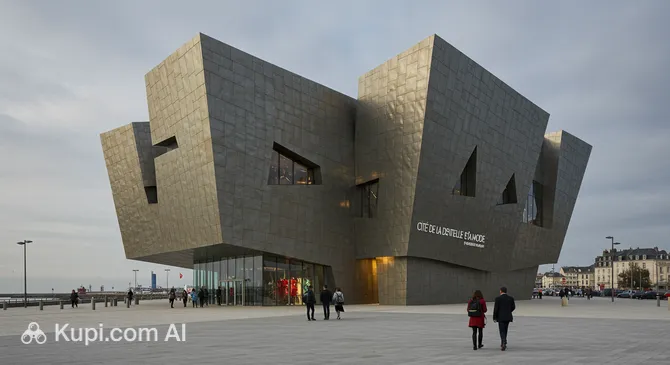
Beyond its historical sites, Calais is celebrated for its exquisite craftsmanship, particularly in lace-making. The Cité de la Dentelle et de la Mode (Museum of Lace and Fashion) is a must-visit attraction that showcases this delicate art form. For a touch of whimsy, the colossal Dragon of Calais offers rides along the seafront, providing fun for all ages. Whether you are exploring the sandy beaches of the Opal Coast or enjoying local cuisine, Calais is a destination well worth discovering.

We invite you to explore the streets of this historic port city, where French culture meets the sea, creating memorable experiences for every traveler.
Weather Overview

Located on the coast, Calais enjoys a temperate maritime climate influenced by the English Channel. The weather in Calais is generally mild, avoiding the extremes of heat and cold often found further inland. This makes the city accessible year-round, though the coastal breeze can make it feel cooler than the thermometer suggests.

Summers are typically pleasant and comfortable rather than hot, with August being the warmest month, featuring average highs of 21.1°C. Winters are cool but rarely freezing; January is usually the coldest time of year with average lows around 4.2°C. Rainfall is a consistent feature of the local climate, with the city experiencing between 10 and 17 wet days per month, peaking in December.

In summary, expect mild, warm summers and cool winters with frequent showers throughout the year. It is always a good idea to pack layers and a waterproof jacket to stay comfortable during your visit.

Interesting Facts

Beyond the well-trodden paths, Calais holds a treasure trove of fascinating stories and unique features that often surprise visitors. Here are some intriguing facts that reveal the hidden character of this historic port city.
Calais Lighthouse. Source: Kupi.Binoculars
  • The city's world-famous lace industry has roots in 19th-century industrial espionage; the complex Leavers looms, like those displayed at the Cité de la Dentelle et de la Mode, were originally smuggled out of England in separate pieces to bypass strict export bans on the technology.

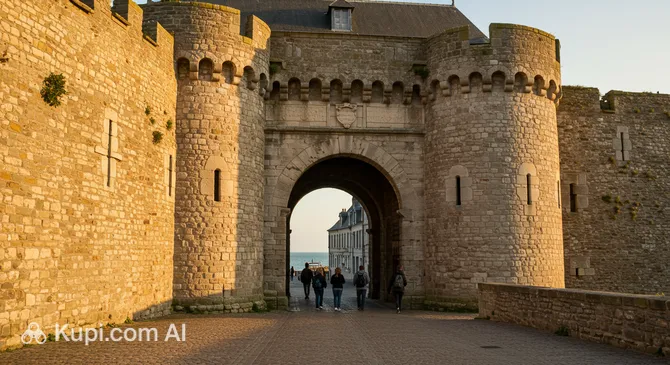
  • The Tour du Guet is the oldest surviving monument in the city, dating back to the 13th century, and has served variously as a defensive watchtower, a lighthouse, and even an optical telegraph station for the Chappe system.

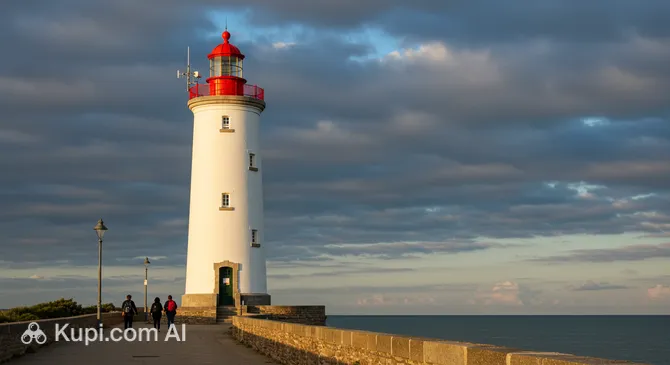
  • On clear days, the proximity to England is striking from the top of the Calais Lighthouse, where visitors can often see the White Cliffs of Dover with the naked eye across the Strait of Dover.

  • The colossal mechanical creature operated by the Compagnie du Dragon is a marvel of modern engineering that weighs 72 tons and requires a team of machinists to control its movements, fire-breathing effects, and water jets.

How to Get There

Reaching this historic port city is quite convenient thanks to its strategic position as a gateway between the UK and mainland Europe. Whether you prefer flying, taking the train, or driving, there are multiple options available. You can read more about how to get to Calais to plan the most efficient route for your trip.

The city of Calais does not have its own airport, but you can fly into Lille Airport (IATA: LIL) in the city of Lille, which is about 97.6 km from Calais. This regional hub offers various connections, and the city is accessible via highway or train transfers. Alternatively, travelers can arrive at Ostend-Bruges International Airport (IATA: OST) in Bruges (Belgium), located roughly 76.1 km away. For those coming from further afield, major hubs in London are also geographically close, though they require crossing the English Channel.

For clarity, here is a summary of the main airports:

Airport Name City Passenger Traffic Km from City
London Gatwick Airport London Large 144.8
London City Airport London Medium 140.4
Lille Airport Lille Medium 97.6
Ostend-Bruges International Airport Bruges Small 76.1
London Southend Airport London Small 106.7

Rail travel is an excellent way to reach the region, with high-speed connections linking it to major European capitals. The city is served by the Calais-Fréthun Railway Station, which is located approximately 6.5 km from the city center. This station is a key stop for Eurostar and TGV trains, making it easily accessible from London, Paris, and Brussels. Additionally, you can arrive at the Lille Europe Station in Lille, which is about 92.4 km from Calais. From Lille, you can take a connecting train or a taxi to reach your final destination.

Below is a list of the nearest railway stations:

Station City Passenger Traffic Km to Center
Lille Flandres Station Lille Large 92.3
Lille Europe Station Lille Large 92.4
Brugge Railway Station Bruges Large 80.7
Ashford International Railway Station Ashford Medium 72.4
Calais-Fréthun Railway Station Calais 6.5

Main Attractions

Calais offers a fascinating mix of historical landmarks, cultural heritage, and modern entertainment. From its world-renowned lace industry to monumental sculptures and mechanical marvels, the city provides a variety of experiences for visitors to enjoy. Here are some of the top attractions to explore during your stay.

One of the city's most significant cultural institutions is the Cité de la Dentelle et de la Mode. Housed in a restored 19th-century factory, this museum is dedicated to the famous lace-making tradition of Calais. It is interesting to tourists for its live demonstrations of the massive Leavers looms, as well as its stunning exhibitions of haute couture and fashion history, showcasing the delicate artistry that put the city on the map.

Cité de la Dentelle et de la Mode. Source: Kupi.Binoculars

A poignant symbol of the city's resilience can be found in front of the Town Hall: The Burghers of Calais. This masterpiece by Auguste Rodin commemorates the six citizens who volunteered to surrender their lives to King Edward III of England to save their city during the siege of 1347. The emotive power of the bronze figures and their historical significance make this sculpture a must-see for art and history enthusiasts alike.

For a completely unique experience, visit the Compagnie du Dragon on the seafront. This attraction features a colossal mechanical dragon made of wood and steel that stands 12 meters tall. Tourists love watching the creature roam the esplanade, breathing fire, mist, and water. You can even take a ride on its back for a panoramic view of the beach and the port, adding a touch of fantasy to your trip.

Compagnie du Dragon. Source: Kupi.Binoculars

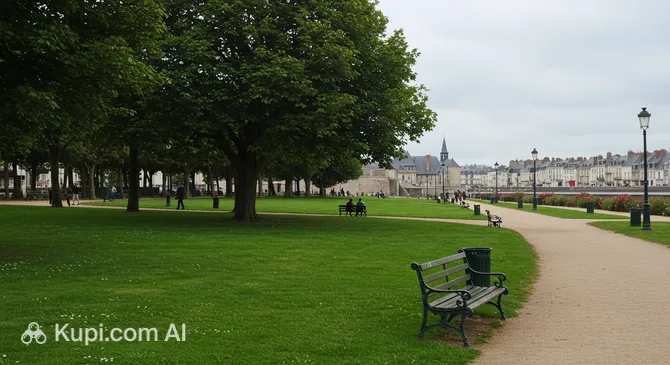
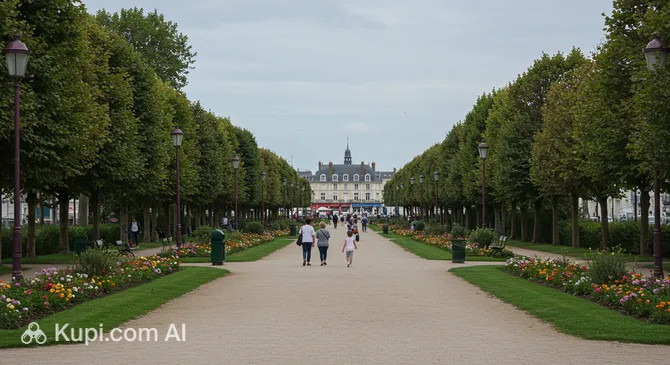
If you are looking for a peaceful escape in the city center, Richelieu Park is the perfect destination. This beautifully landscaped garden features ancient trees, winding paths, and vibrant flowerbeds. It serves as a green lung for the city and is a great spot for a relaxing walk or a picnic. The park is also home to a war memorial, offering a quiet space for reflection amidst nature.

Finally, history buffs should not miss the Tour du Guet, located on the Place d'Armes. Dating back to the 13th century, it is the oldest surviving building in Calais. Its height of 39 meters allowed it to serve various purposes over the centuries, including a lighthouse and a watchtower. Its medieval architecture contrasts with the surrounding modern buildings, standing as a silent witness to the city's turbulent past.

Tour du Guet. Source: Kupi.Binoculars

Local Cuisine

The local cuisine in Calais is a delightful reflection of its geographic location, blending the fresh bounty of the sea with the hearty, comforting traditions of Flemish cooking. As a port city, seafood plays a central role in the daily diet. One cannot visit without trying the iconic moules-frites (mussels and chips), which are served in steaming pots with various sauces, ranging from white wine and shallots to cream and Roquefort cheese.

Beyond seafood, the region is famous for its robust meat dishes that provide warmth on cooler coastal days. A standout specialty is Carbonade flamande, a rich beef stew slow-cooked with beer and gingerbread, often sweetened with brown sugar. Another local favorite is Le Welsh (or Welsh Rarebit), a dish adopted from across the channel but perfected here; it consists of bread topped with ham and a generous amount of melted cheese and mustard sauce, usually bubbled to perfection in the oven.

When it comes to drinks, Calais—like much of Northern France—is distinct from the wine-growing regions of the south. Here, beer is king. The local brewing culture is strong, producing excellent blonde, amber, and triple ales that pair perfectly with the rich local food. For a stronger traditional spirit, you might encounter Genièvre, a juniper-flavored liqueur often consumed as a digestif after a heavy meal.

Le Channel. Source: Kupi.Binoculars

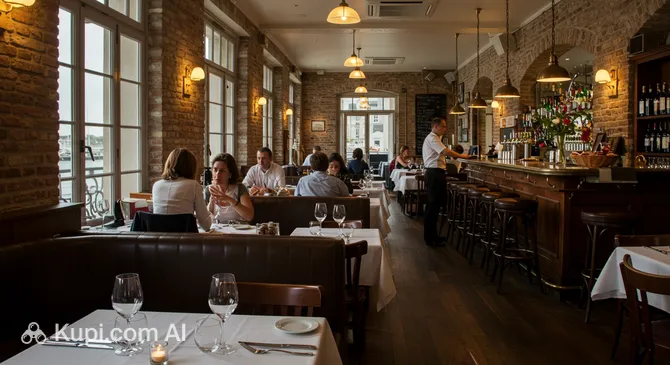
The dining scene in Calais ranges from casual beachside stalls to cozy traditional taverns known as estaminets. These rustic establishments are the best places to experience authentic regional atmosphere and hospitality. For a memorable dining experience, you might visit Le Channel, a well-regarded restaurant that offers a taste of local flavors in a welcoming setting. If you are looking for a more relaxed spot to enjoy a drink or a casual bite, L'Ardoise is another popular venue where locals and tourists alike gather to unwind.

Those with a sweet tooth should look out for the "Calais," a local pastry made with coffee buttercream, hazelnut meringue, and almonds. Whether you are browsing the stalls at the Place d'Armes market or settling in for a long lunch, the city's gastronomy promises to be a highlight of your trip.

Travel Tips

Welcome to Calais! To ensure your visit to this bustling port city and the beautiful Opal Coast is as enjoyable and stress-free as possible, we have compiled some essential practical advice. These tips will help you navigate local customs, transportation, and daily logistics, allowing you to focus on exploring the rich history and culture of the region.

  1. Clothing and Gear: Due to the maritime climate, the weather can be changeable. It is best to dress in layers so you can adapt to shifting temperatures throughout the day. A waterproof jacket or a sturdy umbrella is a must, even in summer, as coastal showers can occur suddenly. Comfortable walking shoes are essential for exploring the city center and the long seaside promenade. If you plan to visit religious sites, modest dress is appreciated, though casual wear is generally acceptable everywhere else. Don't forget a Type E plug adapter for your electronics.
  2. Transportation: One of the best perks for visitors is that the public bus network in Calais is completely free to use. This makes getting around the city and reaching attractions like the beach or the Cité de la Dentelle incredibly economical and easy. Taxis are available but can be expensive; it is often better to book one in advance or find them at designated ranks, such as near the train station. For exploring the wider Opal Coast, renting a car is recommended to see the cliffs and neighboring villages at your own pace.
  3. Finances: The official currency is the Euro (€). While credit and debit cards (Visa and Mastercard) are widely accepted in hotels, restaurants, and larger shops, it is wise to carry some cash for small purchases at bakeries, markets, or cafés. ATMs are plentiful throughout the city center. Tipping is not mandatory as a service charge is included in the bill, but leaving small change or rounding up the amount is a polite gesture if you enjoyed the service.
  4. Health and Safety: Calais is generally a safe city for tourists, but like any port city or travel hub, it is wise to keep an eye on your belongings in crowded areas. Pharmacies are easily recognizable by a flashing green cross sign and can provide advice for minor ailments; check for the "Pharmacie de Garde" for out-of-hours services. In case of any serious emergency, dial 112 for universal European assistance.
  5. Communication: The official language is French. Due to the city's proximity to the UK and its history as a cross-channel gateway, English is widely understood, especially in the hospitality sector. However, learning a few basic phrases like "Bonjour" (Hello) and "Merci" (Thank you) goes a long way in establishing a friendly rapport. Free Wi-Fi is often available in public buildings, hotels, and cafés, and EU citizens can usually use their mobile data plans without extra roaming charges.
  6. Local Etiquette: Politeness is highly valued in French culture. When entering a shop, restaurant, or even an elevator, it is customary to greet others with a friendly "Bonjour" or "Bonsoir". Handshakes are common for formal introductions, while friends may greet each other with la bise (cheek kisses). When dining, keep your hands on the table (but elbows off) and ask for the bill ("L'addition, s'il vous plaît") when you are ready to leave, as waiters will rarely bring it unprompted.
  7. What to Avoid: Do not assume that everyone speaks English immediately; starting a conversation in English without asking if the person speaks it can be seen as rude. Also, avoid being loud in public spaces or restaurants, as discretion is appreciated. Be mindful of lunch hours; many smaller shops and businesses may close between 12:00 PM and 2:00 PM.
  8. Shopping Hours: Keep in mind that Sundays are traditionally quiet days in France. Most shops, supermarkets, and pharmacies in the city center will be closed or have very limited opening hours on Sundays. If you need supplies, plan to do your shopping on Saturday. However, some bakeries and souvenir shops near major tourist spots may remain open.

With these practical tips in hand, you are well-prepared to experience the best of Calais. Whether you are marveling at the mechanical Dragon, enjoying fresh seafood, or simply soaking up the coastal atmosphere, we hope you have a wonderful and memorable trip!

Entertainment & Nightlife

Entertainment and Nightlife:

Calais offers a nightlife scene that is more about convivial socializing and relaxed evenings than high-energy clubbing. The city's evening atmosphere is centered largely around the Place d'Armes and the lively Rue Royale. These districts are the heartbeat of the city after dark, filled with brasseries, traditional pubs, and bars where locals gather to enjoy the region's famous beers. The vibe is generally welcoming and casual, making it easy for visitors to strike up a conversation and immerse themselves in the local culture.

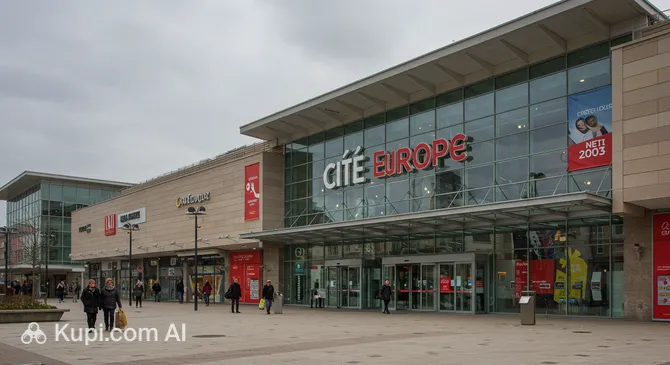
For a drink in a warm and friendly setting, L'Ardoise is a popular choice among residents. It offers a great selection of beverages and captures the authentic spirit of a French evening out. If you are looking for a more comprehensive entertainment complex, the Cité Europe shopping mall is a fantastic destination located just a short drive from the city center. It features a large cinema for catching the latest films and a dedicated dining zone known as the Cité Gourmande, which remains bustling with activity well into the evening.

Cité Europe. Source: Kupi.Binoculars

When planning a night out, it is helpful to know that the nightlife in Calais typically winds down earlier than in major capitals. Most bars are open until 1:00 AM or 2:00 AM on weekends. The dress code is relaxed; smart-casual attire is appropriate for almost any venue. In terms of safety, the main tourist areas are generally safe for night walks, but it is always wise to stay on well-lit streets. Since public buses run less frequently at night, it is recommended to book a taxi in advance or use a ride-hailing service to return to your accommodation.

While the evenings are laid-back, the city provides plenty of daytime entertainment options to round out your itinerary. In addition to its museums and historical sites, you can enjoy a leisurely afternoon at Saint-Pierre Park. This beautifully landscaped area offers a peaceful retreat with plenty of space for walking and relaxation. Whether you are catching a movie, enjoying a local ale, or strolling through the park, Calais offers a pleasant variety of leisure activities for every time of day.

Saint-Pierre Park. Source: Kupi.Binoculars

Parks & Museums

While often recognized for its bustling port and cross-channel connections, the city also boasts a surprising array of green spaces and rich cultural institutions. Visitors can easily escape the urban energy to find tranquility in beautifully manicured gardens or dive deep into the local heritage through world-class museums and striking monuments.

For a peaceful retreat in the heart of the city, Richelieu Park is the premier destination for nature lovers. This delightful English-style garden serves as a green lung for the city, featuring winding pathways, century-old trees, and vibrant flowerbeds that change with the seasons. It is an ideal spot for a leisurely stroll or a quiet break, and it also houses a dignified war memorial, adding a layer of historical significance to its natural beauty.

Richelieu Park. Source: Kupi.Binoculars

Another key natural asset is the city's expansive coastline. The sandy beach of Calais is a vast natural area that invites long walks along the shore, offering fresh sea air and views of the ferries gliding across the horizon. Flanked by characteristic white beach chalets, it provides a picturesque setting for relaxation. Just a short distance away, Saint-Pierre Park offers a different kind of recreational space, combining leisure facilities with historical elements, including a World War II museum housed in a former bunker.

When it comes to culture, the city's museums reflect its unique identity. The Cité de la Dentelle et de la Mode stands as the cultural flagship, celebrating the industry that brought the city worldwide fame. Housed in a restored 19th-century lace factory, this museum is fascinating for its blend of industrial history and high fashion, featuring working looms and stunning couture exhibitions. Art enthusiasts should also seek out the Museum of Fine Arts (Musée des Beaux-Arts), which displays a diverse collection ranging from Flemish paintings to modern art, including studies by Auguste Rodin.

The city's streets themselves act as an open-air museum, dotted with significant historical and architectural landmarks. Standing proudly in front of the Town Hall is the world-renowned sculpture, The Burghers of Calais. Created by Auguste Rodin, this bronze masterpiece captures the anguish and bravery of six local citizens during the siege of 1347, making it a powerful and emotive sight for any visitor.

The Burghers of Calais. Source: Kupi.Binoculars

Nearby, the Tour du Guet offers a glimpse into medieval times. As the city's oldest surviving building, this 13th-century watchtower has witnessed centuries of history and remains a focal point of the Place d'Armes. Not far from the coast, the Calais Lighthouse stands as another architectural gem; climbing its steps rewards tourists with panoramic views over the city and the English Channel.

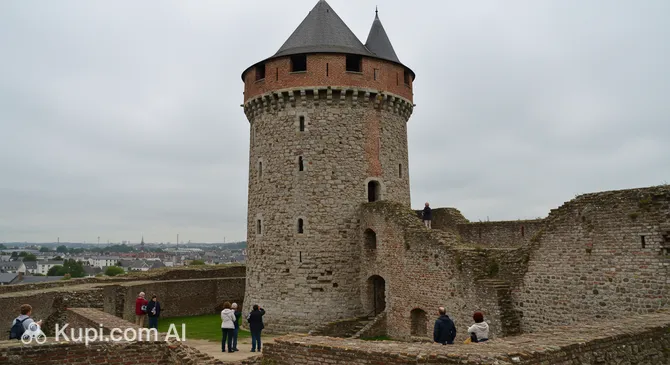
For a truly authentic experience, take a walk to Fort Risban near the harbor entrance. This historic fortification offers a unique vantage point to watch the ships entering the port and provides a tangible connection to the city's military past, often with fewer crowds than the main town center.

Getting Around

Navigating Calais is remarkably convenient and budget-friendly for visitors, largely due to the city's forward-thinking approach to public mobility. The public transport system is primarily bus-based and is operated by the Imag'in network. The most significant advantage for tourists is that the entire bus network is completely free of charge. This policy applies to everyone, including foreign visitors, meaning you do not need to buy tickets, travel cards, or validate any passes when boarding standard bus lines.

The bus network is extensive, connecting the city center with the beachfront, the ferry port, the Eurotunnel terminal, and outlying suburbs. The buses are modern, comfortable, and frequent, making them the most practical way to get around. For short trips within the heart of the city, look out for the Balad'in, a free yellow minibus shuttle. It runs a circular route connecting key locations such as the Calais-Ville train station, the main shopping streets, and the Place d'Armes, offering a quick and easy hop-on, hop-off service.

For a more scenic mode of transport, the city offers the Majest'in, a river shuttle that glides along the Calais Canal. This 70-seat boat connects the Citadel area to the town of Coulogne, stopping at key points like the Cité de la Dentelle. Just like the buses, the Majest'in is fully integrated into the Imag'in network and is completely free for all passengers. It serves as both a functional transport link and a delightful way to view the city from the water without the need for tickets or fares.

Active travelers might prefer to explore on two wheels using the Vél'in self-service bike rental system. With over 50 stations scattered throughout the city and neighboring areas, it is easy to pick up a bicycle in one location and drop it off in another. To use the service, you can register via the official website or mobile app using a credit card. Flexible options, such as 1-day or 7-day passes, are available specifically for tourists.

While there is no metro or tram system, the compact nature of the city center makes walking a pleasant option, especially around the historic districts and the seafront. Taxis are available and can be found at designated ranks, particularly outside the Calais-Ville and Calais-Fréthun railway stations. However, given the efficiency of the free bus network, taxis are generally only necessary for late-night travel when bus services have stopped or for carrying heavy luggage.

Regarding operating hours, buses typically run from early morning until around 9:00 PM, though schedules can vary by line. Services are generally reduced on Sundays and public holidays. To plan your journey effectively, it is recommended to download the official Imag'in app or check the timetables at bus stops. Since no payment is required for the bus or the river shuttle, you can simply board and enjoy your ride across the city.

Accommodation

Finding the right place to stay in Calais is straightforward, as the city offers a wide variety of accommodation options suited to its dual role as a busy port hub and a seaside destination. Whether you are stopping over before a ferry crossing or planning a longer exploration of the Opal Coast, you will find everything from budget-friendly chain hotels to charming independent guesthouses. The general standard is functional and comfortable, with a focus on convenience for travelers on the move.

For those who want to be in the heart of the action, the City Center (Calais-Nord) is the most convenient area. Staying here places you within walking distance of key historical sites and the lively dining district around Rue Royale. It is an excellent choice if you rely on public transport or want to enjoy the local nightlife without worrying about driving. Alternatively, the Seafront (Calais-Plage) offers a more relaxed atmosphere. Hotels in this area often provide sea views and immediate access to the beach and the promenade, making them ideal for families and leisure tourists.

Travelers with a car, or those focused on shopping and transit, often prefer the outskirts near Coquelles. This area is located close to the Eurotunnel terminal and the Cité Europe shopping complex. Accommodation here is typically modern and purpose-built, offering ample parking and easy access to the highway, which is perfect for a quick stopover or a shopping spree.

Booking Tip: Because Calais is a major gateway between the UK and France, hotels can fill up quickly during peak travel seasons or when there are delays with cross-channel services. It is highly recommended to book your room in advance, especially during school holidays or summer weekends, to secure the best rates and availability.

In terms of pricing, the city is generally affordable compared to other major French tourist destinations. You can expect a good selection of budget and mid-range options, with prices often fluctuating based on the flow of cross-channel traffic. Most establishments can be easily booked via major online platforms, though contacting smaller B&Bs directly can sometimes yield a more personalized experience.

Nearby Cities

For those looking to explore the surroundings, Calais serves as an excellent base for day trips to several interesting nearby locations:

Located just a short drive along the coast, Boulogne-sur-Mer is France's largest fishing port and a major tourist highlight. It offers a striking contrast between its fortified upper town, which houses a castle and a basilica, and the modern lower town. It is best known for Nausicaá, the National Sea Centre, which is one of the largest public aquariums in Europe and a fantastic destination for families.

Heading east, Dunkirk (Dunkerque) provides a compelling mix of history and seaside leisure. Famous for the Operation Dynamo evacuation during World War II, the city features poignant museums and memorials that attract history buffs from around the world. Beyond its past, Dunkirk is known for its vast sandy beaches, which are perfect for sand yachting, and its vibrant annual carnival.

City Population Distance (km)
Dunkirk 86,865 37
Boulogne-sur-Mer 40,664 31
Grande-Synthe 22,777 32
Hazebrouck 21,408 54
Coudekerque-Branche 20,925 38

These nearby destinations offer a glimpse into the diverse culture and landscapes of the region.

Shopping & Souvenirs

Shopping:

Shopping in Calais offers a delightful mix of experiences, ranging from browsing traditional open-air markets to exploring modern retail complexes. The city has long been a favorite destination for travelers seeking high-quality French products, and it continues to uphold a strong heritage of craftsmanship. Whether you are searching for the region's world-famous lace, designer fashion at discounted prices, or fine gourmet treats, the city provides ample opportunities for retail therapy.

For those who enjoy a classic high street atmosphere, the city center is the best place to start. The main shopping thoroughfares, such as Boulevard Jacquard, Rue Royale, and Rue de la Mer, are lined with a variety of stores. Here, you can find independent boutiques nestled alongside well-known French fashion chains and charming pastry shops. This area allows visitors to combine sightseeing with shopping, offering a relaxed, pedestrian-friendly environment where one can admire local architecture while looking for jewelry, clothing, or home decor.

If you prefer a comprehensive shopping experience under one roof, Cité Europe is the premier destination. Located in Coquelles, near the Eurotunnel terminal, this expansive mall features over 100 shops, a large hypermarket, and a food court. It is a one-stop location for international brands, electronics, and beauty products. Nearby, bargain hunters will appreciate the Channel Outlet Store, where premium brands offer significant discounts on previous collections, making it a hotspot for smart shoppers.

To experience the authentic local lifestyle, a visit to the city's markets is essential. The most popular markets are held on the Place d'Armes and Place Crèvecoeur on Thursday and Saturday mornings. These bustling spots are filled with stalls overflowing with fresh fruits, vegetables, regional cheeses, and seafood caught just off the coast. It is the perfect setting to pick up picnic ingredients or simply to soak up the lively atmosphere and chat with local producers.

When it comes to souvenirs, Calais lace is the undisputed star. Visitors can purchase exquisite lace items, ranging from delicate handkerchiefs to elegant lingerie, at the dedicated shop within the Cité de la Dentelle et de la Mode or in specialized boutiques downtown. For edible gifts, look for "Le Calais," a delicious local pastry made with coffee buttercream and almonds. Additionally, the region's proximity to Belgium ensures an excellent selection of craft beers and chocolates in local delicatessens.

Standard opening hours for shops in the city center are typically from 10:00 AM to 7:00 PM, Monday through Saturday, though smaller boutiques may close for a lunch break between 12:00 PM and 2:00 PM. It is important to note that most shops are closed on Sundays, although the Cité Europe mall and some souvenir shops may have special opening times. For visitors residing outside the European Union, the city offers tax-free shopping (détaxe) opportunities; look for the "Tax Free" sign in windows to inquire about VAT refunds on qualifying purchases.

Reached the end of the page?

That means the route is fully explored