Support

Deauville

About

Deauville is a symbol of elegance and prestige on the coast of Normandy. Often referred to as the "Parisian Riviera," this charming seaside resort in France attracts visitors with its upscale atmosphere, grand villas, and wide sandy beaches. Despite its modest permanent population of around 3,700 residents, the city feels vibrant and lively, especially during the summer season and major cultural events.

Deauville. Source: Kupi.Binoculars

The city's development began in the 19th century under the vision of the Duke of Morny, who transformed a quiet village into a fashionable destination. You can learn more about the fascinating history of Deauville and its rise to fame as a playground for the aristocracy. Today, it retains that historic charm while offering modern luxury and entertainment.

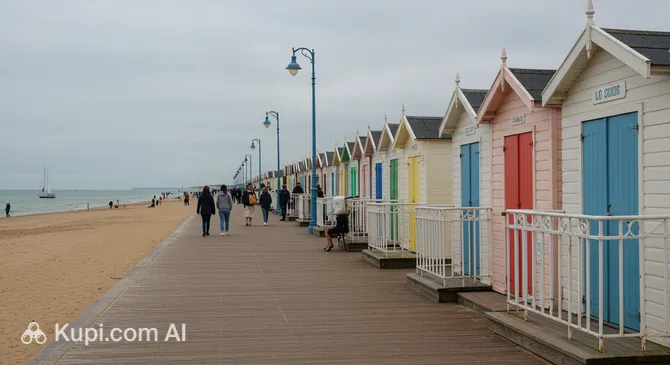
Travelers are drawn to the iconic Les Planches, a wooden boardwalk lined with Art Deco bathing cabins bearing the names of Hollywood stars, a nod to the famous Deauville American Film Festival. The city is also renowned for its grand Casino Barrière and world-class horse racing tracks, making it a hub for leisure and sport. Whether you are strolling along the beach or admiring the traditional Norman architecture, Deauville promises a sophisticated and memorable escape.

Weather Overview

Deauville experiences a mild temperate climate influenced by the ocean, ensuring that extreme temperatures are rare. The weather is generally refreshing, characterized by cool winters and pleasantly warm summers, which are ideal for strolling along the famous boardwalks. However, the region is known for its changeable skies, so it is wise to be prepared for showers regardless of the season.

To help you pack appropriately, you can consult the detailed forecast for the weather in Deauville before your trip. During the peak summer months of July and August, average temperatures sit comfortably around 18.5°C to 18.7°C, with highs reaching up to 22°C. Winters are cooler, with January seeing average lows of 4.2°C and highs of 8.1°C. Rainfall is a consistent feature of the Normandy coast; expect frequent wet days throughout the year, ranging from about 11 days in July to 18 days in December.

Interesting Facts

Beyond the glamour of its casino and racecourses, Deauville holds fascinating stories that helped shape its unique identity. From fashion revolutions to architectural feats, here are some intriguing details about this Norman resort.
  • The legendary designer Coco Chanel opened her very first fashion boutique here in 1913. It was in Deauville that she began designing comfortable, sporty clothing inspired by the sailors' attire she saw on Deauville Beach, effectively launching a style that liberated women from the restrictive corsets of the era.

  • The city is often affectionately nicknamed the "21st Arrondissement of Paris." Thanks to the convenient transport links established in the 19th century, it became the preferred weekend getaway for Parisians, allowing them to reach the coast in just two hours.

  • The iconic Les Planches Boardwalk is constructed from Azobé wood, an extremely dense and rot-resistant timber imported from Africa. This durability allows it to withstand the harsh sea air while hosting the famous bathing cabins bearing the names of Hollywood stars who have attended the American Film Festival.

  • Deauville was built remarkably fast on what was originally a difficult marshland. The Duke of Morny, half-brother of Napoleon III, envisioned the resort and successfully transformed the desolate sand dunes and swamps into a luxurious town in just four years between 1860 and 1864.

Les Planches Boardwalk. Source: Kupi.Binoculars

How to Get There

Reaching the glamorous seaside resort of Deauville is quite convenient, thanks to its proximity to major transport hubs in Normandy and the Paris region. Whether you are flying in from abroad or traveling by train, there are multiple routes to choose from. For a comprehensive guide on all travel options, you can read more about how to get to Deauville.

Travelers looking to fly directly to the coast can use the Saint Gatien Airport (IATA: DOL). This facility is located in Deauville itself, just 6.2 km from the city center. Due to its close proximity, the journey by taxi or shuttle is very short, taking approximately 10 to 15 minutes. It is a smaller airport, ideal for those seeking quick access to the resort.

Another nearby option is Carpiquet Airport (IATA: CFR), situated in the city of Caen. It is located about 43.2 km from Deauville. While not in the city itself, it serves as a regional gateway, and the transfer by road typically takes around 1 hour. For those arriving from further afield, the Beauvais-Tille Airport (IATA: BVA) in Paris is a major international entry point. Located 148.3 km away, the travel time to reach the coast from this hub is generally between 2.5 to 3 hours.

For clarity, here is a summary of the main airports:

Airport Name City Passenger Traffic Km from City
Beauvais-Tille AirportParisLarge148.3
Jersey AirportSaint HelierLarge165.9
Carpiquet AirportCaenMedium43.2
Saint Gatien AirportDeauvilleSmall6.2
Alderney AirportAlderneySmall170.4

If you prefer traveling by rail, you may arrive via major stations in the surrounding region before connecting to Deauville. The city is often accessed via the Gare du Nord Station (IATA: XPG) in Paris, which is approximately 174.6 km away. As a massive transport hub, it connects travelers from all over Europe. From Paris, the subsequent journey to Deauville generally takes about 2.5 to 3 hours.

Another significant hub is the Le Mans Railway Station (IATA: ZLN) in the city of Le Mans. Located 151.3 km from Deauville, this station serves high-speed lines. From here, you can expect a transfer time of approximately 2 hours by road to reach your final destination on the Normandy coast.

Below is a list of major railway stations in the wider region:

Station City Passenger Traffic Km to Center
Gare du Nord StationParisVery High174.6
Gare de l'EstParisVery High175.0
Brighton StationBrightonHigh164.8
Le Mans Railway StationLe MansHigh151.3
Massy TGV StationParisHigh174.5

Main Attractions

Deauville offers a delightful mix of seaside glamour, historical depth, and natural beauty. While the city is famous for its upscale events, it also boasts accessible sites that appeal to families, history buffs, and nature lovers alike. From the iconic shoreline to panoramic viewpoints, here are some of the top places to explore during your visit.

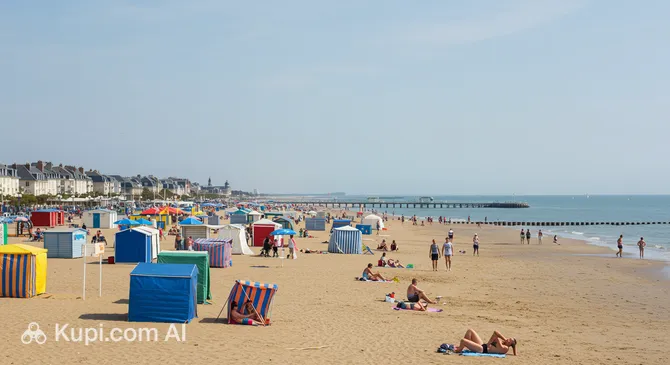
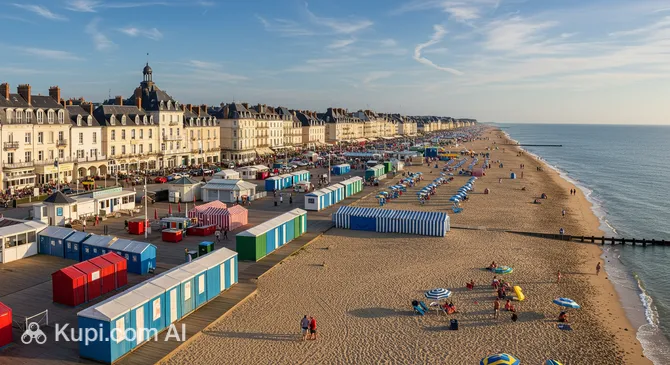
No trip to this resort town is complete without spending time at Deauville Beach. This vast expanse of golden sand stretches for roughly two kilometers and is renowned for its impeccably clean environment. It is the perfect spot for a leisurely walk to admire the famous colorful parasols, which are uniquely tied with the "Deauville knot." Whether you are looking to relax by the sea or watch the horses training on the sand in the early morning, this beach captures the essence of the Normandy coast.

Deauville Beach. Source: Kupi.Binoculars

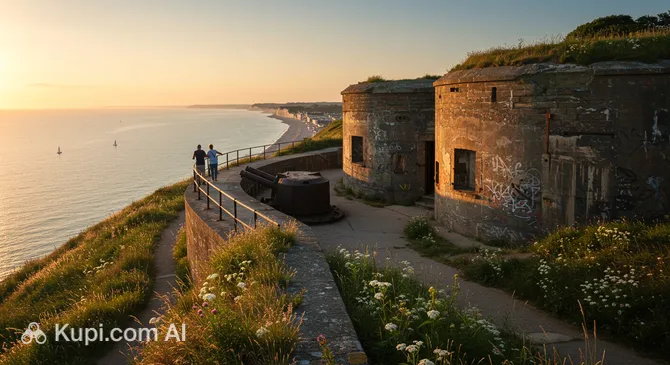
For those interested in history and breathtaking views, the Mont Canisy Batteries are a must-visit. Located on the highest point of the Côte Fleurie, this site served as a strategic defensive position during both World Wars. Today, it is a protected nature reserve where you can explore old bunkers and underground galleries on guided tours. The location also offers stunning panoramic views over the sea and the surrounding countryside, making it a rewarding hike for nature enthusiasts.

Mont Canisy Batteries. Source: Kupi.Binoculars

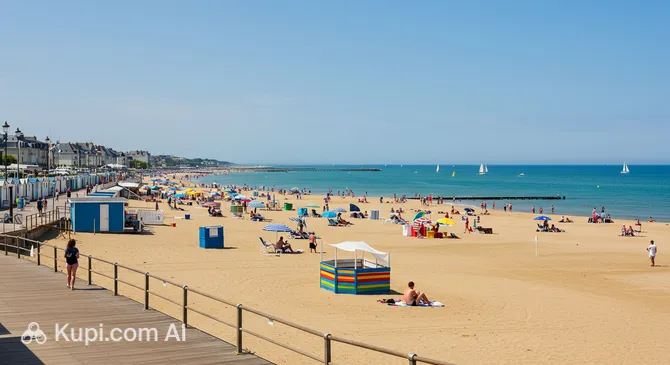
Just across the Touques River lies the charming neighbor of Deauville, where you can visit the Grande Plage of Trouville. Often called the "Queen of Beaches," this shoreline has a rich history dating back to the 19th century and was a favorite subject for Impressionist painters. Lined with magnificent villas and a lively boardwalk, it offers a more traditional and family-friendly atmosphere compared to its luxurious neighbor, making it a wonderful excursion just a short walk away.

Grande Plage of Trouville. Source: Kupi.Binoculars

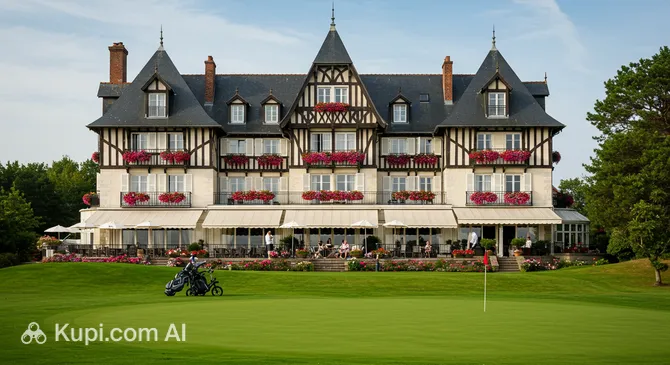
Architecture lovers and golf enthusiasts will appreciate the majesty of the Hôtel du Golf Deauville. Perched on Mont Canisy, this historic establishment built in the Roaring Twenties is a symbol of the region's elegance. Even if you are not staying there, the building itself is an impressive sight, surrounded by one of the most prestigious golf courses in France. It represents the grandeur of the resort's development and offers a glimpse into the luxurious lifestyle that Deauville is famous for.

Local Cuisine

The culinary scene in Deauville is a delightful reflection of Normandy's rich gastronomic heritage, perfectly blending the treasures of the sea with the bounty of the fertile countryside. Known as a land of butter, cream, and apples, the region offers dishes that are both comforting and sophisticated. Visitors can expect to indulge in meals where fresh local ingredients take center stage, served in settings ranging from elegant seaside terraces to cozy, traditional bistros.

Given its coastal location, seafood is the undisputed star of local menus. A quintessential experience is ordering a plateau de fruits de mer, a grand platter piled high with oysters, whelks, shrimp, and crab, often caught just off the coast. The region is also famous for Coquilles Saint-Jacques (scallops), which are frequently prepared "à la Normande" with a rich creamy sauce and mushrooms. Another classic dish to look out for is Sole Meunière, a simple yet luxurious preparation of sole fish fried in butter and lemon, perfectly capturing the elegance of the resort.

Meat lovers will appreciate the high-quality beef and poultry raised in the lush pastures nearby. Traditional recipes often feature the "Vallée d'Auge" style, where chicken or veal is cooked with cream, mushrooms, and a splash of cider or Calvados. To round off a meal, one must try the local cheeses. The area is the home of the famous Pont-l'Évêque, a soft, washed-rind cheese that has been produced here since the 12th century, as well as the world-renowned Camembert and Livarot.

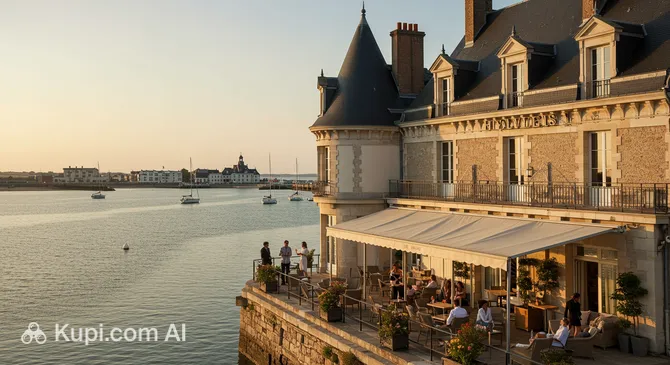
Marinette. Source: Kupi.Binoculars

The dining culture in Deauville caters to a variety of tastes. For a charming meal that captures the local spirit, you might visit Marinette, a restaurant appreciated for its welcoming ambiance and tasty dishes. Locals and tourists alike enjoy the relaxed yet chic atmosphere found in such establishments. Another excellent spot to enjoy the local flavors is Le Square Deauville, which offers a pleasant setting for a leisurely lunch or dinner.

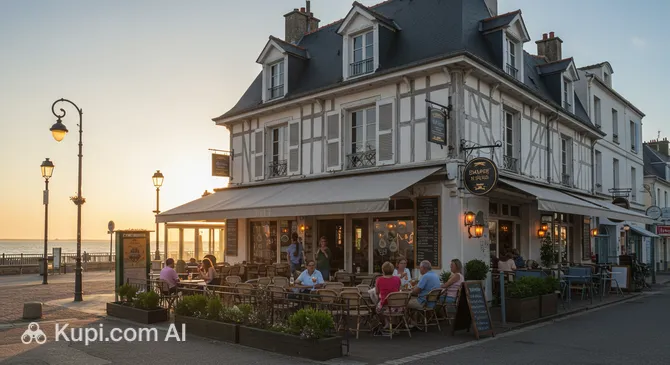
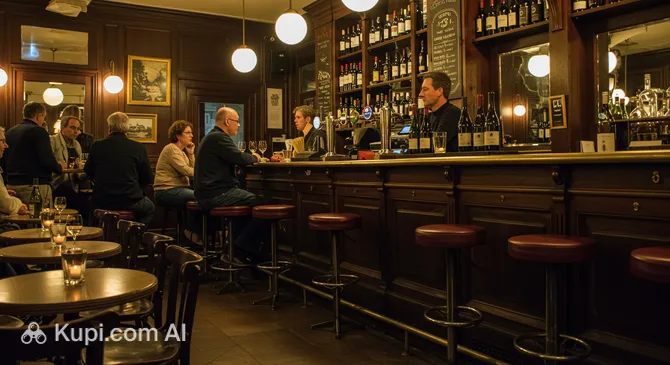
No culinary journey in Normandy is complete without sampling the region's apple-based beverages. The orchards surrounding the city produce exceptional cider, which is often served in ceramic bowls rather than glasses. For an aperitif, try Pommeau, a sweet blend of apple juice and brandy. To finish your evening, a glass of Calvados, an apple brandy aged in oak barrels, serves as the perfect digestif. If you are looking for a place to explore these drinks or enjoy a glass of vintage wine, Les Affiches Wine Bar is a popular venue to unwind after a day of sightseeing.

Les Affiches Wine Bar. Source: Kupi.Binoculars

Food markets are also an integral part of the local lifestyle, offering a chance to see the produce firsthand. The open-air market in the Place du Marché, with its beautiful half-timbered structures, is a vibrant spot where you can buy fresh apples, artisanal jams, and seafood directly from the vendors. It is the perfect place to immerse yourself in the authentic flavors and rhythms of daily life in this corner of France.

Travel Tips

Preparing for a getaway to the "Parisian Riviera"? To ensure your visit to Deauville is as effortless and elegant as the city itself, here are some practical travel tips covering everything from packing essentials to local customs.

  1. Clothing and Gear: The weather in Normandy is famously changeable, so packing layers is essential. Even in summer, evenings can be cool, so bring a light sweater and a waterproof jacket or sturdy umbrella. While comfortable walking shoes are a must for exploring, Deauville is an upscale resort; smart-casual attire is expected in the evenings, especially if you plan to visit the casino or fine dining restaurants.

  2. Transportation: Deauville is a compact city that is best explored on foot or by bicycle. Most attractions, including the beach, the casino, and the racecourse, are within walking distance of each other. A rental car is generally unnecessary unless you plan to tour the wider Normandy region. Taxis are available at the train station, and a small ferry or a short walk across the bridge connects you easily to the neighboring town of Trouville.

  3. Finances: The official currency is the Euro (€). Credit and debit cards (Visa and Mastercard) are widely accepted in hotels, restaurants, and shops. However, it is advisable to carry some cash for small purchases at the market or for tipping. In France, a service charge is typically included in the bill, but it is polite to leave small change or round up the amount if the service was good.

  4. Health and Safety: Deauville is a very safe destination for tourists. Pharmacies are easily recognized, marked by a flashing green cross, and can provide advice for minor ailments. For serious emergencies, dial 112. The main safety precaution is environmental: be cautious of the tides if walking far out on the sand, and keep an eye on your food when eating outdoors to avoid aggressive seagulls.

  5. Communication: The official language is French. Due to its status as an international resort and host of the American Film Festival, English is widely spoken in hospitality and tourism sectors. Nevertheless, locals appreciate it when you start a conversation with a polite "Bonjour" (Hello) or "Bonsoir" (Good evening). Free Wi-Fi is often available in the town center and hotels, and SIM cards can be purchased at local tobacco shops (Tabac).

  6. Local Etiquette: Politeness is highly valued here. Always greet shopkeepers when entering a store and say "Au revoir" when leaving. In public places, keep your voice down to match the relaxed and sophisticated atmosphere. When dining, wait to be seated rather than choosing your own table unless indicated otherwise.

  7. What to Avoid: Do not walk around the town center in swimwear or bare-chested. While acceptable on the sand, this behavior is frowned upon in the streets and shops of this chic resort. Also, avoid assuming everyone speaks English immediately; a little effort with French goes a long way.

  8. Morning Delight: For a unique local experience, head to the beach early in the morning, typically before 10:00 AM. This is when racehorses from the nearby stables are often exercised on the sand and in the water—a spectacular sight that captures the equestrian soul of the city.

With these practicalities in mind, you are fully prepared to immerse yourself in the sophisticated charm and seaside beauty of the Normandy coast. Enjoy your stylish escape to Deauville!

Entertainment & Nightlife

Entertainment:

Deauville is synonymous with elegant leisure, offering a sophisticated array of activities that cater to a refined crowd. The city is often described as an open-air theater where the entertainment is as prestigious as the setting. At the very heart of this vibrant scene is the illustrious Casino Barrière. A true Belle Époque masterpiece, it draws visitors not only with its glittering gaming tables and slot machines but also with its grand Italian-style theater, cinema, and chic restaurants. It serves as the social anchor of the resort, where the glamour of the past meets modern excitement.

The resort is equally world-famous for its deep-rooted equestrian culture, earning it a reputation as a premier destination for horse lovers. A day spent at the Hippodrome de Deauville-La Touques is a quintessential part of the local experience. This historic racecourse hosts some of the most prestigious high-stakes races in the world, attracting top jockeys and international owners. Even if you are not a gambling enthusiast, the atmosphere of the races, combined with the thundering hooves and the elegant crowd, provides a thrilling spectacle that defines the spirit of the town.

Culture and glamour converge during the city's celebrated festivals. The most renowned is the Deauville American Film Festival, held every September. During this time, the town buzzes with excitement as Hollywood stars and cinema enthusiasts gather for screenings and premieres. Strolling along the boardwalk to see the bathing cabins named after these screen legends is a popular pastime that perfectly blends the city's artistic heritage with its seaside charm.

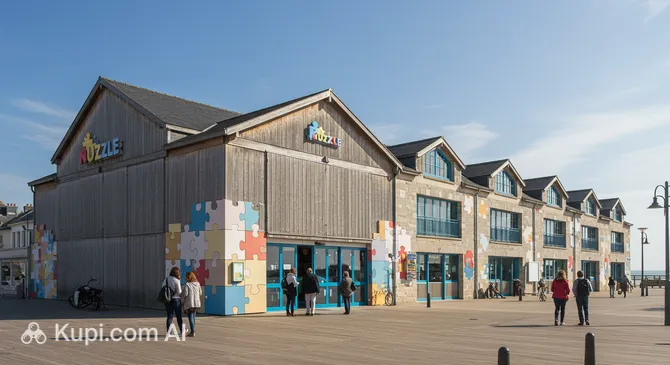
If you are looking for a fun and immersive activity to share with friends or family, consider visiting The Puzzle Hangar – Deauville. This escape game venue offers a variety of intriguing scenarios that challenge your problem-solving skills and teamwork. From solving mysteries to unlocking secrets within a limited time, it provides an exciting mental diversion and a perfect alternative for an afternoon off the beach.

The Puzzle Hangar – Deauville. Source: Kupi.Binoculars
The Puzzle Hangar – Deauville

As the evening sets in, the nightlife in Deauville remains chic and relaxed. Rather than loud nightclubs, the town favors cozy lounges and stylish bars where conversation flows easily. The atmosphere is one of understated luxury, where visitors can enjoy a quiet drink in a warm setting, savoring the authentic "art de vivre" that makes this Norman resort so unique.

Parks & Museums

Deauville is not only a destination for seaside glamour but also a city that deeply values its green spaces and cultural heritage. Beyond the golden sands and the boardwalk, visitors can discover beautifully manicured gardens and cultural venues that celebrate the art and history of the Normandy coast. Whether you are looking for a peaceful stroll among flowers or a dive into the region's artistic past, the city offers a refined selection of places to explore.

For a refreshing break near the sea, the Parc des Lais de Mer is a favorite spot for families and walkers. Located just behind the famous boardwalk, this landscaped area provides a verdant contrast to the beach, featuring playgrounds, skate parks, and open lawns perfect for a picnic. It serves as a green lung in the heart of the resort, allowing visitors to enjoy the fresh sea air in a sheltered, leafy environment.

Another area transforming the landscape of the city is the Presqu'Ile de la Touques. Situated between the railway station and the marina, this district has been revitalized into a modern promenade. It offers delightful walks along the quays where you can admire the boats and the contemporary architecture that harmonizes with the traditional style. It is an excellent place to watch the sunset over the water while enjoying a quieter atmosphere away from the main beach crowds.

Presqu'Ile de la Touques. Source: Kupi.Binoculars

When it comes to culture, Les Franciscaines stands out as the beating heart of Deauville's artistic life. Housed in a magnificently restored 19th-century convent, this innovative cultural center combines a museum, a media library, and an auditorium. It hosts the André Hambourg Museum, dedicated to the famous painter who captured the light of Normandy, alongside temporary exhibitions ranging from photography to contemporary art. The architecture itself, blending historic stone with modern glass, is worth the visit.

To step back in time and experience the grandeur of the Belle Époque, a visit to the Villa Strassburger is essential. Built in 1907 for Baron Henri de Rothschild and later owned by the American press magnate Ralph Strassburger, this architectural gem is listed as a historical monument. Located near the racecourse, the villa is surrounded by a charming apple orchard and garden. Its picturesque timber-framed façade and lavishly furnished interiors offer a fascinating glimpse into the luxurious lifestyle of the resort's early aristocracy.

For a lesser-known cultural experience, look for the small Square François André near the casino. It is a meticulously maintained garden that pays tribute to the man who played a key role in developing modern Deauville. It offers a quiet corner for reading or contemplation, surrounded by the elegant architecture that defines the town center.

Getting Around

Deauville is a remarkably compact city, which means that for the vast majority of visitors, the most efficient and enjoyable mode of transport is simply walking. The city center, the famous boardwalk, the casino, and the racecourse are all located within a comfortable walking distance of one another. There is no metro, tram, or trolleybus system here, as the scale of the resort does not require heavy urban transit infrastructure. However, for those wishing to explore the wider surroundings or travel to the neighboring town of Trouville-sur-Mer without walking the entire way, there are reliable options available.

The primary public transport service consists of the regional bus network, known as Nomad. These buses connect the city with nearby coastal towns like Honfleur and Cabourg, as well as inland destinations. The main hub for these services is the multimodal exchange point located at the Gare de Deauville-Trouville. While these buses are more suited for inter-city travel rather than moving from one street to another within Deauville, they are modern, comfortable, and essential for day trips along the Côte Fleurie.

A unique and charming feature of the local transport system is the Bac de Deauville-Trouville. This small ferry boat shuttles passengers across the Touques River, directly linking the Deauville marina with the Trouville seafront. It is a historic and scenic shortcut that saves a longer walk via the main road bridge. Travelers should note that the ferry typically operates at high tide; during low tide, a footbridge is usually accessible, allowing pedestrians to cross the riverbed safely on foot.

Regarding the payment system, it is straightforward and tourist-friendly. For the Nomad buses, single tickets can usually be purchased directly from the driver upon boarding. It is highly advisable to carry cash, particularly coins and small bills, as card readers may not always be available or reliable on every bus. A standard single journey costs approximately €2. For the ferry crossing, a small fee is collected on the spot before boarding, and prices are similarly affordable.

For alternatives to public transport, taxis are available and can be found primarily at the taxi rank outside the train station. They are a convenient but relatively expensive option for short trips within the city. Cycling is a very popular alternative, given the flat terrain and scenic promenades. several rental shops offer bicycles, allowing you to explore the coast at your own pace. While car-sharing apps are not as prevalent as in major capitals, the compact nature of the city makes them largely unnecessary.

Practical advice for tourists includes checking the schedules in advance, as bus frequencies can vary significantly between the busy summer season and the quieter winter months. Timetables are available at the train station or the local tourist office. If you purchase a ticket from a machine or counter, remember to validate it immediately upon boarding to avoid fines. Ultimately, the best way to navigate the city is to wear comfortable shoes and enjoy the elegant streets on foot.

Accommodation

Finding the perfect place to stay in Deauville is an integral part of the experience, as the city is renowned for its exceptional hospitality and architectural beauty. The accommodation landscape is dominated by high-end establishments, reflecting the resort's prestigious reputation. Visitors can choose from grand luxury hotels housed in Anglo-Norman timber-framed buildings, charming boutique hotels, and a wide array of vacation rentals and apartments. While budget options such as hostels are scarce within the city limits, the neighboring town of Trouville-sur-Mer offers more affordable alternatives just a short walk away.

The most popular areas to stay are concentrated around the city center and the seafront. Staying in the "Golden Triangle"—between the casino, the racecourse, and the beach—places you within walking distance of the designer boutiques and the famous boardwalk. For those seeking tranquility and panoramic views, the heights of Mont Canisy offer a greener, more secluded atmosphere away from the bustling town center. This area is particularly favored by golf enthusiasts and those looking for a resort-style retreat.

A prime example of the city's legendary elegance is the Hôtel du Golf Deauville. Located on the hills overlooking the bay, this historic establishment offers a luxurious escape surrounded by one of the region's finest golf courses. It embodies the sophisticated lifestyle of the Côte Fleurie, combining heritage architecture with modern amenities. Another notable option for those who prefer self-catering luxury is the Presqu'Ile de la Touques area, which features modern residences and premium apartment rentals situated near the marina, offering a blend of independence and high-quality service.

Hôtel du Golf Deauville. Source: Kupi.Binoculars

Regarding costs, Deauville is generally considered a premium destination. Prices for accommodation typically range from mid-range to luxury, with rates increasing significantly during the peak summer months of July and August. To secure the best options, it is highly recommended to book well in advance. This is especially critical if your visit coincides with major events like the American Film Festival in September or the prestigious horse races, when the city is often fully booked months ahead.

Booking is most conveniently done through major online travel platforms, which offer a wide selection of hotels and private rentals. However, for the more exclusive historic hotels, booking directly through their websites can sometimes yield special offers or packages that include spa treatments and dining experiences.

Nearby Cities

For those looking to explore the surroundings, Deauville serves as an excellent base for day trips to several interesting nearby locations:

Just a short distance away lies Le Havre, a major port city known for its unique post-war architecture. Rebuilt by Auguste Perret, its city center is a UNESCO World Heritage site, offering a fascinating contrast of modern concrete design against the sea. It is also home to the MuMa (André Malraux Museum of Modern Art), which houses one of the most extensive Impressionist collections in France.

Another compelling destination is Caen, the historical capital of the region. Founded by William the Conqueror, it boasts impressive medieval sites such as the Château de Caen and the Abbaye-aux-Hommes. Visitors are also drawn to the Mémorial de Caen, a vast museum dedicated to 20th-century history and peace, making it a profound educational stop.

For a spiritual and architectural excursion, Lisieux is widely recognized as the second most important pilgrimage site in France after Lourdes. The town is dominated by the magnificent Basilica of Sainte-Thérèse, a neo-Byzantine masterpiece that overlooks the city. Its rich religious heritage and charming local atmosphere make it a peaceful retreat inland.

City Population Distance (km)
Le Havre169,73316
Caen106,23038
Hérouville-Saint-Clair22,63835
Lisieux20,17126
Fecamp18,25150

These nearby destinations offer a glimpse into the diverse culture and landscapes of the region.

Shopping & Souvenirs

Shopping in Deauville is an experience that rivals the luxury avenues of Paris, earning the city its reputation as the "21st Arrondissement" of the capital. The resort is famous for its concentration of high-end boutiques, where prestigious international brands sit comfortably alongside charming local shops. Whether you are looking for haute couture, fine jewelry, or exclusive home decor, the city offers a sophisticated retail environment set against a backdrop of beautiful Norman architecture.

The heart of the shopping district lies in the streets radiating from Place Morny and around the casino. Rue Eugène Colas and Rue du Casino are particularly renowned, lined with flagship stores of world-famous luxury houses such as Hermès, Louis Vuitton, and Coco Chanel. Walking through these pedestrian-friendly streets is a delight in itself, as many of the shops are housed in traditional half-timbered villas, creating a unique atmosphere that blends rustic charm with modern elegance.

For a more concentrated shopping experience, visitors can head to the Printemps Deauville. This iconic department store, located in a stunning half-timbered building, offers a curated selection of fashion, beauty products, and accessories under one roof. It is a landmark in its own right and a convenient stop for those looking to browse multiple high-end brands in a single location.

To experience the authentic local lifestyle, a visit to the market at Place du Marché is essential. This open-air market, held under a magnificent wooden hall and in the surrounding square, is a feast for the senses. Here, you can find the finest regional produce, including fresh seafood, seasonal fruits, and artisanal products. It is the perfect place to mingle with locals and discover the rich culinary heritage of Normandy.

When it comes to souvenirs, Deauville offers plenty of tasteful options. Gastronomy is a top choice, with local specialties like Camembert cheese, Calvados (apple brandy), and artisanal cider being popular gifts to take home. For a fashion-forward memento, consider purchasing a traditional marinière (striped sailor shirt), which became a fashion staple thanks to Coco Chanel's early influence in the city. Other popular items include salted butter caramels and high-quality linens.

Most shops in Deauville open around 10:00 AM and close between 7:00 PM and 7:30 PM. Unlike many other French towns where businesses close on Sundays, Deauville is a bustling resort destination where many boutiques and food shops remain open seven days a week, especially during the high season and on weekends. Payment by credit card (Visa and Mastercard) is widely accepted, even for small amounts, though it is always useful to have some cash for smaller market stalls.

For visitors residing outside the European Union, France offers a tax-free shopping scheme (détaxe). If you spend more than €100.01 in a single store on the same day, you may be eligible for a VAT refund. Be sure to ask the shop assistants for a tax-free form upon purchase and have your passport ready to take advantage of this saving before leaving the country.
Reached the end of the page?

That means the route is fully explored