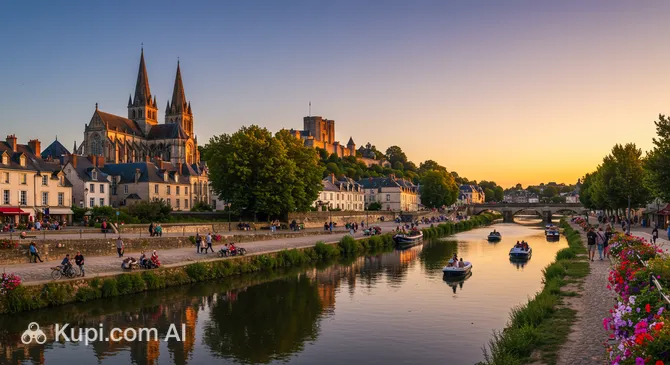
Caen is a captivating city located in the heart of the Normandy region in France. Known for its historical depth and lively atmosphere, it serves as a major political, economic, and cultural hub. With a population of approximately 106,230 residents, the city offers a perfect blend of urban energy and provincial charm, situated just a short distance from the English Channel coast.
The history of Caen is inextricably linked to William the Conqueror, who favored the city and commissioned several of its most significant landmarks. While the city faced challenges during the Battle of Normandy in 1944, it has been beautifully rebuilt, preserving its heritage while embracing modernity. The local climate is oceanic, characterized by mild temperatures and frequent, refreshing breezes from the sea, making it pleasant for exploration year-round.
Caen. Illustration.
Source: Kupi.com AI
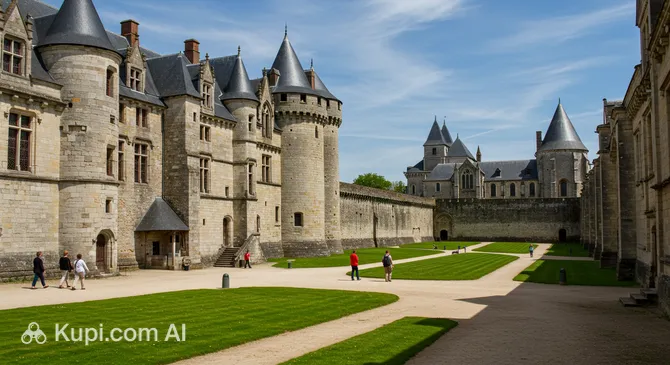
Visitors are often drawn to the impressive Château de Caen, one of the largest medieval fortresses in Western Europe, which now houses fine arts and history museums. Another architectural jewel is the Abbaye-aux-Hommes, a masterpiece of Norman Romanesque architecture founded by William the Conqueror himself. For those interested in more recent events, the Mémorial de Caen provides a profound and comprehensive look at World War II and the enduring battle for peace.
Whether you are strolling through its pedestrianized streets, enjoying the local Norman cuisine, or exploring its lush green spaces, Caen promises a memorable experience. It is an ideal destination for travelers seeking to immerse themselves in rich culture and authentic French heritage.
Weather Overview
Caen experiences a temperate oceanic climate, ensuring that the city enjoys moderate conditions without extreme temperature fluctuations. The weather in Caen is generally mild year-round, influenced significantly by its proximity to the English Channel. Summers are pleasant and comfortable, with average temperatures in July and August hovering around 18.9°C and daily maximums reaching up to 23.2°C.
The winter months remain cool rather than freezing, with January seeing average temperatures of 5.9°C and lows dipping to approximately 3.6°C. Rainfall is a consistent feature of the local climate; visitors should be prepared for 10 to 17 wet days per month regardless of the season. Overall, you can expect warm, agreeable summers with occasional showers and cool, damp winters.
Average monthly temperature
Average monthly precipitation
Interesting Facts
Beyond the main attractions, Caen holds many fascinating secrets that reveal its deep connection to English history and medieval power. Here are a few surprising details that make this Norman city truly unique.
Caen Castle. Illustration.
Source: Kupi.com AI
Traveler photos:
The Foundation of London Landmarks: The creamy-yellow limestone known as Pierre de Caen is famous far beyond France. This local stone was the preferred building material for the Normans and was shipped across the channel to construct some of London's most iconic structures, including the Tower of London, Westminster Abbey, and Canterbury Cathedral.
A Royal Apology in Stone: The city's two most famous religious sites exist because of a controversial marriage. William the Conqueror built the Men's Abbey and his wife Matilda commissioned the Abbey of the Ladies of Caen as an act of penance to the Pope, who had initially forbidden their union due to their distant kinship.
A Fortress of Kings:Caen Castle is not just a standard fortification; it is one of the largest medieval enclosures in Western Europe. Spanning over 5 hectares in the city center, it was a favored residence of the Dukes of Normandy and Kings of England, serving as a massive administrative and military hub rather than just a defensive outpost.
The Phoenix City: Although much of the city was devastated in 1944, the post-war reconstruction was meticulously planned to preserve the city's character. Unlike other cities that rebuilt with concrete, Caen utilized its traditional local stone for the new buildings, creating a harmonious blend where modern avenues seamlessly integrate with surviving historical monuments.
How to Get There
Reaching this historic Norman city is relatively straightforward, with several transport options available depending on your starting point. For those looking for more about how to get to Caen, the most direct method is often by air, utilizing the local facilities or those in neighboring towns.
The city is served directly by Carpiquet Airport (CFR), which is located in Caen itself, approximately 5.9 km from the city center. As the primary local hub, it handles a significant amount of regional traffic. The journey from the airport to the downtown area is quick, taking about 15 to 20 minutes by taxi or shuttle. Alternatively, travelers can fly into Saint Gatien Airport (DOL), situated in the city of Deauville. This airport is about 43.6 km away from Caen. A transfer from Deauville by road typically takes around 45 minutes to 1 hour.
For clarity, here is a summary of the main airports:
For those preferring rail travel, it is important to note that while the region is well-connected, some major high-speed hubs are located in surrounding cities. You can arrive at Le Mans Railway Station in the city of Le Mans, which is approximately 138.3 km from Caen. From there, the journey by road generally takes approximately 1.5 to 2 hours. Another significant option is Rennes Station (ZFJ) in Rennes, located about 153.6 km away. This major transport hub serves millions of passengers annually, and the onward journey to Caen by road takes roughly 1.5 to 2 hours.
Below is a list of major railway stations in the wider region:
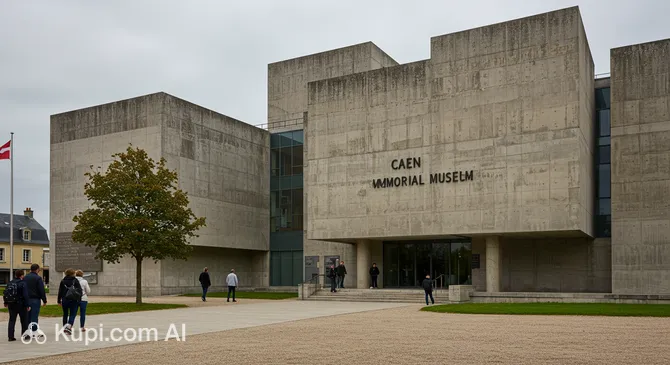
A visit to Caen would be incomplete without exploring the Caen Memorial Museum, often cited as one of the best World War II museums in Europe. Standing on the site of an old German command post, this vast museum goes beyond military history to explore the origins of conflict and the fragility of peace. It offers an immersive journey through the 20th century, from the Battle of Normandy to the Cold War, making it a deeply moving and educational experience for visitors from around the globe.
Caen Memorial Museum. Illustration.
Source: Kupi.com AI
Traveler photos:
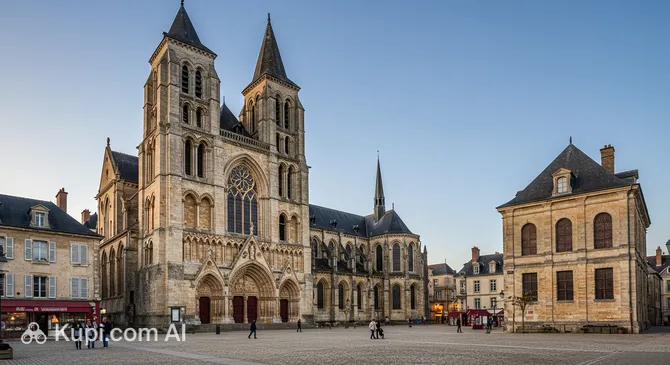
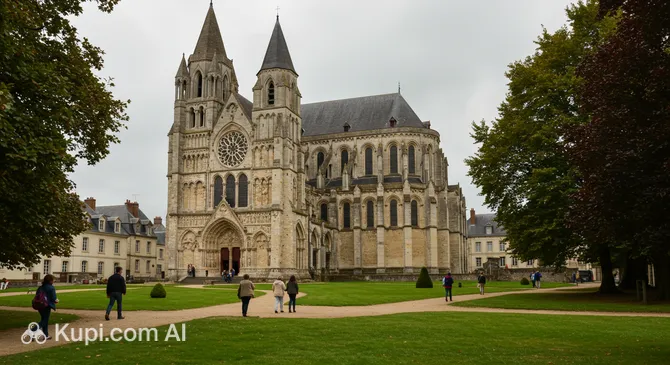
Architecture enthusiasts will be captivated by the Men's Abbey (Abbaye-aux-Hommes), a striking example of Romanesque art founded by William the Conqueror in 1063. The abbey church, Saint-Étienne, is renowned for its harmonious proportions and soaring towers that have influenced Norman architecture for centuries. Inside, visitors can find the tomb of William himself, adding a layer of royal significance to the site's spiritual and architectural grandeur.
Men's Abbey. Illustration.
Source: Kupi.com AI
Traveler photos:
Complementing the Men's Abbey is the Abbey of the Ladies of Caen (Abbaye-aux-Dames), commissioned by William's wife, Matilda of Flanders. Located on a hill overlooking the city, this abbey offers a more serene and intimate atmosphere. The crypt and the choir are particularly well-preserved, and the site serves as the final resting place for Queen Matilda. The surrounding grounds provide a peaceful retreat with lovely views of the city skyline.
Abbey of the Ladies of Caen. Illustration.
Source: Kupi.com AI
Traveler photos:
For those seeking a break from historical monuments, the Colline aux Oiseaux Park offers a magnificent escape into nature. This 17-hectare floral park, created to commemorate the 50th anniversary of the D-Day landings, features a stunning rose garden, a boxwood maze, and themed gardens representing cities in Normandy. It is a perfect spot for families and nature lovers to enjoy a leisurely walk among vibrant blooms and lush greenery.
Colline aux Oiseaux Park. Illustration.
Source: Kupi.com AI
Traveler photos:
Art lovers should not miss the Museum of Fine Arts of Caen, situated within the walls of the ducal castle. The museum boasts an extensive collection of European paintings ranging from the 15th to the 20th centuries, including works by masters such as Rubens, Rembrandt, and Monet. Its location inside the fortress grounds allows tourists to combine a cultural tour with an exploration of the city's medieval defensive structures.
Local Cuisine
The culinary scene in Caen is a proud reflection of Normandy's rich gastronomic heritage, famous for its generous use of dairy, apples, and seafood. The local cuisine is hearty and comforting, often characterized by creamy sauces and high-quality butter. A visit here is an invitation to indulge in some of France's most renowned flavors, starting with the "four Cs" of Norman gastronomy: Camembert, Cider, Calvados, and Cream.
The undisputed star of the city's menu is Tripes à la mode de Caen. This traditional dish has a history dating back to the Middle Ages and consists of the four chambers of a cow's stomach, slowly stewed for hours with carrots, onions, leeks, spices, cider, and a splash of Calvados. While it may sound intimidating to some, it is a deeply flavorful and tender delicacy that locals cherish. For those seeking a sweeter finish, Teurgoule is a must-try dessert. This rice pudding is slow-cooked with cinnamon for hours until the rice is meltingly soft and a caramelized crust forms on top.
No meal in Caen is complete without sampling the region's apple-based beverages. Cider is the standard accompaniment to meals, ranging from sweet to dry, and is often served in traditional ceramic cups or bowls. For a stronger kick, Calvados, an apple brandy, is world-famous and typically enjoyed as a digestif. You might also encounter the tradition of the Trou Normand, a small glass of Calvados drunk between courses to aid digestion and cleanse the palate during a heavy meal.
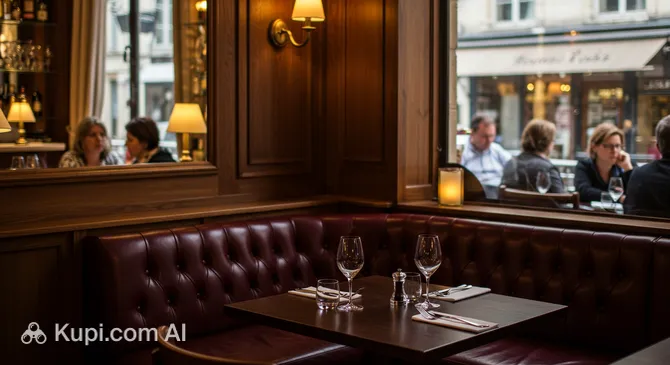
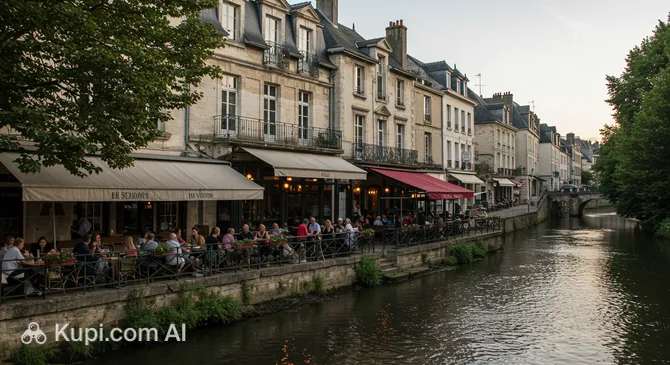
When looking for a place to eat, the historic Vaugueux district is the heartbeat of Caen's dining culture. This neighborhood, with its picturesque cobblestone streets and timber-framed houses, is packed with bistros and traditional restaurants offering authentic Norman fare. It is a lively area where tourists and locals mingle, especially in the evenings. For a more contemporary dining experience close to the city center, you might visit Bœuf & Cow, a restaurant known for highlighting high-quality local meats and ingredients in a modern setting.
Bœuf & Cow. Illustration.
Source: Kupi.com AI
Traveler photos:
Markets also play a vital role in the local food culture. The Sunday market at Place Courtonne is particularly popular, offering a vibrant array of fresh produce, seafood from the nearby coast, and, of course, the famous cheeses of the region like Camembert de Normandie, Pont-l'Évêque, and Livarot. It is the perfect spot to pick up artisanal products for a picnic or simply to soak in the sights and smells of authentic French market life.
Travel Tips
To ensure your visit to Caen is as smooth as it is memorable, we have compiled a list of essential practicalities to help you prepare. These tips are designed to help you navigate the city like a local, from handling the changeable Norman weather to mastering the nuances of French daily life.
Clothing and Gear: Given the oceanic climate of Normandy, the weather can be unpredictable. It is wise to pack layers and a reliable waterproof jacket or sturdy umbrella, as rain showers can pass through quickly even in summer. Since you will likely be exploring the Château de Caen and the historic Vaugueux district on foot, comfortable walking shoes are essential to navigate the cobblestones and hills.
Transportation: The city center is compact and best explored on foot, but for longer distances, the Twisto network offers an efficient system of trams and buses. Tickets can be purchased at vending machines at tram stops or via their mobile app. If you plan to visit the D-Day landing beaches nearby, renting a car is recommended for flexibility, though organized tours are also available from the city.
Finances: The local currency is the Euro (€). Credit and debit cards (Visa and Mastercard) are widely accepted in hotels, restaurants, and larger shops. However, it is helpful to carry some cash for small purchases at local bakeries or the Sunday market. Tipping is not mandatory as a service charge is included in the bill, but leaving small change or rounding up is a polite gesture for good service.
Health and Safety: Caen is generally a very safe city for tourists. Pharmacies are easily identifiable by a flashing green neon cross and can provide advice for minor ailments; check for the "Pharmacie de Garde" for after-hours services. The universal emergency number for police, ambulance, or fire services in France is 112.
Communication: While French is the official language, English is widely understood in museums, hotels, and tourist areas. However, learning a few basic phrases goes a long way. Always start an interaction with a polite "Bonjour" (Good day) or "Bonsoir" (Good evening) before switching to English; locals appreciate the effort. Free Wi-Fi is commonly available in public spaces, cafes, and hotels.
Local Etiquette: Politeness is highly valued in French culture. When entering a shop or restaurant, it is customary to greet the staff. In public places and on public transport, people generally speak quietly to avoid disturbing others. When dining, meals are meant to be enjoyed at a leisurely pace, so do not feel the need to rush.
What to Avoid: Do not forget to say "Bonjour" when you enter a small shop or approach a counter; skipping this greeting can be perceived as rude. Additionally, avoid expecting shops and restaurants to be open all day; many smaller businesses close for a lunch break between 12:00 PM and 2:00 PM, and Sundays can be very quiet with many stores closed.
Additional Tip: If you are in Caen on a Friday morning or Sunday, do not miss the Saint-Sauveur market or the market at Place Courtonne. These are perfect spots to grab fresh local picnic supplies like cider and cheese, offering a truly authentic slice of life in Normandy.
Armed with this local knowledge, you are all set to enjoy the rich history and vibrant culture of Caen without any hiccups. We hope these tips help you relax and fully immerse yourself in the charm of this beautiful Norman city.
Entertainment & Nightlife
Entertainment and Nightlife:
Caen is a city that truly comes alive when the sun sets, fueled in large part by its significant student population and a vibrant local culture. The nightlife here is dynamic and diverse, offering everything from cozy pubs and bustling terraces to energetic nightclubs. Whether you are looking for a quiet glass of wine by the water or a night of dancing, the city's compact center makes it easy to hop from one venue to another.
The heartbeat of the city's pub culture is undoubtedly the Rue Écuyère. Often referred to affectionately by locals and students as the "Street of Thirst," it is lined with numerous bars and pubs that spill out onto the cobblestones, creating a festive atmosphere, especially on Thursday nights. For a slightly more scenic setting, the Port de Plaisance (Marina) offers a lovely backdrop for evening drinks, where you can enjoy cocktails while overlooking the illuminated boats.
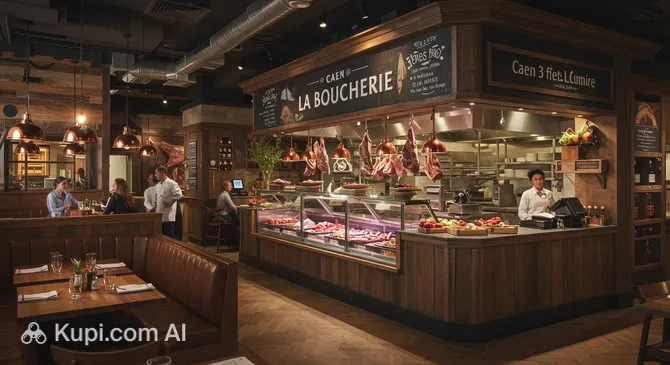
If you are looking for specific spots to enjoy the evening, Balthazar is a popular choice among locals. It offers a warm and welcoming environment, perfect for gathering with friends over a selection of beers or cocktails. For those who prefer a venue that combines dining with a party atmosphere, La Boucherie is a well-known establishment. It often transitions from a restaurant into a lively spot with music and dancing as the night progresses, reflecting the festive spirit of the region.
La Boucherie. Illustration.
Source: Kupi.com AI
Traveler photos:
The atmosphere in Caen is generally relaxed and unpretentious. The dress code is mostly casual to smart-casual; you will feel comfortable in jeans and a nice top in almost all bars and clubs. Prices are reasonable compared to Paris, with many bars offering "Happy Hour" specials in the early evening, typically between 6:00 PM and 9:00 PM. Nightclubs usually open their doors around 11:00 PM and stay open until the early hours of the morning.
In terms of safety, the city center is generally safe for night walks, particularly in the busy areas like the Vaugueux district and around the castle. However, as with any city, it is wise to stay in well-lit areas late at night. Getting around is convenient; the city is walkable, but for longer distances, local taxi services are reliable. You can easily hail a taxi at designated stands or call one from a restaurant. Public transport, including the tram and "Noctibus" night bus lines, also operates into the night, providing safe and affordable options for getting home.
While nightlife is a major draw, Caen also offers plenty of daytime and early evening entertainment. Culture enthusiasts can visit the Théâtre de Caen for opera and concerts, or catch a movie at the cinema in the modern Les Rives de l'Orne shopping center. For families traveling with children, L'Îlot Z'enfants provides a fantastic indoor amusement park experience, offering a fun break from historical sightseeing.
Parks & Museums
Caen is a city that successfully balances its rich architectural heritage with an abundance of refreshing green spaces, earning it a reputation as a "green city" in Normandy. Beyond its famous war memorials and medieval fortresses, the urban landscape is dotted with exceptional gardens and cultural institutions that offer visitors a deeper understanding of the local art, history, and natural beauty.
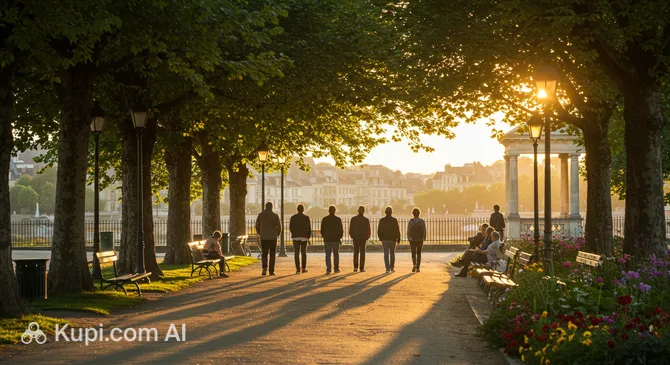
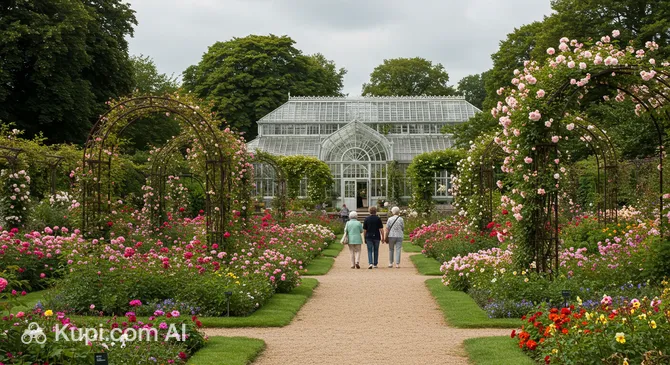
For a peaceful escape into nature, the Caen Botanical Garden (Jardin des Plantes) is a must-visit. Located near the city center, this 3.5-hectare garden dates back to the 17th century and is classified as a Historical Monument. It features a remarkable collection of over 8,000 plant species, including rare exotic flora, medicinal plants, and grand century-old trees. The 19th-century glasshouses add a touch of architectural elegance, making it a perfect spot for a leisurely stroll or a quiet break on a park bench.
Caen Botanical Garden. Illustration.
Source: Kupi.com AI
Traveler photos:
Another significant natural area is the Valley of the Gardens (Vallée des Jardins). This expansive 11-hectare park was once an area of meadows and limestone cliffs. Today, it has been transformed into a scenic arboretum that preserves a wilder, more rustic atmosphere compared to the manicured city gardens. It is ideal for walkers looking to explore winding paths surrounded by flowering hawthorns, maples, and weeping willows.
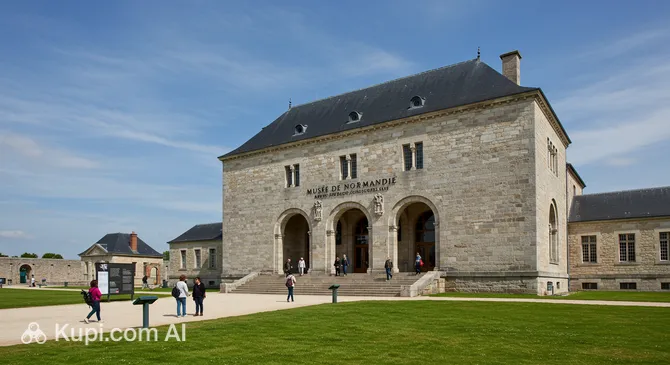
Immersing yourself in the region's culture is easy within the walls of the Ducal Castle, which hosts two major museums. The Museum of Normandy, situated in the former Governor's House (Logis des Gouverneurs), offers a fascinating journey through the social and cultural history of the region. Its collections range from archaeological finds to traditional costumes and tools, providing a comprehensive look at how the people of Normandy have lived from prehistoric times to the industrial age.
Museum of Normandy. Illustration.
Source: Kupi.com AI
Traveler photos:
Just steps away lies the Museum of Fine Arts of Caen. Housed in a modern building that contrasts interestingly with the medieval fortress surroundings, it holds one of the most prestigious collections in France outside of Paris. Art enthusiasts can admire a vast array of European paintings from the 15th to the 20th centuries, featuring works by masters such as Perugino, Veronese, Rubens, and Monet, alongside a notable collection of contemporary prints.
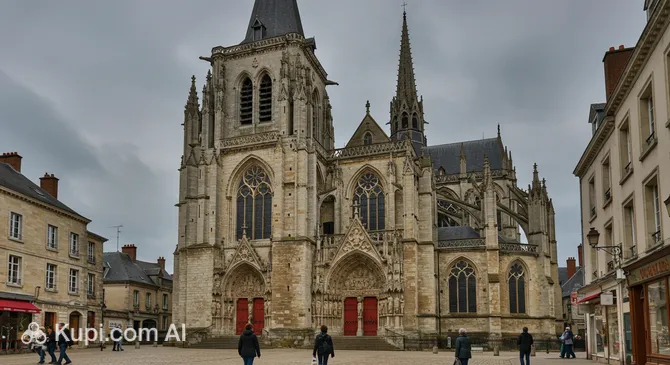
In terms of architectural landmarks, St Peter's Church (Église Saint-Pierre) stands as a breathtaking example of the transition from Flamboyant Gothic to Renaissance styles. Located just opposite the castle, its intricate spire and ornately carved facade make it one of the most photographed buildings in the city. Nearby, the Saint John Church is equally intriguing, famously known for its "leaning" tower, which tilts slightly due to the marshy ground on which it was built.
St Peter's Church. Illustration.
Source: Kupi.com AI
Traveler photos:
For a unique experience, seek out the Michel d'Ornano Park adjacent to the Abbey of the Ladies. It offers a classic French formal garden layout with a magnificent panoramic view of the city and its spires, a perspective often missed by tourists who stick solely to the city center streets.
Getting Around
Getting around Caen is both convenient and efficient, thanks to the comprehensive public transport network managed by Twisto. The backbone of the system is the modern tramway, which consists of three lines (T1, T2, and T3) connecting the major districts, including the railway station, the city center, the university, and the suburbs. These trams are quiet, frequent, and offer a scenic way to view the city while moving between attractions. Complementing the trams is an extensive bus network that covers every corner of the city and the surrounding metropolitan area, ensuring that even the more residential or outlying spots are easily accessible.
For tickets and fares, the system is designed to be user-friendly for visitors. A standard single-journey ticket is valid for one hour and allows transfers between buses and trams. Tourists often find the 24-hour pass to be the best value, offering unlimited travel for a full day at a very reasonable price. Tickets can be purchased at automatic vending machines located at every tram station, which accept both cash and cards. Alternatively, you can buy tickets directly from the driver on buses (though this may carry a small surcharge) or use the Twisto mobile app to buy and store digital tickets on your phone. A convenient SMS ticket option is also available for quick single trips.
When using the transport system, it is crucial to validate your ticket immediately upon boarding a bus or tram. Validators are located near the doors; simply tap your card or insert your paper ticket until it stamps. Failure to validate can result in a fine if inspectors check your ticket. The network generally operates from early morning, around 5:30 AM, until approximately 12:30 AM, with slightly extended hours on Fridays and Saturdays to accommodate the weekend nightlife. Electronic display boards at stops provide real-time waiting times, making it easy to plan your journey.
Beyond the standard buses and trams, Caen offers a special feature known as the Navette Centre-Ville. This is a free electric shuttle bus that loops around the historic city center. It is small, nimble, and perfect for hopping on and off to save your legs while shopping or sightseeing in the pedestrian zones. It runs frequently throughout the day, except on Sundays and public holidays, and you can simply wave at the driver to stop it anywhere along its route.
If you prefer active travel, the city offers a self-service bike rental scheme called Vélolib. With numerous stations scattered throughout the city, you can easily rent a bike for a short ride and drop it off at another station. It is an excellent way to explore the flatter parts of the city or ride along the canal. For those who need a car, taxis are available at designated ranks, particularly at the train station and major squares, though they are significantly more expensive than public transport. Ride-sharing apps also operate in the area, providing another flexible alternative for getting around.
Accommodation
Where to Stay:
Finding the perfect place to stay in Caen is relatively easy, as the city offers a welcoming variety of accommodation options to suit different preferences and budgets. The selection ranges from charming, family-run bed and breakfasts housed in historic buildings to modern international hotel chains that provide reliable comfort. For those seeking a more independent experience, there is also a growing number of furnished apartments and holiday rentals available throughout the city.
When choosing a location, the Centre-Ville (City Center) is undoubtedly the most popular choice for first-time visitors. Staying here puts you within walking distance of major landmarks like the castle and the abbeys, as well as the vibrant pedestrian shopping streets. Another excellent area is the district around the Marina (Bassin Saint-Pierre). This neighborhood offers a picturesque setting with views of the boats and easy access to a wide array of restaurants and bars, making it perfect for travelers who enjoy a lively evening atmosphere.
For those arriving by train or planning to use Caen as a base for exploring the wider Normandy region, the area surrounding the Gare de Caen (Railway Station) is a practical option. It is well-connected to the public transport network, including the tram lines, allowing for quick transfers to the city center or the coast. While this area is slightly removed from the medieval core, it offers modern conveniences and often more competitive rates.
Regarding costs, accommodation in Caen is generally more affordable than in Paris or the coastal resort towns of Deauville and Honfleur. Travelers can expect a good selection of mid-range options that offer excellent value for money. Budget travelers will find several hostels and economy hotels on the outskirts, while those looking for luxury can find boutique hotels in the historic center that emphasize Norman elegance.
Booking Tip: It is highly recommended to book your accommodation well in advance if you plan to visit during the summer months or around early June. The first week of June is particularly busy due to the annual D-Day anniversary commemorations, which draw visitors from all over the world to the region, causing hotels to fill up months ahead of time.
Nearby Cities
For those looking to explore the surroundings, Caen serves as an excellent base for day trips to several interesting nearby locations:
One of the most notable destinations is Le Havre, a major port city located on the English Channel. Unlike the medieval charm of Caen, Le Havre is celebrated for its bold modern architecture, particularly the city center designed by Auguste Perret, which is a UNESCO World Heritage site. Visitors can also explore the MuMa (André Malraux Museum of Modern Art), home to one of France's most extensive Impressionist collections, or simply enjoy a walk along the pebble beach.
Another fascinating option is Lisieux, the second most important pilgrimage site in France after Lourdes. The city attracts visitors with the magnificent Basilica of Sainte-Thérèse, a stunning 20th-century architectural masterpiece that dominates the skyline. It offers a unique spiritual atmosphere and a chance to explore the life of Saint Thérèse through various historical sites, including her childhood home, Les Buissonnets.
For history enthusiasts, Saint-Lô offers a poignant look at the region's resilience. Known as the "Capital of Ruins" after the intense bombardments of World War II, it has been rebuilt while preserving its impressive medieval ramparts. A walk along these ancient walls offers panoramic views of the Vire valley, blending the city's turbulent past with its scenic present.
City
Population
Distance
Hérouville-Saint-Clair
22 638
3 km
Mondeville
9 973
4 km
Ifs
11 696
5 km
Ouistreham
9 344
13 km
Bayeux
13 017
26 km
These nearby destinations offer a glimpse into the diverse culture and landscapes of the region.
Shopping & Souvenirs
Shopping in Caen offers a delightful blend of commercial dynamism and historic charm, transforming a simple spree into a scenic tour of the city. The heart of the retail action is found in the pedestrianized streets of the city center, particularly along Rue Saint-Pierre and Rue de Strasbourg. Here, visitors can browse a wide array of international fashion brands, beauty boutiques, and the iconic French department store, Galeries Lafayette, all set against a backdrop of elegant architecture.
For a modern shopping experience, the Les Rives de l'Orne center is the premier destination. Conveniently located on the riverbanks near the train station, this contemporary complex features over 70 shops and restaurants. It serves as a bustling hub for both locals and tourists, offering everything from trendy apparel and home decor to a cinema, making it a perfect spot for a full afternoon of leisure.
Les Rives de l'Orne. Illustration.
Source: Kupi.com AI
Traveler photos:
Those seeking a more unique atmosphere should explore the historic Rue Froide. True to its medieval roots, this narrow, cobbled street is lined with independent bookstores, antique dealers, and quirky concept shops. It is the ideal place to hunt for distinctive gifts, comic books, or handcrafted items while soaking in the "Old Caen" vibe that permeates this character-filled quarter.
No visit to Normandy is complete without picking up some regional gastronomic souvenirs. The city is dotted with fine delicatessens offering local treasures such as Isigny caramels, traditional butter biscuits known as Sablés, and, of course, bottles of artisanal Cider and Calvados. For a touch of local humor, look for products from the brand "Heula," which playfully celebrates Norman culture and weather on everything from mugs to stationery.