Support

Poitiers

About

Poitiers is a captivating destination located in the Nouvelle-Aquitaine region of France. Perched on a rocky promontory between the Clain and Boivre rivers, this city offers a unique blend of medieval charm and vibrant modern energy. With a population of approximately 90,000 residents, it maintains a lively atmosphere, largely driven by its significant student community and one of the oldest universities in Europe.

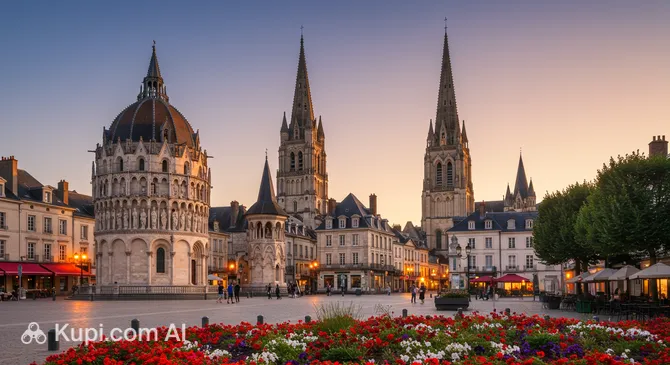
Walking through the winding streets of the city center, visitors are transported back in time. The history of Poitiers is deeply etched into its architecture, from ancient Roman remains to half-timbered houses. Often referred to as the "City of a Hundred Steeples," it boasts an impressive array of historical religious buildings that define its skyline.

Poitiers. Source: Kupi.Binoculars

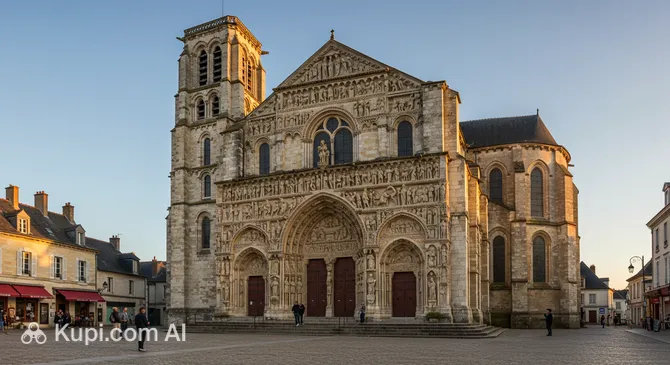
Among its most notable attractions is the Église Notre-Dame la Grande, a masterpiece of Romanesque art known for its intricately carved facade. For those seeking a contrast to the historical sites, the famous Futuroscope theme park is located just on the outskirts, offering futuristic multimedia experiences and cinematic adventures. The Palace of Justice, formerly the palace of the Counts of Poitou and Dukes of Aquitaine, is another must-see landmark that highlights the city's grand heritage.

Whether you are an architecture enthusiast, a history buff, or simply looking for a picturesque getaway, Poitiers welcomes you with open arms. Its combination of rich heritage and dynamic cultural life makes it a delightful stop for any traveler exploring western Europe.

Weather Overview

The climate in this region is generally temperate, offering distinct seasons that appeal to different types of travelers. Summer is typically the most popular time to visit, particularly July and August, when average temperatures hover around 21°C and daily highs can reach approximately 26°C. These months also tend to be the driest, with only about 7 wet days per month, making them ideal for outdoor exploration.

Winters are cooler but rarely severe, with average temperatures in January dipping to around 5.8°C. Rainfall is more frequent during the colder months and the transitional seasons of spring and autumn, often seeing between 10 to 14 wet days per month. To help plan your activities around the forecast, you can view more specific details about the weather in Poitiers.

Overall, visitors can expect warm summers with occasional rain and cool, wetter winters. Whether visiting in the blooming spring or the crisp autumn, it is always a good idea to carry an umbrella or light raincoat due to the regular chance of showers throughout the year.

Interesting Facts

Beyond the main attractions, Poitiers holds many fascinating secrets that reveal the depth of its historical significance. Here are a few intriguing details about the city that often escape the casual observer.

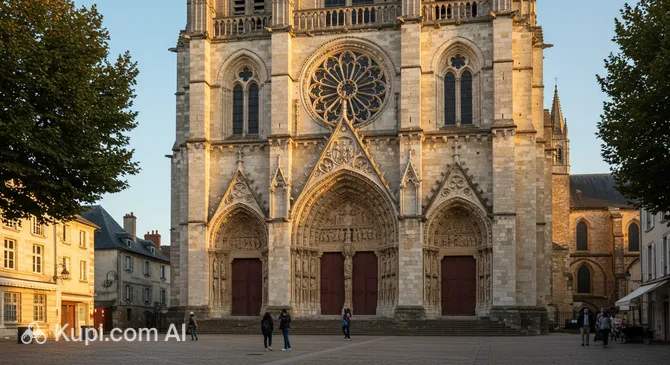
Church of Notre-Dame la Grande. Source: Kupi.Binoculars
  • The city played a pivotal role in the life of Joan of Arc. Before she was given command of the French army, she was sent to Poitiers in 1429 to be rigorously examined by a council of theologians to verify her divine mission, a process that took several weeks.

  • The Church of Notre-Dame la Grande was not always the stone-colored structure seen today. In the Middle Ages, its elaborate facade was vividly painted in red, blue, and gold, a spectacle that is now recreated on summer evenings through colorful light projections called "Polychromies."

  • Poitiers is home to one of the oldest surviving Christian buildings in France, the Baptistery of Saint-Jean. Dating back to the 4th century, it features an ancient octagonal pool that was originally designed for baptism by total immersion.

  • The magnificent stained glass window of the Crucifixion in Saint Peter's Cathedral of Poitiers is considered one of the earliest examples of its kind in the Western world. Commissioned in the 12th century, it features the likenesses of its donors, Eleanor of Aquitaine and King Henry II of England.

How to Get There

Reaching this destination is straightforward, with several transport options available depending on your starting point. Whether you prefer flying or taking the train, the city is well-connected to the rest of the country. For a detailed overview of all routes and travel advice, you can read more about how to get to Poitiers.

The city is served by its own airport, Poitiers-Biard Airport (PIS), which is conveniently located just 2.8 km from the city center. Although it is a smaller regional hub, it offers the most direct access for travelers. A taxi or bus ride from the terminal to the downtown area is quick and convenient. For those arriving from further afield, Nantes Atlantique Airport (NTE) in the city of Nantes is a major international option. It is situated approximately 162 km away. While the distance is greater, taking about 2 hours by road, it handles a much larger volume of flights and passengers.

For clarity, here is a summary of the main airports:

Airport Name City Passenger Traffic Km from City
Nantes Atlantique Airport Nantes Large 161.9
La Rochelle La Rochelle Medium 126.3
Bellegarde Airport Limoges Medium 102.6
Val de Loire Airport Tours Medium 99.2
Poitiers-Biard Airport Poitiers Small 2.8

Traveling by train is often the preferred method for many visitors due to the efficiency of the French rail network. The city boasts its own major hub, Poitiers Railway Station, located centrally just 0.7 km from the heart of the town. This station sees significant passenger traffic and connects the city to Paris and other key destinations via high-speed TGV lines. Arriving here places you right on the doorstep of the city's main attractions.

Below is a list of the closest and most significant railway stations in the region:

Station City Passenger Traffic Km to Center
Tours Railway Station Tours Large 93.8
Angers Saint-Laud Station Angers Large 119.7
Le Mans Railway Station Le Mans Large 157.8
Saint-Pierre-des-Corps Station Tours Large 94.2
Poitiers Railway Station Poitiers Large 0.7

Main Attractions

Poitiers is a city that rewards those who take the time to explore its diverse heritage. Beyond its famous Romanesque facades, the city offers a variety of sites ranging from imposing religious structures to serene green spaces and cultural hubs. Here are some of the key places to visit during your stay.

One of the most striking landmarks in the city is the Saint Peter's Cathedral of Poitiers. This massive Angevin Gothic structure dominates the skyline and offers a different architectural perspective compared to the local Romanesque style. Visitors are often awestruck by its vast interior dimensions and the famous stained glass window of the Crucifixion, which dates back to the 12th century. The cathedral also houses a magnificent Clicquot organ, renowned for its exceptional sound quality, making it a favorite stop for music and history lovers alike.

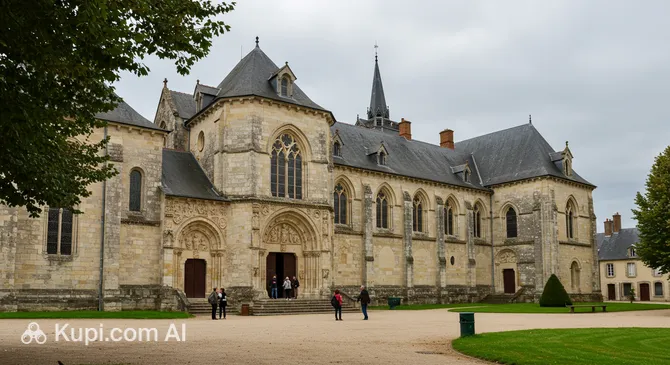
Saint Peter's Cathedral of Poitiers. Source: Kupi.Binoculars

For those interested in delving deeper into the region's past, the Sainte-Croix Museum is an essential destination. Built on the site of the former Abbey of Sainte-Croix, this cultural institution is the largest museum in the city. It features an impressive collection that spans from prehistoric times to the contemporary era. Highlights include Gallo-Roman sculptures found locally and a rich selection of Fine Arts, offering a comprehensive overview of the artistic and historical evolution of Poitou.

Sainte-Croix Museum. Source: Kupi.Binoculars

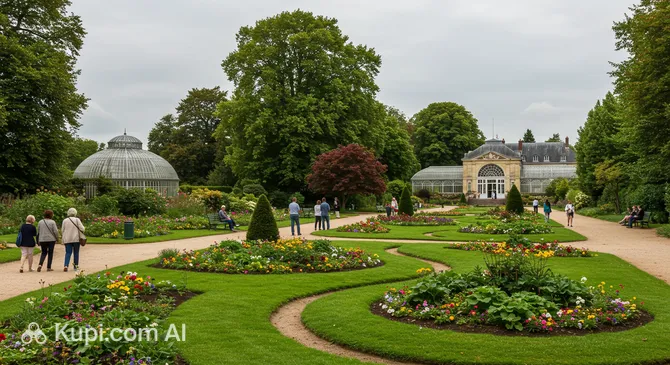
Nature enthusiasts will find a peaceful retreat at the Jardin des Plantes. This botanical garden provides a lush escape from the urban stone, featuring a variety of themed sections, including a medicinal garden and a greenhouse. It is a perfect spot for a leisurely stroll or a quiet break, allowing visitors to admire a wide array of plant species in a beautifully maintained setting.

Jardin des Plantes. Source: Kupi.Binoculars

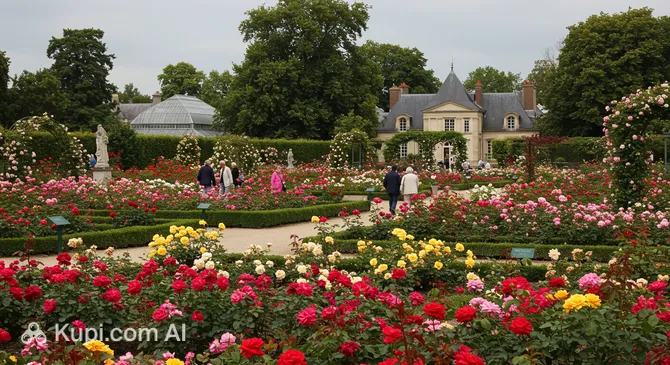
Another floral gem in the city is La Roseraie Floral Park. Located near the exhibition center, this park is particularly famous for its extensive collection of roses. When in bloom, the garden is a riot of color and fragrance, attracting photographers and families looking for a scenic backdrop. It serves as a wonderful example of the city's commitment to integrating green spaces with urban living.

Local Cuisine

The culinary landscape of Poitiers is a delightful reflection of the wider Poitou region, known for its rustic, hearty flavors and exceptional dairy products. The local gastronomy relies heavily on fresh ingredients from the surrounding countryside, particularly goat cheese and high-quality butter. Visitors will find that the food scene here strikes a balance between traditional country cooking and the lively, casual dining atmosphere driven by the city's student population.

One of the most unique dishes you must try is the Farci Poitevin. This is a savory vegetable pâté made from cabbage, spinach, sorrel, onions, and herbs, often bound together with eggs and sometimes pork belly. It is typically served cold as a starter or warm as a main course, wrapped in cabbage leaves or a net. Another staple of the local table is the renowned Chabichou du Poitou, a cylindrical goat cheese with a distinctively wrinkled rind. It has a creamy texture and a delicate, slightly salty flavor that pairs perfectly with fresh bread.

For those with a sweet tooth, Poitiers offers some intriguing specialties. The most iconic is the Tourteau Fromagé, a cheesecake easily recognized by its scorched, black crust. Despite its burnt appearance, the inside is incredibly light, airy, and fresh. Another local favorite is the Broyé du Poitou, a large, flat butter cookie. Tradition dictates that it should be broken for sharing by punching it in the center, rather than cutting it with a knife.

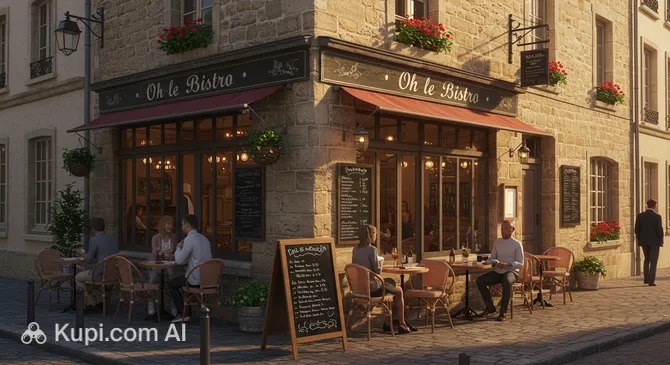
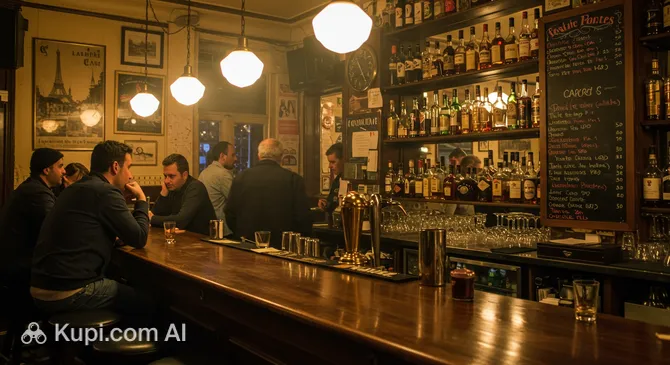
Oh le Bistro. Source: Kupi.Binoculars

To accompany these meals, locals often choose wines from the Haut-Poitou vineyards. These wines, particularly the Sauvignon Blancs and Cabernet Francs, are known for their freshness and fruitiness. As an aperitif, the regional Pineau des Charentes is a popular choice, offering a sweet blend of grape must and cognac.

Dining out in Poitiers is a pleasure, with many establishments clustered around the Place du Marché Notre-Dame and the pedestrian streets of the city center. The atmosphere ranges from historic brasseries to modern eateries. For a friendly meal, you might visit Oh le Bistro, which offers a welcoming setting to enjoy good food. Another excellent option for savoring delicious dishes in a comfortable environment is Le Trait d'union. Whether you are grabbing a quick bite at a market stall or sitting down for a three-course dinner, the generous spirit of Poitevin cuisine is always present.

Travel Tips

To ensure your visit to Poitiers is as smooth and enjoyable as possible, we have compiled a list of practical advice. As a city steeped in history and built upon a rocky promontory, knowing a few local specifics can help you navigate its charming but sometimes steep streets with ease.

  1. Clothing and Gear: Poitiers is best explored on foot, but the city center, known as "The Plateau," features many cobblestone streets and significant inclines. Comfortable, flat walking shoes are absolutely essential; leave the high heels for a seated dinner. Since the weather can be changeable, bring layers and a compact umbrella or raincoat, especially in spring and autumn. If you plan to visit religious sites like the Cathedral or Notre-Dame la Grande, modest dress (covering shoulders and knees) is respectful, though not strictly enforced.
  2. Transportation: The historic center is compact and walkable, but for longer distances, the local bus network, Vitalis, is efficient and reliable. There are specific lines connecting the city center to the train station and the nearby Futuroscope theme park. You generally do not need a rental car to explore the city itself; in fact, parking on the narrow medieval streets can be difficult and expensive. Taxis and ride-hailing apps are available but less abundant than in Paris, so booking in advance for early morning departures is wise.
  3. Finances: The currency is the Euro (€). Credit and debit cards (Visa and Mastercard) are widely accepted in shops, restaurants, and museums, often via contactless payment. However, it is always useful to carry some cash for small purchases at bakeries or local markets. ATMs are plentiful throughout the city center. Tipping is not mandatory as a service charge is included in the bill, but leaving small change or rounding up is a polite gesture if the service was good.
  4. Health and Safety: Poitiers is generally a very safe city for tourists. Standard precautions against pickpocketing should be taken in crowded areas or near the train station. Pharmacies are easily identified by a flashing green cross sign and are well-stocked; pharmacists can provide advice for minor ailments. For serious medical emergencies, dial 112, the universal European emergency number.
  5. Communication: While French is the official language, the large student population in Poitiers means that many younger people speak decent English. However, older residents and shopkeepers may not. Learning a few basic phrases like "Bonjour" (Hello), "S'il vous plaît" (Please), and "Merci" (Thank you) will go a long way. Free Wi-Fi is often available in public squares, cafes, and the tourist office.
  6. Local Etiquette: Politeness is highly valued in France. It is customary to greet the staff with a friendly "Bonjour" when entering a shop or restaurant and "Au revoir" when leaving. In restaurants, speaking at a moderate volume is the norm to respect other diners. Lunch is typically served between 12:00 PM and 2:00 PM, and showing up late for lunch service might result in limited options or a closed kitchen.
  7. What to Avoid: Do not assume you can dine at any time of the day. Unlike in some other countries, many restaurants close between lunch and dinner service (roughly 2:30 PM to 7:00 PM). Avoid rushing your meal; dining is a cultural experience meant to be savored, and asking for the check immediately after eating can sometimes be seen as rushing the staff.
  8. Follow the Lines: A unique feature of Poitiers is the system of colored lines painted directly on the pavement. These color-coded paths (Blue, Yellow, Red) are designed to guide tourists through different historical routes, ensuring you don't miss major monuments or hidden gems. Following these lines is a foolproof way to explore the city without constantly checking a map.

With these tips in mind, you are ready to immerse yourself in the medieval atmosphere and vibrant culture of Poitiers. Whether you are following the painted paths through the old town or enjoying a local pastry, a little preparation will let you focus on making great memories.

Entertainment & Nightlife

Entertainment and Nightlife:

Poitiers may be steeped in medieval history, but when the sun sets, the city reveals a surprisingly youthful and energetic side. Thanks to its large student population, the nightlife here is vibrant, accessible, and diverse. The atmosphere is generally laid-back and friendly, avoiding the pretension often found in larger metropolises. Most of the action takes place in the city center on "The Plateau," making it easy to hop from one venue to another on foot.

The heart of the evening entertainment beats around Place du Maréchal-Leclerc and the surrounding pedestrian streets like Grand'Rue and Rue de la Marne. Here, you will find a concentration of pubs, wine bars, and terraces that fill up quickly, especially on Thursday nights—the traditional student night—and weekends. The dress code is almost universally casual; jeans and a nice top will fit in perfectly anywhere, from the wildest dance floors to the coziest lounges.

For those looking to dance the night away, Wallaby's is a popular institution in the city. This Australian-themed bar transforms into a lively club atmosphere as the night progresses, drawing a crowd eager to enjoy music and drinks in a high-energy setting. It is a great place to meet locals and students in a festive environment.

Wallaby's. Source: Kupi.Binoculars

If you prefer a more classic bar setting to start your evening or wind down, Manhattan Café offers a welcoming vibe with a wide selection of beverages. It is an ideal spot for conversation and soaking up the local social scene before heading out to a club or calling it a night. Establishments in Poitiers typically stay open until 2:00 AM, with some clubs keeping the doors open until dawn.

Manhattan Café. Source: Kupi.Binoculars

Regarding safety, the city center is generally safe for night walks, but as with any city, it is wise to stay in well-lit areas and avoid walking alone late at night in quiet outskirts. Taxis can be scarce on the streets after midnight, so it is highly recommended to save the number of a local taxi service or use a ride-hailing app to ensure a safe trip back to your accommodation. Prices for drinks and entry fees are reasonable, reflecting the student demographic, with a pint of beer often costing significantly less than in Paris.

Before the nightlife kicks in, Poitiers offers plenty of daytime entertainment options. Culture lovers can enjoy performances at the TAP (Théâtre Auditorium de Poitiers), a modern hub for theater, dance, and cinema. For shoppers, the Cordeliers Shopping Center provides a mix of major brands and smaller boutiques right in the city center, perfect for a leisurely afternoon of browsing. Whether you are catching a matinee or shopping for souvenirs, the city keeps you entertained from morning until the early hours.

Parks & Museums

Poitiers offers a refreshing balance between its dense medieval architecture and expansive green spaces, providing visitors with ample opportunities to relax or dive deeper into the region's heritage. The city preserves its culture not only in its ancient stone buildings but also through curated gardens and diverse museum collections that appeal to art lovers and nature enthusiasts alike.

One of the city's most beloved green lungs is the Parc de Blossac. While it is the largest park in Poitiers, known for its distinct French and English style gardens and a small zoo, those seeking a more botanical experience should visit the Jardin des Plantes. This garden offers a peaceful educational journey with its carefully labeled medicinal plants and a 19th-century greenhouse. It serves as a quiet refuge where the bustle of the city feels miles away.

For floral enthusiasts, La Roseraie Floral Park is a spectacular destination located near the exhibition center. This beautifully maintained park is home to hundreds of rose varieties, creating a sensory delight of colors and fragrances during the blooming season. It is an ideal spot for a leisurely walk or a family outing, offering a vibrant contrast to the historic gray stone of the city center.

La Roseraie Floral Park. Source: Kupi.Binoculars

The cultural flagship of the city is undoubtedly the Sainte-Croix Museum. Housed in a striking concrete building designed by architect Jean Monge, it stands on the site of a former abbey. Inside, visitors can explore a vast timeline of history, from regional archaeology to fine arts. The museum is particularly noted for its collection of works by Camille Claudel and Auguste Rodin, making it a key stop for art historians and casual admirers alike.

Beyond the traditional art venues, the Espace Mendès France offers a different kind of cultural engagement. As a center for scientific culture, it features interactive exhibitions and a planetarium, making it a fantastic destination for families and curious minds wanting to explore science and technology. For those who prefer history in the open air, the city itself acts as a museum. The intricate façade of the Church of Notre-Dame la Grande and the imposing Gothic scale of Saint Peter's Cathedral of Poitiers provide breathtaking insights into the religious and architectural evolution of the region.

For a truly authentic local experience, take a walk down to the Îlot Tison. This recently redeveloped area along the banks of the Clain River has transformed an old sawmill site into a trendy leisure spot. With its wooden decks, green spaces, and riverside views, it is where the locals go to unwind, enjoy a picnic, or watch the sunset over the water.

Getting Around

Navigating Poitiers is relatively straightforward, as the city center is compact and pedestrian-friendly. However, given the city's unique topography—perched on a plateau with the train station located in the valley below—the public transport system is an essential service for both locals and visitors. The network is managed by Vitalis, which operates a comprehensive bus system covering the city center, the suburbs, and key attractions like the Futuroscope theme park. There is no metro or tram system in the city; the bus network is the primary mode of public transit.

The Vitalis bus network consists of regular lines, express lines, and night services. For tourists, the most useful routes are often those connecting the Poitiers Railway Station (Gare de Poitiers) to the city center ("Le Plateau") and the direct lines to Futuroscope. The buses are modern, comfortable, and generally punctual. A notable feature of the local transport infrastructure is the Viaduc Léon-Blum, a bridge dedicated solely to buses, pedestrians, and cyclists, which significantly speeds up travel between the station and the western districts.

Regarding payment, the system is designed to be flexible. A single trip ticket costs approximately 1.60€ if purchased from a machine or agency, but it is slightly more expensive if bought directly from the driver (around 1.80€). For visitors planning to explore extensively over a short period, a "Day Pass" (Ticket Journée) is available for roughly 4.50€, offering unlimited travel for 24 hours. Tickets must be validated immediately upon boarding by scanning them at the terminals located near the driver.

For the most convenient experience, travelers are encouraged to download the official Vitalis app or the "Tick'Easy" application. These digital tools allow you to purchase tickets directly on your smartphone, eliminating the need for cash or paper tickets. You simply scan the QR code generated by the app when you board. Physical tickets can also be purchased at automatic vending machines at major stops, such as the train station and the Hôtel de Ville, or at the Vitalis agency near the station.

Buses typically run from around 6:00 AM to 10:00 PM, though service hours can extend later on weekends and vary by line. Sundays and public holidays see a reduced schedule, so it is important to check the timetable in advance if you are traveling on these days. The "Noctambus" service operates on Thursday, Friday, and Saturday nights, catering largely to the student population and night owls, ensuring safe transport until the early hours of the morning.

Beyond buses, cycling is a growing alternative, though the city's steep inclines can be challenging. To address this, the city offers an electric bike rental service known as Cap on Vélo. These electric-assist bikes make climbing the hills to the city center much easier and are a popular choice for active tourists. Taxis are available but are not typically hailed on the street; it is best to book one by phone or find them at the designated rank outside the train station. Ride-sharing apps are also operational but may have longer wait times compared to larger French cities.
Accommodation

Where to Stay:

Poitiers offers a diverse array of accommodation options suitable for all budgets and travel styles. Visitors can choose from charming boutique hotels housed in historic buildings, reliable international chains, and budget-friendly hostels. For those seeking a more home-like experience, there is a growing selection of furnished apartments and vacation rentals available throughout the city, providing a comfortable base for longer stays.

The most popular area to stay is undoubtedly the city center, known as "The Plateau." Staying here places you within walking distance of major historical sites and the vibrant restaurant scene. It is the best choice for those who want to immerse themselves in the medieval atmosphere. Alternatively, the neighborhood around the train station offers practical convenience for travelers arriving by rail or planning day trips to the surrounding region. For visitors whose primary destination is the Futuroscope theme park, the area of Chasseneuil-du-Poitou on the outskirts provides numerous hotels specifically designed to cater to park-goers.

Accommodation prices in Poitiers are generally reasonable compared to larger French tourist hubs. You can expect to find a wide selection of budget and mid-range options, with a few higher-end establishments available for those seeking extra comfort. Reservations can be easily made through major online booking platforms or directly via hotel websites. While the city is welcoming year-round, it is highly recommended to book your room well in advance if you plan to visit during the summer months or school holidays, as the influx of visitors to the nearby theme park can lead to high occupancy rates.

Nearby Cities

For those looking to explore the surroundings, Poitiers serves as an excellent base for day trips to several interesting nearby locations. The region offers a mix of historical towns, natural wonders, and cultural hubs that are easily accessible by train or car.

One of the most popular destinations is Tours, often referred to as the gateway to the Loire Valley. Famous for its well-preserved medieval district, "Le Vieux Tours," it features charming half-timbered houses and the lively Place Plumereau. Visitors can also admire the magnificent Saint-Gatien Cathedral or use the city as a starting point to visit nearby châteaux. It combines a rich history with a vibrant urban atmosphere.

Closer to the Atlantic coast lies Niort, a city known for its impressive twin-keep Donjon which dominates the skyline. However, its main appeal for many is its status as the capital of the "Green Venice" (Marais Poitevin). This vast marshland offers a unique landscape where you can enjoy peaceful boat rides through canals shaded by ash trees, providing a perfect escape into nature.

To the south, Angoulême sits perched high on a plateau overlooking the Charente River. This city is internationally renowned as the capital of comic strips (Bande Dessinée). Visitors can walk along the ancient ramparts for panoramic views and discover colorful murals painted on building walls throughout the town, celebrating famous comic characters.

City Population Distance (km)
Tours 137087 94
Niort 59193 68
Angoulême 41711 104
Joué-lès-Tours 38444 89
Châtellerault 31733 30

These nearby destinations offer a glimpse into the diverse culture and landscapes of the region, making them perfect additions to your travel itinerary.

Shopping & Souvenirs

Shopping in Poitiers offers a delightful mix of modern convenience and traditional charm, largely concentrated in the pedestrian-friendly city center known as "The Plateau." The narrow, winding streets around the Place de l'Hôtel de Ville and the Place du Maréchal-Leclerc are lined with a variety of stores, ranging from popular international fashion chains to independent boutiques. Walking down the bustling Rue de la Marne or Rue des Cordeliers, visitors can find everything from trendy clothing to unique books and home decor.

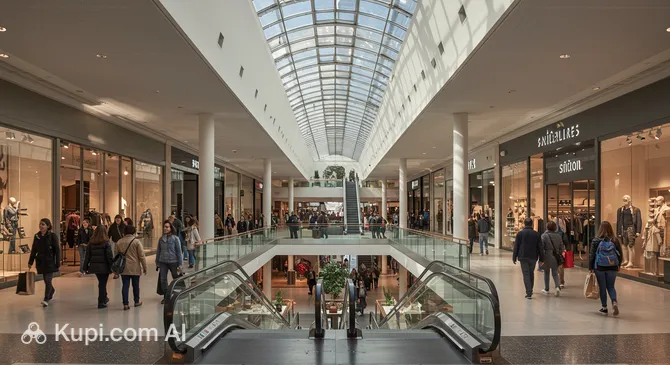
For a more concentrated shopping experience, the Cordeliers Shopping Center is the premier destination in the heart of the city. This modern passage, seamlessly integrated into the historic urban fabric, houses numerous brand-name retailers, a supermarket, and several eateries. It serves as a convenient hub for locals and tourists alike, offering a sheltered space to browse the latest collections or pick up daily essentials.

Cordeliers Shopping Center. Source: Kupi.Binoculars

No visit to a French city is complete without exploring its local markets, and Poitiers is no exception. The market at Place du Marché-Notre-Dame is a vibrant focal point, held in the shadow of the famous church. Here, stalls overflow with fresh regional produce, including the celebrated goat cheeses of the region, seasonal fruits, and artisanal meats. It is the perfect place to mingle with residents and discover the authentic flavors of Poitou.

When it comes to souvenirs, gastronomy tops the list. Visitors often look for the Broyé du Poitou, a rich, buttery flatbread cookie that travels well and makes for a delicious gift. Local wines from the Haut-Poitou vineyards and bottles of Pineau des Charentes are also popular choices. For non-food items, the artisan shops in the Grand'Rue often feature handmade crafts, jewelry, and regional specialties, reflecting the city's craftsmanship.

Most shops in the city center are open from Monday to Saturday, typically from 10:00 AM to 7:00 PM. However, it is important to remember that many smaller independent boutiques may close for a lunch break between 12:30 PM and 2:00 PM. On Sundays, the city is quieter, though food markets and some bakeries remain open in the morning, allowing for a relaxed start to the day.

Reached the end of the page?

That means the route is fully explored