Support

Périgueux

About

Welcome to Périgueux, the historic capital of the Dordogne department and a jewel of the Périgord Blanc. Situated in the Nouvelle-Aquitaine region of France, this city is renowned for its exceptional architectural heritage and its vibrant gastronomic scene. With a population of approximately 30,000 inhabitants, it offers a lively yet relaxed atmosphere, making it a perfect destination for travelers seeking authenticity and culture.

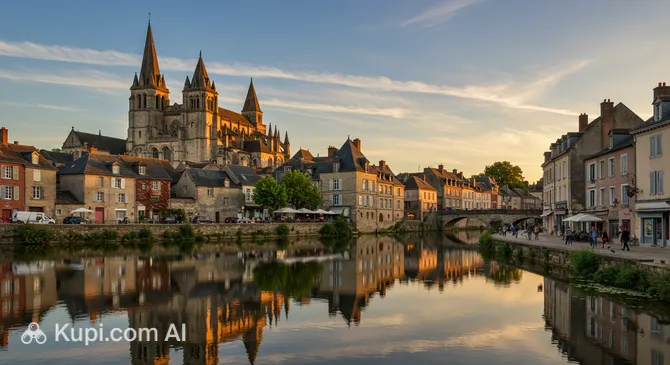
Périgueux. Source: Kupi.Binoculars

The city is unique in that it showcases two distinct historical centers: the medieval and Renaissance district known as Puy-Saint-Front, and the ancient Roman city of Vesunna. Visitors fascinated by the past should explore the history of Périgueux to fully appreciate its evolution over two millennia. A standout landmark is the majestic Saint-Front Cathedral, a UNESCO World Heritage site recognized for its striking Byzantine-style domes that dominate the skyline.

Beyond its monuments, Périgueux is a paradise for food lovers, famous for local delicacies like foie gras and truffles found in its bustling markets. Whether you are strolling through the ruins of the Vesunna Gallo-Roman Museum or enjoying a meal in a quaint square, the city promises an unforgettable experience. We invite you to discover the charm and elegance of this captivating French destination.

Weather Overview

The climate in this region is characterized by distinct seasons, offering a pleasant atmosphere for most of the year. To ensure you pack the right clothing for your trip, it is advisable to check the current weather in Périgueux before you travel. Generally, the city experiences warm, sunny summers and cool winters with regular rainfall spread throughout the seasons.

During the peak summer months of July and August, the weather is ideal for outdoor activities, with average temperatures hovering around 22°C and daytime highs frequently reaching up to 27°C. This period is also the driest, particularly August, which typically records only about 7 wet days. In contrast, winters are cooler, with January seeing average temperatures dip to 6.0°C and minimums around 3.1°C. Rainfall becomes more frequent during the colder months and early spring; for instance, December and March can experience up to 15 wet days, so carrying an umbrella is recommended if you visit during this time.

Interesting Facts

Beyond the main attractions, Périgueux holds many fascinating secrets that reveal layers of history hidden in plain sight. From architectural inspirations to ancient Roman remnants repurposed for modern leisure, the city offers plenty of surprises for the curious traveler.

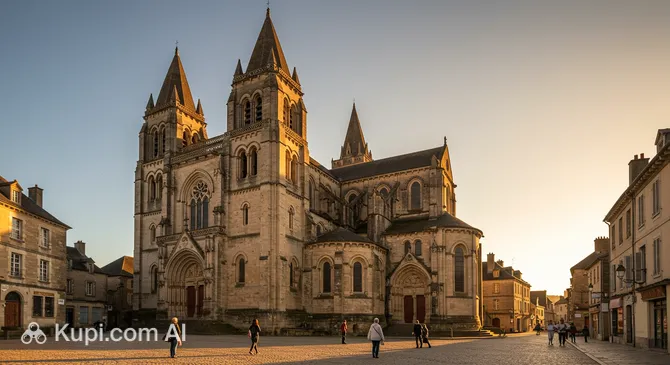
Périgueux Cathedral. Source: Kupi.Binoculars
  • The majestic Périgueux Cathedral served as a direct inspiration for the famous Sacré-Cœur Basilica in Paris. Architect Paul Abadie restored this Byzantine-style masterpiece in the 19th century before using similar design elements, particularly the distinctive domes and cupolas, for the iconic Parisian church.

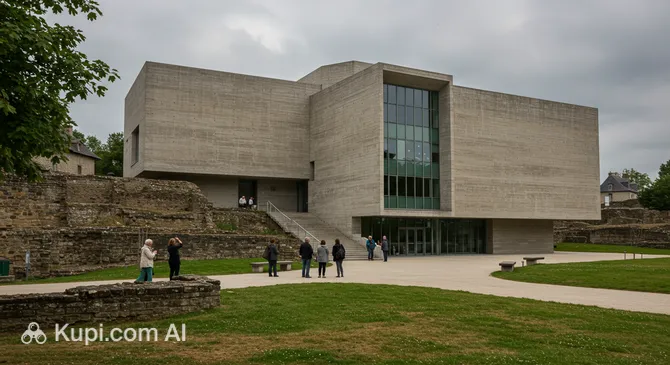
  • The VESUNNA Gallo-Roman Museum is a unique architectural feat designed by the renowned architect Jean Nouvel, who grew up in the region. The modern glass structure hovers over the ancient domus to protect the ruins without touching the original Roman walls, creating a seamless blend of antiquity and modernity.

  • The Square of the Arenas is a peaceful public garden today, but it is actually situated inside the ruins of a Roman amphitheater. In ancient times, this massive structure could hold approximately 20,000 spectators, a capacity that rivals the population of the modern city.

  • For centuries, the area consisted of two separate and rival towns: "La Cité," built on Roman ruins, and "Le Puy-Saint-Front," the merchant quarter around the religious site. They only officially merged in 1240 to form the single entity of Périgueux, which explains the two distinct historical centers visible today.

How to Get There

Reaching this charming destination in the Dordogne is straightforward, with several transport options available through nearby major cities. For a detailed breakdown of routes and travel tips, you can read more about how to get to Périgueux.

The city of Périgueux does not have its own airport, but it is well-served by regional and international hubs located in neighboring cities. The most significant gateway for international travelers is Bordeaux Airport (IATA: BOD), situated in Bordeaux, approximately 120 km from Périgueux. A transfer by taxi or car from this major hub generally takes around 1 hour and 30 minutes via the A89 motorway. Alternatively, Roumanières Airport (EGC) in Bergerac is the closest option, located just 43 km away, with a travel time of about 45 to 50 minutes. Travelers may also consider Bellegarde Airport (LIG) in Limoges, which is roughly 83 km from the city center and accessible in approximately 1 hour and 15 minutes by road.

For clarity, here is a summary of the main airports:

Airport Name City Passenger Traffic Km from City
Bordeaux AirportBordeauxLarge120.3
Bellegarde AirportLimogesMedium83.4
Roumanières AirportBergeracMedium43.0
Laroche AirportBrive-la-GaillardeSmall61.8
Aurillac AirportAurillacSmall137.4

If you prefer traveling by rail, the region is accessible through several key railway hubs in the surrounding area. Although Périgueux has its own local connections, long-distance travelers often arrive at Bordeaux Saint-Jean Station in the city of Bordeaux, which is about 109 km from Périgueux. From there, you can catch a connecting regional train or arrange a transfer by road, which typically takes around 1 hour and 20 minutes. Another significant hub is Matabiau Station in Toulouse, located roughly 184 km away.

Below is a list of the nearest major railway stations:

Station City Passenger Traffic Km to Center
Bordeaux Saint-Jean StationBordeauxVery Large108.6
Matabiau StationToulouseLarge184.0
Poitiers Railway StationPoitiersLarge158.5
Agen Railway StationAgenMedium108.6
Montauban Railway StationMontaubanMedium138.5

Main Attractions

Périgueux is a destination where history is etched into every stone, offering visitors a captivating journey through two distinct eras: the Gallo-Roman period and the Middle Ages. The city's architectural heritage is vast, but several key sites stand out as essential visits for anyone wishing to understand the soul of the Périgord capital.

A true masterpiece of architecture, the Périgueux Cathedral (Saint-Front) is the most iconic symbol of the city. Listed as a UNESCO World Heritage site as part of the Routes of Santiago de Compostela, this imposing structure is famous for its five Byzantine-inspired domes. Visitors can admire the grandeur of its interior, which features a Greek cross layout and magnificent chandeliers, offering a sense of spiritual awe and historical continuity.

VESUNNA Gallo-Roman Museum. Source: Kupi.Binoculars

To step further back in time, the VESUNNA Gallo-Roman Museum provides an exceptional experience. Built directly over the remains of a wealthy Roman residence, the "Domus of Vésone," this museum allows you to view ancient murals, heating systems, and daily artifacts from suspended walkways. The building itself is a modern marvel of glass and steel that shelters the ruins while offering views of the surrounding park, perfectly blending the ancient and the contemporary.

Another fascinating location is the Square of the Arenas, a public garden with a unique twist. It is situated within the surviving walls of a 2nd-century Roman amphitheater. Where gladiators once fought, visitors can now enjoy a peaceful retreat among fountains, trees, and ancient stones. It is a picturesque spot that beautifully illustrates how Périgueux has integrated its rich past into modern daily life.

Local Cuisine

Local Cuisine:

As the capital of the Périgord region, Périgueux is a premier destination for gastronomy lovers, offering a cuisine that is as rich as its history. The local culinary tradition is deeply rooted in the land, with a strong emphasis on duck and goose dishes. Visitors simply must try the region's signature foie gras, which is served in various forms, from fresh pan-seared slices to delicate terrines. Other staples include confit de canard (slow-cooked duck leg) and magret (duck breast), often accompanied by potatoes sautéed in goose fat with garlic and parsley.

The area is also famous for the "black diamond" of French cuisine: the black truffle. Harvested in the winter months, these aromatic fungi transform simple omelets and pastas into gourmet masterpieces. Beyond savory dishes, the region produces exceptional walnuts, used in salads, oils, and the traditional gâteau aux noix (walnut cake), as well as sweet strawberries from the nearby valleys in spring.

Dining out in the city offers a chance to experience these flavors firsthand. One popular establishment is Hercule Poireau, where the menu reflects a commitment to traditional French cooking. The restaurant provides a welcoming atmosphere for travelers eager to taste authentic regional dishes prepared with care.

For those seeking a refined culinary experience, L'Epicurien is another excellent choice. This restaurant is known for its creative approach to local ingredients, offering a menu that changes with the seasons to highlight the freshest produce available in the Dordogne department.

Finally, to truly understand the local food culture, a visit to the city's markets is essential. The markets in Périgueux, particularly the ones held on Wednesday and Saturday mornings around the Saint-Front Cathedral, are bustling with vendors selling fresh goat cheese like Cabécou, farm-fresh poultry, and seasonal fruits, providing a feast for the senses.

Travel Tips

Visiting Périgueux offers a delightful blend of history and gastronomy, but a little preparation goes a long way to ensure a smooth trip. Here are some practical tips to help you navigate the capital of the Dordogne with ease and confidence.

  1. Pack for comfort and versatility. The medieval streets of the Puy-Saint-Front district are paved with cobblestones, so sturdy, flat walking shoes are essential for exploring. Summers can be warm, requiring light fabrics and sun protection, while winters are often damp, making a waterproof jacket and umbrella necessary. If you plan to enter Saint-Front Cathedral, remember to dress modestly with shoulders and knees covered.

  2. Explore the center on foot. The historic heart of the city is compact and pedestrian-friendly, making walking the best way to get around. For trips to the outskirts, the local Péribus bus network is reliable and affordable. While a car is not needed within the city, renting one is highly recommended if you wish to explore the wider Dordogne region; use designated underground parking lots like Montaigne or Francheville to avoid parking hassles.

  3. Carry cash for local markets. While major credit cards (Visa and Mastercard) are widely accepted in restaurants and shops, smaller vendors at the open-air markets often prefer cash. The currency is the Euro (€). Tipping is not mandatory in France as service is included in the bill, but leaving small change or rounding up is a polite gesture for good service.

  4. Stay safe and know where to find help. Périgueux is generally a very safe city for tourists, but standard precautions against pickpocketing should be taken in crowded areas like the Saturday market. Pharmacies are easily identified by a flashing green cross and are excellent first stops for minor health issues. For serious emergencies, dial 112 for assistance.

  5. Master a few French phrases. While English is spoken in hotels and major tourist sites, it is not universally understood by older locals or in smaller boutiques. Learning basic greetings like Bonjour (Hello), S'il vous plaît (Please), and Merci (Thank you) is considered essential politeness and will make your interactions much friendlier.

  6. Respect local manners and meal times. It is customary to greet shopkeepers with a polite "Bonjour" upon entering a store and to say goodbye when leaving. Be aware that lunch is typically served strictly between 12:00 PM and 2:00 PM. attempting to find a full meal outside these hours can be difficult, as many kitchens close until dinner service starts around 7:00 PM or 7:30 PM.

  7. Don't handle market produce without asking. When visiting the famous local markets, avoid touching the fruit, vegetables, or other fresh goods yourself. It is considered impolite in French market culture; instead, greet the vendor and ask for what you want, or wait for them to serve you.

  8. Plan around market days. To experience the city at its most vibrant, try to be there on a Wednesday or Saturday morning. These are the main market days when the squares around the cathedral fill with stalls selling regional specialties like truffles, foie gras, and walnuts, offering a perfect opportunity to mingle with locals.

By keeping these practical details in mind, you will be well-equipped to enjoy everything Périgueux has to offer without stress. Relax, savor the exquisite local food, and immerse yourself in the timeless charm of this beautiful French destination.

Entertainment & Nightlife

The nightlife in Périgueux reflects the city's overall character: welcoming, intimate, and deeply rooted in the pleasure of socializing. Unlike the frenetic pace of larger metropolises, the evening scene here is centered around conviviality, where locals and visitors gather to enjoy good wine, conversation, and the historic ambiance. The atmosphere is generally relaxed and casual, making it easy for travelers to blend in without needing a strict dress code.

The heart of the action is found in the medieval district, particularly around the lively Place Saint-Silain and Place du Marché au Bois. As the sun sets, these cobblestone squares fill with a mix of students, young professionals, and tourists. In the warmer months, the terraces are packed until late, while in winter, the crowds move into the cozy interiors of the numerous pubs and wine bars that line the narrow streets of the old town. For a vibrant night out, these pedestrian-friendly areas are the best places to start.

Dining is an integral part of the evening entertainment in the Périgord. A night out often begins with a long, leisurely meal at one of the city's traditional establishments. Hercule Poireau is a popular choice for those seeking a warm atmosphere and hearty regional dishes to kick off the night. After dinner, visitors can explore the local bar scene, which ranges from sophisticated venues serving local vintages to energetic Irish-style pubs that often host live music sessions on weekends.

Regarding safety and logistics, the city center is compact and well-lit, making it safe for walking at night. However, public transport options like the bus network stop running relatively early in the evening. If you are staying outside the immediate center, relying on taxis is the best option. Be aware that hailing a cab on the street can be difficult late at night; it is highly advisable to save the number of a local taxi service and book your ride in advance to ensure a smooth return to your accommodation.

For those looking for entertainment during the day, the city offers more than just historical sites. Cultural enthusiasts can enjoy performances at the local theaters, while shoppers can venture slightly out of the center to La Feuilleraie Shopping Center. This large complex provides a modern contrast to the old town, offering a wide variety of stores, boutiques, and amenities perfect for a leisurely afternoon of browsing before the evening festivities begin.

Parks & Museums

Périgueux offers a compelling mix of cultural institutions and green spaces that reflect its dual identity as a Roman city and a medieval capital. For history enthusiasts, the museum scene is dominated by the exceptional VESUNNA Gallo-Roman Museum. Located in the heart of the ancient city, this museum is unique because it is built directly over the excavated remains of a large Roman home, the Domus of Vésone.

Designed by the famous architect Jean Nouvel, the building features a large glass umbrella that protects the archaeological site while allowing natural light to illuminate the ancient walls and murals. Visitors can walk on elevated wooden gangways to observe the rooms, heating systems, and daily objects of the Gallo-Roman era from above. It provides a fascinating immersion into the lifestyle of the city's ancestors without disturbing the ruins.

When it comes to parks, the city seamlessly blends history with nature. The most famous green space is the Square of the Arenas (Jardin des Arènes). As its name suggests, this public garden is nestled inside the crumbling walls of the ancient Roman amphitheater. It is a favorite spot for locals to relax, offering a picturesque setting where fountains and trees are surrounded by 2,000-year-old stonework.

Beyond the historical gardens, Périgueux is crossed by the Isle River, which offers lovely opportunities for outdoor recreation. The banks of the river have been developed into the "Voie Verte" (Green Way), a path perfect for walking, jogging, or cycling. This scenic route allows visitors to admire the cathedral and the city's skyline from a different perspective while enjoying the tranquility of the waterside.

Getting Around

The public transport system in Périgueux is compact, efficient, and perfectly tailored to the size of the city. Managed by the Péribus network, it primarily consists of a comprehensive bus service that connects the historic center with the surrounding suburbs and the wider Grand Périgueux area. Since the city does not have a metro or tram system, these buses are the main mode of motorized transit for locals and visitors alike.

The network revolves around the central hub at Place Montaigne, where most major lines converge. For tourists wishing to explore the narrow, winding streets of the medieval district without walking long distances, the city offers a dedicated electric shuttle service known as the Navette Cœur de Ville. This small, agile bus loops through the historic center, providing easy access to key attractions and shopping areas where larger vehicles cannot pass.

Paying for your journey is straightforward. Travelers can purchase single-trip tickets directly from the driver upon boarding, though it is often slightly cheaper to buy them in advance. Tickets and travel passes (such as books of 10 trips) are available at the Péribus agency located near Place Montaigne, as well as at authorized tobacconists (tabacs) throughout the city. For added convenience, you can also use the Modalis mobile app to buy and validate digital tickets directly on your smartphone.

When using the bus, remember to validate your ticket immediately upon entering the vehicle to avoid fines. The buses typically operate from early morning, around 6:30 AM, until approximately 8:00 PM. However, visitors should be aware that service is significantly reduced on Sundays and public holidays, so it is wise to check the timetables in advance if you plan to travel on these days.

Given the pedestrian-friendly nature of the Puy-Saint-Front district, walking remains the most popular and practical way to see the sights. For those who prefer two wheels, the city offers a bike rental service called Périvélo, which is a great way to ride along the "Voie Verte" by the river. Taxis are also available but are rarely hailed on the street; it is best to book one by phone or find a designated taxi rank near the train station or major squares.

Accommodation

Finding the perfect place to stay in Périgueux is a straightforward and pleasant experience, with options ranging from charming guesthouses to functional modern hotels. The city does not typically feature massive luxury resorts; instead, the accommodation scene focuses on character and hospitality. Visitors can choose from traditional hotels, cozy bed and breakfasts (known locally as chambres d'hôtes), and an increasing number of furnished apartments and vacation rentals, which are ideal for families or longer stays.

For those who want to immerse themselves in the city's atmosphere, the most popular area to stay is the medieval district, particularly around the Périgueux Cathedral. Staying in this neighborhood places you right on the doorstep of the bustling markets, restaurants, and pedestrian streets. Alternatively, the area surrounding the train station offers practical convenience for travelers relying on public transport, while the quieter neighborhoods near the Gallo-Roman ruins provide a more tranquil setting just a short walk from the center.

Accommodation prices in the city are generally reasonable and offer good value compared to larger French tourist hubs. Travelers can expect a range of budget to mid-range options, with prices rising slightly for boutique establishments in historic buildings. Booking can easily be done through major online platforms, although contacting smaller guesthouses directly is also a common and effective way to secure a room.

Booking Tip: As the capital of the Dordogne, Périgueux is a key stop for many tourists exploring the region. Consequently, hotels can fill up quickly during the peak summer season of July and August. It is highly advisable to book your accommodation several months in advance if you plan to visit during this period to ensure the best choice of location and rates.

Nearby Cities

For those looking to explore the surroundings, Périgueux serves as an excellent base for day trips to several interesting nearby locations.

Located just a short drive to the south, Bergerac is a delightful destination famous for its vineyards and its association with the legendary literary figure Cyrano. Visitors can stroll through its charming old town, which features half-timbered houses and scenic views along the Dordogne River. To the west lies Angoulême, a city celebrated internationally as the capital of comic strips. Perched on a plateau overlooking the Charente River, it offers a unique blend of history and modern art, with painted murals decorating many building facades and a stunning Romanesque cathedral. For those interested in fine crafts, Limoges is renowned worldwide for its exquisite porcelain and enamels, offering a rich cultural heritage alongside its medieval streets.

City Population Distance (km)
Bergerac2682341
Brive-la-Gaillarde4663063
Angoulême4171168
Libourne2451182
Limoges13147984

These nearby destinations offer a glimpse into the diverse culture and landscapes of the region.

Shopping & Souvenirs

Shopping in Périgueux is a delightful experience that perfectly mirrors the city's blend of historic charm and modern vitality. Visitors will find a wide range of options, from quaint artisan boutiques nestled in medieval buildings to contemporary retail centers. The city is particularly renowned for its gastronomic products, making it a paradise for foodies looking to take a piece of the Périgord region home with them.

The heart of the shopping district is located in the pedestrianized streets of the old town, particularly around the Puy-Saint-Front district. Rue Limogeanne is arguably the most famous shopping street, lined with a variety of independent clothing stores, jewelry shops, and home decor boutiques. Strolling down this cobblestone lane allows you to browse high-quality goods while admiring the Renaissance architecture. Nearby, the Place de la Clautre and Place du Coderc are surrounded by specialty food shops and cafes, creating a lively atmosphere for shoppers.

For those seeking major international brands and a more extensive retail experience, the city's outskirts offer larger commercial zones. The most prominent destination is La Feuilleraie Shopping Center, located just a short drive from the center in the suburb of Trélissac. This large complex features a vast hypermarket alongside a gallery of numerous fashion, beauty, and electronics stores, providing a convenient one-stop location for all general needs.

No shopping trip to Périgueux would be complete without visiting its legendary markets. They are an institution in the region, serving as the social and commercial hub of the city. The open-air markets held on Wednesday and Saturday mornings are the largest, filling the squares around the cathedral with stalls selling fresh produce, flowers, and clothes. In the winter months (November to March), the city hosts the famous "Marché au Gras" (Fat Duck Market), where producers sell the finest foie gras and duck confit directly to the public.

When it comes to souvenirs, local gastronomy tops the list. Typical items to bring back include jars of foie gras, truffles, and walnut oil, which are staples of the local diet. The region is also known for its walnut-based sweets and cakes. For non-food items, look for local handicrafts such as pottery or items made from walnut wood. Wine enthusiasts will also appreciate a bottle of Monbazillac or Bergerac from the nearby vineyards.

Standard shopping hours in the city generally run from 10:00 AM to 7:00 PM, Monday through Saturday. However, visitors should be aware that many smaller independent boutiques in the historic center may close for a lunch break between 12:00 PM and 2:00 PM. Most shops are closed on Sundays, although some food markets and bakeries remain open in the morning. Payment by credit card (Visa and Mastercard) is widely accepted in stores, but it is advisable to carry cash for small transactions at the open-air markets.

For travelers residing outside the European Union, a tax refund (VAT) may be available on purchases exceeding a certain amount in a single store, typically around €100. Look for the "Tax-Free Shopping" sign in store windows and ask the merchant for a tax refund form at the time of purchase to claim this benefit at the airport upon departure.
Reached the end of the page?

That means the route is fully explored