Support

Mont-de-Marsan

About

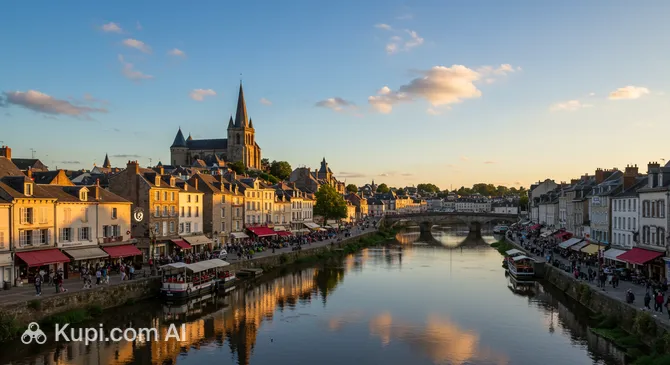
Nestled in the heart of the Landes department in the Nouvelle-Aquitaine region, Mont-de-Marsan is a charming destination often referred to as the "City of Three Rivers." This vibrant town in France is situated at the confluence of the Midou and Douze rivers, which join here to form the Midouze, giving the city a unique aquatic character and a serene atmosphere.

With a population of approximately 30,000 residents, the city offers a perfect blend of urban amenities and natural beauty. It serves as a gateway to the massive Landes de Gascogne forest, providing visitors with a picturesque backdrop and a mild, pleasant climate that is ideal for outdoor exploration throughout the year.

Mont-de-Marsan. Source: Kupi.Binoculars

Culture enthusiasts will find the history of Mont-de-Marsan fascinating, particularly its evolution from a fortified medieval town to a modern cultural hub. Today, it is renowned for its artistic heritage, most notably the Despiau-Wlérick Museum. Housed in a 14th-century keep, this museum is dedicated to figurative sculpture and features impressive works by local artists Charles Despiau and Robert Wlérick.

Beyond its art, the city is a haven for nature lovers and festive spirits. The Parc Jean-Rameau offers lush gardens and peaceful walking paths, while the annual Madeleine Festival brings the streets to life with traditional music, festivities, and local gastronomy. Whether you are seeking artistic inspiration or a relaxing getaway, Mont-de-Marsan invites you to discover its hidden treasures.

Weather Overview

Travelers to Mont-de-Marsan can expect a temperate climate with distinct seasonal variations that cater to different travel preferences. The summer months of July and August are typically the warmest, boasting average highs near 29°C and daily averages around 23°C. This period is also the driest, with only about 8 wet days per month, making it an excellent time for outdoor exploration.

The colder months bring cooler air, with January temperatures averaging 7.2°C and lows dipping to around 3.6°C. Rainfall is fairly distributed throughout the year, though spring often sees a higher frequency of precipitation, with March and May experiencing up to 15 wet days. To help plan your activities around these conditions, you can consult the detailed guide to the weather in Mont-de-Marsan. Expect warm summers with occasional rain and cool, damp winters.

Interesting Facts

Here are some interesting facts to help you get to know Mont-de-Marsan better:

  • Capital of Sculpture: Mont-de-Marsan is widely known as the "Capital of Figurative Sculpture" in France. This artistic heritage is not limited to museums; statues and artworks adorn the city's streets and squares, creating an open-air gallery atmosphere for pedestrians.
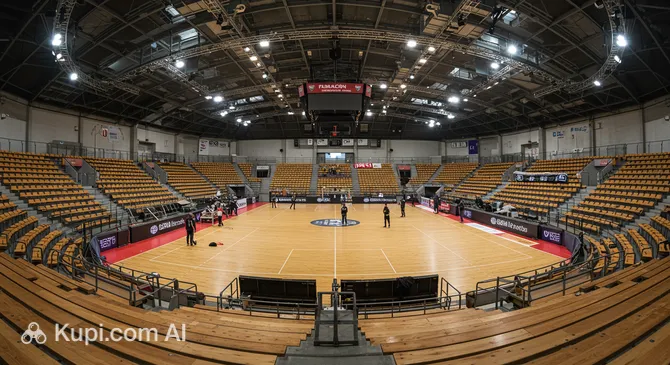
  • A Bullfighting Stronghold: The city is a guardian of the "Course Landaise," a traditional regional sport that involves dodging cows rather than injuring them. The majestic Plumaçon Arena serves as the premier venue for these events, particularly during the lively Madeleine Festival.
  • Green Excellence: Mont-de-Marsan has been awarded the prestigious "4 Flowers" label, the highest rating in the Villes et Villages Fleuris competition. Visitors can experience this commitment to nature at the Jean Rameau Park, which features vibrant floral displays and a remarkable collection of ferns.
  • Wildlife in the City: For a family-friendly outing, the Nahuques Animal Park offers free access to a large green space where wallabies, emus, llamas, and other animals roam. It creates a unique opportunity to observe wildlife within the city limits.
  • Strategic Air Base: The city is home to Air Base 118 "Colonel Rozanoff," one of the most important facilities for the French Air and Space Force. Created in 1911, this historic base is a key part of the local identity and economy, hosting various strategic units.
Plumaçon Arena. Source: Kupi.Binoculars

How to Get There

Reaching Mont-de-Marsan is the first step to enjoying the rich culture and natural beauty of the Landes department. Whether you are traveling by air or rail, there are several convenient options to reach this charming destination. You can find detailed information and more about how to get to Mont-de-Marsan on our dedicated page.

The city does not have its own commercial airport, but it is well-served by several regional and international hubs located nearby. The closest option is Pau Pyrénées International Airport (PUF) in the city of Pau, situated approximately 57.4 km away. The journey from there by taxi or bus typically takes around 1 hour and 45 minutes. For a wider range of international flights, many travelers choose Bordeaux Airport (BOD) in Bordeaux. Although it is located about 105.3 km from Mont-de-Marsan, it is a large hub with extensive connections; the transfer time is approximately 3 hours. Another viable option is Biarritz - Anglet - Bayonne Airport (BIQ) in Biarritz, roughly 95.1 km away, with a travel time of about 2 hours and 40 minutes.

For clarity, here is a summary of the main airports:

Airport Name City Passenger Traffic Km from City
Bordeaux Airport Bordeaux Large 105.3
Biarritz - Anglet - Bayonne Airport Biarritz Medium 95.1
San Sebastian Airport San Sebastian Medium 120.1
Tarbes Ossun Lourdes Airport Lourdes Medium 88.3
Pau Pyrénées International Airport Pau Small 57.4

If you prefer traveling by train, you can access the region via major railway hubs, although the main high-speed lines serve neighboring cities. A primary gateway is Bordeaux Saint-Jean Station in the city of Bordeaux, which is about 103.7 km from Mont-de-Marsan. From there, you can catch a connecting regional train or take a taxi, which takes approximately 3 hours. Alternatively, Agen Railway Station in Agen is located about 96.3 km away, offering another route into the area with a transfer time of around 2 hours and 45 minutes.

Below is a list of nearby railway stations that facilitate travel to the area:

Station City Passenger Traffic Km to Center
Bordeaux Saint-Jean Station Bordeaux Very High 103.7
San Sebastian Railway Station San Sebastian High 135.4
Agen Railway Station Agen High 96.3
Montauban Railway Station Montauban Medium 151.4
St-Jean-de-Luz-Ciboure Railway Station Saint-Jean-de-Luz Medium 109.4

Main Attractions

Mont-de-Marsan is a city where nature and heritage blend seamlessly, offering visitors a variety of engaging sites to explore. From lush gardens to historic landmarks, the local attractions reflect the city's relaxed pace of life and its rich cultural identity in the Landes region.

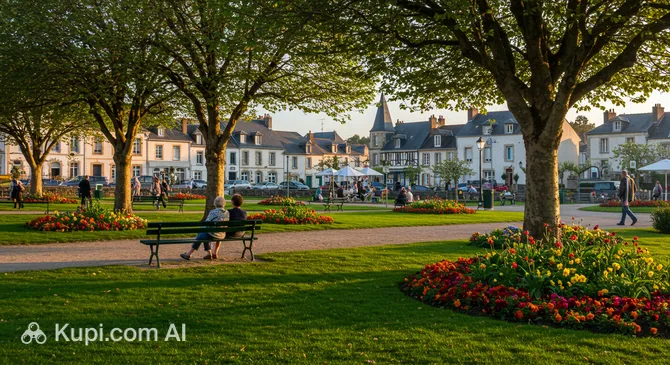
One of the most beloved green spaces in the city is the Jean Rameau Park. Spanning six hectares along the river, this botanical gem is perfect for a leisurely stroll. It features a stunning collection of plants, including a Japanese garden and majestic centuries-old trees. Beyond its flora, the park serves as an open-air gallery, showcasing sculptures by local artists, making it a peaceful retreat for both nature lovers and art enthusiasts.

Jean Rameau Park. Source: Kupi.Binoculars

For those interested in local traditions, the Plumaçon Arena is an essential stop. Inaugurated in 1889, this impressive bullring is the beating heart of the city's festive spirit, particularly during the famous Madeleine Festival. Even when no events are scheduled, the architecture of the arena stands as a testament to the region's deep-rooted passion for the "Course Landaise" and bullfighting culture.

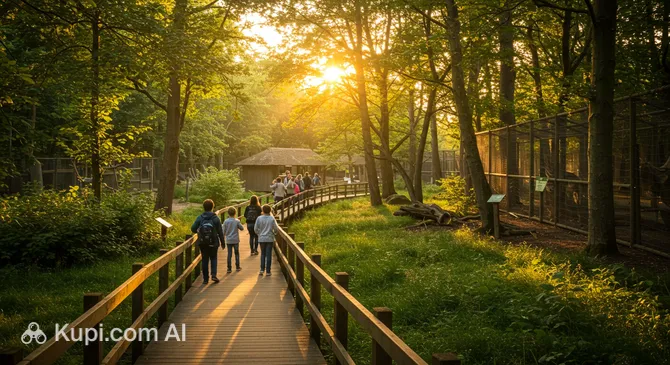
Families traveling with children will find the Nahuques Animal Park to be a delightful experience. This expansive park allows visitors to see a variety of animals, such as llamas, emus, wallabies, and goats, in a natural setting. With free entry, large playgrounds, and shaded picnic areas, it provides a perfect environment for a relaxing afternoon outdoors.

Nahuques Animal Park. Source: Kupi.Binoculars

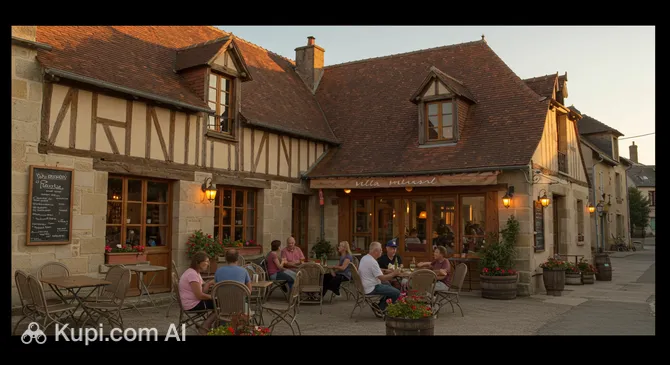
Dining and history come together at the Villa Mirasol. Situated on the banks of the river, this Belle Époque residence is more than just a restaurant; it is an architectural landmark that captures the elegance of the early 20th century. Visitors are drawn here not only for the fine cuisine but also to admire the beautifully restored building and its scenic views over the water.

Local Cuisine

The local cuisine of Mont-de-Marsan is a true celebration of the Gascony region, renowned across France for its richness, generosity, and deep respect for tradition. Located in the heart of the Landes department, the city's gastronomy revolves heavily around farm-raised poultry, particularly duck, which is prepared in numerous delicious ways. Visitors can expect hearty meals that reflect the agricultural abundance of the surrounding countryside, where flavor and quality ingredients are paramount.

No culinary journey here is complete without tasting the iconic foie gras, often served as a starter with fig jam or warm toast. Another staple is the magret de canard (duck breast), typically grilled to perfection, and the savory confit de canard, where the meat is slow-cooked in its own fat until tender. For a lighter but equally authentic option, the Salade Landaise is a local favorite. This substantial salad features duck gizzards, cured ham, pine nuts, and sometimes foie gras, offering a perfect introduction to the region's flavors on a single plate.

Those with a sweet tooth should look for the Pastis Landais, a dense and flavorful brioche often scented with anise, rum, or orange blossom. It is traditionally eaten as a dessert or with coffee. Another delicacy is the Tourtière, a flaky apple pie flavored with Armagnac, featuring thin layers of crisp dough. To accompany these dishes, locals often enjoy Floc de Gascogne, a sweet aperitif made from grape juice and young Armagnac, or a glass of robust Tursan wine.

Villa Mirasol. Source: Kupi.Binoculars

The food culture in Mont-de-Marsan is vibrant and social, centered around the bustling Saint-Roch Market held on Tuesday and Saturday mornings. Here, locals gather to buy fresh produce, including the famous asparagus of the Landes sands and sweet Adour kiwis. For a refined dining experience that highlights these local products, visitors can reserve a table at the Villa Mirasol, a restaurant celebrated for its ability to blend traditional recipes with modern culinary techniques. Whether eating at a lively market stall or an elegant establishment, the spirit of conviviality is always on the menu.

Travel Tips

Visiting Mont-de-Marsan offers a delightful immersion into the relaxed lifestyle of the Landes region, but a little preparation goes a long way in ensuring a smooth trip. To help you navigate the "City of Three Rivers" like a local, here are some practical tips covering everything from getting around to mastering local etiquette.

  1. Clothing and Gear: Since the city is best explored on foot, particularly to admire its numerous sculptures and parks, bring comfortable walking shoes. The climate is generally temperate, but the weather can be changeable; pack light, breathable clothing for the warm summers and a waterproof jacket or umbrella for the wetter spring and autumn months. If you plan to visit religious sites like the Madeleine Church, modest attire covering shoulders and knees is respectful.
  2. Transportation: The city center of Mont-de-Marsan is compact and pedestrian-friendly, making walking the most pleasant way to get around. For longer distances, the local bus network, TMA (Transports de Marsan Agglomération), offers reliable service throughout the city and its suburbs. While taxis are available, they usually need to be booked in advance. Renting a car is highly recommended if you intend to explore the surrounding Landes forest or visit the nearby Atlantic coast.
  3. Finances: The local currency is the Euro (€). Credit and debit cards (Visa and Mastercard) are widely accepted in hotels, restaurants, and most shops. However, it is wise to carry some cash for small purchases, especially if you plan to visit the Saint-Roch market or buy a coffee at a small bar. ATMs are plentiful in the city center. Tipping is not mandatory as service is included, but leaving small change for good service is a common gesture.
  4. Health and Safety: Mont-de-Marsan is a very safe city for tourists. Pharmacies are easily recognized by a flashing green cross and are well-stocked; they operate on a rotation system for after-hours emergencies. For any serious medical or safety emergencies, dial 112, the universal European emergency number. In summer, mosquito repellent can be useful, especially if you are spending evenings near the rivers or in the parks.
  5. Communication: French is the official language. While staff in hotels and major tourist spots often speak English, it is less common in smaller shops or among older residents. Learning a few basic phrases like "Bonjour" (Hello), "Merci" (Thank you), and "S'il vous plaît" (Please) will be greatly appreciated and can open many doors. Free Wi-Fi is often available in public spaces and cafes, but checking your roaming plan or buying a local SIM card at a tobacco shop (tabac) is a good idea for reliable connectivity.
  6. Local Etiquette: Politeness is paramount in French culture. Always greet shopkeepers with a polite "Bonjour" upon entering and "Au revoir" when leaving; failing to do so can be considered rude. When dining, remember that lunch is typically taken between 12:00 PM and 2:00 PM, and dinner starts around 7:30 PM or 8:00 PM. It is customary to speak at a moderate volume in public places to respect the tranquility of others.
  7. What to Avoid: Do not expect shops and businesses to be open during the lunch break (usually 12:00 PM to 2:00 PM), as many smaller establishments close for this period. Additionally, at the open-air markets, avoid touching the produce yourself unless invited to do so; it is better to ask the vendor to select the items for you.
  8. Shopping Insight: If you are looking for authentic souvenirs, focus on local gastronomy. Products like canned foie gras, Floc de Gascogne, or Armagnac make excellent gifts. Visit the local markets or specialized delicatessens (épiceries fines) in the city center for the best quality products directly from the producers.

By keeping these practicalities in mind, you will be well-equipped to enjoy the authentic charm and warm hospitality of Mont-de-Marsan. Whether you are strolling through the Jean Rameau Park or savoring a duck breast at a riverside restaurant, these tips will help you relax and focus on creating wonderful memories.

Entertainment & Nightlife

While Mont-de-Marsan is not known for a frenetic clubbing scene comparable to larger metropolises, it offers a warm and convivial nightlife that reflects the welcoming spirit of the Landes region. The evening entertainment here is centered around socializing, gastronomy, and relaxed gatherings. The atmosphere is generally laid-back, with locals enjoying long dinners that transition into drinks at nearby bars and pubs. The heart of this activity is often found in the city center, particularly around the Place Saint-Roch and the confluence of the rivers, where terraces come alive during the warmer months.

A typical night out often begins with a leisurely meal. For those looking to move away from traditional duck dishes for an evening, Trattoria Peppe offers a delightful culinary change with its authentic Italian cuisine. It is a popular spot for locals to gather and start their evening with good food and conversation before heading out for drinks. The dress code throughout the city is casual to smart-casual; comfort is key, but a neat appearance is appreciated in restaurants and evening venues.

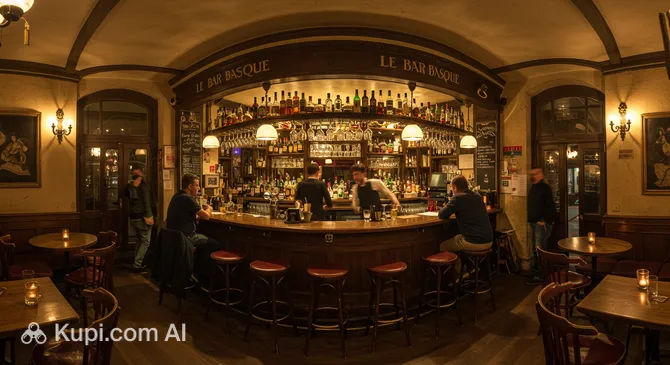
Mont-de-Marsan Bar. Source: Kupi.Binoculars

After dinner, the nightlife shifts to the various bars scattered across the town center. These venues range from cozy wine bars showcasing regional vintages to lively pubs where music and chatter fill the air. One such spot to experience the local vibe is the Mont-de-Marsan Bar, where you can mingle with residents and enjoy a refreshing drink. The nightlife here peaks on Friday and Saturday nights, though Thursday evenings can also be quite animated, especially during the university term or festive seasons.

From a practical standpoint, Mont-de-Marsan is a safe city for night walks, particularly in the well-lit pedestrian areas of the center. However, as in any city, it is wise to stay aware of your surroundings late at night. Public transport options are limited in the late evening, so if your accommodation is far from the center, it is highly recommended to book a taxi in advance, as hailing one on the street can be difficult. Prices are reasonable, but availability can be scarce during peak hours or holidays.

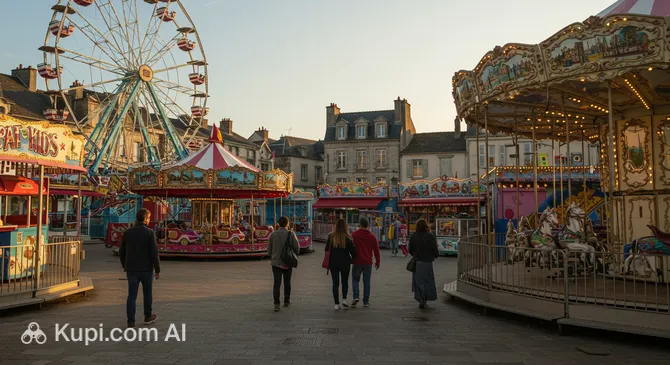
When the sun is up, the city offers a different kind of entertainment. Culture lovers can revisit the museums or enjoy a show at Le Molière theater, which hosts a variety of performances throughout the year. For families traveling with energetic children, Captain Kid's is a fantastic daytime destination. This indoor amusement park provides a safe and fun environment for kids to play, making it an excellent option for a rainy afternoon or a break from sightseeing.

Captain Kid's. Source: Kupi.Binoculars

Parks & Museums

Mont-de-Marsan is a city where nature and art coexist in perfect harmony, earning it the prestigious "4 Flowers" label and the nickname "Capital of Sculpture." Visitors are often charmed by the seamless transition from lush, manicured gardens to historic streets adorned with statues, offering a rich cultural experience that extends far beyond traditional gallery walls.

The crown jewel of the city's green spaces is the Jean Rameau Park, a six-hectare botanical treasure located along the river. This park is not just a place for a walk; it is a journey through diverse landscapes, featuring a serene Japanese garden, a remarkable collection of ferns, and vibrant hydrangea beds. At its heart stands a historic bandstand, often surrounded by locals enjoying the shade of magnificent trees, some of which are over a century old.

For a more rustic and interactive experience, the Nahuques Animal Park offers a delightful escape into the forest. Spanning nearly 23 hectares of oak groves, this park is a favorite for families and nature enthusiasts. It provides a unique opportunity to observe animals such as llamas, emus, and wallabies in semi-freedom, all while enjoying well-maintained playgrounds and picnic areas that make it perfect for a day out.

Culturally, the city is defined by the Despiau-Wlérick Museum, a site of national importance dedicated to modern figurative sculpture. Uniquely housed within the Donjon Lacataye, a striking 14th-century fortress and former keep, the museum showcases the works of two local masters, Charles Despiau and Robert Wlérick. The contrast between the medieval military architecture and the graceful, human-centered sculptures creates a compelling atmosphere that art lovers should not miss.

Another fascinating cultural venue is the Espace Patrimonial Rozanoff, which pays tribute to the city's deep connection with aviation. Located near Air Base 118, one of the most strategic bases in France, this museum offers an immersive look into military history with a collection of aircraft, uniforms, and technological exhibits. It serves as a testament to the strategic role Mont-de-Marsan has played in French aerospace history.

Beyond specific museums, the city itself serves as an open-air gallery. A stroll through the historic center reveals the Old River Port and remnants of medieval ramparts, but the true insider tip is to follow the "Sculpture Walk." This route guides you past dozens of statues placed directly in the streets and squares, allowing you to discover art in unexpected corners, from the riverbanks to the bustling Place Saint-Roch.

Getting Around

The public transport system in Mont-de-Marsan is compact, efficient, and tailored to the needs of this relatively small city. The primary mode of transit is the bus network operated by TMA (Transports Marsan Agglomération). This network consists of several urban lines that connect the city center with residential neighborhoods, the train station, and commercial zones. While there is no metro or tram system, the buses provide reliable coverage for most tourist needs, and the city center is also served by a free electric shuttle known as "La Navette," which loops through the main streets and is perfect for quick hops between attractions.

Fare options are straightforward and very affordable. A single ticket typically costs around €1.10 and is valid for one hour, allowing for transfers. For those planning to use the bus frequently, a 10-trip card offers a discount. Tickets can often be purchased directly from the driver upon boarding (usually with a small surcharge and cash only) or via SMS if you have a compatible mobile carrier. For the best rates and convenience, you can visit the TMA sales agency located near the train station or use their official mobile app, which allows you to buy tickets and check real-time schedules.

For tourists, navigating the system is simple, but it is important to keep operating hours in mind. The bus service generally runs from early morning until around 7:30 PM or 8:00 PM. Service is significantly reduced on Saturdays and is often non-existent or extremely limited on Sundays and public holidays. Therefore, if you are planning a late dinner or a weekend excursion, it is wise to check the timetables in advance on the TMA website or app. Always remember to validate your ticket immediately upon boarding to avoid fines.

Cycling is an excellent alternative for getting around, thanks to the Vélmarsan bike rental service. The city encourages soft mobility, and you can rent classic or electric bicycles for short periods, ranging from a day to a week. The flat terrain of the Landes region makes cycling a pleasure, allowing you to explore the riverbanks and parks at your own pace. Rental points are available at the multimodal exchange hub near the train station.

If you prefer private transport, taxis are available but operate differently than in major capitals. You cannot simply hail a taxi on the street; you must book one in advance by phone or through a dedicated app. This is particularly important for late-night travel when buses are not running. Additionally, while the historic center is pedestrian-friendly and best explored on foot, renting a car is recommended if you plan to venture outside the city limits to explore the surrounding forest or nearby villages.

Accommodation

Where to Stay:

Finding accommodation in Mont-de-Marsan is generally a straightforward experience, with options that cater to a variety of preferences and budgets. The city does not typically feature sprawling luxury resorts; instead, it offers a selection of charming independent hotels, reputable chain establishments, and an increasing number of bed-and-breakfasts (chambres d'hôtes) that provide a more personal touch. For those seeking more autonomy, furnished apartments and vacation rentals are also widely available throughout the town.

For the most atmospheric stay, the city center is the ideal location. Staying near the confluence of the Midou and Douze rivers places you within walking distance of the main attractions, such as the Despiau-Wlérick Museum and the pedestrian shopping streets. This area is perfect for travelers who want to enjoy the local dining scene without worrying about transportation. Alternatively, the outskirts of the city, particularly near the main access roads, host several budget-friendly chain hotels that offer convenient parking and modern amenities, making them a practical choice for those traveling by car.

Prices in Mont-de-Marsan are generally reasonable compared to larger French tourist hubs. You can expect a range from budget-friendly economy rooms to mid-range boutique suites. Booking is typically done through major online platforms, though contacting smaller, family-run establishments directly can sometimes yield better rates or special offers.

A crucial booking tip: If you plan to visit during the Madeleine Festival in July, it is essential to book your accommodation several months in advance. This event draws thousands of visitors, and hotels in the city and the surrounding area fill up very quickly. For travel during the rest of the year, reserving a few weeks ahead is usually sufficient to secure your preferred choice.

Nearby Cities

For those looking to explore the surroundings, Mont-de-Marsan serves as an excellent base for day trips to several interesting nearby locations. The region offers a rich tapestry of landscapes, from the thermal towns of the Landes to the foothills of the Pyrenees and the vibrant culture of the Basque Country.

One of the closest and most relaxing destinations is Dax, located just under 50 km away. Known as France's premier spa town, it is famous for its thermal waters and mud treatments. Beyond wellness, Dax boasts a rich Roman heritage, including ancient ramparts and the legendary Hot Fountain, as well as a bullfighting tradition that rivals that of Mont-de-Marsan.

Heading south towards the mountains, Pau offers a majestic setting with a royal past. As the birthplace of King Henry IV, the city features a stunning castle that is open to visitors. A walk along the Boulevard des Pyrénées provides breathtaking panoramic views of the mountain range, making it a perfect spot for photography and history enthusiasts alike.

For a taste of Basque culture, a trip to Bayonne is highly recommended. This vibrant city is renowned for its narrow medieval streets, half-timbered houses, and the impressive Sainte-Marie Cathedral. It is also a culinary hotspot, celebrated worldwide for its cured ham and its long tradition of chocolate making.

City Population Distance (km)
Pau 76,275 67
Bayonne 51,894 90
Tarbes 42,758 87
Auch 22,200 92
Dax 20,843 49

These nearby destinations offer a glimpse into the diverse culture and landscapes of the region, allowing travelers to experience everything from thermal relaxation to mountain vistas and Basque traditions within a short drive.

Shopping & Souvenirs

Shopping in Mont-de-Marsan offers a relaxed and authentic experience that mirrors the city's laid-back lifestyle. While it may not have the vast luxury avenues of a metropolis, the city provides a charming mix of independent boutiques, traditional artisan shops, and modern retail conveniences. Visitors will find that the shopping scene here is heavily influenced by the region's rich gastronomy, making it an excellent destination for food lovers looking to take a piece of the Landes department home with them.

The heart of the retail action is found in the pedestrian-friendly streets of the city center. Rue Gambetta serves as the main commercial artery, lined with a variety of clothing stores, beauty shops, and bookstores. This lively street, along with the lanes radiating from Place Saint-Roch, invites pedestrians to stroll comfortably while browsing through window displays. It is here that you will find the historic Galeries Lafayette department store, which remains a focal point for fashion and accessories in the town.

For a more extensive shopping spree with international brands and larger outlets, the Le Grand Moun shopping center is the go-to destination. Located just a short drive from the city center in the neighboring area of Saint-Pierre-du-Mont, this modern complex is one of the largest in the region. It features a massive hypermarket and a wide gallery of shops covering fashion, sports, home decor, and electronics, offering a convenient one-stop solution for all general needs.

Markets play a central role in the daily life of the locals, and the Saint-Roch Market is the undisputed star. Held every Tuesday and Saturday morning on the Place Saint-Roch, this covered and open-air market is a sensory delight. It is the best place to find fresh seasonal produce, regional cheeses, and farm-raised poultry. Even if you are not buying groceries, a walk through the stalls provides a deep dive into the local culture and offers plenty of opportunities to taste local specialties.

When it comes to souvenirs, the best treasures in Mont-de-Marsan are edible. The region is world-famous for its duck products, so a jar of high-quality foie gras, duck rillettes, or confit makes for a perfect gift. Spirits enthusiasts should look for a bottle of Armagnac, France's oldest brandy, or Floc de Gascogne, a sweet local aperitif. For a non-alcoholic treat, look for artisan chocolates or the Pastis Landais, a traditional brioche-like cake flavored with vanilla and rum.

Store opening hours generally follow the standard French provincial schedule. Most shops open around 9:30 AM or 10:00 AM and close at 7:00 PM. It is important to note that many smaller, independent boutiques in the city center close for a lunch break, typically between 12:00 PM and 2:00 PM. However, the larger stores and the Le Grand Moun shopping center usually remain open throughout the day. Sunday is a rest day, and almost all shops will be closed, except for some food artisans in the morning.

Payment methods are modern and convenient, with major credit and debit cards (Visa and Mastercard) being accepted in nearly all establishments. Contactless payment is widely used for smaller amounts. However, if you plan to shop at the market or buy small items from a bakery, carrying some cash in Euros is recommended. Visitors from outside the European Union who spend more than €100.01 in a single store may be eligible for a VAT refund; simply look for the "Tax-Free" signage and ask the merchant for the necessary detour forms.
Reached the end of the page?

That means the route is fully explored