Support

Zaragoza

About

Zaragoza is a captivating city that seamlessly bridges the gap between its ancient past and a dynamic present. Located in the northeastern region of Aragon, it serves as a cultural and economic hub for the area. As one of the most significant cities in Spain, it offers visitors a unique blend of monumental heritage, lively streets, and warm hospitality.
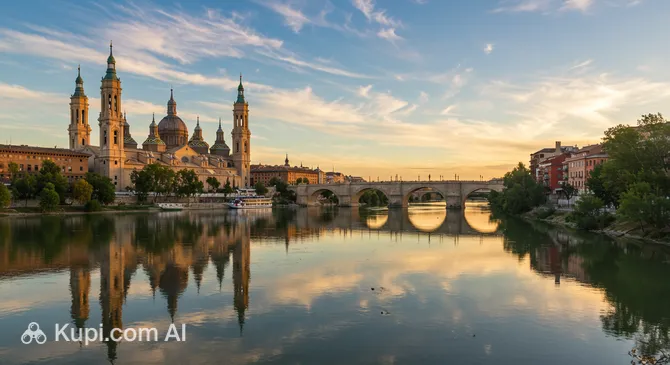
Zaragoza. Source: Kupi.Binoculars

Situated on the banks of the majestic Ebro River and its tributaries, the Huerva and Gállego, Zaragoza enjoys a strategic geographical position equidistant from Madrid, Barcelona, and Valencia. With a population of approximately 675,000 people, it is a bustling metropolis that still retains a welcoming, community-focused atmosphere. The local climate is known for its contrasts, featuring hot, sunny summers and cool winters, often accompanied by the characteristic cierzo wind.

The profound history of Zaragoza stretches back over 2,000 years, leaving behind a legacy that includes Roman, Moorish, Jewish, and Christian influences. This rich tapestry is best observed in the city's architecture, particularly the UNESCO-recognized Mudéjar art, which beautifully synthesizes Islamic and Christian styles. Walking through the Old Town feels like an open-air museum where every corner tells a story of the civilizations that once thrived here.

Among the city's most iconic landmarks is the breathtaking Basilica of Our Lady of the Pillar, a baroque jewel that dominates the skyline and attracts pilgrims from around the world. Travelers should also not miss the Aljafería Palace, an 11th-century Islamic fortress that stands as one of the finest examples of Hispanic-Muslim art outside of Andalusia. These sites, combined with the vibrant tapas culture found in the "El Tubo" district, make the city a delight for all senses.

Whether you are an architecture enthusiast or a foodie looking for authentic flavors, Zaragoza promises a memorable journey. It is a destination that invites you to slow down, explore its grand plazas, and immerse yourself in the authentic Spanish lifestyle.

Weather Overview

Planning your visit requires a look at the local climate, which is known for its distinct seasonal contrasts. To help you pack accordingly, you can check the detailed forecast and weather in Zaragoza before your trip. Generally, the city experiences hot summers and cool winters, while precipitation remains quite low throughout the year.

During the peak of summer, particularly in July and August, the heat intensifies with average maximum temperatures reaching between 33°C and 34°C. Conversely, winters are much cooler; January is typically the coldest month, seeing average lows around 2.8°C. Despite the occasional wet day—ranging from 4 to 8 days per month—actual rainfall volume is minimal, usually staying around 1mm to 2mm monthly.

Interesting Facts

Beyond the main attractions, Zaragoza holds many fascinating secrets that surprise even the most seasoned travelers. From ancient Roman roots to unexpected modern records, the city is full of hidden gems waiting to be discovered.

Zaragoza Aquarium. Source: Kupi.Binoculars
  • Zaragoza is home to the largest river aquarium in Europe. The Zaragoza Aquarium takes visitors on a global journey through five great river ecosystems: the Nile, the Mekong, the Amazon, the Murray-Darling, and the local Ebro, showcasing diverse freshwater fauna from around the world.

  • The city boasts a unique artistic distinction as the host of the first museum in Europe dedicated exclusively to origami. The Zaragoza Origami Museum School (EMOZ) displays intricate paper sculptures, reflecting a surprisingly deep-rooted local passion for the art of paper folding.

  • It is one of the few cities in the world to have two co-cathedrals functioning simultaneously. The iconic Cathedral-Basilica of Our Lady of the Pillar and the eclectic Cathedral of the Savior of Zaragoza (La Seo) stand just a few hundred meters apart on the same vast square.

  • The name "Zaragoza" is actually a linguistic evolution of its original Roman title, "Caesaraugusta," named after Emperor Augustus. You can still trace this imperial lineage at the Roman Walls of Zaragoza, which once encircled the ancient city and now stand as a testament to its 2,000-year history.

How to Get There

Zaragoza enjoys a strategic location in northeastern Spain, making it easily accessible for travelers. Whether you prefer flying or taking the train, there are several convenient options to reach this historic destination. You can find more about how to get to Zaragoza and plan your specific route in our detailed guide.

For those arriving by air, the most direct option is Zaragoza Airport (IATA: ZAZ). Located approximately 13.1 km from the city center, it offers a quick and convenient entry point. The travel time to the downtown area is usually around 40 minutes by taxi or airport bus. While it is a smaller international airport compared to Spain's major hubs, it provides essential connections for visitors.

Alternatively, some travelers may choose Reus Airport (IATA: REU), situated in the city of Reus. It is located about 180.5 km from Zaragoza. Although it handles a larger volume of tourist traffic, primarily for the coast, it serves as a viable alternative if you are planning a broader trip through the region. The transfer from Reus to Zaragoza by road typically takes between 2 to 2.5 hours.

For clarity, here is a summary of the main airports:

Airport Name City Passenger Traffic Km from City
Reus AirportReusMedium180.5
Zaragoza AirportZaragozaMedium13.1
Tarbes Ossun Lourdes AirportLourdesSmall185.7
Castellon AirportCastellón de la PlanaSmall178.8
Pamplona AirportPamplonaSmall139.6

Traveling by train is one of the most popular and efficient ways to arrive, thanks to Spain's excellent high-speed rail network. The city is served by the magnificent Zaragoza-Delicias Station (IATA: XZZ), an architectural landmark in its own right. Located just 2.4 km from the city center, it is a major hub handling millions of passengers annually. The short distance means you can reach your hotel in the center in about 20 to 25 minutes by taxi or local transit.

Another regional option is the Lleida Railway Station (IATA: QLQ) in the city of Lleida, approximately 126.5 km away. While less convenient for a direct visit to Zaragoza compared to Delicias, it is a significant station in the neighboring province that connects various routes in northeastern Spain.

Below is a list of the nearest railway stations:

Station City Passenger Traffic Km to Center
Zaragoza-Delicias StationZaragozaHigh2.4
Lleida Railway StationLleidaHigh126.5
Pamplona Railway StationPamplonaMedium145.6
Huesca Railway StationHuescaMedium66.9
Soria Railway StationSoriaSmall132.9

Main Attractions

Zaragoza offers a remarkable array of historical and cultural landmarks that reflect its diverse heritage. From towering religious monuments to ancient fortifications and lush green spaces, the city's attractions provide a fascinating journey through time for every visitor.

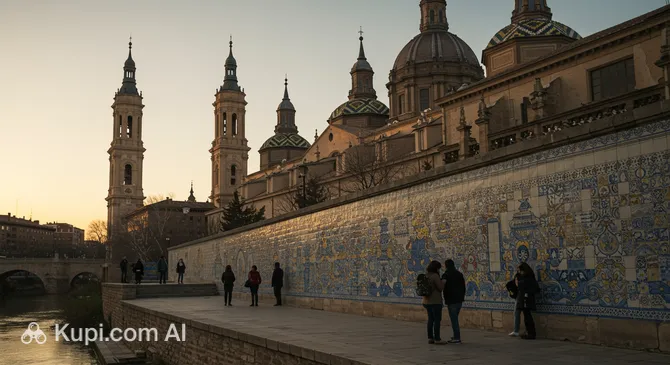
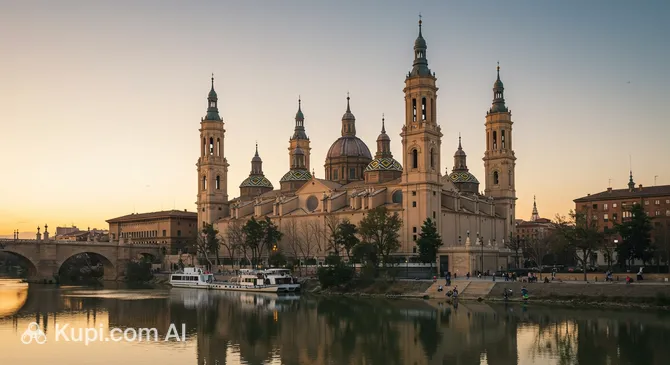
The undisputed icon of the city is the Cathedral-Basilica of Our Lady of the Pillar. This colossal Baroque temple is not only a major pilgrimage site but also an artistic treasure trove, featuring domes painted by the legendary Francisco de Goya. Standing majestically by the Ebro River, its multiple towers and vibrant tiled cupolas create one of the most recognizable silhouettes in Spain. Visitors are often awestruck by the Holy Chapel inside, which houses the venerated image of the Virgin.

Cathedral-Basilica of Our Lady of the Pillar. Source: Kupi.Binoculars

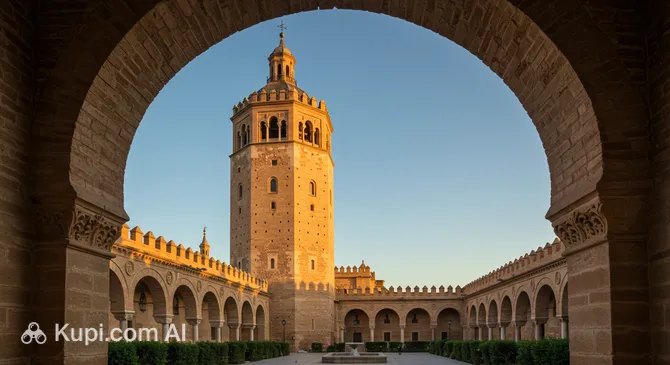
A short distance away lies the Aljafería Palace, a stunning 11th-century fortified Islamic palace. It is considered one of the most important examples of Hispanic-Muslim architecture outside of Andalusia. Today, it serves as the seat of the Cortes (parliament) of Aragon, but tourists can still explore its intricate courtyard, the Patio of Santa Isabel, and the ornate Golden Hall. The palace is a UNESCO World Heritage site as part of the Mudéjar Architecture of Aragon.

Aljafería Palace. Source: Kupi.Binoculars

Located on the same square as the Basilica, the Cathedral of the Savior of Zaragoza, commonly known as La Seo, offers a unique contrast. While the Basilica is predominantly Baroque, La Seo is an eclectic masterpiece showcasing a blend of styles ranging from Romanesque and Mudéjar to Gothic and Renaissance. The cathedral also houses a magnificent Tapestry Museum, which displays an impressive collection of French and Flemish tapestries dating back to the 15th century.

Cathedral of the Savior of Zaragoza. Source: Kupi.Binoculars

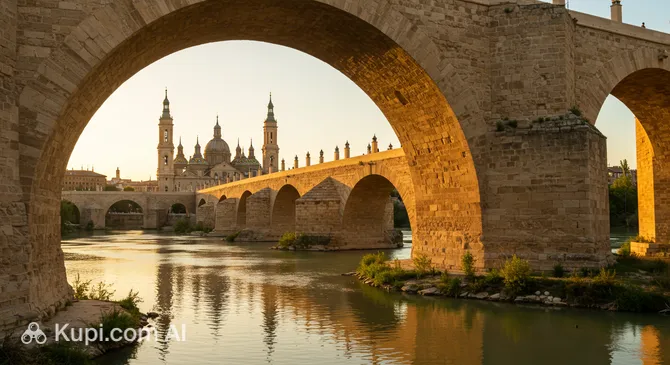
For a picturesque perspective of the city, a walk across the Stone Bridge of Zaragoza is essential. Also known as the Bridge of Lions due to the bronze statues guarding its entrances, this historic structure spans the Ebro River and provides the perfect vantage point for photographing the Basilica. It is the oldest bridge in the city, with origins dating back to the Roman era, although the current Gothic structure was built in the 15th century.

Stone Bridge of Zaragoza. Source: Kupi.Binoculars

When you need a break from sightseeing, the Parque Grande José Antonio Labordeta offers a sprawling green oasis. It is the city's most beloved park, featuring wide avenues, botanical gardens, and elegant fountains. It is an ideal spot for a leisurely stroll, a picnic, or simply enjoying the fresh air. The park also leads to the monumental fountain of "El Batallador," which offers a lovely elevated view of the entire park.

Local Cuisine

Zaragoza's cuisine is a delightful reflection of its geography, benefiting immensely from the fertile lands of the Ebro basin known as "la huerta." The local gastronomy is characterized by high-quality ingredients, simple yet flavorful preparations, and a deep respect for tradition. Visitors will find that eating here is not just about sustenance but a vibrant social activity that brings locals and tourists together in a celebration of flavor.

The undisputed king of the Aragonese table is Ternasco de Aragón, a tender young lamb with a Protected Geographical Indication. It is typically roasted with potatoes and is renowned for its succulent texture and mild flavor. Another classic dish rooted in the region's pastoral history is Migas. This humble shepherd's meal consists of breadcrumbs fried with garlic, chorizo, and bacon, often topped with grapes to add a refreshing touch of sweetness against the savory base.

Vegetable lovers should not miss the opportunity to try Borraja (borage), a local vegetable that is a staple in Aragonese households but rarely found elsewhere. It is usually served simply boiled with olive oil or in a light sauce with clams. For a savory main course, Pollo al Chilindrón is a favorite, featuring chicken stewed in a rich, colorful sauce made from red peppers, onions, and tomatoes.

The culinary heartbeat of the city is undoubtedly the "El Tubo" district. This labyrinth of narrow streets is famous for its lively tapas culture. Here, the local custom is to hop from one bar to another, enjoying a small glass of wine or beer with a unique pincho (small snack) at each stop. It is the perfect way to sample a wide variety of flavors in a single evening while soaking up the energetic atmosphere.

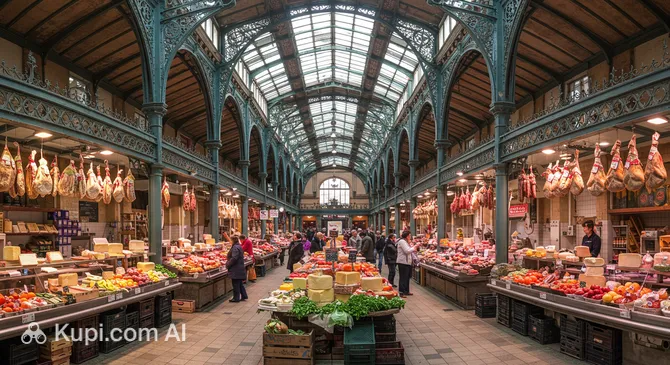
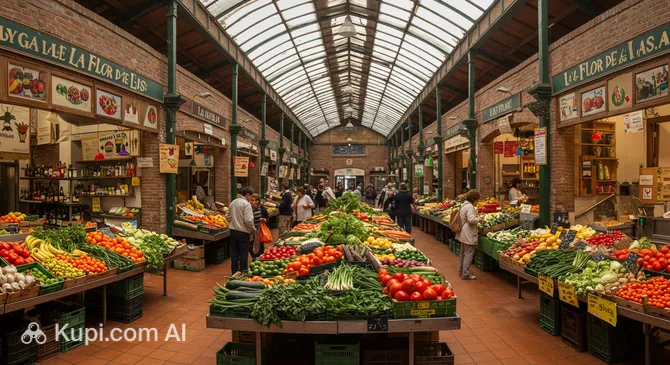
Central Market of Zaragoza. Source: Kupi.Binoculars

For a true taste of local life, a visit to the Central Market of Zaragoza is essential. Housed in a beautiful modernist building, it is not only a place to buy fresh produce but also a gastronomic destination where you can taste freshly prepared delicacies at various stalls. If you prefer a sit-down meal that blends tradition with modern creativity, La Flor de Lis is a highly regarding establishment worth visiting. Alternatively, Palomeque Restaurant is celebrated for its excellent service and dishes that highlight the best regional products.

La Flor de Lis. Source: Kupi.Binoculars

To accompany these hearty meals, the region offers exceptional wines. Aragon is home to four Denominations of Origin: Cariñena, Campo de Borja, Calatayud, and Somontano. A glass of bold red Garnacha is the ideal pairing for the local meats. For beer enthusiasts, the city takes pride in its local brewery, Ambar, which has been producing beloved beers since 1900 and can be found in almost every bar in town.

Travel Tips

Welcome to Zaragoza, a city where ancient history meets modern Aragonese vitality! To help you navigate the winding streets of the Old Town and enjoy the local culture like a pro, we have compiled a set of essential travel tips to ensure your visit is as smooth as it is memorable.

  1. Clothing and Gear: Zaragoza is famous for its wind, the cierzo, which can blow strongly even on sunny days. It is wise to pack a windbreaker or a scarf, regardless of the season. Summers can be intensely hot, so bring breathable fabrics, sunglasses, and a hat. Since the historic center is best explored on foot, comfortable walking shoes are a must. Remember to dress modestly (covering shoulders and knees) when visiting religious sites like the Basilica of Our Lady of the Pillar.
  2. Transportation: The city center is very compact and walkable, meaning you likely won't need a vehicle for sightseeing. For longer distances, Zaragoza has an excellent and modern tram line that cuts through the city, as well as an extensive bus network. Tickets can be purchased at tram stops or on the bus. Taxis and ride-hailing apps are available, but renting a car is generally unnecessary unless you plan to explore the surrounding countryside.
  3. Finances: The official currency is the Euro (€). Credit and debit cards are widely accepted in hotels, shops, and most restaurants. However, it is highly recommended to carry some cash, particularly coins and small bills, for paying in smaller traditional bars or for small purchases in the "El Tubo" tapas district. Tipping is not mandatory in Spain, but leaving small change or rounding up the bill is a polite gesture for good service.
  4. Health and Safety: Zaragoza is generally a very safe city for tourists. Pharmacies are marked with a green cross; look for a Farmacia de Guardia if you need assistance outside regular hours. The general emergency number is 112. While violent crime is rare, exercise standard precautions against pickpocketing in crowded areas, such as the Plaza del Pilar during festivals or busy markets.
  5. Communication: The main language is Spanish. While staff in major hotels and tourist attractions usually speak English, it is less common in smaller local shops and neighborhood bars. Learning a few basic phrases like "Hola" (Hello), "Por favor" (Please), and "Gracias" (Thank you) will go a long way. Free Wi-Fi is available in many public spaces, but for reliable connectivity, you can easily buy a prepaid SIM card from major providers in the city center.
  6. Local Etiquette: Spaniards typically eat later than many other Europeans. Lunch is the main meal of the day, served between 2:00 PM and 4:00 PM, while dinner often doesn't start until 9:00 PM or later. When entering a shop or elevator, it is polite to greet others with a simple "Buenos días" or "Buenas tardes." In social settings, the standard greeting between friends or acquaintances is a kiss on each cheek.
  7. What to Avoid: Avoid expecting full dinner service at 6:00 PM; most kitchens will be closed, and you might only find cold tapas available. Also, try not to be overly loud or disruptive inside churches. These are active places of worship, especially the Holy Chapel in the Basilica, where silence and respect are deeply appreciated by the locals.
  8. Siesta Hours: Be aware that many smaller shops and local businesses close in the afternoon for "siesta," typically from 2:00 PM to 5:00 PM. Plan your shopping for the morning or late afternoon. However, major department stores and large supermarkets usually remain open throughout the day without a break.

With these practical tips in hand, you are ready to immerse yourself in the authentic charm of Zaragoza. Relax, embrace the local rhythm, and enjoy every moment of your Aragonese adventure!

Entertainment & Nightlife

Zaragoza comes alive when the sun sets, fueled by a vibrant university population and a local culture that loves to socialize late into the night. The city offers a diverse nightlife scene that ranges from relaxed tapas evenings in the Old Town to energetic dance clubs that stay open until dawn. Whether you are looking for a quiet drink on a terrace or a night of non-stop partying, the Aragonese capital has something to offer.

The nightlife typically begins in the famous El Tubo district, where locals gather for tapas and wine before moving on to other areas. For a concentration of bars and pubs, the Casco Viejo (Old Town) is the place to be, particularly around streets like Calle del Temple and Plaza San Lamberto. Here, you will find a mix of rock bars, pop venues, and casual hangouts. If you prefer a more sophisticated atmosphere with stylish gin and tonic bars and upscale crowds, head to the Centro zone, specifically around Francisco de Vitoria and León XIII streets.

For a truly unique evening entertainment experience, you should visit El Sótano Mágico. This venue is not just a bar but a cultural hub dedicated to the art of magic, offering regular shows, workshops, and a museum-like atmosphere that fascinates visitors of all ages. It is a perfect spot for those seeking something different from the usual bar hopping.

El Sótano Mágico. Source: Kupi.Binoculars

If you are in the mood for dancing later in the night, the city has several clubs that cater to various musical tastes. Garden Discoteca is a popular choice for those who enjoy electronic and commercial music in a lively setting. Another notable venue is Taboo Club Zaragoza, known for its energetic parties and modern vibe. Keep in mind that nightlife in Spain starts late; bars usually get busy after 11:00 PM, and clubs often don't fill up until 2:00 AM or 3:00 AM.

Regarding practicalities, the dress code in Zaragoza is generally casual and relaxed, although people tend to dress up a bit more for the clubs in the Centro area. Prices are quite reasonable compared to Madrid or Barcelona, with beers and mixed drinks being affordable. The city is very safe for night walks, but standard awareness is always advised. To get around safely after the trams stop running, you can use the "Búho" night bus lines or easily hail a white taxi, which are plentiful and reliable.

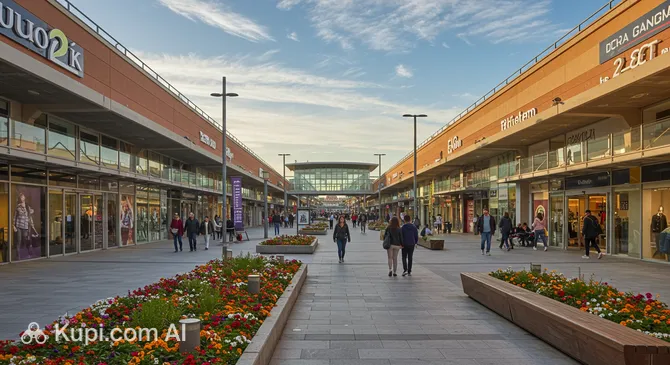
Beyond nightlife, Zaragoza boasts excellent daytime entertainment options. Shopaholics and families should not miss Puerto Venecia, one of the largest shopping and leisure resorts in Europe. It features an artificial lake with boats, a climbing wall, and countless shops and restaurants. During the hot summer months, the Luis Buñuel Water Park provides a refreshing escape with its rafting channels and swimming areas, perfect for cooling down after a day of sightseeing.

Puerto Venecia. Source: Kupi.Binoculars

Parks & Museums

Zaragoza invites travelers to explore its cultural depth not only through its grand monuments but also through its serene green spaces and diverse museums. The city strikes a perfect balance between urban energy and relaxing environments, offering everything from riverside walks to institutions that preserve millennia of history and artistic mastery.

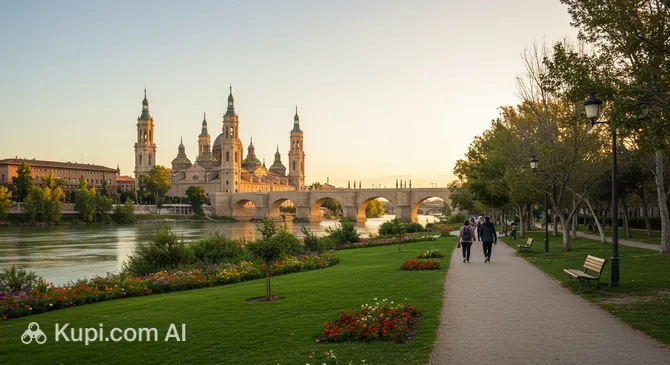
For a refreshing escape with a view, Macanaz Park is an essential stop. Located on the left bank of the Ebro River, this linear park is famous for offering the most iconic panoramic view of the Basilica of Our Lady of the Pillar. It is a favorite spot for locals to walk their dogs, jog, or simply sit on the grass and watch the sunset reflect off the river and the cathedral's tiles.

Macanaz Park. Source: Kupi.Binoculars

Another green jewel in the city center is the Plaza de los Sitios. More than just a square, it is a beautifully landscaped park created for the Hispanic-French Exposition of 1908. Shaded by leafy trees, it features monuments commemorating the historic sieges of Zaragoza and serves as a peaceful retreat amidst the bustling commercial district.

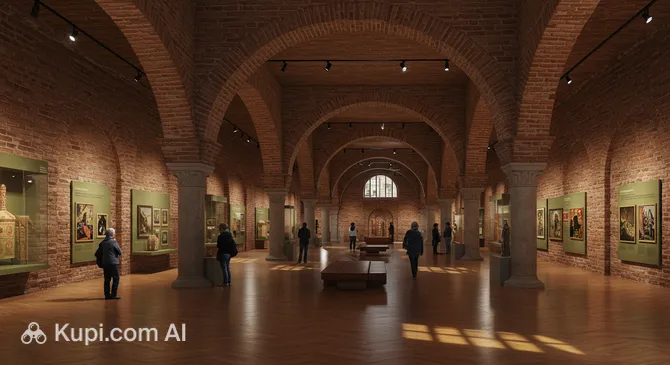
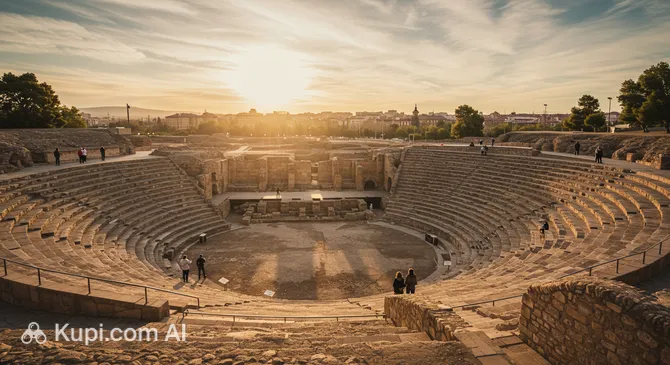
When it comes to museums, the city's Roman legacy takes center stage at the Museum of the Theatre of Caesaraugusta. This site uncovers the remains of a grand theatre that once seated 6,000 spectators. Visitors can walk through the ancient corridors and view the archaeological findings that reveal the entertainment culture of the 1st century AD.

Museum of the Theatre of Caesaraugusta. Source: Kupi.Binoculars

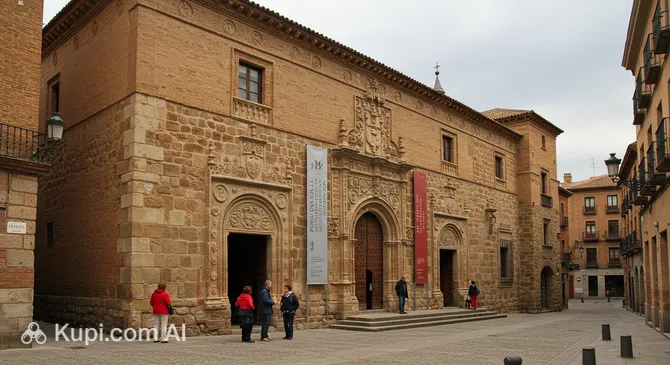
Art enthusiasts should not miss the Pablo Gargallo Museum, dedicated to the renowned Aragonese sculptor. The museum is housed in the Palace of Argillo, a stunning 17th-century building that is an attraction in itself. Inside, you can admire Gargallo's innovative metal sculptures and drawings, which played a pivotal role in the avant-garde art movement.

Pablo Gargallo Museum. Source: Kupi.Binoculars

For a taste of modern culture, CaixaForum Zaragoza stands out with its bold, futuristic architecture. This cultural center hosts rotating exhibitions of international acclaim, ranging from ancient civilizations to contemporary photography. History buffs will also appreciate La Lonja Exhibition Hall, the city's first Renaissance building, which now serves as a majestic venue for temporary art displays under its spectacular ribbed vault ceiling.

For a truly authentic experience, seek out the Patio de la Infanta. Hidden inside a bank headquarters, this exquisite Renaissance courtyard is one of the city's best-kept secrets. It was dismantled and moved from its original location, only to be reconstructed later, preserving a vital piece of Zaragoza's architectural heritage that many tourists overlook.

Getting Around

Getting around Zaragoza is straightforward and efficient, thanks to a well-integrated public transport network that prioritizes sustainability and accessibility. While the historic center is compact and delightful to explore on foot, the city offers excellent options for reaching further districts, the main train station, or the Expo area comfortably.

The backbone of the local transit system is the Tram (Tranvía de Zaragoza). Currently, there is one main line (Line 1) that crosses the city from north to south, connecting key locations such as the Plaza del Pilar, Plaza de España, and the Goya railway station. It is modern, quiet, and notably runs without overhead wires in the historic center to preserve the architectural beauty of the landmarks. Complementing the tram is an extensive urban bus network managed by Avanza, which covers every corner of the city that the tram does not reach. For late-night travelers, there is a "Búho" (Owl) bus service that operates on weekends and before public holidays when regular lines stop.

Regarding payment, tourists have several convenient options. A single ticket costs approximately €1.50. You must purchase tram tickets at the vending machines located at every stop before boarding, while bus tickets can usually be bought directly from the driver (carrying small change is highly recommended). However, the most economical choice for visitors planning multiple trips is the Tarjeta Lazo or the Tarjeta Bus. These rechargeable cards lower the fare significantly (to around €0.82 per trip) and allow for free transfers between the bus and tram within one hour. You can buy and top up these cards at tram stops, newsstands, and authorized kiosks throughout the city.

For a smooth experience, it is helpful to know a few practical tips. The public transport system generally operates from around 5:00 AM or 6:00 AM until midnight, with frequencies ranging from 5 to 10 minutes during peak hours. When using the tram, you must validate your ticket or card inside the carriage immediately upon boarding to avoid fines. On buses, you validate at the machine next to the driver. To plan your route effectively, you can download the Avanza Zaragoza app, which provides real-time arrival times and detailed route maps.

If you prefer alternative modes of transport, taxis are readily available and reasonably priced compared to other major European cities. They are white with the city coat of arms on the door and a green light on the roof indicating availability; you can hail them on the street or find them at designated ranks. For cycling enthusiasts, the city is flat and bike-friendly with many kilometers of lanes. While the public "Bizi" bike-sharing system is primarily subscription-based for long-term residents, there are several private rental shops where tourists can hire bikes to ride along the scenic Ebro riverbanks.

A unique feature worth noting is the Telecabina (Cable Car), a legacy of the Expo 2008. While it functions more as a leisure attraction than a daily commuter tool, it offers a spectacular aerial link between the Delicias Station area and the Water Park. It typically operates on weekends and during warmer months, providing panoramic views of the river and the modern Expo site.

Accommodation

Where to Stay:

Zaragoza offers a welcoming and diverse range of accommodation options that cater to every type of traveler and budget. Whether you are looking for a luxurious room with a view of the historic skyline, a functional business hotel, or a cozy budget-friendly hostel, the city has plenty to offer. The hospitality sector here is known for its high standards and friendly service, often at prices that are more competitive than in Spain's larger coastal or capital cities.

For those who want to be in the heart of the action, the Casco Antiguo (Old Town) is the most popular area to stay. Booking a hotel here puts you within walking distance of the major landmarks, such as the Basilica of Our Lady of the Pillar and the lively tapas bars of "El Tubo." If you prefer a more modern atmosphere with excellent shopping opportunities, the Centro district around Paseo de la Independencia is an ideal choice. Alternatively, travelers arriving by high-speed train might find the area near the Delicias Station or the modern Expo Zone more convenient, offering contemporary facilities and easy access to transit.

The price range for accommodation in Zaragoza is generally quite reasonable. Budget travelers can find hostels and guesthouses starting from approximately €25 to €50 per night. Mid-range hotels, which offer comfortable amenities and central locations, typically range from €60 to €100 per night. For those seeking luxury, the city boasts several high-end establishments where rates usually start above €120. Most accommodations can be easily booked through major online platforms, though contacting smaller guesthouses directly can sometimes yield better rates.

Booking Tip: While it is usually easy to find a room in Zaragoza year-round, the city fills up completely during the Fiestas del Pilar in mid-October. If you plan to visit during this massive festival, it is essential to book your accommodation several months in advance to secure a place to stay.

Nearby Cities

For those looking to explore the surroundings, Zaragoza serves as an excellent base for day trips to several interesting nearby locations. The region of Aragon and its neighbors offer a rich tapestry of history, architecture, and natural beauty just a short drive or train ride away.

One of the most appealing destinations is Huesca, located towards the foothills of the Pyrenees. It is known for its medieval charm, featuring the impressive Gothic Cathedral and the Romanesque Monastery of San Pedro el Viejo. It is an ideal spot for history enthusiasts who also want to enjoy a backdrop of mountain scenery.

Another fascinating option is Calatayud, a city celebrated for its exceptional Mudéjar architecture, much of which is recognized by UNESCO. Visitors can admire the soaring tower of the Collegiate Church of Santa María and the ruins of the ancient Ayub castle. It offers a unique window into the area's Islamic heritage and is historically one of the most significant towns in the province.

For those interested in gastronomy and diverse landscapes, Tudela in the Ebro Valley is a wonderful choice. Famous for its high-quality vegetables and culinary traditions, it also boasts a stunning cathedral built upon the foundations of an old mosque, reflecting the cultural melting pot of its past.

City Population Distance (km)
Huesca5342967
Tudela3724775
Calahorra24654116
Calatayud1987071
Utebo1888112

These nearby destinations offer a glimpse into the diverse culture and landscapes of the region, making them perfect additions to your travel itinerary.

Shopping & Souvenirs

Shopping in Zaragoza is a delightful experience that mirrors the city's blend of tradition and modernity. Visitors can find everything from high-end international fashion brands to charming century-old family businesses selling artisanal goods. The city center is compact and pedestrian-friendly, making it easy to browse through various districts without the need for transportation. Whether you are looking for the latest trends, unique local crafts, or gastronomic treasures to take home, the Aragonese capital offers a diverse range of options to satisfy every shopper.

The commercial heart of the city beats strongest along the Paseo de la Independencia and its adjacent streets. This grand avenue, lined with elegant buildings, is home to major department stores and popular fashion chains. For a more picturesque shopping stroll, head to Calle Alfonso I. This pedestrian street not only offers a stunning view of the Basilica but is also packed with souvenir shops, traditional boutiques, and jewelry stores. Nearby, the streets of Don Jaime I and the "Lanes" (Calles del Coso area) provide a mix of shoe shops, textile stores, and smaller local businesses.

If you prefer the convenience of having everything under one roof, Zaragoza boasts impressive shopping centers. The GranCasa Shopping Center, located in the Actur district, is one of the most consolidated malls in the city, offering a vast array of fashion retailers, electronics, and a large food court. For a truly massive retail experience, Puerto Venecia is the place to go. As one of the largest shopping and leisure resorts in Europe, it features hundreds of stores, including high-street favorites and luxury brands, set around a scenic artificial lake.

GranCasa Shopping Center. Source: Kupi.Binoculars

Markets play a vital role in the local lifestyle and are perfect for finding authentic Aragonese products. The historic Central Market of Zaragoza is an architectural gem where you can buy fresh local produce, cheeses, and cured meats. It is an excellent spot to purchase vacuum-packed delicacies to bring back home. On Sunday mornings, the Plaza de San Bruno often hosts an antique and craft market, while the Plaza de San Francisco is known for its stamp and coin market, offering a glimpse into local collecting hobbies.

When it comes to souvenirs, Zaragoza has several unique items that make for perfect gifts. The most iconic sweet treat is the Frutas de Aragón (chocolate-covered candied fruits) or the famous Adoquines del Pilar, large caramel candies wrapped in paper featuring lyrics of the "Jota" (local folk dance). For a more spiritual or traditional memento, pick up a Cinta de la Medida de la Virgen. These colorful ribbons, which match the height of the Virgin's statue, are widely worn by locals for protection and good luck. Additionally, ceramics from the nearby town of Muel and bottles of local Garnacha wine are highly appreciated gifts.

Understanding opening hours is key to a smooth shopping experience. Large department stores and shopping malls like Puerto Venecia and GranCasa typically open from 10:00 AM to 10:00 PM, Monday through Saturday, without closing for lunch. However, smaller boutiques and traditional shops in the city center usually follow the "siesta" schedule, opening from roughly 10:00 AM to 1:30 PM and reopening from 5:00 PM to 8:30 PM. Most shops are closed on Sundays, except for specific holiday periods. Payment by credit and debit card is widely accepted everywhere, even for small amounts.

Travelers residing outside the European Union are eligible for a VAT refund (Tax-Free) on purchases made in Spain. Look for the "Tax Free" sign in store windows. The process has been digitized through the DIVA system, allowing you to easily validate your tax-free forms at digital terminals in airports or ports before leaving the EU, ensuring you can reclaim part of your travel budget.

Reached the end of the page?

That means the route is fully explored