Support

Castellón de la Plana

About

Welcome to Castellón de la Plana, a vibrant city located on the eastern coast of Spain. Known for its welcoming atmosphere and rich cultural tapestry, this provincial capital offers a perfect blend of historic charm and modern Mediterranean life. Unlike many coastal resorts that focus solely on tourism, Castellón retains an authentic character where daily life unfolds in bustling squares and fragrant orange groves.

Castellón de la Plana. Source: Kupi.Binoculars

Geographically situated on the Costa del Azahar (Orange Blossom Coast), the city enjoys a mild climate with abundant sunshine, making it an attractive destination year-round. With a population of approximately 172,000 residents, it provides the amenities of a bustling urban center without the overwhelming crowds found in larger metropolises. The city is uniquely positioned between the Desert de les Palmes mountain range and the Mediterranean Sea, offering diverse landscapes within a short distance.

The city's past is deeply intertwined with its geography. The history of Castellón de la Plana is marked by a significant event in the 13th century when the population moved from a hilltop settlement to the fertile plain, a founding moment that shaped its urban layout and is celebrated to this day. This transition allowed the city to grow into the commercial and agricultural hub it is today.

Visitors are often drawn to the Plaza Mayor, the heart of the city, which houses key landmarks such as the independent bell tower known as El Fadrí and the Gothic-style Concatedral de Santa María. Beyond the historic center, the city boasts excellent beaches like El Pinar and Gurugú, connected to the port district known as El Grao, where excellent seafood and sea views take center stage.

Whether you are looking to explore architectural heritage, enjoy local festivals, or simply relax by the sea, Castellón de la Plana invites you to discover its warm hospitality and hidden treasures.

Weather Overview

Castellón de la Plana benefits from a typical Mediterranean climate, ensuring pleasant conditions for visitors throughout most of the year. To help plan your activities, it is useful to check the current weather in Castellón de la Plana, especially if you are looking to enjoy the local beaches or outdoor festivals.

The summer months of July and August are the warmest, with average temperatures hovering around 25°C and daily highs reaching up to 30°C. This period is dry and sunny, with only about 4 to 6 wet days per month. In contrast, the winter season is mild rather than harsh; January is typically the coldest month, featuring an average temperature of 9.7°C and an average low of 5.0°C.

Rainfall is generally moderate, though the frequency of showers increases during the transition seasons. September tends to have the highest number of rainy days, averaging about 11, while spring months like March and April see around 9 wet days. Expect hot, dry summers and cool, stable winters with relatively low precipitation year-round.

Interesting Facts

Beyond the main attractions, Castellón de la Plana holds many fascinating secrets and unique traditions that define its identity. From geographical curiosities to legends of local discoveries, the city offers curious details that often escape the casual visitor.
Basilica of Our Lady of Lledó. Source: Kupi.Binoculars
  • Castellón is one of the few places where the Prime Meridian (Greenwich Meridian) intersects with the 40th parallel north. This precise geodetic point is marked within the city, placing it on a significant geographical crossroad that connects the port area directly to the global time standard.

  • The Basilica of Our Lady of Lledó is steeped in local legend. It is said to be built on the exact spot where a farmer named Perot de Granyana discovered a small alabaster image of the Virgin Mary while plowing his field in 1366, an event that permanently established the site as a spiritual center.

  • The city's famous bell tower is affectionately nicknamed "El Fadrí," which translates to "The Bachelor" in the local language. This name was given because the tower stands completely alone, physically separated from the cathedral, and uniquely, it is owned by the municipal council rather than the church.

  • Unlike the famous Fallas festivals in the region where monuments are burnt, Castellón’s main festival features Gaiatas. These are illuminated artistic structures that symbolize the lanterns used by the city's founders during their historic night descent from the mountains to the plain, and they are kept as illuminated treasures rather than being destroyed by fire.

How to Get There

Reaching this coastal destination is relatively straightforward thanks to its proximity to major transport hubs along the Mediterranean corridor. Whether you prefer flying or taking the train, there are several convenient options to suit your itinerary. For a comprehensive guide on planning your journey, you can read more about how to get to Castellón de la Plana.

The city has its own facility, Castellon Airport (CDT), located approximately 27 km from the city center. While it is the closest option, it operates with a smaller volume of regional and seasonal flights. Travel from here to the heart of the city generally takes around 30 to 40 minutes by taxi or shuttle bus. For a wider range of international connections, many travelers choose Valencia Airport (VLC) in the neighboring city of Valencia. Situated roughly 66 km away, it serves as a major gateway to the region. The transfer from Valencia to Castellón de la Plana is quite efficient, typically taking about 1 hour by car or train. Another alternative for those exploring the wider region is Alicante-Elche Airport (ALC) in Alicante, though it is significantly farther at about 194 km, with a travel time of around 2 to 3 hours by road.

For clarity, here is a summary of the main airports:

Airport Name City Passenger Traffic Km from City
Alicante-Elche AirportAlicanteVery Large194.2
Valencia AirportValenciaLarge66.4
Ibiza AirportIbizaLarge174.0
Reus AirportReusMedium165.1
Castellon AirportCastellón de la PlanaSmall26.9

Traveling by train is an excellent way to arrive, as the city is well-integrated into the Spanish railway network. You can arrive directly at Castellón de la Plana Railway Station, which is conveniently located just 0.3 km from the city center, making it the most comfortable option for immediate access to local attractions. If you are coming from further afield, you might connect through Valencia Railway Station in Valencia, located about 64 km away. From Valencia, frequent trains connect to Castellón, a journey that usually takes approximately 1 hour. Alternatively, taking a bus or taxi between the two cities is also possible, though travel times may vary depending on traffic.

Below is a list of relevant railway stations in the vicinity:

Station City Passenger Traffic Km to Center
Valencia Railway StationValenciaVery High64.2
Castellón de la Plana Railway StationCastellón de la PlanaHigh0.3
Tarragona Camp StationTarragonaHigh166.8
Teruel Railway StationTeruelLow98.6
Reus Railway StationReusUnknown162.8

Main Attractions

Castellón de la Plana offers a delightful mix of green spaces, cultural institutions, and lively public areas that showcase the authentic spirit of the region. Visitors will find that the city's main sights are easily accessible, allowing for a relaxed exploration of its artistic and historical heritage without the rush often found in larger tourist hubs.

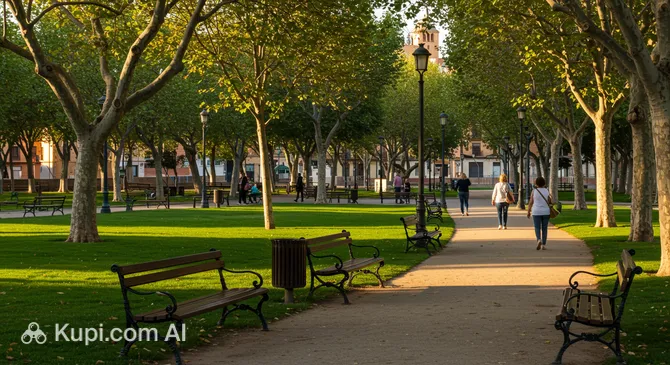
One of the most beloved spots in the city is Ribalta Park. This sprawling green oasis serves as the city's "lungs" and is designed in a romantic 19th-century style. It is the perfect place for a leisurely stroll among exotic trees, rose gardens, and ornamental ponds. Tourists appreciate the park not only for its tranquility but also for the statues honoring local figures like the musician Francisco Tárrega and the painter Francisco Ribalta, after whom the park is named.

Ribalta Park. Source: Kupi.Binoculars

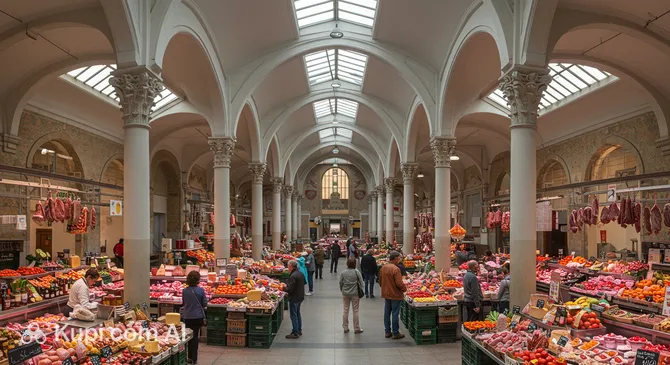
For a taste of local life and gastronomy, a visit to the Central Market of Castellón is essential. Located near the Plaza Mayor, this bustling market is housed in a building that blends traditional and modern elements. Inside, the stalls overflow with fresh seafood from the nearby port, locally grown vegetables, and regional specialties. It is a vibrant sensory experience where visitors can mingle with locals and purchase high-quality ingredients or traditional snacks.

Central Market of Castellón. Source: Kupi.Binoculars

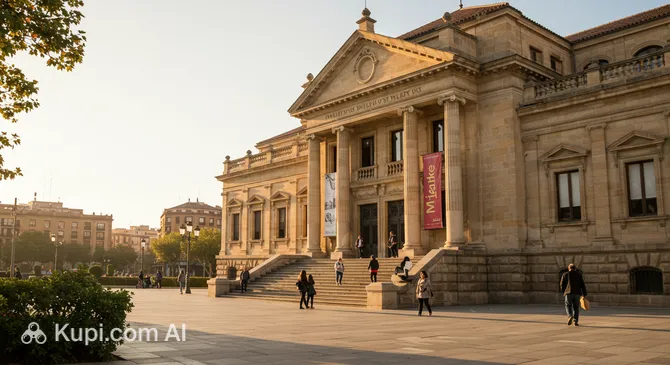
Art enthusiasts should not miss the Museum of Fine Arts of Castellón. This institution is renowned not just for its impressive collection but also for its award-winning modern architecture. The museum offers a comprehensive journey through the region's history, featuring sections dedicated to archaeology, ceramics, and ethnology, alongside a significant collection of paintings and sculptures. It provides a deep dive into the cultural evolution of the Castellón province.

Museum of Fine Arts of Castellón. Source: Kupi.Binoculars

Another charming location to explore is Plaza de las Aulas. This square is a popular meeting point surrounded by historic architecture, including the majestic Palace of the Provincial Council (Diputación). It offers a pleasant atmosphere with its open spaces and cafes, making it a nice spot to sit and observe the daily rhythm of the city after visiting the nearby monuments.

Local Cuisine

The gastronomy of Castellón de la Plana is a delicious reflection of its landscape, perfectly blending fresh ingredients from the Mediterranean Sea with produce from the fertile orchards of the interior. Rice is the undisputed king of the local table, and no visit is complete without tasting Arroz a banda. Unlike the more famous Paella Valenciana, this dish was traditionally a fisherman's meal where the rice is cooked in a rich fish stock and served separately from the seafood, accompanied by a dollop of garlic alioli.

Another culinary staple unique to the city is the Ximo de Castelló. These are small, torpedo-shaped pastries that are fried and filled with a savory mixture of tomato, red pepper, hard-boiled egg, pine nuts, and tuna. They are particularly popular during local festivities but can be found in bakeries throughout the year, offering a perfect savory snack for travelers on the go.

When it comes to local drinking culture, the Carajillo is an institution in itself. While found elsewhere in Spain, the version in Castellón is prepared with a specific ritual: the alcohol (usually brandy, rum, or whiskey) is often burned with sugar, lemon rind, and cinnamon before being mixed with espresso. It is a flavorful and potent finish to a heavy meal.

For those interested in the source of these fresh ingredients, a stroll through the Central Market of Castellón offers a glimpse into the daily shopping habits of residents. Here, the stalls overflow with fresh fish brought in from the Grao port and seasonal vegetables that define the region's healthy Mediterranean diet.

Dining out is a vibrant social activity, especially in the evenings. Locals often flock to the "Tascas" area in the city center to enjoy tapas and wine standing up or sitting on terraces. For a more relaxed drink or a taste of the local bar scene, you might visit places like Macameu, which offers a friendly atmosphere to unwind. Alternatively, for those seeking a distinct vibe later in the night, the Manowar Pub provides a unique setting to enjoy a beverage among locals.

Macameu. Source: Kupi.Binoculars

Travel Tips

Traveling to Castellón de la Plana is a delightful experience, but a few local insights can make your journey even smoother. Here are some essential practical tips to help you navigate the city like a local and enjoy every moment of your stay.

  1. Clothing and Gear: The city enjoys a warm Mediterranean climate. In summer, pack light, breathable fabrics and sun protection, as humidity can be high. Winters are mild, so layers and a medium jacket are sufficient. Since the historic center is flat and pedestrian-friendly, bring comfortable walking shoes. If you plan to visit religious sites like the Concatedral de Santa María, remember to dress modestly by covering your shoulders and knees.
  2. Transportation: The city center is compact and best explored on foot. For longer distances, the TRAM de Castelló is an efficient trolleybus system running on a dedicated lane that connects the city center, the university, and the maritime district of El Grao. Taxis are reliable and can be hailed on the street or booked via apps. You generally do not need a rental car unless you plan to explore the wider province or remote beaches.
  3. Finances: The local currency is the Euro (€). Credit and debit cards are widely accepted in most shops, supermarkets, and restaurants. However, it is advisable to carry some cash for small purchases at the central market, kiosks, or traditional bars. Tipping is not mandatory in Spain, but leaving small change or rounding up the bill is a polite gesture for good service.
  4. Health and Safety: Castellón is a safe city with high standards of hygiene. Pharmacies are marked with a green cross, and you can find a "Farmacia de Guardia" for 24-hour service. The general emergency number is 112. Tap water is safe to drink, though it has a high mineral content, so many travelers and locals prefer the taste of bottled water.
  5. Communication: The official languages are Spanish and Valencian. While staff in hotels and major tourist spots usually speak English, it is less common in smaller local businesses. Learning basic phrases like "Hola" (Hello) and "Gracias" (Thank you) will go a long way. Prepaid SIM cards are easily available at mobile phone shops and tobacco kiosks (estancos) if you need constant connectivity.
  6. Local Etiquette: Spaniards are warm and social; the standard greeting is a handshake or two kisses on the cheeks among acquaintances. Be mindful of meal times: lunch is the main meal of the day, typically served between 2:00 PM and 3:30 PM, while dinner is rarely eaten before 9:00 PM. Arriving for dinner at 6:00 PM will likely find you in front of a closed kitchen.
  7. What to Avoid: Do not expect rush service in restaurants. Dining is a social activity meant to be enjoyed slowly, and asking for the bill the moment you finish eating can be seen as abrupt. Also, avoid wearing beachwear (swimsuits, flip-flops) in the city center; save that for the beach areas in El Grao.
  8. Siesta and Shopping: Keep in mind the traditional split schedule. Many smaller shops and businesses close for a break roughly between 1:30 PM and 5:00 PM, reopening in the evening until about 8:30 PM. Plan your shopping for the morning or late afternoon to avoid finding closed doors.

By keeping these practicalities in mind, you will be well-prepared to embrace the relaxed rhythm of Castellón de la Plana. Enjoy the warm hospitality, the delicious gastronomy, and the unique charm of this coastal gem without any unexpected surprises.

Entertainment & Nightlife

To make the most of your visit to Castellón de la Plana, the city offers a variety of leisure activities ranging from modern shopping experiences to relaxing green spaces perfect for unwinding after a day of sightseeing. Whether you are looking for the latest fashion trends or a peaceful corner to enjoy nature, the city's entertainment options cater to diverse tastes.

For those interested in retail therapy, the city is well-equipped with modern facilities. The Salera Shopping Mall is a favorite destination for both locals and tourists. It features a wide array of international brands, a cinema complex, and numerous dining options, making it a comprehensive spot for an afternoon of entertainment. Alternatively, Castelló Shopping Mall offers another convenient venue to browse for clothes, gifts, and accessories in a comfortable, air-conditioned environment.

If you prefer open-air activities, the city provides excellent opportunities to enjoy its sunny climate. Rafalafena Park is a unique urban space that differs from the more classical gardens in the center. It is known for its botanical diversity and often houses outdoor art sculptures, creating a harmonious blend of culture and nature. It is an ideal location for a quiet walk, a morning jog, or simply reading a book under the shade of the trees.

For a more active way to explore the streets, Castellón promotes sustainable transport. You can find the Plaça Muralla Liberal Bicycle Station, which serves as a convenient starting point for renting a bike. Cycling is a popular way to navigate the flat terrain of the city, allowing you to easily connect the historic center with the maritime district.

As the evening sets in, the city's atmosphere shifts to a relaxed social vibe. For a casual dining experience that combines good food with a laid-back setting, L'Etrusco Pizzeria is a welcoming spot to enjoy authentic flavors with friends or family, rounding off a day full of activity and discovery.

Parks & Museums

Castellón de la Plana prides itself on being a city where culture and nature coexist harmoniously. Beyond its bustling avenues, the city offers a network of meticulously maintained parks and diverse museums that cater to history buffs, art lovers, and those seeking a peaceful escape. Whether you are looking to explore the region's artistic legacy or simply enjoy a picnic under the shade of Mediterranean pines, the city provides ample opportunities to engage with its local heritage and environment.

For nature enthusiasts, one of the most significant green spaces is Parque del Pinar. Located near the maritime district of El Grao, this extensive pine forest is the largest green area in the city. It serves as a fantastic recreational spot featuring picnic tables, sports facilities, and even a golf course, making it a favorite weekend destination for local families. Closer to the city center, Ribalta Park offers a more classical garden experience with its botanical variety and romantic pathways. Meanwhile, Rafalafena Park provides a unique setting where native vegetation surrounds an open-air amphitheater and modern sculptures, creating a perfect blend of art and nature.

The city's museum scene is equally impressive, anchored by the Museum of Fine Arts of Castellón. This institution is a cultural beacon, housing a rich collection that spans from paleolithic archaeology to contemporary ceramics. Another key venue is the Planetari de Castelló, situated right on the promenade of El Grao. Easily recognizable by its striking white dome, it focuses on science and astronomy, offering exhibitions and projections that are particularly engaging for families. For a deeper look into local traditions, the Museu d'Etnologia showcases the history of the city's guilds and traditional way of life, housed in a beautifully restored 18th-century manor.

In terms of historical landmarks, the city preserves several spaces that tell the story of its evolution. A notable example is Plaza de las Aulas, a charming square framed by noble buildings such as the Palace of the Provincial Council. It serves as a quiet, elegant corner in the heart of the city where visitors can admire the architecture and enjoy the relaxed pace of local life.

For a truly unique experience, consider visiting the Parque del Meridiano. This park marks the precise point where the Greenwich Meridian crosses the 40th parallel north. It is a geographically significant spot that offers a distinct photo opportunity and connects the local landscape to a global coordinate system, a hidden gem often overlooked by standard travel guides.

Getting Around

Navigating Castellón de la Plana is a seamless experience, thanks to its compact size and efficient internal transport network. The city is designed to be people-friendly, with a flat terrain that encourages walking and sustainable mobility. Most of the historic center is pedestrianized, allowing visitors to explore main attractions like the Plaza Mayor and the Central Market comfortably on foot without the hassle of traffic.

For longer distances, particularly between the city center and the maritime district of El Grao, the TRAM de Castelló is the most convenient option. This modern trolleybus system operates on a dedicated lane, ensuring punctuality and speed. It serves as the backbone of the city's public transport, connecting key locations such as the Jaume I University (UJI), the railway station area, and the port. It is an eco-friendly, quiet, and reliable way to travel across town.

Cycling is another highly recommended way to get around. Castellón boasts an extensive network of bike lanes, and the public bike rental system, Bicicas, is widely available. With numerous docking stations distributed throughout the city and near the beaches, visitors can easily pick up a bicycle for a short ride. The system is user-friendly and offers a practical choice for tourists who want to enjoy the sunny weather while moving between sights.

In addition to the TRAM and bikes, a comprehensive fleet of local buses covers the neighborhoods and areas not directly served by the main trolleybus line. These buses are reliable and offer a good alternative for reaching specific residential or commercial zones. Taxis are also readily available; they can be found at designated ranks, flagged down on the street, or booked via telephone, offering a comfortable solution for late-night travel or when carrying heavy luggage.

Travelers planning to drive should be aware that access to the historic core is restricted to authorized vehicles. It is best to park your car and explore the center on foot. The city offers several underground parking garages located near major avenues, which are the safest and most convenient places to leave a vehicle. On-street parking in the center is often regulated by the "blue zone" (ORA) system, which requires payment during specific hours, while free parking spaces are generally easier to find on the outskirts of the city.

Accommodation

Finding the perfect place to stay in Castellón de la Plana is relatively easy, as the city offers a balanced mix of accommodation options that cater to different travel styles and budgets. Unlike some of the more crowded tourist destinations on the Spanish coast, the lodging scene here feels authentic and accessible. Visitors can choose from modern mid-range hotels, budget-friendly hostels, and an increasing number of private apartment rentals, which are particularly popular for longer stays.

When selecting a location, the choice generally falls between two distinct areas: the historic city center and the maritime district of El Grao. Staying in the city center places you in the heart of the action, within walking distance of cultural sites, administrative buildings, and the best tapas bars. This area is ideal for those who want to experience the daily rhythm of the city, with easy access to landmarks like the Ribalta Park and the main shopping streets.

Alternatively, travelers looking for a sea breeze and relaxation often prefer the El Grao district. Located about 4 kilometers from the center, this area is the gateway to the beaches and the port. It is well-connected to the main city by the TRAM system, making it a convenient base if you wish to combine beach days with urban exploration. Accommodation here ranges from hotels with sea views to vacation apartments that fill up quickly during the summer months.

Regarding prices and booking, Castellón de la Plana is generally more affordable than its larger neighbors like Valencia or Alicante. You can typically find high-quality accommodation at reasonable rates, especially if you travel outside the peak season. Most bookings can be made easily through major online platforms, though contacting smaller establishments directly can sometimes yield better offers.

Booking Tip: While the city usually has availability, it is highly recommended to book well in advance if you plan to visit during the Magdalena Festival (usually in March) or the peak summer weeks in July and August. During these times, demand spikes significantly, and the best options sell out months ahead.

Nearby Cities

For those looking to explore the surroundings, Castellón de la Plana serves as an excellent base for day trips to several interesting nearby locations:

City Population Distance (km)
Sagunto 68066 39
Villarreal 51369 7
Burjasot 38880 61
Moncada 36794 57
Burriana 35019 11

One of the most historically significant destinations in the area is Sagunto. Located just a short drive south, it invites visitors to step back in time with its magnificent Roman Theatre and the sprawling castle complex that dominates the hilltop. The fortress offers panoramic views of the coast and stands as a testament to the diverse civilizations that have settled in the region over thousands of years.

Practically adjacent to the city is Villarreal (Vila-real), situated only 7 kilometers away. While it is internationally famous for its top-tier football team, the town also holds deep cultural roots. A visit to the Basilica of Saint Paschal Baylon is highly recommended; it is a major pilgrimage site featuring impressive architecture and the largest ceramic bells in the world, reflecting the local tile industry.

For a coastal escape, Burriana is a charming neighbor that combines modernist architecture with seaside leisure. It is home to the unique Orange Museum, which celebrates the citrus heritage of the province, and boasts the expansive Arenal beach, a favorite spot for locals to enjoy the sun and sea during the summer months.

These nearby destinations offer a glimpse into the diverse culture and landscapes of the region.

Shopping & Souvenirs

Shopping in Castellón de la Plana offers a delightful balance between traditional commerce and modern retail convenience. The city is not overwhelming in size, which allows for a relaxed shopping experience where visitors can easily navigate between historic family-run businesses and contemporary fashion outlets. Whether you are looking for high-end clothing, local crafts, or fresh produce, the city provides ample opportunities to find what you need while enjoying the local atmosphere.

The heart of the shopping action is found in the city center, particularly along the pedestrianized streets that radiate from the main squares. Calle de Enmedio and Calle Mayor are two of the most popular thoroughfares, lined with a mix of well-known Spanish fashion chains, shoe stores, and charming boutiques. Calle Colón and Avenida Rey Don Jaime are also key areas where you can find jewelry, accessories, and electronics. Walking through these streets is a pleasant experience, often accompanied by the scent of orange trees and the buzz of local life.

For those who prefer having everything under one roof, the city boasts excellent shopping centers. The largest and most popular is the Salera Shopping Mall, located on the western outskirts. It features a vast array of international brands, a hypermarket, and numerous leisure options. Closer to the city center, near the Ribalta Park, you will find the Castelló Shopping Mall, which houses the famous El Corte Inglés department store. This is the go-to place for high-quality cosmetics, designer fashion, and gourmet food products.

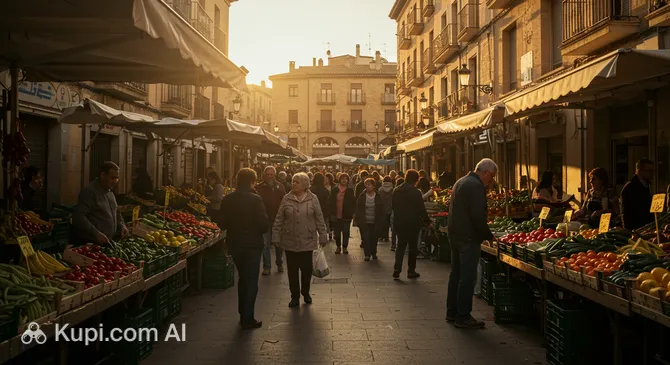
Markets play a vital role in the daily life of Castellón's residents. The Central Market of Castellón is an architectural gem and a culinary paradise. Here, you can buy the freshest local ingredients, including seafood from the Grao port and vegetables from the surrounding fertile plains. For a different experience, the Mercado del Lunes (Monday Market) is a massive open-air market held every Monday. It is the perfect place to hunt for bargains on clothing, textiles, and household goods amidst a lively, bustling crowd.

When it comes to souvenirs, the province of Castellón is world-renowned for its ceramics and tiles. Bringing back a piece of hand-painted pottery or a decorative tile is a wonderful way to remember your trip. Additionally, the region is famous for its citrus fruits, so products like orange blossom honey, marmalades, or traditional sweets made with almonds and oranges make for excellent gifts. Local wines and olive oils are also highly appreciated and widely available in specialty shops.

Store opening hours generally follow the traditional Spanish schedule. Small boutiques and local shops typically open from 10:00 AM to 1:30 PM, close for a midday break (siesta), and reopen from 5:00 PM to 8:30 PM. However, major shopping malls and department stores usually stay open all day from 10:00 AM to 10:00 PM without interruption. Payment is easy, with credit and debit cards being widely accepted almost everywhere, although carrying some cash is useful for small purchases in markets or kiosks.

Travelers from outside the European Union are eligible for tax-free shopping on purchases of certain goods. Look for the "Tax Free" sign in store windows. If you qualify, you can request a tax refund form (DIVA) at the time of purchase and validate it at customs upon leaving the EU to reclaim the Value Added Tax (VAT).

Reached the end of the page?

That means the route is fully explored