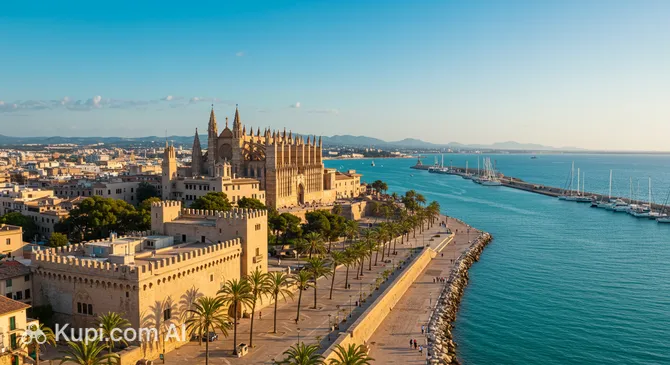
Palma, often referred to as Palma de Mallorca, is the vibrant capital of the Balearic Islands and a destination that effortlessly blends historical charm with modern Mediterranean flair. Known for its stunning sunsets, elegant boulevards, and lively marina, the city serves as the cultural and economic heart of the archipelago. It offers a unique atmosphere where relaxed island vibes meet the sophistication of a bustling European city.
Located on the southern coast of the island of Mallorca, the city enjoys a privileged geographic position with a warm Mediterranean climate that attracts visitors year-round. As a key destination in Spain, Palma is home to approximately 550,000 residents, making it a lively urban center that never feels too crowded but is always full of life.
Palma. Illustration.
Source: Kupi.com AI
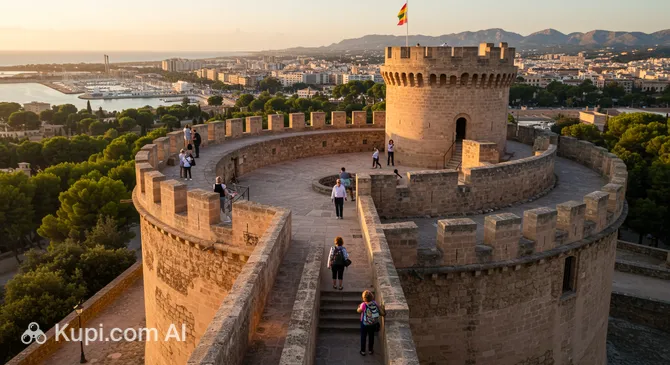
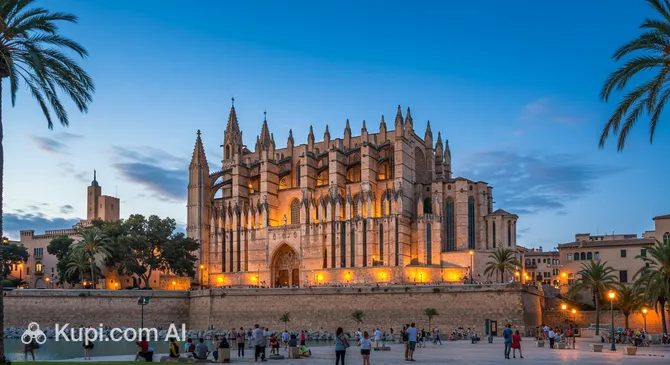
The city's architectural landscape is dominated by the magnificent La Seu, a vast Gothic cathedral that overlooks the sea and serves as the city's most iconic landmark. Just a short distance away, the history of Palma comes alive in the winding streets of the Old Town, where travelers can discover ancient Arab baths and the royal palace of La Almudaina. Another must-see is the unique Bellver Castle, one of the few circular castles in Europe, which offers panoramic views of the bay and pine forests.
Whether you are eager to explore rich cultural heritage, shop in stylish boutiques, or simply enjoy exquisite local cuisine by the waterfront, Palma promises an unforgettable experience. It is the perfect starting point for exploring the rest of the island or a fantastic city break destination in its own right.
Weather Overview
Palma enjoys a typical Mediterranean climate, offering pleasant conditions for travel throughout most of the year. Visitors planning a trip can check the current weather in Palma to pack accordingly, but generally, the city is known for its sunny disposition and moderate temperatures.
The summer months constitute the peak season, particularly July and August, when average temperatures climb to around 26°C and daily highs frequently reach 29.2°C. This period is remarkably dry, with July seeing almost no precipitation and August having only about two wet days. It is the perfect time for beach activities, though the heat can be quite intense.
Winters are mild rather than cold, with average temperatures in January and February hovering around 12°C and rarely dropping below 10°C. While rainfall is more common in the cooler months, particularly in November which sees about 10 wet days, it is rarely excessive. Expect hot, dry summers ideal for sunbathing and mild winters with occasional rain suitable for sightseeing.
Average monthly temperature
Average monthly precipitation
Interesting Facts
Beyond the main attractions, Palma holds many fascinating secrets and historical quirks that often escape the casual observer. From architectural oddities to ancient riverbeds hidden beneath bustling streets, the city is full of surprises.
Bellver Castle. Illustration.
Source: Kupi.com AI
Traveler photos:
While Bellver Castle is celebrated for its rare circular design, few know that this fortress, whose name translates to "Lovely View," served as a military prison for centuries. It housed notable figures, including the Age of Enlightenment writer Gaspar Melchor de Jovellanos, who was confined there for six years.
The Cathedral of Santa Maria of Palma features a spectacular light phenomenon known as the "Spectacle of the Eight." Twice a year, on February 2nd and November 11th, the morning sun shines through the main rose window to project a perfect colorful reflection directly below the smaller rose window on the opposite wall, forming a figure eight.
The interior of La Lonja de Palma, a masterpiece of Gothic civil architecture, contains a whimsical design element. The helical columns that support the towering roof were carved to resemble majestic stone palm trees, creating a forest-like atmosphere inside this former maritime trade exchange.
The historic Sóller Train Station (Palma) is the departure point for a railway line that has remained practically unchanged since 1912. The vintage wooden train, often called the "Orange Express," still uses its original machinery to traverse the scenic Tramuntana mountains.
The elegant Passeig del Born avenue was originally a natural riverbed for the Torrent de sa Riera. The river flowed through the center of the city until the 17th century, when it was diverted outside the city walls to prevent the devastating floods that frequently struck the area.
How to Get There
Reaching the stunning capital of the Balearic Islands is straightforward, with air travel being the most popular method due to its island location. For travelers looking for detailed routes and options, you can read more about how to get to Palma to plan your journey effectively. The city is well-connected to major European hubs, ensuring a smooth arrival experience.
The primary gateway to the city is Palma de Mallorca Airport (PMI), also known as Son Sant Joan Airport. Located just 7.0 km from the city center, it is one of the busiest airports in Spain during the summer season. Upon arrival, getting to the heart of Palma is quick and convenient; a taxi ride typically takes around 31 minutes depending on traffic. This international airport handles a massive volume of passengers, reflecting its status as a major tourist hub.
Another significant entry point for the region is Barcelona-El Prat Airport (BCN), located in Barcelona approximately 197.7 km away across the sea. While it is not on the island itself, many travelers fly into this large international hub and then take a short connecting flight or a scenic ferry ride to reach Palma. Similarly, Ibiza Airport (IBZ) serves the neighboring island of Ibiza and is often used by tourists island-hopping through the Balearics.
For clarity, here is a summary of the main airports:
Since Palma is located on an island, it does not have direct railway links to the mainland European network. However, travelers can arrive by train at major coastal cities on the mainland and transfer to a ferry. The most prominent hub for this is Sants Railway Station in Barcelona, located about 205.3 km from Palma across the Mediterranean. It serves as a key transit point for high-speed trains arriving from Madrid and France.
Another option in Barcelona is the historic Estació de França, situated roughly 205.1 km away. This station is conveniently located near the port, making it a practical choice for those planning to catch a ferry directly to Mallorca. While you cannot take a taxi directly from these stations to Palma, they provide essential links for those combining rail and sea travel.
Below is a list of the nearest major railway stations on the mainland:
Palma offers a diverse array of sights, ranging from monumental Gothic architecture to world-class art museums and family-friendly marine parks. Exploring the city reveals layers of history and culture that captivate every visitor, making it much more than just a beach destination.
Dominating the waterfront is the magnificent Cathedral of Santa Maria of Palma, widely known as La Seu. This massive Gothic sandstone cathedral is one of the tallest in Europe and features a spectacular rose window that floods the interior with colored light. Visitors are often struck by the unique canopy designed by the famous architect Antoni Gaudí over the altar, which adds a fascinating modernist touch to the ancient structure.
Cathedral of Santa Maria of Palma. Illustration.
Source: Kupi.com AI
Traveler photos:
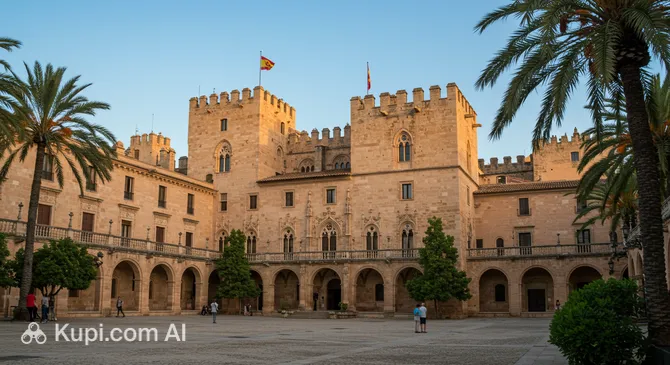
Standing directly opposite the cathedral is the imposing Royal Palace of La Almudaina. Originally an Islamic fortress, it was converted into a residence for the Mallorcan monarchs and is still used today by the King of Spain for official ceremonies. Tourists can wander through its lavishly decorated rooms, admire the intricate tapestries, and enjoy the peaceful courtyard views that look out over the bay.
Royal Palace of La Almudaina. Illustration.
Source: Kupi.com AI
Traveler photos:
For art enthusiasts, the Miró Mallorca Foundation is an essential stop. Located a short distance from the city center, this cultural center preserves the studios where the legendary artist Joan Miró lived and worked for decades. The museum showcases a vast collection of his paintings, sculptures, and sketches, offering an intimate glimpse into his creative process within the scenery that inspired him.
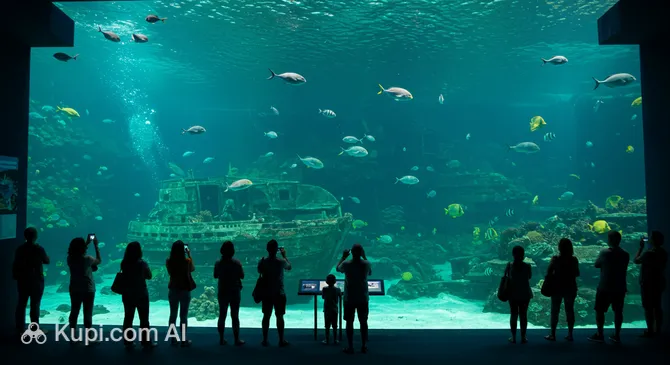
Families and nature lovers should not miss the Palma Aquarium, located near the beach. It is home to one of the deepest shark tanks in Europe, known as the "Big Blue," and features faithfully recreated habitats ranging from the Mediterranean to the tropical jungle. It provides an educational and exciting day out, allowing visitors to observe thousands of marine species up close.
Palma Aquarium. Illustration.
Source: Kupi.com AI
Traveler photos:
Local Cuisine
The culinary landscape of Palma is a delicious reflection of its Mediterranean roots, offering a vibrant mix of fresh island produce, seafood, and traditional recipes passed down through generations. The local gastronomy is built on simplicity and quality, with olive oil, locally grown vegetables, and rustic breads forming the foundation of many meals. A staple you will encounter everywhere is Pa amb oli, a simple yet beloved dish of rustic bread rubbed with garlic and tomato, drizzled with olive oil, and often topped with cheese or cured ham.
For a taste of authentic Mallorcan flavors, you must try Sobrassada, a spreadable cured sausage seasoned with paprika that is unique to the Balearic Islands. It is often eaten on toast with honey or used as a flavoring in stews. Another classic savory dish is Tumbet, a vegetable casserole similar to ratatouille, made with layers of fried potatoes, eggplant, and red peppers in a tomato sauce. Meat lovers should look for Arròs brut, a rich, spicy "dirty rice" soup traditionally cooked with game meat and seasonal vegetables.
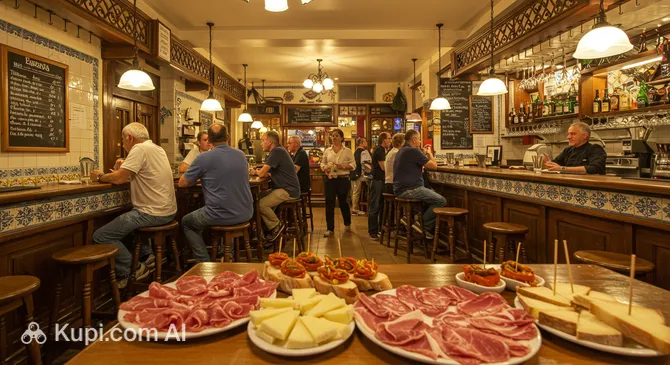
Bar Espanya. Illustration.
Source: Kupi.com AI
Traveler photos:
No visit to Palma is complete without indulging in the city's famous pastry, the Ensaïmada. This spiral-shaped sweet bun, dusted with powdered sugar, is light and airy. It can be eaten plain or filled with cabell d'àngel (pumpkin jam), cream, or chocolate. It is the quintessential breakfast or afternoon snack, perfectly paired with a coffee or hot chocolate.
The dining culture in Palma is lively and social, with a strong focus on "tapas" and "pintxos." Locals often enjoy hopping from bar to bar to sample small plates. A fantastic place to experience this buzzing atmosphere is Bar Espanya, known for its wide variety of pintxos and craft beers. For those seeking a more contemporary take on local ingredients, El Camino offers an exquisite counter-dining experience where you can watch chefs prepare fresh Mediterranean seafood right in front of you.
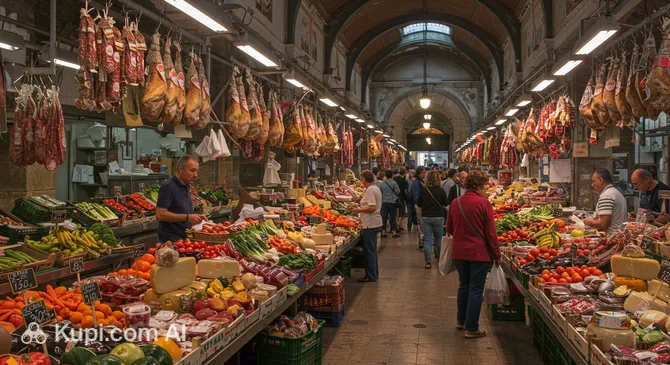
Markets are the beating heart of the local food scene, offering a sensory explosion of colors and smells. While some markets have become trendy gastronomic hubs, the Pere Garau Market remains a deeply authentic spot where residents shop for fresh fruit, vegetables, and livestock. It is an excellent place to witness the daily life of the city and pick up some local cheeses or olives.
Pere Garau Market. Illustration.
Source: Kupi.com AI
Traveler photos:
To wash down these delicious meals, locals often turn to Hierbas, a traditional aniseed-flavored herbal liqueur that comes in sweet, mixed, or dry varieties. It is typically served on ice after a meal as a digestif. For a more relaxed evening drink, you might visit OMBU Passeig del Born, where creative cocktails are served alongside innovative tapas in a stylish setting.
Travel Tips
Welcome to Palma, a city where laid-back island vibes meet the sophistication of a historic European capital. To ensure your visit to this sunny Mediterranean destination is as smooth and enjoyable as possible, here are some essential practical tips to keep in mind.
Clothing and Gear: Palma enjoys a warm climate, so light, breathable clothing is ideal for summer, while a light jacket or sweater is necessary for cooler winter evenings. Since the Old Town is paved with cobblestones, comfortable walking shoes are indispensable. If you plan to visit religious sites like the Cathedral, remember to dress modestly; shoulders and knees should be covered.
Transportation: The historic center is compact and best explored on foot. For longer distances, the blue EMT buses are efficient and affordable. While a metro system exists, it is less useful for typical tourist routes. Taxis and ride-hailing apps are readily available, but avoid renting a car just for the city itself—parking is scarce and expensive. Save the car rental for exploring the rest of the island.
Finances: The local currency is the Euro (€). Credit and debit cards are widely accepted in most shops and restaurants, but it is wise to carry some cash for small purchases at local markets or for bus fares. ATMs are plentiful throughout the city. Tipping is not mandatory in Spain, but leaving a small amount or rounding up the bill is a polite gesture for good service.
Health and Safety: Palma is generally a very safe city, but standard precautions against pickpockets should be taken in crowded tourist areas and on beaches. Pharmacies are marked with a green cross, and you can find a "Farmacia de Guardia" (duty pharmacy) open 24 hours a day on a rotating basis. The emergency number for police, ambulance, and fire services is 112.
Communication: The official languages are Spanish and Catalan (specifically the local dialect, Mallorquí). English is widely spoken in the hospitality sector, so you will have no trouble communicating. However, locals appreciate a friendly "Hola" (Hello) or "Gracias" (Thank you). EU residents can use their mobile data at no extra cost, while others can easily buy a prepaid SIM card at the airport or local kiosks.
Local Etiquette: Spaniards eat later than many other Europeans; lunch is typically served between 2:00 PM and 3:30 PM, and dinner often starts after 9:00 PM. When entering a shop or elevator, it is polite to greet others with "Buenos días" or "Buenas tardes." In public, the atmosphere is relaxed, but loud or rowdy behavior is generally frowned upon outside of nightlife zones.
What to Avoid: Do not walk around the city center or enter shops and restaurants wearing only swimwear. This is considered disrespectful and is actually prohibited by local bylaws, potentially resulting in a fine. Save the bikinis and swimming trunks strictly for the beach or pool areas.
Water Quality: While the tap water in Palma is technically safe to drink, it has a very high mineral content and can taste quite salty or chemically treated. Most locals and tourists prefer to drink bottled water, which is cheap and readily available in all supermarkets.
By keeping these practicalities in mind, you can focus on soaking up the sun, culture, and cuisine of this beautiful city. Palma is a welcoming place that rewards respectful travelers with unforgettable experiences and warm hospitality.
Entertainment & Nightlife
As the sun sets over the Mediterranean, Palma transforms from a laid-back historic capital into a vibrant hub of nocturnal activity. The city's nightlife is diverse and sophisticated, catering to everyone from cocktail connoisseurs to electronic music enthusiasts. Whether you prefer sipping wine in a centuries-old courtyard or dancing until dawn by the marina, the city offers an electric atmosphere that rivals any major European destination.
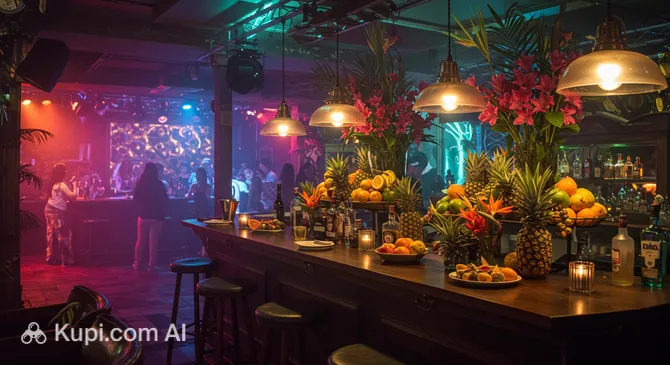
One of the most enchanting districts for an evening out is La Lonja. Named after the magnificent Gothic maritime exchange, this area is a labyrinth of narrow cobblestone streets packed with intimate bars, jazz clubs, and restaurants. It attracts a stylish mix of locals and tourists who enjoy hopping from one venue to another. A standout experience here is visiting Bar Abaco, famous for its opulent baroque decor, cascading fruits, and flower arrangements that make you feel like you have stepped into a 17th-century palace.
Bar Abaco. Illustration.
Source: Kupi.com AI
Traveler photos:
For a trendier and more local vibe, head to the Santa Catalina neighborhood. Historically a fisherman's district, it has evolved into the city's culinary and social hotspot. The area is renowned for "tardeo"—the custom of going out for drinks and tapas in the late afternoon which often extends into the night. Here, you can find stylish venues like Fervor Palma, where the retro-chic ambiance and expertly crafted cocktails draw a fashionable crowd.
If you are looking for high-energy clubbing, the Paseo Marítimo is the place to be. This long waterfront promenade is lined with larger discos and late-night bars that offer stunning views of the harbor and the illuminated cathedral. Venues here typically open late and stay busy until the early morning hours. Among the notable spots is Concepció, a club known for its sleek design and lively atmosphere, perfect for those who want to dance the night away.
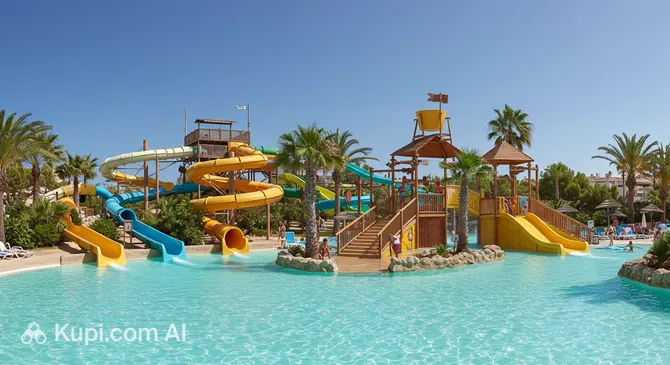
While the nightlife is legendary, Palma also offers thrilling entertainment during the day. Families and adrenaline seekers can venture just outside the city center to find world-class amusement parks. Western Water Park is a favorite for its Wild West theme and massive water slides, while other parks offer virtual reality experiences and forest adventures, ensuring there is never a dull moment.
Western Water Park. Illustration.
Source: Kupi.com AI
Traveler photos:
Practical advice for enjoying Palma's nightlife includes adjusting to the local clock. Bars generally start filling up after 11:00 PM, and nightclubs often do not get busy until 2:00 AM. Dress codes are generally smart-casual; beachwear is not acceptable in evening venues, and some upscale clubs may require long trousers for men. The city is safe for night walks, especially in the main districts like La Lonja and Santa Catalina, but it is always wise to stick to well-lit streets. Taxis are the most convenient way to get back to your hotel late at night and can be easily hailed on the street or found at designated ranks.
Parks & Museums
Beyond its sparkling coastline and lively streets, Palma is a city deeply connected to nature and art. Visitors can easily escape the urban bustle by stepping into lush historical gardens or immersing themselves in the rich cultural narratives preserved within its diverse museums. Whether you are seeking a quiet moment under the shade of ancient trees or a journey through architectural history, the city offers plenty of green and artistic spaces to explore.
One of the most accessible and charming green spaces in the city center is the Hort del Rei Gardens. Located just beneath the Royal Palace of La Almudaina, these "King's Gardens" blend medieval history with 1960s landscaping innovation. The design pays homage to the site's Moorish past, featuring tranquil fountains, water channels, and pergolas that offer a refreshing respite from the Mediterranean sun. It is also an open-air gallery of sorts, housing sculptures by notable artists, including a piece by Alexander Calder.
For a more extensive immersion in nature, a short trip to the outskirts reveals the stunning Alfàbia Gardens. Nestled at the foot of the Tramuntana mountains, this estate is a masterpiece of botany and history, showcasing a mix of Moorish, Italian, and English landscaping styles. Visitors are often enchanted by the pergola with its playful water jets, the avenue of palm trees, and the historic house that provides a glimpse into the lifestyle of the Mallorcan nobility over the centuries.
Alfàbia Gardens. Illustration.
Source: Kupi.com AI
Traveler photos:
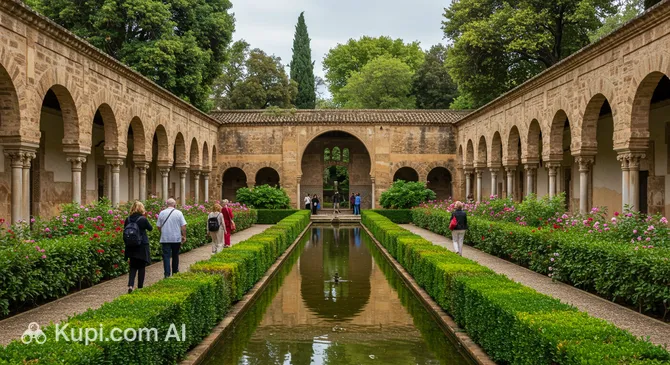
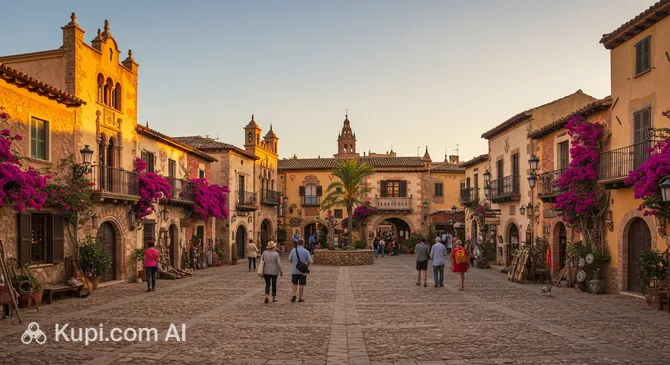
On the cultural front, the Poble Espanyol of Mallorca offers a unique architectural journey without leaving the island. This open-air museum was built in the 1960s to recreate famous buildings, plazas, and streets from various regions of Spain. It functions as a "village" where you can admire reproductions of the Alhambra's court or a typical Andalusian church, all while browsing artisan workshops and enjoying local gastronomy in a traffic-free environment.
Poble Espanyol of Mallorca. Illustration.
Source: Kupi.com AI
Traveler photos:
Those interested in religious art and history should visit the Cathedral Museum of Mallorca. Accessed through the iconic La Seu cathedral, this museum houses an impressive collection of sacred artifacts, including Gothic paintings, intricate silverware, and reliquaries that date back to the 13th century. It offers a deeper understanding of the spiritual heritage that has shaped the island's identity.
For a truly authentic experience that combines nature with history, consider visiting the Galatzó Estate. This vast public estate in the municipality of Calvià offers a network of hiking trails through pine forests and olive groves, leading to a restored traditional manor house. It is a fantastic spot for seeing the rugged side of Mallorca's landscape and enjoying panoramic views away from the typical tourist crowds.
Getting Around
Palma boasts a comprehensive and efficient public transport network that makes navigating the city and its surroundings straightforward for visitors. The system is primarily anchored by the EMT (Empresa Municipal de Transports), which operates the distinctive blue and white city buses. These buses cover the entire urban area, including popular routes to the nearby beaches, the port, and the historic center. For travel beyond the city limits or to the suburbs, the TIB (Transport de les Illes Balears) network offers red and yellow interurban buses, a train service, and a small metro system.
The central hub for all public transportation is the Estació Intermodal located at Plaça d'Espanya. From here, you can access the metro, trains, and underground bus terminals. The metro system consists of two lines connecting the city center to the University (UIB) and the town of Marratxí. While it is less commonly used by tourists for general sightseeing, it provides a fast and reliable link to the outskirts. A unique highlight of the city's transport landscape is the historic Ferrocarril de Sóller. This vintage wooden train, dating back to 1912, departs from its own dedicated station near Plaça d'Espanya and offers a scenic journey through the mountains, serving as both a mode of transport and a major attraction.
Paying for transport has become increasingly convenient for travelers. On EMT city buses, you can purchase single tickets directly from the driver using cash, though it is essential to carry small bills (usually no larger than 10 euros) or coins. Many city buses now also accept contactless bank cards, which simplifies the process significantly. For the TIB interurban buses, trains, and metro, the most cost-effective method is the bank card system. You simply tap your card on the validator when entering and again when exiting ("tap in and tap out"). This method is cheaper than buying single paper tickets and allows up to five people to travel on the same card with progressive discounts.
For those preferring alternatives to public transit, taxis are plentiful and can be easily identified by their white color with a stripe on the front doors. They can be hailed on the street if the green light is on or found at designated ranks throughout the city. Cycling is also a popular option, particularly along the flat and scenic Paseo Marítimo. While the public "BiciPalma" system is primarily for residents, numerous private rental shops offer bicycles and e-scooters for tourists wishing to explore the coastline at their own pace.
A few practical tips will ensure a smooth journey. Most bus services operate from approximately 6:00 AM until nearly midnight, with specific "NitBus" lines providing limited service during the night on weekends and holidays. When using the TIB network, failing to tap out will result in being charged the maximum fare for the route, so it is crucial to remember to validate upon exit. Finally, bear in mind that the historic Old Town is best explored on foot, as its narrow, winding streets are often inaccessible to standard public transport vehicles.
Accommodation
Where to Stay:
Palma offers a diverse range of accommodation options that cater to every type of traveler, from backpackers seeking budget-friendly stays to luxury seekers looking for exclusive experiences. The city's hospitality landscape includes charming boutique hotels nestled in historic buildings, expansive beach resorts, modern city apartments, and economical hostels. Whether you prioritize cultural immersion in the city center or waking up to the sound of Mediterranean waves, you will find a suitable place to rest.
The choice of location largely depends on the kind of experience you desire. The Old Town (Casco Antiguo) is perfect for those who want to be steps away from the main sights, surrounded by ancient architecture and vibrant plazas. For travelers interested in nightlife and harbor views, the Paseo Marítimo offers a lively atmosphere with easy access to clubs and bars. Meanwhile, areas like Cala Major and the nearby coastline are ideal for visitors who prefer a resort-style vacation with direct access to the beach while still being close to the city.
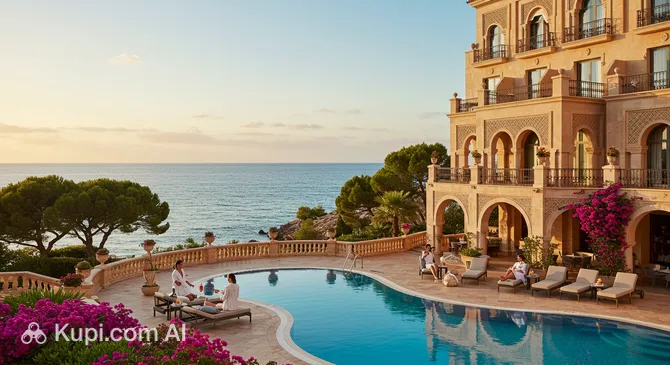
For those seeking a luxurious retreat by the sea, the Maricel Hotel is a renowned option, famous for its stunning architecture and privileged location right on the water's edge. It combines historical elegance with modern comfort, offering a tranquil escape just a short distance from the bustling center. Another excellent choice for a relaxing beachside stay is Waves Cristina, which provides modern amenities and a refreshing atmosphere for a memorable holiday.
Maricel Hotel. Illustration.
Source: Kupi.com AI
Traveler photos:
When planning your trip, it is highly recommended to book well in advance, especially if you intend to visit during the peak summer months of July and August. Accommodation in Palma is in high demand during this season, and the best options tend to fill up quickly. Prices vary significantly depending on the season and the type of establishment; you can find budget beds for a modest fee or splurge on high-end suites that command premium rates. Most bookings can be easily made through major online platforms, though contacting smaller boutique hotels directly can sometimes yield better offers or specific room requests.
Nearby Cities
For those looking to explore the surroundings, Palma serves as an excellent base for day trips to several interesting nearby locations:
Just a short drive away lies Calvià, a municipality known for its stunning coastline, rugged landscapes, and historical charm. It offers a perfect mix of traditional architecture and modern resort facilities, making it a favorite for those seeking both relaxation and culture. Further inland, Manacor awaits as the second-largest city on the island. Famous worldwide for its artificial pearl industry and as the birthplace of tennis legend Rafael Nadal, it is also the gateway to the spectacular Caves of Drach. For lovers of craftsmanship, Marratxí is renowned for its pottery tradition, hosting annual fairs dedicated to local ceramics.
City
Population
Distance
Marratxí
38 902
8 km
Calvia
51 567
13 km
Santa Eugenia
26 897
17 km
Andratx
11 735
20 km
Binissalem
9 027
21 km
These nearby destinations offer a glimpse into the diverse culture and landscapes of the region.
Shopping & Souvenirs
Shopping in Palma is a delightful experience that ranges from browsing high-end designer boutiques to discovering centuries-old artisan workshops. The city is known for its cosmopolitan flair, offering a mix of international luxury brands and traditional island craftsmanship. Visitors are often drawn to the local leather goods, artificial pearls, and handmade ceramics, which make for unique mementos of their trip.
The heart of the city's shopping district is arguably the elegant Passeig del Born, often referred to as the "Golden Mile." This tree-lined avenue is home to prestigious luxury labels and historic buildings, making it a scenic place to window shop. Connected to it is the bustling Avinguda Jaume III, another major commercial artery lined with well-known fashion chains and department stores. For a more traditional atmosphere, the pedestrianized Carrer de Sant Miquel offers a variety of shoe shops, embroidery stores, and local boutiques.
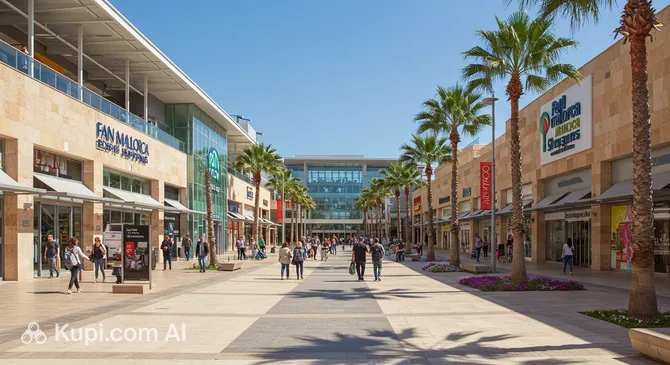
For those who prefer a modern, all-in-one shopping experience, the city boasts several excellent malls. One of the most popular is FAN Mallorca Shopping, an open-air complex located just a short drive from the center. It features a vast array of international retailers, a cinema, and numerous dining options, making it a favorite destination for both locals and tourists.
FAN Mallorca Shopping. Illustration.
Source: Kupi.com AI
Traveler photos:
Another convenient option is the Alcampo Mallorca Shopping Center, which provides a comprehensive selection of stores, including a large hypermarket perfect for stocking up on supplies. These centers are particularly useful for their ample parking and extended opening hours compared to the smaller downtown shops.
Markets are an essential part of the Mallorcan lifestyle and a treat for the senses. The Mercat de l'Olivar is the city's largest gastronomic market, where you can marvel at fresh seafood displays and buy local delicacies like cheese and olives. For a more authentic, non-touristy vibe, the Pere Garau Market is a bustling hub where farmers from across the island sell their fresh produce at very reasonable prices.
When looking for souvenirs, keep an eye out for Majorica pearls, which are world-famous and manufactured locally. Traditional basketry (llatra) made from palm leaves is another charming local craft. You might also find Siurells, distinctive white clay whistles painted with green and red flashes, which are iconic symbols of Mallorcan folklore. Of course, a box of Ensaïmadas (pastries) is the classic edible gift to bring home.
Store hours in Palma generally follow the traditional Spanish schedule. Small boutiques and local shops typically open from 10:00 AM to 1:30 PM, close for a "siesta," and reopen from 5:00 PM to 8:00 PM. However, large department stores and shopping malls usually stay open all day from 10:00 AM to 9:00 PM or 10:00 PM. Most shops accept credit and debit cards, even for small amounts.
Tourists residing outside the European Union are eligible for a VAT refund on purchases over a certain amount. Look for the "Tax Free" sign in shop windows. Spain uses the digital DIVA system, which allows you to validate your tax-free forms electronically at the airport kiosks before leaving the country, streamlining the refund process.