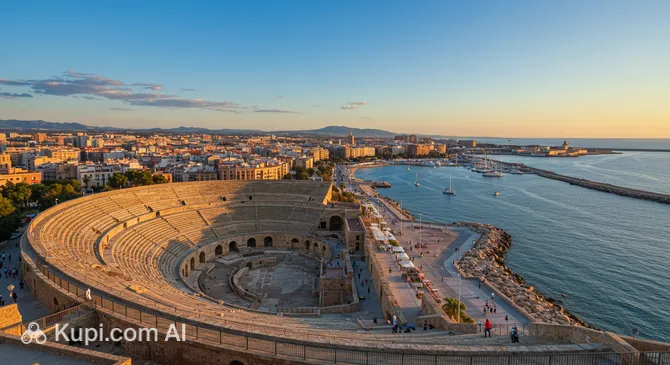
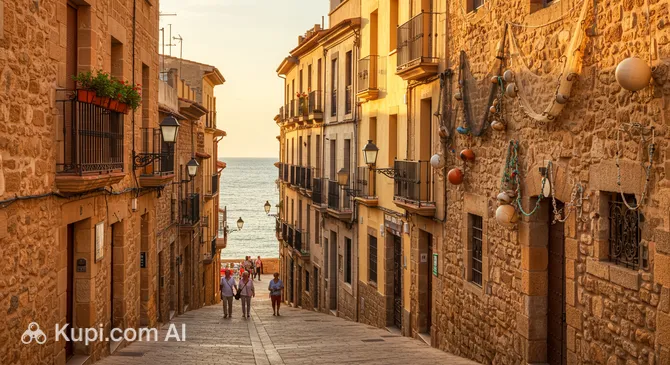
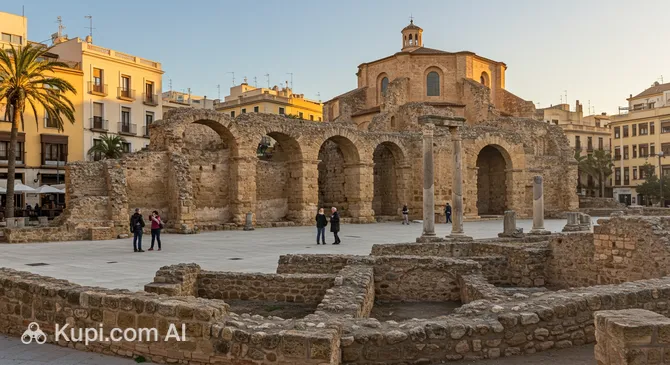
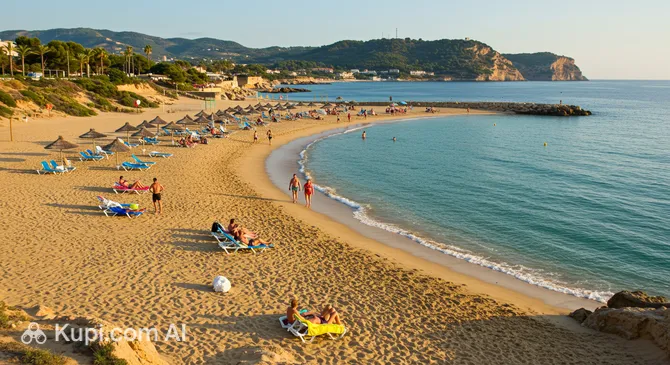
Welcome to Tarragona, a captivating port city located on the sun-drenched Costa Daurada. Known for its unique blend of ancient heritage and vibrant Mediterranean lifestyle, this city offers a warm and inviting atmosphere for travelers. Situated in the northeast of Spain, Tarragona is the capital of its namesake province and is home to a population of approximately 135,000 people, making it a lively yet manageable destination to explore.
Tarragona. Illustration.
Source: Kupi.com AI
The city's significance lies deep in its past, as it was once Tarraco, one of the most important cities in the Roman Empire. Visitors can immerse themselves in the rich history of Tarragona by wandering through its extensive archaeological complex, which has been designated a UNESCO World Heritage Site. The ancient ruins are seamlessly woven into the fabric of the modern city, creating a stunning contrast between the old and the new.
Among the top attractions is the magnificent Roman Amphitheatre, which is carved into a steep slope overlooking the Mediterranean Sea, offering a breathtaking view that combines history with natural beauty. Another must-visit spot is the Balcó del Mediterrani, a railing at the end of the main promenade where locals and tourists alike go to "touch iron" for good luck and enjoy panoramic vistas of the coast. Whether you are wandering the medieval streets of the Upper Town or relaxing on the golden beaches, Tarragona is a destination that promises to charm every visitor.
Weather Overview
Tarragona enjoys a pleasant Mediterranean climate, characterized by hot, sunny summers and mild winters. During the warmest months of July and August, the average temperature hovers around 25.7°C, with daily highs frequently reaching above 31°C, making it an ideal time for beachgoers. Conversely, winters are cool but rarely freezing; January is typically the coldest month with an average temperature of 7.9°C and lows around 3.4°C.
Precipitation volume is generally low throughout the year, though the frequency of rain varies by season. Expect warm summers with occasional rain and cold, dry winters, while spring and autumn tend to see a slightly higher number of wet days, peaking at around 11 days in September. To help you pack appropriately for your trip, you can consult the detailed guide to the weather in Tarragona.
Average monthly temperature
Average monthly precipitation
Interesting Facts
Beyond the main attractions, Tarragona holds many fascinating secrets and unique traditions that often escape the casual observer. From ancient legends to spirited local festivals, the city offers a deeper layer of history and culture for those willing to explore.
The Roman Circus of Tarragona is not just an archaeological site; it is literally woven into the fabric of the modern city. Unlike most ancient ruins that stand apart, this chariot-racing stadium is integrated into the structure of 19th-century buildings, meaning some local restaurants and shops still have original Roman vaults forming their ceilings.
Tarragona is considered a capital of the Castells, the awe-inspiring Catalan tradition of building human towers. The city hosts the most prestigious bi-annual competition for these teams, and you can see a permanent tribute to this UNESCO Intangible Cultural Heritage at the Monument to the Castellers on the Rambla Nova.
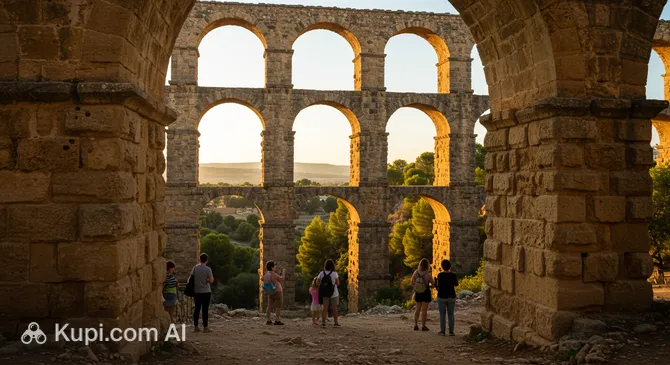
The majestic aqueduct known as the Pont del Diable (Devil's Bridge) earned its ominous name from a local legend. Folklore claims that the devil himself built the bridge in a single night after making a pact with a maiden to claim the soul of the first one to cross it, only to be outsmarted when she sent a donkey across first.
The city has a surprising historical connection to the famous Chartreuse liqueur. After being expelled from France in the early 20th century, Carthusian monks moved their distillery to Tarragona, and today the city remains one of the few places where the traditional yellow and green liqueur is a staple of local festivities, often mixed with lemon slush.
Pont del Diable. Illustration.
Source: Kupi.com AI
Traveler photos:
How to Get There
Reaching this coastal gem is quite convenient thanks to its strategic location and excellent transport connections. Whether you are arriving from international destinations or neighboring cities, you have several options to choose from. For a comprehensive overview of routes and tips, you can read more about how to get to Tarragona in our detailed guide.
The city of Tarragona does not have its own airport, but it is well-served by nearby aviation hubs. The closest option is Reus Airport(REU), located in the city of Reus, just 7.2 km from Tarragona. It handles a significant number of seasonal holiday flights, and a taxi or bus ride to the city center takes approximately 30 minutes. For a wider range of international connections, most travelers fly into Barcelona-El Prat Airport (BCN) in Barcelona. Situated about 72.7 km away, this major international airport offers extensive global links. The journey from Barcelona-El Prat to Tarragona typically takes around 2 hours and 10 minutes by road.
For clarity, here is a summary of the main airports:
Traveling by train is another excellent way to reach the city. Tarragona is served by the Tarragona Camp Station, which is conveniently located just 1.1 km from the city center, making it a primary entry point for rail travelers. Additionally, many visitors connect through the major Sants Railway Station in Barcelona. Although it is located 80.4 km away, it acts as a crucial hub for high-speed and regional trains that link the wider region to Tarragona. From Barcelona Sants, you can easily transfer to a train heading south along the coast.
Below is a list of the nearest railway stations offering connections to the area:
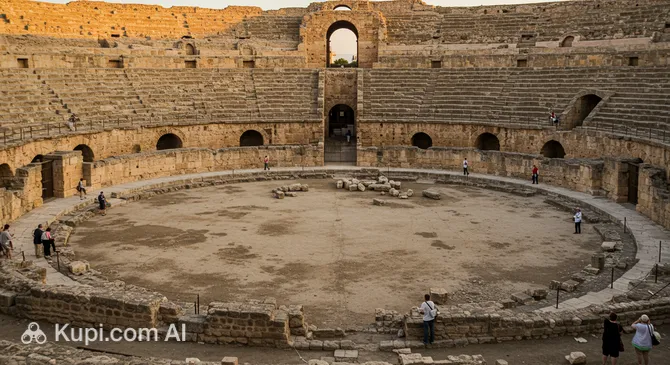
Standing majestically against the backdrop of the Mediterranean Sea, the Tarragona Amphitheatre is undoubtedly the city's most iconic landmark. Built in the 2nd century AD, this oval arena was once the stage for gladiator battles and public spectacles, capable of holding up to 15,000 spectators. Today, it offers a dramatic fusion of history and nature, allowing visitors to explore the ancient ruins of the arena and a 12th-century Romanesque church built in its center, all while enjoying stunning coastal views.
Tarragona Amphitheatre. Illustration.
Source: Kupi.com AI
Traveler photos:
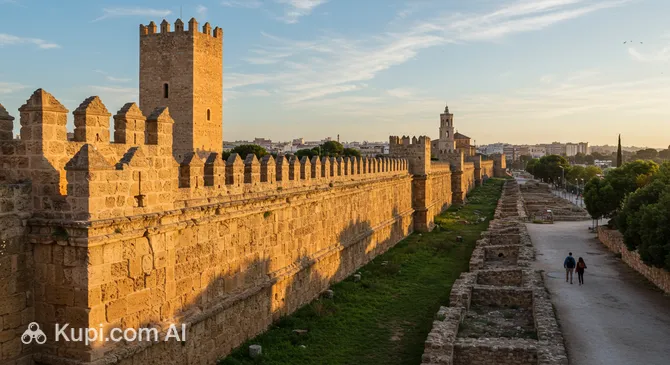
To understand the defensive power of the ancient city, a walk along the Roman Walls of Tarragona is essential. These massive fortifications are among the oldest Roman constructions preserved outside of Italy, dating back to the 2nd century BC. Tourists can stroll along the Archaeological Promenade, a peaceful garden path that runs between the ancient walls and later fortifications, offering a quiet escape and a tangible connection to the city's founding era.
Roman Walls of Tarragona. Illustration.
Source: Kupi.com AI
Traveler photos:
No visit to Tarragona is complete without a stroll to the Balcón del Mediterráneo. Located at the end of the bustling Rambla Nova, this lookout point sits roughly 40 meters above the sea, providing sweeping panoramic views of the coast, the port, and the horizon. It is a beloved spot where locals and visitors alike come to "touch iron" (tocar ferro) on the railing for good luck and to watch the sunrise or sunset over the water.
For a taste of the city's maritime soul, head to the Serrallo District. This traditional fishermen's neighborhood is vibrant and colorful, characterized by its narrow streets and the authentic atmosphere of a working port. It is the perfect place to enjoy fresh seafood in one of the many restaurants facing the harbor or to watch the fishing boats return with their daily catch, maintaining a lifestyle that has defined this area for centuries.
Serrallo District. Illustration.
Source: Kupi.com AI
Traveler photos:
Local Cuisine
The culinary scene in Tarragona is a delightful reflection of its Mediterranean location and rich historical roots. At the heart of the local gastronomy is the abundance of fresh seafood, brought in daily by the fishing boats of the Serrallo District. This traditional neighborhood is the culinary soul of the city, where the aroma of grilled fish fills the air and restaurants serve catches straight from the nets to the plate. The cuisine here is characterized by the use of high-quality local ingredients, including hazelnuts, almonds, and olive oil, which form the base of many signature recipes.
One dish you absolutely must try is the Cassola de Romesco. This rich fish stew is prepared with a special sauce made from dried peppers, garlic, toasted almonds, and hazelnuts—a sauce that originated in Tarragona itself and is a source of local pride. Another favorite is Arrossejat, a humble fisherman's dish where rice or noodles are browned in oil before being cooked in a flavorful fish stock. For those visiting in late winter or early spring, the Calçotada is a gastronomic ritual involving grilled sweet onions dipped in romesco sauce, often enjoyed as a festive communal meal.
El Pòsit. Illustration.
Source: Kupi.com AI
Traveler photos:
When it comes to drinks, Tarragona has a strong culture surrounding vermouth. "Fer un vermut" (having a vermouth) is a beloved social tradition, typically enjoyed before lunch with a side of olives, chips, or cockles. The region also produces excellent wines under the Tarragona Denomination of Origin. To finish your meal, many locals opt for a glass of Chartreuse, the herbal liqueur historically distilled by monks in the city, which remains a staple of local festivals and digestifs.
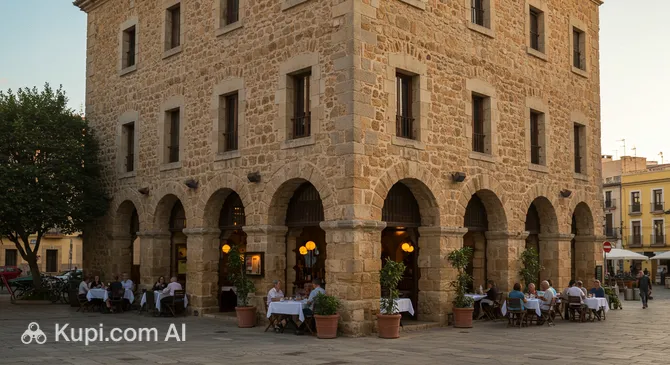
Dining in Tarragona ranges from lively tapas bars in the historic Upper Town (Part Alta) to relaxed seaside establishments. For a taste of authentic seafood cuisine in a modern setting, you might visit El Pòsit, a well-regarded restaurant that highlights fresh, sustainable local produce. Whether you are snacking on fresh prawns by the harbor or enjoying a leisurely paella with sea views, the city's food culture is sure to leave a lasting impression.
Travel Tips
To ensure your visit to this ancient Roman city is as smooth and enjoyable as possible, we have compiled a set of essential guidelines. From navigating the charming medieval streets to understanding local customs, these practical tips will help you experience Tarragona like a savvy traveler rather than just a tourist.
Clothing and Gear: Tarragona is best explored on foot, especially the historic Part Alta (Upper Town) and the archaeological sites. Therefore, bringing comfortable walking shoes with good grip is essential for navigating cobblestones and uneven ancient ruins. In summer, lightweight, breathable fabrics and sun protection (hat, sunglasses, high SPF sunscreen) are mandatory due to the strong Mediterranean sun. If you plan to visit the Cathedral, remember to dress modestly; cover your shoulders and knees as a sign of respect.
Transportation: The city center is compact and very walkable, with most major Roman attractions located within a short distance of each other. For longer distances or to reach the neighborhoods, the local EMT bus network is efficient and affordable. Taxis are readily available at designated stands or via phone, and ride-hailing apps operate in the area. Unless you plan to explore the wider Spain countryside or the Costa Daurada region, a rental car is generally unnecessary and can be a hassle due to limited parking in the historic center.
Finances: The official currency is the Euro (€). Credit and debit cards (Visa and Mastercard) are widely accepted in hotels, restaurants, and most shops. However, it is advisable to carry some cash for small purchases, bus fares, or at smaller local bars. ATMs are plentiful throughout the city. Tipping is not mandatory but is appreciated; rounding up the bill or leaving a 5-10% tip for excellent service is a common practice.
Health and Safety: Tarragona is generally a safe city for tourists. However, as in any popular destination, exercise standard caution with your belongings, particularly in crowded areas like the Rambla Nova or near major monuments. Pharmacies are easily identified by a flashing green cross; they are well-stocked, and pharmacists can often provide advice for minor ailments. For emergencies, dial 112, which is the universal European emergency number.
Communication: The official languages are Catalan and Spanish (Castilian), and locals often use them interchangeably. While English is spoken in most hotels, major restaurants, and tourist offices, it may be less common in small local shops or traditional markets. Learning a few basic phrases like "Bon dia" (Good morning in Catalan) or "Hola" (Hello) goes a long way. Free Wi-Fi is often available in public spaces and cafes, but buying a local SIM card (e.g., from Movistar, Orange, or Vodafone) is recommended for reliable navigation.
Local Etiquette: Spaniards typically eat later than many other Europeans. Lunch is the main meal of the day, usually served between 2:00 PM and 3:30 PM, while dinner is rarely eaten before 9:00 PM. Many smaller shops may close for a few hours in the afternoon (siesta time), roughly from 1:30 PM to 5:00 PM, so plan your shopping accordingly. When greeting someone, a handshake is standard, though two kisses on the cheeks are common among friends.
What to Avoid: Do not walk around the city center or enter shops and restaurants wearing only swimwear or shirtless; this is considered disrespectful and is reserved strictly for the beach. Also, avoid expecting "fast food" speed in traditional restaurants; dining here is a leisurely social activity, so relax and enjoy the pace rather than rushing the staff.
Additional Tip: Embrace the local tradition known as tocar ferro (touching iron). When you walk to the end of the Rambla Nova, it is customary to touch the iron railing of the Balcó del Mediterrani. Legend says this simple act brings good luck and ensures you will return to Tarragona one day.
Armed with these tips, you are ready to delve into the rich history and vibrant culture of Tarragona with confidence. Whether you are marveling at the Roman amphitheater or enjoying a leisurely vermouth on a sunny terrace, knowing these practical details will let you focus on making unforgettable memories.
Entertainment & Nightlife
Entertainment in Tarragona offers a diverse mix of laid-back Mediterranean vibes and lively late-night energy. While the city is quieter than the nearby party resort of Salou, it boasts a sophisticated nightlife scene that revolves around social interaction, open-air terraces, and music. The atmosphere is generally welcoming and casual, with locals gathering in the historic squares to enjoy drinks and conversation well into the early morning hours.
The heart of the evening action is undoubtedly the Part Alta (Upper Town), specifically around Plaça de la Font. This large square, packed with bars and restaurants, comes alive at sunset and remains the city's social hub throughout the night. Another key area is the marina and the port, where you can find stylish venues offering cocktails with sea views. For those seeking a more commercial entertainment experience with cinemas and bowling, the Les Gavarres shopping and leisure complex on the outskirts of the city is a popular destination for families and groups of friends.
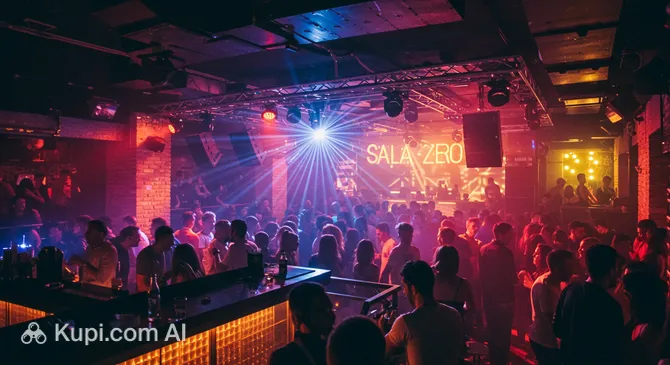
If you are looking for live music and a vibrant club atmosphere, Sala Zero is a standout venue. Located near the train station, it is renowned for hosting concerts featuring local and international bands, followed by DJ sets that keep the crowd dancing until dawn. It is a staple of the local cultural scene and attracts a diverse crowd of music lovers.
Sala Zero. Illustration.
Source: Kupi.com AI
Traveler photos:
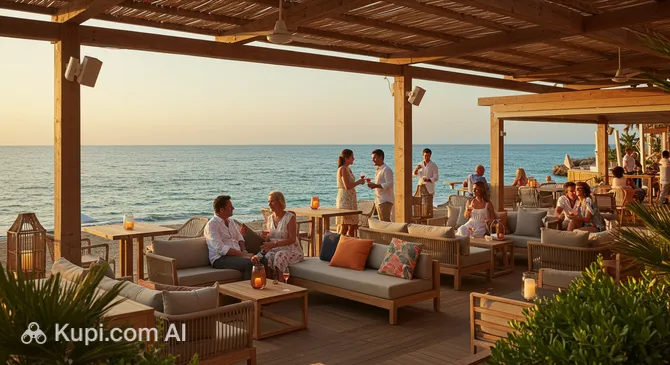
For craft beer enthusiasts, Twins Craft Beer in the historic center is an excellent choice. This bar offers a cozy atmosphere and an impressive selection of artisanal brews, making it a perfect spot for a relaxed evening before heading to louder venues. During the warmer months, the nightlife extends to the beach areas. Places like the Selvático Beach Club offer a chic setting to enjoy refreshing cocktails and music right by the sea, capturing the essence of a Mediterranean summer night.
Selvático Beach Club. Illustration.
Source: Kupi.com AI
Traveler photos:
Regarding practicalities, nightlife in Tarragona starts late. Dinner is typically finished by 11:00 PM, and bars start to fill up around midnight, with clubs peaking between 2:00 AM and 4:00 AM. The dress code is generally smart-casual; you will fit in wearing jeans and a nice shirt, though beach clubs might expect slightly more stylish summer attire. The city is safe for night walks, especially in the busy center, but it is always wise to stay in well-lit areas. Taxis are readily available at designated ranks (stops) or can be hailed via apps, providing a convenient way to return to your accommodation.
Before the sun sets, Tarragona offers plenty of daytime entertainment beyond its Roman ruins. Culture vultures can visit the CaixaForum Tarragona, a cultural center that hosts rotating art exhibitions, workshops, and educational activities. For shopping enthusiasts, the Parc Central Shopping Centre provides a modern retail experience with a wide range of international brands and dining options, perfect for a break from sightseeing.
Parks & Museums
Tarragona offers a delightful balance between urban exploration and refreshing green retreats, with a variety of parks and cultural institutions that showcase its diverse heritage. Beyond the famous Roman ruins, visitors can find tranquility in lush gardens and inspiration in galleries that span from maritime history to contemporary art.
One of the most prominent green spaces is the Camp de Mart. Situated just outside the ancient city walls, this expansive park serves as a green lung for the city and a cultural hub, hosting open-air concerts and festivals in its auditorium during the summer. For those seeking a more rustic escape, the Parc del Llorito offers a taste of the Mediterranean forest with pine trees and picnic areas, making it a perfect spot for a relaxed afternoon in nature away from the urban bustle.
Camp de Mart. Illustration.
Source: Kupi.com AI
Traveler photos:
The city's museums provide a deeper look into its identity and evolution. The Port Museum of Tarragona, located in a refurbished warehouse in the harbor, offers a fascinating journey through the city's maritime past, featuring ancient anchors and interactive exhibits that appeal to all ages. Art enthusiasts should visit the Tarragona Museum of Modern Art (MAMT), which focuses on promoting contemporary Catalan art and holds an impressive collection of sculptures and paintings nestled in the heart of the historic quarter.
For a glimpse into the lifestyle of the local nobility during the 19th century, Casa Canals is an architectural gem worth visiting. This manor house preserves its original opulent decor, including ballroom salons and period furniture, and often hosts temporary exhibitions. The city itself feels like an open-air museum, with sites like the Colonial Forum of Tarraco allowing you to walk among the columns that once marked the center of Roman public life.
A unique cultural experience awaits at the La Banya Lighthouse – Lighthouse Museum. Situated at the end of the breakwater, this distinctive structure serves as a museum dedicated to maritime signals and offers a quiet, scenic perspective of the port that many tourists miss.
Getting Around
Public transport in Tarragona is efficient, reliable, and primarily based on a comprehensive bus network managed by the municipal company, EMT (Empresa Municipal de Transports). Since the city does not have a metro or tram system, these buses serve as the main lifeline for connecting the historic center, the port area, the train stations, and the outlying neighborhoods. The buses are easily recognizable by their red and white livery and cover the entire city, making it easy for visitors to reach attractions that are further afield from the compact Upper Town.
For tourists planning to use the bus frequently, understanding the payment options can save both money and time. A single ticket typically costs around €1.60 and can be purchased directly from the driver, though carrying small change is highly recommended. However, if you plan to take more than a couple of trips, it is much more economical to purchase a multi-journey card. The T-10/120 card allows for 10 journeys within a specific zone and can be shared between multiple people, offering a significant discount per ride compared to single tickets.
Travel cards and passes cannot usually be bought on board the bus. Instead, you should look for authorized points of sale, such as tobacconists (look for the yellow and brown "Tabacs" sign), newsstands, or EMT customer service offices. Once you board the bus, you must validate your ticket or tap your card at the machine located near the driver. Buses generally operate from early morning, around 6:00 AM, until approximately 10:30 PM, though frequencies vary by line. For late-night travel, there are limited "NitBus" (night bus) services on weekends and holidays.
A unique and popular option for sightseeing is the Tarraco Tren, a tourist train that offers a relaxed way to see the city's highlights without the steep walks. This train runs a circular route connecting the major Roman sites, the port, and the beaches. It provides audio guides in multiple languages, making it an excellent choice for families or those who want an overview of the city's layout before exploring on foot. Tickets for the tourist train are valid for the whole day, allowing you to hop on and off at various stops.
For those who prefer more direct and private transport, taxis are readily available and reasonably priced compared to other major European cities. Official taxis in Tarragona are white and display a "Taxi" sign on the roof, which lights up green when they are free. You can find taxi ranks at strategic locations like the bus station, the train station, and Plaça de la Font, or you can book one via telephone or local apps. Ride-sharing apps are less dominant here than in larger capitals, so relying on official taxis is often the most straightforward option.
While Tarragona is hilly, the city has installed several public elevators and escalators to help pedestrians navigate the changes in elevation between the lower city (near the port and station) and the historic center. These are free to use and are a practical "transport" method for saving your energy. Additionally, renting a bike is a viable alternative for riding along the flat coastal promenade, though the steep streets of the old town are better suited for walking.
Accommodation
Where to Stay:
Finding the perfect place to stay in Tarragona is relatively easy, as the city offers a diverse range of accommodation options to suit every budget and travel style. From charming boutique hotels nestled in medieval buildings to modern apartments and budget-friendly hostels, visitors can choose the experience that best fits their needs. Unlike some larger, overwhelming tourist hubs, Tarragona’s accommodation landscape feels personal and accessible, often reflecting the city's laid-back Mediterranean character.
For those who wish to immerse themselves in history, the Part Alta (Upper Town) is the most atmospheric choice. Staying within the ancient Roman walls allows you to step out of your door directly onto cobblestone streets lined with restaurants and monuments. Alternatively, the area around the Rambla Nova offers a more modern and convenient experience, placing you right in the center of the city's commercial life, close to shopping and transport links. This central district is ideal for travelers who want easy access to both the historic sights and the train station.
Travelers seeking a relaxing seaside escape might prefer accommodation located closer to the coast. The city is flanked by beautiful shorelines, and staying near popular spots like Arrabassada Beach offers the perfect balance of sun, sea, and proximity to the city center. Additionally, the wider Tarragona region is famous for its high-quality camping resorts. These are not just simple campsites but often extensive holiday parks with bungalows and pools, located just a short bus or car ride from the city, making them a fantastic option for families.
Arrabassada Beach. Illustration.
Source: Kupi.com AI
Traveler photos:
Booking Tips: Tarragona is a popular destination, particularly during the summer months and major festivals like Santa Tecla in September. During these peak times, availability can drop quickly, and prices tend to rise. It is highly recommended to book your accommodation well in advance—ideally several months ahead—to secure the best locations and rates.
Price Range: In general, accommodation in Tarragona provides good value compared to nearby Barcelona.
Budget: Hostels and simple guesthouses typically range from €30 to €60 per night.
Mid-range: Comfortable 3-star hotels and standard apartments usually cost between €70 and €130 per night.
Luxury: Upscale hotels and boutique properties in prime locations can range from €150 upwards per night, especially in high season.
Most bookings can be easily made through major online travel platforms, though contacting smaller, family-run establishments directly can sometimes yield better personalized offers.
Nearby Cities
For those looking to explore the surroundings, Tarragona serves as an excellent base for day trips to several interesting nearby locations that showcase the diversity of the region.
Just a short distance inland lies Reus, a city renowned as the birthplace of the famous architect Antoni Gaudí. Visitors can explore the Gaudí Centre to learn about his life and works, or simply stroll through the streets to admire the stunning examples of Modernist architecture that adorn the city center. Reus is also historically famous for its production of vermouth, making it a perfect spot to enjoy a traditional aperitif in a bustling square.
Another captivating destination is Vilanova i la Geltrú, a coastal town that combines a rich maritime heritage with cultural attractions. It is home to the Catalonia Railway Museum, which houses one of the most valuable collections of steam locomotives in Europe, offering a fascinating experience for history buffs and families alike. Meanwhile, wine enthusiasts should consider a trip to Villafranca del Penedès, the capital of the Penedès wine region, where you can visit historic wineries and taste some of the finest cavas and wines in the country.
These nearby destinations offer a glimpse into the diverse culture and landscapes of the region, ranging from architectural gems to rolling vineyards.
Shopping & Souvenirs
Shopping in Tarragona is a delightful experience that combines the charm of historic streets with modern convenience. The city offers a wide range of options, from traditional family-run businesses selling local crafts to contemporary fashion outlets. Whether you are looking for unique artisanal products or well-known international brands, the city's diverse retail landscape caters to all tastes, allowing visitors to enjoy a leisurely spree amidst ancient Roman heritage.
The heart of the city's commercial life is undoubtedly the Rambla Nova, a bustling promenade that runs through the center towards the sea. Here, visitors can find a variety of fashion boutiques, shoe stores, and accessory shops interspersed with cafes. For a more atmospheric shopping experience, head to the Part Alta (Old Town). The narrow, winding streets of this historic district are home to antique dealers, jewelers, and small artisan workshops where you can find one-of-a-kind items and handcrafted goods.
For those who prefer having everything under one roof, the Parc Central Shopping Centre is the premier destination. Located just a short walk from the city center, it houses a vast selection of fashion chains, electronics stores, and a supermarket in a modern, air-conditioned setting. Another option, situated on the outskirts, is Les Gavarres. While primarily known as a leisure and entertainment complex, it also features several large retail outlets and big-box stores, making it a convenient stop for specific needs.
Parc Central Shopping Centre. Illustration.
Source: Kupi.com AI
Traveler photos:
Markets play a vital role in local daily life and offer a vibrant shopping atmosphere. The Mercat Central (Central Market) is a must-visit, not only for its fresh produce, meats, and cheeses but also for its stunning Modernist architecture. It is the perfect place to observe the local culinary culture and pick up fresh snacks. On Sundays, the massive Bonavista Market takes place on the edge of the city, offering everything from clothes and household goods to food, attracting crowds from all over the region.
When looking for gifts to take home, consider the region's gastronomic specialties. A bottle of Chartreuse, the herbal liqueur historically distilled by monks in Tarragona, is the quintessential local souvenir. Other excellent choices include high-quality olive oil from the Siurana denomination, local wines and vermouth, or traditional ceramics that reflect the area's artistic heritage. These items provide an authentic taste of the province to share with friends and family.
Opening hours in Tarragona generally follow the traditional Spanish schedule. Small shops and boutiques typically open from 10:00 AM to 1:30 PM and reopen from 5:00 PM to 8:30 PM, closing for a midday break known as the siesta. However, major shopping malls and department stores usually remain open continuously from 10:00 AM to 9:00 PM or 10:00 PM. Major credit and debit cards are widely accepted, though carrying some cash is useful for small purchases at markets or kiosks.
Travelers residing outside the European Union are eligible for a VAT refund on purchases made in tax-free stores. Look for the "Tax Free" sign in shop windows and ask for the electronic tax-free form (DIVA) at the checkout. This document can later be validated at the airport or port customs before leaving the EU, allowing you to reclaim a portion of your spending.