Support

Huesca

About

Nestled at the foot of the majestic Pyrenees, Huesca is a captivating destination that offers a perfect blend of natural beauty and urban charm. As the capital of its namesake province in the Aragon region, it serves as a gateway for adventurers looking to explore the mountains while providing a cozy and culturally rich atmosphere within its city walls. The city is known for its peaceful ambiance, allowing travelers to escape the bustle of larger metropolises.

Located in northeastern Spain, the city sits on a plateau that commands impressive views of the surrounding landscape. With a population of approximately 53,000 residents, Huesca maintains a friendly, small-town feel where visitors can easily navigate the streets on foot. The climate here is generally continental, characterized by cool winters and warm, dry summers, making it a pleasant destination year-round for sightseeing and outdoor activities.
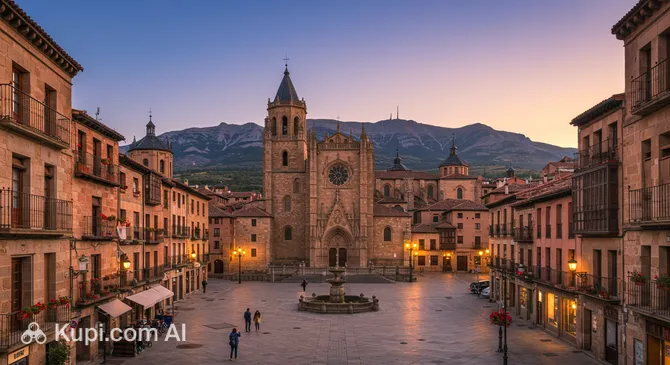
Huesca. Source: Kupi.Binoculars

The city boasts a legacy that stretches back thousands of years, from its days as the ancient Roman settlement of Osca to its significance in the Kingdom of Aragon. You can delve deeper into this fascinating past by exploring the history of Huesca, which is vividly reflected in its diverse architecture and well-preserved monuments found throughout the historic center.

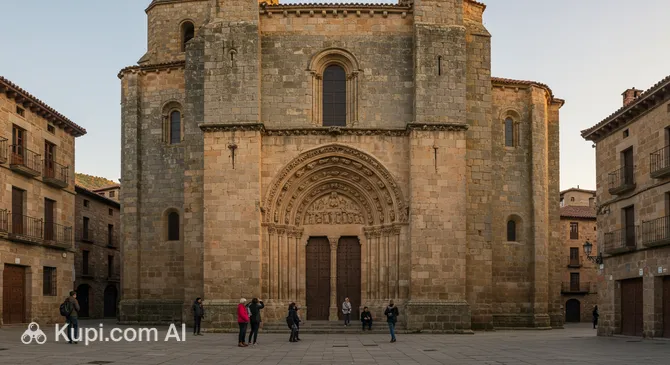
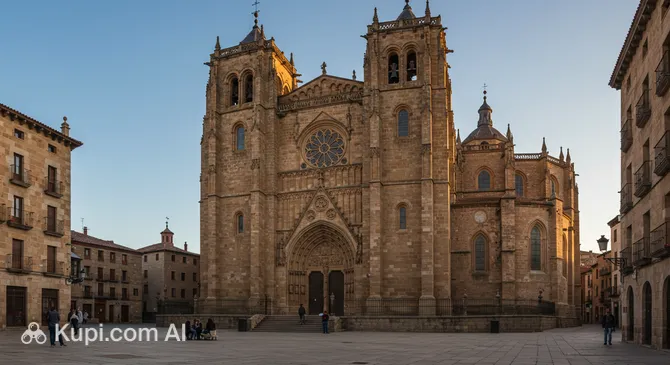
Walking through the Old Town, you will encounter the stunning Huesca Cathedral, a masterpiece of Gothic architecture that dominates the skyline with its intricate facade. Another must-see landmark is the Monastery of San Pedro el Viejo, one of the most important Romanesque structures in the region, famous for its beautiful cloister and royal tombs. For a touch of early 20th-century elegance, the Casino de Huesca stands out with its striking modernist design.

Whether you are planning a skiing trip in the nearby Pyrenees or simply want to immerse yourself in authentic Aragonese culture, Huesca is a delightful stop. Its welcoming locals, delicious regional cuisine, and proximity to breathtaking nature make it an ideal destination for a memorable getaway.
Weather Overview

The climate in this part of Aragon is generally characterized by significant seasonal contrasts, offering distinct experiences depending on when you visit. To help plan your packing and activities, it is helpful to check the current weather in Huesca before your trip. Generally, travelers can expect warm summers with occasional rain and cold, dry winters.

During the summer months, particularly July and August, the city becomes quite warm, with average temperatures settling around 24°C and daily highs regularly reaching 31°C. While these months are excellent for outdoor exploration, it is worth noting that June can be surprisingly damp, recording up to 12 wet days despite the rising temperatures.

As the year cools down, winter brings a crisp chill to the air. January is typically the coldest month, with an average temperature of just 4.9°C and lows dropping to near freezing at 0.3°C. Rainfall remains moderate but consistent throughout the year, with spring and autumn months like March and November seeing about 11 wet days on average, so carrying an umbrella is often a good idea regardless of the season.

Interesting Facts

Beyond the main attractions, Huesca holds many fascinating secrets and historical curiosities that often surprise visitors. From ancient legends to unique artistic landmarks, the city offers stories that go far deeper than its beautiful facades.

  • The city is the setting for the gruesome "Bell of Huesca" legend, a tale of power and rebellion well-known in Spanish history. It is said that King Ramiro II summoned rebellious nobles to behold a bell that could be heard across the kingdom, only to behead them in the building that now houses the Huesca Museum.

  • Huesca is home to a distinctive monument dedicated to origami, locally known as "Las Pajaritas." These large stone sculptures of folded birds located in Miguel Servet Park are a beloved emblem of the city and represent one of the few monuments in the world dedicated to paper folding.

  • In ancient times, under the name Osca, the city served as the capital for the Roman rebel Quintus Sertorius. He established a prestigious academy here in the first century BC, making the city a center of learning long before the founding of many modern European universities.

  • The Abbey of San Pedro el Viejo is one of the rare sites in Aragon that serves as a royal pantheon. It guards the tombs of two significant monarchs, Alfonso I the Battler and Ramiro II the Monk, offering a direct link to the medieval Kingdom of Aragon.

Abbey of San Pedro el Viejo. Source: Kupi.Binoculars

How to Get There

Reaching this charming Aragonese city is relatively straightforward, thanks to its proximity to several major transport hubs in northeastern Spain. While the city itself is tucked away near the Pyrenees, it is well-connected by road and rail networks. For a comprehensive guide on all travel options, you can read more about how to get to Huesca to plan your journey effectively.

The city of Huesca does not have its own commercial airport with regular passenger traffic, so most travelers fly into Zaragoza Airport (IATA: ZAZ) in the city of Zaragoza. Located approximately 74 km away, it is the most convenient gateway for international and domestic arrivals. From there, the journey by taxi or bus takes around 130 minutes. Another option for visitors is Pamplona Airport (IATA: PNA), situated in Pamplona about 124 km from Huesca. The travel time from Pamplona is approximately 205 minutes, making it a viable alternative if flight schedules to Zaragoza do not suit your plans.

For clarity, here is a summary of the main airports:

Airport Name City Passenger Traffic Km from City
Reus AirportReusMedium170.8
Zaragoza AirportZaragozaMedium73.8
Tarbes Ossun Lourdes AirportLourdesSmall121.7
Pau Pyrénées International AirportPauSmall138.7
Pamplona AirportPamplonaSmall124.1

Traveling by train is often the most comfortable way to arrive, as the city is served by its own station, Huesca Railway Station (IATA: XUA), located just 0.2 km from the city center. This allows you to arrive directly in the heart of town without the need for long transfers. For those coming from further afield via high-speed connections, the major hub is Zaragoza-Delicias Station (IATA: XZZ) in Zaragoza. Although it is about 67 km away, it handles a large volume of traffic and connects seamlessly with regional trains or buses that can bring you the rest of the way to Huesca.

Below is a list of the closest and most significant railway stations:

Station City Passenger Traffic Km to Center
Zaragoza-Delicias StationZaragozaLarge67.2
Lleida Railway StationLleidaMedium103.3
Pamplona Railway StationPamplonaMedium128.7
Huesca Railway StationHuescaSmall0.2
Reus Railway StationReus165.6

Main Attractions

Huesca is a city where history and culture are woven into the very streets, offering visitors a chance to explore architectural marvels and serene green spaces. From ancient religious sites to modernist gems, the city's landmarks tell the story of its rich heritage as a former capital of Aragon.

Standing proudly at the highest point of the old town is the Huesca Cathedral (Catedral de la Transfiguración del Señor). This imposing Gothic structure, built between the 13th and 16th centuries, was constructed on the site of an ancient mosque, symbolizing the city's layered history. Tourists are captivated by its intricately carved main portal, often considered one of the finest examples of Gothic sculpture in Aragon. Inside, the magnificent alabaster high altar is a masterpiece of Renaissance art that commands attention.

Huesca Cathedral. Source: Kupi.Binoculars

For a deep dive into the region's past, the Huesca Museum is an unmissable stop. Housed in a building with dual significance—it was once the Sertorius University and the Palace of the Kings of Aragon—the museum offers a fascinating journey through archaeology and fine arts. It is also the setting for the famous "Legend of the Bell of Huesca," a gruesome tale of medieval power struggles. Visitors can explore the very room where this legendary event is said to have taken place, adding a thrilling context to the historical exhibits.

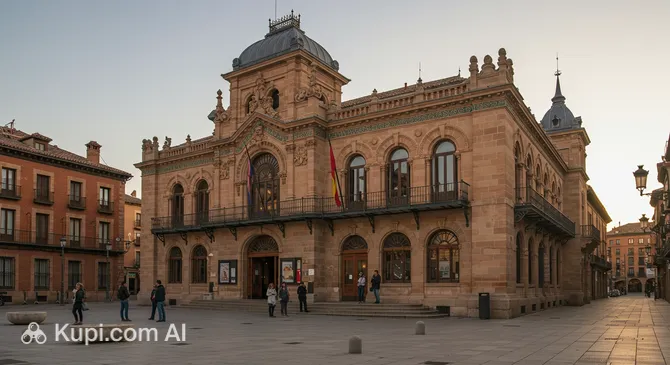
Architecture enthusiasts will be delighted by the Casino of Huesca, also known as the Círculo Oscense. Built in the early 20th century, this building is a stunning example of Modernist design, contrasting beautifully with the older medieval structures nearby. Its elegant facade, complete with geometric motifs and grand windows, hints at the lavish interior that served as the social hub for the local bourgeoisie. Today, it remains a symbol of the city's cultural life and a favorite subject for photographers.

Casino of Huesca. Source: Kupi.Binoculars

When you need a break from sightseeing, Miguel Servet Park provides a lush, green escape in the heart of the city. As Huesca's largest park, it features wide promenades, diverse botanical species, and tranquil ponds. It is especially famous for the "Las Pajaritas" monument, a striking sculpture of two origami birds that has become an emblem of the city. The park is the perfect place to experience the relaxed local pace of life and enjoy a peaceful afternoon walk.

Local Cuisine

The gastronomy of Huesca is a delightful reflection of the broader Aragonese kitchen, characterized by simple, hearty ingredients and rich flavors. Located between the fertile Ebro valley and the rugged Pyrenees, the city has access to high-quality meats, fresh vegetables, and excellent local wines. Visitors will find that food here is not just sustenance but a way of celebrating local heritage, with recipes that have been passed down through generations.

One cannot visit Huesca without trying the region's most famous dish, Ternasco de Aragón. This succulent roast lamb is tender and flavorful, typically prepared with potatoes and a splash of white wine. Another classic is Pollo al chilindrón, a chicken stew cooked with red peppers, tomatoes, and onions, offering a savory taste of the local produce. For those with a sweet tooth, the city is famous for Castañas de Huesca, which are not chestnuts but rather exquisite marzipan treats covered in caramel or chocolate, often found in traditional pastry shops.

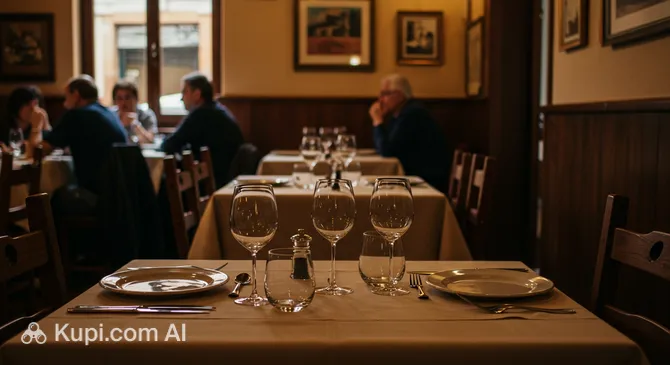
Tatau Restaurant. Source: Kupi.Binoculars

When it comes to drinks, Huesca is the gateway to the Somontano wine region. The local red and white wines are highly regarded and make the perfect accompaniment to any meal. You will find these wines served in almost every establishment, from humble taverns to upscale dining rooms. If you are looking for a casual drink, the local beer scene is also growing, often enjoyed with a side of olives or cured meats on a sunny terrace.

The dining culture in Huesca ranges from lively tapas bars to sophisticated restaurants. For a unique culinary experience, Tatau Restaurant is a must-visit; it is renowned for blending the casual atmosphere of a bar with Michelin-starred haute cuisine. Locals also enjoy gathering in the city center to share plates of patatas bravas or grilled mushrooms. Another excellent spot to enjoy the local vibe is La Goyosa Restaurant, where you can savor creative dishes that highlight seasonal ingredients. If you prefer a friendly pub atmosphere to end the night, Jorge's Bar offers a welcoming setting to enjoy a drink with friends.

Travel Tips

Visiting Huesca is a delightful experience that combines the charm of a historic small town with the adventure of the nearby Pyrenees, and a few practical insights will help you make the most of your stay. To ensure your trip is as smooth and enjoyable as possible, here are some essential tips tailored for travelers exploring this Aragonese gem.

  1. Clothing and Gear: The weather in Huesca varies significantly by season, so packing layers is key. Winters can be quite cold, requiring a warm coat, scarf, and gloves, while summers are hot and dry, calling for light, breathable fabrics and sun protection. Since the city is best explored on foot and features some cobbled streets, bring comfortable walking shoes. If you plan to visit religious sites like the cathedral, remember to dress modestly, covering shoulders and knees.

  2. Transportation: Huesca is a compact city, and the best way to get around the center is on foot; most attractions are within a short walking distance of each other. While there is a local urban bus service, you will likely rarely need it within the city limits. However, if you intend to explore the surrounding Pyrenees or visit nearby castles like Loarre, renting a car is highly recommended for flexibility. Taxis are available at designated stands or can be called by phone.

  3. Finances: The official currency is the Euro (€). Credit and debit cards (Visa and Mastercard) are widely accepted in most hotels, restaurants, and shops. However, it is wise to carry some cash for small purchases in traditional bars, bakeries, or for buying souvenirs. ATMs are plentiful throughout the city. Tipping is not mandatory in Spain, but leaving small change or rounding up the bill is a polite gesture for good service.

  4. Health and Safety: Huesca is a very safe city with low crime rates, but standard travel precautions should still be taken with personal belongings. Pharmacies are marked with a green cross; if you need one outside regular hours, look for the designated "Farmacia de Guardia" (on-duty pharmacy), the list of which is usually displayed in pharmacy windows. For any serious emergencies, the general European emergency number is 112.

  5. Communication: The primary language spoken is Spanish. While staff in hotels and major tourist spots may speak English, it is less common in smaller local shops and traditional tapas bars. Learning a few basic phrases like "Hola" (Hello), "Por favor" (Please), and "Gracias" (Thank you) will be greatly appreciated by the locals. Free Wi-Fi is often available in cafes and public spaces, and prepaid SIM cards can be purchased at mobile phone shops in the city center.

  6. Local Etiquette: Dining times in Huesca follow the Spanish schedule, which is later than in many other countries. Lunch is typically the main meal, served between 2:00 PM and 4:00 PM, while dinner is usually eaten after 9:00 PM. When entering a shop or elevator, it is polite to greet others with a simple "Hola" or "Buenos días." Locals are generally warm and welcoming, often greeting friends with two kisses on the cheeks.

  7. What to Avoid: Try not to expect full restaurant service between 5:00 PM and 8:00 PM; kitchens are often closed during this time, although you can still find cold tapas or sandwiches. Also, avoid rushing your meals; dining here is a social activity meant to be enjoyed slowly, and asking for the bill immediately after finishing eating might seem unusually hurried.

  8. Shopping Hours: Be aware of the traditional "siesta" break. Many small shops and local businesses close for a few hours in the afternoon, typically from 1:30 PM to 5:00 PM, before reopening for the evening. Plan your shopping or errands for the morning or late afternoon to avoid finding closed doors.

By keeping these practical tips in mind, you will be well-prepared to immerse yourself in the relaxed rhythm of Huesca. Whether you are savoring tapas in the Plaza Luis López Allué or heading out for a mountain hike, you are sure to have a memorable and hassle-free adventure.

Entertainment & Nightlife

While Huesca is known for its tranquil daytime atmosphere, the city transforms as the sun sets, offering a vibrant and welcoming nightlife scene. The evening entertainment here is less about massive nightclubs and more about socializing in lively bars, pubs, and terraces. The heart of the action is concentrated in the historic center, particularly around the "Tubos" area and the streets near Plaza de Navarra, where locals gather to enjoy music, drinks, and conversation late into the night.

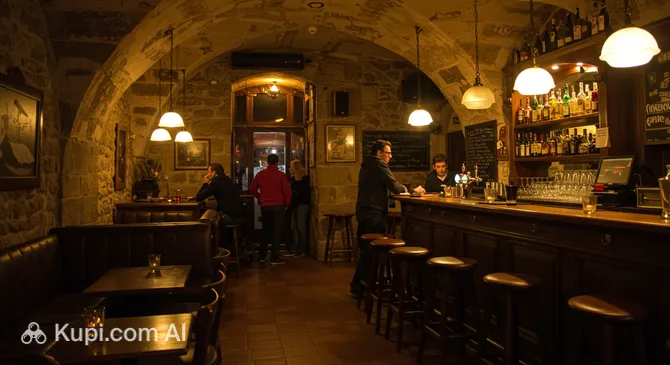
For those looking to experience the local pub culture, La Abadía de Boston Pub is a popular choice. This venue is well-regarded for its distinctive decor and energetic atmosphere, making it a staple for both residents and visitors seeking a fun night out. It is an excellent spot to enjoy a wide variety of beers and cocktails while listening to good music. Another favorite stop on the nightlife circuit is El Villa México, a bar that adds a unique flavor to the city's evening offerings, perfect for those who appreciate a spirited ambiance and friendly service.

La Abadía de Boston Pub. Source: Kupi.Binoculars

The nightlife in Huesca typically kicks off later than in many other countries. Bars start to fill up around 10:00 PM or 11:00 PM, especially on weekends and Thursdays, which is the traditional university night. The dress code is generally casual and relaxed; there is no need for formal attire unless you are attending a specific gala or event. Prices are quite reasonable compared to larger Spanish cities like Madrid or Barcelona, allowing you to enjoy several rounds without breaking the bank.

Safety is one of Huesca's strong points. The city is compact and walkable, meaning you can easily stroll from one venue to another or walk back to your accommodation without worry. The streets are well-lit and generally bustling with people until the early hours. However, if you prefer not to walk, taxis are readily available and affordable. You can find them at designated ranks or call for one from any bar or restaurant.

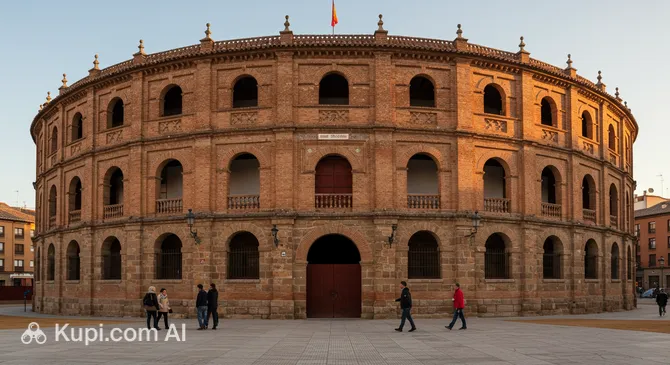
Beyond the bars, the city offers various forms of entertainment during the day and early evening. The Huesca Bullring is a significant venue, not only for traditional bullfighting events during the San Lorenzo festival but also for concerts and cultural performances throughout the year. For families and those seeking a more relaxed pace, the city's parks and local theaters provide a pleasant way to spend the afternoon before the nightlife begins.

Huesca Bullring. Source: Kupi.Binoculars

Parks & Museums

Huesca offers a delightful balance between urban living and nature, with well-maintained green spaces that provide a breath of fresh air amidst the historic streets. For culture enthusiasts, the city’s museums serve as custodians of its rich heritage, showcasing everything from prehistoric artifacts to contemporary art masterpieces.

The city's most prominent green lung is Miguel Servet Park, a sprawling oasis located in the city center. It is the perfect place for a leisurely stroll, featuring wide avenues lined with ancient trees, beautiful ponds, and botanical diversity. While it is famous for its iconic origami sculptures, the park also hosts a bandstand and various gardens that change colors with the seasons, making it a favorite gathering spot for locals of all ages.

For a more modern landscape experience, visitors should explore Olas Park (Parque de las Olas). Located in a newer development area, this park is known for its unique topography, designed to mimic the movement of waves through grassy mounds and stylized structures. It is an excellent example of contemporary urban design, offering a distinct visual contrast to the traditional architecture of the old town and providing a fun, open space for relaxation.

Olas Park. Source: Kupi.Binoculars

Another pleasant area is Parque Universidad Huesca, situated near the university campus. This green space offers a quiet retreat for students and visitors alike, with ample seating and shaded areas perfect for reading or enjoying a quiet moment away from the city center's bustle. It reflects the city's commitment to integrating nature into its educational and residential districts.

In terms of cultural institutions, the Huesca Museum is the premier destination for understanding the region's history. Housed in the majestic building of the old Sertorius University, which incorporates remains of the Palace of the Kings of Aragon, the museum boasts a comprehensive collection. Visitors can admire archaeological finds ranging from the Paleolithic era to Roman times, as well as a fine arts section featuring works by maestros such as Francisco de Goya. The building itself is a historical monument, preserving the room associated with the legendary "Bell of Huesca."

Huesca Museum. Source: Kupi.Binoculars

Art lovers should not miss the CDAN (Centre of Art and Nature), a foundation dedicated to the fusion of contemporary art and the landscape. The building, designed by the renowned architect Rafael Moneo, is an architectural landmark in its own right, with undulating forms that echo the nearby Pyrenean foothills. The center hosts rotating exhibitions that explore the relationship between artistic creation and the natural world, often featuring land art projects.

For a deep dive into sacred art, the Diocesan Museum of Huesca, located adjacent to the cathedral, offers an impressive collection of religious artifacts. It houses medieval altarpieces, goldsmithing, and liturgical objects that narrate the spiritual history of the diocese. A lesser-known but fascinating stop is the Pedagogical Museum of Aragon, which provides a nostalgic look at the history of education in Spain, featuring recreated classrooms and antique school materials.

Getting Around

The public transport system in Huesca is efficient, straightforward, and tailored to the city's compact size. While the historic center is best explored on foot due to its pedestrian-friendly streets and the close proximity of major attractions, the urban bus network provides a convenient way to reach outlying neighborhoods, the hospital, or the train station.

The city's urban bus service is operated by Avanza and consists of three main circular lines: Line C1, Line C2, and Line C3. These routes connect the city center with key locations such as the San Jorge Hospital, the university campus, and the intermodal station. The buses are modern, accessible for people with reduced mobility, and generally run from approximately 7:00 AM to 10:30 PM, though frequencies are reduced on weekends and holidays.

Fares in Huesca are remarkably affordable compared to larger Spanish cities. A single ticket (billete ordinario) costs just €1.00 and is purchased directly from the driver upon boarding; it is highly recommended to carry coins or small bills, as drivers may not have change for large notes. For visitors planning a longer stay, a Bonobús pass is available. This multi-trip card (typically for 20 rides) costs around €8.50, offering significant savings. These cards can be bought and recharged at the bus station office or at authorized tobacco shops (estancos).

If you opt for a travel pass, you must validate it at the machine located near the driver's cabin every time you board. While the city does not have its own exclusive transport app, global navigation tools like Moovit are widely used and reliable for checking routes and schedules in Huesca. The central hub for all transit is the Intermodal Station (Estación Intermodal), where both train and bus services converge, making it easy to switch between regional travel and local transport.

For a more direct and private option, taxis are available 24 hours a day. You can easily spot them at designated ranks (paradas de taxi) located at the train station, Plaza de Navarra, and near the hospital. The vehicles are white, usually displaying the city's coat of arms on the front doors. Taxis operate on a meter system with regulated rates, and rides can also be booked via telephone or local dispatch services if you are not near a rank.

Cycling is a popular eco-friendly alternative, thanks to the city's relatively flat terrain and network of bike lanes. While Huesca does not have a large-scale public bike-sharing system, you can find private bike rental shops if you wish to explore the urban area or the scenic paths along the Isuela River. During the summer season, the Tourist Bus operates, but rather than a standard hop-on-hop-off city tour, it focuses on excursions to the surrounding Hoya de Huesca region, whisking travelers away to spectacular nearby sites like the famous Loarre Castle.

Ultimately, most tourists find that walking is the most practical and enjoyable way to navigate Huesca. The distances between the Cathedral, the Museum of Huesca, and the best tapas bars are very short. However, knowing that a reliable and inexpensive bus service exists provides peace of mind for those carrying luggage or looking to rest their legs after a day of exploration.

Accommodation

Accommodation in Huesca is varied and generally very affordable, catering to travelers seeking both convenience and comfort. The city offers a range of options, from modern mid-range hotels and functional business accommodations to charming family-run guesthouses known as hostales. For those who prefer more independence, there is also a growing selection of holiday apartments and rental flats, which are perfect for longer stays or families.

The most popular area for tourists is undoubtedly the Historic Center (Old Town). Staying here places you within walking distance of major landmarks like the cathedral and the lively tapas bars of the "Tubos" district. It is the best choice if you want to immerse yourself in the city's atmosphere and enjoy the nightlife without needing transportation. Alternatively, the area surrounding the Intermodal Station is excellent for those prioritizing logistics. It offers modern facilities and quick access to trains and buses, making it ideal for travelers using Huesca as a base to explore the wider province or the Pyrenees.

While Huesca does not typically feature sprawling luxury resorts, it prides itself on high-quality service and clean, comfortable facilities. Many hotels in the city center are housed in renovated historic buildings, blending traditional architecture with modern amenities. You can expect to find establishments ranging from simple, budget-friendly rooms to sophisticated four-star hotels that offer on-site dining and event spaces.

Booking Tip: While finding a room is usually easy throughout the year, the situation changes drastically in early August during the San Lorenzo Festival. This is the city's biggest event, and accommodation is often fully booked months in advance. If you plan to visit during this vibrant week, it is essential to secure your reservation as early as possible.

Prices and Booking: Generally, Huesca is less expensive than major Spanish tourist hubs like Barcelona or Madrid. Budget travelers can find rooms for approximately €45 to €60 per night, while mid-range and higher-end hotels typically range from €70 to €120. Booking is most conveniently done through major online travel platforms, which offer the best flexibility, though contacting smaller guesthouses directly can sometimes yield better rates or personalized service.

Nearby Cities

For those looking to explore the surroundings, Huesca serves as an excellent base for day trips to several interesting nearby locations.

One of the most compelling options is Zaragoza, the vibrant capital of Aragon located less than an hour away. It is home to the stunning Basilica of Our Lady of the Pillar and the Aljafería Palace, offering a rich mix of Mudéjar architecture and lively urban culture. For travelers interested in medieval history, Monzon is a fantastic choice; this smaller town is dominated by an imposing Templar castle where King James I of Aragon was educated. Further east lies Lleida, known for its magnificent hilltop cathedral, La Seu Vella, which commands panoramic views of the city and the surrounding plains.

City Population Distance (km)
Zaragoza675,30167
Lleida140,797103
Tudela37,24799
Utebo18,88168
Monzon17,65055

These nearby destinations offer a glimpse into the diverse culture and landscapes of the region, allowing visitors to experience everything from bustling city life to quiet, historic towns.

Shopping & Souvenirs

Shopping in Huesca offers a relaxed and pleasant experience, far removed from the frantic pace of larger metropolises. The city is characterized by its traditional commerce, where family-run businesses and local boutiques take center stage. While you will find standard fashion chains, the real charm lies in exploring the small shops that offer high-quality local products, particularly gastronomy and crafts. It is a destination where walking from store to store is easy and enjoyable, thanks to the compact nature of the city center.

The main commercial activity is concentrated along the Coso Alto and Coso Bajo streets. These bustling avenues form the commercial spine of the city, lined with a variety of clothing stores, shoe shops, and accessory boutiques. Connecting these two main arteries is the pedestrian-friendly area around the Porches de Galicia, a historic and picturesque spot where visitors can browse through shop windows while admiring the architecture. This zone is perfect for a leisurely afternoon of window shopping, interspersed with stops at local cafes.

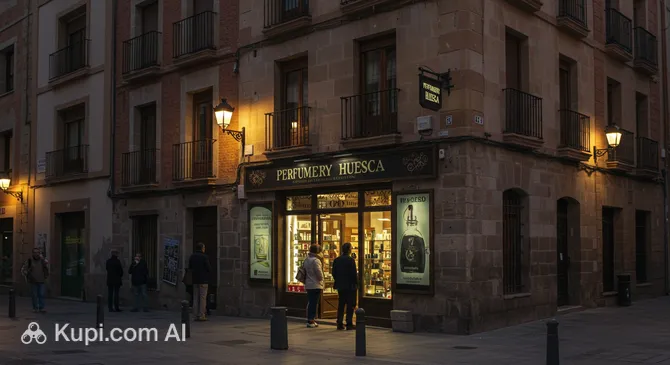
For those who prefer a more concentrated shopping experience or are looking for specific brands, the city has commercial centers located slightly further from the historic core. If you are interested in beauty products, cosmetics, or finding a refined gift, Perfumery Huesca is a notable stop within the city's retail landscape, offering a wide selection of fragrances and personal care items.

Perfumery Huesca. Source: Kupi.Binoculars

Local markets and gourmet food shops are essential stops for any visitor. Huesca does not have a large permanent tourist market, but the weekly street markets (mercadillos) are lively places to mingle with locals and find fresh produce, textiles, and household goods. However, the true stars of the local shopping scene are the ultramarinos (grocery stores) and pastry shops scattered throughout the Old Town, where the region's culinary heritage is on full display.

When it comes to souvenirs, edible treats are the most popular choice. The Castañas de Huesca—marzipan chestnuts coated in caramel or chocolate—are a sweet symbol of the city. Another must-buy is the famous Trenza de Almudévar, a braided puff pastry that has gained national fame. Wine lovers should look for bottles from the nearby Somontano denomination, while those seeking something savory might appreciate the local olive oil or black truffles, which are delicacies of the region.

Store opening hours in Huesca generally follow the traditional Spanish schedule. Small shops typically open around 10:00 AM and close for a midday break (siesta) between 1:30 PM and 5:00 PM, reopening until about 8:00 PM or 8:30 PM. Larger supermarkets and some franchise stores may stay open throughout the day. Most shops are closed on Sundays and public holidays.

Payment is convenient, with credit and debit cards being widely accepted even in smaller establishments. However, carrying some cash is always useful for small purchases at kiosks or street markets. For non-EU residents, Huesca participates in the tax-free shopping scheme (DIVA), allowing travelers to claim a refund on Value Added Tax (VAT) for eligible purchases made in participating stores.

Reached the end of the page?

That means the route is fully explored