Pamplona is a captivating destination known worldwide for its spirited festivals and deep cultural roots. While it is most famous for the exhilarating San Fermín festival and the iconic Running of the Bulls, the city offers much more than just adrenaline-fueled events. Located in the northern part of Spain, Pamplona serves as the historic capital of the autonomous community of Navarre, blending a vibrant modern energy with centuries of tradition.
Geographically, the city is nestled in a fertile basin surrounded by mountains, acting as a strategic gateway to the majestic Pyrenees. With a population of approximately 203,000 inhabitants, Pamplona maintains a welcoming and walkable atmosphere despite being a significant urban center. It is also a crucial stop on the French Way of the Camino de Santiago, welcoming thousands of pilgrims each year who contribute to its cosmopolitan and friendly character.
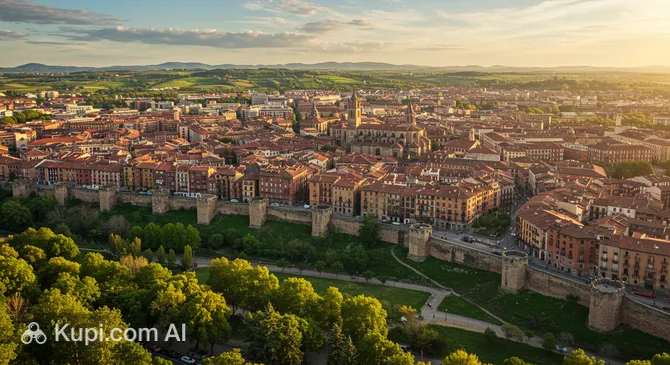
Those who wish to explore the history of Pamplona will find a city that dates back to Roman times, founded by General Pompey in the first century BC. This rich heritage is evident in the impressive Citadel of Pamplona, a Renaissance fortification that has been transformed into a lush green public park, and the remarkably preserved city walls. The heart of social life is the Plaza del Castillo, a grand square often referred to as the city's "living room," famously frequented by Ernest Hemingway.
Another architectural jewel is the Cathedral of Santa María la Real, which boasts a neoclassical façade hiding a stunning Gothic interior and one of the finest cloisters in Europe. Beyond its monuments, the city is a culinary haven, with the streets of the Old Quarter lined with bars serving exquisite pinchos. Whether you are drawn by its history, its gastronomy, or its lively ambiance, Pamplona invites you to discover its unique charm.
Weather Overview
Understanding the local climate is helpful when packing for your trip to Navarre. The weather in Pamplona is generally characterized by a mix of influences, resulting in distinct seasons that are rarely extreme. The city enjoys a temperate climate where the heat of the summer is manageable, and the cold of the winter is distinct but generally not freezing.
Summers are the warmest time of year, with July and August offering the most pleasant temperatures for sightseeing. During August, the average temperature hovers around 20.2°C, with daily highs reaching a comfortable 25.6°C. Winters, however, require warmer clothing; January is typically the coldest month, featuring an average temperature of 4.7°C and lows that can drop to 1.4°C.
Precipitation is a fairly constant companion throughout the year, so carrying a raincoat or umbrella is advisable regardless of when you visit. The number of wet days remains significant even in summer, with about 9 rainy days in July, while spring and autumn months like March and November can see up to 15 or 16 wet days. Overall, you can expect warm summers with occasional rain and cold, damp winters.
Average monthly temperature
Average monthly precipitation
Interesting Facts
Beyond the world-famous festivals and historic streets, Pamplona holds fascinating secrets that often escape the casual visitor's eye. Digging deeper into the city's character reveals surprising connections and unique historical footnotes.
Yamaguchi Park. Illustration.
Source: Kupi.com AI
Traveler photos:
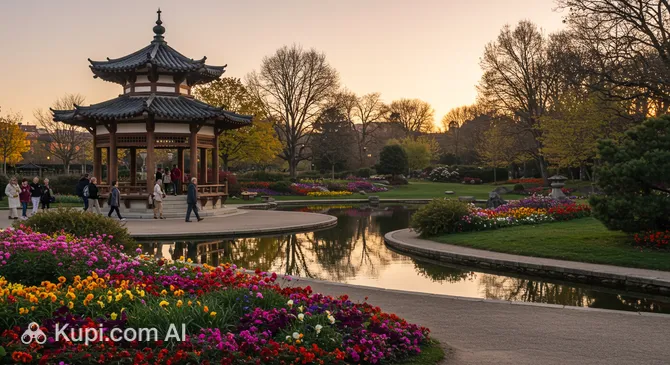
Pamplona shares an unexpected bond with Japan, being twinned with the city of Yamaguchi since 1980. This friendship is vividly celebrated at Yamaguchi Park, an authentic Japanese garden designed by Japanese landscapers that features a geyser, a wooden bridge, and traditional flora representing the four seasons.
The exhilarating bull run involves careful preparation, particularly at the famous Estafeta Curve, San Fermín Bull Run. To prevent the bulls from slipping and crashing into the barriers due to speed and centrifugal force, city workers apply a special anti-slip chemical to the cobblestones in this specific section before the festival.
The city's green heart, the Citadel of Pamplona, is one of the best-preserved examples of military architecture in the Spanish Renaissance. Uniquely, this five-pointed star fortress was designed not only to defend against foreign invaders but also to control the city's own population on the orders of King Philip II.
Looming over the city is Fort Alfonso XII (San Cristóbal Fortress), which holds the record for one of the largest prison escapes in European history. In 1938, nearly 800 prisoners attempted a daring breakout from this hilltop fortification, an event that remains etched in local memory.
How to Get There
Reaching Navarre’s capital is a straightforward experience, offering travelers a variety of scenic and convenient options. Whether you prefer flying directly close to the city center or landing at a major international hub nearby, the journey sets the tone for a memorable visit. For a comprehensive look at all available routes and travel tips, you can read more about how to get to Pamplona.
For those prioritizing convenience, Pamplona Airport (IATA: PNA) is the ideal choice. Located just 4.7 km from the city center, it is a small but efficient facility primarily handling domestic connections from Madrid and Barcelona. A taxi ride to the heart of the city takes only about 15 minutes. Alternatively, many international visitors choose to fly into Bilbao Airport (IATA: BIO), located in the city of Bilbao, approximately 116.5 km away. As the largest airport in the region, it offers a wider range of flight options; the transfer to Pamplona typically takes around 1.5 to 2 hours by road. Another viable option is the Biarritz - Anglet - Bayonne Airport (IATA: BIQ) in Biarritz, France, situated about 73.5 km from Pamplona, offering a cross-border route that takes roughly an hour and a quarter by car.
For clarity, here is a summary of the main airports serving the region:
Traveling by train is another excellent way to arrive, allowing you to enjoy the diverse landscapes of Northern Spain. The city is served by the Pamplona Railway Station, which is conveniently located about 1.9 km from the city center. It connects the city with major hubs like Madrid, Barcelona, and Zaragoza via the Alvia and Intercity services. While Pamplona has its own station, travelers exploring the wider Basque Country might also pass through the San Sebastian Railway Station in San Sebastian, located roughly 62.2 km away, before catching a connecting bus or train to Navarre.
Below is a list of railway stations in Pamplona and the surrounding area:
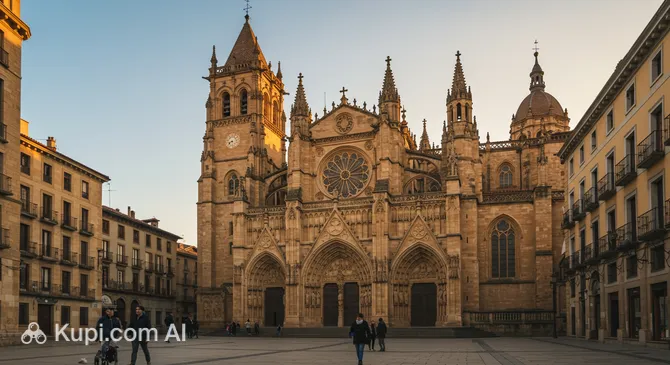
Pamplona's rich heritage offers a diverse array of sights, ranging from religious masterpieces to iconic cultural landmarks. One of the most significant architectural treasures is the Pamplona Cathedral (Santa María la Real). While its neoclassical façade presents a solemn face to the city, the interior surprises visitors with its soaring Gothic nave. The cathedral is renowned for housing the exquisite alabaster tomb of King Charles III the Noble and his wife, as well as a medieval cloister that is widely considered one of the finest in Europe for its intricate stonework and peaceful atmosphere.
Pamplona Cathedral. Illustration.
Source: Kupi.com AI
Traveler photos:
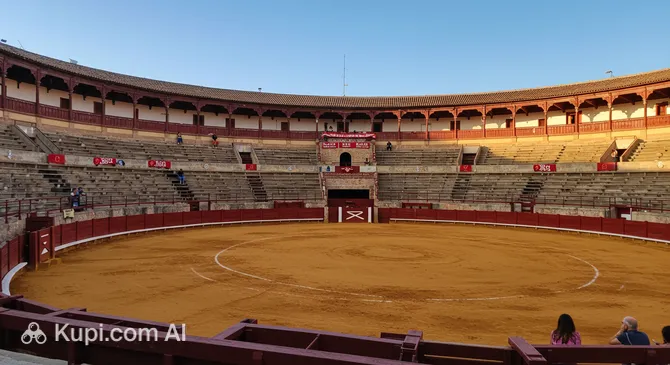
Directly linked to the city's global fame is the Pamplona Bullring. This monumental arena, the second largest in Spain, is the dramatic endpoint of the daily bull runs during the San Fermín festival. Even when the festival is not taking place, the bullring is a fascinating place to visit. Tours allow guests to walk through the chapel, the corrals, and the stands, offering a glimpse into the intense history and tradition popularized by Ernest Hemingway.
Pamplona Bullring. Illustration.
Source: Kupi.com AI
Traveler photos:
For a peaceful retreat from the urban energy, the Taconera Gardens provide a romantic and verdant setting. As the oldest park in Pamplona, it features elegant walking paths, fountains, and beautiful flower arrangements. A unique highlight is the small zoo located within the ancient city wall moats, where visitors can observe deer, goats, peacocks, and swans living in a semi-wild environment, making it a favorite spot for a relaxing afternoon stroll.
Taconera Gardens. Illustration.
Source: Kupi.com AI
Traveler photos:
Those wishing to capture the spirit of the city's most famous event without the adrenaline rush should visit the Running of the Bulls Monument. This impressive life-size bronze sculpture freezes the chaotic energy of the Encierro in time, depicting runners sprinting alongside the powerful bulls. It stands as a dynamic tribute to the festival and serves as one of the most popular photo opportunities in the city.
Finally, history enthusiasts will appreciate the Museum of Navarre. Housed in a historic 16th-century building that was once a hospital, the museum offers a comprehensive journey through the region's art and history. Its collection is vast, featuring Roman mosaics, Romanesque capitals, and significant paintings, including the portrait of the Marquis of San Adrián by Francisco de Goya, providing deep insight into the cultural evolution of this unique province.
Local Cuisine
The gastronomy of Pamplona is a vibrant reflection of the Navarre region's rich agricultural heritage, blending the sophistication of Basque cuisine with high-quality local produce. Food here is a social ritual, best experienced by diving into the famous pintxo culture. In the narrow, lively streets of the Old Quarter, particularly along Calle Estafeta and Calle San Nicolás, bars counters are laden with these elaborate miniature gourmet dishes. Locals typically move from bar to bar, enjoying a pintxo and a small drink at each stop. A celebrated spot to begin this culinary journey is Bar Gaucho, renowned for its creative and high-quality bites that often win local competitions.
Bar Gaucho. Illustration.
Source: Kupi.com AI
Traveler photos:
Beyond the bar counters, Pamplona offers hearty traditional dishes that showcase the flavors of the land. A staple of the local diet is Chistorra, a thin, semi-cured sausage seasoned with garlic and paprika, often served fried or with eggs. For a more substantial meal, visitors should try Cordero al Chilindrón, a tender lamb stew cooked with dried peppers, onions, and tomatoes. The region is also famous for its vegetables, particularly the white asparagus of Navarre and piquillo peppers. Meat lovers will appreciate the city's steakhouses, or asadores, such as Asador Olaverri, where high-quality cuts are grilled to perfection over charcoal.
Asador Olaverri. Illustration.
Source: Kupi.com AI
Traveler photos:
No meal in Pamplona is complete without the appropriate local beverage. The region produces excellent wines under the D.O. Navarra designation, with the refreshing and fruity Rosado (rosé) being a local favorite that pairs perfectly with most dishes. Before lunch, participating in the "vermouth hour" is a beloved tradition; places like Vermutería RÍO are classic stops to enjoy this fortified wine accompanied by pickled olives or seafood. To finish a meal, it is customary to sip on Patxaran, a sweet, reddish digestif made from sloe berries soaked in anise-flavored liqueur, which originated in this very province.
Travel Tips
Preparing for a trip to the capital of Navarre is exciting, and keeping a few practical insights in mind will ensure your visit is as smooth as it is enjoyable. The following tips are designed to help you navigate local customs, logistics, and daily life in Pamplona with the ease of a seasoned traveler.
Clothing and Gear: The weather in Navarre can be changeable, so dressing in layers is the best strategy, regardless of the season. Winters are cold and damp, requiring a warm coat and scarf, while summers can be hot during the day but cool at night. Since the Old Quarter is paved with historic cobblestones, bring comfortable walking shoes and leave high heels at home. If you plan to visit the cathedral or other religious sites, ensure your shoulders and knees are covered.
Transportation: Pamplona is a compact and highly walkable city, especially the historic center where most attractions are located. For longer distances, the local bus system, affectionately known by locals as Villavesas, is efficient, clean, and affordable. Taxis are readily available at designated stands or via phone, but car rentals are generally unnecessary within the city and can be a hassle due to limited parking in the center.
Finances: The local currency is the Euro (€). While credit and debit cards are widely accepted in hotels, shops, and restaurants, it is highly recommended to carry some cash, particularly small bills and coins. This is essential for the popular pintxo bars, where paying in cash for a small round of food and drinks is faster and often preferred. Tipping is not mandatory but rounding up the bill or leaving small change is a polite gesture.
Health and Safety: Pamplona is considered a very safe city for tourists, with low crime rates. However, standard precautions against pickpocketing should be taken in crowded areas, especially during festivals. Pharmacies are marked with a flashing green cross; they are well-stocked, and there is always one on duty (farmacia de guardia) 24/7 for emergencies. The general emergency number for police, fire, or ambulance is 112.
Communication: Spanish is the primary language, but you will also see and hear Basque (Euskera), as it is co-official in the region. English is reasonably well-spoken in the tourism and hospitality sectors, but less so in smaller local shops. Learning a few basic phrases like "Hola" (Hello), "Gracias" (Thank you), or the Basque "Kaixo" (Hello) and "Eskerrik asko" (Thank you) is greatly appreciated by locals.
Local Etiquette: Dining times in Pamplona follow the Spanish schedule, which is later than in many other countries; lunch is typically served between 2:00 PM and 3:30 PM, and dinner often starts after 9:00 PM. When greeting someone you've just met in a social setting, two kisses on the cheeks are customary. In bars, the atmosphere is casual, and it is common to stand at the counter while enjoying your drink and snack.
What to Avoid: Do not expect shops and businesses to be open continuously throughout the day. Many smaller establishments close for a midday break (siesta) roughly between 1:30 PM and 5:00 PM. Also, avoid discussing sensitive political topics related to regional identity unless you are well-versed in the nuances, as this can be a personal subject for residents.
Water Quality: A specific tip for this city is to drink the tap water. Pamplona is famous for having some of the best tap water in Spain, sourced from the nearby mountains. It is clean, fresh, and delicious, so you can save money and reduce plastic waste by refilling your reusable water bottle.
By keeping these practicalities in mind, you will be well-equipped to immerse yourself in the authentic rhythm of Pamplona. Whether you are navigating the lively streets of the Old Quarter or enjoying a quiet moment in a park, these tips will help you experience the city not just as a tourist, but as a welcome guest.
Entertainment & Nightlife
As the sun sets over the Pyrenees, Pamplona transforms from a historic capital into a vibrant hub of social activity. Thanks to its large student population and a deep-rooted culture of socializing, the city offers a nightlife scene that is both energetic and welcoming. The atmosphere is generally casual and unpretentious, where the focus is on good conversation, music, and enjoying the company of friends. Unlike larger metropolises where exclusivity is key, Pamplona’s nightlife is accessible, with most venues located within walking distance of each other.
The epicenter of the action is undoubtedly the Casco Antiguo (Old Quarter). Here, the same streets that are famous for daytime pintxos—such as Calle San Nicolás and Calle Estafeta—shift gears as the night progresses. The crowds spill out onto the cobblestones, moving from bar to bar in a tradition known as poteo. For a change of pace, the San Juan district (Barrio de San Juan) offers a more alternative and local vibe, often favoring rock music and a slightly older crowd compared to the student-heavy city center.
For those seeking a lively atmosphere with a focus on craft beverages and music, Babylon Brewery is a popular destination. It stands out for its modern industrial style and often hosts events that draw a diverse mix of locals and visitors. The venue bridges the gap between a relaxed evening pub and a more energetic nightspot, making it a great place to start the night.
Babylon Brewery. Illustration.
Source: Kupi.com AI
Traveler photos:
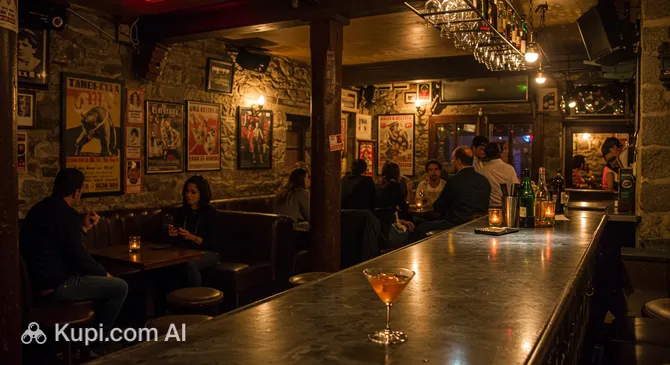
Another institution in the local nightlife scene is the Casa Jesús Mari Bar. While it is famous for its massive sandwiches (bocadillos), it is also a classic meeting point for groups starting their evening. The atmosphere here is bustling and authentically local, often packed with people enjoying affordable drinks and the lively banter that defines Pamplona's social life.
Casa Jesús Mari Bar. Illustration.
Source: Kupi.com AI
Traveler photos:
If you prefer a spot to enjoy a drink in a stylish setting, Gastro Okei Errialde offers a welcoming environment that fits well into a night of bar-hopping. Venues in Pamplona typically stay open late, with bars serving until 2:00 or 3:00 AM, and nightclubs keeping the energy going until 6:00 AM on weekends. The dress code is predominantly casual; jeans and a nice top are perfectly acceptable almost everywhere.
Practical Advice and Safety:
Nightlife in Pamplona is generally very safe. The city center is well-lit and populated, making night walks secure. However, standard precautions apply. Taxis are the best way to get home if you are staying outside the center; you can find them at designated ranks (white cars with a green light) or order one via phone. Prices for drinks are reasonable compared to major European capitals, with a beer or wine costing significantly less than in Madrid or Barcelona.
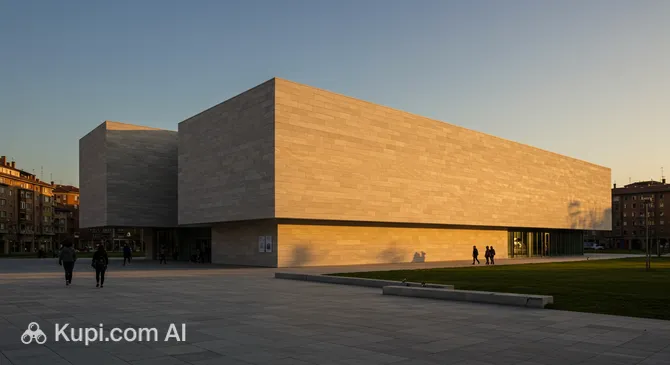
While the nights are lively, daytime entertainment in Pamplona offers a more cultural and relaxed pace. Beyond the historical sites, art lovers should visit the University Museum of Navarra. This architectural gem houses a superb collection of contemporary art and photography, set within a stunning campus environment. It provides a perfect contemplative counterpoint to the city's exuberant nightlife.
University Museum of Navarra. Illustration.
Source: Kupi.com AI
Traveler photos:
For families or those looking for lighthearted fun, Citypark Pamplona offers amusement options that break away from the traditional sightseeing route. Additionally, shopping enthusiasts can explore modern centers like La Morea Shopping Center, which provides a mix of international brands, cinema, and leisure facilities, perfect for a rainy afternoon.
Parks & Museums
Pamplona is a city that breathes through its extensive green belts and preserves its memory in unique cultural spaces. Beyond the famous festivals, the capital of Navarre offers a network of parks and heritage centers that allow visitors to connect with both nature and the region's storied past in a relaxed atmosphere.
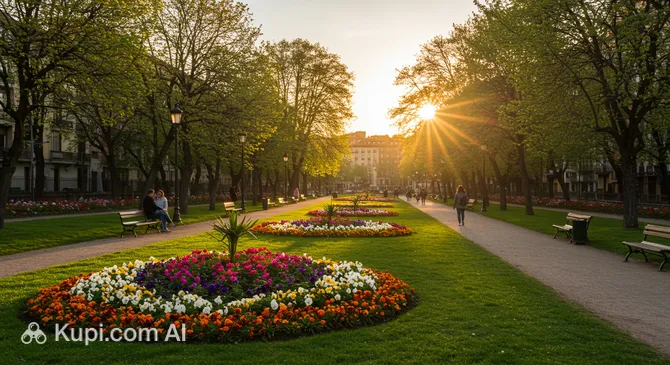
For those seeking outdoor leisure, Antoniutti Park is a favorite among locals for its vibrant energy. Located conveniently close to the city center, this wide, tree-lined space is famous for its large skating rink and pathways, making it a hub for joggers, skaters, and families. It serves as a green transition zone between the historic Taconera gardens and the newer parts of the city, offering a perfect spot for an active afternoon.
Antoniutti Park. Illustration.
Source: Kupi.com AI
Traveler photos:
A quieter and more botanical experience can be found at Parque del Mundo (Park of the World). This newer addition to the city's green spaces is designed to showcase biodiversity, featuring diverse plant species from different continents. It is an educational and peaceful retreat, ideal for travelers looking to escape the urban bustle and enjoy a contemplative walk among varied flora.
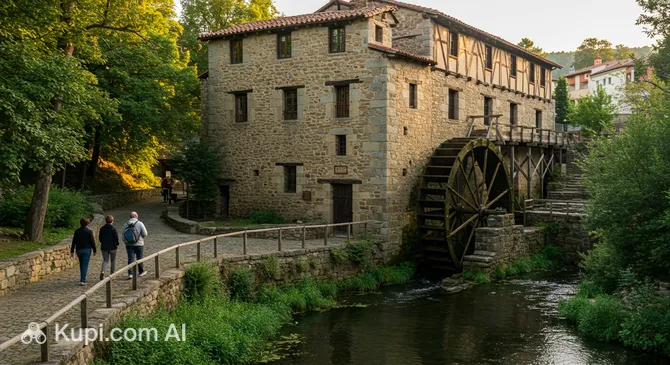
Pamplona's cultural offerings extend to fascinating heritage sites that double as exhibition spaces. The San Andrés Mill is a prime example of industrial heritage restored for modern use. Located along the Arga River Park, this historic flour mill now functions as an information and exhibition center. It provides visitors with insights into the river's ecosystem and the history of the waterway that has shaped the city, often hosting temporary displays in a charming stone setting.
San Andrés Mill. Illustration.
Source: Kupi.com AI
Traveler photos:
Another essential stop for understanding the city's defensive history is the Fortifications Interpretation Centre. Situated near the bullring, this facility offers an immersive look at the massive walls and bastions that once made Pamplona one of the most impregnable cities in Europe. Through interactive exhibits, visitors can learn about the military strategies and architectural evolution that defined the city's layout for centuries.
For a unique perspective, a walk along the Arga River offers an "insider" experience of Pamplona. This natural corridor encircles the city and is dotted with medieval bridges, fishing spots, and picnic areas, revealing a serene side of the capital that many tourists miss in favor of the city center.
Getting Around
Navigating Pamplona is remarkably easy and convenient, thanks to a well-organized public transport network that caters efficiently to both locals and visitors. Since the city does not have a metro or tram system, the backbone of public transportation is the bus service. Known affectionately by the locals as Villavesas, these green and white buses connect the historic city center with the surrounding neighborhoods and the metropolitan area. The network is extensive, reliable, and covers all major points of interest, making it the primary choice for getting around if you are not walking.
For payment, while you can purchase a single ticket directly from the driver using cash (it is best to carry small change), this is the most expensive option. A much smarter choice for tourists planning to use the bus frequently is to obtain a rechargeable travel card, often referred to as the Tarjeta de Transporte. Using this wallet card significantly reduces the fare per trip compared to a single ticket. You can buy and top up these cards at various tobacco shops (Tabacos) and authorized kiosks scattered throughout the city. To pay, simply validate the card by tapping it on the reader located near the driver when you board.
The buses generally operate from early morning, around 6:30 AM, until approximately 10:30 PM. However, Pamplona offers excellent options for late-night travelers as well. On weekends and before public holidays, special night buses, known locally as "Gau Txori" (Night Bird), run throughout the night, ensuring you can return safely to your accommodation after enjoying the city's nightlife. For real-time schedules and route planning, official apps like "Tu Villavesa" are very useful tools to have on your phone.
If you prefer more direct transport, taxis are widely available and can be identified by their white color and a green light on the roof indicating availability. They are safe, metered, and can be found at designated ranks or hailed by phone. For those who enjoy cycling, the city has an electric bike rental system that allows you to pick up and drop off bicycles at various stations. Given Pamplona's compact size and extensive pedestrian zones, renting a bike is a fantastic way to explore the parks and riverbanks at your own pace.
A unique and highly practical feature of Pamplona's urban mobility is its system of public elevators and ramps. Because the historic center is situated on a plateau surrounded by defensive walls, there are significant height differences between the Old Town and the newer neighborhoods along the river. To make the city accessible to everyone, the municipality operates several free, modern elevators (such as the one at the Descalzos ramp) that effortlessly transport pedestrians up the steep slopes, offering a scenic and fatigue-free way to access the fortified heart of the city.
Accommodation
Finding the perfect place to stay in Pamplona depends largely on the type of experience you are seeking. The city offers a diverse range of accommodation, from historic boutique hotels nestled in medieval buildings to modern business establishments and budget-friendly hostels. Given Pamplona's status as a key stop on the Camino de Santiago, there is also a high concentration of pilgrim hostels (albergues) that offer basic, affordable lodging and a communal atmosphere.
For most tourists, the Casco Antiguo (Old Quarter) is the most desirable location. Staying here places you within walking distance of the cathedral, the bullring, and the famous pintxo bars. However, this area can be noisy, especially on weekends or during festivals. If you prefer a quieter night’s sleep while remaining close to the center, the Ensanche districts (First and Second Expansion) are excellent alternatives. These neighborhoods feature elegant 19th-century architecture, wider avenues, and great shopping, all just a few minutes' walk from the historic walls. For a greener and more residential feel, the San Juan and Iturrama districts near the Citadel and parks are very convenient.
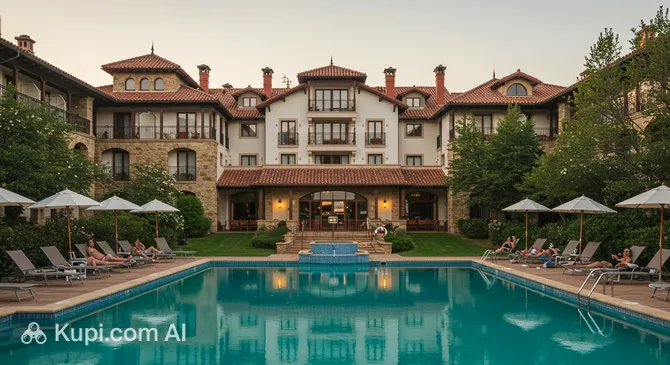
Travelers who are driving or looking for more extensive facilities might consider options located slightly further from the dense city center. One such example is the Hotel Andia. As a resort hotel, it typically offers amenities that are harder to find in the cramped historic quarter, such as ample parking and spacious rooms, making it a comfortable base for exploring both the city and the surrounding Navarre region.
Hotel Andia. Illustration.
Source: Kupi.com AI
Traveler photos:
Booking Advice: The most critical tip for visiting Pamplona concerns the San Fermín festival (July 6–14). During this week, accommodation prices skyrocket, and rooms are often fully booked months—sometimes even a year—in advance. If you plan to visit during the Running of the Bulls, you must secure your reservation as early as possible. Outside of this peak period, and Easter week, finding a room is generally much easier.
Prices and Reservations: In general, accommodation prices in Pamplona are reasonable and comparable to other northern Spanish cities. You can expect to find budget options and hostels for around €20–€40 per night, while mid-range hotels typically charge between €70 and €120. Luxury options will be higher. Booking via major online platforms is the standard method, but for smaller guesthouses or during the off-season, contacting the establishment directly can sometimes yield a better rate.
Nearby Cities
For those looking to explore the surroundings, Pamplona serves as an excellent base for day trips to several interesting nearby locations. The region offers a rich variety of landscapes, from the rugged Atlantic coast to world-renowned wine valleys, all within a short drive.
One of the most popular excursions is to San Sebastian (Donostia), located on the coast about an hour away. Famous for the stunning La Concha Bay and its elegant architecture, it is also a global culinary capital with a high concentration of Michelin-starred restaurants and excellent pintxo bars. Another fantastic option is Logroño, the capital of the La Rioja region. It is a paradise for wine lovers and foodies, particularly known for Calle del Laurel, a street packed with bars serving local Rioja wines and specialized tapas. For those interested in the coast and surfing, Zarautz offers the longest beach in the Spanish Basque Country and a relaxed, seaside atmosphere.
City
Population
Distance
Baranain
19 853
3 km
Berriozar
10 765
3 km
Tafalla
10 582
32 km
Tolosa
19 886
50 km
Beasain
13 949
52 km
These nearby destinations offer a glimpse into the diverse culture and landscapes of the region, allowing travelers to experience the best of Northern Spain's coast and countryside.
Shopping & Souvenirs
Shopping in Pamplona offers a delightful mix of traditional charm and modern convenience, reflecting the city's dual character. Visitors can wander through historic streets lined with century-old family businesses selling artisan goods, or explore contemporary avenues featuring international fashion brands. Whether you are looking for unique local gastronomy, authentic souvenirs, or the latest trends, the capital of Navarre provides a relaxed and walkable shopping experience that caters to diverse tastes.
The heart of the city's commercial life is undoubtedly Avenida de Carlos III in the Ensanche district. This wide, pedestrianized avenue is the premier destination for fashion lovers, hosting major Spanish and international chains alongside elegant boutiques. It connects the historic center with the newer parts of the city, making it a bustling thoroughfare for locals and tourists alike. In contrast, the Casco Antiguo (Old Quarter) offers a more traditional vibe. Streets like Calle Zapatería, Calle Estafeta, and Calle San Antón are treasure troves for smaller, independent shops where you can find crafts, books, and specialty food items nestled within medieval architecture.
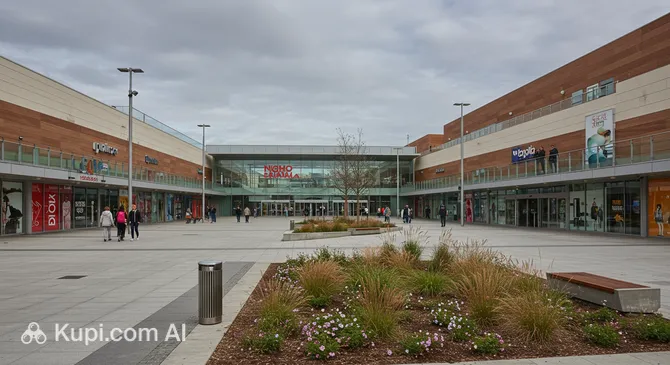
For those who prefer a comprehensive shopping experience under one roof, Pamplona is served by excellent shopping centers located just outside the city core. One of the most popular is the La Morea Shopping Center, situated a short drive to the south. It features a vast hypermarket, a wide array of fashion retailers, a cinema, and numerous dining options, making it a favorite weekend spot for families.
La Morea Shopping Center. Illustration.
Source: Kupi.com AI
Traveler photos:
Another significant commercial hub is Itaroa, located to the east of the city. This modern mall is known for its extensive leisure facilities, including a bowling alley and cinemas, in addition to its diverse selection of clothing and electronics stores. Both centers are easily accessible by public transport or car and provide a convenient escape for a day of retail therapy, especially if the weather turns rainy.
To truly taste the local culture, a visit to the Mercado de Santo Domingo is essential. Located in the Old Quarter near the Town Hall, this is the city's oldest market. It is a vibrant sensory experience where stalls pile high with fresh vegetables from the fertile Ebro valley, local meats, and fish. It is the perfect place to buy vacuum-packed local delicacies or simply to observe the daily rhythm of Pamplona's residents as they shop for their kitchens.
When it comes to souvenirs, Pamplona has distinct offerings that go beyond generic trinkets. The most iconic item to take home is a bota de vino (leather wineskin), a traditional vessel for drinking wine that is famously used during festivals. You should also consider buying a pañuelo rojo (red scarf), the symbol of the San Fermín festival, which makes for a lightweight and meaningful gift. Gastronomic souvenirs are also highly recommended; look for bottles of Patxaran (sloe berry liqueur), jars of white asparagus, Piquillo peppers, or the renowned Idiazabal and Roncal cheeses.
Understanding local business hours is crucial for a successful shopping trip. Most smaller shops and boutiques in the city center operate from approximately 10:00 AM to 1:30 PM and reopen from 5:00 PM to 8:00 PM, observing the traditional midday break. However, major chains on Carlos III Avenue and the large shopping malls like La Morea and Itaroa stay open continuously, typically from 10:00 AM to 9:00 PM or 10:00 PM. On Sundays and public holidays, nearly all shops are closed, except for bakeries and small convenience stores.
Payment is straightforward, with credit and debit cards (Visa and Mastercard) being widely accepted even for small amounts. However, carrying some cash is useful for small purchases in traditional markets. For travelers residing outside the European Union, Spain offers tax-free shopping (VAT refund) on eligible purchases. Look for the "Tax Free" sign in store windows and ask for the electronic refund document (DIVA) at the checkout to reclaim the tax at the airport before leaving the EU.