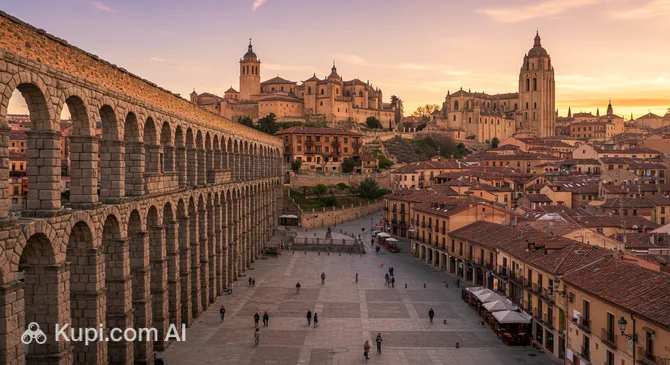
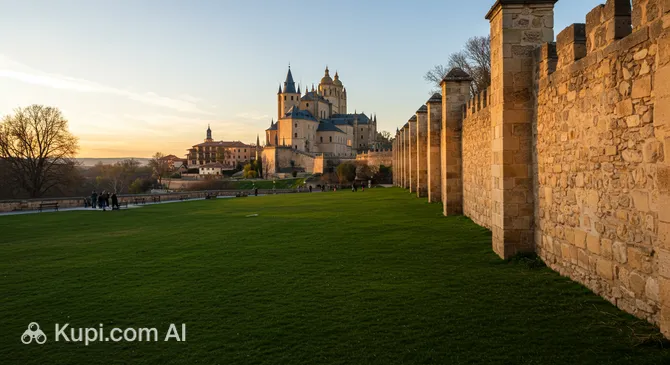
Segovia is a city that seems torn from the pages of a storybook, captivating visitors with its dramatic skyline and ancient heritage. Perched on a rocky crag in central Spain, this UNESCO World Heritage site offers a breathtaking journey through time, where every corner reveals a new architectural marvel or a hidden medieval square.
Located in the autonomous region of Castile and León, just a short distance northwest of Madrid, the city is home to approximately 51,000 residents. Its strategic position between the Eresma and Clamores rivers has shaped the history of Segovia for centuries, resulting in a rich tapestry of cultures that includes Roman, Moorish, and Christian influences. The climate here is generally continental, characterized by hot summers and cold, crisp winters.
Segovia. Illustration.
Source: Kupi.com AI
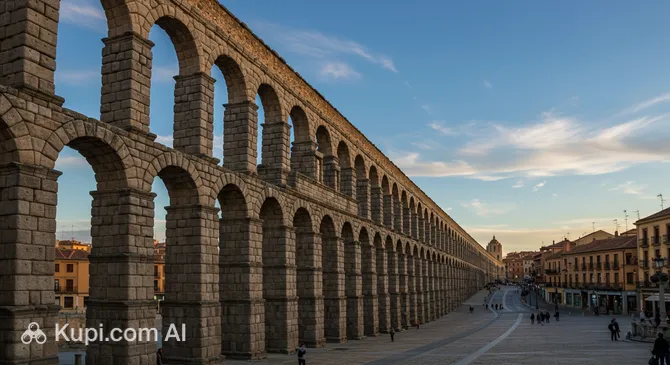
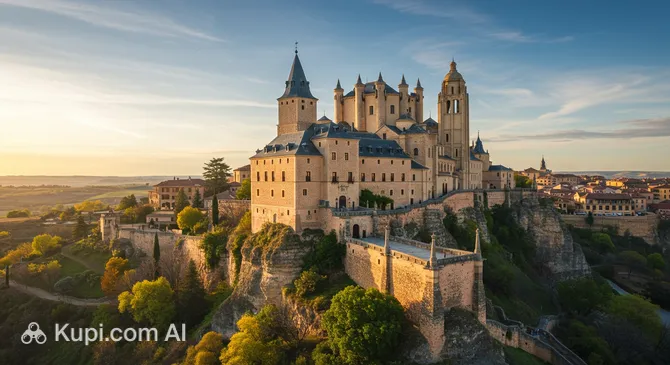
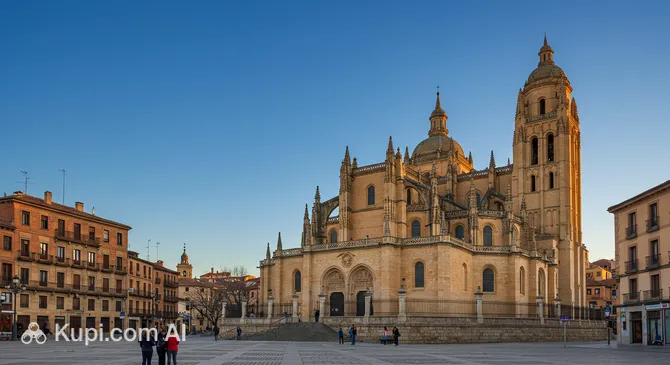
The city is perhaps best known for the colossal Aqueduct of Segovia, a stunning feat of Roman engineering that cuts through the city center with its double tier of arches. Another unmissable highlight is the Alcázar of Segovia, a fairytale fortress with blue-tiled turrets that is widely believed to have inspired Walt Disney's Cinderella Castle. Visitors should also make time for the massive Gothic Cathedral, often referred to as the "Lady of Cathedrals" for its elegance and size.
Whether you are wandering through its winding cobblestone streets or enjoying the famous local cuisine, Segovia promises an unforgettable experience. It is a destination that perfectly blends monumental heritage with a lively, welcoming atmosphere, making it a must-visit stop on any Spanish itinerary.
Weather Overview
Segovia experiences a continental climate with well-defined seasons, offering a distinct atmosphere throughout the year. To help plan your visit around the conditions, it is helpful to review the detailed weather in Segovia before you travel.
Summers are generally warm and dry, making them a popular time for tourism. July and August are the hottest months, with average temperatures around 22.4°C and daytime highs reaching nearly 30°C. Rainfall is minimal during this season, with July seeing almost no precipitation and only about 4 wet days, ensuring clear skies for viewing the city's monuments.
In contrast, the winter months bring a significant chill. January is the coldest time of year, with average temperatures dropping to 3.7°C and lows occasionally dipping below freezing. The transitional seasons of spring and autumn are milder but tend to be damper; November, for example, averages around 7.6°C and sees about 15 wet days. Expect warm, dry summers and cold winters with frequent light precipitation.
Average monthly temperature
Average monthly precipitation
Interesting Facts
Beyond the main attractions, Segovia holds many fascinating secrets and legends that add depth to its stone streets. From devilish folklore to unique architectural details, the city offers curious travelers much more than meets the eye.
Segovia Aqueduct. Illustration.
Source: Kupi.com AI
Traveler photos:
According to local legend, the Segovia Aqueduct was not built by the Romans, but by the Devil himself in a single night. Folklore says he attempted to build the bridge to win a young water-carrier's soul but failed to place the final stone before the first ray of sunlight struck, losing the wager.
The city is home to the Royal Mint Museum of Segovia, which is considered one of the oldest examples of industrial architecture still standing in Europe. For centuries, this facility used hydraulic energy from the Eresma River to mint coins that circulated throughout the Spanish Empire.
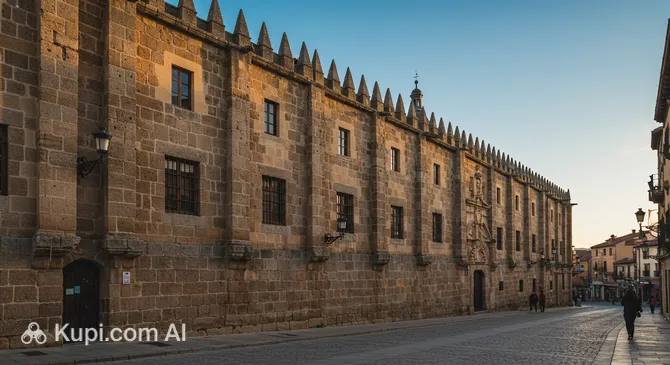
Walking through the city, you might notice the Casa de los Picos, a building with a truly defensive appearance. Its facade is covered with over 600 granite pyramid-shaped points, which were originally added to protect the structure and demonstrate the owner's status.
Segovia was the home of the renowned Spanish poet Antonio Machado for over a decade. He lived a modest life here as a French teacher, and his former room is preserved intact at the Antonio Machado House-Museum, offering an intimate glimpse into his daily life.
How to Get There
Reaching Segovia is straightforward due to its proximity to the Spanish capital and excellent transport connections. For a comprehensive guide on all travel options, routes, and tips, you can read more about how to get to Segovia.
The city of Segovia does not have its own airport, but it is well-served by major hubs nearby. The most convenient and popular option for international travelers is Adolfo Suárez Madrid-Barajas Airport (IATA: MAD), located in Madrid, approximately 68 km from Segovia. As one of Europe's busiest transport hubs, it offers extensive global connections. From the airport, you can reach Segovia by renting a car or taking a bus, which typically takes around 1 hour and 20 minutes. Alternatively, a taxi ride takes about 1 hour and 10 minutes.
Another option, though with fewer connections, is Valladolid Airport (IATA: VLL) in Valladolid, situated about 105 km away. While it handles significantly less traffic than Madrid, it can be a viable entry point for regional travelers. The drive from Valladolid to Segovia generally takes around 1 hour and 30 minutes by taxi or private transfer.
For clarity, here is a summary of the main airports:
Traveling by train is one of the fastest and most comfortable ways to arrive. The city is served by the Segovia Guiomar Railway Station, located just 3.8 km from the city center. This station is a key stop on the high-speed AVE line connecting Madrid and Valladolid. The journey from Madrid is incredibly quick, often taking less than 30 minutes.
Many travelers coming from the capital will depart from Chamartín Station in Madrid, which is the main hub for trains heading north to Segovia. It is a major station with very high passenger volume, located about 63.5 km away. Once you arrive at Segovia Guiomar, local buses and taxis are readily available to shuttle you the short distance to the historic aqueduct and city center.
Below is a list of relevant railway stations in the region:
Segovia is a city where history is etched into every stone, offering visitors a remarkable collection of monuments that span centuries. While the iconic aqueduct greets travelers upon arrival, the city's depth lies in its fortresses, religious sites, and defensive walls that invite deeper exploration.
Rising dramatically from a rocky crag shaped like the bow of a ship, the Alcázar of Segovia is one of Spain's most distinctive castles. This fairytale fortress, with its slate-roofed spires and deep moat, is said to have inspired the design of Disney's Cinderella Castle. Originally a military stronghold, it served as a royal palace for the monarchs of Castile. Visitors can explore the opulent Throne Room, the Hall of Kings with its intricate friezes, and climb the Tower of Juan II for unrivaled panoramic views of the city and the surrounding plains.
Alcázar of Segovia. Illustration.
Source: Kupi.com AI
Traveler photos:
Located at the highest point of the town in the Plaza Mayor stands the Segovia Cathedral. Known as "The Lady of Cathedrals" for its elegance and impressive size, it holds the distinction of being the last Gothic cathedral built in Spain. Its exterior is a symphony of flying buttresses and pinnacles, while the interior houses beautiful stained glass windows, Flemish tapestries, and a peaceful cloister that was moved stone-by-stone from the original cathedral site.
Segovia Cathedral. Illustration.
Source: Kupi.com AI
Traveler photos:
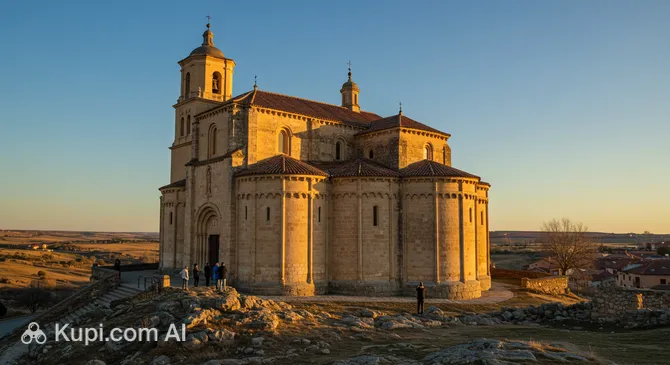
Just outside the city walls, in the valley below the Alcázar, you will find the mysterious Church of Vera Cruz. This unique Romanesque church is famous for its dodecagonal (12-sided) floor plan, a rarity in Spanish architecture. Founded by the Knights of the Holy Sepulchre (often associated with the Knights Templar in local lore), the building centers around a two-story edicule where knights are believed to have held their vigils. Its solitary location and ancient stone walls evoke a powerful sense of the medieval past.
Church of Vera Cruz. Illustration.
Source: Kupi.com AI
Traveler photos:
To fully appreciate the city's medieval defenses, a visit to the San Andrés Gate is essential. As one of the best-preserved entrances through the historic city walls, it features a robust polygonal tower and a square tower connected by an arch. It serves as a gateway to the old Jewish Quarter (Judería) and offers access to the ramparts, where you can walk along a section of the walls and enjoy scenic views over the Clamores River valley.
Local Cuisine
The gastronomy of Segovia is legendary throughout Spain, offering a hearty and traditional culinary experience that perfectly complements its medieval atmosphere. Rooted in the rich flavors of the Castilian plateau, the local cuisine focuses on high-quality meats, slow cooking methods, and substantial dishes designed to warm you up during the cold winters. It is a place where lunch is a ritual, often lasting for hours and centered around wood-fired ovens.
The undisputed star of the city's menu is Cochinillo Asado (roast suckling pig). This dish is so tender that tradition dictates it should be carved with the edge of a plate rather than a knife to demonstrate the meat's succulence. The pig is roasted until the skin is golden and incredibly crisp, while the meat remains juicy and flavorful. Another savory highlight is Judiones de La Granja, a stew made with massive, buttery white beans sourced from the nearby Royal Site of San Ildefonso, typically cooked with chorizo, pork ear, and blood sausage.
Jose Maria Restaurant. Illustration.
Source: Kupi.com AI
Traveler photos:
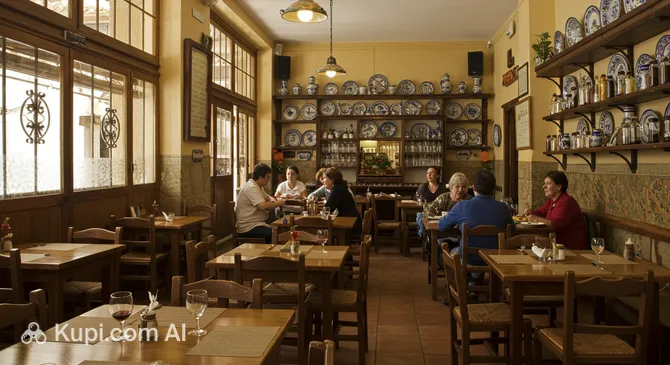
To sample these classics, visitors are spoiled for choice with numerous traditional asadores (roasting houses). One of the most celebrated establishments is Jose Maria Restaurant, a gastronomic landmark where the roasting of the suckling pig is treated as an art form. For those seeking excellent views along with their meal, Asador Maribel is another prestigious option known for its high-quality roast lamb and pig, offering a dining experience that pairs exquisite food with the city's historic backdrop.
Beyond the heavy roasts, Segovia has a vibrant tapas culture, particularly in the bars surrounding the Plaza Mayor. Here, you can enjoy a glass of robust red wine from the Ribera del Duero region or a local white wine. For a more casual bite or to explore the variety of local appetizers, places like El Secreto de San Clemente offer a welcoming atmosphere. You might also stop by Mesón Don Jimeno, where the rustic charm and traditional flavors provide an authentic taste of Segovian hospitality.
No meal in Segovia is complete without dessert. The local signature sweet is Ponche Segoviano, a delicate sponge cake layered with pastry cream, covered in a thin sheet of marzipan, and topped with burnt sugar in a diamond pattern. It is the perfect sweet finish to a robust Castilian feast.
Travel Tips
Visiting Segovia is a delightful experience, but navigating its medieval layout and continental climate requires a little preparation to ensure your trip runs smoothly. These practical tips will help you blend in with the locals and make the most of your time in this UNESCO World Heritage city.
Dress for the Terrain and Season: Segovia is a city of hills and ancient cobblestones, so sturdy, comfortable walking shoes are essential; high heels or thin-soled sandals will make exploring the steep streets difficult. Since the weather fluctuates significantly, bring breathable clothing and sun protection for the hot summers, and heavy coats with scarves for the crisp, cold winters.
Navigating the City: The historic center is compact and best explored on foot, as many streets are pedestrianized or too narrow for modern traffic. If you arrive by high-speed train (AVE), be aware that the station is located outside the city; take the convenient Line 11 bus, which shuttles passengers directly to the Aqueduct in approximately 15 minutes.
Money Matters: The currency is the Euro (€). While credit and debit cards are widely accepted in hotels, restaurants, and museums, it is wise to carry some cash for small purchases in traditional bakeries or souvenir kiosks. Tipping is not mandatory but is appreciated; rounding up the bill or leaving a few coins is standard practice for good service.
Health and Safety: Segovia is generally a very safe city for tourists, but standard precautions against pickpocketing should be taken in crowded areas like the Plaza del Azoguejo. Pharmacies are marked with a neon green cross and are well-stocked; for any serious emergencies, dial 112 for immediate assistance.
Language and Connectivity: Spanish is the official language, and while staff in major tourist attractions usually speak English, learning a few basic phrases like "Hola" (Hello) and "Gracias" (Thank you) is considered polite and helpful. Free Wi-Fi is often available in public squares and cafes, but having a mobile data plan is recommended for using maps and translation apps.
Dining Etiquette: Spaniards eat later than many other Europeans; lunch is typically the main meal of the day, served between 2:00 PM and 4:00 PM, while dinner often starts after 9:00 PM. When entering a shop or bar, it is polite to greet the staff, and meals are often leisurely affairs—do not feel the need to rush.
What to Avoid: Do not attempt to drive a rental car into the walled old town unless your hotel provides specific parking instructions. The streets are often one-way, extremely narrow, and restricted to residents, making driving stressful and prone to fines.
Sunset Secret: For the best photo opportunity, head to the Mirador de la Pradera de San Marcos just before sunset. From this grassy meadow below the Alcázar, you can watch the fortress turn golden against the evening sky—a favorite spot for locals and photographers alike.
With these tips in mind, you are ready to enjoy the rich history and vibrant culture of Segovia without any hassles. Embrace the slower pace of Castilian life, savor the incredible food, and let the city's ancient charm capture your heart.
Entertainment & Nightlife
Entertainment and Nightlife:
Segovia offers a nightlife experience that is distinctively Spanish: social, vibrant, and centered around conversation and gastronomy rather than large, thumping nightclubs. As the sun sets and the streetlights illuminate the ancient stone facades, the city transforms into a lively hub where locals, students from the nearby university, and visitors mingle in the historic squares. The atmosphere is generally relaxed and welcoming, making it easy to hop from one venue to another.
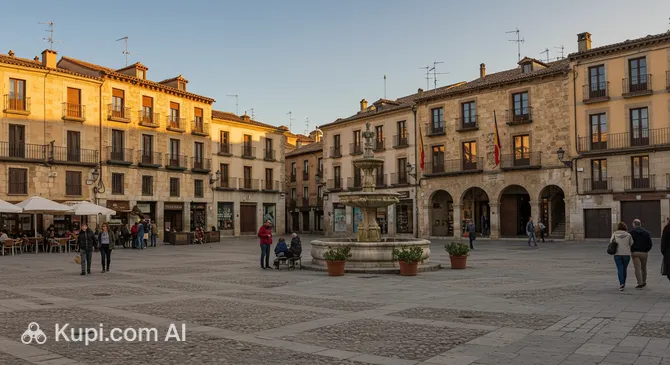
The heart of the evening action is located within the walled city, particularly in the area known locally as "La Zona." This district stretches along the streets connecting the Plaza Mayor to the Aqueduct. A key focal point is the Plaza de Medina del Campo, often referred to by locals as Plaza de Juan Bravo due to the statue at its center. This beautiful, tiered square is surrounded by historic buildings and is lined with bars and terraces that remain bustling well into the night. It serves as the perfect meeting point to start your evening with a round of drinks and tapas.
Plaza de Medina del Campo. Illustration.
Source: Kupi.com AI
Traveler photos:
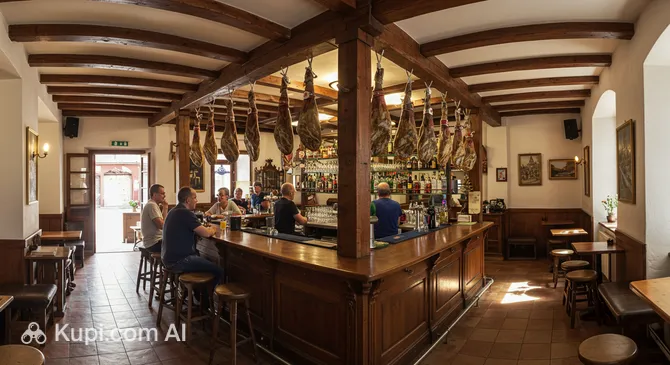
For those seeking a specific spot to enjoy the local vibe, El Secreto de San Clemente is a popular bar that transitions seamlessly from a daytime stop to a cozy evening venue. It offers a great selection of drinks and a warm atmosphere, ideal for unwinding after a day of walking. If you are looking for a venue that caters to larger gatherings, events, or a more prolonged gastronomic evening slightly removed from the bustle of the narrow streets, the Venta Magullo Gastronomic Hotel is a well-regarded establishment that frequently hosts celebrations and offers extensive dining and entertainment facilities.
El Secreto de San Clemente. Illustration.
Source: Kupi.com AI
Traveler photos:
Practical advice for enjoying Segovia at night includes adjusting to the Spanish schedule; the nightlife typically peaks after midnight. The dress code is smart-casual, and most bars do not charge an entrance fee. Safety is rarely a concern, as the city center is well-lit and secure for walking. However, the cobblestones can be tricky in the dark, so comfortable footwear is still recommended. Taxis are readily available at main ranks, such as the one at the foot of the Aqueduct, should you need a ride back to your accommodation.
During the daylight hours, entertainment in Segovia takes a more cultural turn. Visitors can explore a variety of museums or attend performances at the Teatro Juan Bravo, located right on the Plaza de Medina del Campo. For a change of pace, the green belt surrounding the city offers peaceful walking routes along the river, providing a natural escape before the evening festivities begin.
Parks & Museums
Beyond its towering aqueduct and fairytale fortress, Segovia offers a wealth of green spaces and cultural institutions that allow visitors to connect with the city's deeper history and natural beauty. From riverside walks to intimate museums housed in centuries-old buildings, these sites provide a peaceful counterpoint to the bustling main squares.
One of the most picturesque natural spots in the city is the San Marcos Meadow Viewpoint (Pradera de San Marcos). Located in the lush valley of the Eresma River, this vast grassy expanse offers the iconic perspective of the Alcázar rising like the bow of a ship above the trees. It connects to pleasant riverside paths known as the Alameda del Parral, making the entire area a favorite for locals to walk, picnic, and admire the stunning interplay of nature and medieval architecture.
San Marcos Meadow Viewpoint. Illustration.
Source: Kupi.com AI
Traveler photos:
For those interested in industrial heritage, the Royal Mint Museum of Segovia is a fascinating stop. Situated near the river, this complex is considered one of the oldest examples of industrial architecture in Europe. Visitors can explore the history of coinage in Spain and see the hydraulic systems that were once powered by the Eresma River to drive the minting machinery, blending technology with history.
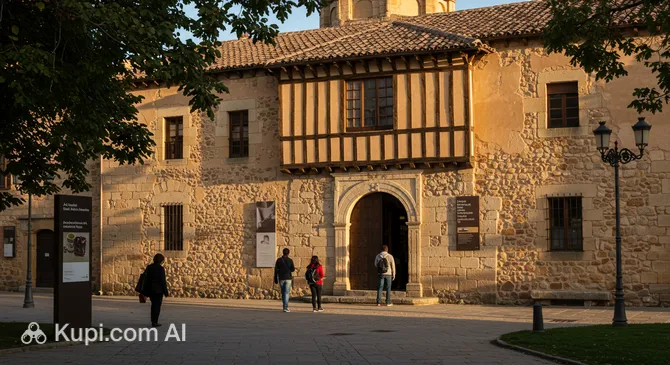
A more intimate cultural experience can be found at the Antonio Machado House-Museum. This humble boarding house was the home of the celebrated Spanish poet Antonio Machado from 1919 to 1932. The museum preserves his room exactly as he left it, complete with his simple furniture and personal effects, offering a moving glimpse into the life of one of Spain's literary giants.
Antonio Machado House-Museum. Illustration.
Source: Kupi.com AI
Traveler photos:
Art and history enthusiasts should not miss the San Antonio el Real Monastery. Originally a royal hunting lodge for Henry IV of Castile, it was later converted into a monastery. It is renowned for its exquisite Mudejar coffered ceilings and a diverse collection of Flemish and Castilian art, providing a quiet sanctuary filled with artistic treasures.
For a truly authentic experience, venture slightly off the beaten path to the Monastery of Santa María del Parral. Still inhabited by the Order of Saint Jerome, this monastery allows visitors to explore its cloisters and church, and if you time your visit right, you may hear the monks performing Gregorian chants, adding a spiritual resonance to your journey.
Getting Around
Public transport in Segovia is reliable and straightforward, though the city's compact nature means that walking is often the best way to explore the historic center. Unlike larger metropolises, Segovia does not have a metro or tram system. Instead, the public transportation network relies entirely on a fleet of buses known as Urbanos de Segovia, which efficiently connect the residential neighborhoods, the historic district, and the transport hubs located on the outskirts.
For most tourists, the most essential route is Line 11. This specific bus line acts as a shuttle connecting the Segovia Guiomar high-speed railway station (located about 4 km from the town) directly to the Aqueduct in the city center. Another useful route is Line 12, which links the train station with the central bus station. These buses are generally synchronized with the arrival of high-speed trains, ensuring a smooth transfer for visitors arriving from Madrid or Valladolid.
The payment system is designed to be simple for short-term visitors. You can purchase a single ticket directly from the driver upon boarding. The fare is affordable, typically costing just over €1.00. It is widely recommended to carry cash, particularly coins or small bills (maximum €5 or €10 notes), as drivers often cannot provide change for large denominations. For those planning a longer stay, a rechargeable travel pass (Bonobús) is available at local tobacco shops (estancos), which offers a discounted rate per journey.
Operating hours for the buses generally run from early morning until around 10:30 PM or 11:00 PM, depending on the line and the day of the week. On weekends and holidays, frequencies may be reduced. Once inside the walled city, you will find that many areas are pedestrianized, and the distances between major monuments like the Cathedral and the Alcázar are short enough to cover comfortably on foot.
If you prefer a more direct or private mode of transport, taxis are readily available and reasonably priced. You can find official taxi ranks at key tourist spots, including the Plaza del Azoguejo (right under the Aqueduct) and the Plaza Mayor. Taxis are white and use a taximeter; they are particularly useful if you are traveling with heavy luggage or need to return to your accommodation late at night after the buses have stopped running.
A popular alternative for sightseeing is the Tourist Train. This vehicle departs from near the Aqueduct and takes passengers on a panoramic loop around the city's perimeter. It is an excellent option for families or those with limited mobility, offering spectacular views of the city walls, the valley, and the Alcázar from angles that are harder to reach on foot. Audio guides are usually included to provide historical context during the ride.
Finally, visitors should be cautious about using rental cars within the historic center. The streets are medieval, extremely narrow, and often restricted to residents or authorized vehicles. The best practical advice for drivers is to park in one of the underground parking garages located just outside the walled area, such as near the Aqueduct, and switch to walking or public transport to enjoy the city stress-free.
Accommodation
Where to Stay:
Accommodation in Segovia is as varied and atmospheric as the city itself, catering to travelers of all budgets and preferences. The options range from luxury hotels housed in converted medieval palaces and monasteries to charming family-run guesthouses and modern apartments. Whether you are looking for a romantic getaway steeped in history or a functional base for sightseeing, you will find a suitable place to rest.
The most popular area to stay is within the Old Town (Walled City). Staying here puts you within walking distance of the Cathedral, the Alcázar, and the Plaza Mayor. The narrow, cobblestone streets offer an immersive medieval experience, though they can be noisy on weekends and difficult to navigate with a car. Alternatively, the area surrounding the Aqueduct is highly convenient, offering easy access to the bus station and taxi ranks while still providing spectacular views of the monument.
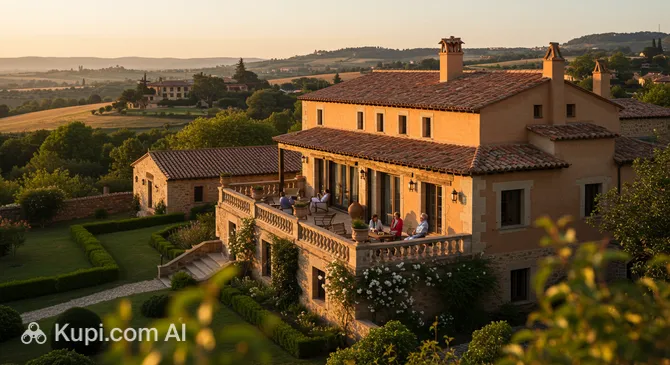
For those who prefer quieter surroundings or are traveling with a car, the outskirts of the city offer excellent alternatives with more spacious facilities and easier parking. One notable option is the Venta Magullo Gastronomic Hotel. Located a short distance from the city center, this establishment is well-regarded for combining comfortable lodging with a strong focus on traditional Castilian cuisine, making it a great choice for food lovers.
Venta Magullo Gastronomic Hotel. Illustration.
Source: Kupi.com AI
Traveler photos:
Prices in Segovia can fluctuate significantly depending on the season and the day of the week. Budget travelers can find hostels or simple pensions starting around €40-€60 per night, while mid-range hotels typically charge between €80 and €120. Luxury accommodations, particularly those in historic buildings, can exceed €150 per night.
Booking Tip: Segovia is a very popular weekend destination for visitors coming from Madrid. Consequently, hotels fill up quickly on Friday and Saturday nights. It is highly recommended to book your accommodation at least a few weeks in advance if you plan to visit during the weekend or on public holidays to secure the best rates and availability.
Nearby Cities
For those looking to explore the surroundings, Segovia serves as an excellent base for day trips to several interesting nearby locations. The region surrounding the city offers a rich mix of royal heritage, medieval architecture, and scenic landscapes that are perfect for a short excursion.
One of the most essential visits is to La Granja de San Ildefonso, located just 11 km from Segovia. This stunning 18th-century Royal Palace is often referred to as the "Spanish Versailles" due to its magnificent Baroque architecture and extensive gardens filled with monumental fountains. Nestled at the foot of the Guadarrama mountains, it served as the summer residence for Spanish monarchs and provides a breathtaking combination of art and nature.
For a journey further back in time, the medieval village of Pedraza is a charming destination about 37 km away. Enclosed by ancient walls and accessible through a single gate, this remarkably well-preserved town features cobblestone streets, a rustic Plaza Mayor, and a castle. It is famous for its "Night of the Candles" festival and offers a quiet, atmospheric escape into traditional Castilian rural life.
Below is a list of other cities and towns located within a short distance of Segovia:
City
Population
Distance
El Espinar
9 662
28 km
Guadarrama
16 921
30 km
Alpedrete
15 006
32 km
Moralzarzal
13 905
32 km
Manzanares el Real
9 247
32 km
These nearby destinations offer a glimpse into the diverse culture and landscapes of the region.
Shopping & Souvenirs
Shopping in Segovia offers a delightful mix of traditional craftsmanship and gastronomic treasures rather than large-scale commercialism. The city is not defined by massive department stores but by charming, family-run boutiques and artisanal shops that line its ancient streets. Visitors can expect to find high-quality local food products, handmade ceramics, and unique souvenirs that reflect the region's rich Castilian heritage.
The primary shopping artery is popularly known as "Calle Real," a pedestrian route that connects the iconic aqueduct to the main square. This thoroughfare is actually composed of three connecting streets: Calle Cervantes, Calle Juan Bravo, and Calle Isabel la Católica. As you stroll uphill along this bustling path, you will pass by the distinctive Casa de los Picos, whose unique facade marks the entrance to a stretch filled with souvenir shops, fashion boutiques, and traditional bakeries. The area around the Plaza de Medina del Campo is also excellent for browsing, offering a variety of bookstores and specialty shops set against a backdrop of historic architecture.
Casa de los Picos. Illustration.
Source: Kupi.com AI
Traveler photos:
For those seeking a more modern retail experience with international brands, the Centro Comercial Luz de Castilla is the main option. Located on the outskirts of the city, this shopping mall houses a hypermarket, fashion chains, electronics stores, and a cinema. It is easily accessible by car or via the local bus lines that service the outer districts, providing a convenient stop for travelers who need standard amenities or clothing.
Traditional markets play a vital role in local life. The most prominent is the weekly street market held every Thursday in the Plaza Mayor and surrounding streets. Here, locals gather to buy fresh produce, clothing, textiles, and household goods. It is a vibrant, colorful event that offers a glimpse into the daily rhythm of the city. Occasionally, artisanal markets and eco-fairs are also set up in the main squares, showcasing handmade jewelry, leather goods, and organic foods from the province.
When it comes to souvenirs, Segovia is famous for its gastronomy. A top choice to bring home is Ponche Segoviano, a traditional marzipan-covered cake that is sold in boxes at local pastelerías (pastry shops). Another savory favorite is Chorizo de Cantimpalos, a cured sausage with a Protected Geographical Indication. Beyond food, the region is known for its traditional ceramics and glass; many shops sell pieces inspired by the nearby Royal Glass Factory of La Granja, making for elegant and authentic gifts.
Store opening hours in Segovia generally follow the traditional Spanish schedule. Small shops typically open around 10:00 AM, close for a midday break (siesta) between 2:00 PM and 5:00 PM, and reopen until 8:00 PM or 8:30 PM. Larger supermarkets and the shopping mall usually stay open all day without interruption. Most shops are closed on Sundays and public holidays. Credit and debit cards are widely accepted, even for small amounts, though carrying some cash is useful for markets or small souvenirs.
Travelers residing outside the European Union are eligible for a VAT refund on purchases of personal goods. Look for stores displaying the "Tax-Free" sign and ask for a refund form (DIVA) at the checkout. You will need to validate this form at customs upon leaving the EU to claim your refund.