Support

Torrelavega

About

Torrelavega is a vibrant city located in the heart of the autonomous community of Cantabria. While it is often recognized for its industrial strength and commercial importance, the city offers a lively urban atmosphere and serves as a strategic crossroads for travelers exploring northern Spain. Its central position makes it an excellent hub for discovering the rich culture and natural landscapes of the region.
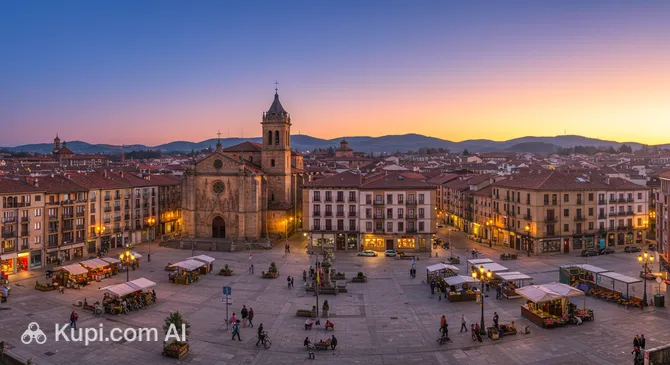
Torrelavega. Source: Kupi.Binoculars

Geographically, the city is situated at the confluence of the Saja and Besaya rivers, surrounded by green valleys and hills. With a population of approximately 51,000 residents, it is the second-largest city in Cantabria. Its climate is typically oceanic, characterized by mild temperatures and lush greenery year-round, which adds to the scenic appeal of the surrounding area.

The city has undergone significant transformation over the centuries, evolving from a small agricultural settlement into a major economic center. You can delve deeper into this evolution by exploring the history of Torrelavega, which details its rise as a commercial powerhouse often referred to historically as the "City of the Dollar."

Visitors will find several points of interest within the city limits. The neo-Gothic Church of the Assumption (Iglesia de la Asunción) is a notable architectural landmark that houses the tomb of Leonor de la Vega. For a taste of local life, the bustling Plaza Baldomero Iglesias, affectionately known as the "Red Square," is a popular gathering spot filled with terraces and activity. Additionally, the city is famous for hosting significant events at the National Cattle Market, reflecting its deep-rooted traditions.

Whether you are using it as a base to visit the nearby Altamira Caves and the beaches of Suances, or stopping by to enjoy its gastronomy and shopping, Torrelavega invites you to experience its authentic character and warm hospitality.

Weather Overview

The climate in this part of Cantabria is defined by its moderate temperatures and consistent humidity, typical of the lush "Green Spain" region. For travelers planning their wardrobe, checking the weather in Torrelavega is essential, as conditions are generally mild but often damp. The city avoids extreme temperature fluctuations, offering a comfortable atmosphere where the heat is rarely stifling and the cold is seldom severe.

August is typically the warmest month, with average temperatures around 19.9°C and highs reaching a pleasant 23.1°C, creating ideal conditions for exploring the city. Conversely, January is the coolest period, with average lows of 5.7°C, though it rarely freezes. Rainfall is a steady feature throughout the year, with wet days ranging from 13 to 18 days per month, ensuring the surrounding landscapes remain vibrant and green.

Expect mild, comfortable summers and cool winters accompanied by frequent rainfall throughout the year.

Interesting Facts

Beyond the main attractions, Torrelavega holds many fascinating secrets and traditions that reveal the true character of the city. Here are a few unique details that make this Cantabrian hub stand out.

  • The City of Puff Pastry: Torrelavega is renowned for its exceptional puff pastry, particularly a local sweet known as "Polkas." The city takes this culinary heritage so seriously that there is a "Brotherhood of the Puff Pastry" (Cofradía del Hojaldre) dedicated to promoting and preserving the quality of this delicious treat.

  • A Flower Power Parade: Every August, the city hosts the spectacular "Gala Floral," a festival declared of National Tourist Interest. Enormous floats, completely covered in thousands of fresh flowers, parade through the streets, showcasing intricate designs and hours of painstaking local craftsmanship.

  • A Record-Breaking Roof: The National Cattle Market, named Jesús Collado Soto, is an architectural marvel. When it was built, its massive reinforced concrete roof covered such a vast open space that it was considered one of the largest roofed areas in Spain and Europe, capable of housing thousands of animals at once.

  • Noble Origins: The name of the city literally translates to "Tower of the Vega." It references a medieval tower and the powerful Vega family, specifically Leonor de la Vega, a prominent historical figure and the mother of the famous Marquis of Santillana, one of the country's most celebrated medieval poets.

How to Get There

Torrelavega occupies a strategic position in the center of Cantabria, making it easily accessible from various parts of the region and beyond. Whether you prefer flying or taking the train, there are several convenient transport hubs nearby. For a comprehensive breakdown of all travel options, routes, and tips, you can read more about how to get to Torrelavega in our detailed guide.

The city of Torrelavega does not have its own commercial airport, but it is well-served by Santander Airport (IATA: SDR), located in the neighboring city of Santander. This is the closest option, situated approximately 20 km from Torrelavega. The journey by taxi or car typically takes about 25 to 30 minutes, making it a very convenient entry point. The airport handles a moderate volume of traffic and offers connections to several domestic and international destinations.

For a wider range of international flights, travelers often choose Bilbao Airport (IATA: BIO), located in Bilbao. It is the largest airport in the vicinity, roughly 93 km away from Torrelavega. A drive from Bilbao Airport takes approximately 1 hour and 10 minutes via the highway. As a major hub with significant passenger traffic, it provides extensive connectivity to major European cities.

For clarity, here is a summary of the main airports in the region:

Airport Name City Passenger Traffic Km from City
Bilbao Airport Bilbao High 92.6
Asturias Airport Medium 162.4
Santander Airport Santander Medium 20.3
Vitoria Airport Vitoria-Gasteiz Low 119.7
Leon Airport Leon Low 155.8

Regarding rail travel, while Torrelavega has its own local rail connections, the most significant nearby major hub is the Santander Railway Station in the city of Santander. Located about 23 km from Torrelavega, it serves as a key arrival point for long-distance trains. From there, you can easily transfer to a local bus or taxi to reach your final destination in about 30 minutes. Another major option is the Abando Railway Station in Bilbao, approximately 91.5 km away, which offers extensive high-speed and regional services.

Below is a list of the nearest major railway stations:

Station City Passenger Traffic Km to Center
Abando Railway Station Bilbao High 91.5
Santander Railway Station Santander Medium 22.8
Gijón Railway Station Gijon Medium 133.2
Vitoria Railway Station Vitoria-Gasteiz Low 125.5
Burgos Railway Station Burgos Low 113.1

Main Attractions

While Torrelavega is often celebrated for its industrial heritage, it possesses several charming spots that offer a delightful experience for visitors. One of the city's most beloved green spaces is the Parque Manuel Barquín. Located right in the urban center, this park serves as the city's "green lung" and is perfect for a relaxing stroll. It features a variety of tree species, some of which are centuries old, along with winding paths and an auditorium that often hosts outdoor cultural events. It is an ideal place to take a break and enjoy nature without leaving the city.

Architecture enthusiasts should not miss the Iglesia de la Virgen Grande. Unlike the older neo-Gothic church mentioned previously, this building is a striking example of contemporary religious architecture from the mid-20th century. Dedicated to the city's patron saint, the church is known for its impressive scale and modern design, which contrasts sharply with the traditional styles found elsewhere in the region. It stands as a symbol of the city's growth and modernization.

For a glimpse into the traditional past, a visit to the nearby district of Viérnoles is highly recommended. Situated just a few kilometers from the city center, this area is renowned for its exceptional collection of Cantabrian civil architecture. Visitors can admire beautifully preserved palaces and manor houses (casonas) dating back to the 17th and 18th centuries, such as the Palace of Quisicedo. It offers a peaceful and picturesque atmosphere that feels worlds away from the bustling commercial streets of the main city.

Local Cuisine

Local Cuisine:

The culinary scene in Torrelavega is a proud reflection of its location in the heart of Cantabria, serving as a bridge between the coast and the mountain valleys. The city is celebrated for its high-quality ingredients, particularly its meats and dairy, owing to its long-standing tradition as a major livestock market. Food here is hearty, traditional, and deeply rooted in the "km 0" philosophy, offering visitors an authentic taste of northern Spain.

The absolute protagonist of Torrelavega’s gastronomy is its renowned puff pastry (hojaldre). The city is often referred to as the "Capital of Puff Pastry," and sampling this delicacy is mandatory for any traveler. The most famous variety is the Polka, a rectangular strip of crunchy, buttery pastry topped with a delicate layer of royal icing. Another sweet treat to look out for is the almendrado, which adds a nutty twist to the traditional recipe. These pastries are so central to the local identity that the city hosts an annual fair dedicated entirely to them.

On the savory side, the heavy hitter is undoubtedly the Cocido Montañés. Unlike other Spanish stews that use chickpeas, this rich Cantabrian dish is made with white beans, collard greens (berza), and the compango—a selection of meats including chorizo, blood sausage, and bacon. It is a comforting, calorie-dense meal perfect for the cooler northern climate. Given the city's history with the National Cattle Market, you can also expect exceptional cuts of beef, such as grilled Tudanca beef chops, which are prized for their intense flavor and tenderness.

When it comes to drinks, the local culture revolves around socializing. Before lunch or dinner, it is common to enjoy a vermouth or a glass of white wine in the bustling "Zona de Vinos" near the Plaza Baldomero Iglesias. To finish a meal, the traditional choice is Orujo, a pomace brandy produced in the region. It comes in various styles, with the "crema de orujo" (cream liqueur) and "orujo de hierbas" (herbal liqueur) being popular, smooth alternatives to the potent clear spirit.

Dining in Torrelavega is a lively affair that mixes formal sit-down restaurants with a vibrant street food culture based on pinchos. Locals often engage in a "poteo," moving from bar to bar to sample small bites ranging from calamari to tortilla skewers. The pedestrian streets in the city center are lined with terraces and taverns, making it easy for tourists to immerse themselves in the friendly, energetic atmosphere that defines mealtime in this Cantabrian hub.

Travel Tips

Planning a trip to Torrelavega is the start of an exciting adventure in the heart of Cantabria, but a few insider details can make your visit even smoother. To help you navigate the city like a local and enjoy every moment, we have compiled a list of essential practical tips for your journey.

  1. Clothing and Gear: Given the oceanic climate, the weather can be unpredictable. It is highly recommended to pack a raincoat or a sturdy umbrella, even in summer, as showers are frequent in this lush region. Bring comfortable walking shoes for exploring the pedestrian-friendly city center, and consider dressing in layers to adapt to changing temperatures throughout the day.

  2. Transportation: The center of Torrelavega is compact and flat, making it best explored on foot. For reaching outer neighborhoods or nearby industrial areas, the local bus service, known as Torrebus, is efficient and affordable. If you plan to visit Santander or nearby villages, the city has excellent rail connections via two different train stations (Renfe and Feve), often making a rental car unnecessary unless you plan to explore deep into the rural mountains.

  3. Finances: The official currency is the Euro (€). While credit and debit cards are widely accepted in most shops and restaurants, it is wise to carry some cash for small purchases, especially in traditional bars or when buying the famous local puff pastries. ATMs are plentiful, and tipping is not mandatory; locals typically just round up the bill or leave some loose change for good service.

  4. Health and Safety: Torrelavega is a safe city with low crime rates, but standard precautions against pickpocketing should be taken in crowded areas like the weekly market. Pharmacies are easily identified by a flashing green cross, and there is always one on "guard duty" (de guardia) open 24/7. For any emergencies, dial 112, which is the general emergency number for police, fire, and ambulance services.

  5. Communication: Spanish is the primary language spoken here. While younger generations and hospitality staff may speak English, it is less widespread than in major tourist hubs like Madrid or Barcelona. Learning a few basic phrases such as "Hola" (Hello), "Por favor" (Please), and "Gracias" (Thank you) will be greatly appreciated by the locals. Free Wi-Fi is often available in public squares and cafes.

  6. Local Etiquette: Dining times in Spain are later than in many other countries. Lunch is the main meal of the day, typically served between 2:00 PM and 3:30 PM, while dinner is rarely eaten before 9:00 PM. When entering a shop or elevator, it is polite to greet others with a simple "Hola" or "Buenos días."

  7. What to Avoid: Do not expect shops to be open all day. Many local businesses observe the traditional break or "siesta," closing around 1:30 PM and reopening at 4:30 PM or 5:00 PM. Avoid trying to rush your meals; dining here is a social activity meant to be enjoyed slowly, often followed by a sobremesa (after-meal conversation).

  8. Shopping Tip: If you are in the city on a Thursday, do not miss the Mercado Nacional de Ganados (National Cattle Market). While the livestock trading is the historic core, the exterior area hosts a massive general market selling clothes, food, and goods. It is a lively local tradition and a great place to find bargains.

By keeping these practical tips in mind, you will be well-prepared to embrace the authentic rhythm of Torrelavega. Enjoy the warm hospitality, the delicious food, and the unique charm of this Cantabrian city!

Entertainment & Nightlife

Torrelavega offers a lively and authentic nightlife scene that surprises many visitors. Unlike the massive clubbing resorts on the coast, the evening entertainment here is deeply rooted in social interaction and the Spanish tradition of enjoying the streets. The atmosphere is welcoming and unpretentious, with a focus on good company, conversation, and hopping from one venue to another rather than staying in a single spot all night.

The epicenter of the city's nightlife is undoubtedly the area known locally as the "Zona de Vinos." This district is clustered around the Plaza Baldomero Iglesias, affectionately called the "Plaza Roja" (Red Square) by locals due to the color of its pavement. As the sun sets, this square and the adjacent pedestrian streets fill with people of all ages. The vibe here is energetic but relaxed, with terraces spilling out onto the pavement where you can enjoy a glass of wine or a beer under the evening sky.

For those seeking cultural entertainment, the Teatro Municipal Concha Espina is the city's premier venue. Located centrally, it hosts a regular schedule of plays, concerts, and dance performances, making it a perfect starting point for a sophisticated evening out. After a show, the crowd typically migrates to the nearby bars to continue the night. Another key location for larger events and music festivals is the La Lechera fairgrounds, which occasionally transforms into a vibrant concert venue hosting national and international artists.

The nightlife in Torrelavega generally kicks off with the "poteo"—going from bar to bar for drinks and tapas—starting around 8:00 PM. However, the real party atmosphere in the pubs and music bars doesn't peak until well after midnight, especially on Fridays and Saturdays. The dress code is generally casual to smart-casual; you will fit in perfectly with jeans and a nice shirt. Prices are quite reasonable compared to larger Spanish cities, with a beer or glass of wine typically costing between €2 and €3.

Regarding safety, Torrelavega is a secure city for night walks. The main nightlife areas are well-lit and busy, creating a safe environment for pedestrians. Getting around is easy since the center is compact and walkable, but if you need to travel further or return to a hotel on the outskirts, you can easily find a taxi at the designated ranks near the main squares. Ride-hailing apps may be less frequent here, so relying on official white taxis is the best advice.

While the night belongs to the bars, daytime entertainment in Torrelavega offers a different pace. Visitors can explore the bustling shopping streets like Calle Consolación or visit local art galleries. While the city is not famous for amusement parks, the nearby green spaces and the short drive to the coast offer plenty of recreational activities before the sun goes down and the city lights up again.

Parks & Museums

While often viewed through the lens of its industrial history, Torrelavega surprises visitors with a dedicated commitment to green spaces and a growing cultural scene. The city has successfully integrated nature into its urban fabric, offering residents and tourists alike refreshing areas for recreation, alongside venues that celebrate the visual arts and local heritage.

For nature lovers, the crown jewel of the area is undoubtedly the Parque de La Viesca. Situated on the banks of the Besaya River, this expansive semi-natural area is shared with the neighboring municipality of Cartes. It is a favorite escape for locals, featuring extensive walking trails, picnic areas, and a rich diversity of flora. The park is a perfect example of environmental recovery, having been transformed from old mining grounds into a lush, riverside sanctuary ideal for hiking, cycling, or simply disconnecting from the urban bustle.

In the heart of the city lies the Parque Manuel Barquín, which serves as Torrelavega's central botanical garden. Although it is a key urban meeting point, it offers a tranquil atmosphere with its collection of century-old trees and well-kept promenades. The park is also home to the Auditorium Lucio Lázaro, which comes alive during festivals, and features several sculptures that add an artistic touch to the natural surroundings. It is the perfect spot for a leisurely afternoon walk without leaving the city center.

Culturally, Torrelavega has carved out a niche as a hub for photography. The Centro Nacional de Fotografía (CN Foto) is a must-visit for art enthusiasts. Housed in a renovated historical building, this center hosts high-quality temporary exhibitions featuring renowned national and international photographers. It reflects the city's deep-rooted passion for the visual arts and often serves as a venue for workshops and cultural dialogues.

Another significant cultural venue is the Centro de Arte La Lechera. This space is a testament to the city's industrial past, occupying the premises of a former sugar and dairy factory. Today, it has been repurposed into a versatile exhibition fairground and cultural center. It regularly hosts art shows, trade fairs, and the city's major events, standing as a symbol of how Torrelavega honors its history while looking toward the future.

For those interested in exploring beyond the main museums, the Sala Mauro Muriedas offers a more intimate look at local creativity. Located centrally, this municipal exhibition hall is dedicated to the work of local artists and sculptors, named after a prominent Torrelavega sculptor. It provides an excellent insight into the contemporary artistic pulse of the region.

An authentic way to experience the local lifestyle is to explore the Besaya River Path (Senda Fluvial del Besaya). This pedestrian and cycling track connects Torrelavega with the coast at Suances. It is a favorite route for "cholistas" (walkers) and offers a unique perspective of the region's geography, winding through industrial landscapes that slowly give way to serene riverbanks and estuaries.

Getting Around

Navigating Torrelavega is remarkably straightforward, thanks to its compact size and efficient public transport network. For most visitors, the city center is best explored on foot, as the main shopping streets and plazas are pedestrianized and close to one another. However, if you need to reach the outskirts, the hospital, or the surrounding neighborhoods, the local transport system is reliable and easy to use.

The backbone of the city's urban transport is the Torrebus. These distinctive red buses operate across several lines that connect the central districts with peripheral areas such as Barreda, Viérnoles, and Sierrapando. The network is designed to be accessible and frequent, making it a convenient option for getting to the Sierrallana Hospital or the university campus. The buses are modern, comfortable, and generally run from early morning until around 10:00 PM or 11:00 PM, depending on the line and the day of the week.

For payment, you can purchase a single ticket directly from the driver using cash; it is advisable to carry small change, as drivers may not be able to break large notes. The fare is very affordable, typically costing just over one euro. If you plan to stay longer or use the bus frequently, consider obtaining the Tarjeta de Transporte de Cantabria. This contactless transport card offers significantly reduced fares and can be used not only on the Torrebus but also on regional buses and local trains throughout the wider area. You can buy and recharge these cards at tobacco shops (estancos) and transport kiosks.

An increasingly popular alternative for getting around is the city's electric bike-sharing system, known as Torrebici. This service allows you to rent electric bicycles from various docking stations located at strategic points throughout the city. It is an eco-friendly and fun way to travel, especially given the city's relatively flat terrain. Users typically need to register via a mobile app to unlock the bikes, and there are options for temporary passes suited for tourists.

While Torrelavega does not have a metro system, its dual railway network serves as an efficient suburban transit method. With stations operated by both Renfe and Feve (narrow gauge), the trains function almost like an overland metro for the metropolitan area. They are particularly useful for quick hops to nearby towns or industrial hubs that might be just outside the reach of the urban bus lines. Tickets for these short journeys can be bought at the automatic vending machines in the stations.

Taxis are another convenient option, readily available 24 hours a day. You can easily spot them by their white color. Unlike in some larger capitals where you might hail them on the street, it is more common here to find them at designated ranks (paradas), such as the one near the Plaza Baldomero Iglesias or the bus station. You can also book one by phone or via local apps. Taxis run on a meter system, and rates are regulated, with slight surcharges applicable at night or on weekends.

For a smooth experience, keep in mind that bus frequencies may decrease on Sundays and public holidays. It is always a good idea to check the latest timetables at the bus stops or on the official Torrebus website. Whether you choose to walk, cycle, or take the bus, moving around this friendly Cantabrian city is hassle-free and economical.

Accommodation

Accommodation in Torrelavega is practical and varied, catering largely to business travelers and visitors exploring the wider Cantabria region. The city offers a solid selection of comfortable 3 and 4-star hotels, traditional family-run guesthouses (hostales), and an increasing number of modern rental apartments. While it lacks the ultra-luxury resorts found in some nearby coastal areas, visitors will find well-equipped facilities and generally excellent value for money.

For those who prioritize convenience and atmosphere, staying in the city center is the best option. Accommodations located near Plaza Baldomero Iglesias or the main commercial streets allow for easy walking access to restaurants, tapas bars, and shops without the need for a car. Alternatively, travelers with vehicles might prefer hotels located on the outskirts or near the main highway access points. These areas often offer quieter surroundings and, crucially, more ample parking facilities, which can be scarce in the pedestrianized heart of the city.

One of the main advantages of staying in Torrelavega is the cost. Prices here are generally more affordable than in the neighboring capital of Santander or the popular beach town of Suances. Travelers can expect to find competitive rates for mid-range stays, making it an excellent strategic base for budget-conscious tourists who want to explore Northern Spain. Booking is straightforward via major online platforms, though smaller pensions often appreciate direct contact.

Booking Tip: While finding a room is usually easy, the city can reach full capacity during specific local festivities. If you plan to visit in August during the spectacular Gala Floral or when major trade fairs are held at the National Cattle Market, it is highly advisable to book your accommodation several weeks in advance to secure the best options.

Nearby Cities

For those looking to explore the surroundings, Torrelavega serves as an excellent base for day trips to several interesting nearby locations:

One of the most immediate and rewarding excursions is to Santander, the capital of Cantabria. Located just a short drive away, this elegant coastal city is renowned for its spectacular bay, often cited as one of the most beautiful in the world. Visitors can stroll through the gardens of the majestic Palacio de la Magdalena, relax on the golden sands of El Sardinero beach, or enjoy contemporary art at the striking Centro Botín on the waterfront.

Heading east into the Basque Country, Bilbao offers a complete change of pace. Famous globally for the titanium-clad Guggenheim Museum, this vibrant metropolis blends avant-garde architecture with deep-rooted traditions. A day trip here allows you to explore the winding streets of the Casco Viejo (Old Town) and indulge in the city's world-famous culinary scene, particularly its delicious pintxos.

Another fascinating stop is Portugalete, situated at the mouth of the Bilbao Estuary. The main draw here is the Vizcaya Bridge (Puente Colgante), a UNESCO World Heritage site and the oldest transporter bridge in the world. Visitors can cross the river on its hanging gondola or walk across the upper walkway for panoramic views of the industrial heritage and the sea.

City Population Distance (km)
Bilbao 775,000 91
Santander 172,221 22
Barakaldo 100,907 87
Santurtzi 46,085 82
Portugalete 45,285 84

These nearby destinations offer a glimpse into the diverse culture and landscapes of the region.

Shopping & Souvenirs

Shopping in Torrelavega reflects the city's status as a major commercial hub within Cantabria. Historically known for its economic vitality, the city offers a diverse retail experience that blends traditional family-run businesses with modern franchises. For visitors, it is an excellent place to find high-quality footwear, local fashion, and, most notably, regional gastronomic products that make for perfect gifts.

The heart of the shopping action is found in the pedestrianized city center. The most prominent thoroughfare is Calle Consolación, a lively street lined with boutiques, shoe stores, and perfumeries. This area, along with the adjacent Calle Serafín Escalante and the streets surrounding the Plaza Mayor, forms an open-air shopping district where you can browse comfortably without the noise of traffic. It is the ideal spot to find Spanish fashion brands and independent retailers offering unique items.

For those looking for large-scale retail and international chains, the commercial activity extends to the outskirts of the city. The Los Ochos commercial park and the area around Sierrapando host larger supermarkets, electronics stores, and sports outlets. While the city center preserves the charm of small-scale commerce, these peripheral zones provide the convenience of "one-stop" shopping with ample parking facilities.

Markets play a central role in local life. The most famous is the weekly market held every Thursday at the exterior of the Mercado Nacional de Ganados. It is one of the largest street markets in Spain, offering everything from clothing and footwear to fresh produce and household goods at bargain prices. For food lovers, the Plaza de Abastos (Municipal Market) offers a more permanent setting to buy fresh fish, local cheeses, and meats directly from regional producers.

When it comes to souvenirs, the choice is clear: edible treats are the best memento from Torrelavega. You simply cannot leave without buying a box of Polkas, the city's signature puff pastry dessert. These crunchy, glazed pastries are available at traditional confectioneries (confiterías) throughout the center. Bottles of Orujo (herbal liqueur) or local Cantabrian cheeses also make excellent gifts to bring back home.

Store hours typically follow the traditional Spanish schedule. Shops generally open around 10:00 AM and close for a midday break (siesta) between 1:30 PM and 4:30 PM or 5:00 PM, staying open until 8:00 PM or 8:30 PM. Larger supermarkets and chain stores may remain open throughout the day. Credit and debit cards are widely accepted, even for small amounts, though having some cash is useful for the street markets.

Non-EU residents are eligible for a VAT refund (tax-free shopping) on purchases made in participating stores. Look for the "Tax Free" signage in shop windows and ask for the electronic DIVA form at the checkout, which you can later validate at the airport or customs before leaving the European Union.

Reached the end of the page?

That means the route is fully explored