Support

Gijon

About

Gijón is a vibrant coastal city located in the autonomous community of Asturias, serving as one of the most important ports and cultural hubs in the north of Spain. Known for its energetic atmosphere, this city seamlessly blends its industrial heritage with stunning natural beauty, offering visitors a mix of wide sandy beaches, green landscapes, and a lively urban center. As the largest city in the region with a population of approximately 268,000 inhabitants, Gijón provides a bustling yet welcoming environment that perfectly captures the spirit of "Green Spain."
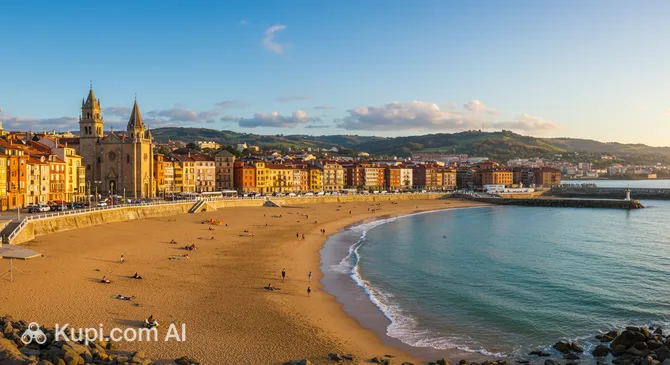
Gijon. Source: Kupi.Binoculars

The city's geographical location on the shores of the Cantabrian Sea grants it a mild oceanic climate, characterized by pleasant summers and lush vegetation year-round. While it is a modern metropolis, the deep roots of the settlement are evident in the charming old fisherman's quarter known as Cimavilla. Exploring the history of Gijón reveals a fascinating timeline that dates back to Roman times, with significant archaeological sites like the Roman Baths of Campo Valdés still accessible to curious travelers today.

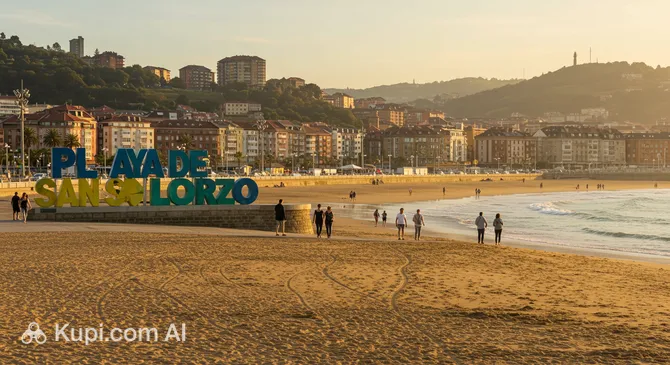
Among the city's top attractions is the iconic San Lorenzo Beach, a sweeping crescent of golden sand that serves as the heart of local life, bordered by a popular promenade perfect for seaside walks. Visitors should also not miss the Laboral Ciudad de la Cultura, a majestic architectural complex that stands as the largest building in Spain and now hosts various cultural events. Whether you are enjoying a glass of traditional Asturian sidra (cider) in a bustling square or admiring the "Elogio del Horizonte" sculpture on the cliffs, Gijón promises an unforgettable travel experience full of authentic northern charm.
Weather Overview

The climate in this part of Asturias is distinctively oceanic, ensuring that extreme temperatures are rare and the landscape remains lush and green throughout the year. Visitors planning a trip should check the weather in Gijón beforehand, as conditions can be quite variable due to the coastal influence. Generally, the city enjoys pleasant, moderate summers and cool, albeit humid, winters.

During the warmest months, particularly August, average temperatures hover around 19.5°C, with highs reaching up to 21.9°C, making it comfortable for exploring without the intense heat often found in southern Spain. In contrast, the winter season sees average temperatures dip to approximately 9.4°C in January, with lows rarely falling below 7°C. Rainfall is a consistent feature year-round, with wet days ranging from 11 to 17 days per month, so packing a raincoat or umbrella is always a good idea regardless of when you visit.

Expect mild summers with occasional rain and cool, damp winters. This consistent moisture is exactly what sustains the region's beautiful verdant scenery, making every season picturesque in its own way.

Interesting Facts

Beyond its famous beaches and cider houses, Gijon holds several fascinating records and architectural curiosities that often go unnoticed by casual travelers. From the oldest football grounds in the country to colossal structures that defy expectations, the city is full of unique surprises.
Laboral City of Culture. Source: Kupi.Binoculars
  • The majestic Laboral City of Culture holds the title of the largest building in Spain by floor area, covering an impressive 270,000 square meters. Originally built as a university for the orphans of coal miners, this massive complex is roughly 2.5 times larger than St. Peter's Square in the Vatican and is often compared to the legendary El Escorial monastery.

  • Football enthusiasts will be intrigued to know that Gijon is home to El Molinón, the oldest professional football stadium in Spain. While the exact date of its construction is debated, records show it has been hosting matches on the same site since at least 1908, making it a historic landmark for Spanish sports history.

  • The iconic concrete sculpture known as the Eulogy to the Horizon offers more than just a photo opportunity; it creates a unique acoustic phenomenon. Due to its specific shape, standing inside the sculpture amplifies the sound of the wind and the crashing waves, allowing visitors to hear the "voice" of the sea in a surreal, immersive way.

  • Gijon boasts the first contemporary botanical garden in northern Spain, the Atlantic Botanical Garden, which is distinct for integrating a natural forest. Inside, you can find "La Carbayera of El Tragamón," an ancient natural oak forest with trees that are hundreds of years old, recognized as a Natural Monument.

How to Get There

Planning a trip to the Asturian coast involves choosing the best route for your needs, whether you prefer flying or taking the train. The region is well-connected, offering scenic journeys through Northern Spain. For a detailed breakdown of all transport options and routes, you can read more about how to get to Gijon.

The most direct way to reach the city by air is via Asturias Airport (OVD). Located approximately 30 km from Gijon, it is the primary gateway for international and domestic travelers visiting the region. The transfer from the airport to the city center typically takes around 65 minutes by bus, although a taxi can offer a faster connection. For those looking for alternative routes, Santander Airport (SDR) in Santander is another option, situated about 149 km away. While it requires a longer transfer time of roughly 4 hours by road, it serves as a significant hub for the northern coast.

For clarity, here is a summary of the main airports:
Airport Name City Passenger Traffic Km from City
Asturias AirportHigh30.4
A Coruna AirportA CoruñaHigh221.5
Santander AirportSantanderHigh149.1
Valladolid AirportValladolidMedium213.4
Leon AirportLeonLow104.8

Traveling by train is an excellent way to enjoy the lush landscapes of Asturias. The city is directly served by Gijón Railway Station, which is conveniently located just 1.3 km from the city center, allowing for quick access to downtown accommodations. Additionally, you can arrive at Oviedo Railway Station in the nearby city of Oviedo, which is about 24 km from Gijon. As a major regional hub with high passenger traffic, Oviedo offers frequent connections, and the short onward journey to Gijon takes approximately 55 minutes by local transport.

Below is a list of the nearest railway stations:
Station City Passenger Traffic Km to Center
Oviedo Railway StationOviedoHigh24.2
Santander Railway StationSantanderHigh149.7
Gijón Railway StationGijonHigh1.3
León Railway StationLeonMedium104.3
Lugo Railway StationLugoLow163.9

Main Attractions

Gijón is a city where history, nature, and modernity converge, offering travelers a wide range of experiences from relaxing coastal walks to deep dives into local culture. The city's layout invites exploration, with many of its most compelling sights located within walking distance of the historic center and the seafront.

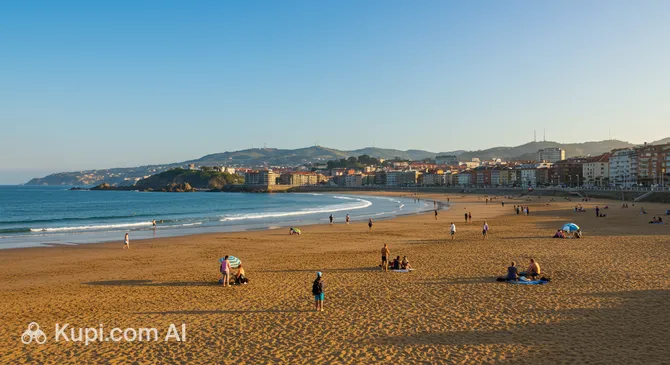
Undoubtedly the most famous landmark is San Lorenzo Beach, a stunning stretch of golden sand that defines the city's coastline. Extending for 1.5 kilometers, it is bordered by the famous "Muro," a stone promenade that is bustling with locals and tourists alike at any time of day. It is not just a place for sunbathing; the beach is a hub for surfers and sports enthusiasts, offering a lively atmosphere and spectacular views of the Bay of Gijón.

San Lorenzo Beach. Source: Kupi.Binoculars

For those interested in the city's architectural heritage, the Revillagigedo Palace is a must-see gem located in the neighborhood of Cimavilla. This imposing 18th-century baroque building, with its twin crenelated towers, stands next to the Collegiate Church of San Juan Bautista. Today, it serves as a dynamic International Art Center, hosting temporary exhibitions that contrast beautifully with the historic exterior of the structure.

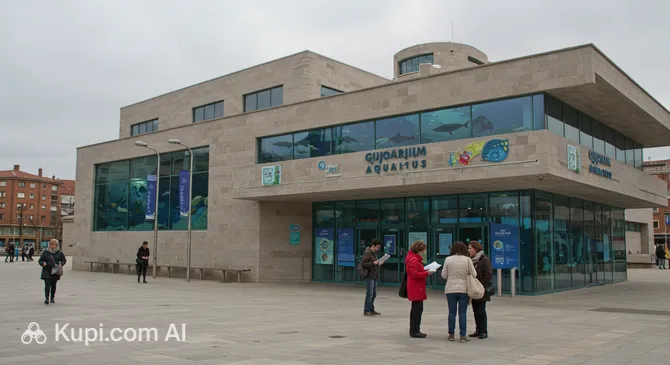
Families and nature lovers will find the Gijón Aquarium to be a fascinating stop. Situated near Poniente Beach, it offers a unique journey through the world's seas, paying special attention to the Cantabrian coast and the Atlantic Ocean. With over 60 freshwater and saltwater tanks, visitors can observe a diverse range of marine life, including sharks, sea turtles, and otters, making it an educational and entertaining experience for all ages.

Gijón Aquarium. Source: Kupi.Binoculars

To truly understand the region's roots, a visit to the Museum of the Asturian People is essential. This open-air museum is dedicated to preserving and exhibiting the ethnographic heritage of Asturias. Visitors can wander among traditional granaries known as hórreos and paneras, explore historical houses, and learn about traditional instruments like the Asturian bagpipe, providing a deep connection to the local way of life.

Local Cuisine

The gastronomy of Gijón is a reflection of the Asturias region itself: hearty, generous, and deeply connected to both the sea and the mountains. Visitors will find that food here is not just about sustenance but a central pillar of social life. The local cuisine is famous for its high-quality ingredients, ranging from fresh seafood caught daily in the Cantabrian Sea to the rich meats and cheeses produced in the nearby valleys.

No visit to Gijón is complete without trying the region's most iconic dish, Fabada Asturiana. This rich stew is made with large white beans (fabes) and a selection of smoked meats known as compango, which includes chorizo, morcilla (blood sausage), and pork shoulder. Another favorite among locals and tourists alike is the Cachopo, a substantial dish consisting of two large veal fillets breaded and fried, typically filled with serrano ham and melted cheese, though many modern variations exist.

Given its coastal location, Gijón is also a paradise for seafood lovers. You should sample the Pastel de Cabracho, a smooth scorpionfish pâté often served as a starter, or indulge in fresh barnacles and spider crabs when in season. For those looking to experience traditional flavors in a welcoming setting, Mesón Sancho is a well-regarded spot to enjoy authentic Asturian cooking.

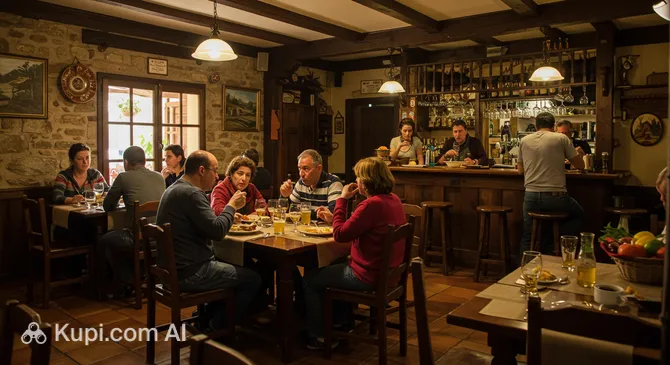
El Rincón de Celia Cider House. Source: Kupi.Binoculars

The drink that defines the culture of Gijón is undoubtedly Sidra (natural apple cider). Unlike the carbonated ciders found elsewhere, Asturian cider is still and must be poured from a height—a technique called escanciar—to aerate the liquid and release its aromas. This is traditionally done in sidrerías (cider houses), which are lively meeting places filled with conversation and the scent of apples. A visit to El Rincón de Celia Cider House offers a perfect opportunity to witness this ritual firsthand.

The dining scene in Gijón ranges from casual tapas bars to upscale restaurants. Locals often gather in the Cimavilla neighborhood or around the Plaza Mayor to share plates of food, known as raciones. If you are in the mood for excellent rice dishes or seafood specialties, El Restallu is another popular destination that captures the essence of the city's culinary excellence. To finish your meal on a sweet note, try Arroz con leche, a creamy rice pudding with a caramelized sugar crust that is beloved throughout the region.

Travel Tips

Preparing for a trip to Gijón means getting ready to embrace the relaxed rhythm of northern Spain and its unique coastal culture. To ensure your visit is as smooth and enjoyable as possible, here are some practical tips to help you navigate the city like a local.

  1. Clothing and Gear: Since Gijón is located in "Green Spain," the weather can be unpredictable even in summer. It is essential to pack layers and a sturdy umbrella or raincoat, as showers can occur at any time of year. Bring comfortable walking shoes, as the historic Cimavilla district has cobblestone streets that are best explored on foot. If you are visiting from outside Europe, remember to bring a standard Type C or F power adapter for your electronics.
  2. Transportation: The city center is compact and very walkable, allowing you to reach most major attractions on foot. For longer distances, Gijón has an efficient urban bus network managed by EMTUSA; you can pay the driver directly (carry small change) or buy a recharge card at tobacco shops. Taxis are plentiful and reliable, and while ride-hailing apps are available, they are less commonly used than standard taxis. You generally do not need a rental car unless you plan to explore the surrounding Asturian countryside.
  3. Finances: The local currency is the Euro (€). Credit and debit cards are widely accepted in most hotels, shops, and restaurants. However, it is wise to carry some cash for small purchases in traditional sidrerías (cider houses) or local markets. ATMs are easy to find throughout the city. Tipping is not mandatory but appreciated; rounding up the bill or leaving 5-10% for exceptional service is standard practice.
  4. Health and Safety: Gijón is considered a very safe city for tourists, with low crime rates. Standard precautions against pickpocketing in crowded areas are sufficient. Pharmacies are marked with a green cross and are usually open during business hours, with some operating 24/7 on a rotating schedule (look for "Farmacia de Guardia"). For any emergencies, dial 112 for police, fire, or medical assistance.
  5. Communication: Spanish is the official language, though you will also see and hear Asturian (Bable). While younger generations and workers in the tourism industry often speak English, it is not universally spoken by older locals or in smaller establishments. Learning a few basic phrases like "Hola" (Hello) and "Gracias" (Thank you) goes a long way. Free Wi-Fi is available in many public spaces and cafes, and EU citizens can use their home mobile data plans without roaming charges.
  6. Local Etiquette: The culture of drinking sidra (cider) comes with strict rules. It is traditionally poured from a height to aerate it and served in small amounts called a culín. You are expected to drink it immediately in one gulp while it is still frothy; do not let it sit in the glass. In social settings, greeting people with two kisses on the cheeks is common among friends, while a handshake is appropriate for first introductions.
  7. What to Avoid: Do not try to pour the cider yourself unless you know how, as it is easy to spill and make a mess; wait for the waiter to do it for you. Also, avoid expecting dinner at 6:00 PM. Like the rest of Spain, dining times are late, with lunch typically between 2:00 PM and 3:30 PM, and dinner rarely starting before 9:00 PM.
  8. Local Insight: Be mindful of the "siesta" schedule. Many smaller shops and local businesses close between 2:00 PM and 5:00 PM, then reopen until around 8:00 PM or 9:00 PM. Plan your shopping or errands for the morning or late afternoon to avoid finding closed doors.

By keeping these simple tips in mind, you will be well-equipped to relax and fully immerse yourself in the authentic Asturian lifestyle. Gijón is a friendly city that loves to share its traditions, so don't hesitate to ask locals for advice and enjoy every moment of your stay by the Cantabrian Sea.

Entertainment & Nightlife

Gijón boasts a legendary nightlife scene, often celebrated as one of the most vibrant in northern Spain. The city's evening energy is contagious, characterized by a seamless blend of traditional Asturian sociability and modern entertainment. The "Movida Gijonesa" is not just a weekend affair; particularly in summer, the streets buzz with activity as locals and visitors transition from relaxed cider houses to lively bars and pulsing nightclubs.

The epicenter of the nocturnal action is undoubtedly Cimavilla, the historic fisherman's quarter located on the headland. Its labyrinth of cobblestone streets is packed with pubs, rock bars, and terraces that create a spirited atmosphere perfect for bar-hopping. For those seeking a more polished setting or late-night dancing, the Fomento district and the area around the marina offer a concentration of larger discos and chic venues that stay open until dawn, often with views of the sea.

A standout location for a sophisticated evening is Varsovia. Housed in a beautiful modernist building overlooking the coast, this venue is renowned for its exceptional cocktails and eclectic music selection. It serves as an ideal spot to enjoy a drink in a stylish atmosphere before the night truly heats up.

Varsovia. Source: Kupi.Binoculars

For a different vibe, you might visit The Gypsy Tavern, a bar with a unique character that contributes to the diverse tapestry of Gijón's nightlife. If your goal is to dance late into the night, clubs like Parkilandia offer energetic environments where the party continues well into the early morning hours.

Practical Advice for Night Owls: Be prepared for the Spanish schedule; the nightlife starts late. Bars typically begin to fill up around 11:00 PM or midnight, while nightclubs often do not see peak crowds until 2:00 AM or 3:00 AM. The dress code is generally smart-casual—relaxed but neat. Prices are quite reasonable compared to major capitals like Madrid or Barcelona, with mixed drinks usually costing between €6 and €10.

Safety and Transport: Gijón is a safe city for walking at night, especially in the busy districts of Cimavilla and the city center. Taxis are plentiful and reliable; look for white cars with a diagonal stripe. You can find them at designated ranks or hail them on the street. Ride-hailing apps are available but less commonly used than standard taxis for short late-night trips.

While the nights are exciting, the city also offers excellent daytime entertainment. Visitors looking for leisure can head to Los Fresnos Shopping Center, a large complex featuring numerous fashion stores and a cinema. For a more cultural experience, the Railway Museum of Asturias provides a fascinating look into the industrial history of the region, showcasing an impressive collection of steam locomotives and vintage carriages that delight visitors of all ages.

Parks & Museums

Parks & Museums:

Gijón surprises many visitors with its abundance of green spaces and a rich cultural scene that extends far beyond its maritime traditions. The city has successfully integrated nature into its urban fabric, offering lush parks and gardens that complement its impressive array of museums dedicated to preserving local history and art.

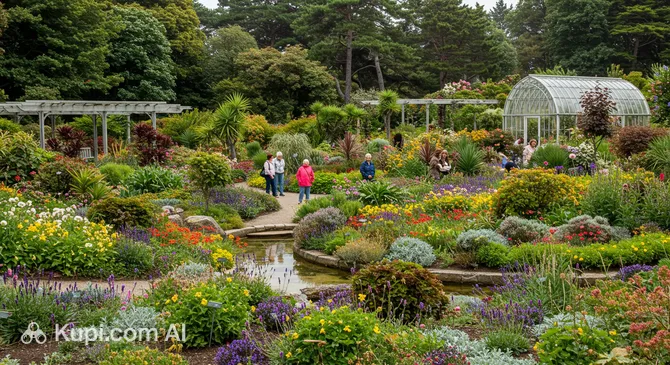
One of the most remarkable natural areas is the Atlantic Botanical Garden. Situated just outside the city center, this is not a typical garden but a "museum of vegetation" spanning roughly 25 hectares. It is designed to immerse visitors in the flora of the Atlantic arc, featuring a 150-year-old natural oak forest and distinct thematic areas. It is a perfect spot for a tranquil walk while learning about biodiversity.

Atlantic Botanical Garden. Source: Kupi.Binoculars

In the heart of the city, Begoña Park serves as a central meeting point and a green lung for the urban area. Known locally as the Paseo de Begoña, it is lined with trees and gardens, offering a pleasant respite near the main shopping streets. For more dramatic scenery, travelers should head to the Providence Viewpoint within the Cabo San Lorenzo park. This ship-shaped structure offers breathtaking panoramic views of the coastline and is surrounded by ample green space ideal for picnics and kite flying.

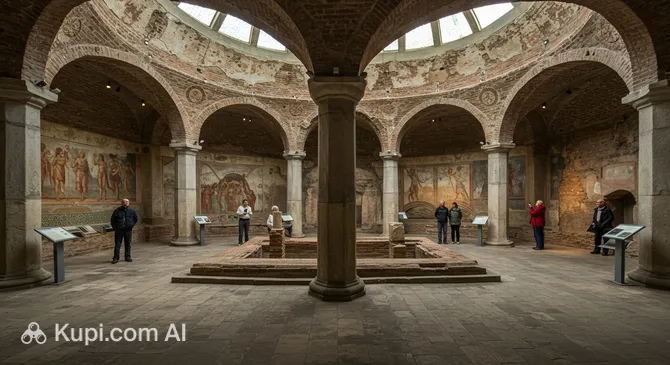
Gijón's museums provide a deep dive into its heritage. The Roman Baths of Campo Valdés are an archaeological treasure located underground in the Cimavilla district. Dating back to the 1st century AD, this museum allows you to walk through the well-preserved remains of the warm, tepid, and cold rooms that were once the center of social life for Roman citizens.

Roman Baths of Campo Valdés. Source: Kupi.Binoculars

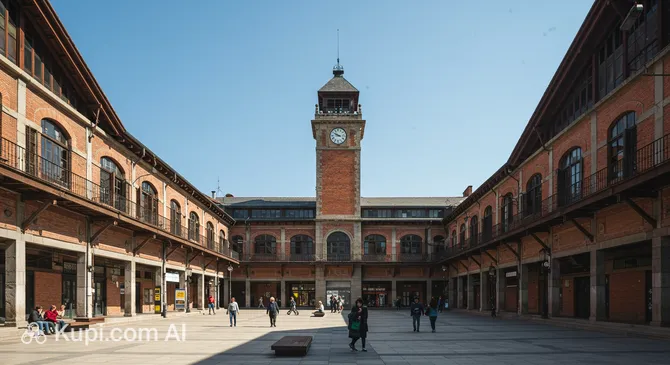
Another highlight is the Railway Museum of Asturias, which celebrates the region's industrial past. Housed in the old North Station, it displays a magnificent collection of steam locomotives and vintage carriages, making it particularly engaging for families and transport enthusiasts. It effectively illustrates how the railway transformed the economy and society of Asturias.

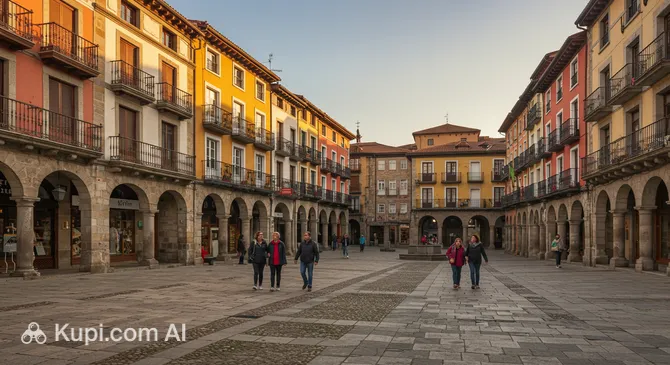
Regarding architectural landmarks, the Basilica of the Sacred Heart of Jesus, known locally as "La Iglesiona," stands out with its imposing stature and beautiful interior. Additionally, the Plaza Mayor is a quintessential architectural site, a cobblestone square framed by arcades that hosts the Town Hall and serves as a venue for many local festivals.

For an authentic local experience, try visiting the park on the Cerro de Santa Catalina at sunset. While it is famous for its large concrete sculpture, the grassy slopes offer a peaceful atmosphere where locals go to watch the sun dip below the Cantabrian Sea, providing a moment of calm away from the bustling city streets.

Getting Around

Public transport in Gijón is efficient, accessible, and primarily based on a comprehensive bus network that makes navigating the city straightforward for visitors. While the city center is compact and pedestrian-friendly, the public transit system is an excellent option for reaching the botanical gardens, the university district, or beaches located further along the coast.

The backbone of the local transport system is managed by EMTUSA (Empresa Municipal de Transportes Urbanos de Gijón). Their fleet of buses covers the entire municipality with frequent service, connecting all major neighborhoods and tourist points. Most lines operate from early morning, around 6:00 AM or 7:00 AM, until approximately 11:00 PM. On Fridays, Saturdays, and the eves of public holidays—especially during the summer months—the city offers special night bus services known as Búhos (Owls), which are perfect for returning to your accommodation after a night out.

For payment, the system is designed to be flexible. You can purchase a single ticket directly from the driver when boarding the bus; the cost is approximately €1.50. It is advisable to carry coins or small bills, as drivers may not have change for large denominations. If you plan to use public transport frequently or travel to nearby cities like Oviedo or Avilés, it is highly recommended to obtain a CTA (Consorcio de Transportes de Asturias) card. This rechargeable travel card significantly reduces the fare per trip and allows for transfers between buses and trains within the region.

Tourists can purchase and recharge CTA cards at tobacco shops (estancos) and authorized kiosks throughout the city. To use the card, simply validate it by tapping it on the reader located near the driver's cabin upon entering the bus. For real-time updates, route planning, and waiting times, downloading the official Gijón EMTUSA app is a practical tip that helps you navigate the network with ease.

While Gijón does not have an underground metro system, it is well-connected by a suburban rail network operated by Renfe and Feve (narrow-gauge railways). These trains are generally used for regional travel rather than moving within the city center, but they are the best option for day trips to the outskirts or other Asturian towns. The main railway station is centrally located, serving as a convenient hub for these longer journeys.

As an alternative to buses and trains, taxis are plentiful and reliable. They are easily satisfying to identify by their white color and diagonal stripe on the front doors. You can hail them on the street, find them at designated ranks, or book them via phone. Furthermore, Gijón promotes sustainable mobility and is very bike-friendly, featuring extensive cycle lanes along the coast. Visitors can utilize the municipal bike-sharing system or rent bicycles from private shops to enjoy a scenic ride along the promenade.

Accommodation

Gijón offers a diverse array of accommodation options that cater to every type of traveler, from backpackers seeking adventure to couples looking for a romantic getaway. The city’s hospitality sector is well-developed, featuring a mix of modern hotels, charming guesthouses, and an increasing number of vacation rentals. Whether you prefer the luxury of a sea-view room or the practicality of a budget-friendly hostel, you will find suitable lodging that allows you to experience the authentic Asturian lifestyle.

One of the most desirable areas to stay is along the promenade of San Lorenzo Beach. Hotels in this zone are highly sought after for their spectacular views of the Cantabrian Sea and their proximity to the city's main commercial streets. Waking up to the sound of the waves and being just steps away from the sand makes this location perfect for those who want to combine a beach holiday with urban conveniences.

For visitors who enjoy a historic atmosphere and vibrant nightlife, the neighborhood of Cimavilla is an excellent choice. This old fisherman's quarter is a labyrinth of cobblestone streets centered around the Plaza Mayor, offering boutique hotels and apartments with plenty of character. Staying here places you in the heart of the action, surrounded by traditional cider houses and bars, though it can be a bit livelier and noisier on weekends.

Plaza Mayor. Source: Kupi.Binoculars

Travelers seeking a more modern and tranquil environment might prefer the area near Poniente Beach and the marina. This district is newer and often features hotels with larger rooms and spa facilities. It is conveniently located near attractions like the aquarium and offers easy access to the railway station, making it a strategic base for families and those planning to explore the wider region.

Poniente Beach. Source: Kupi.Binoculars

Regarding costs, Gijón is generally affordable compared to Spain's larger capitals, with options ranging from budget hostels to mid-range and upscale hotels. However, demand spikes significantly during the summer months, particularly in August during the "Semana Grande" festival. It is highly recommended to book your accommodation well in advance if you plan to visit during this peak season to secure the best rates and availability. Reservations can typically be made easily through major online platforms or directly with the establishments.

Nearby Cities

For those looking to explore the surroundings, Gijon serves as an excellent base for day trips to several interesting nearby locations.

The most prominent destination is undoubtedly Oviedo, the capital of Asturias. Located just a short drive away, it offers a distinctively elegant atmosphere compared to Gijon's coastal vibe. Visitors can explore its pristine historic center, admire the Gothic Cathedral of San Salvador, and discover the UNESCO-listed Pre-Romanesque churches on the slopes of Mount Naranco. It is a city rich in history and famous for its confectionery and clean, pedestrian-friendly streets.

Another fascinating stop is Avilés, which boasts one of the best-preserved medieval old towns in the region. Walking through its arcaded streets feels like stepping back in time, yet the city also embraces the future with the Oscar Niemeyer International Cultural Centre. This striking white architectural complex provides a sharp, modern contrast to the stone palaces of the historic quarter, making Avilés a city of unique duality.

For a taste of inland Asturian life, Pola de Siero is a bustling market town located centrally within the region. It is well-known for its lively atmosphere and traditional festivals. Alternatively, the industrial heritage of the mining valleys can be explored near towns like Sama, offering a different perspective on the economic history that shaped modern Asturias.

City Population Distance (km)
Oviedo 217552 24
Aviles 76874 22
Pola de Siero 51792 16
Sama 38683 26

These nearby destinations offer a glimpse into the diverse culture and landscapes of the region.

Shopping & Souvenirs

Shopping in Gijon is a delightful experience that combines the charm of strolling through pedestrian streets with the convenience of modern facilities. Visitors can find everything from international fashion franchises to small boutiques selling unique local crafts. The city is particularly renowned for its gastronomic products, making it an excellent destination for foodies looking to take a taste of Asturias home with them.

The heart of the city's commercial activity beats along Calle Corrida, a wide pedestrian avenue lined with elegant buildings, cafes, and major clothing brands. It connects the port area with the rest of the city center and is a favorite spot for an evening walk. Parallel to it, Calle de los Moros and the surrounding streets offer a mix of traditional shops and trendy boutiques, creating a vibrant open-air shopping district that is easy to explore on foot.

For those who prefer having everything under one roof, Gijon offers excellent shopping centers. Los Fresnos Shopping Center is a popular choice located near the city center, housing a hypermarket, fashion stores, and leisure options. Additionally, the department store El Corte Inglés provides a high-end shopping experience with a vast selection of goods ranging from designer clothes to electronics and gourmet foods.

Los Fresnos Shopping Center. Source: Kupi.Binoculars

To discover the authentic flavors of the region, a visit to the Mercado del Sur is essential. This modernist building is filled with stalls selling fresh seafood from the Cantabrian Sea, local meats, and seasonal vegetables. On Sundays, the Rastro de Gijón, a large open-air flea market held near the El Molinón stadium, attracts crowds looking for antiques, clothes, and second-hand treasures in a lively atmosphere.

When it comes to souvenirs, Gijon offers distinctively Asturian options. The most iconic gift is a bottle of Sidra (natural cider) or a set of traditional cider glasses. Gastronomic souvenirs like Cabrales cheese or bags of faba asturiana (beans) are also top choices. For non-edible gifts, look for jewelry made from Azabache (jet stone), a black gemstone historically mined in the region and crafted by local artisans into beautiful accessories.

Store opening hours typically follow the Spanish rhythm. Small independent shops usually open from 10:00 AM to 2:00 PM and reopen from 5:00 PM to 8:00 PM. Large shopping malls and major chains, however, often stay open continuously from 10:00 AM to 10:00 PM. Payment by credit and debit card is widely accepted everywhere, even for small amounts, though carrying some cash is useful for markets.

Non-EU residents are eligible for a VAT refund (Tax-Free) on purchases made in participating stores. Spain does not have a minimum purchase amount to qualify for this refund, so be sure to ask for the tax-free form at the checkout if you live outside the European Union.

Reached the end of the page?

That means the route is fully explored