Support

Santiago de Compostela

About

Santiago de Compostela is a city that resonates with centuries of tradition, spirituality, and culture. Best known as the final destination of the legendary Camino de Santiago pilgrimage route, it holds a unique place in European heritage, attracting millions of visitors from around the globe. Located in the lush, green region of Galicia in northwestern Spain, the city serves as the capital of the autonomous community and offers an atmosphere that is both solemn and lively.

Geographically, the city is situated in the province of A Coruña, surrounded by rolling hills and forests. The local climate is mild and oceanic, often characterized by rainfall that keeps the landscape vividly green throughout the year. With a population of approximately 98,000 inhabitants, Santiago de Compostela balances the intimacy of a historic town with the vibrant energy of a modern university hub, making it a dynamic place to explore.

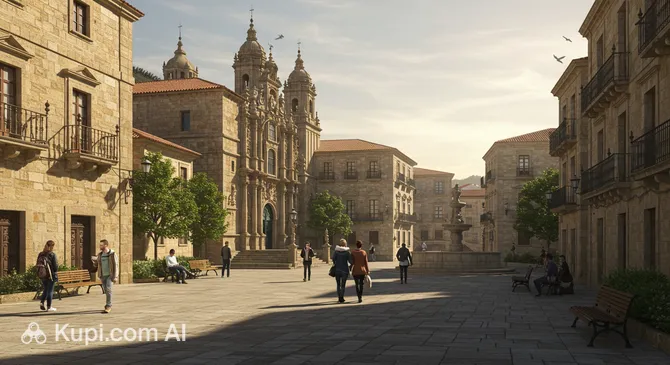
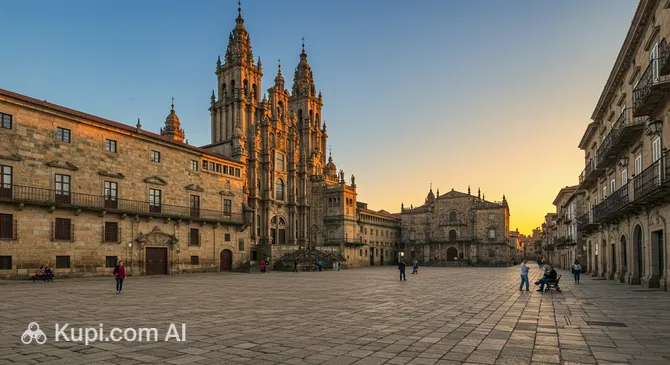
The history of Santiago de Compostela is deeply intertwined with the discovery of the Apostle James's tomb, an event that transformed the settlement into one of Christendom's most important pilgrimage centers. This rich past is most visible in the stunning Old Town, a UNESCO World Heritage site filled with winding granite streets, arcaded walkways, and charming plazas. At its heart stands the magnificent Cathedral of Santiago de Compostela, a masterpiece of Romanesque, Gothic, and Baroque architecture that dominates the grand Plaza del Obradoiro.
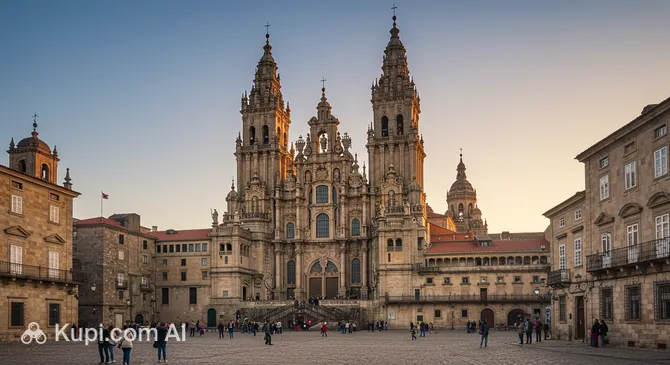
Santiago de Compostela. Source: Kupi.Binoculars

Beyond its spiritual significance, the city is famous for its delicious Galician cuisine, featuring fresh seafood and the celebrated tarta de Santiago. Whether you are a pilgrim completing a long journey or a traveler seeking architectural beauty and cultural depth, Santiago de Compostela welcomes you with open arms and an unforgettable experience.
Weather Overview

The city experiences a mild oceanic climate that contributes to the region's lush, green landscapes. For travelers planning their packing list, checking the weather in Santiago de Compostela is essential, as conditions can change. Generally, you can expect pleasant, warm summers with occasional rain and cool, damp winters.

During the warmest months of July and August, average temperatures reach around 19°C to 20°C, with daily highs comfortably peaking near 24°C. These summer months are also the driest, typically featuring only about 6 wet days per month. In contrast, the winter period from November to January is cooler, with average temperatures dipping to roughly 8.5°C in January. Rainfall is much more frequent during this time, with November and December often seeing up to 17 wet days per month.

Interesting Facts

Beyond the main attractions and spiritual significance, Santiago de Compostela holds many fascinating secrets and local legends that surprise even the most seasoned travelers. From optical illusions to colorful local icons, the city's stories are as captivating as its architecture.

The Two Marias. Source: Kupi.Binoculars
  • The famous Botafumeiro in the cathedral is one of the largest incense burners in the world, but its original purpose was quite practical. While it adds solemnity to the mass today, it was installed in the Middle Ages primarily to mask the strong scent of thousands of weary pilgrims who were allowed to sleep inside the church after their long journey.

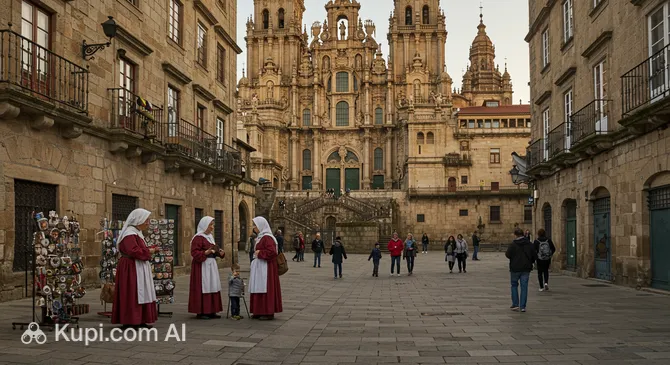
  • At the entrance to Alameda Park, visitors are greeted by a vibrant statue of The Two Marias. These two sisters, Maruxa and Coralia, became beloved figures in the city during the mid-20th century for their daily walks in flamboyant, colorful clothing, symbolizing a spirit of resilience and joy that locals still cherish today.

  • In the Plaza de la Quintana, a nightly phenomenon known as the "Hidden Pilgrim" appears. When the streetlights turn on, the shadow cast by a lightning rod and a pillar against the cathedral wall creates a perfect silhouette of a medieval pilgrim, complete with a staff and hat, watching over the square.

  • The city's name itself is steeped in legend, with "Compostela" widely believed to derive from the Latin Campus Stellae, or "Field of Stars." This refers to the story of a hermit who was guided by a bright star to the hidden location of the Apostle James's tomb, marking the beginning of the city's history.

How to Get There

Reaching this historic destination is the final step of a journey for many travelers and pilgrims alike. Whether you are arriving by air or rail, the region offers several convenient connections. For a comprehensive guide on all transport options, you can read more about how to get to Santiago de Compostela to plan your trip effectively.

The most direct way to arrive is via Santiago de Compostela Airport (SCQ), which is situated within the city's limits. Located just 10.6 km from the center, it serves as the primary gateway for the region. A taxi or bus ride from here is quick and convenient. The airport handles a significant number of passengers annually, ensuring regular connections to various major cities.

For additional flight options, travelers often consider Porto Airport (OPO) in Porto, Portugal. Although it is located about 181 km away, it is a large international hub with extensive connections. The journey by road from Porto to Santiago de Compostela is a common route for visitors. Another nearby alternative is A Coruna Airport (LCG) in the city of A Coruña. It is roughly 49 km away, offering a transfer that is relatively short and straightforward.

For clarity, here is a summary of the main airports:

Airport Name City Passenger Traffic Km from City
Porto AirportPortoHigh181.3
Santiago de Compostela AirportSantiago de CompostelaMedium10.6
Asturias Airport-Medium217.7
A Coruna AirportA CoruñaMedium49.2
Vigo AirportVigoMedium72.0

If you prefer traveling by train, there are several regional hubs that facilitate access to the area. You can arrive at Ourense Railway Station in the city of Ourense, which is a key transport node located about 82.5 km from Santiago de Compostela. From there, a transfer by road or connecting train is easily manageable. Alternatively, A Coruña Railway Station in A Coruña offers another entry point, situated 54 km away, providing efficient access to the destination.

Below is an overview of the nearby railway stations:

Station City Passenger Traffic Km to Center
Ourense Railway StationOurenseHigh82.5
A Coruña Railway StationA CoruñaMedium54.0
Pontevedra Railway StationPontevedraMedium51.1
Vigo Railway StationVigoMedium72.7
Lugo Railway StationLugoLow82.4

Main Attractions

Santiago de Compostela is a city where history is etched into every stone, offering visitors a profound journey through time and art. While the majestic cathedral is the focal point, the city boasts a wealth of other remarkable sites that captivate the imagination. Exploring these landmarks provides a deeper understanding of the city's religious significance and its evolution into a modern cultural hub.

One of the most impressive architectural feats in the city is the San Martiño Pinario Monastery. Located just across the square from the cathedral, this massive complex is the second-largest monastery in Spain. Its baroque façade is breathtakingly intricate, featuring detailed carvings that tell stories of faith and devotion. Inside, visitors can admire the ornate choir stalls and the magnificent main altarpiece, which stands as a testament to the artistic grandeur of the 17th century.

San Martiño Pinario Monastery. Source: Kupi.Binoculars

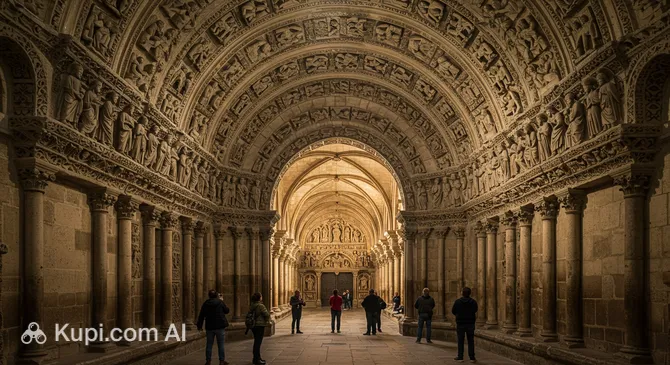
For those seeking to witness the crowning jewel of Romanesque sculpture, the Portico of Glory is an absolute must-see. Created by Master Mateo in the 12th century, this triple archway serves as the main entrance to the cathedral and depicts the Final Judgment with extraordinary detail. The lifelike expressions of the statues and the remnants of original polychrome paint make it one of the most significant artistic treasures in Europe, drawing art lovers and pilgrims alike.

Portico of Glory. Source: Kupi.Binoculars

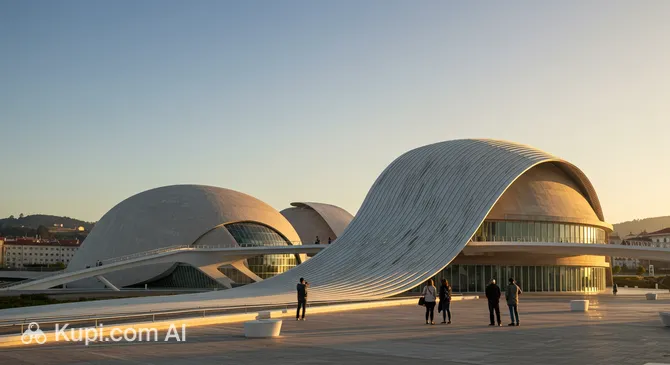
Stepping away from the medieval center, the City of Culture of Galicia offers a striking contrast with its contemporary design. Perched on Mount Gaiás, this architectural complex was designed by Peter Eisenman to mirror the rolling hills of the landscape. It hosts a library, museum, and various cultural events, symbolizing the region's forward-looking spirit while honoring its connection to the land. The site also provides panoramic views of the old town from a distance.

City of Culture of Galicia. Source: Kupi.Binoculars

To enjoy a peaceful retreat within the city, travelers often head to Bonaval Park. This sprawling green space, formerly the cemetery of a Dominican convent, has been beautifully transformed by architect Álvaro Siza. It features shady paths, ancient ruins, and grassy slopes that offer a perfect spot for a picnic or a quiet moment of reflection. The park is a favorite among locals for its serene atmosphere and unique perspective of Santiago's skyline.

Local Cuisine

The culinary scene in Santiago de Compostela is as legendary as its pilgrimage routes. Situated in the heart of Galicia, the city benefits from the region's rich Atlantic coastline and fertile interior, resulting in a cuisine defined by exceptional freshness and quality ingredients. For many visitors, the food here is not just a meal but a cultural immersion, where seafood platters and hearty stews take center stage.

The undisputed king of local dishes is polbo á feira (Galician-style octopus). You will find this delicacy served in almost every tavern, typically boiled in copper pots to perfect tenderness, sliced onto wooden plates, and garnished generously with olive oil, sea salt, and paprika. Another savory staple is the empanada gallega, a large, flat pie filled with diverse ingredients ranging from tuna and peppers to cod or minced meat. For those seeking warmth on a rainy day, a bowl of caldo gallego, a traditional soup made with white beans, potatoes, turnip greens, and pork fat, offers pure comfort.

No gastronomic tour is complete without sampling the local beverages. Galicia is renowned for its crisp, aromatic white wines, particularly Albariño and Ribeiro, which pair perfectly with the region's seafood. For a more spirited experience, look for queimada, a traditional punch made from orujo (pomace brandy), sugar, lemon peel, and coffee beans. It is often prepared with a theatrical ritual involving fire and an incantation to ward off bad spirits.

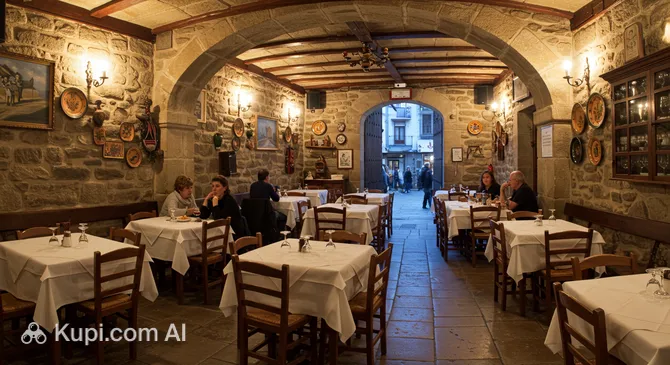
O Sendeiro. Source: Kupi.Binoculars

The culture of dining in Santiago is vibrant and social, often centered around the historic streets like Rúa do Franco, where display windows teem with fresh lobster and crabs. Locals enjoy tapeo—hopping from bar to bar to enjoy drinks accompanied by free small bites known as tapas. For a more sit-down experience that blends history with modern Galician flavors, you might visit O Sendeiro, a restaurant housed in a restored 19th-century tannery. Alternatively, A Noiesa Casa de Comidas offers a cozy atmosphere perfect for trying traditional homemade recipes.

For foodies who love to explore the source of their meals, the Mercado de Abastos is a must-visit. As the city's main food market, it is a bustling hub where farmers and fishermen sell their daily catch and harvest. It is an excellent place to observe the daily life of the locals and even buy fresh produce that some nearby restaurants will cook for you on the spot. Finally, end your meal with a slice of the iconic Tarta de Santiago, a dense, gluten-free almond cake dusted with powdered sugar in the shape of the Cross of Saint James.

Travel Tips

Visiting Santiago de Compostela is a unique experience that blends spiritual heritage with the lively atmosphere of a university town, but a little preparation goes a long way in this corner of Spain. To help you navigate the cobblestone streets and local customs with ease, here are some practical tips designed to make your stay as smooth and enjoyable as possible.

  1. Clothing and Gear: The weather in Galicia is notoriously unpredictable and often wet, so packing a high-quality raincoat and a sturdy umbrella is essential, regardless of the season. Wear comfortable, non-slip walking shoes, as the Old Town is paved with granite cobblestones that can become slippery when it rains. If you plan to visit the Cathedral or other religious sites, remember to dress modestly; shoulders and knees should be covered to show respect.
  2. Transportation: The historic center (Casco Histórico) is largely pedestrianized and compact, making walking the best way to explore. For destinations further afield, such as the City of Culture or the train station, the local urban bus system (Tussa) is reliable and affordable. Taxis are white with a blue stripe and are easy to hail. Avoid renting a car for city exploration, as parking in the center is scarce and expensive; a car is only useful if you plan to tour the wider Galician countryside.
  3. Finances: The currency is the Euro (€). While credit and debit cards are widely accepted in most hotels, restaurants, and shops, it is wise to carry some cash for small purchases in traditional bars or for buying souvenirs. ATMs are plentiful throughout the city. Tipping is not mandatory but appreciated; rounding up the bill or leaving a few coins for good service is the standard local practice.
  4. Health and Safety: Santiago is generally a very safe city for tourists, even at night. However, as with any popular destination, keep an eye on your belongings in crowded areas like the Plaza del Obradoiro. Pharmacies are marked with a green cross, and there is always one on "guardia" duty (open 24 hours) in each neighborhood. The general emergency number for police, fire, or ambulance is 112.
  5. Communication: The official languages are Spanish and Galician (Gallego). English is widely spoken in the hospitality sector and at the Pilgrim’s Reception Office, but learning a few local phrases is a nice gesture. Say "Ola" for hello and "Grazas" for thank you to delight the locals. Free Wi-Fi is available in many public squares and cafes, and buying a local SIM card is easy at shops in the new town area.
  6. Local Etiquette: The city operates on a relaxed Spanish schedule. Lunch is typically served between 2:00 PM and 4:00 PM, and dinner rarely starts before 8:30 PM or 9:00 PM. When entering the Cathedral, maintain a respectful silence, especially near the tomb of the Apostle, as it is a place of deep emotion for arriving pilgrims. Greeting locals usually involves a handshake or, among friends, two kisses on the cheeks.
  7. What to Avoid: Do not try to rush your meals or expect full dinner service at 6:00 PM; you will likely find kitchens closed or only serving cold tapas. Also, avoid standing in the middle of the road in the Old Town to take photos if you hear a vehicle approaching—residents and delivery trucks still use some of these narrow streets, and blocking traffic is frowned upon.
  8. Additional Tip: Visit the Mercado de Abastos (food market) in the morning, preferably before 1:00 PM on a Saturday, to see it at its liveliest. It is not just a place to buy fresh produce; you can buy fresh seafood from the vendors and have it cooked on the spot at the market's own canteen for a small fee, offering one of the freshest lunches you can find in the city.

By keeping these practicalities in mind, you will be able to focus less on logistics and more on the magic of Santiago de Compostela. Whether you are watching the Botafumeiro swing or enjoying a glass of Albariño in a rain-swept plaza, embracing the local rhythm will ensure your trip is truly unforgettable.

Entertainment & Nightlife

While Santiago de Compostela is world-renowned for its spiritual significance, when the sun goes down, the city reveals a surprisingly vibrant and youthful side. Thanks to its large university population, the nightlife here is energetic, diverse, and affordable. The atmosphere strikes a unique balance between the relaxed, social vibe of pilgrims sharing stories over wine and the lively, music-filled nights enjoyed by students and locals.

The nightlife scene is generally divided into two main areas. The Old Town (Zona Vella) is the perfect place to start the evening. Streets like Rúa do Franco and Rúa da Raíña are lined with traditional taverns and bars where the ritual of tapeo (going from bar to bar for drinks and tapas) reigns supreme. As the night progresses, the action shifts towards the New Town (Zona Nova), particularly around the Ensanche district and Plaza Roja. Here, you will find late-night pubs, cocktail bars, and clubs where the party continues until the early hours of the morning.

For those looking to experience the local clubbing scene, Atlántico Pub is a legendary venue in the city. Known for its eclectic atmosphere and good music, it has been a staple of Santiago's nightlife for decades, attracting a mix of creative types, students, and visitors. It is an excellent spot to enjoy a drink in a setting that feels authentic and full of character.

Atlántico Pub. Source: Kupi.Binoculars

If you prefer a place to dance the night away, Tropical is another popular option in the city's entertainment roster. Venues like this typically start filling up after midnight, as Spanish nightlife runs on a late schedule. The dress code in Santiago is generally casual and relaxed; you will rarely need formal attire unless attending a specific gala or high-end event. Jeans and comfortable shoes are the norm, fitting the city's unpretentious vibe.

For a different kind of evening vibe, perhaps with a more international flair, you might check out NuMaru (Vista Alegre Korean Bar). It offers a cozy environment to enjoy drinks and conversation, distinguishing itself from the traditional Galician taverns.

Practical Tips for the Night:

  • Timing: The evening usually begins with tapas around 9:00 PM or 10:00 PM. Bars stay open until 2:00 AM or 3:00 AM, while nightclubs often don't get busy until 2:00 AM and can stay open until 6:00 AM.
  • Prices: Santiago is wallet-friendly compared to major cities like Madrid or Barcelona. A beer or glass of wine often costs between €2 and €3, and mixed drinks are reasonably priced.
  • Safety: The city is very safe for night walks, even in the early hours. However, standard precautions apply. If you need to get back to your hotel, white taxis with a blue stripe are readily available at designated stands or can be hailed on the street.

During the day, entertainment in Santiago takes a more cultural or leisurely turn. Beyond the historical monuments, you can explore the Galician Contemporary Art Centre, which hosts cutting-edge exhibitions in a building designed by Álvaro Siza. For families or those looking for a break from history, the As Cancelas Shopping Center offers a modern cinema, a wide range of international shops, and a food court, providing a perfect rainy-day alternative.

As Cancelas Shopping Center. Source: Kupi.Binoculars

Parks & Museums

Santiago de Compostela offers a refreshing balance between its historic granite architecture and lush, vibrant greenery. For travelers seeking a quiet escape or a dive into the region's cultural depth beyond the pilgrimage, the city’s parks and museums provide the perfect itinerary, blending artistic innovation with natural beauty.

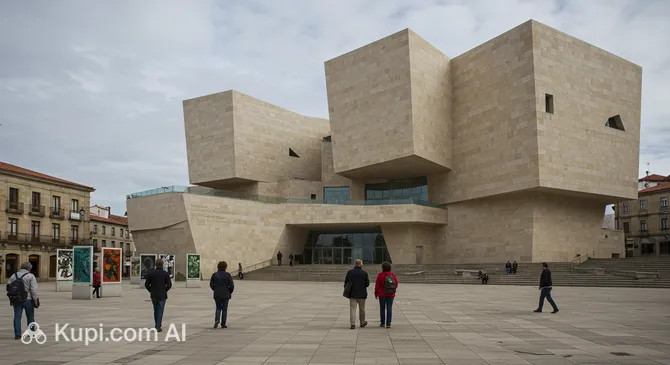
Art enthusiasts should not miss the Galician Contemporary Art Centre (CGAC). Located near the entrance of the French Way, this striking building designed by Álvaro Siza stands in dialogue with the historical surroundings, hosting rotating exhibitions of international acclaim that challenge and inspire. For a broader cultural experience, the Gaiás Centre Museum, situated within the monumental City of Culture, impresses with its scale and diverse expositions covering everything from Galician history to modern artistic expressions.

Galician Contemporary Art Centre. Source: Kupi.Binoculars

Families and curious minds will find the USC Museum of Natural History particularly engaging. Belonging to the University of Santiago, it showcases fascinating collections of biodiversity, geology, and botany that highlight the scientific heritage of the region. For a truly unique experience, the Kiko Pastur Magic Museum offers an intimate look into the art of illusion, where visitors can enjoy close-up magic shows that defy explanation.

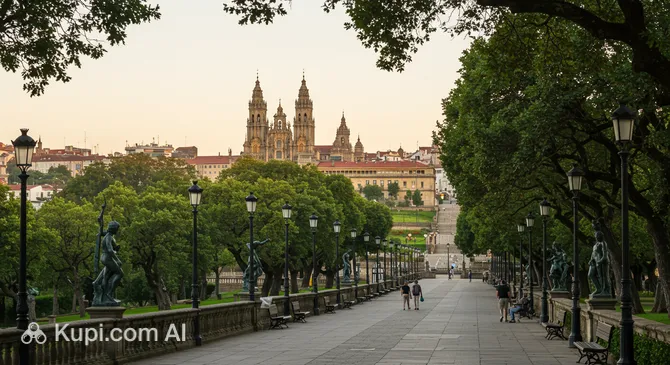
When it comes to green spaces, Alameda Park is the city’s most beloved garden and a central part of social life. It serves as a grand balcony overlooking the historic center, offering the iconic view of the Cathedral façade rising above the trees—a quintessential photo opportunity. The park is famous for its ancient oak trees, eucalyptus, and the Paseo de la Herradura, which is lined with colorful camellias that bloom vibrantly during the winter months.

Alameda Park. Source: Kupi.Binoculars

Another serene retreat is Bonaval Park, which seamlessly blends nature with architecture. Occupying the grounds of a former cemetery, this space was transformed by Álvaro Siza and Isabel Aguirre into a landscape of sloping grassy terraces and stone ramps. Its secluded corners and excellent acoustics make it a favorite spot for locals to read, relax, or simply admire the unique perspective of the city's rooftops from a distance.

Getting Around

Public transport in Santiago de Compostela is efficient, straightforward, and tailored to the city's relatively compact size. Since the historic center is largely pedestrianized and best explored on foot, the urban bus network serves as the primary means of reaching neighborhoods outside the old walls, the university campus, and key transport hubs like the train station and airport. There is no metro or tram system, but the comprehensive bus service, managed by TUSSA, covers the city thoroughly with bright orange buses that are easy to spot.

For most tourists, the most important bus route is Line 6A, which provides a direct link between the city center (stopping at Plaza de Galicia and other key locations) and the airport. Buses generally operate from around 7:00 AM to 11:00 PM, with frequencies varying depending on the line and the time of day. Schedules are reliable, and digital displays at major stops often indicate the waiting time for the next arrival.

The payment system is designed to be user-friendly for visitors. A standard single ticket costs approximately €1.00 and can be purchased directly from the driver upon boarding. It is highly advisable to carry cash, specifically coins or small bills (usually nothing larger than €10 or €20), as drivers may not have change for large denominations. For those planning to stay longer or use the bus frequently, prepaid travel cards (Bonobús) are available at participating bank branches and tobacco shops (estancos), offering a significantly reduced fare per trip.

A unique feature popular with visitors is the Tourist Train (Tren Turístico). This is not a rail vehicle but a rubber-tired road train that offers a leisurely tour around the city's main landmarks. It typically departs from the area near Plaza del Obradoiro and provides an excellent overview of the city's history and architecture without the need for walking up and down the hills. It is a fantastic option for families or those resting their legs after completing the pilgrimage.

Taxis are another convenient alternative, easily recognizable by their white color and the blue strip on the front doors. They are plentiful and can be found at designated ranks throughout the city or hailed on the street. Rates are regulated and reasonable, making them a good choice for late-night travel or when carrying heavy luggage. While car rentals are available, they are generally not recommended for exploring the city itself due to the narrow, restricted streets of the historic center and the scarcity of parking spaces.

Accommodation

Accommodation in Santiago de Compostela is as diverse as the travelers who visit, ranging from humble pilgrim hostels to some of the most luxurious historic hotels in Spain. As the final destination of the Camino de Santiago, the city is exceptionally well-equipped to host visitors, but the type of lodging you choose can greatly influence your experience. Whether you are looking for a backpacker's vibe, a romantic boutique hotel, or a modern apartment, the city offers options to suit every budget and style.

For those seeking atmosphere and history, the Old Town (Zona Vella) is the most coveted area to stay. Here, you can sleep in restored granite buildings, former monasteries, and charming guest houses located just steps away from the main monuments. Staying here means waking up to the sound of church bells and being immersed in the medieval magic of the city. A lovely example of this area is the vicinity of Cervantes Square, a lively spot surrounded by cafes and historic architecture that captures the essence of the old quarter.

Cervantes Square. Source: Kupi.Binoculars

Travelers prioritizing convenience and modern amenities often prefer the New Town (Zona Nova), particularly around Praza de Galicia and the Ensanche district. This area serves as a bridge between the historic center and the rest of the city, offering easier access to the train station, airport bus stops, and a wider variety of shops and supermarkets. The hotels here tend to be more spacious and modern, often providing better value for money while still being only a short walk from the cathedral.

Booking Tips and Prices:

  • Book Early: Santiago is a year-round destination, but during the summer months and especially during "Holy Years" (Xacobeo), the city reaches full capacity. It is highly recommended to book your accommodation several months in advance to secure your preferred location.
  • Price Range: The cost of staying varies significantly. Pilgrim hostels (albergues) are the most budget-friendly, often costing between €15 and €25 per night. Mid-range hotels and guesthouses typically range from €60 to €120, while luxury establishments and historic paradors can exceed €200 per night.
  • How to Book: While many pilgrims find beds on arrival, regular tourists should rely on major online booking platforms to compare prices. However, for smaller, family-run pensiones, booking directly through their website or by phone can sometimes yield a better rate or a more personal touch.

For a truly unique experience, look for "Hospederías"—accommodations run by monasteries or religious orders. These often offer a peaceful, austere, yet comfortable environment that perfectly complements the spiritual heritage of the city.

Nearby Cities

For those looking to explore the surroundings, Santiago de Compostela serves as an excellent base for day trips to several interesting nearby locations.

One of the most captivating destinations is A Coruña, located approximately 55 km to the north. This bustling port city is famous for the Tower of Hercules, the only fully preserved Roman lighthouse that is still in use today. Visitors can also stroll along the impressive maritime promenade and admire the glass-fronted galleries that give the city its nickname, the "City of Glass."

To the south lies Pontevedra, a city renowned for its immaculately preserved historic center. It offers a pedestrian-friendly environment where travelers can explore charming granite squares and the distinctive Church of the Pilgrim Virgin. For those seeking coastal beauty, Vilagarcia de Arousa provides a lovely escape with its manor houses, botanical gardens, and proximity to the sandy beaches of the Ría de Arousa.

City Population Distance (km)
A Coruña 245468 55
Pontevedra 83114 50
Vilagarcia de Arousa 37677 36
Oleiros 37271 54
Arteixo 33076 48

These nearby destinations offer a glimpse into the diverse culture and landscapes of the region.

Shopping & Souvenirs

Shopping:

Shopping in Santiago de Compostela is a delightful experience that mirrors the city's dual character: a historic pilgrimage site and a modern regional capital. Visitors can find a fascinating blend of traditional craftsmanship, religious memorabilia, and contemporary fashion. Whether you are looking for a unique keepsake to remember your journey or simply want to browse the latest trends, the city offers a diverse range of options to suit every taste and budget.

The main shopping districts are distinct and easy to navigate. In the historic Old Town (Zona Vella), particularly along streets like Rúa do Vilar, Rúa Nova, and Rúa do Franco, you will find charming boutiques nestled in centuries-old granite buildings. This area is the heart of traditional commerce, famous for its silverware and jewelry shops. Conversely, the New Town (Zona Nova), locally known as the Ensanche, is the hub for modern retail. Streets such as Rúa do Xeneral Pardiñas and Rúa do Hórreo are lined with popular international fashion chains, shoe stores, and lifestyle brands.

For those who prefer a comprehensive shopping experience under one roof, the city boasts excellent modern facilities. The As Cancelas Shopping Center is a favorite among locals and tourists alike, offering a vast array of fashion stores, a hypermarket, and entertainment options. Another key location is the Santiago de Compostela Shopping Center, which combines retail spaces with residential areas, creating a unique community atmosphere.

Santiago de Compostela Shopping Center. Source: Kupi.Binoculars

No shopping trip in Santiago is complete without visiting the Mercado de Abastos. While primarily a food market, it is an essential stop for buying gastronomic souvenirs. Here, you can purchase vacuum-packed Galician delicacies such as Tetilla cheese, chorizo, and bottles of Albariño wine. On weekends, the surroundings of the market often host impromptu stalls selling flowers and local crafts, adding to the vibrant atmosphere.

When it comes to souvenirs, Santiago de Compostela is renowned for its azabache (jet stone) jewelry. This black gemstone has been associated with the pilgrimage for centuries, often carved into the shape of a figa (fist) or a scallop shell to ward off the "evil eye." Silverware is another local specialty, with many artisans crafting intricate filigree pieces. Of course, the iconic scallop shell, the symbol of the Camino, is available in every material imaginable, from ceramic to metal.

Store opening hours generally follow the Spanish custom. Small independent shops typically open from 10:00 AM to 2:00 PM, close for a siesta, and reopen from 4:30 PM to 8:30 PM. Larger shopping malls and major chains usually stay open all day from 10:00 AM to 10:00 PM without a break. Most shops are closed on Sundays, except for some souvenir stores in the Old Town. Credit and debit cards are widely accepted, even for small amounts.

Travelers residing outside the European Union are eligible for a VAT refund (Tax-Free) on purchases made in participating stores. Look for the "Tax Free" sign in shop windows. Spain uses the digital DIVA system, which simplifies the process of stamping your tax-free forms at the airport before leaving the country.

Reached the end of the page?

That means the route is fully explored