Support

Vila Real

About

Vila Real is a captivating city situated in the northern region of Portugal. Perched on a high plateau above the confluence of the Corgo and Cabril rivers, this district capital offers a blend of aristocratic architecture and stunning natural landscapes. With a population of approximately 51,850 residents, it serves as a lively hub for culture and commerce while maintaining a relaxed and welcoming atmosphere for visitors.

Vila Real. Source: Kupi.Binoculars

The city is renowned for its elegant manor houses and coats of arms carved in stone, reflecting the noble history of Vila Real. One of the most iconic landmarks located just outside the city is the Casa de Mateus, a masterpiece of Baroque architecture surrounded by intricately designed gardens. Within the city center, travelers can admire the Gothic-style Vila Real Cathedral (Sé) and wander through charming streets lined with traditional shops and cafes.

Beyond its architectural heritage, the city acts as a gateway to the rugged beauty of the Alvão Natural Park and the majestic Serra do Marão mountains. Whether you are interested in exploring scenic hiking trails, tasting the region's famous pastries and wines, or simply soaking in the local culture, Vila Real provides a memorable stop for anyone touring the Douro region.

Weather Overview

The climate in this region varies significantly by season, so checking the weather in Vila Real is recommended before planning your itinerary. Summers are generally warm and dry, particularly in July and August, when average temperatures hover around 21°C and daily highs can reach nearly 28°C. These months are the most stable for travel, with very little rainfall and only about 3 to 4 wet days.

In contrast, the winter months bring cooler temperatures and more frequent precipitation. January is typically the coldest month, with average temperatures dropping to 6.1°C and lows near 2.4°C. The period from November to January is the wettest, with up to 15 wet days per month, while spring and autumn offer milder temperatures but still see consistent rainfall.

Expect warm, sunny summers with minimal rain and cool, damp winters where layers are essential.

Interesting Facts

Beyond the main attractions, Vila Real holds many fascinating secrets and traditions that often go unnoticed by casual visitors. From adrenaline-pumping events to globally recognized icons, this city offers much more than just scenic landscapes.
Mateus Palace. Source: Kupi.Binoculars
  • Vila Real is famous among motorsport enthusiasts for its historic street circuit, the Circuito Internacional de Vila Real. Since the early 1930s, this winding track has hosted thrilling races directly through the city streets, making it one of the most exciting and challenging urban circuits in the world.

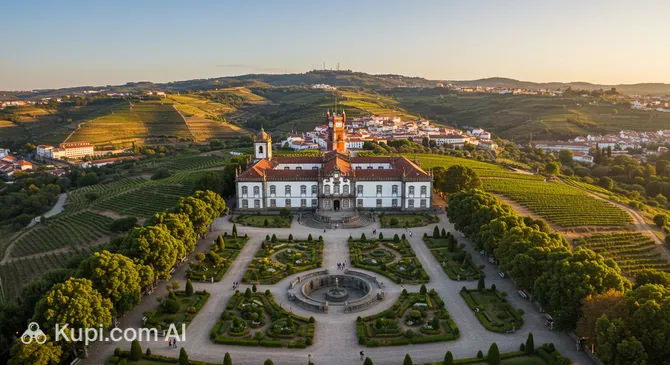
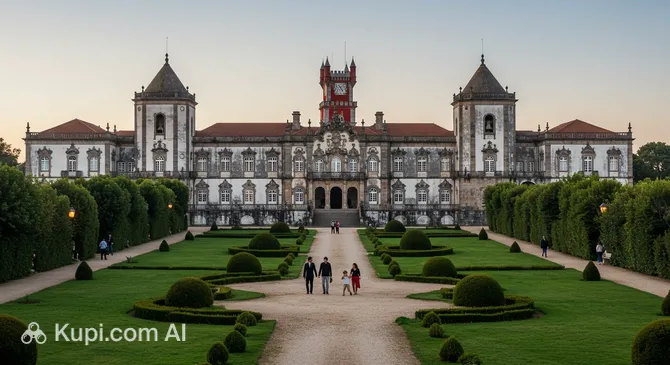
  • The iconic image featured on the label of the world-famous Mateus Rosé wine depicts the stunning Mateus Palace. Although the wine brand and the palace are separate entities, this association has made the baroque manor one of the most recognizable Portuguese buildings across the globe.

  • The region is the home of the unique Black Pottery of Bisalhães, a craft recognized by UNESCO as Intangible Cultural Heritage. The distinctive black color is not painted on but is achieved through a specific ancestral firing process where the clay is smoked in open pits covered with earth.

  • Vila Real is often referred to as the "Court of Trás-os-Montes" due to the remarkably high number of noble families that settled here in the past. As you walk through the historic center, you can spot countless stone coats of arms adorning the facades of ancient manor houses, signifying a rich aristocratic legacy.

How to Get There

Reaching Vila Real is the first step to exploring the breathtaking landscapes of the Douro region. While the city is tucked away in the interior of Portugal, it is well-connected by road, making the journey part of the adventure. For a comprehensive guide on routes and travel tips, you can read more about how to get to Vila Real.

The city of Vila Real does not have its own airport, but it is conveniently served by Porto Airport (IATA: OPO), located in the city of Porto. This is the closest and most practical option for international travelers, situated approximately 79 km from Vila Real. Upon arrival, a transfer by taxi or rental car generally takes around 1 hour. As a major transport hub with large passenger traffic, it offers extensive connections to cities across Europe and beyond.

For those traveling through Spain or the northern reaches of the Iberian Peninsula, Vigo Airport (IATA: VGO) in Vigo is another viable entry point. Located about 127 km away, the drive to Vila Real takes roughly 1 hour and 30 minutes. Although it handles moderate passenger traffic compared to Porto, it can be a useful alternative depending on your itinerary.

For clarity, here is a summary of the main airports:

Airport Name City Passenger Traffic Km from City
Porto Airport Porto Large 79.0
Santiago de Compostela Airport Santiago de Compostela Medium 186.0
A Coruna Airport A Coruña Medium 228.4
Vigo Airport Vigo Medium 126.9
Leon Airport Leon Small 224.4

Regarding rail travel, the city of Vila Real does not have an active railway station, and the closest major rail hubs listed are located across the border in Spain. You can arrive at the Ourense Railway Station (IATA: OUQ) in the city of Ourense, which is about 115 km from Vila Real. From there, a taxi or car journey takes approximately 1 hour and 20 minutes. Alternatively, travelers may use the Vigo Railway Station (IATA: YJR) in Vigo, situated approximately 131 km away, requiring a drive of about 1 hour and 35 minutes for the onward journey.

Below is a list of the nearest railway stations available in the region:

Station City Passenger Traffic Km to Center
Ourense Railway Station Ourense Medium 115.0
Pontevedra Railway Station Pontevedra Medium 145.0
Vigo Railway Station Vigo Medium 131.4
Zamora Railway Station Zamora Small 169.1
Salamanca Railway Station Salamanca 179.4

Main Attractions

Vila Real offers a delightful mix of historic landmarks and green spaces, making it a perfect destination for those who appreciate culture and relaxation. From grand baroque estates to quiet city gardens, the attractions here reflect the city's noble past and its deep connection to the surrounding natural landscape.

One of the most famous sites in all of Portugal is the Mateus Palace. This stunning Baroque manor house is renowned worldwide, in part because it appears on the labels of the famous Mateus Rosé wine. Visitors can explore its lavishly decorated interior, which features a library and various museum collections, or wander through the meticulously manicured gardens that are considered some of the most beautiful in Europe. It is an essential stop for anyone wishing to witness the grandeur of Portuguese aristocracy.

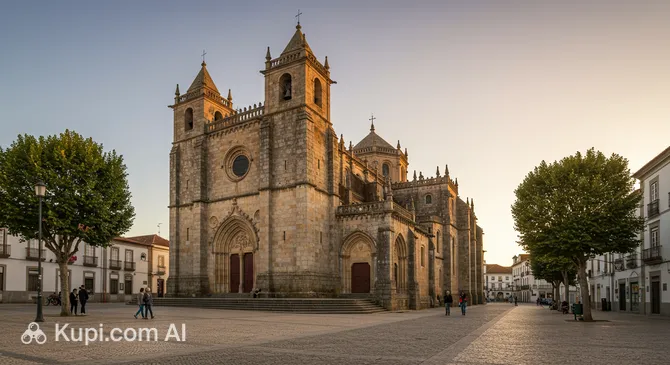
In the heart of the historic center stands the Vila Real Cathedral, also known as the Church of São Domingos. Originally built in the 15th century as part of a Dominican convent, this Gothic-style church strikes a balance between simplicity and historical significance. Its enduring stone architecture and quiet atmosphere offer a glimpse into the religious heritage of the region, making it a meaningful site for architecture enthusiasts and history buffs alike.

Vila Real Cathedral. Source: Kupi.Binoculars

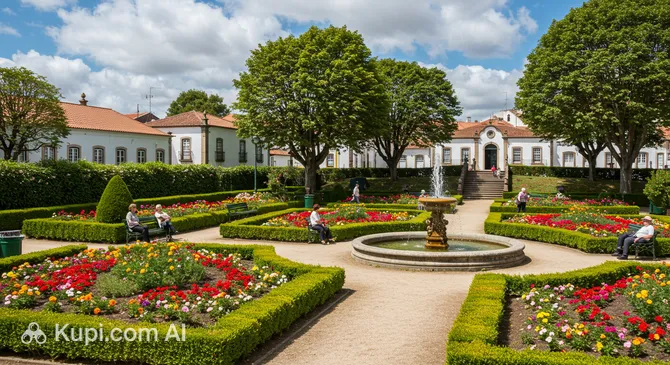
For a peaceful break from sightseeing, the Carreira Garden provides a lovely urban escape. This public park, located at the top of the city, is a favorite spot for locals to stroll and relax. With its wide pathways, ancient trees, and traditional bandstand, it offers a charming setting to enjoy the fresh air and take in views of the surrounding area.

Carreira Garden. Source: Kupi.Binoculars

Local Cuisine

The gastronomy of Vila Real is a proud reflection of the Trás-os-Montes region, characterized by hearty flavors, high-quality meats, and centuries-old baking traditions. The city is often referred to as the capital of traditional pastries in the north, but its culinary appeal extends far beyond sweets. Visitors can expect rich, comforting meals that make the most of the local agriculture and livestock, perfect for refueling after exploring the rugged landscapes of the Douro Valley.

One of the most iconic local specialties is the Covilhete, a savory meat pie that you will find in almost every bakery and café in town. These small, round pastries are made with puff pastry and filled with a seasoned mixture of ground veal, onions, and parsley. Another unique dish is Tripas aos Molhos, a recipe born from humble origins that has become a gastronomic symbol of the city. It consists of cow's stomach lining stuffed with ham and parsley, stewed in a rich sauce, offering a distinct texture and flavor that adventurous eaters should not miss.

For a substantial main course, look for Carne Maronesa. This Protected Designation of Origin (PDO) beef comes from the Maronês cattle breed, native to the nearby mountains. Whether grilled or roasted, the meat is celebrated for its tenderness and succulent taste. It is often served with traditional sides like roasted potatoes and oven-baked rice, providing a truly authentic dining experience.

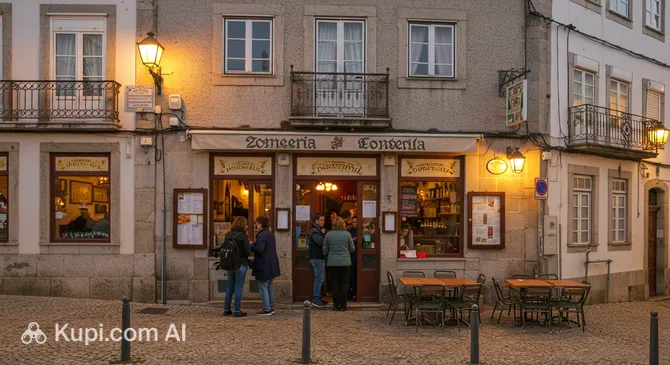
Forneria. Source: Kupi.Binoculars

The city also has a legendary reputation for its confectionery. The most famous sweet is the Pito de Santa Luzia, a pastry originally exchanged by sweethearts. It features a thin dough folded into a square or triangular shape, filled with a sweet pumpkin jam and cinnamon. Another traditional treat is the Gancha de São Brás, a candy shaped like a bishop's staff made from boiled sugar, typically sold during local festivities in February.

No meal in Vila Real is complete without the accompaniment of local wines. As the city lies within the demarcated Douro region, the table wines—both red and white—are of exceptional quality. While the famous Mateus Rosé has historical ties to the local palace, the robust reds from the surrounding vineyards are the preferred pairing for the region's heavy meat dishes.

When it comes to dining out, the city offers a range of options from traditional tascas (taverns) to modern establishments. For a contemporary take on local flavors, you can visit Forneria, a popular spot known for its inviting atmosphere and wood-fired dishes. Alternatively, if you prefer to enjoy the city's famous savory snacks outdoors, the Picnic Area provides a relaxing setting to savor a warm Covilhete while surrounded by nature.

Travel Tips

Visiting Vila Real is a delightful experience that combines the charm of a historic university town with the breathtaking nature of the Trás-os-Montes region. To help you make the most of your stay in this "Court of Trás-os-Montes," here are some practical tips to ensure your trip is smooth, comfortable, and culturally enriching.

  1. Clothing and Gear: Since the city is located on a plateau and features many traditional cobblestone streets, comfortable walking shoes are absolutely essential for exploring the center without discomfort. The climate varies greatly; bring light, breathable clothing and a hat for the hot, dry summers, but pack warm layers and a waterproof jacket if you visit during the cool, damp winters. When visiting religious sites like the Vila Real Cathedral, remember to dress modestly, covering your shoulders and knees.

  2. Transportation: The historic center of Vila Real is compact and best explored on foot, though be prepared for some steep inclines. For longer distances within the city, there is a reliable network of urban buses known as "Urbanos." However, to fully appreciate the surrounding vineyards, the Alvão Natural Park, or the Mateus Palace at your own pace, renting a car is highly recommended. Taxis and ride-sharing apps are also available and generally affordable.

  3. Finances: The official currency is the Euro (EUR). While credit and debit cards are widely accepted in hotels, supermarkets, and larger restaurants, many smaller cafés, traditional tascas, and souvenir shops may prefer cash. ATMs, identified as "Multibanco," are plentiful throughout the city. Tipping is not mandatory in Portugal, but it is polite to round up the bill or leave a 5-10% tip for good service in restaurants.

  4. Health and Safety: Vila Real is a very safe city with a low crime rate, making it comfortable to walk around even at night. Pharmacies, marked by a green cross, are easy to find and are often open late or have a rotating 24-hour service roster displayed in the window. For any serious emergencies, dial 112, the European emergency number, which connects you to police, ambulance, and fire services.

  5. Communication: The official language is Portuguese. English is widely spoken by younger people and those working in the tourism industry, but it may be less common among the older generation in rural areas. Learning a few basic phrases like "Bom dia" (Good morning) and "Obrigado/a" (Thank you) will go a long way in establishing a friendly rapport with the locals. Free Wi-Fi is often available in public squares and cafés.

  6. Local Etiquette: The locals are known for their hospitality and politeness. It is customary to greet shopkeepers or waiters when entering an establishment. Lunch is typically served between 12:30 PM and 2:00 PM, and dinner often starts after 7:30 PM. Trying to order a full meal outside these hours might be difficult in traditional restaurants, so plan your schedule accordingly.

  7. What to Avoid: Avoid comparing Portuguese culture or language too heavily with Spanish, as locals take great pride in their distinct heritage. Also, refrain from being overly loud in places of worship or residential areas late at night; while it is a university city with a lively spirit, respect for neighbors is highly valued.

  8. Local Insight: Don't leave without visiting a local bakery to try a Covilhete or the sweet Pito de Santa Luzia. These aren't just food; they are part of the city's identity. If you visit in December, look out for the traditional "Madeiro" bonfires, a communal Christmas tradition where huge logs are burned in public squares to warm the chilly nights.

By keeping these practicalities in mind, you will be well-prepared to enjoy the rich history, delicious gastronomy, and stunning landscapes of Vila Real. Embrace the relaxed pace of life in northern Portugal, and you are sure to have an unforgettable journey.

Entertainment & Nightlife

Nightlife in Vila Real is heavily influenced by its status as a university city, creating a vibrant and youthful atmosphere that surprises many visitors. While it may not have the massive club scene of larger metropolitan areas, the city offers a spirited selection of bars, pubs, and late-night venues that cater to both students and travelers looking to unwind. The energy here is contagious, particularly on Thursday nights, which are traditionally celebrated as "academic nights" by the local student population.

The epicenter of the city's nightlife is undoubtedly the Pioledo district and the streets surrounding the historic center. This area is packed with bars and cafés that transform into lively meeting spots after sunset. The crowd is diverse but predominantly young, and the vibe is generally casual and unpretentious. You won't need a strict dress code for most places; jeans and a smart-casual top are perfectly acceptable for a night out in Vila Real.

For those starting their evening with a meal or a sophisticated drink, Forneria is an excellent choice. Located near the river, it offers a modern setting where you can enjoy high-quality cuisine and cocktails before heading to busier bars. It provides a more refined atmosphere compared to the bustling student pubs, making it ideal for couples or groups of friends seeking conversation and ambiance.

If you prefer a more low-key evening or want to catch the latest blockbuster movie, Nosso Shopping is the place to go. This modern shopping center houses a cinema complex and a food court, offering a classic entertainment option for families or those looking to take a break from the bar scene. It serves as a central hub for evening leisure that doesn't involve loud music or dancing.

Nosso Shopping. Source: Kupi.Binoculars

When it comes to timing, the nightlife in Vila Real starts relatively late. Bars typically begin to fill up around 11:00 PM, and the venues with dance floors often don't peak until 2:00 AM. Prices are generally very affordable, reflecting the student demographic, with beer and spirits costing significantly less than in major European capitals.

Safety is rarely a concern in Vila Real. The city is compact and well-lit, making it safe to walk between venues in the main districts. However, if you are staying further out or simply prefer a ride, taxis are readily available at designated stands, particularly near the Pioledo area and the old market. Ride-hailing apps also operate in the city, providing a convenient way to get back to your accommodation.

Beyond the nightlife, the city offers cultural entertainment during the day and early evening. The Teatro de Vila Real is a cultural landmark that hosts a variety of performances, from plays and concerts to dance shows. For a peaceful transition from day to night, a sunset walk through the Carreira Garden allows you to enjoy the city's green spaces before the lights of the town begin to twinkle.

Parks & Museums

Vila Real is a city that harmoniously blends its aristocratic past with a vibrant natural present, offering visitors a wealth of green spaces and cultural institutions. From sprawling botanical collections to museums that safeguard the region's history, the city invites travelers to explore both its scenic beauty and its intellectual heritage.

For nature enthusiasts, the Botanical Garden of UTAD (University of Trás-os-Montes and Alto Douro) is a standout destination. Spanning approximately 80 hectares, it is one of the largest botanical gardens in Europe, functioning as a living laboratory with an incredible diversity of plant species. Visitors can wander through thematic collections featuring wild flora, medicinal plants, and exotic trees, making it a peaceful retreat that seamlessly integrates the university campus with the natural landscape.

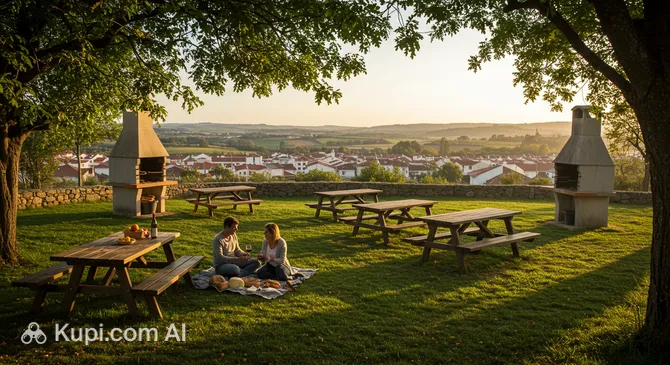
Another essential green space is the Corgo Park (Parque Corgo), located along the banks of the Corgo River. This area is the green lung of the city, offering walking trails, wooden walkways, and recreational facilities that connect the urban center to the river valley. It is a favorite spot for families and outdoor lovers, featuring a designated Picnic Area where you can enjoy a relaxed meal surrounded by the soothing sounds of flowing water and dense vegetation.

Picnic Area. Source: Kupi.Binoculars

Just a short drive from the city center lies the magnificent Alvão Natural Park. While technically outside the urban perimeter, it is intrinsically linked to Vila Real's identity. This protected area is famous for the Fisgas de Ermelo waterfalls and its dramatic granite landscapes. It offers hiking trails that range from easy walks to challenging treks, providing breathtaking views of the mountains and a chance to spot local wildlife in their natural habitat.

In terms of cultural heritage, the Vila Velha Museum (Museu da Vila Velha) is a key stop for understanding the city's origins. Housed in a beautifully restored historic building within the old medieval walls, the museum showcases archaeological finds and exhibits that trace the evolution of Vila Real from prehistoric times to the present day. It serves as an excellent starting point for anyone wishing to delve deeper into the local history before exploring the streets.

Another fascinating institution is the Museum of Archaeology and Numismatics. This museum holds one of the most important coin collections in Portugal, alongside Roman and medieval artifacts found in the region. The exhibits provide insight into the commercial and strategic importance of Vila Real throughout the centuries, highlighting its role as a crossroads of cultures and trade routes in the northern interior.

For a lesser-known cultural experience, seek out the small but charming Ethnographic Museum located within the city. It offers an intimate look at the traditions, costumes, and rural life of the Trás-os-Montes people. A visit here provides a deeper appreciation for the rugged spirit and rich folklore that define this unique corner of Portugal.

Getting Around

Public transport in Vila Real is relatively compact and straightforward, reflecting the city's size and layout. Since the historic center is concentrated and pedestrian-friendly, many visitors find that walking is the best way to explore the main attractions, restaurants, and shops. However, the city is situated on a plateau with steep ravines, so moving between different neighborhoods or visiting the university campus may require motorized transport to avoid strenuous uphill walks.

The primary form of public transportation is the bus network, locally known as "Urbanos." These buses connect the city center with residential areas, the University of Trás-os-Montes and Alto Douro (UTAD), the hospital, and the main shopping center, Nosso Shopping. There is no metro, tram, or train service within the city. The bus fleet is modern and generally reliable, providing an essential link for students and locals commuting across the Corgo River valley.

For tourists, the payment system is simple. You can purchase a single trip ticket directly from the driver upon boarding, which typically costs around €1.45. It is highly recommended to carry small change or coins, as drivers may not have change for large banknotes. For those planning to stay longer or use the bus frequently, rechargeable travel cards are available at the main bus terminal and authorized kiosks, offering a lower fare per journey compared to buying onboard.

The "Urbanos" generally operate from early morning, around 7:00 AM, until approximately 8:00 PM or 9:00 PM on weekdays. Service frequency is reduced on Saturdays, and on Sundays and public holidays, buses run on a very limited schedule. It is advisable to check the timetables at the bus stops or online, especially if you are planning a trip during the weekend or late in the evening.

Taxis are a popular and affordable alternative to buses, particularly for reaching destinations not covered by the fixed routes or for traveling late at night. You can find taxi ranks, marked as "Praça de Táxis," in strategic locations such as near the old market and the bus terminal. Ride-hailing apps are also increasingly available in the city, offering a convenient way to book a ride without needing to speak Portuguese or carry cash.

A unique feature of Vila Real's transport infrastructure is the cable car (Teleférico), which was designed to connect the lower part of the city near the Corgo Park with the university campus on the opposite hill. While it serves a practical purpose for students, it also offers a scenic ride with impressive views over the deep river gorge. However, its operation can be intermittent due to maintenance, so it is worth checking locally if it is running during your visit.

For those interested in exploring the surrounding vineyards or the Alvão Natural Park, renting a car is the most practical option, as public transport to rural areas can be infrequent. Within the city, however, the combination of walking and the "Urbanos" buses is sufficient for most sightseeing needs.
Accommodation

Accommodation in Vila Real caters to a wide variety of preferences and budgets, reflecting the city's role as both a district capital and a gateway to the Douro wine region. Visitors can find everything from modern, functional hotels suitable for business travelers to charming local guesthouses that offer a more intimate experience. For those seeking a unique stay, the surrounding area is famous for its turismo de habitação (manor house tourism), where guests can stay in restored historic estates and noble houses that showcase the region's aristocratic heritage.

The most convenient area for tourists to stay is undoubtedly the historic center. Choosing accommodation here places you within walking distance of key landmarks such as the Vila Real Cathedral and the lively shopping streets. Staying centrally also means easy access to local restaurants and the "Urbanos" bus network, making it simple to explore the city without needing a car for every outing. The atmosphere in the center is vibrant yet relaxed, perfect for evening strolls after a day of sightseeing.

For travelers who prefer tranquility and nature, the outskirts of the city and the nearby villages offer excellent agrotourism options. These properties often feature swimming pools, gardens, and vineyards, providing a peaceful retreat with stunning views of the mountains. This type of accommodation is particularly popular among those planning to explore the Alvão Natural Park or visit the Mateus Palace, as it allows for a deeper connection with the rural landscape of Trás-os-Montes.

Regarding costs, Vila Real is generally more affordable than major Portuguese tourist hubs like Porto or Lisbon. Prices typically range from budget-friendly rates for hostels and simple guesthouses to mid-range prices for standard hotels. Luxury options are available but are often reasonably priced compared to coastal resorts. It is highly advisable to book your accommodation in advance, especially during the summer months and university graduation seasons, when the city sees an influx of visitors and availability can become limited.

Nearby Cities

For those looking to explore the surroundings, Vila Real serves as an excellent base for day trips to several interesting nearby locations:

One of the most captivating destinations is Amarante, situated just a short drive away along the banks of the Tâmega River. This picturesque town is famous for its impressive arched bridge and the historic Church of São Gonçalo. Visitors are often drawn to its romantic riverside scenery and its reputation for delicious conventual sweets, making it a perfect spot for a relaxing afternoon.

For history enthusiasts, Guimarães offers a journey back in time. Often referred to as the "birthplace of Portugal," its medieval city center is a UNESCO World Heritage Site, filled with narrow cobblestone streets and traditional houses. Key highlights include the imposing Guimarães Castle and the Palace of the Dukes of Braganza, both of which provide deep insight into the nation's royal heritage.

City Population Distance (km)
Guimarães 158124 49
Penafiel 72265 47
Felgueiras 58065 39
Amarante 56264 29
Marco de Canaveses 53450 37

These nearby destinations offer a glimpse into the diverse culture and landscapes of the region.

Shopping & Souvenirs

Shopping in Vila Real offers a delightful contrast between centuries-old artisanal traditions and modern retail convenience. For visitors, the most prized souvenirs are often found in the small, independent shops scattered throughout the historic center, where the region's cultural heritage is on full display. Walking down the main pedestrian streets, you will encounter boutiques selling everything from clothing to handcrafted goods.

A must-buy item is the famous Black Pottery of Bisalhães (Barro Preto de Bisalhães). Recognized by UNESCO as Intangible Cultural Heritage, these unique clay pieces are known for their deep black color, achieved through an ancient firing method involving smoke. You can find these decorative and functional items in local handicraft stores or at tourism offices. Another traditional craft to look out for is linen embroidery, which reflects the rural customs of the surrounding villages.

Gastronomy lovers will find plenty of edible treasures to take home. Since the city is located in the Douro region, it is the perfect place to purchase bottles of Port wine or excellent local table wines from specialized garrafeiras (wine shops). Don't forget to visit a traditional pastelaria to buy a box of Pitos de Santa Luzia, the city's signature sweet pastry, or pick up some smoked sausages and regional cheeses from the local markets.

For a more contemporary shopping experience, Nosso Shopping is the city's premier commercial hub. Located just a short distance from the center, this modern mall features a wide range of international fashion brands, electronics stores, and a supermarket. It provides a convenient one-stop destination for travelers needing to restock on essentials or looking for the latest trends in a comfortable, climate-controlled environment.

Reached the end of the page?

That means the route is fully explored