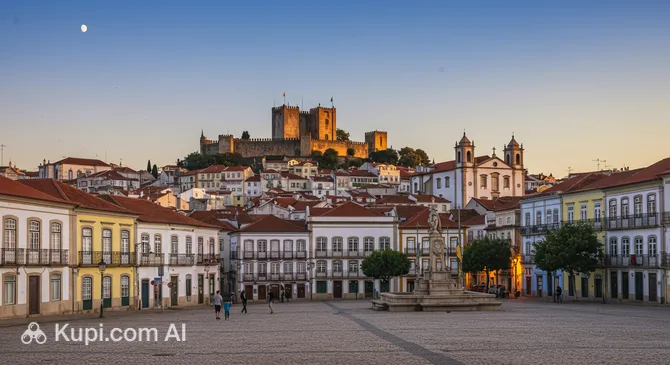
Nestled in the Centro region of Portugal, Leiria is a captivating destination that offers a perfect blend of historic charm and youthful energy. Situated on the banks of the Lis River, this city serves as the capital of the Leiria District and is home to a vibrant population of approximately 126,000 residents. Its strategic location between Lisbon and Porto makes it an accessible and delightful stop for travelers exploring the country.
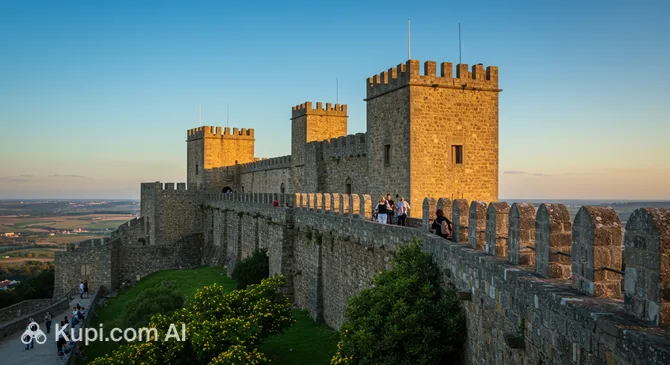
The rich history of Leiria is deeply woven into its streets and architecture. Dominating the skyline is the magnificent Leiria Castle, a medieval fortress that provides panoramic views of the city and stands as a testament to the region's royal past. Below the castle walls, visitors can wander through the historic center, where narrow cobblestone streets lead to lively squares filled with cafes and shops.
Leiria. Illustration.
Source: Kupi.com AI
Beyond its medieval allure, the city is known for the Leiria Cathedral, a simpler yet elegant 16th-century monument that contrasts with the more ornate styles typical of the era. Nature lovers will also appreciate the city's proximity to the famous Pinhal de Leiria, a vast pine forest planted centuries ago to protect the coastline and provide timber for maritime exploration. The nearby Atlantic coast offers stunning beaches, adding a refreshing seaside dimension to a visit here.
With its welcoming atmosphere, cultural festivals, and unique heritage, Leiria is more than just a waypoint; it is a destination worth savoring. Whether you are admiring its architectural landmarks or enjoying the local cuisine by the river, Leiria promises a memorable experience for every traveler.
Weather Overview
Leiria enjoys a temperate climate with distinct seasonal variations, offering comfortable conditions for visitors throughout most of the year. The weather in Leiria is generally characterized by warm, dry summers and mild, wetter winters, typical of this region in Portugal.
The summer months, particularly July and August, are the warmest and driest, with average temperatures around 20.4°C and highs reaching up to 24.3°C. Rainfall is virtually non-existent during this period, with only 1 or 2 wet days per month, making it an excellent time for exploring the city and nearby beaches.
Winters are cooler but remain relatively mild compared to many other European destinations. January is typically the coldest month, with average lows dipping to 8.0°C. Visitors should be prepared for more frequent showers during the autumn and winter seasons; for instance, November can see up to 14 wet days. Expect pleasant, sunny summers perfect for outdoor activities, contrasted by cooler winters that bring necessary rainfall to the lush landscapes of the district.
Average monthly temperature
Average monthly precipitation
Interesting Facts
Beyond the main attractions, Leiria holds many fascinating secrets and historical curiosities that often escape the casual observer. This city is not only a hub of medieval history but also a place of unique geographical and cultural distinctions.
Leiria Castle. Illustration.
Source: Kupi.com AI
Traveler photos:
The Lis River, which runs through the city, is geographically peculiar because it flows from south to north. This rare trajectory for a Portuguese river has led to a popular local saying that the river flows "backwards."
The Leiria Cathedral features a distinct architectural quirk: it does not have an attached bell tower. The bell tower stands completely separate on a nearby hill, reportedly because the bishop at the time wanted to ensure the ringing bells would not disturb the quiet of his residence.
Leiria played a pivotal role in the history of the written word in Portugal. It was home to one of the country's first printing presses in the 15th century, where some of the earliest printed books in the nation were produced, marking the city as a cradle of Portuguese typography.
While Leiria Castle served as a royal residence, its most famous occupant, King Dinis, is also credited with planting the immense Pine Forest of Leiria. The timber from this ancient forest was later essential for constructing the caravels that launched Portugal's Age of Discoveries.
How to Get There
Reaching this charming destination in central Portugal is quite convenient, primarily due to its strategic location between the country's two largest cities. For a detailed breakdown of routes and transport modes, you can check the guide on how to get to Leiria, but here is an overview of the nearest major transport hubs.
The city of Leiria does not have its own airport, but you can easily fly into Lisbon Portela Airport (LIS) in the capital city of Lisbon, which is approximately 111 km away. It is the most common entry point for travelers, and the journey to Leiria by car or express bus takes about 1 hour and 20 minutes. Alternatively, you can arrive at Porto Airport (OPO) in Porto, located about 167 km to the north. The transfer from Porto typically takes around 1 hour and 45 minutes. Both airports are large international hubs with frequent connections.
For clarity, here is a summary of the main airports in the wider region:
Regarding rail travel, the major stations listed in the surrounding area are located at a significant distance, mostly across the border in Spain. The closest facility from the provided list is Badajoz Railway Station in the city of Badajoz, which is about 184 km from Leiria. Due to the distance and cross-border logistics, most visitors prefer to rely on the extensive domestic train and bus network connecting Leiria directly to Lisbon and Porto rather than using these distant stations.
Below is the data for the regional railway stations listed:
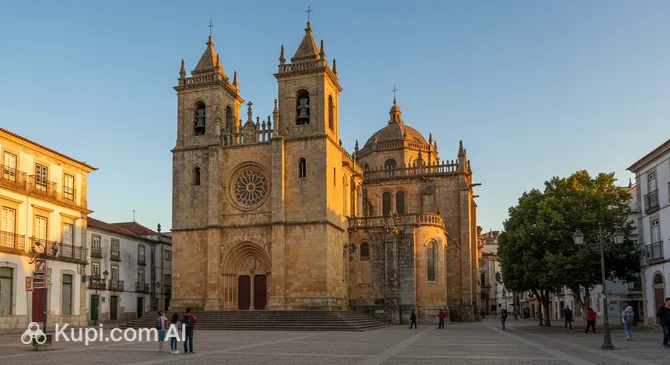
While the imposing castle often steals the spotlight, the city offers several other remarkable sites that showcase its rich heritage and vibrant culture. A visit to the Leiria Cathedral is essential for architecture enthusiasts. Built in the 16th century, this monument is an excellent example of the Mannerist style, characterized by its austere façade and spacious, light-filled interior. Unlike many Portuguese cathedrals, it stands apart for its simplicity and the fact that its bell tower is located separately on a nearby hill, a unique feature that adds to its intrigue.
Leiria Cathedral. Illustration.
Source: Kupi.com AI
Traveler photos:
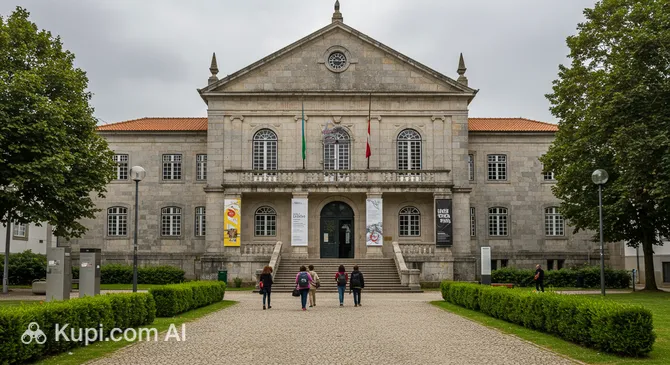
For a deep dive into the region's artistic and historical legacy, the Leiria Museum is a must-visit destination. Housed in the beautifully restored Convent of Saint Augustine, the museum presents a journey through the city's evolution, featuring collections that range from prehistoric fossils to sacred art and 19th-century painting. The building itself is a treasure, with its elegant cloisters providing a serene backdrop to the exhibits.
Leiria Museum. Illustration.
Source: Kupi.com AI
Traveler photos:
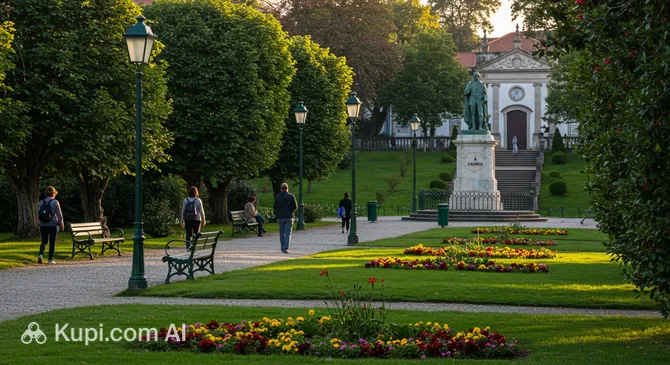
Those seeking a relaxing escape near the city center will find the Luís de Camões Garden to be a perfect retreat. Situated along the banks of the Lis River, this charming park offers shaded walkways, manicured lawns, and scenic views of the water. It is a popular spot for both locals and tourists to enjoy a leisurely stroll, read a book, or simply admire the surrounding landscape under the canopy of mature trees.
Luís de Camões Garden. Illustration.
Source: Kupi.com AI
Traveler photos:
Another focal point of local life is the Sant'Ana Market. More than just a commercial space, this cultural center is a hub of activity housed in a striking building designed by the renowned architect Ernesto Korrodi. Today, it hosts a variety of events, exhibitions, and theatrical performances, making it a lively venue where visitors can experience the contemporary pulse of Leiria within a historic setting.
Local Cuisine
The culinary scene in Leiria is a delightful reflection of the Centro region's traditions, offering hearty meals and sweet treats that are deeply rooted in local history. One of the most celebrated dishes here is Leitão (roasted suckling pig), particularly famous in the nearby village of Boavista. The skin is roasted to a perfect crisp while the meat remains tender and flavorful, seasoned with garlic and pepper. Another regional staple is Morcela de Arroz, a savory black pudding made with rice and spices, often served as an appetizer or part of a larger traditional platter.
No visit to Leiria is complete without tasting its most iconic dessert, Brisas do Lis. These small, golden puddings are made from egg yolks, sugar, and almonds, originating from old convent recipes. They are widely available in local pastry shops and are easily recognized by their vibrant yellow color and paper cups. For those with a sweet tooth, pairing this treat with a cup of strong Portuguese coffee is a quintessential afternoon ritual.
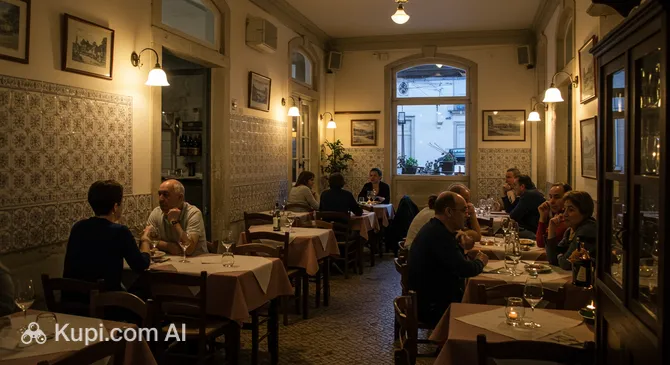
When it comes to dining out, the city offers a mix of family-run tascas and contemporary eateries. For a taste of authentic Portuguese cuisine in a welcoming atmosphere, you might visit Matilde Noca Restaurant, known for its traditional preparations. Another excellent option for hearty local meals is João Gordo, where the menu often features classic dishes that highlight the best of regional produce.
Matilde Noca Restaurant. Illustration.
Source: Kupi.com AI
Traveler photos:
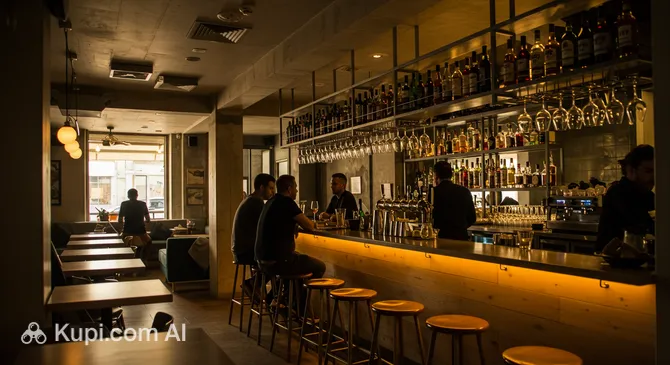
The beverage culture in Leiria is equally inviting, with a strong focus on wines from the surrounding Lisbon and Tejo wine regions. Locals often enjoy a glass of red or white wine with their meals. As the evening sets in, the city's younger crowd heads to vibrant spots to socialize. Atlas Restaurant & Bar is a popular venue that combines a relaxed dining experience with a lively bar atmosphere, perfect for enjoying a cocktail or a local craft beer. For those looking to extend the night, Habitat offers a modern setting to enjoy music and drinks.
Atlas Restaurant & Bar. Illustration.
Source: Kupi.com AI
Traveler photos:
Travel Tips
To ensure your visit to Leiria is as smooth and enjoyable as possible, we have compiled a set of practical recommendations. Whether you are climbing to the castle or enjoying a coffee by the river, these tips will help you navigate the city like a local.
Clothing and Gear: Leiria involves a fair amount of walking, often on traditional Portuguese cobblestones (calçada portuguesa) which can be slippery and uneven. Comfortable, flat walking shoes are essential, especially for the steep ascent to the castle. Since the region can be breezy due to its proximity to the Atlantic, bring a light jacket or layers, even in summer. If visiting religious sites like the Cathedral, dress modestly (shoulders covered).
Transportation: The historic center is compact and best explored on foot. For travel to outer neighborhoods, the city operates an efficient local bus network known as Mobilis. While you don't need a car to see the city itself, renting one is highly recommended if you plan to visit the nearby beaches or the famous monasteries in Batalha and Alcobaça.
Finances: The currency is the Euro (€). While credit and debit cards are widely accepted in hotels and larger restaurants, smaller cafés and traditional shops may strictly prefer cash. ATMs, known as Multibanco, are plentiful. Tipping is not mandatory but is appreciated; leaving small change or rounding up the bill is a common gesture of gratitude.
Health and Safety: Leiria is a safe city with low crime rates, but standard precautions with valuables apply. In case of any emergency, dial 112. Pharmacies are marked with a green cross; if you need medicine outside regular hours, look for the designated "Farmácia de Serviço" (on-duty pharmacy), which rotates daily.
Communication: The official language is Portuguese. English is widely spoken, particularly by younger people and in the tourism sector. However, learning a few basic phrases like Bom dia (Good morning) or Obrigado/a (Thank you) will go a long way in establishing a friendly rapport with locals.
Local Etiquette: Politeness is highly valued. It is customary to greet shop assistants or waiters with a "Bom dia" or "Boa tarde" upon entering. When meeting someone for the first time, a handshake is standard, while friends typically greet each other with two kisses on the cheeks.
What to Avoid: Do not assume that speaking Spanish is an acceptable substitute for Portuguese; locals generally prefer you speak English if you cannot speak their language. Also, avoid rushing your meals at restaurants; dining in Portugal is a leisurely social experience, and service may be slower than what you are used to in fast-paced countries.
Additional Tip: For a true taste of local life, head to Praça Rodrigues Lobo in the late afternoon. This central square is the city's "living room," where residents gather to socialize. It is the perfect spot to sit at an outdoor terrace and enjoy a Brisa do Lis while watching the world go by.
Leiria is a city that rewards those who take the time to explore its streets and engage with its people. By keeping these practical tips in mind, you will be well-prepared to relax and fully appreciate the unique charm and hospitality this central Portuguese gem has to offer.
Entertainment & Nightlife
Leiria comes alive after sunset, fueled by a vibrant youthful energy that stems largely from its bustling student population. The city offers a diverse nightlife scene that ranges from laid-back terraces in the historic center to lively bars that stay open until the early hours. The atmosphere is generally relaxed and welcoming, with a mix of locals, students, and visitors mingling in the pedestrian-friendly streets.
The heart of the evening entertainment is undoubtedly the Praça Rodrigues Lobo and the surrounding narrow streets of the historic district. This central square acts as an open-air meeting point where people gather to socialize before heading to nearby venues. On warm evenings, the terraces are packed, creating a buzz that lasts well into the night. Thursday nights are particularly spirited, known locally as "academic nights," where the university crowd descends upon the town, making it one of the liveliest times to experience the local party culture.
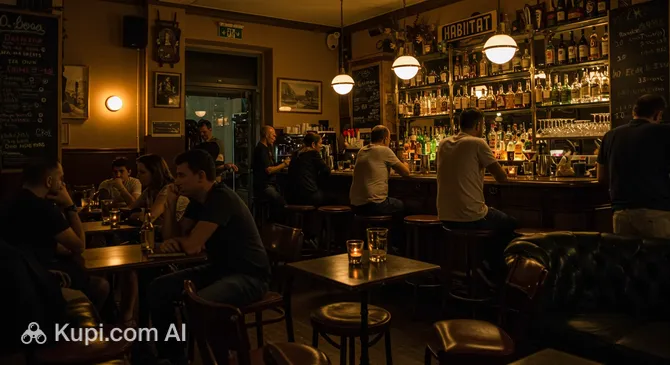
For those seeking a sophisticated yet unpretentious spot for drinks, Habitat is a standout choice. This venue is well-regarded for its modern aesthetic and curated selection of cocktails and music, making it a perfect place to unwind or start a night out. The dress code in most Leiria bars, including this one, is casual-smart; you will feel comfortable in jeans and a nice top, though some people dress up a bit more on weekends.
Habitat. Illustration.
Source: Kupi.com AI
Traveler photos:
Another cultural landmark that transitions seamlessly from day to night is the Atlas Restaurant & Bar. Located near the castle, it is more than just a place to grab a drink; it is a hub for artistic events, often hosting DJ sets, live music, or themed parties on its terrace. It attracts a creative crowd and offers a stunning view of the city lights, making it an essential stop for anyone wanting to feel the pulse of Leiria's contemporary scene.
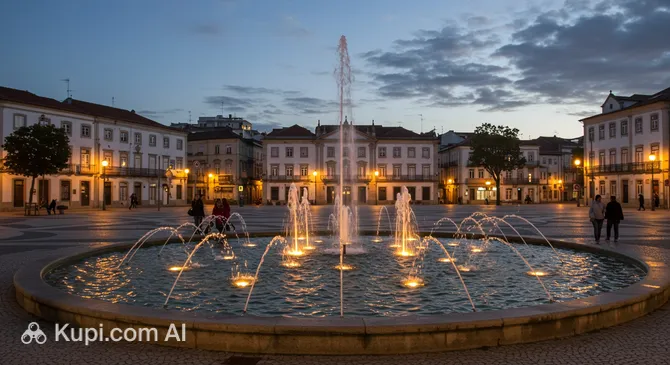
If you prefer a more visual and relaxed form of evening entertainment, a visit to the Luminous Fountain (Fonte Luminosa) in Mouzinho de Albuquerque Square is highly recommended. In the evenings, the fountain often displays a choreography of water and light, providing a serene backdrop for a night walk. It is a safer and quieter alternative for families or couples looking for a romantic stroll away from the louder music venues.
Luminous Fountain. Illustration.
Source: Kupi.com AI
Traveler photos:
Regarding daytime entertainment, the city offers plenty of options beyond historical sightseeing. Visitors can enjoy modern amenities at Leiria Shopping, a large mall that houses a variety of international brands and a multiplex cinema, perfect for catching a movie if the weather turns grey. Additionally, the city's cultural agenda is often packed with theater productions and concerts, frequently held at the Teatro José Lúcio da Silva.
Practical advice for a night out includes keeping an eye on the time; while bars open early, the real crowd usually arrives after 10:00 PM. Prices in Leiria are generally affordable compared to Lisbon or Porto, with a beer or glass of wine costing significantly less. The city center is compact and safe to walk around at night, but if you are staying further out, taxis and ride-sharing apps are readily available and reliable.
Parks & Museums
Leiria beautifully balances its urban energy with serene green spaces and a rich cultural landscape. The city invites visitors to step away from the busy streets and explore its riverside gardens, while its museums offer deep dives into everything from medieval history to the art of the moving image.
The city's most beloved green retreat is the Luís de Camões Garden. Stretching along the banks of the Lis River, this park is the green lung of the city center. It features wide, tree-lined promenades that are perfect for a leisurely stroll or a morning run. Locals often gather here to enjoy the river views, making it an excellent spot for tourists to observe daily life in Leiria. For families, the nearby Parque do Avião (Airplane Park) is a must-see; named after the real airplane stationed within its grounds, it offers a unique playground and a quirky photo opportunity.
Culturally, the city punches above its weight with several impressive institutions. The Leiria Museum, located in the historic Convent of Saint Augustine, is the primary custodian of the region's heritage. Its exhibits range from prehistoric fossils to sacred art, telling the story of the city through the ages. Art and cinema enthusiasts should also visit the m|i|mo – Museum of the Moving Image. Situated near the castle, this innovative museum explores the evolution of photography and film, offering interactive displays that are engaging for visitors of all ages.
Another cultural gem is the Sant'Ana Market. While it no longer serves as a traditional food market, this stunning architectural space has been reinvented as a vibrant cultural center. It frequently hosts art exhibitions, concerts, and theatrical performances, allowing visitors to experience the city's creative pulse in a historic setting.
Sant'Ana Market. Illustration.
Source: Kupi.com AI
Traveler photos:
For a truly authentic experience, take a walk to the Paper Mill Museum (Moinho do Papel) on the riverbank. This restored medieval mill is not only a museum dedicated to the history of paper production—one of the first in Portugal—but also a beautiful example of industrial archaeology integrated into the natural landscape. It offers a quiet, educational escape just a short walk from the city center.
Getting Around
Public transport in Leiria is primarily served by an efficient bus network known as Mobilis. Since the city does not have a metro or tram system, these buses are the backbone of local transit, connecting the historic center with residential neighborhoods, the hospital, and shopping areas. The network consists of several lines, easily distinguished by different colors (such as the Red Line or Blue Line), making it relatively simple for visitors to identify the correct route for their destination.
For tourists planning to use the bus, there are a few payment options to consider. You can purchase a single ticket directly from the driver using cash, which is the most convenient option for occasional trips. However, if you plan to stay longer or use the bus frequently, it is more economical to buy a rechargeable Mobilis card. These cards can be purchased and topped up at designated ticket offices and agents throughout the city. The cost per trip is significantly lower with a pre-paid card compared to buying tickets on board.
Operating hours for the Mobilis buses generally run from early morning, around 07:00, until roughly 20:00 or 21:00, depending on the specific line and whether it is a weekday or weekend. It is advisable to check the schedule at the bus stop or online, as frequency can decrease on Sundays and holidays. When boarding, remember to validate your pre-paid card by tapping it on the reader; if you buy a ticket from the driver, keep the receipt until the end of your journey.
While the bus system is useful for reaching outer districts, the historic center of Leiria is quite compact and best explored on foot. To assist with the steep terrain leading up to the city's most famous landmark, there are mechanical lifts known as the Castle Elevators. These are a convenient and accessible way to travel between the lower city near the river and the castle hill without facing a strenuous climb.
For those who prefer more direct transportation, taxis are widely available and can be found at designated ranks, particularly near the main squares and the bus terminal. Ride-sharing apps are also active in the city, offering a modern alternative to traditional taxis. Additionally, Leiria is becoming increasingly bike-friendly, especially along the flat banks of the Lis River, where dedicated paths offer a scenic and healthy way to get around.
Finally, while there is a train station in Leiria, it is located slightly outside the main urban center and is primarily used for regional travel rather than intra-city commuting. Therefore, for getting around the city itself, visitors should rely on the Mobilis buses, walking, or taxis rather than the train.
Accommodation
Finding the perfect place to stay in Leiria is relatively easy, as the city offers a welcoming range of accommodation options that cater to various budgets and travel styles. While it may not have the vast resort complexes found in coastal tourist hubs, travelers can expect a solid selection of modern business hotels, charming guesthouses, and budget-friendly hostels. The hospitality here is characterized by a blend of professional service and a personal, friendly touch typical of the region.
For those who want to be in the heart of the action, the Historic Center is the most atmospheric area to stay. Booking a room near Leiria Castle or Leiria Cathedral places you within walking distance of the main sights, lively squares, and traditional restaurants. Staying in this area often means residing in renovated older buildings that offer a unique sense of place, though parking can sometimes be a challenge due to the narrow streets.
Another popular area is along the banks of the Lis River. Hotels situated here often provide scenic views of the water and the surrounding parks, such as the Luís de Camões Garden. This location offers a slightly quieter environment while still being just a short stroll from the city center. It is an excellent choice for travelers who appreciate morning walks or a peaceful evening retreat.
Travelers arriving by car might prefer the more modern districts surrounding the city center or near the main shopping areas like Leiria Shopping. These locations typically offer easier access to main roads and ample parking facilities. Accommodation here tends to be more contemporary, featuring spacious rooms and standard amenities suitable for families or business travelers.
Booking Tips and Prices:
Generally, accommodation prices in Leiria are quite affordable compared to major Portuguese cities like Lisbon or Porto. A comfortable mid-range hotel room can often be found at a very reasonable rate. However, availability can tighten during the summer months or when major events and festivals are taking place. It is highly recommended to book in advance if you plan to visit in July or August to secure the best locations and rates. Most properties are listed on major online booking platforms, making it simple to compare options and reserve your stay.
Nearby Cities
For those looking to explore the surroundings, Leiria serves as an excellent base for day trips to several interesting nearby locations. The region offers a mix of historical heritage, coastal beauty, and charming towns that are easily accessible by car or bus.
One of the most significant nearby destinations is Alcobaça. Located just a short distance south of Leiria, it is world-famous for the Monastery of Alcobaça, a magnificent UNESCO World Heritage site. This Gothic masterpiece is not only an architectural wonder but also holds the tombs of King Pedro I and Inês de Castro, the central figures of Portugal's most tragic love story.
If you prefer the coast, Figueira da Foz makes for a refreshing getaway. Known as the "Queen of Beaches," this seaside city features vast stretches of golden sand and a vibrant promenade. It is a popular spot for surfing, enjoying fresh seafood, or visiting one of the oldest casinos in the Iberian Peninsula.
For a trip back in time, the town of Ourém offers a captivating medieval atmosphere. The historic old town is perched high on a hill, crowned by an impressive castle that commands sweeping views of the countryside. Walking through its narrow, walled streets provides a peaceful contrast to the modern city below.
City
Population
Distance
Batalha
15 805
10 km
Marinha Grande
38 681
11 km
Porto de Mós
24 342
17 km
Fatima
13 212
20 km
Ourem
45 932
22 km
These nearby destinations offer a glimpse into the diverse culture and landscapes of the region, making them perfect additions to your travel itinerary.
Shopping & Souvenirs
Shopping in Leiria offers a delightful mix of traditional charm and modern convenience, catering to a wide range of tastes and needs. The city provides a balanced experience where visitors can browse through independent boutiques in the historic center or enjoy the extensive amenities of contemporary shopping centers. Whether you are looking for international fashion brands, local handicrafts, or unique gifts, Leiria has plenty to offer.
The heart of the city's retail scene is located in the Historic Center, particularly along Rua Barão de Viamonte, commonly known by locals as "Rua Direita." This pedestrian-friendly street and its surrounding alleyways are lined with a variety of small shops selling clothing, shoes, jewelry, and home decor. Walking through this area allows tourists to experience the local atmosphere, with traditional architecture providing a scenic backdrop to window shopping.
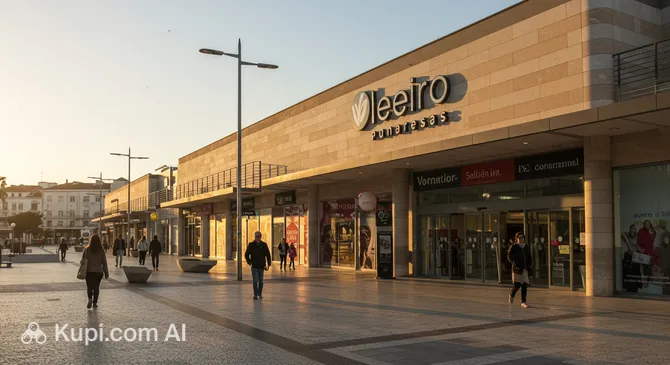
For those who prefer a comprehensive shopping experience under one roof, the city boasts excellent modern facilities. The largest and most popular destination is Leiria Shopping. Located just outside the city center, this extensive mall features over 100 stores, including major international fashion chains, electronics retailers, and a large food court. It is also home to a cinema complex, making it a hub for entertainment as well as retail.
Leiria Shopping. Illustration.
Source: Kupi.com AI
Traveler photos:
Another notable option is Lis Shopping, a convenient commercial space that offers a selection of essential stores and services. While smaller than its counterpart, it provides a relaxed environment for quick purchases or browsing specific brands without the larger crowds.
Lis Shopping. Illustration.
Source: Kupi.com AI
Traveler photos:
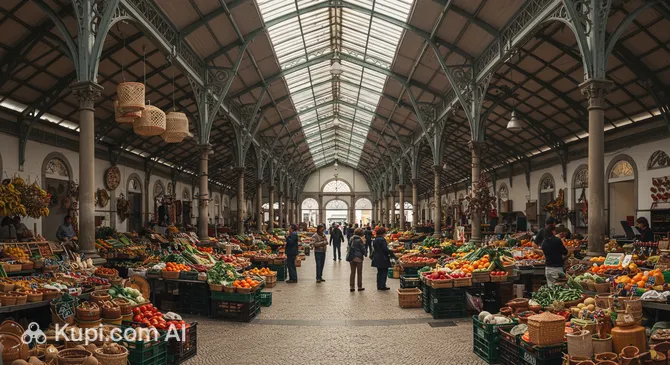
When it comes to markets, the city preserves its trading traditions in various forms. While the iconic Sant'Ana Market has evolved into a cultural venue, the Municipal Market of Leiria remains the go-to spot for fresh produce. Here, visitors can find high-quality fruits, vegetables, flowers, and regional delicacies sold directly by local producers. It is an excellent place to observe the daily life of residents and pick up fresh ingredients.
If you are looking for authentic souvenirs to take home, Leiria has several unique local products. The most famous edible gift is undoubtedly a box of Brisas do Lis, the city's signature almond and egg yolk sweets. Regional handicrafts are also popular, particularly ceramics and pottery from the nearby village of Bajouca, known for its clay tradition. Cork products and Portuguese wines from the surrounding vineyards also make for excellent keepsakes.
Opening hours in Leiria generally follow standard Portuguese schedules. Street shops typically open around 09:00 or 10:00 and close at 19:00, often taking a lunch break between 13:00 and 15:00. However, shopping malls operate with extended hours, usually remaining open from 10:00 until 23:00, seven days a week. Regarding payment, major credit and debit cards are widely accepted in malls and larger stores, but it is advisable to carry some cash for smaller boutiques, cafés, or market stalls.
Visitors from outside the European Union may be eligible for Tax-Free shopping. Many stores in Leiria participate in the tax refund scheme for tourists. Look for the "Tax-Free Shopping" signage in shop windows, and be sure to ask for the necessary forms at the checkout if your purchase meets the minimum value requirement.