Support

Bragança

About

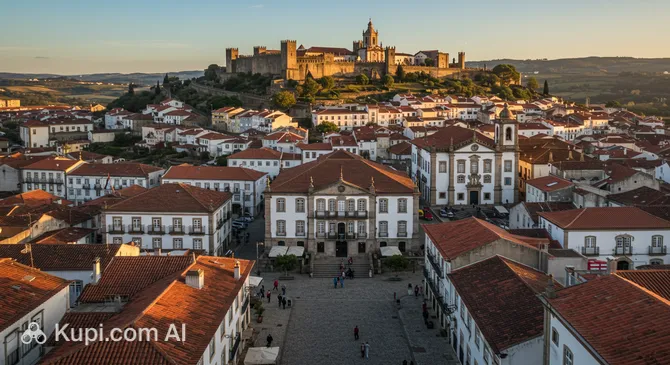
Welcome to Bragança, a captivating city located in the remote northeastern corner of Portugal. Tucked away in the historic Trás-os-Montes region, this destination offers a unique blend of medieval charm and authentic local culture. With a population of approximately 35,000 residents, it serves as a peaceful yet culturally rich hub for travelers looking to explore the distinctive heritage of the Iberian Peninsula.

Bragança. Source: Kupi.Binoculars

The city stands out for its dramatic walled citadel, which sits atop a hill overlooking the modern town below. The history of Bragança is deeply connected to its strategic position near the border and its royal legacy, having given its name to the last Portuguese royal dynasty. Visitors are often struck by the excellent preservation of the medieval fortifications, including the imposing Keep tower which now houses a military museum.

Among its most significant architectural treasures is the Domus Municipalis, a rare and enigmatic example of Romanesque civic architecture that is unique in the country. Beyond its stone walls, the city acts as the gateway to the stunning Montesinho Natural Park, a vast protected area known for its rugged landscapes and traditional villages. Whether you are wandering through the ancient streets of the Citadel or setting out on a hike in the nearby mountains, Bragança invites you to discover a side of the country that remains wonderfully traditional and unspoiled.

Weather Overview

The climate in this region is characterized by distinct seasons, offering a mix of crisp winters and pleasant, warm summers. To help you pack appropriately for your specific travel dates, it is useful to check the detailed weather in Bragança before you go.

Summer is generally the warmest and driest time to visit, particularly in July and August. During these months, average temperatures hover around 21°C, with daytime highs frequently reaching upwards of 27°C. Rainfall is minimal during this season, with July and August typically seeing only about 3 wet days each, providing excellent conditions for outdoor exploration.

In contrast, the cooler months require warmer clothing. January is typically the coldest month, with average temperatures dropping to approximately 4.6°C and lows hovering near freezing. The transition seasons and winter bring more frequent precipitation; months like March, November, and December often experience up to 14 wet days. Visitors during this period should expect cooler air and occasional rain showers.

Interesting Facts

Beyond its well-preserved citadel and scenic views, Bragança holds fascinating secrets that often escape the casual eye. From architectural oddities to ancient legends, the city’s history is woven with unique details that make it truly special.

  • The Pentagonal Enigma: The Domus Municipalis is a true architectural rarity, cited as the only surviving example of Romanesque civic architecture in the entire Iberian Peninsula. Uniquely shaped like an irregular pentagon, this mysterious structure served a dual purpose: the cool underground level was a water cistern, while the sunlit upper gallery hosted the meetings of the city's elected council.

  • A Prehistoric Foundation: In the heart of the citadel, the medieval pillory stands on a base that is far older than the column itself. The stone shaft actually pierces through a berrão—a prehistoric granite statue of a pig or boar carved by the Celtic tribes that inhabited the region thousands of years ago, blending medieval justice with ancient pagan symbols.

  • The Legend of the Princess: The castle's "Princess Tower" is steeped in a romantic tale. Legend says a cruel uncle locked his niece there and disguised himself as a ghost to force her into an unwanted marriage. Her prayers were answered when a miraculous ray of sunlight broke through the darkness at midnight, revealing the imposter and saving her from the union.

  • A Global Legacy: Despite its remote location, this city gave its name to the House of Bragança, the last royal dynasty to rule Portugal. This lineage not only produced Portuguese kings for nearly three centuries but also the Emperors of Brazil, linking this small transmontane city to the imperial history of South America.

How to Get There

Reaching this historic city in the Trás-os-Montes region requires a bit of planning due to its inland location, but the journey through the scenic landscapes is part of the experience. Although Bragança is served by a municipal aerodrome for domestic regional connections, it does not have an international airport. Most visitors arrive via major hubs in Portugal or neighboring Spain, continuing their trip by road. For a comprehensive guide on all transport options, you can read more about how to get to Bragança.

The most common gateway for international travelers is Porto Airport (IATA: OPO), located in the city of Porto, approximately 172 km away. As a major international hub with high passenger traffic, it offers numerous connections. The journey from the airport by road typically takes approximately 2 hours by car or around 3 hours by bus. Another option, particularly for those coming from the Spanish side of the border, is Leon Airport (IATA: LEN). Situated in Leon, roughly 126 km from Bragança, it is a smaller regional facility. Travelers arriving here can expect a transfer time of around 1.5 to 2 hours by road.

For clarity, here is a summary of the main airports:

Airport Name City Passenger Traffic Km from City
Porto Airport Porto High 172.2
Santiago de Compostela Airport Santiago de Compostela Medium 182.8
Vigo Airport Vigo Medium 161.9
Valladolid Airport Valladolid Medium 158.8
Leon Airport Leon Small 125.8

The city of Bragança does not have its own railway station, as the historic line was closed years ago. However, visitors can use train services to nearby Spanish cities and continue by road. The closest rail hub is Zamora Railway Station (IATA: ZOB) in Zamora, Spain, located about 91 km away. The transfer from there takes approximately 1 hour and 15 minutes by car. Alternatively, Ourense Railway Station (IATA: OUQ) in Ourense offers another access point, roughly 109 km from the city, with a travel time of around 1.5 hours by road.

Below is a list of the nearest railway stations:

Station City Passenger Traffic Km to Center
Ourense Railway Station Ourense High 108.5
León Railway Station Leon Medium 130.8
Zamora Railway Station Zamora Medium 90.7
Lugo Railway Station Lugo Small 149.4
Salamanca Railway Station Salamanca - 131.1

Main Attractions

While the medieval citadel is the crown jewel of the city, Bragança offers a variety of fascinating sites that delve deep into the history, art, and traditions of the Trás-os-Montes region. Visitors can easily spend a day or two exploring the museums and historic streets that make this destination so unique.

The Castelo de Bragança is the undisputed highlight of any visit. Dating back to the 12th century, this well-preserved fortress dominates the skyline. Tourists love walking along the ancient walls and exploring the historic Cidadela, a charming walled village within the castle grounds that feels frozen in time. Inside the imposing Keep (Torre de Menagem), you will find a military museum featuring collections of medieval weaponry and armor, but the real reward is the panoramic view from the top, offering a sweeping look at the city and the surrounding mountains.

For a deep dive into regional culture, the Museu do Abade de Baçal is an essential stop. Housed in the former Bishop's Palace, this museum is considered one of the best in the region. It features a diverse collection that ranges from archaeology and sacred art to ethnography. Visitors are particularly drawn to the displays of traditional costumes, ancient stone pig sculptures (berrões), and paintings that narrate the rich history of northeastern Portugal.

A truly unique experience awaits at the Museu Ibérico da Máscara e do Traje (Iberian Museum of the Mask and the Costume). This colorful museum celebrates the ancient winter festivities and rituals of the region, focusing on the "Caretos"—mysterious masked figures associated with local carnival traditions. It is a fascinating place for tourists to learn about the pagan roots and vibrant folklore that are still celebrated in the nearby villages today.

Art enthusiasts should not miss the Centro de Arte Contemporânea Graça Morais. Designed by the renowned architect Eduardo Souto de Moura, this modern building stands in stark contrast to the city's medieval architecture. It is dedicated to the work of Portuguese painter Graça Morais, whose art is deeply inspired by the landscapes and people of Trás-os-Montes, and also hosts various temporary exhibitions from other contemporary artists.

Local Cuisine

The local cuisine of Bragança is a direct reflection of the Trás-os-Montes region: hearty, rustic, and deeply flavorful. Shaped by the cold winters and the rugged landscape, the food here is designed to provide comfort and sustenance. The gastronomy relies heavily on high-quality local meats, game, and chestnuts, offering a culinary experience that is as authentic as it is satisfying.

Meat lovers will find themselves in paradise, as the region is famous for its exceptional beef. The most iconic dish is the Posta Mirandesa, a thick, succulent steak cut from the indigenous Miranda cattle. Grilled over embers and seasoned simply with coarse salt, it is renowned for its tenderness and rich flavor. Another staple is the Alheira, a unique smoked sausage with a fascinating history. Originally created by the Jewish community to simulate pork sausages while adhering to kosher laws, it is typically made with poultry and bread, often served grilled or fried with a side of vegetables.

For those visiting in the colder months, the traditional Butelo com Casulas is a must-try experience. This robust stew features a bulky sausage made from pork ribs and bones (the butelo), cooked slowly with dried bean pods (casulas) that are rehydrated and boiled. Chestnuts also play a vital role in the local diet, appearing not just in desserts but also as a garnish for roasts and in rich, creamy soups.

To accompany these substantial meals, locals turn to the robust red wines of the Trás-os-Montes region, which are known for their intense character and ability to stand up to heavy dishes. For a lighter touch or a digestive after dinner, you might encounter artisanal liqueurs made from local products, such as chestnut or honey liqueur.

The food culture in Bragança is unpretentious and welcoming. While there are modern dining establishments, the heart of the city's food scene beats in its traditional tascas (taverns) and family-run restaurants. Here, portions are generous, and the atmosphere is warm. It is not uncommon for a meal to last for hours, enjoyed slowly with good company and plenty of bread and olive oil on the table.

Travel Tips

To make the most of your visit to this historic corner of the Trás-os-Montes region, a few practical insights can go a long way in ensuring a smooth and enjoyable trip. Whether you are exploring the medieval citadel or venturing into the surrounding mountains, keeping these local tips in mind will help you travel like a pro.

  1. Footwear and Clothing: The historic center and the Citadel are paved with uneven cobblestones and involve some steep climbs, so bringing sturdy, flat walking shoes is essential. Since the weather can fluctuate, especially in the evenings, it is wise to dress in layers. If you plan to visit religious sites like the Old Cathedral, ensure your shoulders and knees are covered out of respect.

  2. Getting Around: The city center is compact and best explored on foot, allowing you to easily navigate the narrow medieval streets. For longer distances within the city, there is a local bus network called STUB. However, if you intend to explore the stunning Montesinho Natural Park or the remote villages nearby, renting a car is highly recommended as public transport to these areas is infrequent.

  3. Money Matters: The currency is the Euro (€). While credit cards are widely accepted in hotels and larger restaurants, many smaller tascas (taverns), cafés, and local shops may only accept cash. ATMs, known locally as "Multibanco," are plentiful. Tipping is not mandatory but leaving small change or rounding up the bill is a polite gesture for good service.

  4. Health and Safety: Bragança is a very safe city with low crime rates, making it comfortable for solo travelers and families alike. Pharmacies are marked with a green cross and are generally open during business hours, with a rotating service for nights and weekends. For any serious medical emergencies, dial 112 for assistance.

  5. Language and Communication: The official language is Portuguese. While many younger people and those in the tourism industry speak English, it is less common among the older generation in rural areas. Due to the proximity to the border, Spanish is widely understood, but locals appreciate it if you try a few Portuguese words like "Bom dia" (Good morning) or "Obrigado" (Thank you).

  6. Local Etiquette: The people of Bragança are known for their hospitality but can be reserved initially. A polite greeting when entering a shop or elevator is the norm. Lunch is a sacred time here, usually taken between 1:00 PM and 3:00 PM; expect a relaxed pace of service as meals are meant to be enjoyed without rushing.

  7. What to Avoid: Do not expect shops and museums to be open continuously throughout the day. Many smaller businesses close for a long lunch break (typically from 12:30 PM to 2:30 PM). Plan your shopping and sightseeing schedule accordingly to avoid finding closed doors during the early afternoon.

  8. Dining Timing: Be aware that dinner in Portugal is served later than in many northern European countries. Most restaurants in Bragança will not open for dinner service until 7:30 PM or 8:00 PM. Arriving earlier might leave you waiting outside, so embrace the local rhythm and enjoy a late afternoon snack if needed.

By following these simple guidelines, you will find it easy to immerse yourself in the authentic rhythm of life in Bragança. The city’s welcoming atmosphere and rich traditions are best experienced with an open mind and a relaxed pace, guaranteeing unforgettable memories of your stay in northern Portugal.

Entertainment & Nightlife

As the sun sets over the medieval castle, Bragança transforms from a historic stronghold into a lively university city. Thanks to the large student population from the local Polytechnic Institute, the nightlife here is surprisingly vibrant and youthful, particularly on Thursday nights, which are traditionally celebrated as "academic nights." The atmosphere is welcoming and unpretentious, far removed from the exclusivity found in larger European capitals, making it easy for visitors to mingle with locals and students alike.

The heart of the evening action is concentrated around the Praça da Sé (Cathedral Square) and the surrounding narrow streets of the historic center. This area is packed with cafés that transition into bars as the night progresses. In the warmer months, the terraces fill up with people enjoying affordable drinks and conversation. Another hub of activity can be found near the banks of the Fervença River, where modern venues offer a different vibe, often with outdoor seating and views of the illuminated city.

For those looking to experience the local scene, Underground Music Bar is a staple of Bragança's nightlife. Known for its alternative vibe and rock music, it attracts a loyal crowd looking for something different from mainstream pop. If you prefer a more energetic atmosphere with dancing, venues like Laguna or other clubs in the city center often host DJs and themed parties that run until the early hours of the morning. The musical styles range from commercial hits and reggaeton to electronic beats, catering to the diverse student body.

Practicalities in Bragança are straightforward. The dress code is almost universally casual; jeans and comfortable shoes are the norm, even in clubs. Prices are very wallet-friendly compared to Porto or Lisbon, with beer and cocktails costing significantly less. Nightlife kicks off relatively late, with bars filling up around 11:00 PM and clubs only getting busy after 2:00 AM. Walking between venues is common, as the city center is compact and easy to navigate.

Safety is one of Bragança's strongest points. It is generally very safe to walk around the city center at night, even for solo travelers. The streets are well-lit, and the crime rate is low. However, if you are staying further out or simply prefer a ride, taxis are readily available at designated stands, particularly near the Cathedral, or can be called by phone. Ride-hailing apps may have limited availability compared to bigger cities, so keeping a local taxi number handy is a good tip.

During the day, entertainment takes a more cultural turn. The Teatro Municipal de Bragança is the city's premier venue for performing arts, hosting a regular schedule of plays, concerts, and dance performances in a striking contemporary building. For a more relaxed afternoon, the green spaces along the Polis corridor by the river offer a peaceful setting for walking or cycling, providing a gentle contrast to the energy of the nights.

Parks & Museums

Bragança is a city where history is deeply intertwined with the landscape, offering a seamless transition between manicured urban green spaces and wild, protected nature. Visitors will find that the cultural offerings extend far beyond the castle walls, with specific venues dedicated to preserving the region's unique visual and social history.

For nature lovers, the Montesinho Natural Park is the undisputed highlight. Although it encompasses a vast area surrounding the city, it feels like an extension of Bragança itself. This protected landscape is one of the largest in Portugal, characterized by rolling hills, oak forests, and traditional slate villages. It is a haven for biodiversity, home to Iberian wolves, deer, and golden eagles. Tourists can explore numerous marked hiking trails that wind through the park, offering a chance to experience the raw beauty of the Trás-os-Montes region and witness centuries-old communal farming traditions that are still alive in the local villages.

Closer to the city center, the Corredor Verde do Fervença (Fervença Green Corridor) provides a refreshing urban escape. This carefully designed environmental project follows the banks of the Fervença River, featuring a network of wooden walkways, cycling paths, and grassy areas perfect for picnics. It is a favorite spot for locals to unwind, offering a peaceful, shady route that connects the modern part of the city with the foot of the historic citadel. The sound of flowing water and the abundance of birdlife make it a relaxing retreat from the stone streets of the old town.

While the city's main art and history museums are well-known, the Centro de Fotografia Georges Dussaud offers a deeply moving and specific look at the region's soul. Located in a restored building near the castle, this center is dedicated to the work of French photographer Georges Dussaud, who spent decades documenting the rural life of Trás-os-Montes. His black-and-white images capture the rugged faces, traditional festivals, and vanishing way of life of the local people with immense dignity and artistry. It is a compelling stop for anyone wishing to understand the human story behind the landscapes.

Another significant cultural venue is the Memorial e Centro de Documentação Bragança Sefardita. This center highlights the profound historical footprint of the Jewish community in Bragança, particularly the "New Christians" who played a vital role in the city's economic and cultural development after the forced conversions of the 15th century. Through interactive exhibits and historical documents, the museum tells a story of resilience and identity, offering insight into a layer of the city's heritage that was often hidden in the past.

In terms of religious architecture, the Igreja de Santa Maria stands out as a key historical site within the citadel walls. Dating back to the 16th century but with later Baroque modifications, it features a stunning painted ceiling depicting the Assumption of Mary. Its location right next to the Domus Municipalis makes it an integral part of the medieval square, and its intricate portal is a fine example of the craftsmanship of the era.

For an authentic local experience, take a walk along the Polis walkway at sunset. Following the river, you will often see local families enjoying their evening strolls. If you have time, venture just outside the city to the village of Rio de Onor, bisected by the border with Spain, to see a unique example of a community that historically shared resources and governance across two countries.

Getting Around

Public transport in Bragança is reliable but relatively small-scale, reflecting the city's compact size. The primary mode of motorized transport is the bus network known as STUB (Serviço de Transportes Urbanos de Bragança). There is no metro, tram, or trolleybus system here. The STUB buses are easily recognizable, typically yellow or white, and they provide essential connections between the historic center, the main residential neighborhoods, the hospital, and the Polytechnic Institute. For most tourists, the network is useful for reaching areas located outside the immediate city walls or for traveling between the lower town and the hilltop Citadel if you prefer to avoid the steep climb.

The payment system is straightforward and tourist-friendly. For short visits, the easiest option is to purchase a single ticket directly from the driver upon boarding. This is known as a "bilhete de bordo" and must be paid for in cash; the cost is generally affordable, typically under €2.00. If you plan to stay longer or use the bus frequently, you can purchase a rechargeable card at the main STUB mobility shop or authorized kiosks. These cards offer discounted fares per trip compared to buying tickets on the bus. Remember to validate your card by tapping it on the reader near the driver every time you board.

When using the bus service, it is important to keep a few practical tips in mind. Drivers usually carry a limited amount of change, so it is highly recommended to pay with small bills or coins. Operating hours generally run from around 7:00 AM to 8:00 PM or 9:00 PM on weekdays, with significantly reduced frequency on Saturdays, Sundays, and public holidays. Bus stops are marked, often displaying route maps and timetables, though using the STUB website or local inquiries is often the most accurate way to check schedules in real-time.

Given the city's topography and size, walking is often the most efficient alternative for exploring the historic center and the Citadel area. However, taxis are a popular and reasonably priced alternative for getting around, especially at night when bus services wind down. You can find taxi ranks at key locations such as the Praça da Sé (Cathedral Square) and the bus station. While ride-hailing apps are becoming more common in larger cities, their availability here can be sporadic, so keeping the phone number of a local taxi dispatch service is a wise precaution.

For those wishing to explore beyond the city limits, particularly into the surrounding natural park, renting a car is arguably the best option, as public transport to remote villages is infrequent. Within the city, you might also spot a seasonal tourist train during the summer months. This rubber-tired vehicle offers a leisurely loop connecting the lower town with the medieval castle, providing a fun and effortless way to see the sights without navigating the steep cobblestone streets on foot.

Accommodation

Finding the perfect place to stay in Bragança is generally a straightforward and pleasant experience, as the city offers a welcoming range of accommodation options that reflect its blend of history and nature. Visitors can choose from charming historic hotels, modern mid-range establishments, and budget-friendly guesthouses. Because the city is not overwhelmed by mass tourism, the hospitality here feels personal and authentic, often providing excellent value for money compared to coastal destinations in Portugal.

The most atmospheric area to stay is undoubtedly within or near the Cidadela (Citadel). Accommodation here allows you to wake up surrounded by medieval walls and cobblestone streets, offering a truly immersive experience. However, travelers seeking more convenience might prefer the lower town (the modern city center), particularly near the Cathedral or the Fervença River. Staying in this area places you within easy walking distance of the main shopping streets, restaurants, and the bus station, making it a practical choice for those without a car.

For a different kind of retreat, many tourists look to the outskirts of the city and the villages bordering the Montesinho Natural Park. Here, the trend of Turismo Rural (Rural Tourism) is strong. Restored stone houses and country estates offer a peaceful escape, often featuring fireplaces for the winter and easy access to hiking trails. These options are perfect for nature lovers who want to combine a visit to Bragança with the tranquility of the Trás-os-Montes countryside.

When planning your trip, it is wise to consider the season. While Bragança rarely experiences the intense overcrowding of major tourist hubs, booking in advance is still recommended during the summer months (July and August) and during major local festivities, such as the winter "Festa dos Rapazes" or the medieval fair. Additionally, if you are visiting in winter, ensure your chosen accommodation has adequate heating, as nights can be quite cold in this region.

In terms of cost, Bragança is very affordable. You can expect to find comfortable, well-rated rooms at budget to mid-range prices that would fetch a premium in Lisbon or Porto. Most establishments are listed on major online booking platforms, which offer the convenience of comparing reviews. However, for smaller rural houses or family-run guesthouses, contacting the owners directly can sometimes secure a better rate or a more personalized stay.

Nearby Cities

For those looking to explore the surroundings, Bragança serves as an excellent base for day trips to several interesting nearby locations.

Located just a short drive away, Mirandela is often called the "Garden City" due to its beautiful green spaces and flowers. Sitting gracefully on the banks of the Tua River, it is famous for its medieval bridge and, most notably, for being the home of the Alheira, a delicious smoked sausage that is a staple of Portuguese cuisine.

Another fascinating destination is Chaves, a city with a rich Roman legacy. Known for its healing thermal waters, which have been used for millennia, it features the well-preserved Roman Bridge of Trajan and a historic center filled with traditional balconies. It is an ideal spot for history buffs and those seeking relaxation in the local thermal spas.

For a taste of aristocratic history, Vila Real is well worth the journey. Perched above the Corgo River, this city is known for its noble architecture and serves as a gateway to the Douro Valley. Just outside the city center lies the stunning Mateus Palace, a masterpiece of Baroque architecture surrounded by magnificent gardens.

City Population Distance (km)
Vila Real 51850 99
Chaves 41243 61
Lamego 26691 118
Mirandela 23850 50
Celorico de Basto 20098 114

These nearby destinations offer a glimpse into the diverse culture and landscapes of the region.

Shopping & Souvenirs

Shopping in Bragança offers a delightful journey into the traditions of the Trás-os-Montes region. Unlike the bustling commercial hubs of larger Portuguese cities, the retail experience here is intimate and focused on authenticity. Visitors will not find endless rows of high-end luxury boutiques, but rather a charming selection of local shops offering high-quality regional products, unique handicrafts, and genuine hospitality.

The heart of the city's commercial life beats along Rua da República and the pedestrian streets radiating from the Praça da Sé (Cathedral Square). This area serves as the main open-air shopping district, lined with traditional businesses, shoe stores, and family-run boutiques that have served the community for generations. It is a pleasant place to stroll, allowing tourists to mix with locals while browsing for clothing, accessories, and household goods in a relaxed atmosphere.

For a more modern retail experience, the Bragança Shopping center is the primary destination. Located conveniently in the city center, this mall houses a variety of well-known national and international fashion brands, a supermarket, and a food court. It provides a comfortable, climate-controlled environment for those looking for standard retail options, electronics, or everyday necessities.

To truly connect with the local culture, a visit to the Mercado Municipal (Municipal Market) is essential. Here, farmers from the surrounding villages gather to sell fresh produce, including the region's famous chestnuts, wild mushrooms, and seasonal fruits. It is a vibrant spot where the colors and smells of the land come together, offering a perfect opportunity to purchase authentic ingredients or simply admire the agricultural bounty of the countryside.

When it comes to souvenirs, Bragança offers unique treasures that reflect its heritage. The most iconic keepsake is a traditional Careto mask, typically made of wood or tin and painted in bright red, representing the ancient carnival figures of the region. Culinary gifts are also highly recommended; look for alheira sausages, jars of local honey, chestnut jams, and bottles of robust Trás-os-Montes wine. Additionally, the region is known for its craftsmanship in cutlery, making a traditional pocket knife a practical and enduring memento.

Standard opening hours for street shops are typically from 9:30 AM to 1:00 PM, and then from 3:00 PM to 7:00 PM, observing a traditional lunch break. Shopping centers usually remain open throughout the day without a break, often until 10:00 PM or 11:00 PM. While major retailers and the shopping mall widely accept credit and debit cards, smaller independent shops, cafés, and market stalls often prefer or require cash, so it is wise to carry some Euros.

Travelers residing outside the European Union may be eligible for a VAT refund on purchases exceeding a certain amount in participating stores. Look for the "Tax Free" signage in shop windows and ask for the necessary forms at the checkout to claim your refund at the customs office upon your final departure from the EU.
Reached the end of the page?

That means the route is fully explored