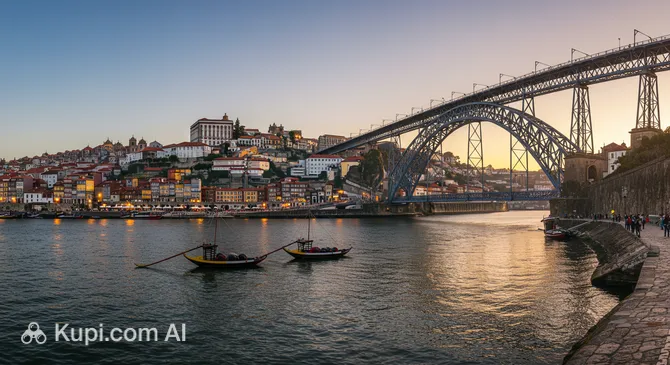
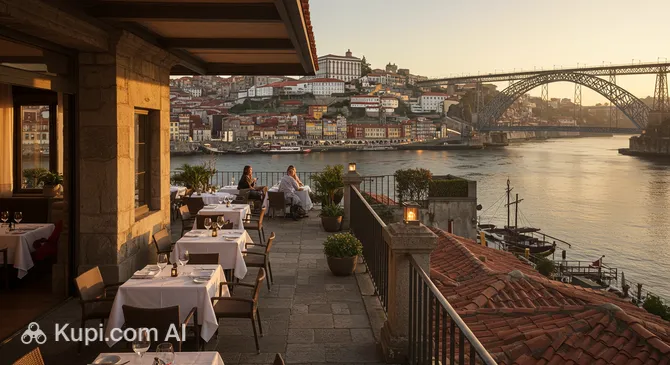
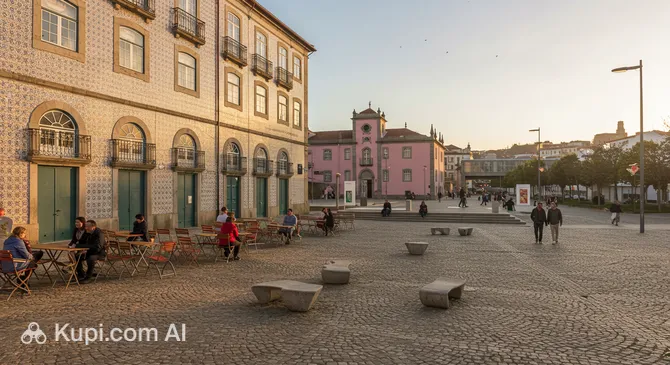
Porto is a captivating destination that effortlessly blends old-world charm with a contemporary buzz. As the second-largest metropolis in Portugal, it offers a unique atmosphere defined by its dramatic landscape, historic architecture, and the famous wine that bears its name. The city is renowned for its welcoming spirit, making it a favorite among travelers seeking both culture and relaxation.
Porto. Illustration.
Source: Kupi.com AI
Situated along the Douro River estuary in the northern part of the country, Porto is characterized by its rolling hills and scenic waterfronts. The history of Porto is deeply etched into its cobbled streets and granite buildings, with roots stretching back to Roman times. With a population of over 1.2 million in its metropolitan area, the city serves as a bustling economic and cultural hub while maintaining a distinct, traditional character.
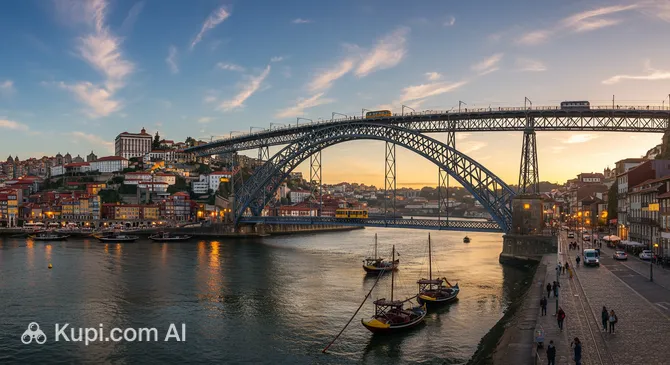
Visitors are often drawn to the picturesque Ribeira district, a UNESCO World Heritage site filled with colorful houses and lively cafes. The iconic Dom Luís I Bridge spans the river, connecting the city to the historic wine cellars of Vila Nova de Gaia. Whether you are admiring the intricate azulejo tiles at São Bento Station or tasting world-class Port wine, the city offers a wealth of unforgettable experiences.
Porto invites travelers to lose themselves in its winding alleys and enjoy its warm hospitality. It is a must-visit destination for anyone looking to explore the rich heritage and vibrant lifestyle of the Iberian Peninsula.
Weather Overview
Porto experiences a temperate maritime climate, characterized by warm, dry summers and mild, rainy winters. To help you choose the best time for your visit, it is beneficial to review the specific trends for the weather in Porto. The city generally offers comfortable conditions for exploration, though the seasons differ significantly in terms of precipitation.
The summer months, particularly July and August, are the warmest and driest, with average temperatures around 21°C and daily highs reaching just over 25°C. Rain is scarce during this period, with August seeing as few as 3 wet days. In contrast, the winter season from November to February brings cooler air and frequent showers; average temperatures sit between 10°C and 13°C, while months like December can experience up to 15 wet days.
Average monthly temperature
Average monthly precipitation
Interesting Facts
Beyond the famous wine cellars and the stunning riverfront, Porto holds many fascinating secrets and historical curiosities that often escape the casual observer. Digging a little deeper reveals a city rich in legends, unique traditions, and surprising architectural connections that define its distinct character.
The City that Named a Nation: It was not Lisbon, but Porto—specifically the ancient settlement of Portus Cale—that gave the entire country of Portugal its name. The region has been a pivotal hub since Roman times, eventually lending its identity to the nation born from its borders.
The "Tripe Eaters" Nickname: Locals are affectionately known as Tripeiros, or "tripe eaters." Legend has it that in 1415, the residents generously donated all their prime meat to supply the fleet for the voyages of discovery, keeping only the tripe for themselves. This act of sacrifice led to the creation of the city's signature dish, Tripas à Moda do Porto.
An Eiffel Connection: The city's skyline is defined by iron giants that resemble the Eiffel Tower for a reason. Gustave Eiffel himself worked in Porto, and his disciple, Teófilo Seyrig, designed the iconic Dom Luís I Bridge. This explains the striking structural similarities between Porto's bridges and the famous Parisian landmark.
A Royal Heart Preserved: While Portuguese monarchs are typically buried in Lisbon, Porto guards a unique royal relic. The heart of King Pedro IV is preserved in formaldehyde inside a golden urn at the Church of Lapa, honoring his wish to leave his heart to the city that stood loyally by him during the Liberal Wars.
Dom Luís I Bridge. Illustration.
Source: Kupi.com AI
Traveler photos:
How to Get There
Reaching this vibrant coastal city is quite convenient, with excellent connections to major international hubs. Whether you prefer flying directly into the region or traveling overland from neighboring areas, there are several viable options to suit your itinerary. You can read more about how to get to Porto to plan the most efficient route for your journey.
The most direct entry point is Porto Airport (IATA: OPO), which is conveniently situated just 10.9 km from the city center. As a large international facility, it handles a significant volume of passengers and offers a wide range of flight connections. The trip from the terminal to downtown is quick, typically taking around 36 minutes by taxi or bus. Alternatively, travelers often arrive via Lisbon Portela Airport (IATA: LIS) in Lisbon. Although it is located approximately 267 km away, it is the country's busiest airport and serves as a primary gateway. A transfer from Lisbon to Porto is efficient, taking approximately 3 hours by train or highway, making it a feasible option for those planning a broader tour of the country.
For clarity, here is a summary of the main airports:
For those arriving by train from the north or exploring the wider Iberian region, connections are available through nearby Spanish cities. One of the closest major hubs in this network is the Vigo Railway Station, located in the city of Vigo, roughly 120 km from Porto. While this station is not in Porto itself, it serves as a transit point for cross-border travelers. The journey from Vigo to Porto typically takes between 1.5 to 2 hours.
Below is a list of regional railway stations that may be relevant for your travel planning:
Porto is a city where history whispers from every corner, offering a diverse array of landmarks that range from baroque masterpieces to scenic waterfronts. Exploring its streets reveals a rich tapestry of architectural styles and cultural treasures that make it one of Europe's most intriguing destinations.
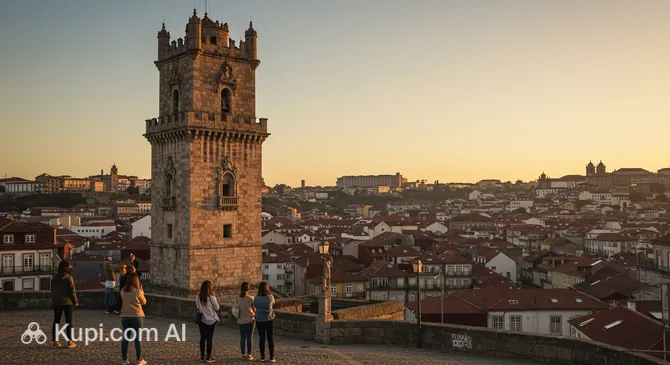
One of the most recognizable silhouettes in the skyline is the Clérigos Tower. Standing over 75 meters tall, this baroque bell tower is visible from almost anywhere in the city. Visitors who tackle the 200-step climb are rewarded with breathtaking 360-degree views of Porto’s red-tiled roofs and the river beyond. It is a defining symbol of the city and a testament to the 18th-century vision of architect Nicolau Nasoni.
Clérigos Tower. Illustration.
Source: Kupi.com AI
Traveler photos:
Down by the river lies the vibrant district of Ribeira, the historic soul of Porto. This UNESCO World Heritage area is a maze of narrow, winding medieval streets and alleyways that open up to the Douro River. Tourists flock here to admire the colorful, stacked houses, enjoy a meal at a riverside café, and soak in the lively atmosphere that persists day and night.
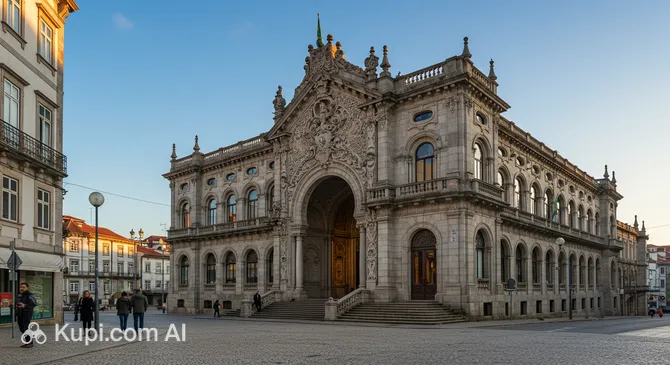
For a glimpse into the city's commercial grandeur, the Stock Exchange Palace (Palácio da Bolsa) is an essential stop. Built in the 19th century by the city's Commercial Association, this neoclassical monument dazzles visitors with its opulent interiors. The highlight is undoubtedly the Arabian Room, inspired by the Alhambra in Granada, which features intricate gilded stucco work that leaves a lasting impression of luxury and craftsmanship.
Stock Exchange Palace. Illustration.
Source: Kupi.com AI
Traveler photos:
Perched on a hill overlooking the city is the Porto Cathedral (Sé do Porto), one of the city's oldest and most important monuments. Originally built in the 12th century, this fortress-like structure blends Romanesque, Gothic, and Baroque architectural styles. Its terrace offers sweeping views over the old town and the river, while the cloisters inside are adorned with beautiful azulejo tiles depicting biblical scenes.
Nature lovers and those seeking a peaceful retreat should visit the Crystal Palace Gardens. These romantic gardens are designed in a mosaic of styles, featuring fountains, sculptures, and roaming peacocks. It is a perfect spot for a leisurely stroll, offering some of the best vantage points for admiring the Douro River and the bridges that span it.
Local Cuisine
The culinary landscape of Porto is as robust and characterful as the city itself, defined by hearty portions, fresh ingredients, and a deep respect for tradition. While the cuisine shares the national love for salted cod (bacalhau), the local gastronomy stands out with its own rich, comfort-food classics that are perfect for refueling after a day of navigating the hilly streets.
No visit to the city is complete without trying the Francesinha, a legendary sandwich that is virtually synonymous with Porto. This indulgent creation consists of toasted bread layered with wet-cured ham, linguiça (smoke-cured pork sausage), and steak or roast meat, all covered with melted cheese and drenched in a thick, hot tomato and beer sauce. It is often served with a side of french fries to dip in the sauce. Another staple is Tripas à Moda do Porto, a bean and tripe stew that dates back centuries and earned the locals their nickname, "Tripeiros."
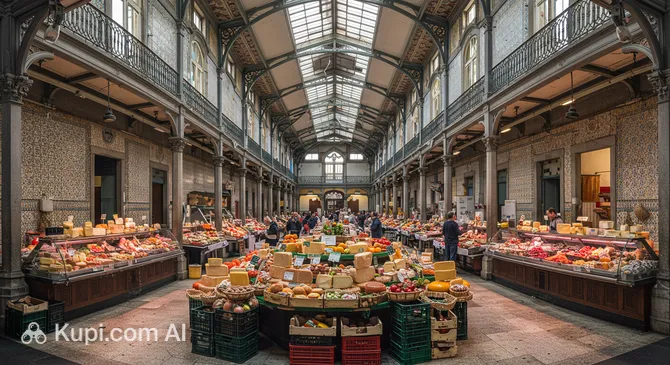
For seafood lovers, the proximity to the Atlantic ensures a steady supply of fresh fish. Grilled sardines are a summer favorite, especially during local festivals, while Bacalhau à Gomes de Sá—a casserole of cod, potatoes, onions, and hard-boiled eggs—is a beloved regional variation of the national dish. To experience the diversity of local flavors in one place, travelers often visit the Bom Sucesso Market. This modern indoor food hall offers a vibrant atmosphere where you can sample everything from gourmet cheeses to artisanal pastries.
Bom Sucesso Market. Illustration.
Source: Kupi.com AI
Traveler photos:
When it comes to drinks, the city's namesake, Port wine, takes center stage. This fortified wine, produced exclusively in the Douro Valley, is typically enjoyed as a dessert wine or an aperitif. Visitors can explore the history of this industry at WOW Porto – The Cultural District, a cultural hub dedicated to wine and cork. For a lighter option, Vinho Verde (green wine) is a young, slightly effervescent wine from the surrounding Minho region that pairs perfectly with seafood.
The dining scene ranges from humble, family-run tascas serving daily specials to high-end establishments. For those seeking a gastronomic experience with a view, The Yeatman offers refined cuisine that complements its extensive wine cellar. Conversely, for a more casual vibe, locals gather at spots like Aduela Bar to enjoy wine and light bites on the terrace, or Do Norte Café for a relaxed brunch. Whether sipping a cimbalino (espresso) at a historic café or dining by the river, eating in Porto is always a memorable event.
Travel Tips
Traveling to Porto is an exciting experience, but a little preparation goes a long way in navigating its steep streets and vibrant culture in Northern Portugal. To ensure your trip is as smooth and enjoyable as possible, here are some essential practical tips to keep in mind before you arrive.
Dress for the Hills and Weather: Porto is famous for its undulating terrain and traditional cobblestone pavements (*calçada*), so bringing comfortable, flat walking shoes with good grip is non-negotiable; high heels can be dangerous here. If visiting between October and April, pack a waterproof jacket or sturdy umbrella, as the Atlantic climate brings frequent rain, whereas summers require breathable fabrics and sun protection.
Mastering Transportation: While the historic center is compact enough to explore on foot, the steep inclines can be tiring. The Metro do Porto is a clean and efficient way to cover longer distances, including the trip to the airport; purchase a rechargeable Andante card for easy travel across zones. For navigating the hills, rideshare apps like Uber and Bolt are very affordable and often more convenient than finding parking for a rental car.
Currency and Payments: The official currency is the Euro (€). While credit and debit cards are widely accepted in hotels, restaurants, and shops, it is wise to carry some cash for small purchases at local tascas (taverns) or kiosks. ATMs, known as Multibanco, are plentiful; when withdrawing money, always choose to be charged in the local currency (EUR) to avoid poor exchange rates offered by the machine.
Health and Safety: Porto is generally a very safe city for tourists, but standard precautions against pickpocketing should be taken in crowded areas like the Ribeira district or on packed trams. Pharmacies (*Farmácia*) are easily identified by a green cross and are well-stocked with English-speaking staff often available. For any serious emergencies, dial 112 for immediate assistance.
Communication and Connectivity: Portuguese is the official language, and locals appreciate it if you use basic greetings like Bom dia (Good morning) or Obrigado/a (Thank you). English is widely spoken, especially in the hospitality sector, so you will rarely face language barriers. Free Wi-Fi is common in public spaces, but purchasing a local SIM card from providers like Vodafone or NOS is easy and ensures constant connectivity.
Dining and Social Etiquette: Portuguese people are polite and hospitable; a friendly handshake is a standard greeting. Dining is a leisurely affair, with lunch typically served from 1:00 PM to 3:00 PM and dinner often starting after 8:00 PM. Tipping is not mandatory, but leaving 5-10% of the bill for good service is a customary and appreciated gesture.
What to Avoid: Do not speak Spanish to locals assuming it is the same as Portuguese; while they may understand it, they generally prefer English if you do not speak their language. Additionally, try to avoid restaurants with large picture menus situated right on the main tourist drags, as these are often overpriced "tourist traps"—walking just a few streets back usually reveals better quality and authentic prices.
The Francesinha Strategy: If you plan to try the city's famous sandwich, the Francesinha, schedule it for lunch rather than dinner. It is an incredibly rich and heavy meal, and you will appreciate having the rest of the day to walk off the calories while exploring the city's stunning viewpoints (*miradouros*).
Porto’s charm lies in its relaxed pace and genuine atmosphere, and following these tips will help you blend in effortlessly with the locals. Embrace the steep climbs for the breathtaking views they offer, enjoy the rich local flavors, and you are sure to have an unforgettable adventure in this charismatic city.
Entertainment & Nightlife
Entertainment and Nightlife:
Porto transforms as the sun sets, shedding its traditional daytime demeanor to reveal a vibrant and energetic nightlife scene that rivals larger European capitals. The city's entertainment landscape is diverse, catering to those who enjoy a quiet glass of wine by the river as well as those looking to dance until dawn. The heart of the action is undoubtedly the Galerias de Paris street and its surrounding parallel roads. By day, this area is quiet, but at night, it becomes a bustling open-air party where crowds spill out from bars onto the streets, creating a festive and communal atmosphere.
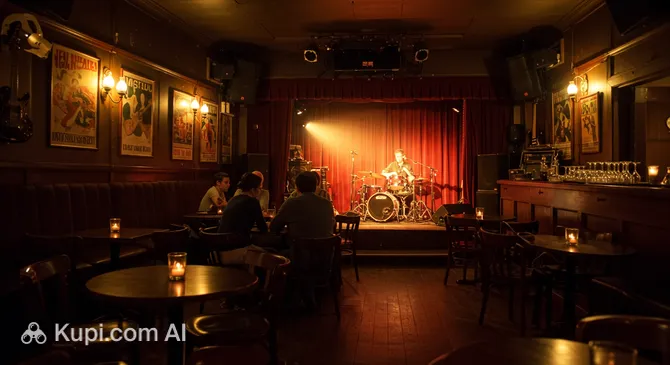
For a more relaxed evening, the city offers numerous spots to enjoy local wines and conversation. Aduela Bar is a local favorite, known for its laid-back vibe and outdoor seating that fills up quickly with a mix of students, locals, and travelers. It is the perfect place to start the night with a glass of green wine or a cocktail. If you prefer live music, the Hot Five Jazz & Blues Club is an institution in the city. Located in a slightly more secluded spot, this venue offers an intimate setting where top-tier musicians perform in a loft-style environment, making it a must-visit for music enthusiasts.
Hot Five Jazz & Blues Club. Illustration.
Source: Kupi.com AI
Traveler photos:
The nightlife culture in Porto is distinctly late-blooming. Bars typically do not get busy until after 11:00 PM, and nightclubs often remain empty until 2:00 AM, staying open until sunrise. The dress code is generally casual to smart-casual; while some upscale clubs in the Foz district might require a more polished look, most venues in the city center are welcoming and unpretentious. Prices are quite reasonable compared to other Western European cities, with beer and wine often costing just a few euros, though cocktails in trendy clubs will be priced higher.
Safety is rarely a major concern for those enjoying the nightlife, as the main entertainment districts are well-populated and lively. However, standard precautions apply: stick to well-lit streets when walking back and keep an eye on your belongings in crowded bars. Public transport options like the metro stop running around 1:00 AM, so for late-night travel, it is best to rely on ride-sharing apps like Uber or Bolt, which are plentiful, safe, and affordable.
Beyond the nocturnal excitement, Porto offers a wealth of daytime and evening cultural entertainment. The iconic Casa da Música is not only an architectural marvel but also the premier venue for concerts ranging from classical orchestras to contemporary jazz. For sports fans and history buffs, the FC Porto Museum provides a high-tech, immersive journey through the history of the city's beloved football club. Whether you are looking for high culture or high energy, the city ensures your itinerary is packed from morning until the early hours of the next day.
Parks & Museums
Beyond its granite monuments and riverside bustle, Porto offers a surprising abundance of lush green spaces and world-class cultural institutions. The city's parks provide peaceful retreats where nature meets the Atlantic, while its museums showcase everything from avant-garde art to interactive modern exhibits, reflecting the region's diverse heritage.
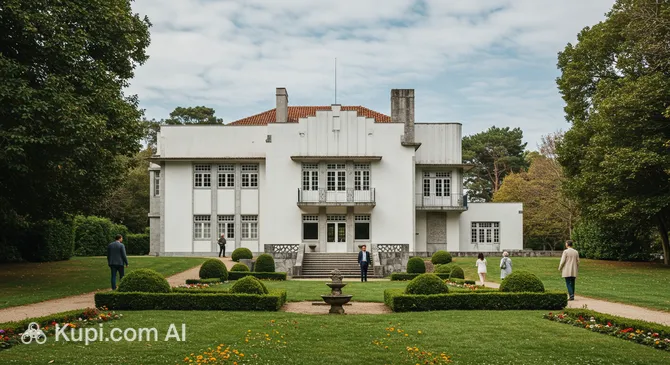
For a perfect blend of art and nature, Serralves Park is an unmissable destination. Spanning 18 hectares, this carefully manicured landscape ranges from formal French gardens to wilder woodlands and pastoral farmland. It is an integral part of the Serralves Foundation, which also houses a renowned Contemporary Art Museum. Within the grounds stands the Serralves House, a stunning example of Art Deco architecture. Visitors can explore the pink-hued mansion, wander the tree-top walkway for a unique perspective of the flora, or simply enjoy the tranquility of this cultural oasis.
Serralves House. Illustration.
Source: Kupi.com AI
Traveler photos:
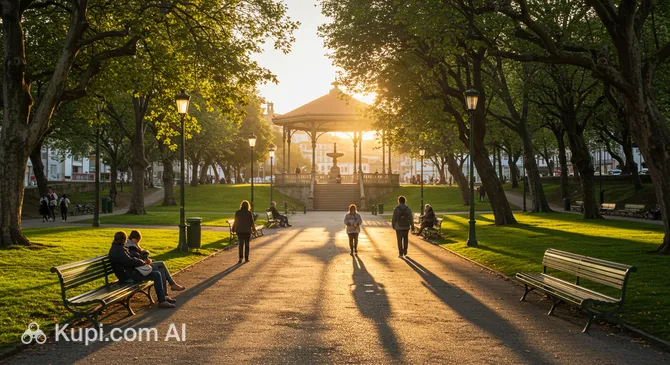
If you are looking for a more expansive natural escape, the Porto City Park (Parque da Cidade) is the largest urban park in the country. This vast green lung stretches all the way to the Atlantic Ocean, offering miles of walking and cycling paths, lakes, and picnic spots. It is a favorite among locals for weekend leisure, seamlessly connecting the urban environment with the beachfront. For wildlife enthusiasts, the nearby Douro Estuary Nature Reserve offers a protected sanctuary for migratory birds. It is a quiet, scenic spot ideal for birdwatching and enjoying the raw beauty of the river meeting the sea.
Porto City Park. Illustration.
Source: Kupi.com AI
Traveler photos:
While the city is steeped in history, its museum scene also embraces the modern and the playful. Apart from the serious art collections at Serralves, families and groups of friends often enjoy the 3D Fun Art Museum Porto. This interactive space is designed to trick the eye, featuring optical illusions and three-dimensional images that encourage visitors to become part of the art. It provides a lighthearted break from traditional sightseeing and offers plenty of photo opportunities.
For a touch of romance and a hidden gem often overlooked by the crowds, seek out the Nevogilde Pergola. Located along the Foz promenade, this neoclassical concrete balustrade was built in the 1930s and offers one of the most magical settings for watching the sunset over the ocean. Another charming spot in the city center is the Cordoaria Garden, known for its enchanting plane trees with unusually thick, twisted trunks that look like something out of a fairy tale.
Getting Around
Navigating Porto is relatively straightforward thanks to its modern and integrated public transport network, managed primarily by the Metro do Porto and the bus operator STCP. The metro system is the most efficient way to travel between the city center, the airport, and the surrounding suburbs. Despite its name, it functions more like a light rail or tram system for much of its network, running underground in the central areas and above ground elsewhere. It consists of six lines (A through F) that cover the most important tourist zones, making it a fast and reliable option for visitors.
For areas not reached by the metro, the distinct yellow and white STCP buses provide extensive coverage. They are particularly useful for reaching specific neighborhoods or traveling along the coast. A unique feature of the city's transport landscape is its historic tram network (*Elétrico*). While these vintage wooden trams (Lines 1, 18, and 22) are part of the public transport system, they are primarily used by tourists for scenic rides along the river or through the historic center, offering a charming, albeit slower, way to see the sights.
To tackle the city's steep geography, there are specialized modes of transport that save your legs from the exhausting climbs. The Funicular dos Guindais is a popular choice, connecting the riverside Ribeira district to the upper Batalha area in just a few minutes while offering spectacular views of the Dom Luís I Bridge. Across the river, although technically in Gaia, the Teleférico de Gaia (cable car) provides another scenic route, linking the waterfront promenade to the upper deck of the bridge.
The payment system is unified under the Andante card, a contactless smart card that can be used on the metro, STCP buses, and suburban trains. For tourists, the most convenient options are the Andante Tour cards, available for 24 or 72 hours, which offer unlimited travel across the entire network without the need to calculate zones. Alternatively, you can purchase a rechargeable blue Andante card and load it with individual trips (Z2 for the center, Z4 for the airport). Recently, the Anda mobile app has made things even easier for Android users, allowing payment via NFC without buying a physical card.
Tickets can be purchased at "Loja Andante" shops, automatic vending machines at metro stations, and some newsstands. A critical rule to remember is that you must validate your ticket before every single journey, including when changing lines or vehicles. Look for the yellow machines and tap your card or phone until the light turns green. Failure to validate can result in hefty fines, even if you have a valid pass loaded on your card.
Public transport generally operates from around 6:00 AM until 1:00 AM. Outside these hours, or for a more direct route, ride-sharing apps like Uber and Bolt are widely available and very affordable compared to many other European cities. These are often the best alternative for returning to your hotel late at night or if you simply want to avoid walking up the city's famously steep hills. Traditional beige or black-and-green taxis are also plentiful and can be hailed on the street or found at designated ranks.
Accommodation
Finding the perfect place to stay in Porto is an effortless part of the travel experience, as the city offers a wide spectrum of accommodation to suit every preference and budget. From charming, family-run guesthouses and lively hostels in historic buildings to modern apartments and opulent luxury resorts, the options are as varied as the city's architecture. Whether you are a backpacker looking for a social atmosphere or a couple seeking a romantic riverside retreat, Porto has a pillow with your name on it.
The location of your stay can significantly shape your experience. For first-time visitors, the Baixa (Downtown) and Aliados areas are incredibly convenient, placing you within walking distance of major landmarks and the central São Bento train station. If you prefer a picturesque, postcard-ready setting, the Ribeira district offers stunning views of the Douro River and immediate access to the bustling waterfront promenade. Alternatively, staying across the river in Vila Nova de Gaia provides a unique perspective, offering panoramic views of Porto’s skyline and easy access to the famous Port wine cellars.
The Yeatman. Illustration.
Source: Kupi.com AI
Traveler photos:
For those prioritizing a quieter or more local vibe, the Cedofeita and Boavista neighborhoods are excellent choices. These areas are slightly removed from the densest tourist crowds but remain well-connected by the metro. They are known for their trendy art galleries, concept stores, and cool brunch spots, offering a more contemporary slice of life in the city.
Regarding costs, Porto is generally considered more affordable than many other Western European destinations. Budget travelers can find excellent value in high-quality hostels, while mid-range hotels offer comfortable amenities at reasonable rates. However, prices can rise significantly during the peak summer months (July and August) and during the São João festival in June. Therefore, a key booking tip is to secure your accommodation well in advance if you plan to visit during these high-demand periods. Most bookings can be easily made via major online platforms, though checking direct websites for special offers is always a good practice.
Nearby Cities
For those looking to explore the surroundings, Porto serves as an excellent base for day trips to several interesting nearby locations:
Just across the Douro River lies Vila Nova de Gaia, a city inextricably linked to Porto yet possessing its own distinct character. It is world-famous for housing the historic Port wine cellars, where visitors can tour the lodges and enjoy tastings with spectacular views of Porto's skyline. Beyond the wine, Gaia offers a stunning coastline with Blue Flag beaches, such as Miramar, known for its picturesque chapel perched on a rock.
To the northwest is the coastal city of Matosinhos, easily accessible by metro and a favorite among locals for its gastronomy. It is widely regarded as the best place in the region to eat fresh fish and seafood, with numerous restaurants grilling the catch of the day right on the street. Matosinhos also boasts a broad, sandy beach that is popular with surfers and sunbathers, as well as the contemporary architecture of the Cruise Terminal.
These nearby destinations offer a glimpse into the diverse culture and landscapes of the region.
Shopping & Souvenirs
Shopping in Porto is a delightful mix of tradition and modernity, offering everything from historic grocery stores and artisanal workshops to sprawling contemporary malls. The city is renowned for its high-quality leather goods, cork products, and, of course, its world-famous wine. Whether you are looking for luxury brands or unique handcrafted souvenirs, the city provides a diverse retail landscape that caters to all tastes and budgets.
The heartbeat of the city's shopping scene is undoubtedly Rua de Santa Catarina. This bustling pedestrian street in the city center is lined with international high-street fashion chains, historic bookstores, and charming cafés. It is the perfect place to feel the pulse of the city while browsing the latest collections. For a more artisanal and boutique experience, head to Rua das Flores. This beautifully restored street is filled with independent shops selling jewelry, local crafts, and gourmet products, all set against a backdrop of historic architecture.
For those who prefer a comprehensive shopping experience under one roof, the city boasts several impressive shopping centers. NorteShopping is one of the largest and most popular malls in the region, featuring a vast array of stores, a cinema complex, and a food court designed to resemble a traditional loft. Another excellent option is MAR Shopping Matosinhos, which is part of a larger commercial complex that includes huge home furnishing stores and designer outlets, making it a convenient destination for a full day of retail therapy.
NorteShopping. Illustration.
Source: Kupi.com AI
Traveler photos:
Markets play a vital role in daily life here and offer a more authentic glimpse into local culture. The iconic Bolhão Market (Mercado do Bolhão) is a must-visit for fresh produce, flowers, and traditional atmosphere. For a more modern take on the market concept, the Bom Sucesso Market combines fresh food stalls with gourmet tasting counters, allowing you to shop for edible souvenirs like cheeses and sausages while enjoying a quick bite.
When it comes to souvenirs, Porto offers items that are deeply rooted in Portuguese heritage. A bottle of Port wine is the classic choice; you can find rare vintages in specialized cellars or wine shops throughout the city. Portugal is also the world's leading producer of cork, and you can buy high-quality, eco-friendly cork handbags, wallets, and accessories. For a unique cultural shopping experience, visit WOW Porto – The Cultural District. This cultural hub not only offers museums but also features specialized shops selling premium chocolates, wines, and cork fashion, ensuring you take home a piece of the region's legacy.
WOW Porto – The Cultural District. Illustration.
Source: Kupi.com AI
Traveler photos:
Most street shops are open from Monday to Saturday, typically between 10:00 AM and 7:00 PM, though many in tourist areas stay open later and may open on Sundays. Shopping malls usually operate daily from 10:00 AM until 11:00 PM or midnight. Major credit and debit cards are widely accepted, but it is always useful to carry some cash for smaller purchases in traditional markets or older shops.
Visitors from outside the European Union are eligible for VAT refunds on purchases that meet a minimum value threshold. Look for the "Tax Free" signage in store windows, and remember to ask for a tax-free form at the checkout. You can then validate these forms at the airport customs before leaving the EU to receive your refund.