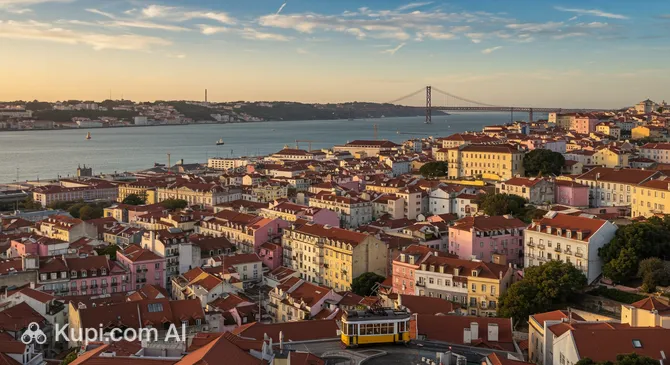
Lisbon, the sun-drenched capital of Portugal, is a city that effortlessly blends traditional heritage with striking modernism. Situated at the mouth of the Tagus River where it meets the Atlantic Ocean, it is widely recognized for its incredible light, limestone pavements, and laid-back atmosphere. With a metropolitan population of over 2.7 million people, it serves as the country's vibrant cultural and economic hub, offering a mild and sunny climate that attracts visitors year-round.
Lisbon. Source: Kupi.Binoculars
The history of Lisbon is deeply etched into its winding streets and grand plazas, making it one of the oldest cities in Western Europe. The city is famous for being built on seven hills, which are best navigated by the iconic yellow Tram 28. This vintage carriage rattles through the narrow, picturesque alleys of the Alfama district, the oldest quarter of the city, where the soulful sounds of Fado music often drift from local taverns.
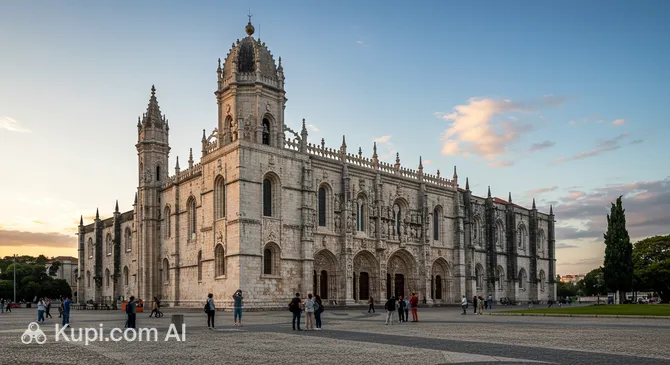
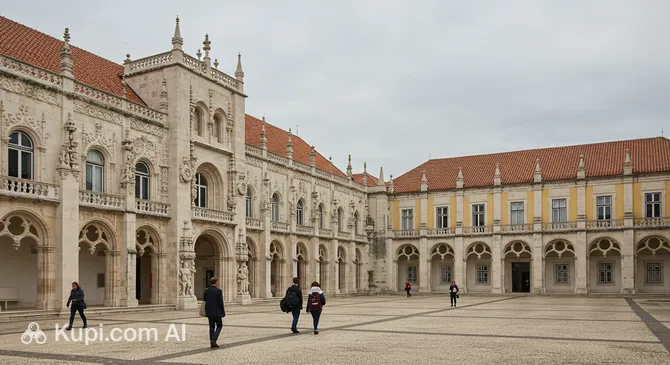
Travelers are drawn to the architectural marvels of the Belém district, home to the ornate Jerónimos Monastery and the historic Belém Tower, both of which symbolize the Age of Discoveries. Beyond sightseeing, the city invites you to indulge in its culinary delights, particularly the world-famous pastel de nata custard tarts. Whether you are exploring its historic neighborhoods or enjoying the view from a scenic miradouro, Lisbon promises an unforgettable experience full of charm and character.
Weather Overview
Lisbon enjoys a pleasant Mediterranean climate, characterized by warm, dry summers and mild winters with occasional rainfall. The city is known for its generous sunshine, making it an attractive destination year-round. If you are looking for the warmest conditions, July and August are ideal, boasting average temperatures of around 22°C and daily highs climbing to nearly 26°C. Remarkably, the data indicates that these summer months typically experience zero wet days, promising clear blue skies for your adventures.
The cooler season is quite gentle, with average temperatures in January and February settling between 12°C and 13°C. During this period, average minimum temperatures typically hover around 9°C to 10°C. However, visitors should pack an umbrella for the winter and early spring, as months like March and April can see up to 10 or 11 wet days. For a deeper dive into seasonal trends and packing tips, you can consult the guide to the weather in Lisbon. Overall, the transition months of May and September offer a comfortable middle ground, with averages around 18°C to 21°C and fewer rainy days.
Interesting Facts
Beyond the famous yellow trams and sunny viewpoints, Lisbon holds many fascinating secrets and historical curiosities. This ancient city is layered with stories that often surprise even the most seasoned travelers.
Jerónimos Monastery. Source: Kupi.Binoculars
The Birthplace of Famous Tarts: Portugal's beloved pastel de nata was originally created by monks at the Jerónimos Monastery in the Belém district. At the time, egg whites were used for starching clothes, and the monks developed this delicious custard recipe to ensure the leftover yolks did not go to waste.
A City of Ravens: The official symbol of Lisbon depicts a ship flanked by two ravens. This imagery stems from the legend of Saint Vincent, the city's patron saint, whose remains were said to be protected by ravens during their journey to the city. For centuries, a pair of these birds was even kept at the cathedral to honor the tradition.
Europe's Oldest Bookstore: Bibliophiles will be delighted to know that Lisbon is home to the oldest operating bookstore in the world. Livraria Bertrand, located in the Chiado neighborhood, was founded in 1732 and has remained open ever since, surviving the Great Earthquake and various historical shifts.
A Reminder of 1755: The devastating earthquake of 1755 destroyed much of the city, but the ruins of the Carmo Archaeological Museum were intentionally left unrepaired. The roofless nave of this former convent stands today as a hauntingly beautiful monument to that fateful event and the city's resilience.
Inspired by Rio: The towering Christ the King Sanctuary across the Tagus River might look familiar. It was built in 1959 after the Cardinal Patriarch of Lisbon visited Rio de Janeiro and was inspired by the Christ the Redeemer statue, creating a spiritual link between the two cities.
How to Get There
Reaching the vibrant capital of Portugal is straightforward, with excellent connections by air and land. Whether you are planning a direct flight or a scenic journey across the Iberian Peninsula, you can find all ways to reach the city and choose the option that best suits your itinerary.
The primary gateway for international travelers is Lisbon Portela Airport (IATA: LIS), located directly in Lisbon. Situated just 6.6 km from the city center, it is a large international hub welcoming millions of passengers annually. Due to its proximity, the transfer to the downtown area is quick; a taxi or bus ride typically takes about 30 minutes. For those exploring other parts of the country, Porto Airport (IATA: OPO) in Porto is another major entry point. Although it is approximately 283 km away, it serves as a key hub for the north. Alternatively, travelers heading to the south might use Faro Airport (IATA: FAO) in Faro, which is about 215 km from the capital.
For clarity, here is a summary of the main airports:
Airport Name
City
Passenger Traffic
Km from City
Lisbon Portela Airport
Lisbon
Large
6.6
Porto Airport
Porto
Large
283.2
Faro Airport
Faro
Medium
215.8
Badajoz Airport
Badajoz
Small
202.2
If you are traveling by train near the Spanish border, you might utilize the Badajoz Railway Station. Please note that this station is not in Lisbon but in the city of Badajoz, approximately 188 km away. From there, you can continue your journey by road, with a taxi or bus trip taking a few hours. Another option further inland is the Mérida Railway Station in Merida, located about 243 km from Lisbon.
Below is a list of these regional railway stations:
Station
City
Passenger Traffic
Km to Center
Mérida Railway Station
Merida
Medium
243.7
Cáceres Railway Station
Caceres
Medium
251.9
Huelva Station
Huelva
Medium
252.1
Badajoz Railway Station
Badajoz
Medium
188.4
Main Attractions
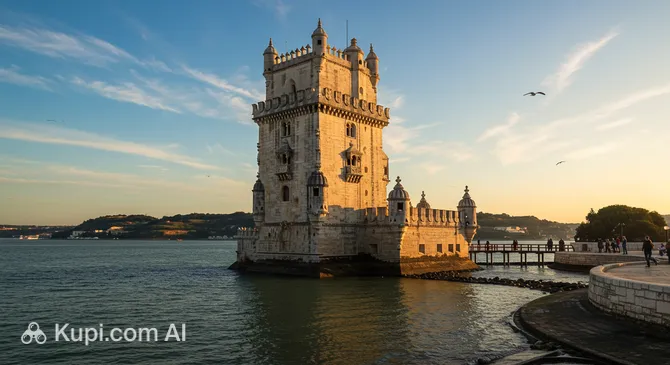
Lisbon offers a rich tapestry of sights, ranging from ancient fortifications to cutting-edge cultural hubs. A visit to the capital would not be complete without seeing the iconic Belém Tower. Standing guard at the mouth of the Tagus River, this UNESCO World Heritage site is a masterpiece of Manueline architecture. Built in the 16th century, it served as both a defensive fortress and a ceremonial gateway for Portuguese explorers setting off on their voyages. Visitors can admire the intricate stonework of its exterior or climb to the terrace for sweeping views of the river.
Belém Tower. Source: Kupi.Binoculars
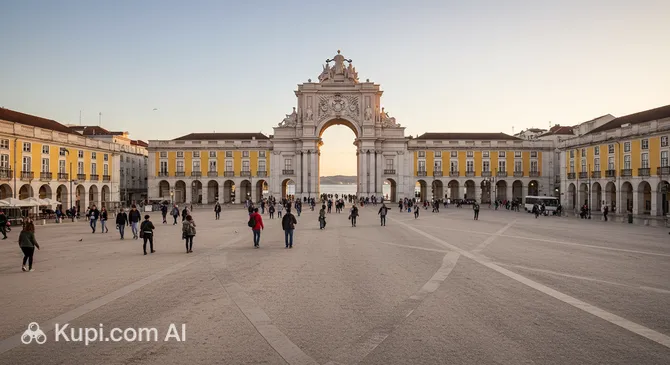
In the heart of the city lies the expansive Commerce Square, also known as Praça do Comércio. This grand riverside plaza was constructed on the site of the former royal palace following the 1755 earthquake. It is framed by elegant yellow buildings and arcades, serving as a majestic entry point to the downtown area. The square is anchored by the imposing Arco da Rua Augusta, a triumphal arch that visitors can ascend for a unique perspective over the bustling Baixa district.
Commerce Square. Source: Kupi.Binoculars
For a modern contrast to the historic center, the Parque das Nações district is home to the world-renowned Lisbon Oceanarium. Recognized as one of the largest aquariums in Europe, its centerpiece is a massive central tank that simulates the open ocean, housing sharks, rays, and sunfish. The facility is celebrated not only for its impressive architecture, which appears to float on water, but also for its dedication to marine conservation and education, making it a favorite for families.
Lisbon Oceanarium. Source: Kupi.Binoculars
Art lovers will find a haven at the Calouste Gulbenkian Museum, located within a serene garden setting. This institution displays the magnificent private collection of Calouste Gulbenkian, spanning over 4,000 years of history. The exhibits range from ancient Egyptian and Greco-Roman artifacts to Islamic art and European paintings by masters such as Rembrandt and Monet, offering a quiet and culturally enriching retreat from the city streets.
To experience the city's contemporary and creative side, travelers should explore the LX Factory. Situated in a revitalized industrial complex beneath the 25 de Abril Bridge, this trendy hub is filled with design studios, unique shops, and vibrant street art. It has become a culinary and cultural hotspot, known for its eclectic restaurants and one of the most beautiful bookstores in the country, perfectly showcasing the modern spirit of the capital.
Local Cuisine
Lisbon's cuisine is a soulful reflection of its maritime history, heavily reliant on fresh seafood, olive oil, and aromatic spices acquired during the Age of Discovery. The local food scene is unpretentious yet deeply flavorful, ranging from hearty traditional stews served in family-run taverns to contemporary dining experiences that celebrate high-quality ingredients. For visitors, eating here is not just about sustenance; it is a way to connect with the city's warm and inviting culture.
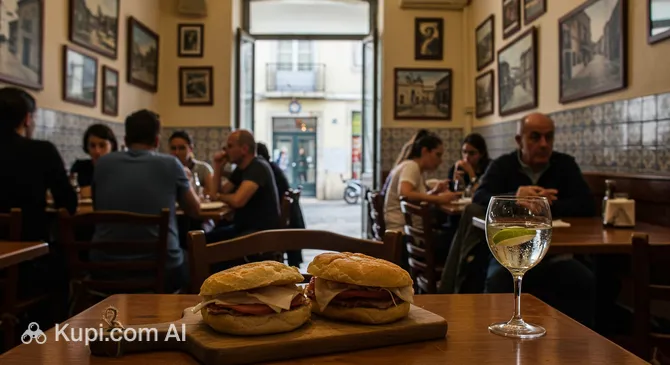
Codfish, or bacalhau, is the undisputed king of the Portuguese table, with locals claiming there are 365 ways to prepare it—one for every day of the year. A favorite variation is Bacalhau à Brás, a comforting mixture of shredded cod, onions, and thin potato fries bound together with creamy scrambled eggs and garnished with black olives. For meat lovers, the Bifana is a must-try street food staple. This succulent pork steak sandwich, marinated in garlic and wine, is best enjoyed with a dash of mustard or hot sauce.
Afonso's Bifanas. Source: Kupi.Binoculars
You can sample an authentic version of this sandwich at Afonso's Bifanas, a popular spot known for serving some of the best pork sandwiches in town. Another seasonal highlight is grilled sardines (sardinhas assadas), which are synonymous with Lisbon summers. particularly during the festivities of St. Anthony in June. During this time, the air in historic neighborhoods fills with the smoky scent of fish grilling over charcoal, typically served on a slice of bread to soak up the juices.
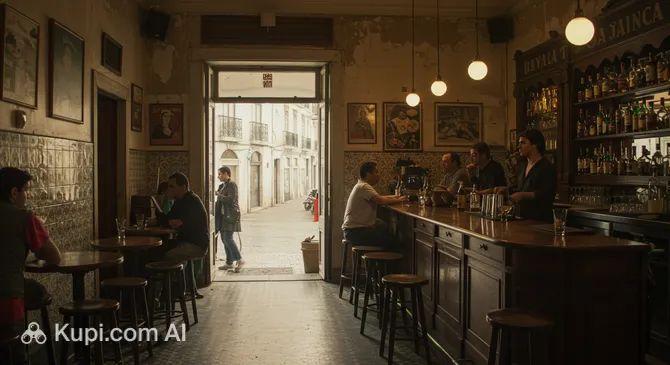
No culinary tour is complete without tasting Ginjinha, a sweet cherry liqueur that originated in this region. It is traditionally served in small shot glasses, sometimes with a ginja berry at the bottom, and is a beloved ritual for both locals and tourists. The historic bar A Ginjinha near Rossio Square is the spiritual home of this drink and a perfect place to experience the tradition standing at the counter.
A Ginjinha. Source: Kupi.Binoculars
Dining in Lisbon is often a social affair that stretches late into the evening. Locals frequent tascas, small traditional eateries that offer affordable, home-style meals and a lively atmosphere. For a shared dining experience, you might look for places serving petiscos—small plates similar to tapas—which allow you to taste a variety of flavors in one sitting. Establishments like Taberna Sal Grosso are excellent for trying these small dishes along with a glass of crisp Vinho Verde, the refreshing young wine that pairs perfectly with the city's cuisine.
Travel Tips
Visiting Lisbon is a delightful experience, but navigating the City of Seven Hills requires a bit of insider knowledge to ensure your trip runs smoothly. These practical tips will help you blend in with the locals, save money, and make the most of your time in the Portuguese capital.
Footwear and Clothing: The most important item in your suitcase should be a pair of comfortable, non-slip walking shoes. Lisbon is famous for its beautiful but slippery limestone pavements (calçada portuguesa) and steep hills, making high heels or flip-flops a dangerous choice. Even in summer, bring a light jacket or sweater, as the evenings can get breezy due to the Atlantic winds.
Getting Around: Public transportation is efficient and affordable. Purchase a reloadable Viva Viagem card at any metro station to use on the metro, buses, trams, and even urban trains. While the historic Tram 28 is a must-do, it is often packed; try riding it early in the morning or late at evening. Ride-hailing apps like Uber and Bolt are also widely available and often cheaper than traditional taxis.
Money Matters: The local currency is the Euro (€). While credit cards are widely accepted, it is essential to carry some cash for small family-run restaurants (tascas), kiosks, and small purchases. Look for ATMs marked Multibanco for the best exchange rates and lower fees. Tipping is not mandatory but is appreciated; rounding up the bill or leaving 5-10% for good service is standard practice.
Safety and Health: Lisbon is one of the safest capitals in Europe, but you should remain vigilant against pickpockets, especially on crowded trams (like Tram 28) and in busy tourist areas like Baixa and Chiado. Pharmacies are identified by a green cross and are well-stocked; for emergencies, dial 112. Avoid buying "sunglasses" or other items from street vendors who approach you in downtown squares.
Language and Connection: The official language is Portuguese, but English is widely spoken, especially by younger people and in the tourism sector. Locals appreciate it if you try a few words: say "Bom dia" (Good morning) and "Obrigado" (Thank you, if you are male) or "Obrigada" (if you are female). Free Wi-Fi is available in many public parks and cafes, but buying a local SIM card from Vodafone or NOS is easy and cheap.
Dining Etiquette: In many restaurants, waiters will bring bread, olives, cheese, or paté to your table before the meal. This is known as the couvert, and unlike in some other countries, it is not free. If you eat it, you pay for it; if you don't want it, simply politely decline or leave it untouched, and it will not be added to your bill.
What to Avoid: Do not speak Spanish to locals assuming it is the same language; while they may understand you, it can be seen as insensitive. It is better to speak English if you do not know Portuguese. Also, avoid eating dinner too early; most local restaurants only open around 7:00 PM or 7:30 PM, and the atmosphere really picks up after 8:30 PM.
By keeping these simple guidelines in mind, you will be well-prepared to embrace the relaxed rhythm of Lisbon life. Whether you are navigating the winding alleys of Alfama or enjoying a sunset by the Tagus River, a little preparation goes a long way in creating unforgettable memories.
Entertainment & Nightlife
Entertainment and Nightlife:
Lisbon is widely regarded as one of Europe’s most vibrant nightlife capitals, offering a diverse scene that caters to bohemian spirits, electronic music fans, and lovers of sophisticated cocktails. The city’s nightlife culture is distinctively social and often spills out onto the streets, thanks to the mild climate. The evening typically starts late; locals might meet for dinner around 9:00 PM, head to bars near midnight, and only make their way to nightclubs in the early hours of the morning.
The epicenter of Lisbon's bar scene is undoubtedly the Bairro Alto district. By day, it is a sleepy neighborhood of cobbled streets, but by night, it transforms into a bustling grid of small bars and taverns. Patrons usually grab a drink inside and stand outside to chat, creating a festive, block party atmosphere. Just a short walk downhill is Cais do Sodré, home to the famous "Pink Street" (Rua Nova do Carvalho). Once a red-light district, it has been reinvented as a trendy hub for late-night revelry, featuring some of the city's most popular clubs and music venues.
If you are looking for a more refined evening with exceptional drinks, CINCO Lounge is a standout choice. Known for introducing contemporary cocktail culture to the city, this venue offers a relaxed vibe where the focus is on the art of mixology rather than loud music, making it perfect for conversation. For those seeking a lively atmosphere with a touch of glamour, Ruby Rosa offers a unique setting to enjoy the night, often praised for its distinct decor and spirited ambiance.
CINCO Lounge. Source: Kupi.Binoculars
For a more traditional Portuguese experience, the Alfama district offers an alternative to the thumping bass of the clubs. Here, you can find Fado houses where soulful folk music is performed live, often accompanied by a candlelit dinner. This provides a deeply emotional and cultural evening that contrasts sharply with the modern energy of the riverfront venues. Music lovers should also check the schedule for the Altice Arena, one of the largest indoor arenas in the country, which regularly hosts major international concerts and events.
Regarding safety and logistics, Lisbon is generally safe at night, but standard precautions apply. In crowded nightlife areas like Bairro Alto and Cais do Sodré, keep a close eye on your belongings to avoid pickpockets. You may be approached by street vendors selling "sunglasses" or illicit substances; simply ignore them and keep walking, as these are often scams. Getting around is easy, with ride-hailing apps like Uber and Bolt being plentiful, safe, and relatively inexpensive compared to other European capitals. Public transport winds down around 1:00 AM, though night buses exist.
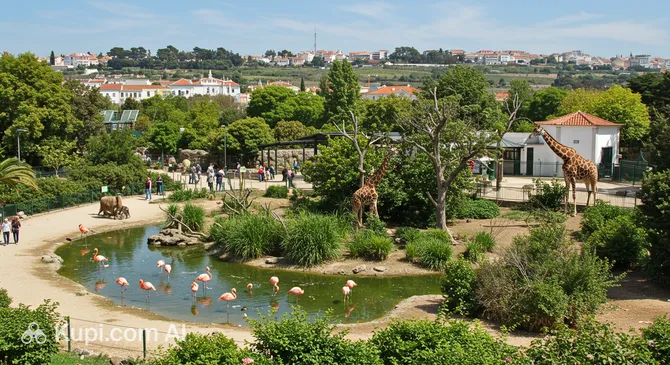
While the nights are energetic, the city also offers plenty of daytime entertainment. Families and nature enthusiasts can visit the Lisbon Zoo (Jardim Zoológico), which dates back to 1884 and focuses on conservation and education. For those seeking active fun, JumpYard Lisbon provides an exciting indoor trampoline park experience suitable for all ages. Whether you prefer exploring historical museums or enjoying adrenaline-filled activities, the capital ensures your days are just as engaging as your nights.
Lisbon Zoo. Source: Kupi.Binoculars
Parks & Museums
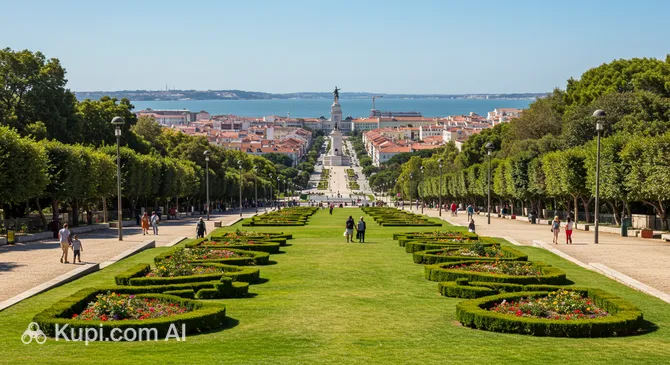
Lisbon balances its vibrant urban energy with lush green retreats and a museum scene that chronicles centuries of global exploration and artistic achievement. Visitors looking for a breath of fresh air in the city center will find Eduardo VII Park to be the perfect starting point. This massive geometric garden extends uphill from the Marquês de Pombal Square, offering one of the most iconic views over the downtown area and the river beyond. Within its grounds, you can also discover the Estufa Fria, a wonderful greenhouse complex filled with exotic plants, streams, and waterfalls that feels worlds away from the busy streets.
Eduardo VII Park. Source: Kupi.Binoculars
For those seeking a true escape into nature without leaving the city limits, Monsanto Forest Park is widely known as the "lungs of Lisbon." Covering a vast area of the Serra de Monsanto, this protected forest offers miles of hiking and biking trails, picnic spots, and panoramic viewpoints. It is a favorite weekend destination for locals looking to disconnect from the bustle and enjoy the shade of pine and eucalyptus trees.
Monsanto Forest Park. Source: Kupi.Binoculars
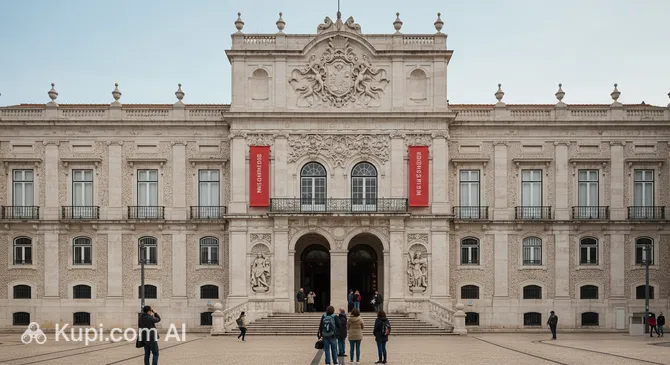
Culturally, the city is home to institutions of international renown that reflect its rich heritage. The National Museum of Ancient Art (MNAA) is often considered the jewel of Portugal's national collections. Housed in a 17th-century palace, it displays an extensive range of Portuguese and European paintings, sculpture, and decorative arts, including the famous "Panels of Saint Vincent," which offer a rare and detailed glimpse into 15th-century Lisbon society.
National Museum of Ancient Art. Source: Kupi.Binoculars
Another unmissable cultural stop, particularly for those interested in the grandeur of the past, is the National Coach Museum in the Belém district. This unique museum holds one of the finest collections of historical carriages in the world, showcasing the ostentatious wealth of the Portuguese royalty from the 16th to the 19th centuries. The intricate woodwork, gold leaf, and velvet interiors of these ceremonial vehicles are truly mesmerizing and provide a tangible link to the monarchy's history.
National Coach Museum. Source: Kupi.Binoculars
For a deeper dive into the country's maritime connections, the Museum of the Orient is a fascinating venue located in a converted warehouse on the waterfront. It highlights the enduring ties between Portugal and Asia, featuring exquisite artifacts from Macau, Timor, Japan, and India. As an insider tip, try to visit the rooftop restaurant or terrace here; it offers a quiet and stunning view of the 25 de Abril Bridge and the Tagus River that many tourists miss while rushing to other sights.
Getting Around
Navigating Lisbon is an adventure in itself, thanks to a comprehensive and diverse public transport network that masters the city's unique topography. The backbone of the system is the Metro, which is modern, clean, and efficient. It consists of four color-coded lines (Blue, Yellow, Green, and Red) that connect the city center with residential areas and the airport. For destinations not served by the subway, the yellow Carris buses cover an extensive network. While standard buses serve main avenues, smaller minibuses navigate the tighter neighborhood streets, ensuring that even the more secluded areas are accessible.
One of the most distinctive features of the city's transport is its historic fleet. The famous yellow trams (elétricos) are not just tourist attractions but essential means of daily travel for locals living in the hilly districts. Tram 28 is the most renowned, but Tram 15 is a modern, articulated vehicle that frequently connects the downtown area to the Belém district. To conquer the steepest inclines, the city relies on funiculars (ascensores) like Glória, Bica, and Lavra, as well as the vertical Santa Justa Lift. Additionally, in the modern Parque das Nações district, a cable car offers scenic rides along the riverfront.
The payment system is integrated and user-friendly, revolving around the reusable Viva Viagem or Navegante card. You can purchase this paper smart card for a nominal fee at metro stations and kiosks and load it with credit. The "Zapping" option is highly recommended for tourists, as it allows you to pay as you go with a pre-loaded monetary value at a discounted rate across different transport modes, including trains and ferries. Alternatively, a 24-hour pass is available, offering unlimited travel on the metro, buses, and trams, which is perfect for days packed with sightseeing.
For a smooth experience, it is best to buy your tickets or top up your card at the multilingual vending machines found in all metro stations before boarding. While you can buy tickets from bus and tram drivers, it is significantly more expensive and requires cash. Remember to validate your card by tapping it on the yellow readers immediately upon entering buses and trams, and at the gates when entering and exiting the metro. The metro typically operates from 6:30 AM to 1:00 AM, while bus schedules vary, with a network of night buses taking over during the early hours.
If you prefer more direct or private travel, alternatives are plentiful. Taxis are widely available and are generally beige or black with a green roof; they are metered and reasonably priced. For added convenience, ride-sharing apps like Uber and Bolt are extremely popular and often offer shorter wait times. For those who enjoy active travel, the Gira bike-sharing system provides electric and classic bicycles at docking stations throughout the city, making it easy to cycle along the flat riverside paths.
Accommodation
Where to Stay:
Finding the perfect place to stay in Lisbon is relatively easy, as the city offers a diverse spectrum of accommodation to suit every preference and budget. The options range from some of the world's most highly-rated hostels—often housed in beautifully restored historic buildings—to charming boutique guesthouses and opulent five-star hotels. In recent years, short-term apartment rentals have also become increasingly popular, providing visitors with a "home away from home" experience in typical Portuguese neighborhoods.
For first-time visitors, the districts of Baixa and Chiado are often the most convenient choices. Staying here places you right in the heart of the action, within walking distance of major sights, shops, and transport hubs. If you prefer a more atmospheric and traditional setting, the winding streets of Alfama offer a romantic backdrop, though be prepared for steep hills and limited car access. Conversely, those seeking luxury and high-end shopping might prefer the elegant avenue of Avenida da Liberdade, while nightlife enthusiasts often gravitate towards Bairro Alto or Cais do Sodré.
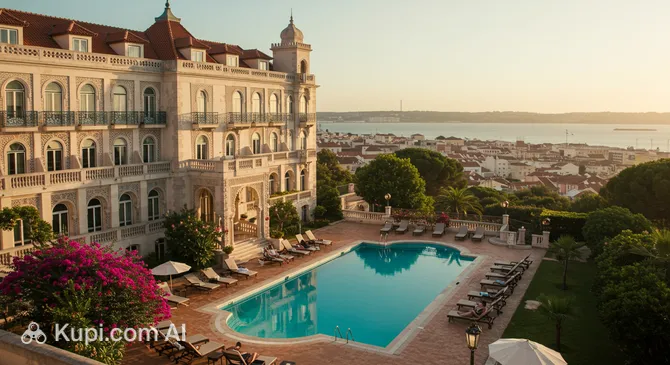
Travelers looking for an exceptional stay can find several distinguished properties throughout the city. For a truly luxurious experience nestled in a quiet diplomatic quarter, the Lapa Palace Hotel is a standout choice. This resort hotel is celebrated for its lush sub-tropical gardens and classic elegance, offering a serene retreat just a short distance from the city center.
Lapa Palace Hotel. Source: Kupi.Binoculars
Another notable option for those seeking comfort and extensive amenities is the Lisbon Resort. Establishments like these typically provide a full range of services, ensuring a relaxing environment after a day of exploring the seven hills.
Regarding costs, Lisbon remains one of Western Europe's more affordable capitals, though prices have risen with its popularity. Budget travelers can find dormitory beds or simple rooms at very reasonable rates, while mid-range hotels offer excellent value, often including breakfast. However, demand peaks significantly during the summer months (June to August) and major holidays. Booking tip: To secure the best rates and availability, it is highly recommended to book your accommodation several months in advance, especially if you plan to visit during the popular Saint Anthony festivities in June.
Most reservations can be easily made through major online booking platforms, which offer the flexibility to compare prices and read recent reviews. Direct booking with hotels is also common and can sometimes yield special perks or better cancellation policies.
Nearby Cities
For those looking to explore the surroundings, Lisbon serves as an excellent base for day trips to several interesting nearby locations:
One of the most popular destinations is Sintra, a fairy-tale town nestled in the cool, verdant hills just west of the capital. Known for its romantic 19th-century architecture, it is home to the colorful Pena Palace and the mysterious Quinta da Regaleira. The town's misty forests and historic estates offer a magical atmosphere that contrasts sharply with the urban energy of Lisbon, making it a must-visit UNESCO World Heritage site.
For a coastal escape, Cascais offers a perfect blend of maritime charm and royal elegance. Once a humble fishing village and later a summer retreat for the Portuguese nobility, it features beautiful sandy beaches, a bustling marina, and a picturesque historic center. Visitors can stroll along the seaside promenade, explore the Citadel, or simply enjoy fresh seafood while gazing at the Atlantic Ocean.
Just across the Tagus River lies Almada, which provides some of the most spectacular panoramic views of Lisbon's skyline. A short ferry ride to the Cacilhas district allows travelers to visit the iconic Christ the King statue (Cristo Rei) and enjoy a relaxed lunch at one of the many riverside restaurants known for their authentic local dishes.
City
Population
Distance (km)
Loures
205054
12
Almada
177268
6
Amadora
175136
8
Oeiras
172120
16
Seixal
158269
10
These nearby destinations offer a glimpse into the diverse culture and landscapes of the region.
Shopping & Souvenirs
Shopping in Lisbon is a delightful mix of the traditional and the contemporary, offering everything from historic family-run shops to sprawling modern complexes. The city is renowned for its high-quality craftsmanship, particularly in cork, ceramics, and textiles. Whether you are looking for luxury international brands, unique vintage finds, or locally made handicrafts, the Portuguese capital provides a diverse retail experience that caters to all tastes and budgets.
The heart of the city's shopping scene lies in the Baixa and Chiado districts. In Baixa, the pedestrianized Rua Augusta is lined with a variety of high-street fashion chains, souvenir shops, and traditional haberdasheries. A short walk uphill leads to Chiado, an elegant neighborhood known for its historic bookstores, porcelain shops, and sophisticated boutiques. For those seeking luxury, Avenida da Liberdade is the place to be. This tree-lined boulevard is often compared to the Champs-Élysées and is home to prestigious designer labels and upscale fashion houses.
For a comprehensive shopping experience under one roof, the city boasts several impressive malls. One of the most popular is the Colombo Shopping Centre, located next to the Benfica stadium. As one of the largest shopping malls in the Iberian Peninsula, it features over 300 stores, a multitude of restaurants, and a cinema complex, making it a convenient one-stop destination for visitors.
Colombo Shopping Centre. Source: Kupi.Binoculars
Markets are also an integral part of Lisbon's culture. The Feira da Ladra, or "Thief's Market," is a legendary flea market held on Tuesdays and Saturdays in the Alfama district. Here, you can hunt for antiques, second-hand books, and quirky collectibles. For food lovers, the Mercado da Ribeira (Time Out Market) near Cais do Sodré is a must-visit. While primarily a food hall showcasing the city's best chefs, it also features stalls selling local products like canned fish, wines, and chocolates.
When it comes to souvenirs, authentic local goods are the best choice. Portugal is the world's largest producer of cork, and you can find beautifully crafted bags, wallets, and accessories made from this sustainable material. Azulejos (ceramic tiles) are another iconic keepsake; look for hand-painted tiles or ceramics from reputable workshops. Canned sardines in colorful, retro packaging also make for charming and tasty gifts, alongside embroidered linens and bottles of Port wine or Ginjinha.
Most street shops are open from Monday to Saturday, typically from 10:00 AM to 7:00 PM, though some in tourist areas may stay open later and on Sundays. Shopping malls usually operate daily until 11:00 PM or midnight. Major credit and debit cards are widely accepted, but it is useful to have cash for small purchases at markets or older kiosks. Visitors residing outside the European Union may be eligible for Tax-Free shopping on purchases over a certain amount; look for the "Tax Free" signage in store windows to request the necessary forms.