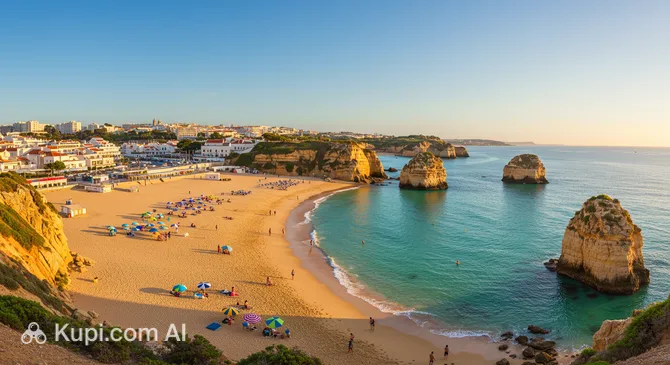
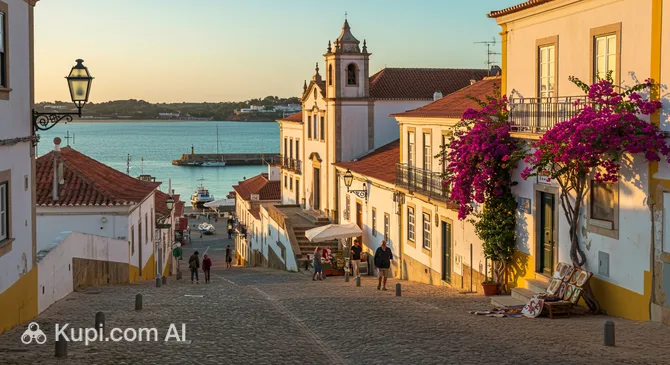
Welcome to Portimão, a vibrant coastal city that perfectly blends traditional Portuguese heritage with the energy of a modern tourist destination. Located in the sun-drenched Algarve region of Portugal, this bustling port city sits on the estuary of the Arade River. With a population of approximately 55,000 residents, it is one of the largest and most significant urban centers in the south, offering a lively atmosphere year-round.
The city is renowned for its golden beaches and dramatic cliffs, but it also boasts a rich cultural past. Originally a center for shipbuilding and sardine fishing, the history of Portimão is deeply intertwined with the sea. Visitors can still see traces of this maritime legacy in the restored architecture and the famous old canning factories that have been repurposed into cultural spaces.
Portimao. Illustration.
Source: Kupi.com AI
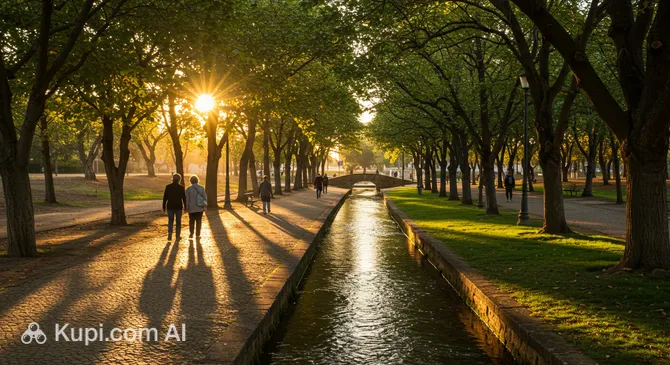
One of the city's biggest draws is Praia da Rocha, a stunning beach backed by ochre-colored limestone cliffs and teeming with restaurants and bars. Beyond the coastline, the riverside promenade offers a relaxing place to stroll, while the city center invites exploration with its pedestrian shopping streets and historic squares. Don't miss the chance to taste the local cuisine, particularly the celebrated grilled sardines, which are a staple of the region's gastronomy.
Whether you are looking to relax on pristine sands, explore fascinating museums, or enjoy a vibrant nightlife, Portimão provides an unforgettable backdrop for your holiday. Its unique combination of natural beauty and urban convenience makes it an ideal base for discovering the wonders of the Algarve.
Weather Overview
Portimão benefits from a pleasant climate characterized by long, sunny summers and mild winters, typical of the Algarve region. During the peak summer months of July and August, average temperatures climb to around 23.5°C, with daytime highs often reaching nearly 29°C. These months are exceptionally dry, with data showing almost no wet days, making it the perfect time for enjoying the city's famous coastline.
The cooler season brings a shift in conditions, though it remains comfortable compared to many other European destinations. In January, the average temperature hovers around 12°C, with nights cooling down to approximately 8.4°C. Rainfall becomes more frequent during the transitional spring and autumn months; for instance, March and April can experience up to 10 wet days.
Generally, you can expect warm summers with clear skies and mild winters with occasional rain. To help plan your activities and packing list, check the detailed guide to the weather in Portimão.
Average monthly temperature
Average monthly precipitation
Interesting Facts
Beyond the golden beaches and bustling marina, Portimão holds fascinating stories that reveal its deep connection to the sea and its evolution through history. From industrial heritage to underwater secrets, the city offers curious travelers plenty of surprises to uncover.
Portimão Museum. Illustration.
Source: Kupi.com AI
Traveler photos:
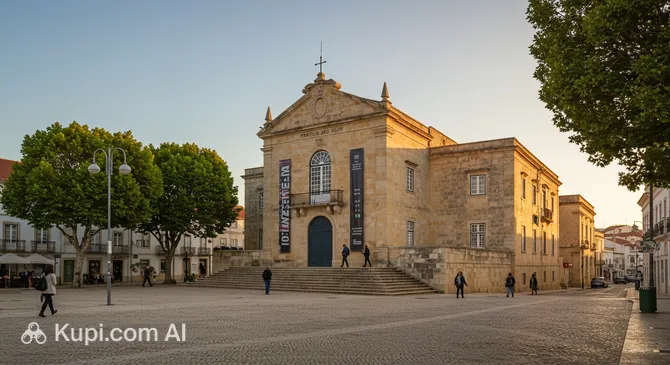
Portimão was once hailed as the sardine capital of the Algarve, with a massive canning industry that defined its economy for decades. The award-winning Portimão Museum is remarkably housed inside the restored Feu Hermanos canning factory, where the original production lines and underground cisterns have been preserved to tell this industrial tale.
Just off the coast lies a spectacular secret hidden beneath the waves: the Ocean Revival Park. This site features four Portuguese Navy warships that were deliberately sunk to create a massive artificial reef, establishing it as one of the most unique diving destinations in Europe.
The city's skyline is frequently topped by the massive nests of white storks, which have become a permanent fixture in the urban landscape. Unlike in other regions, many of these birds have stopped migrating and reside here year-round, often perching their homes on the tall chimneys of old factories and church spires.
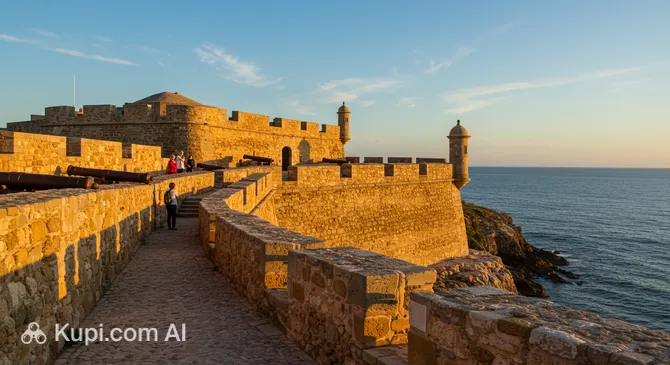
The Fortress of Santa Catarina, standing guard at the mouth of the Arade River, has a unique origin story involving the local community. It was constructed in the 17th century with significant help from local fishermen and residents who were desperate to protect their town and livelihoods from frequent pirate attacks.
How to Get There
Reaching the sunny coast of the Algarve is straightforward, with several convenient options available for travelers. Whether you prefer flying into a nearby international hub or traveling overland, you can easily plan your journey to this beautiful destination. For a complete overview of all transport methods, routes, and tips, be sure to read more about how to get to Portimao.
The city of Portimao does not have its own international airport, but it is very well served by Faro Airport (IATA: FAO), located in the city of Faro, approximately 53 km away. As the main gateway to the region, it handles a large volume of passengers and offers numerous connections. The journey from Faro to Portimao typically takes about 45 to 60 minutes by taxi or shuttle via the A22 motorway. Alternatively, for those arriving from further afield, Lisbon Portela Airport (IATA: LIS) in Lisbon is a major option. Although it is located about 190 km from Portimao, it connects to destinations worldwide. The drive from Lisbon takes approximately 2.5 hours, and there are also direct bus and train connections available.
For clarity, here is a summary of the main airports:
Travelers considering arrival by train from neighboring Spain can utilize major rail hubs across the border. The Santa Justa Railway Station (IATA: XQA) is located in Seville, roughly 229 km from Portimao. It is a significant station with high passenger traffic, serving as a key entry point for the region. From Seville, you can continue your journey by bus or rental car, which takes around 2.5 to 3 hours. Another option is the Huelva Station in Huelva, situated about 141.5 km away, offering a closer link for those coming from the Spanish border region.
Below is a list of the nearest major railway stations listed in the region:
One of the most iconic landmarks in the city is the Fortress of Santa Catarina. Built in the 17th century to defend the mouth of the Arade River from pirates and corsairs, this fortification offers some of the best panoramic views in the region. Visitors can walk along its historic walls and enjoy a breathtaking perspective of the marina, the vast ocean, and the golden sands of Praia da Rocha below.
Fortress of Santa Catarina. Illustration.
Source: Kupi.com AI
Traveler photos:
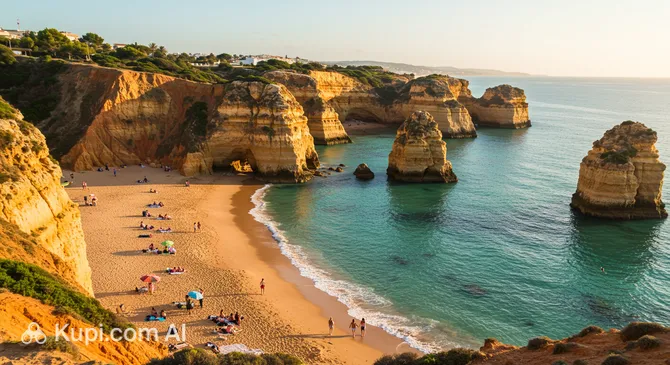
For nature lovers and beachgoers, Three Brothers Beach (Praia dos Três Irmãos) is a must-visit destination. Famous for its distinctive rock formations and hidden caves, this beach provides a picturesque setting that feels secluded despite its popularity. It is an excellent spot for exploring the rugged coastline, sunbathing in sheltered coves, or capturing stunning photographs of the Algarve's characteristic limestone cliffs.
Three Brothers Beach. Illustration.
Source: Kupi.com AI
Traveler photos:
Just across the river lies the charming Ferragudo Historic Centre, which is often explored by visitors staying in Portimão. This traditional fishing village has maintained its old-world charm, featuring whitewashed houses, narrow cobbled streets, and flower-filled balconies. A stroll to the church at the top of the hill rewards travelers with a magnificent view of the river estuary and the city skyline across the water.
Ferragudo Historic Centre. Illustration.
Source: Kupi.com AI
Traveler photos:
In the heart of the city, the Church of Our Lady of the Conception stands as a testament to the region's resilience. While much of the original 15th-century structure was destroyed in the 1755 earthquake, the beautiful Gothic portal survived and remains a significant architectural highlight. The church is the main religious building in the city and offers a peaceful retreat with its artistic tile work and serene atmosphere.
Local Cuisine
Portimão is widely regarded as the sardine capital of the Algarve, making it a true paradise for seafood lovers. The city's gastronomy is deeply rooted in its maritime history, offering fresh flavors that come straight from the Atlantic Ocean to your plate. The dining scene is diverse, ranging from humble riverside tascas (taverns) serving the catch of the day to sophisticated establishments that reinvent traditional recipes with a modern twist.
The undisputed star of the local menu is the grilled sardine (sardinha assada). This simple yet delicious dish is best enjoyed during the summer months when the fish are at their plumpest and most flavorful. Traditionally, they are charcoal-grilled with coarse salt and served on a slice of homemade bread, which soaks up the savory oils, or accompanied by boiled potatoes and a roasted pepper salad. The riverside promenade is the most famous spot to indulge in this local ritual, where the aroma of grilling fish fills the air.
Beyond sardines, visitors should try the Cataplana, a rich seafood stew named after the unique clam-shaped copper vessel it is cooked in. This dish typically combines clams, prawns, and fish with chorizo, tomatoes, and herbs, steaming them to perfection to seal in the juices. For dessert, the region offers delightful almond and fig confections, such as Dom Rodrigos (sweet egg threads with almond) or Morgados, which reflect the historical Moorish influence on the area's culinary heritage.
To accompany these meals, the Algarve produces excellent regional wines, ranging from crisp whites to robust reds that pair perfectly with seafood. However, the most traditional way to end a meal is with a glass of Medronho. This potent fruit brandy is distilled from the berries of the arbutus tree, which grows wild in the surrounding hills. It is a fiery digestif that is considered a symbol of warm local hospitality.
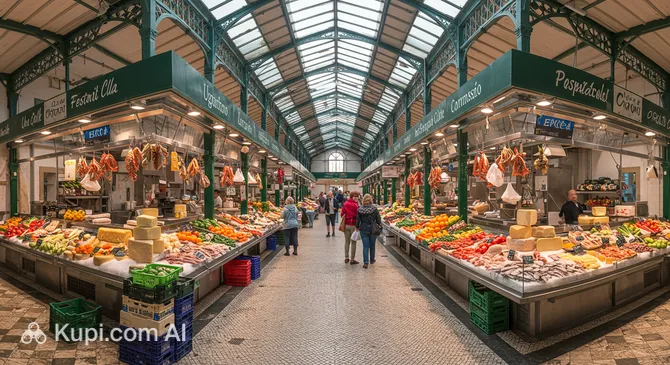
For a true taste of local life, a visit to the Portimão Municipal Market is essential. Here, you can witness the incredible variety of fish and seafood caught just hours before, alongside fresh fruits and vegetables from the countryside.
Portimão Municipal Market. Illustration.
Source: Kupi.com AI
Traveler photos:
When looking for a memorable place to dine, you might explore the city center's cobbled streets where establishments like Casa da Tocha offer a cozy atmosphere and a menu that highlights the best of Portuguese flavors. Whether you are grabbing a quick bite at a bustling market stall or enjoying a long dinner near the water, the food in Portimão is always served with pride and authenticity.
Travel Tips
Planning a trip to Portimão is the first step toward a memorable holiday, but knowing a few insider details can make your experience significantly smoother. Here is some practical advice to help you navigate the city comfortably and enjoy your time in the Algarve to the fullest.
Clothing and Gear: In the summer, lightweight, breathable clothing and swimwear are essential, along with a hat and high-factor sunscreen to protect against the strong sun. If you visit during the cooler months, bring layers and a waterproof jacket, as evenings can be chilly and rain is possible. Since the historic center features traditional cobblestone pavements, pack comfortable walking shoes and save the high heels for seated dinners.
Transportation: The city is served by a convenient local bus network known as Vai e Vem, which connects the residential areas, the city center, and the beaches. For more direct travel, ride-hailing apps like Uber and Bolt are widely available and often cheaper than traditional taxis. While renting a car is great for exploring the wider region, be aware that parking near Praia da Rocha can be extremely difficult and expensive during July and August.
Finances: The local currency is the Euro (€). While most hotels, restaurants, and shops accept international cards, it is advisable to carry some cash for small purchases at kiosks, markets, or smaller cafés. ATMs, known as Multibanco, are ubiquitous. Tipping is not mandatory but is customary for good service; rounding up the bill or leaving 5-10% is appreciated.
Health and Safety: Portimão is a safe destination, but it is always wise to keep an eye on your belongings in crowded tourist spots like the marina or busy beaches. Pharmacies are marked with a green cross and are generally open during business hours, with a rotating "Farmácia de Serviço" available for emergencies at night. The general emergency number for police or ambulance is 112.
Communication: Portuguese is the official language, but English is spoken very widely, especially in the hospitality sector. Locals are friendly and appreciate it if you try a few basic words: say Olá for "Hello" and Obrigado (if you are male) or Obrigada (if you are female) for "Thank you." Free Wi-Fi is commonly found in cafes, hotels, and some public squares.
Local Etiquette: Portuguese culture values politeness. A handshake is the standard greeting for strangers, while two kisses on the cheek are common among friends. When visiting religious sites, such as the main church, respect the local norms by dressing modestly; avoid wearing beachwear inside town shops or restaurants away from the immediate beachfront.
What to Avoid: Do not assume that speaking Spanish is the best way to communicate if you don't speak Portuguese; while locals might understand, they generally prefer English over Spanish. Additionally, avoid walking on the cliffs outside of marked paths, as the limestone edges can be unstable and dangerous.
Local Insight: If you plan to shop at the municipal market or smaller local boutiques, keep in mind that many family-run businesses close for a long lunch break, typically between 13:00 and 15:00. Plan your shopping for the morning or late afternoon to avoid disappointment.
With these practical tips in hand, you are well-prepared to relax and explore everything this sunny coastal city has to offer. Whether you are bargaining at the market or catching a bus to the beach, you will feel right at home in the welcoming atmosphere of Portimão.
Entertainment & Nightlife
When the sun sets over the Atlantic, Portimão transforms into one of the Algarve's most exciting nightlife hubs. The city offers a diverse evening scene that caters to all tastes, from those seeking a relaxed sunset cocktail to party-goers looking to dance until dawn. The nightlife is primarily concentrated in two distinct areas: the bustling strip of Praia da Rocha and the charming, slightly more laid-back streets of Alvor.
Praia da Rocha is the epicenter of high-energy entertainment. The main avenue, Avenida Tomás Cabreira, runs parallel to the beach and is packed with bars, open-air terraces, and nightclubs. In the summer months, this street is vibrant and crowded, filled with music spilling out from every doorway. Here, you will also find the Hotel Algarve Casino, which offers dinner shows, gaming rooms, and live entertainment, adding a touch of glamour to the district.
For a slightly different vibe, many visitors head to the nearby village of Alvor, which is part of the Portimão municipality. The nightlife here centers around its narrow, pedestrian-friendly streets, which are lined with Irish pubs, karaoke bars, and live music venues. It attracts a mix of families, couples, and groups of friends. A popular stop for sports enthusiasts and party-lovers alike is Sports Café Alvor, known for its friendly atmosphere and broadcasts of major sporting events.
Sports Café Alvor. Illustration.
Source: Kupi.com AI
Traveler photos:
If you prefer a place with a wide selection of drinks and a welcoming environment, Beer & Company Alvor is another excellent venue to include in your evening itinerary. The dress code in most bars and pubs in both Portimão and Alvor is "smart casual" or relaxed beachwear, though nightclubs and the casino may require slightly more formal attire (no flip-flops or swimwear).
Beer & Company Alvor. Illustration.
Source: Kupi.com AI
Traveler photos:
Nightlife in Portimão typically kicks off around 10:00 PM, with bars staying open until 2:00 AM or 3:00 AM. Nightclubs usually open their doors at midnight and can stay lively until 6:00 AM during the peak summer season. Prices are generally reasonable compared to other European resort towns; expect to pay around €3-€5 for a beer and €6-€10 for a cocktail. Happy hours are common in the early evening, offering great value for money.
In terms of safety, the main nightlife areas are well-lit and populated, making them generally safe for walking at night. However, as with any busy tourist destination, it is wise to stick to main streets and keep an eye on your belongings. Getting around is easy; taxis are plentiful at designated ranks near the strip in Praia da Rocha and the center of Alvor. Ride-hailing apps are also a convenient and reliable way to get back to your hotel safely.
While the nights are for partying, the daytime offers its own array of entertainment. Shopaholics will appreciate the Aqua Portimão Shopping Centre, a modern mall with a wide range of international brands and a food court. For those seeking an adrenaline rush, the city is a major destination for skydiving. Skydive Algarve operates from the local aerodrome, offering tandem jumps with spectacular aerial views of the coastline.
Skydive Algarve. Illustration.
Source: Kupi.com AI
Traveler photos:
Whether you are rolling the dice at the casino, enjoying live music in a cozy pub, or shopping for the latest trends, Portimão ensures that there is never a dull moment, day or night.
Parks & Museums
Beyond its bustling marina and sun-soaked beaches, Portimão offers serene green spaces and cultural venues that celebrate its rich heritage. Visitors looking to escape the coastal crowds or dive deeper into the region's history will find plenty of fascinating spots to explore, from restored industrial sites to scenic natural parks.
For a peaceful retreat into nature, the Sítio das Fontes Municipal Park is a hidden gem located along the estuary. This large park is famous for its natural freshwater springs and a restored tidal mill that offers a glimpse into traditional engineering. With its picnic areas, open-air amphitheater, and diverse birdlife, it is an excellent spot for a relaxing afternoon away from the busy coastline.
Sítio das Fontes Municipal Park. Illustration.
Source: Kupi.com AI
Traveler photos:
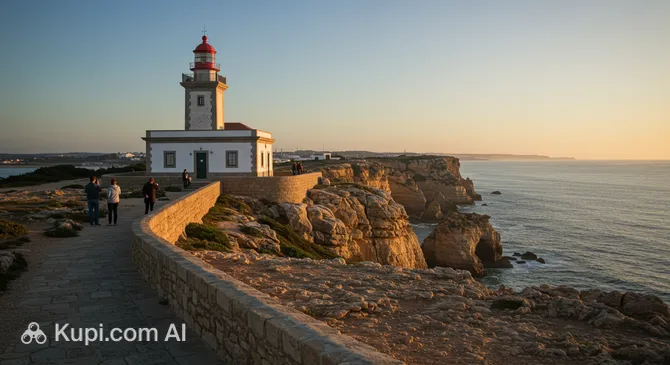
Another spectacular natural area is the headland surrounding the Ponta do Altar Lighthouse. Situated on the opposite bank of the river near Ferragudo, this site offers commanding views of the Atlantic Ocean and the Portimão skyline. The surrounding cliffs are perfect for a scenic walk, allowing visitors to appreciate the raw beauty of the Algarve's geology and the deep blue waters below.
Ponta do Altar Lighthouse. Illustration.
Source: Kupi.com AI
Traveler photos:
In terms of culture, the city's industrial past is brilliantly showcased at the Portimão Museum. Housed in a meticulously restored sardine canning factory, the museum takes visitors on a journey through time, from prehistoric settlements to the height of the canning industry. The exhibitions include original production lines, underwater archaeological finds from the Arade River, and moving testimonies of the local workforce.
Complementing the main museum is the significant prehistoric site of Alcalar, located a short drive inland. While it is an archaeological site rather than a traditional building, its interpretation center functions as a museum, offering insight into the sophisticated communities that lived here 5,000 years ago. Back on the coast, the cliffs themselves serve as natural galleries; Prainha Beach is renowned for its intricate rock formations and hidden grottos, accessible via a unique elevator built into the cliffside.
For an authentic insider experience, consider visiting Sítio das Fontes during the week. It is often much quieter than the beaches and provides a cool, shaded environment that is perfect for a family picnic or a quiet walk along the marshland trails.
Getting Around
Portimão is a relatively compact city, and while many of its historic areas are best explored on foot, it offers a reliable public transport network designed to connect the city center, the riverside, and the popular beaches. The primary mode of public transportation within the municipality is the urban bus system known as "Vai e Vem" (Come and Go). These distinctive buses, which are often smaller minibuses suited for navigating narrower streets, run on several color-coded lines that loop through key districts, making it easy to travel from the residential areas to the bustling Praia da Rocha or the Alvor fishing village.
For visitors planning to use the bus, the payment system is straightforward and user-friendly. You can purchase a single ticket directly from the driver using cash, which typically costs around €1.50. However, if you plan to use the bus frequently during your stay, it is more economical to purchase a rechargeable prepaid card at the main ticket office or designated kiosks. These cards significantly lower the cost per journey and can be topped up as needed. Remember to validate your card by tapping it on the yellow reader immediately upon boarding. The buses generally operate from early morning until late evening, with frequency increasing during the peak summer months to accommodate the influx of tourists.
Beyond the local bus network, the city is well-connected to the rest of the region via the railway station located just north of the city center. The regional train line offers a scenic and affordable way to visit nearby towns like Lagos or Faro. While the train station is a bit of a walk from the main tourist strip, it is easily accessible by local bus or taxi. For intercity bus travel, the main terminal is located closer to the river, offering services by regional operators that connect to wider destinations.
For those who prefer more direct and private transportation, taxis and ride-sharing services are widely available and reasonably priced. Traditional taxis, usually identified by their cream or black-and-teal color scheme, can be found at designated ranks, particularly near the marina and Praia da Rocha. Alternatively, mobile apps like Uber and Bolt operate extensively in the city, providing a convenient option for late-night returns or trips to specific attractions not covered by bus routes.
Active travelers might also consider renting a bicycle to get around, as the city has been improving its cycling infrastructure, particularly along the scenic riverside promenade. During the high season, you may also encounter a "tourist train"—a rubber-tired road vehicle that offers a fun, open-air shuttle service between the marina and the main beach areas. This provides a leisurely way to see the sights and travel between the waterfront and the cliffs without the effort of walking in the summer heat.
Accommodation
Where to Stay:
Portimão offers a diverse array of accommodation options suited to every type of traveler, ranging from high-end luxury resorts to budget-friendly hostels and self-catering apartments. Whether you are looking for a room with a panoramic sea view, a quiet countryside retreat, or a convenient base in the heart of the city, the region provides ample choices to ensure a comfortable stay.
The most popular area for tourists is undoubtedly Praia da Rocha. This district is the heartbeat of the city's tourism, lined with hotels and apartment complexes that sit just steps away from the golden sands and the lively strip of bars and restaurants. For those seeking a more authentic and quieter experience, the City Centre offers charming guesthouses and smaller hotels near historic sites and the riverfront. Alternatively, the nearby village of Alvor is a favorite among families and couples desiring a relaxed resort atmosphere with easy access to expansive beaches and nature trails.
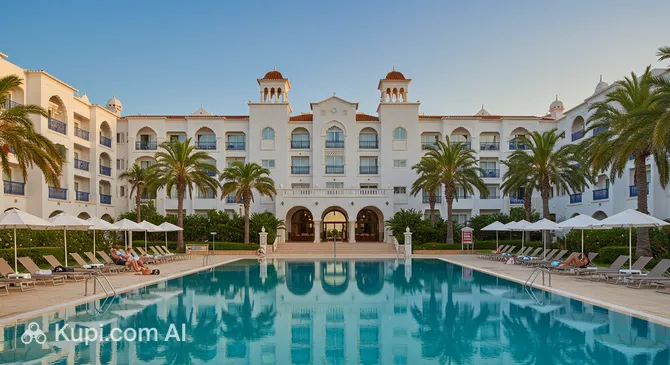
Travelers looking for premium comfort and direct beach access might consider the Alvor Praia. This well-known resort hotel is celebrated for its stunning location atop the cliffs, offering guests spectacular views of the Atlantic Ocean and top-tier amenities for a classic holiday experience.
Alvor Praia. Illustration.
Source: Kupi.com AI
Traveler photos:
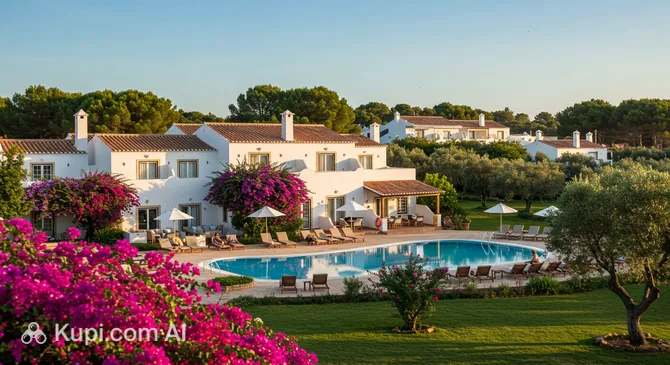
For those seeking tranquility slightly removed from the coastal bustle, the Vale d'Oliveiras Quinta Resort & Spa is an excellent choice. Situated in the serene countryside just a short drive from the city, it combines elegant accommodation with extensive leisure facilities, making it ideal for a rejuvenating escape.
Booking Tip: As Portimão is one of the Algarve's premier summer destinations, accommodation can fill up rapidly during the peak months of July and August. It is highly recommended to book your stay several months in advance to secure the best rates and ensure availability in your preferred area.
Price Range and Booking: Prices fluctuate significantly depending on the season. While you can find very affordable deals and budget options during the winter and shoulder months, rates for prime beachfront properties naturally peak in the summer. Most accommodations can be easily booked via major online platforms, which offer the convenience of comparing prices and reading reviews, though booking directly with smaller local guesthouses can sometimes yield personalized offers.
Nearby Cities
For those looking to explore the surroundings, Portimao serves as an excellent base for day trips to several interesting nearby locations:
City
Population
Distance
Carvoeiro
9 987
7 km
Lagoa
22 975
8 km
Silves
37 126
10 km
Lagos
31 049
13 km
Albufeira
44 168
26 km
Located just a short drive inland, Silves is a must-visit for history enthusiasts. As the former Moorish capital of the Algarve, it is dominated by a magnificent red sandstone castle and a Gothic cathedral. The town offers a relaxed, authentic atmosphere and a chance to explore the region's medieval heritage away from the immediate coast.
For a livelier experience, Albufeira is one of the most famous resort towns in the region. It features a charming Old Town with cobbled streets lined with restaurants and shops, as well as a vibrant nightlife scene. Its stunning beaches, framed by golden cliffs, make it a popular spot for sunbathing and water sports.
Further east, Loulé provides a glimpse into traditional Portuguese life. This market town is renowned for its striking Neo-Moorish municipal market, which is bustling with activity particularly on Saturday mornings. Visitors can wander through its historic center, explore the castle walls, and enjoy local handicrafts.
These nearby destinations offer a glimpse into the diverse culture and landscapes of the region.
Shopping & Souvenirs
Shopping in Portimão offers a delightful mix of traditional charm and modern convenience, making it one of the best commercial hubs in the western Algarve. Visitors can find everything from high-end international fashion brands to quaint local boutiques selling handcrafted goods. Whether you are looking for a new summer wardrobe, unique regional souvenirs, or fresh local produce, the city provides a diverse range of options to satisfy every shopper.
For a traditional shopping experience, head to the historic city center. The pedestrianized streets around Rua do Comércio and Rua Vasco da Gama are the heart of downtown shopping. Here, you can stroll past classic Portuguese cobblestones while exploring a variety of family-run stores, shoe shops, and clothing boutiques. This area is less about global chains and more about local flair, offering a relaxed atmosphere where you can combine window shopping with a coffee break at one of the many outdoor cafes. Near the beach, the bustling avenue of Praia da Rocha is lined with shops catering to tourists, selling beachwear, inflatables, and holiday mementos.
If you prefer a modern, all-in-one shopping destination, the city boasts excellent facilities. The Aqua Portimão Shopping Centre is the largest and most popular mall in the region. It features a contemporary open-air design that takes advantage of the sunny climate, housing dozens of international fashion retailers, a large supermarket, and a diverse food court. Another practical option is the Portimão Retail Center, which is located nearby and hosts larger format stores, ideal for those looking for sports equipment, electronics, or home goods.
Aqua Portimão Shopping Centre. Illustration.
Source: Kupi.com AI
Traveler photos:
Markets are an integral part of daily life in Portugal, and Portimão is no exception. The Portimão Municipal Market (Mercado Municipal) is a must-visit, even if you are just browsing. While it is famous for its fish and fresh produce, you can also find stalls selling flowers, local honey, and traditional basketry. For bargain hunters, the city hosts a large flea market held on the first and third Sunday of each month near the exhibition park, where vendors sell antiques, clothes, and bric-a-brac.
When searching for the perfect souvenir, look for items that reflect the Algarve's heritage. Cork products are a top choice, as Portugal is the world's leading producer; you can find everything from cork handbags to coasters. Pottery and ceramics are also widely available, featuring colorful, hand-painted designs typical of the region. Don't forget the culinary treats: a bottle of local wine, almond sweets, or a colorful tin of Portuguese sardines make excellent gifts to take home.
Most street shops in the city center operate from Monday to Saturday, typically opening around 9:00 or 10:00 AM and closing at 19:00 PM. Be aware that many smaller, traditional stores may close for a lunch break between 13:00 and 15:00. In contrast, large shopping malls like Aqua Portimão are open every day, usually from 9:00 AM until 22:00 or 23:00 PM, without a lunch break. Major credit and debit cards are widely accepted, but it is advisable to carry cash for small purchases at markets or kiosks.
For visitors residing outside the European Union, Portimão offers Tax-Free Shopping. If you spend a certain amount (typically over €50) in a single store that participates in the scheme, you can request a tax refund form. Be sure to carry your passport when shopping to fill out the necessary paperwork, which you can then present at the airport customs upon departure.