Support

Faro

About

Often overlooked by travelers rushing to the nearby beach resorts, Faro is the charismatic capital of the Algarve region and a destination well worth exploring in its own right. As the administrative center and the main gateway to the south of Portugal, this city offers a distinctively authentic atmosphere that differs from the purely tourist-focused towns along the coast. It combines a scenic marina, well-preserved historic architecture, and a lively local culture driven by its university population.

Geographically, Faro is situated on the edge of the stunning Ria Formosa lagoon, a protected natural park that shapes the city's coastline and offers shelter to diverse wildlife. The city enjoys a warm, sunny climate typical of the region, making it a pleasant destination year-round. With a population of approximately 64,000 residents, it feels bustling yet manageable, providing all the amenities of a modern city while retaining a relaxed, traditional charm.
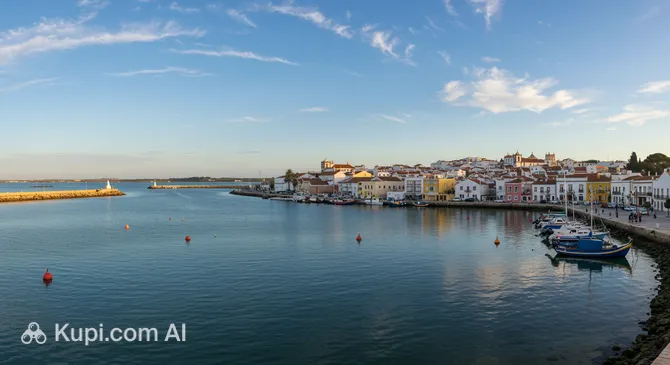
Faro. Source: Kupi.Binoculars

The heart of the city is enclosed within ancient defensive walls, where cobblestone streets lead to quiet squares and architectural gems. Exploring the history of Faro reveals a rich tapestry of Roman, Moorish, and Christian influences that have shaped its urban landscape over centuries. The Cidade Velha (Old Town) is particularly enchanting, housing the majestic Faro Cathedral (Sé), which offers panoramic views over the lagoon from its tower.

Beyond its historical walls, Faro is known for some truly unique attractions. The Capela dos Ossos (Chapel of Bones), located in the Carmo Church, is a macabre yet fascinating site lined with the bones of over 1,000 monks. Nature lovers will appreciate the boat tours through the Ria Formosa, a labyrinth of canals and islands that is a haven for migratory birds. Whether you are seeking culture, nature, or authentic Portuguese cuisine, Faro serves as an excellent base for your Algarve adventure.
Weather Overview

Faro enjoys a warm, Mediterranean climate characterized by long, sunny summers and mild winters. Because of its location in the Algarve, the city is a year-round destination, though the atmosphere changes significantly between seasons. For a detailed forecast and monthly breakdown, you can visit the weather in Faro page.

The summer months are hot and dry, perfect for beach lovers. In July and August, rainfall is virtually non-existent with 0 wet days recorded, and average temperatures peak around 25.5°C, with maximums often climbing to 31.1°C. Winters remain gentle rather than harsh; even in January, the coldest month, the average temperature stays around 11.5°C with lows rarely dropping below 8.0°C. While precipitation is more common in the cooler months—March sees up to 10 wet days—the city generally offers comfortable conditions with plenty of sunshine.

Interesting Facts

Beyond the sun-drenched beaches and cobbled streets, Faro holds intriguing secrets that many visitors miss. These hidden details range from significant historical milestones to unique ecological treasures found right on the city's doorstep.
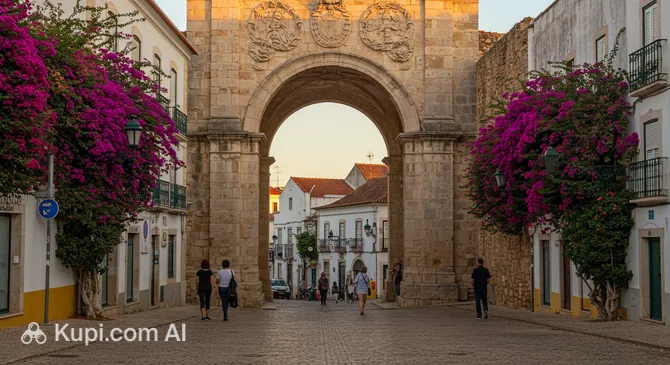
Arco da Vila. Source: Kupi.Binoculars
  • Faro holds a prestigious place in literary history as the birthplace of printing in Portugal. In 1487, the Jewish printer Samuel Gacon produced a Hebrew edition of the Pentateuch here, which is recognized as the very first book printed with movable type in the country.

  • The majestic Arco da Vila serves a dual purpose as both a grand city gate and a wildlife sanctuary. It is one of the few national monuments where white storks have built permanent nests atop the classical architecture, and you can often hear their distinctive bill-clattering echoing through the streets.

  • The waters of the Ria Formosa Natural Park conceal a remarkable secret: they host one of the world's largest populations of seahorses. The seagrass meadows within the lagoon provide a critical habitat for both the long-snouted and short-snouted species.

  • While wandering the Old Town of Faro, you are walking atop the ancient Roman city of Ossonoba. Traces of this distant past are still visible today, including inscribed stones that were repurposed to build the medieval defensive walls.

How to Get There

Reaching this southern Portuguese gem is straightforward, with multiple transport options available depending on your starting point. As the main gateway to the Algarve, the city is well-connected internationally and regionally. You can find all ways to reach the city and plan your journey in detail.

The most direct and convenient method for most travelers is flying into Faro Airport (IATA: FAO). Located just 2.7 km from the city center, this international hub handles a large volume of passengers annually. The short distance means a taxi or bus ride into town takes only about 10 to 15 minutes. For those traveling from further afield or looking for alternative flight connections, Lisbon Portela Airport (IATA: LIS) is the country's primary international gateway. Located in Lisbon, approximately 222.5 km from Faro, the journey south takes about 2.5 to 3 hours by road via the A2 motorway.

Another viable option, especially for those combining a trip to Portugal and Spain, is Seville Airport (IATA: SVQ). Situated in the Spanish city of Seville, it is roughly 186.6 km away. A drive from Seville to Faro typically takes around 2 hours, making it a reasonable alternative if flight availability or prices are more favorable there.

For clarity, here is a summary of the main airports:

Airport Name City Passenger Traffic Km from City
Lisbon Portela Airport Lisbon Very Large 222.5
Faro Airport Faro Large 2.7
Seville Airport Seville Large 186.6
Jerez Airport Jerez de la Frontera Medium 169.9
Badajoz Airport Badajoz Small 230.0

For travelers arriving by train from Spain, the region is accessible through several major Spanish rail hubs, although they require a transfer to road transport to cross the border into Faro. The Santa Justa Railway Station (IATA: XQA) in Seville is a significant transit point located about 178.9 km from Faro. From there, you can rent a car or take a bus, with the travel time being approximately 2 hours. Closer to the border is the Huelva Station (IATA: HEV) in the city of Huelva, located about 91.3 km away, offering a shorter road connection of roughly 1 hour and 15 minutes.

Below is a list of nearby railway stations in Spain that can serve as entry points to the region:

Station City Passenger Traffic Km to Center
Santa Justa Railway Station Seville Very Large 178.9
Jerez Railway Station Jerez de la Frontera Medium 165.6
Cádiz Station Cadiz Medium 156.6
Huelva Station Huelva Small 91.3
Badajoz Railway Station Badajoz Small 224.3

Main Attractions

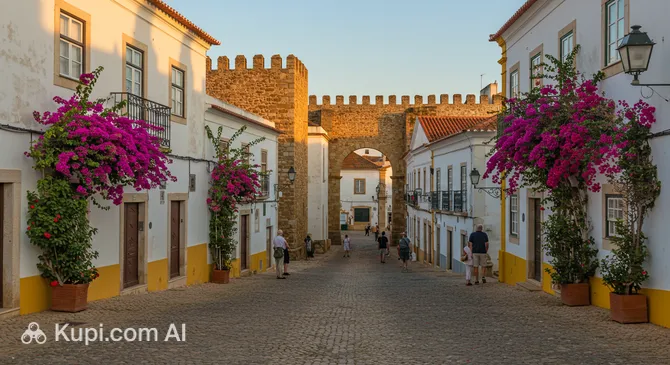
Stepping into the Old Town of Faro (Cidade Velha) feels like entering a different era. Enclosed by medieval walls, this pedestrian-friendly area is a maze of winding cobblestone streets lined with orange trees and whitewashed houses. It is the perfect place for a quiet stroll away from the modern city noise, offering visitors a chance to discover hidden squares, charming cafes, and the historic architecture that defines the region's heritage.

Old Town of Faro. Source: Kupi.Binoculars

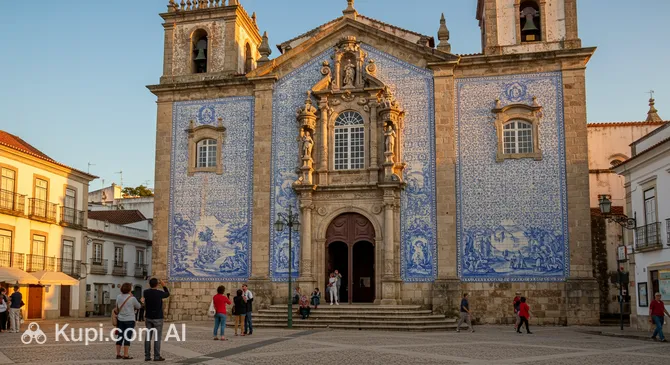
One of the city's most striking landmarks is the Church of the Third Order of Our Lady of Mount Carmel. While the church itself features an impressive Baroque façade and intricate gilded woodwork, it is most famous for the "Capela dos Ossos" (Chapel of Bones) located in its rear garden. This eerie yet captivating chapel is lined with the skulls and bones of over 1,000 monks, serving as a solemn reminder of the fleeting nature of life.

Church of the Third Order of Our Lady of Mount Carmel. Source: Kupi.Binoculars

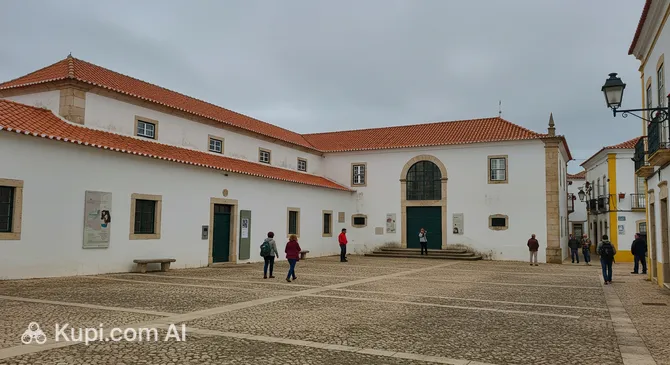
For history enthusiasts, the Faro Municipal Museum is a treasure trove located within the 16th-century Convent of Our Lady of the Assumption. The museum houses a significant collection of archaeological finds, including Roman mosaics, Moorish lamps, and Renaissance paintings. The building itself is an attraction, featuring a beautiful central cloister that provides a serene atmosphere for exploring the Algarve's rich cultural past.

Faro Municipal Museum. Source: Kupi.Binoculars

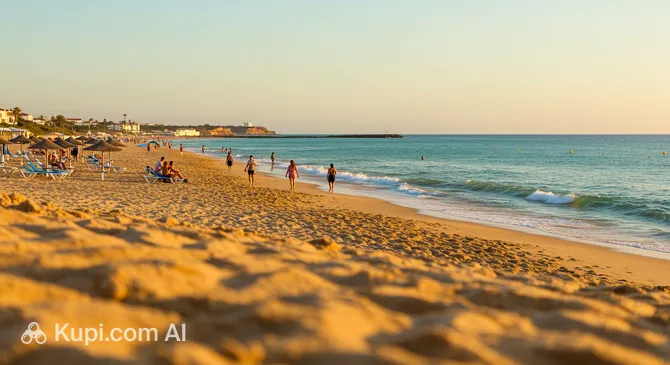
Just a short distance from the city center lies Faro Beach (Praia de Faro), located on a long sandbar that separates the lagoon from the sea. Unlike the cove beaches found elsewhere in the Algarve, this vast stretch of golden sand offers plenty of space for sunbathing and long walks. It is easily accessible by road or a short ferry ride, making it a popular spot for both locals and tourists to enjoy the Atlantic Ocean and fresh seafood at the beachfront restaurants.

Local Cuisine

The culinary scene in Faro is a delicious reflection of its geographical location, heavily influenced by the bounty of the Ria Formosa lagoon and the Atlantic Ocean. Unlike the meat-heavy diets of the interior, the local gastronomy here revolves around fresh fish and shellfish. A staple of the region is the famous Cataplana, a flavorful seafood stew cooked in a distinctive clam-shaped copper vessel that seals in the steam and aromas. Another dish you simply must try in this specific part of the Algarve is Arroz de Lingueirão (razor clam rice), a succulent and broth-rich specialty that perfectly captures the essence of the local waters.

Beyond the main courses, the region is renowned for its traditional sweets, which are a legacy of the Moorish occupation. Local confectioneries are filled with treats made from almonds, figs, and carob, such as the delicate Dom Rodrigos (sweet egg threads and almond wrapped in foil) or marzipan shapes. To accompany your meal or dessert, try the regional wines from the Algarve, which have been gaining international acclaim. For a stronger finish, locals often sip on Medronho, a potent traditional firewater distilled from the fruit of the strawberry tree.

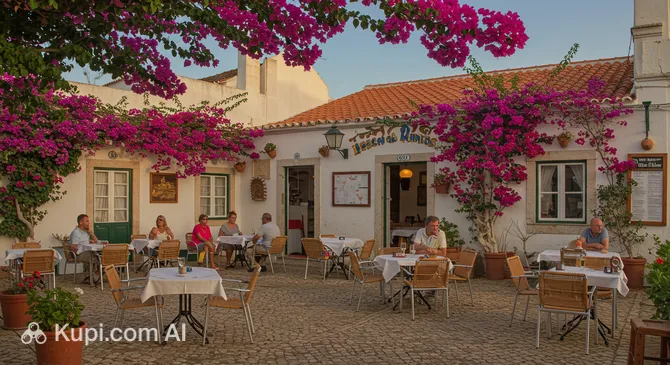
À do Pinto. Source: Kupi.Binoculars

The dining culture in Faro is relaxed and authentic, ranging from modest tascas (taverns) serving the catch of the day to upscale establishments. For a genuine taste of Portuguese hospitality, you might visit À do Pinto, a restaurant known for its traditional approach to local flavors. Locals tend to eat lunch around 1:00 PM and dinner late, often after 8:00 PM, enjoying long, leisurely meals with family and friends.

For those looking to enjoy a drink with a view, the city offers several spots where the atmosphere is as important as the menu. The rooftop venues are particularly popular for watching the sun dip below the horizon. A prime example is the LAB Terrace Sunset Bar, where you can enjoy refreshing cocktails while overlooking the Ria Formosa, blending the vibrant nightlife with the city's natural beauty.

Travel Tips

Welcome to Faro! While many travelers simply pass through on their way to coastal resorts, taking the time to explore the Algarve's capital rewards you with an authentic Portuguese experience. To help you make the most of your visit, here are some practical tips to ensure your trip is smooth, comfortable, and culturally respectful.

  1. Clothing and Gear: The Algarve is famous for its sunshine, so sunglasses, a hat, and high-SPF sunscreen are essential year-round. Summers can be intensely hot, requiring light, breathable fabrics, while winters are mild but can be damp, so a light jacket or raincoat is advisable. Most importantly, bring comfortable, flat walking shoes. The historic Cidade Velha is paved with traditional Portuguese cobblestones (calçada portuguesa), which can be slippery and uneven, making heels or flip-flops impractical for sightseeing.

  2. Transportation: The city center is compact and best explored on foot. For destinations further afield, the local bus network, known as Próximo, is reliable and covers the urban area well. To reach Faro Beach or the barrier islands, ferries and water taxis from the marina are the most scenic and efficient options. Ride-hailing apps like Uber and Bolt are widely available and affordable. If you rent a car to explore the wider region, be aware that parking within the city center can be scarce and is often paid.

  3. Finances: The official currency is the Euro (€). While credit and debit cards are widely accepted in hotels and larger restaurants, smaller family-run tascas and souvenir shops often prefer cash. ATMs, identified as Multibanco, are plentiful and offer the best exchange rates. Tipping is not mandatory but is appreciated; leaving a few coins or rounding up the bill by 5-10% is standard for good service.

  4. Health and Safety: Faro is generally a very safe city for tourists. Pharmacies are marked with a green cross and are well-stocked; look for a "Farmácia de Serviço" sign for 24-hour service. The emergency number for police, ambulance, or fire is 112. In summer, the biggest health risk is dehydration and sunstroke, so carry water and seek shade during the midday heat.

  5. Communication: Portuguese is the official language, but due to the region's long history of tourism, English is very widely spoken and understood. However, learning a few local phrases goes a long way. Say "Bom dia" (Good morning) or "Boa tarde" (Good afternoon) when entering shops. Use "Obrigado" if you are male and "Obrigada" if you are female to say thank you.

  6. Local Etiquette: Portuguese people are generally polite and welcoming. A handshake is common for first meetings, while two kisses on the cheek (starting with the right) are standard between friends. When visiting religious sites like the Cathedral or the Chapel of Bones, dress modestly; shoulders and knees should be covered. It is also polite to wait to be seated in restaurants rather than choosing your own table.

  7. What to Avoid: Do not assume that speaking Spanish is the same as speaking Portuguese; while locals may understand you, they prefer English over Spanish if you don't speak their language. Additionally, avoid walking around the city center in swimwear or shirtless. While Faro is a coastal city, beachwear is considered inappropriate for streets, shops, and restaurants away from the sand.

  8. Look Up for Nature: When walking through the city, especially near the Arco da Vila, remember to look up. Faro is famous for its large population of white storks that build massive nests on top of churches, arches, and streetlights. Watching these majestic birds tend to their nests is a unique part of the city's daily life that you won't want to miss.

By keeping these tips in mind, you will be well-prepared to enjoy the relaxed pace and rich culture of this charming southern city. Whether you are navigating the winding streets of the Old Town or catching a boat to a secluded island, Faro offers a warm and memorable welcome to those who respect its local rhythm.

Entertainment & Nightlife

Faro offers a vibrant and authentic nightlife scene that distinguishes it from the resort-heavy towns of the Algarve. Thanks to the presence of the University of Algarve, the city maintains a lively, youthful atmosphere year-round, not just in the summer. The evenings here are relaxed and social, typically starting with a long dinner and transitioning into drinks at open-air terraces or bustling bars.

The epicenter of Faro's nightlife is undoubtedly the area surrounding Rua do Prior and Rua do Crime (officially Rua Cândido dos Reis). These pedestrian streets in the downtown area (Baixa) are packed with bars, clubs, and pubs that cater to a diverse crowd of students, locals, and tourists. The vibe is casual and unpretentious, with most venues having no strict dress code. Music spills out onto the cobblestones, ranging from commercial hits and electronic beats to live acoustic sets.

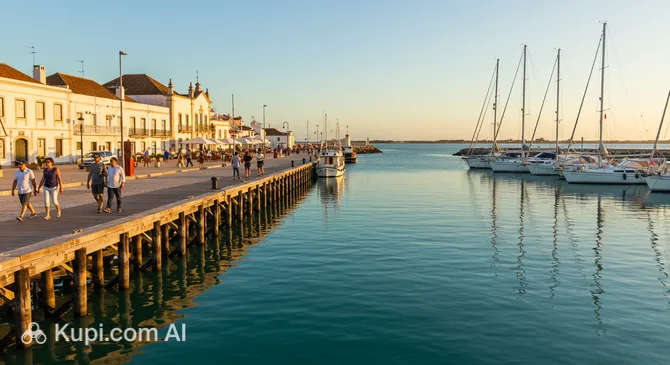
For a more scenic start to your evening, head to the Faro Marina. This waterfront area is perfect for a sunset stroll and offers a selection of cafes and bars where you can enjoy a drink with a view of the moored boats and the Ria Formosa. It provides a slightly more sophisticated yet laid-back setting compared to the energetic student bars in the city center.

Faro Marina. Source: Kupi.Binoculars

If you are looking for a venue with a spectacular vantage point, the LAB Terrace Sunset Bar is a must-visit. Perched on a rooftop, it offers panoramic views of the lagoon and the ocean, making it an ideal spot for cocktails as the sun goes down. For those who prefer a different kind of evening entertainment, such as catching the latest movie or doing some late-night shopping, the Forum Algarve shopping center is a popular hub that stays active well into the evening.

Practical tips for enjoying Faro at night include adjusting to the local schedule; the real party often doesn't start until after 11:00 PM or midnight, with bars staying open until 2:00 AM or later. Prices here are generally lower than in nearby Vilamoura or Albufeira, reflecting the student-oriented economy. The city is safe for night walks, particularly in the downtown and marina areas, but it is always wise to stick to well-lit streets. If you need to travel further, taxis and ride-sharing apps like Uber are readily available and affordable.

While nightlife is a major draw, Faro also offers engaging daytime entertainment. Families and curious minds will enjoy the Algarve Life Sciences Center, an interactive museum dedicated to the region's marine ecosystems. For a more adventurous experience, consider booking one of the Ria Formosa Islands Boat Tours to explore the stunning natural park and its barrier islands before the sun sets.

Parks & Museums

While the city is often celebrated for its coastal allure, the parks and museums of Faro offer a refreshing dive into its ecological richness and cultural depth. Beyond the ancient walls and marina, visitors can find serene green spaces that showcase the region's biodiversity, alongside institutions that preserve centuries of Algarvian history. Whether you are looking to escape into nature or unravel the stories of the past, the city provides ample opportunities to explore both.

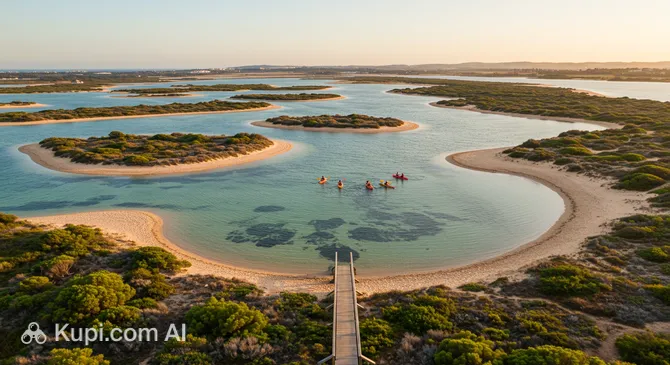
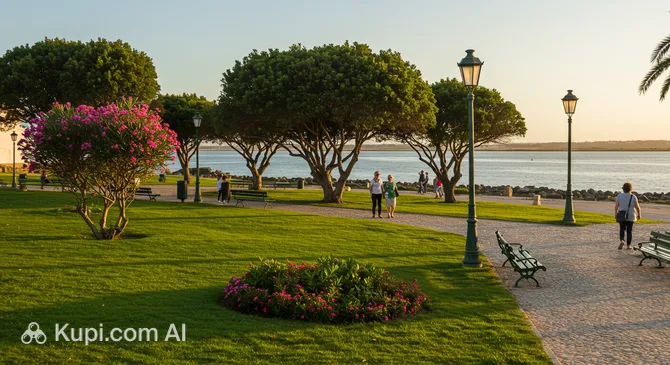
The most significant natural asset of the region is undoubtedly the Ria Formosa Natural Park. This protected lagoon system wraps around the city, creating a unique landscape of barrier islands, salt pans, and marshes. It is a haven for migratory birds, including flamingos and storks, and serves as a nursery for diverse marine life. For a more manicured green space closer to the center, the Faro Riverside Park offers a spacious promenade perfect for leisure. With its wide paths, recreational areas, and views over the calm waters and railway line, it is a favorite spot for locals to enjoy a sunset walk or a morning run.

Ria Formosa Natural Park. Source: Kupi.Binoculars

Another charming green retreat is the Alameda João de Deus Garden. As the largest garden in the city, it features exotic trees, a bandstand, and a resident population of peacocks that roam freely. It provides a cool, shady respite from the summer heat and is a great place to observe local life away from the main tourist trail.

Faro Riverside Park. Source: Kupi.Binoculars

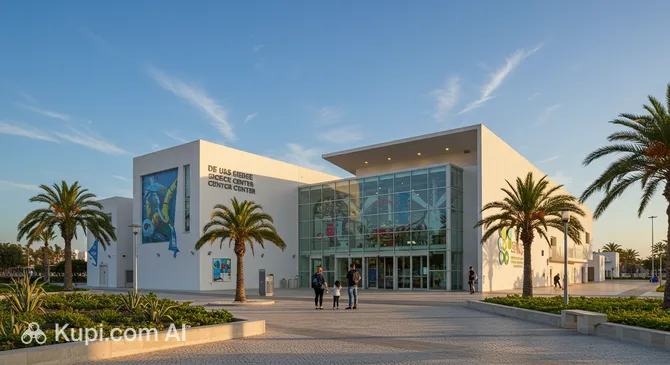
For culture enthusiasts, the city boasts several impressive museums. The Faro Municipal Museum, housed in the 16th-century Convent of Our Lady of the Assumption, is the premier cultural institution. Its collection spans from the Roman period to the present day, featuring the Mosaic of the Ocean and a fascinating array of religious art. The building itself, with its beautiful cloister, is as captivating as the exhibits. For a more modern and interactive experience, the Algarve Life Sciences Center invites visitors to explore the wonders of the Ria Formosa through touch tanks and aquariums, making it particularly engaging for families.

Algarve Life Sciences Center. Source: Kupi.Binoculars

Among the architectural highlights that define the city's skyline is the Church of Santa Maria, often referred to as the Cathedral. Located in the heart of the Old Town, this monument blends Gothic, Renaissance, and Baroque styles. Visitors can climb the bell tower for one of the best panoramic views of the city and the lagoon. The interior is equally impressive, housing a small museum of sacred art and an 18th-century organ decorated with chinoiserie motifs.

For an authentic insider experience, take a quiet stroll through the Alameda João de Deus Garden in the late afternoon. It is not just a park but a social hub where you can watch the peacocks display their feathers and see elderly locals playing cards, offering a genuine glimpse into the relaxed pace of life in the Algarve capital.

Getting Around

Navigating Faro is generally quite easy due to its compact size, with the historic center and marina area being perfectly suited for walking. However, for reaching the airport, the beach, or the outer residential neighborhoods, the city relies on an efficient urban bus network operated by a company called Próximo. There is no metro or tram system in the city, so these white and colorful buses are the main form of public ground transportation. They connect the central bus station (Terminal Rodoviário) with key points across the city, including the university campuses and the hospital.

A unique and vital component of the local transport system is the network of ferries and water taxis. Since the city is separated from the sea by the Ria Formosa lagoon, boats are the standard way to reach the beautiful barrier islands such as Ilha Deserta, Ilha do Farol, and Ilha da Culatra. Regular ferries depart from the pier at the Porta Nova (near the marina), offering a scenic and affordable journey that feels more like a sightseeing trip than a commute. These services run year-round but are much more frequent during the summer season.

For bus travel, the payment system is straightforward and tourist-friendly. You can purchase a single ticket directly from the driver using cash. It is highly advisable to carry coins or small notes, as drivers often have limited change. If you plan to stay longer and use the bus frequently, you can buy a rechargeable "Próximo" card at the main bus station on Avenida da República or at authorized kiosks. Using this pre-paid card reduces the cost per journey compared to buying tickets on board.

When using the transport system, keep in mind that bus frequencies change depending on the day of the week. Service is regular on weekdays but significantly reduced on weekends and public holidays. Most urban lines operate from early morning until the evening, but they do not run late into the night, so plan accordingly if you are out for dinner. For the airport, look for Routes 14 and 16, which provide a reliable and inexpensive link to the city center. Always check the latest timetable posted at the bus stop, as schedules can shift seasonally.

For those seeking alternatives to public transit, taxis and ride-sharing apps like Uber and Bolt are widely available and offer excellent value. Taxis are typically beige or black with green roofs and can be hailed on the street or found at designated ranks. Due to the city's relatively flat terrain, renting a bicycle is also a popular option for exploring the waterfront and the ecovias (nature trails) leading to the salt pans. Additionally, during the tourist season, a dedicated Tourist Train (Comboio Turístico) circulates through the streets, offering a relaxed way to see the major landmarks without navigating the cobblestones on foot.

Accommodation

Finding accommodation in Faro is generally easier and more affordable than in many of the Algarve's resort-heavy towns. The city offers a diverse range of options that cater to different travel styles, from backpackers seeking a lively social scene to couples looking for romantic boutique stays. Unlike the coastline dominated by massive all-inclusive hotel complexes, the capital tends to feature smaller, more intimate establishments, including charming guesthouses (Alojamento Local), modern city hotels, and a high concentration of excellent hostels.

For most visitors, the best area to stay is the City Center or the downtown area near the marina. Staying here places you within walking distance of the historic Old Town, the main shopping streets, and the vibrant nightlife district. It is also the most convenient location for logistics, as you will be close to the bus and train stations, making day trips to other parts of the region effortless. This area is perfect for those who want to be in the heart of the action, surrounded by cafes, restaurants, and cultural landmarks.

If you prefer to wake up to the sound of the ocean, you might consider staying at Faro Beach (Praia de Faro). Located on the barrier island a few kilometers from the city center, this area offers a completely different vibe. It is a relaxed, seaside community with a mix of vacation rentals, surf lodges, and small hotels. While it is further from the historical attractions, it is ideal for sun-seekers and is well-connected to the city by bus and ferry.

Faro Beach. Source: Kupi.Binoculars

Regarding costs, Faro is often more budget-friendly than neighbors like Vilamoura or Albufeira. You can find very reasonable rates for high-quality accommodation, particularly in the shoulder seasons. However, the summer months (July and August) are peak season, and the city fills up quickly. It is highly recommended to book well in advance during this period to secure the best spots and prices. Booking is typically done through major online platforms, though many local guesthouses also welcome direct inquiries.

Whether you choose a renovated historic building in the city center or a beach house on the peninsula, the accommodation standards are generally high. Many places emphasize the local hospitality, offering a warm and authentic Portuguese welcome that sets the tone for a memorable stay in the Algarve.

Nearby Cities

For those looking to explore the surroundings, Faro serves as an excellent base for day trips to several interesting nearby locations:

Just a short journey east lies Olhão, a major fishing port distinguished by its unique cubist architecture and vibrant waterfront markets. It offers a more authentic, gritty atmosphere compared to the resort towns and serves as the primary gateway to the pristine islands of the Ria Formosa. Heading inland, Loulé provides a delightful contrast with its historic center and famous neo-Moorish market hall, which bustles with activity on Saturday mornings. For history enthusiasts, Silves is a must-visit destination; as the ancient Moorish capital of the Algarve, it is dominated by a striking red sandstone castle that offers panoramic views over the surrounding countryside.

City Population Distance (km)
Loulé 70622 15
Portimao 55614 55
Olhao 45396 8
Albufeira 44168 29
Silves 37126 49

These nearby destinations offer a glimpse into the diverse culture and landscapes of the region, ranging from traditional market towns to significant historical strongholds.

Shopping & Souvenirs

Shopping in Faro offers a delightful mix of traditional charm and modern convenience, allowing visitors to experience the authentic side of the Algarve while still finding international brands. Unlike the frantic pace of larger capitals, the experience here is relaxed and walkable. The city is particularly known for its high-quality cork products, traditional ceramics, and regional handicrafts, making it an excellent place to find unique gifts rather than just mass-produced souvenirs.

The heart of the city's retail scene is the pedestrianized Rua de Santo António and its surrounding streets in the downtown (Baixa) district. Paved with distinctive Portuguese cobblestones (calçada), this bustling thoroughfare is lined with a variety of boutiques, shoe stores, and fashion outlets interspersed with inviting pastry shops. It is the perfect location to stroll, window shop, and soak up the lively atmosphere of the city center without the interference of traffic.

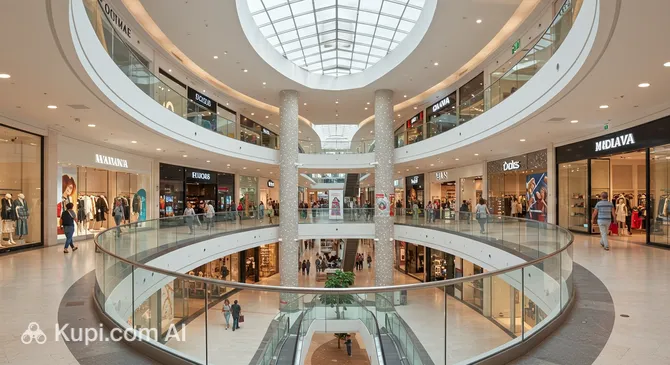
For a more comprehensive shopping experience, the Forum Algarve is the premier destination in the region. Located just outside the city center on the road to the airport, this large shopping center is architecturally distinct for its open-air design, which takes full advantage of the sunny climate. It houses a vast selection of international fashion chains, a hypermarket, a cinema complex, and a food court, serving as a one-stop hub for everything from clothing to electronics.

Forum Algarve. Source: Kupi.Binoculars

To truly immerse yourself in the local culture, a visit to the Mercado Municipal de Faro is essential. This white, multi-story market building is where locals go to buy the freshest produce, from locally grown fruits and vegetables to the catch of the day from the Atlantic. While it is primarily a food market, it offers a vibrant sensory experience and is a great place to pick up regional delicacies like dried figs, almonds, or honey to take home.

When looking for keepsakes, cork is undoubtedly the star product of Portugal, and you will find it fashioned into everything from handbags and wallets to hats and shoes. Traditional hand-painted ceramics and tiles (azulejos) are also popular and widely available. For a tasty souvenir, look for regional sweets made from almond and marzipan, or a bottle of the local firewater, Medronho.

Business hours in Faro typically follow a traditional rhythm. Street shops generally open around 9:00 AM or 10:00 AM, close for a lunch break between 1:00 PM and 3:00 PM, and then reopen until 7:00 PM. Shopping malls like Forum Algarve, however, operate continuously from 10:00 AM until late at night, usually 10:00 PM or 11:00 PM. While major stores and malls accept credit and debit cards, it is advisable to carry some cash (Euros) when visiting smaller boutiques, markets, or souvenir stalls.

For tourists visiting from outside the European Union, a Tax-Free shopping scheme is available. If you spend above a certain minimum amount in a participating store (usually displayed with a "Tax Free" sign), you can request a form to claim a VAT refund upon your departure from the airport. Be sure to have your passport with you when making the purchase to fill out the necessary paperwork.

Reached the end of the page?

That means the route is fully explored