Support

Tetouan

About

Welcome to Tetouan, a captivating city often referred to as the "White Dove" due to its gleaming white buildings that cascade down the slopes of the Rif Mountains. Located in the northern part of Morocco, just a few kilometers from the Mediterranean Sea, this city offers a unique blend of cultures and breathtaking landscapes. With a population of approximately 380,000 residents, it serves as a vital cultural and economic hub in the Tanger-Tetouan-Al Hoceima region.

Tetouan. Source: Kupi.Binoculars

The city is renowned for its strong Andalusian influence, which is evident in its art, architecture, and cuisine. Exploring the history of Tetouan reveals a fascinating past shaped by diverse civilizations and refugees from Granada, giving the city a distinct character that sets it apart from other Moroccan destinations. This rich heritage is most visible in the Medina of Tetouan, a UNESCO World Heritage site considered one of the most complete and untouched medinas in the country.

Visitors are drawn to the city's authentic atmosphere, where they can wander through winding alleyways filled with bustling souks and artisan workshops. Key highlights include the majestic Royal Palace and the intricate tilework found throughout the old town. Whether you are admiring the panoramic views of the Martil Valley or enjoying the local hospitality, Tetouan promises an unforgettable travel experience for those seeking both beauty and tradition.

Weather Overview

Tetouan generally enjoys a Mediterranean climate, characterized by warm, dry summers and mild winters with moderate rainfall. The city's location near the coast and the Rif Mountains ensures that temperatures remain relatively comfortable throughout the year. For a more detailed breakdown of daily conditions during your stay, you can consult the guide to the weather in Tetouan.

The summer months constitute the hottest and driest period, particularly July and August, when average temperatures hover around 24°C to 25°C and daily highs often reach 29°C. Rainfall is virtually non-existent during this time, with zero wet days recorded in July. Conversely, winter brings cooler air and more frequent precipitation; January is typically the coldest month, with lows around 9.2°C and approximately 8 wet days. Expect warm, sun-drenched summers perfect for beach visits, and mild winters that require just a light jacket and an umbrella.

Transitional seasons like spring and autumn offer delightful conditions for sightseeing. In May, the average temperature rises to a pleasant 18.4°C, while October sees averages of 19.6°C, retaining the warmth of the fading summer. March can be slightly wetter with about 12 wet days, but it also signals the blooming of the surrounding landscapes, making it a beautiful time to explore the region.

Interesting Facts

Beyond the main attractions, Tetouan holds many fascinating secrets that reveal the depth of its Hispano-Moorish heritage. These lesser-known details offer a glimpse into the unique character of this northern Moroccan gem.

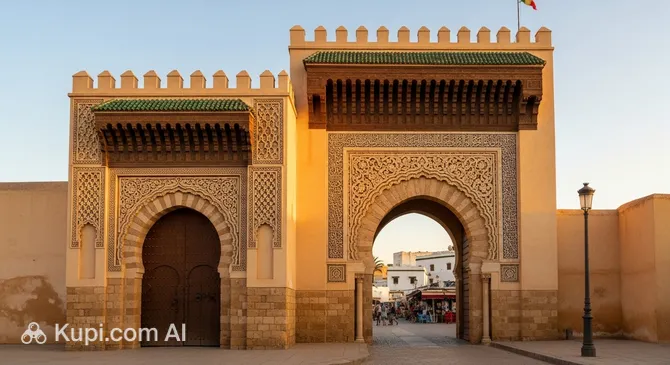
Bab Okla Gate. Source: Kupi.Binoculars
  • The Ancient Skundu System: Beneath the winding streets of the old city lies a centuries-old hydraulic network known as "Skundu." Developed by Andalusian refugees in the 16th century, this ingenious system of pipes supplies water from mountain springs directly to the city's fountains, mosques, and private homes, a rare engineering feat for its time.

  • Seven Historic Gates: The medina is fortified by walls pierced by seven distinct gates, each with its own history. One of the most iconic is the Bab Okla Gate, which historically served as the main entry point for caravans arriving from the eastern regions and remains a symbol of the city's strength.

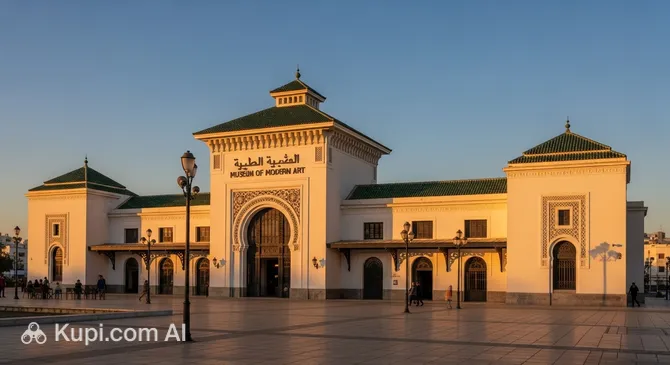
  • A Museum in a Station: The city's dedication to the arts is unique in the region, hosting the prestigious National Institute of Fine Arts. This artistic spirit is embodied in the Tetouan Museum of Modern Art, which is fascinatingly housed in the renovated neo-Moorish railway station that once connected Tetouan to Ceuta.

  • The Daughter of Granada: Tetouan is frequently nicknamed "The Daughter of Granada" because it was substantially rebuilt by refugees expelled from southern Spain in the 15th century. This connection is still alive today, evident not just in architecture but in the local dialect, family names, and the city's famous musical traditions.

How to Get There

Reaching this northern Moroccan gem is relatively straightforward, with options ranging from direct flights to travel via neighboring major cities. For a comprehensive guide on all travel options and routes, you can read more about how to get to Tetouan.

The most convenient entry point is the local Sania Ramel (IATA: TTU) airport. It is a small international airport located directly in Tetouan, just 4.4 km from the city center. Due to its close proximity, a taxi ride to the heart of the city is very quick, typically taking around 27 minutes. While the passenger traffic here is relatively low, flying here saves significant travel time on the ground.

Alternatively, many visitors choose to fly into Tangier Ibn Battouta Airport (IATA: TNG), located in the nearby city of Tangier. This airport is much busier and serves as a primary hub for the region. It is situated approximately 53.3 km from Tetouan. The transfer by taxi or bus from Tangier to Tetouan usually takes about 1 hour and 40 minutes, offering a scenic drive through the northern landscape.

For clarity, here is a summary of the main airports:

Airport Name City Passenger Traffic Km from City
Malaga Airport Malaga High 144.9
Tangier Ibn Battouta Airport Tangier Medium 53.3
Jerez Airport Jerez de la Frontera Low 144.6
North Front Airport Gibraltar Low 64.3
Sania Ramel Tetouan Low 4.4

The city of Tetouan does not have its own railway station, and the closest major rail hubs listed are located across the strait in Spain, which serves travelers planning a multi-country itinerary. You can arrive at the Santa Justa Railway Station in the city of Seville, which is about 209.4 km away. The approximate travel time by road from this distance is calculated at around 5.5 hours, excluding the necessary ferry crossing. Another significant option is the María Zambrano Station in Malaga, approximately 151.6 km from Tetouan. The estimated road travel time is roughly 4 hours, again subject to ferry schedules and border procedures.

Here is an overview of the nearest railway stations:

Station City Passenger Traffic Km to Center
Santa Justa Railway Station Seville High 209.4
María Zambrano Station Malaga High 151.6
Jerez Railway Station Jerez de la Frontera Medium 141.0
Cádiz Station Cadiz Medium 135.3
Puente Genil Railway Station Puente Genil Low 204.1

Main Attractions

Attractions:

Tetouan is a city of contrasts, where the ancient medina meets Spanish colonial elegance, offering visitors a rich tapestry of sights to explore. From grand squares to historical museums, the city's landmarks tell the story of its Andalusian heritage and its role as a cultural crossroads in northern Morocco.

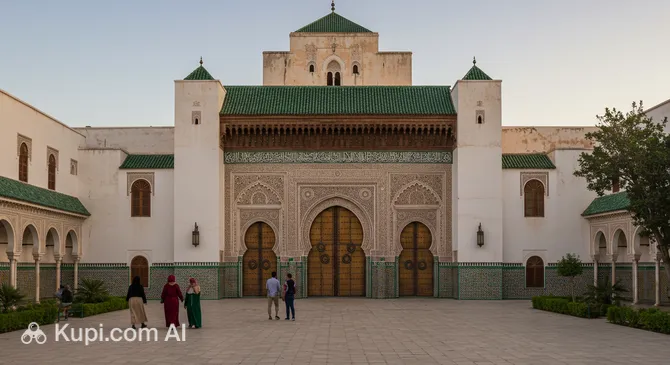
One of the most prominent landmarks is the Royal Palace of Tetouan, situated in the lively Place Hassan II. Although the interior is reserved for the monarchy and closed to the public, the palace's exterior is a masterpiece of Hispano-Moorish architecture. Visitors can admire the imposing gates and intricate detailing that symbolize the city's royal status, all while soaking in the atmosphere of the bustling square that surrounds it.

Royal Palace of Tetouan. Source: Kupi.Binoculars

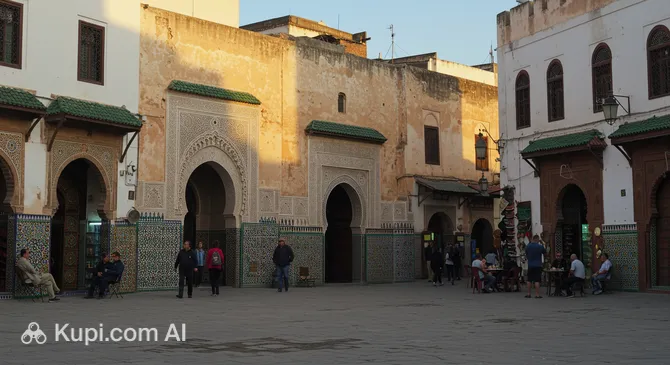
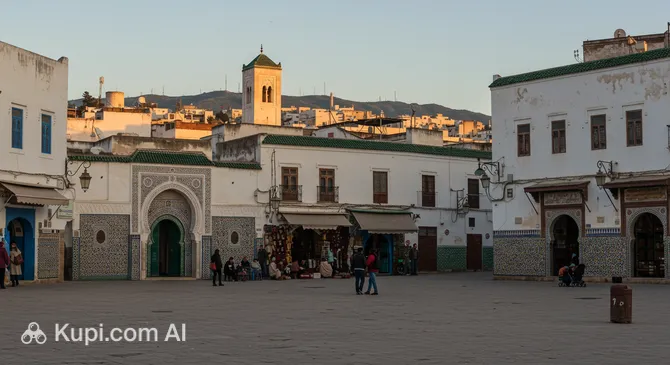
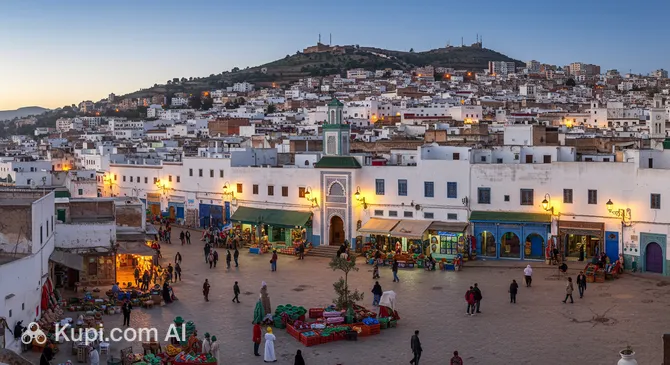
For the best views in the city, a visit to Feddan Square is a must. This expansive, recently renovated plaza serves as the heart of Tetouan's social life and offers a breathtaking panorama of the white-washed medina clinging to the slopes of the Rif Mountains. It is an ideal spot to relax, watch the sunset, and appreciate the unique "White Dove" aesthetic that defines the cityscape.

Feddan Square. Source: Kupi.Binoculars

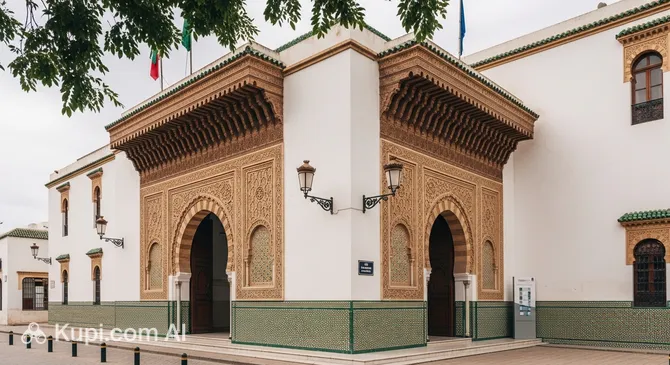
History buffs will find deep value in the Archaeological Museum of Tetouan. This well-curated institution preserves the region's ancient past, showcasing a remarkable collection of artifacts ranging from prehistoric tools to Islamic pottery. The museum is particularly famous for its exquisite Roman mosaics and objects excavated from the ancient city of Lixus, providing a tangible link to the civilizations that once thrived here.

Archaeological Museum of Tetouan. Source: Kupi.Binoculars

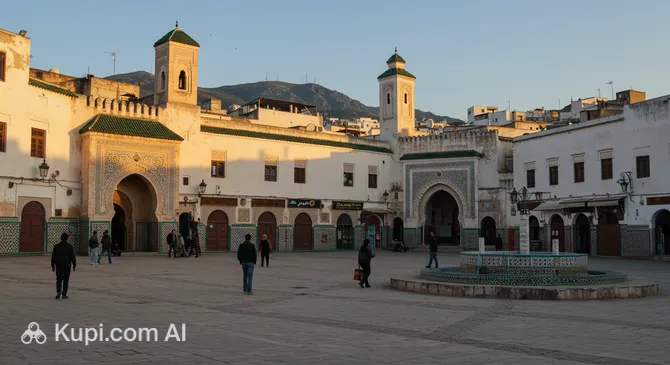
To experience a different side of the city's character, take a stroll to Place Moulay El Mehdi. Located in the Spanish Ensanche district, this circular plaza is framed by elegant colonial buildings and the striking Church of Our Lady of Victory. The architecture here stands in stark contrast to the winding alleyways of the old town, highlighting the diverse historical influences that have shaped modern Tetouan.

Place Moulay El Mehdi. Source: Kupi.Binoculars

Local Cuisine

The culinary landscape of Tetouan is a delightful reflection of its history, merging traditional Moroccan flavors with distinct Andalusian influences. This unique fusion has earned the city a reputation as one of the gastronomic capitals of the kingdom. A must-try dish here is the Pastilla (or Bastilla), a savory pie encased in crispy layers of warqa dough. While found across Morocco, the Tetouani version is particularly renowned, often filled with chicken or pigeon, eggs, and caramelized onions, dusted with sugar and cinnamon for a perfect balance of sweet and savory notes.

Given its proximity to the Mediterranean coast, seafood plays a vital role in the local diet. Visitors should not miss the chance to taste a Tagine of anchovies or sardines, often cooked with fresh herbs, tomatoes, and the famous Moroccan chermoula spice blend. Another regional specialty found in the markets is Jben, a fresh, soft white cheese typically made from goat's milk and wrapped in palm leaves, offering a creamy texture that pairs perfectly with local bread and olives.

When it comes to beverages, traditional Mint Tea is the undisputed staple, served throughout the day as a gesture of hospitality. For something cooler and more substantial, the northern region is famous for its rich Avocado smoothies, often blended with milk, sugar, and sometimes dried fruits. While alcohol is not served in most traditional cafes within the medina, it is available in select hotels and licensed restaurants catering to international visitors, where you might find local Moroccan wines or beers.

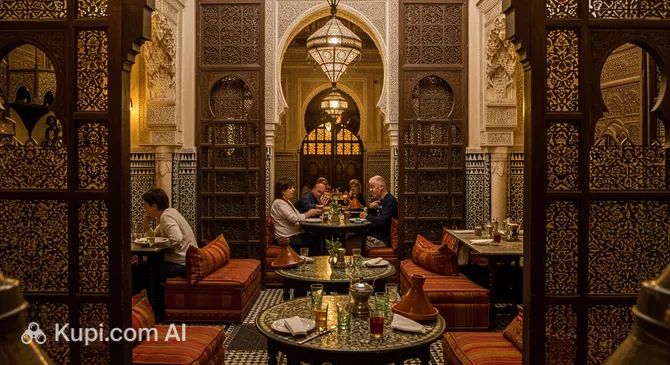
The dining scene ranges from bustling street stalls serving bocadillos—Spanish-style sandwiches filled with tuna, rice, and salad—to elegant establishments housed in historic buildings. For a refined experience that combines traditional architecture with a mix of Spanish and Moroccan cuisine, you can visit the El Reducto Riad Restaurant. This venue offers a charming atmosphere inside the medina, allowing guests to enjoy local flavors in a beautifully restored setting.

El Reducto Riad Restaurant. Source: Kupi.Binoculars

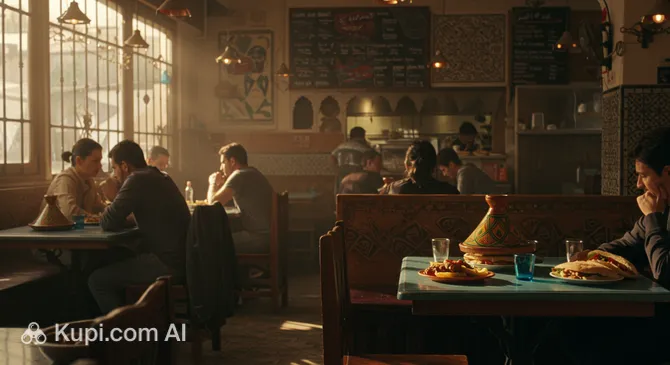
For those looking for a quick and casual bite while exploring the city, spots like the Tetouan Fast Food Restaurant offer a glimpse into the modern daily life of locals. Whether you are snacking on street food near the souks or enjoying a multi-course meal in a riad, the food in Tetouan is characterized by fresh ingredients and a deep respect for culinary tradition.

Tetouan Fast Food Restaurant. Source: Kupi.Binoculars

Travel Tips

Visiting Tetouan offers a unique glimpse into the Andalusian heritage of Morocco, but navigating its ancient streets requires a bit of local know-how. To ensure your journey through the winding alleyways of the "White Dove" is as seamless and enjoyable as possible, here are some essential practical tips to keep in mind.

  1. Clothing and Gear: Tetouan is a conservative city, so it is respectful to dress modestly. Both men and women should aim to cover their shoulders and knees, especially when exploring the medina. Since the old town is built on the slopes of a mountain and features cobblestone streets, comfortable walking shoes are non-negotiable. If you are visiting in winter, bring layers and a waterproof jacket, as the region can be cool and rainy.

  2. Transportation: The historic medina is a car-free zone, so your feet will be your main mode of transport there. For travel outside the old walls or to the nearby coast, use the local petit taxis (painted yellow). They are plentiful and affordable; always ensure the driver turns on the meter (compteur) or agree on a price before starting. Ride-hailing apps are not widely used here compared to larger cities.

  3. Finances: The currency is the Moroccan Dirham (MAD). While credit cards are accepted in modern hotels and some restaurants in the Ville Nouvelle (New Town), cash is king in the medina. Be sure to carry small bills and coins for shopping in the souks, buying street food, or tipping. ATMs are readily available in the modern parts of the city but are scarce inside the old town.

  4. Health and Safety: Tetouan is generally safe for tourists, but it is wise to stay vigilant against pickpocketing in crowded market areas. Stick to drinking bottled water to avoid stomach issues. Pharmacies are marked with a green cross and are well-stocked; you can easily find a guard pharmacy (pharmacie de garde) that remains open at night or on weekends if needed.

  5. Communication: Unlike the French-dominant south of Morocco, Tetouan has a strong Spanish influence. Many locals speak Spanish fluently, making it a very useful language for travelers. French is also spoken, while English is becoming more common among younger people and tourism workers. A local SIM card (Maroc Telecom, Orange, or Inwi) is cheap and highly recommended for maps and translation apps.

  6. Local Etiquette: Greetings are important; a simple "Salam" (Hello) goes a long way. When eating communal meals or handing money to someone, always use your right hand, as the left is considered unclean. Public displays of affection should be avoided to respect local norms. If you are invited to a local's home, removing your shoes at the door is the standard practice.

  7. What to Avoid: Do not take photographs of people, especially women, without asking for their explicit permission first. Also, be wary of "faux guides"—unofficial guides who may approach you in the medina offering tours; a polite but firm "no, thank you" is usually enough to deter them.

  8. Additional Tip: Embrace the Siesta culture. Due to the Spanish influence, you may find that some smaller shops and businesses close for a few hours in the early afternoon (around 2:00 PM to 4:00 PM) and stay open later into the evening. Plan your shopping and lunch accordingly.

With these practical insights, you are well-prepared to immerse yourself in the authentic charm of Tetouan. Whether you are bargaining for artisan crafts or admiring the colonial architecture, a little preparation allows you to relax and fully appreciate the rich culture of this northern Moroccan gem.

Entertainment & Nightlife

Entertainment in Tetouan offers a distinct change of pace compared to the bustling nightlife of larger Moroccan cities like Marrakech or Casablanca. Here, the evening atmosphere is defined by a relaxed, family-friendly vibe heavily influenced by the Spanish tradition of the paseo (evening stroll). As the sun sets, the city comes alive not with thumping bass, but with the hum of conversation in crowded cafes and the sound of footsteps on the wide boulevards of the Ensanche district. While you will not find a high density of disco clubs or wild party venues, the city offers a charming and authentic social scene that extends well into the night.

The heart of the evening activity is undoubtedly the Spanish Quarter (Ensanche). Locals and visitors alike gather around Place Moulay El Mehdi, the city's central plaza. This area is perfect for observing local life, as families and friends meet to enjoy the cool evening air. The streets radiating from this square are lined with cafes and pastry shops that remain open late, serving mint tea, coffee, and sweets. For a more traditional atmosphere, Mechouar Square near the Royal Palace also offers a lively setting where street vendors and performers often gather, creating a vibrant backdrop for a night walk.

Mechouar Square. Source: Kupi.Binoculars

For those seeking a place to enjoy a glass of wine or a cocktail, options are generally limited to hotels and licensed restaurants, as alcohol is not served in standard cafes. A standout venue for a sophisticated evening is the El Reducto Riad Restaurant. Located within the medina but easily accessible, this beautifully restored riad offers a rooftop terrace with stunning views of the city. It is an ideal spot to enjoy a drink and dinner in a serene, romantic atmosphere. Dress codes in such establishments are typically smart-casual; while not overly formal, looking neat is appreciated.

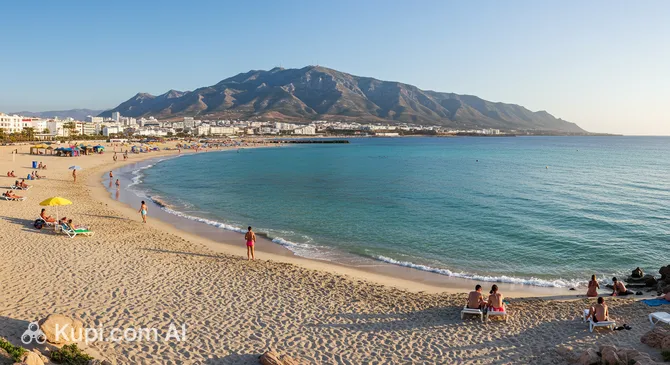
If you are visiting during the summer months, the nightlife energy shifts slightly towards the coast. Just a short taxi ride away, beaches like Paloma Blanca Beach and the nearby towns of Martil and Cabo Negro host seasonal beach clubs and promenades that stay active much later. These areas attract a younger crowd and offer more in the way of music and summer festivities compared to the city center.

Paloma Blanca Beach. Source: Kupi.Binoculars

Regarding safety and logistics, Tetouan is generally safe for evening strolls, particularly in the well-lit new town (Ville Nouvelle). However, the winding streets of the medina can become dark and confusing after shops close, so it is advisable to stick to main routes or take a taxi if you are dining deep inside the old town. Petit taxis are plentiful at night and are the best way to get back to your hotel. Prices increase slightly after 8:00 PM, so ensure the meter is running.

Before the sun goes down, Tetouan offers plenty of daytime entertainment to fill your itinerary. Beyond the historical sites, you can explore the pristine beaches along the Mediterranean coast or visit the local amusement parks that operate seasonally on the outskirts. Cultural enthusiasts can spend their afternoons in the city's art galleries and museums, which celebrate the region's rich artistic heritage before transitioning into the relaxed social rhythm of the evening.

Parks & Museums

While Tetouan is celebrated for its bustling medina and historic architecture, the city also offers serene green spaces and exceptional museums that provide a deeper insight into its artistic soul. For travelers looking to step away from the lively streets or explore the region's cultural heritage, these locations are essential stops on any itinerary.

The Tetouan Museum of Modern Art is a unique cultural landmark, housed in the city's beautifully restored former railway station. This neo-Moorish building is an attraction in itself, but the treasures inside are the real draw. The museum is dedicated to the "Tetouan School" of art, showcasing a remarkable collection of paintings and sculptures by Moroccan artists who have defined the country's modern visual identity. It stands as a testament to the city's long-standing reputation as a hub for creativity and fine arts.

Tetouan Museum of Modern Art. Source: Kupi.Binoculars

For a glimpse into the traditional way of life, the Ethnographic Museum at Bab El Oqla is another must-visit. Located inside an old fortress rampart, this museum preserves the rich customs of Tetouan, displaying authentic wedding costumes, musical instruments, and domestic artifacts. It serves as a perfect complement to the Archaeological Museum of Tetouan, allowing visitors to bridge the gap between the region's ancient Roman history and its living Andalusian traditions.

When it comes to outdoor relaxation, Riad Al Ochak (The Lovers' Garden) is the city's most enchanting green space. Situated just below the medina walls, this historic garden was designed in the grand Andalusian style, featuring lush vegetation, elegant fountains, and shaded pathways. It is a favorite retreat for locals and offers a peaceful atmosphere where visitors can enjoy the scent of blooming flowers away from the urban noise.

Beyond the city limits, Tetouan's location at the foot of the Rif Mountains transforms the surrounding landscape into a vast natural park. The nearby hills offer panoramic views over the Martil Valley and the Mediterranean Sea, providing excellent opportunities for hiking and nature walks. Whether you are admiring the manicured beauty of Riad Al Ochak or the rugged terrain of the mountains, the city offers a perfect balance of art, history, and nature.

Getting Around

Navigating Tetouan is relatively straightforward, as the city's public transport system is less complex than those found in larger metropolises. The city does not have a metro, tram, or urban railway network. Instead, mobility relies primarily on a combination of public buses and the ubiquitous taxi system, which serves as the backbone of daily transportation for locals and visitors alike. For the historic center, your own two feet will be the only option, as the narrow, winding streets of the ancient medina are completely pedestrianized and inaccessible to vehicles.

The urban bus network is operated by the company Vitalis, easily recognizable by their blue and white buses. These buses connect the city center with various residential neighborhoods and, crucially for tourists, the nearby coastal towns such as Martil, M'diq, and Cabo Negro. While buses are an economical choice, they can become quite crowded during peak hours. Bus stops are dotted throughout the city, though they are not always clearly marked with timetables, so asking locals for the nearest stop is often helpful.

For most tourists, the "Petit Taxi" is the most convenient and popular mode of transport. In Tetouan, these small taxis are painted bright yellow. They are allowed to drive only within the city limits and operate on a metered system. They are plentiful and can be hailed directly from the street. It is common practice to share the ride; if a taxi already has a passenger, the driver may stop to pick you up if your destination lies in the same direction. You pay only for your share of the trip based on the meter reading.

If you need to travel outside the city limits to surrounding villages or beaches, you will need to use a "Grand Taxi." These are larger vehicles, typically older Mercedes sedans or newer vans, often painted cream or white. Unlike the smaller yellow taxis, Grand Taxis operate on fixed routes and do not use meters. They leave a central stand only when all seats are full (usually six passengers), or you can pay for the empty seats to leave immediately. This is a fast and efficient alternative to the bus for regional travel.

The payment system across all modes of transport in the city is almost exclusively cash-based. There are no digital travel cards, tap-to-pay apps, or integrated passes for tourists. When taking a bus, you purchase your ticket directly from the driver or a conductor upon boarding; the price is very low, typically a few dirhams. For taxis, always carry small change and coins, as drivers often do not have change for large bills. Tipping is not mandatory but rounding up the fare is a common gesture of appreciation.

Regarding operating hours, buses generally run from early morning, around 6:00 AM, until approximately 9:00 PM or 10:00 PM, depending on the season and route. Taxis are available 24 hours a day, though a night surcharge (usually 50%) applies to the meter reading after 8:00 PM or 9:00 PM. Visitors should be aware that while ride-hailing apps exist in some parts of the region, they are not widely established in Tetouan, and flagging down a yellow taxi remains the fastest way to get a ride.

A unique feature of the city's transport history is the old railway station, which no longer serves trains but has been transformed into a center for modern art. Since there is no active train service to the city, the central bus station (Gare Routière) serves as the main hub for long-distance travel, hosting coaches that connect to other major destinations. For exploring the city itself, however, the combination of walking through the historic core and taking yellow taxis for longer distances provides a seamless and authentic travel experience.
Accommodation

Where to Stay:

Accommodation in Tetouan offers travelers a choice between two distinct worlds: the authentic charm of the ancient Medina and the colonial elegance of the Spanish Ensanche. The city provides a wide range of options, from budget-friendly hostels and guesthouses to beautifully restored traditional homes known as Riads. Unlike the massive resort scenes in some other Moroccan cities, the lodging landscape here feels more intimate and culturally immersed, reflecting the city's heritage.

For those seeking a truly atmospheric experience, staying inside the Medina is the top choice. Here, you can find traditional Riads—historic houses centered around an interior courtyard with a fountain or garden. These accommodations offer a peaceful sanctuary away from the bustling souks outside. However, keep in mind that the Medina is car-free, so you will likely need to walk with your luggage from the nearest gate. If you prefer modern conveniences and direct car access, the Ensanche (New Town) is the best area. This district features hotels housed in Spanish colonial buildings, offering spacious rooms and easy proximity to restaurants, cafes, and transport hubs.

Travelers visiting during the summer months often look towards the nearby coast. While not in the city center, the seaside resorts in the vicinity provide a luxury beach experience with swimming pools and extensive amenities, serving as a perfect base for those who want to combine cultural sightseeing with relaxation by the Mediterranean.

Booking and Prices: The cost of accommodation in Tetouan is generally reasonable compared to Marrakech or Fes. Budget travelers can find affordable guesthouses and small hotels in the Medina, while mid-range options, including many Riads and standard hotels in the New Town, offer excellent value for money. Luxury seekers will find fewer large chain hotels but can enjoy high-end services in boutique Riads. It is highly recommended to book your stay in advance, especially if you plan to visit during July and August, as the region is a favorite summer destination for domestic tourists and availability can drop quickly. Most established hotels and Riads can be booked via major online platforms, which is advisable for securing the best rates and guaranteeing your reservation.

Nearby Cities

Tetouan serves as an excellent base for exploring the diverse northern region of Morocco. From bustling ports to serene coastal resorts, several fascinating destinations are located just a short drive away, offering travelers a chance to experience the varying landscapes and cultures of the area.

One of the most significant nearby destinations is Tangier, located approximately 48 kilometers to the west. Situated on the Strait of Gibraltar where the Mediterranean meets the Atlantic, Tangier is a historic gateway between Africa and Europe. It is famous for its lively medina, the Kasbah museum, and its unique international history that has inspired artists and writers for generations.

For those seeking sun and sea, the coastal towns of Martil and Mdiq are the perfect getaways. Martil, situated just 9 kilometers from Tetouan, is a university town known for its wide sandy beach and vibrant promenade lined with cafes. Slightly further north, Mdiq is a charming resort town with a well-maintained harbor and a reputation for excellent seafood, making it a favorite summer spot for locals and tourists alike.

Another interesting stop is Fnideq, a commercial hub located near the northern tip of the peninsula. Known for its bustling markets and shopping opportunities, it attracts visitors looking for a variety of goods. The town also offers scenic views of the coast and sits close to the border, adding a unique dynamic to its atmosphere.

City Population Distance (km)
Tangier 947,952 48
Fnideq 77,436 30
Mdiq 56,227 13
Martil 64,355 9

These neighboring cities provide a wonderful contrast to the traditional atmosphere of Tetouan, allowing visitors to enjoy everything from metropolitan energy to relaxing beach days within a short distance.

Shopping & Souvenirs

Shopping in Tetouan is a vibrant cultural experience that seamlessly blends the ancient with the modern. Visitors can transition from the narrow, bustling alleyways of the old world to the spacious, elegant boulevards of the Spanish colonial district within minutes. The city is particularly famous for its traditional craftsmanship, offering authentic goods that reflect the rich heritage of northern Morocco without the intense commercial pressure often found in more tourist-heavy destinations.

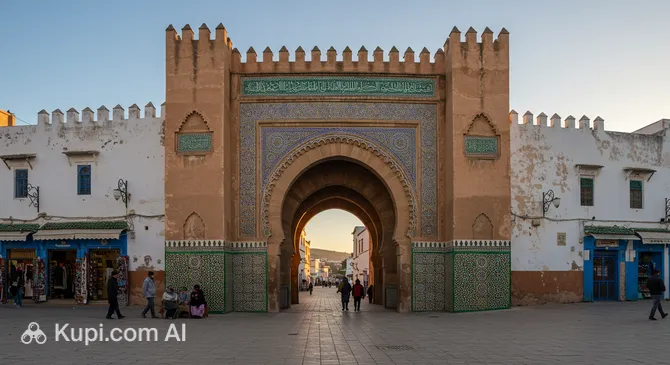
The primary destination for authentic local shopping is the UNESCO-listed Medina. This labyrinth of streets is divided into specialized sections for different guilds, such as weavers, jewelers, and leatherworkers, allowing you to watch artisans at work. Accessing these markets is often done through historic gateways like Bab Nouader, which leads directly into the lively atmosphere of the souks. For a more contemporary experience, the Ensanche (New Town) offers pedestrian-friendly streets like Avenue Mohamed V, lined with clothing boutiques, shoe stores, and perfumeries housed in beautiful colonial buildings.

Bab Nouader. Source: Kupi.Binoculars

Tetouan is not a city defined by large, enclosed shopping malls. While there are supermarkets and smaller commercial centers on the outskirts for daily necessities, the true "shopping mall" of Tetouan is its open-air city center. The seamless blend of street-side shops in the New Town and the stalls of the Medina provides everything a visitor might need, from international fashion brands to traditional handicrafts.

The markets, or souks, are the beating heart of the city's commerce and a must-visit for any traveler. The El Hots souk is fascinating for its local pottery and ceramics, while the food markets offer a sensory explosion of fragrant spices, piles of olives, and fresh produce. Exploring the area near Bab Tut reveals a bustling scene where locals shop for daily goods, offering an unfiltered and authentic look at Tetouani life.

When looking for keepsakes, the region's distinct Rif pottery is a top choice; these unglazed, hand-coiled pieces with geometric designs are unique to the northern mountains and difficult to find elsewhere. Another iconic item is the Mendil, a red-and-white striped woven cloth traditionally worn by women of the Rif region, which makes for a beautiful and practical textile souvenir. Leather goods, intricate silver jewelry, and artisanal woodwork are also widely available and generally of high quality.

In the Medina, shops generally open around 9:00 AM or 10:00 AM and stay open until late in the evening, though some may close for a midday break or prayer times. Cash is essential inside the old town, as credit cards are rarely accepted by small vendors and artisans. In the New Town shops, card payments are more common, but carrying cash is always advisable. Remember that bargaining is a standard part of the transaction in the souks; it is expected and should be approached as a friendly social interaction.

Morocco offers a VAT refund system for non-resident tourists on purchases over 2,000 MAD made in a single store. However, eligible shops displaying the "Tax Free" sign are mostly found in larger modern establishments or international chains in the New Town. It is highly unlikely to find this service available in the traditional souks or small artisan workshops.

Reached the end of the page?

That means the route is fully explored