Support

Melilla

About

Melilla is a fascinating destination that offers a truly unique blend of cultures, history, and architecture. Located on the northern coast of Africa, bordering the Mediterranean Sea, this autonomous city is an integral part of Spain while serving as a vibrant bridge between two continents. With a population of approximately 86,000 people, it provides a lively yet intimate atmosphere where European and African influences merge seamlessly.

The city's strategic location has shaped its character over centuries. To truly understand its depth, one should explore the history of Melilla, which is visibly etched into its ancient walls and fortifications. The climate here is typically Mediterranean, characterized by mild winters and warm summers, making it a pleasant destination for travelers year-round.
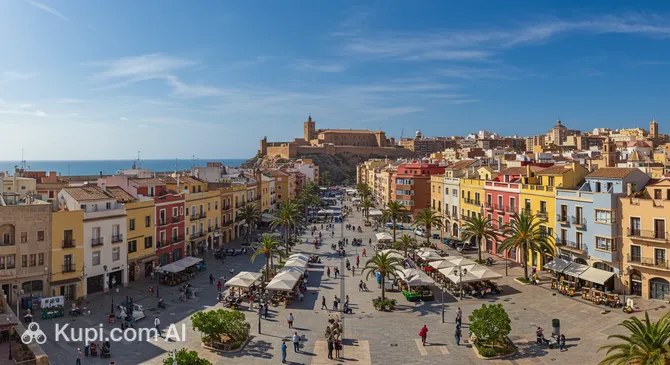
Melilla. Source: Kupi.Binoculars

One of the city's most striking features is its incredible architectural heritage. Melilla is surprisingly renowned for its Modernist architecture, boasting one of the largest concentrations of such buildings in the country, second only to Barcelona. Walking through the "Golden Triangle" of the city center reveals elegant facades and intricate designs that delight art lovers.

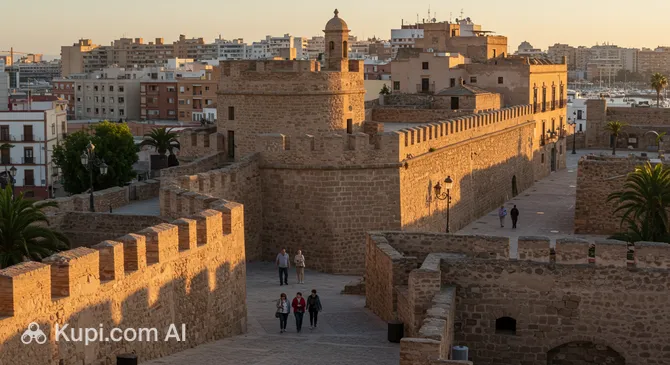
Another must-see attraction is Melilla la Vieja, a majestic fortress complex built on a rocky promontory. This citadel, often referred to as "The Old Town," offers breathtaking views of the sea and houses museums that narrate the city's past. The harmonious coexistence of four distinct cultures—Christian, Muslim, Jewish, and Hindu—adds a special flavor to the local cuisine and daily life, creating a truly multicultural experience.

Whether you are drawn by the allure of historic fortresses, the elegance of Modernist streets, or the curiosity of visiting a Spanish enclave in North Africa, Melilla promises an unforgettable journey. It is a hidden gem waiting to be discovered by those looking for something different.
Weather Overview

Travelers visiting this unique enclave can expect a pleasant Mediterranean climate that remains comfortable throughout most of the year. To help you pack appropriately for your trip, it is recommended to check the specific weather in Melilla closer to your departure date.

Summers are typically warm and dry, making them ideal for outdoor activities. August is generally the warmest month, with an average temperature of 26.1°C and highs reaching nearly 30°C. Rainfall is virtually nonexistent during this peak season, with July recording 0 wet days. Winters are mild rather than cold; even in January, the average temperature hovers around 13.3°C, and lows rarely drop below 10°C.

While precipitation is low overall, the spring months can see a slight increase in activity, with March experiencing up to 10 wet days. Overall, you can expect warm summers with almost no rain and mild winters with occasional precipitation.

Interesting Facts

Beyond the main attractions, Melilla holds many fascinating secrets that reveal the depth of its multicultural heritage. This unique enclave offers curious travelers a collection of historical nuances and architectural surprises that are often overlooked.
Melilla Old Town. Source: Kupi.Binoculars
  • A Disciple of Gaudí: While the city is known for its architecture, few realize that the man responsible for its transformation, Enrique Nieto, was a student of the legendary Antoni Gaudí. He designed many of the stunning buildings around Plaza de España, effectively turning the city into a living museum of Modernism on the African continent.

  • The Underground City: Beneath the fortifications of Melilla Old Town lies a complex network of tunnels and cisterns known as "Las Cuevas del Conventico." These subterranean galleries were historically carved out to shelter the entire population and store water during long sieges.

  • Ancient Rusadir: Long before it became a Spanish territory, the city was a Phoenician settlement named Rusadir. Evidence of this ancient past, along with Roman and Byzantine influences, can still be found in the city's archaeological layers, marking it as a port of significance for millennia.

  • A Historic Oasis: The city is home to Hernández Park, which is not just a green space but a protected Historic Garden. It was established in the early 20th century and contains a remarkable variety of exotic flora that thrives in the distinct local microclimate.

How to Get There

Reaching this unique North African enclave is an adventure in itself, offering connections that bridge continents. For a detailed breakdown of all available routes, you can read more about how to get to Melilla before booking your trip.

The most direct way to arrive is via Melilla Airport (MLN), which serves as the main air gateway. Although the facility is listed in Ad Darwa, it is located just 2.2 km from the city center, making it extremely convenient. It handles a steady flow of regional traffic, ensuring regular connections. A transfer by taxi or bus from here is very quick, taking approximately 25 minutes.

Another viable option is Nador International Airport (NDR), located in the neighboring city of Nador, about 34.6 km from Melilla. This airport sees a higher volume of passengers and offers more international connections. The journey from Nador to Melilla typically takes around 1 hour and 15 minutes by road, depending on border crossing times and traffic.

For clarity, here is a summary of the main airports:

Airport Name City Passenger Traffic Km from City
Nador International Airport Nador High 34.6
Les Angades Airport Oujda High 108.2
Melilla Airport Ad Darwa Medium 2.2
Zenata Airport Tlemcen Low 139.0
Charif Al Idrissi Airport Al Hoceima Low 83.0

The city of Melilla does not have a railway station. The closest major rail hub on the Spanish mainland is María Zambrano Station (YJM) in Malaga, which is approximately 207 km away. Since Melilla is located across the Mediterranean Sea, arriving by train in Malaga requires a subsequent ferry journey to reach the city.

Below is a list of the nearest railway stations on the mainland:

Station City Passenger Traffic Km to Center
María Zambrano Station Malaga Very High 207.2
Granada Railway Station Granada High 218.4
Jaén Railway Station Jaén Medium 286.4
Puente Genil Railway Station Puente Genil Medium 285.0

Main Attractions

Melilla offers a captivating array of attractions that reflect its unique position as a cultural bridge between Europe and Africa. From ancient fortifications standing guard over the sea to vibrant modern squares and serene green spaces, the city provides a diverse itinerary for every traveler.

The crown jewel of the city is undoubtedly Melilla Old Town, often referred to as "Melilla la Vieja" or "El Pueblo." This majestic fortress complex is built on a rocky promontory and features four fortified enclosures separated by moats. Walking through its historic gates offers a journey back in time, with well-preserved stone walls, interesting museums, and breathtaking panoramic views of the Mediterranean coastline.

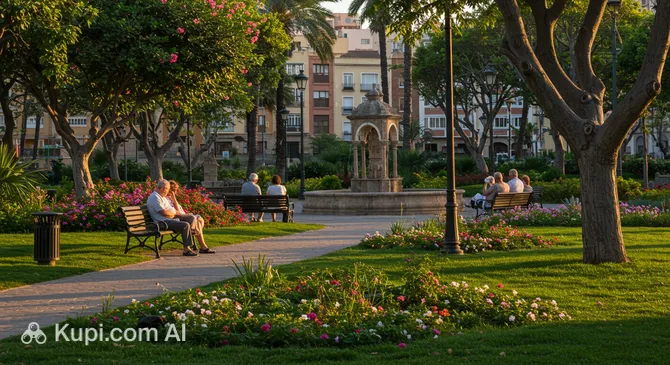
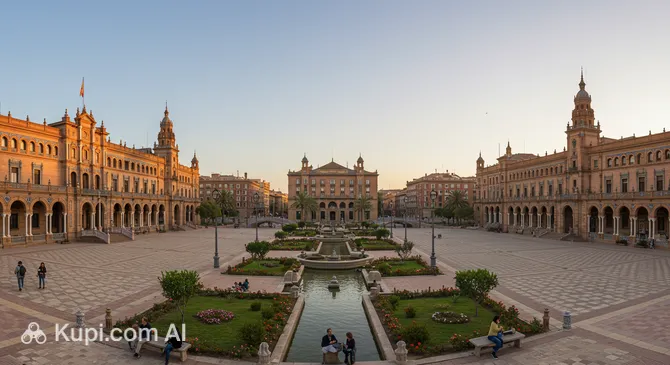
For those who appreciate architectural beauty, Plaza de España is an essential stop. This circular square serves as the heart of the Modernist city, surrounded by elegant buildings that showcase the artistic influence of Enrique Nieto. It is a lively hub where visitors can admire the intricate facades and soak in the vibrant atmosphere of the city center.

Plaza de España. Source: Kupi.Binoculars

Nature lovers will find a peaceful retreat at Juan Carlos I Forest Park. As a significant green lung for the city, this man-made oasis offers a refreshing contrast to the urban environment. With its diverse variety of plants, relaxing water features, and designated walking paths, it is the perfect spot for a leisurely afternoon stroll or a family outing.

Juan Carlos I Forest Park. Source: Kupi.Binoculars

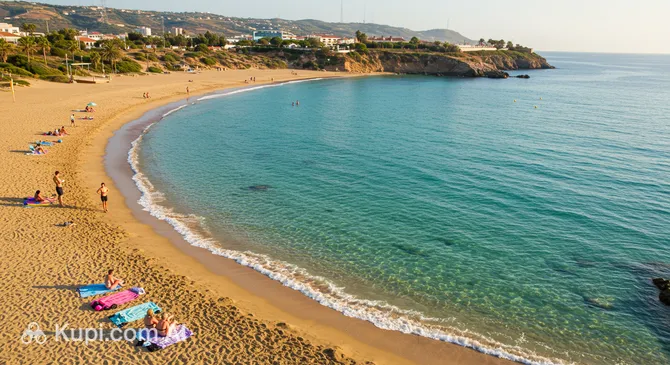
If you are looking to enjoy the sun and sea, Hípica Beach is a popular destination located near the border. This wide sandy beach is known for its calm waters and well-maintained facilities, making it a favorite among both locals and tourists. Whether you want to take a refreshing swim or simply relax on the sand, it offers a delightful escape by the water.

Local Cuisine

The local cuisine of Melilla is a delicious reflection of its multicultural identity, offering a vibrant fusion of Andalusian flavors and North African traditions. Food here is more than just sustenance; it is a celebration of the coexistence between the Christian, Muslim, Jewish, and Hindu communities. Visitors can expect a culinary journey that transitions seamlessly from classic Spanish tapas to aromatic Maghrebi dishes, often within the same neighborhood.

One of the city's most iconic dishes is the pastel de carne, a savory meat pie that locals hold dear. Unlike other versions, the Melilla variety has a unique blend of spices that sets it apart. Given the city's coastal location, fresh seafood is also a staple. You should definitely try the fritura variada (fried fish platter) or the locally caught shellfish, which are incredibly fresh and flavorful. Thanks to the proximity to Morocco, authentic couscous and savory tajines are widely available and prepared with deep respect for tradition.

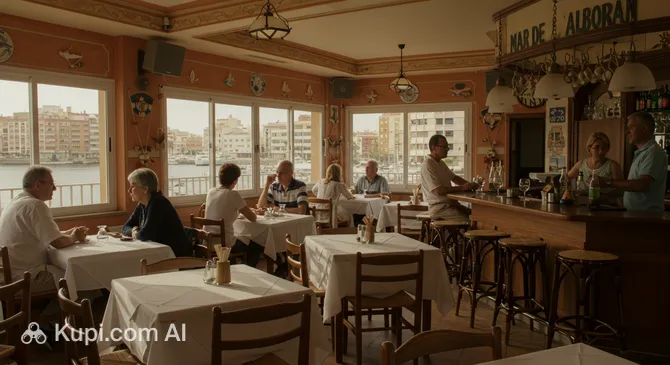
Mar de Alborán Restaurant. Source: Kupi.Binoculars

When it comes to drinks, the city offers a delightful contrast. The té moruno (Moorish tea) is a must-try; this sweet green tea with fresh mint is a symbol of hospitality and is often served with traditional pastries. On the other hand, the Spanish culture of cañas (small beers) and wine is very strong. In many establishments, ordering a drink still comes with a complimentary tapa, a custom that makes dining out both social and affordable.

The food scene is lively and varied, ranging from bustling street markets to elegant dining establishments. Locals often gather in the city center or near the port to socialize over long meals. For a memorable dining experience that captures the essence of the region, you might visit Mar de Alborán Restaurant, which offers a refined atmosphere and excellent local dishes. If you prefer a more casual setting to enjoy drinks and creative bites, La Cala Gastrobar is a popular spot to experience the modern side of Melilla's gastronomy.

Travel Tips

Welcome to Melilla, a captivating destination where Europe meets Africa in a vibrant display of culture and history. To help you navigate this unique Spanish enclave with ease and make the most of your journey, here are some practical tips tailored for a smooth travel experience.

  1. Clothing and Gear: Since the climate is typically Mediterranean, pack lightweight, breathable clothing for the summer and layers for the mild but cooler winter evenings. Comfortable walking shoes are a must, especially for exploring the cobblestone streets of Melilla la Vieja and the fortress ramparts. While the city is modern and liberal, it is respectful to dress modestly if you plan to visit religious sites like mosques or synagogues.

  2. Transportation: The city is compact and best explored on foot, particularly the Modernist center and the Old Town. For longer distances, the local bus network (COA) is reliable and connects the center with the border and outer neighborhoods. Taxis are plentiful and very affordable compared to mainland Europe; however, ride-hailing apps like Uber are generally not available, so stick to the official white taxis.

  3. Finances: The official currency is the Euro (€). Credit and debit cards are widely accepted in hotels, restaurants, and larger shops, but it is highly recommended to carry some cash for small purchases, street markets, or taxi fares. ATMs are readily available throughout the city. Tipping is not mandatory but is appreciated; leaving small change or rounding up the bill is a common gesture.

  4. Health and Safety: Melilla is generally a safe city for tourists, but standard precautions against pickpocketing should be taken in crowded areas. Pharmacies are marked with a green cross, and there is always one on duty (de guardia) 24/7. As a Spanish territory, the European Health Insurance Card (EHIC) is valid here, ensuring access to public healthcare facilities if needed.

  5. Communication: Spanish is the official language, though you will also hear Riffian Berber and some French. English is spoken in major hotels and tourist spots, but it is less widespread in local shops and cafeterias. Learning a few basic Spanish phrases like "Hola" (Hello) and "Gracias" (Thank you) will go a long way. If you have a European SIM card, EU roaming regulations apply, meaning you can use your data as if you were on the mainland.

  6. Local Etiquette: The lifestyle here follows the traditional Spanish rhythm. Lunch is the main meal of the day, usually eaten between 2:00 PM and 3:30 PM, and dinner is served late, often after 9:00 PM. Many shops close for siesta in the afternoon (roughly 2:00 PM to 5:00 PM), so plan your shopping accordingly. Greetings are warm; a handshake or two kisses on the cheek (among friends) is the norm.

  7. What to Avoid: Be very cautious about taking photographs near military installations, police stations, or the border fence area. This is a sensitive border zone, and security personnel may confiscate cameras or issue fines if you photograph restricted areas. Also, avoid relying solely on mobile data near the border with Morocco, as your phone might accidentally connect to a non-EU network, leading to unexpected roaming charges.

  8. Shopping Tip: Melilla enjoys a special tax status, often making goods like electronics, jewelry, and perfumes cheaper than on the Spanish mainland. It is a great place for duty-free shopping, but remember to check the customs allowances if you are traveling back to the mainland or another EU country to avoid issues at the airport or port.

By keeping these practical tips in mind, you will be well-prepared to immerse yourself in the rich tapestry of life in Melilla. Enjoy the warm hospitality, the stunning architecture, and the fascinating mix of cultures that make this city truly one of a kind.

Entertainment & Nightlife

Melilla comes alive after sunset, offering a vibrant nightlife scene that perfectly reflects its Spanish character mixed with North African influences. As in the rest of the country, the night starts late here; locals typically head out for dinner around 10:00 PM, and bars begin to fill up shortly after. The atmosphere is generally relaxed and welcoming, with a focus on socializing over drinks and tapas rather than intense clubbing, although there are venues for those who want to dance until dawn.

The epicenter of the city's nightlife is undoubtedly Puerto Noray (Noray Marina). Located at the foot of the old citadel, this marina is lined with numerous pubs, bars, and terraces that offer stunning views of the illuminated fortress and the Mediterranean Sea. It is a bustling area where people of all ages gather to enjoy music, cocktails, and the cool sea breeze. The vibe here ranges from chill lounge bars to livelier spots playing the latest hits.

For a sophisticated evening, you might visit La Cala Gastrobar. This venue is popular for its modern ambiance and excellent selection of drinks, making it a perfect spot to start the night or enjoy a relaxed conversation with friends. The dress code in most places, including Puerto Noray, is smart-casual; while you don't need to be overly formal, locals tend to dress up a bit when going out at night.

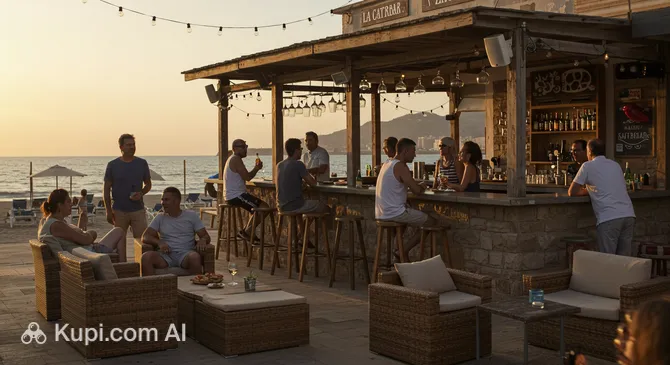
La Cala Gastrobar. Source: Kupi.Binoculars

During the summer months, the nightlife extends to the coastline. The area around Hípica Beach becomes particularly lively, with beach bars (chiringuitos) offering a festive atmosphere right on the sand. These seasonal venues are ideal for enjoying a refreshing mojito while listening to music under the stars. Prices in Melilla are generally more affordable than on the Spanish mainland due to its special tax status, making a night out quite budget-friendly.

If you are looking for daytime or early evening entertainment, the city offers several options beyond the bar scene. The Teatro Kursaal is a magnificent architectural gem that hosts plays, concerts, and cultural events throughout the year. For those who prefer shopping or catching a movie, Melilla Park Mall is the go-to destination. It features a modern cinema complex and a variety of shops and eateries, providing a great way to unwind before the nightlife kicks in.

Melilla Park Mall. Source: Kupi.Binoculars

Regarding safety, Melilla is generally safe for night walks, especially in well-lit and busy areas like the city center, the Modernist district, and Puerto Noray. However, as with any travel destination, it is wise to stay aware of your surroundings and avoid poorly lit outskirts late at night. Getting around is easy; taxis are white, plentiful, and inexpensive. They are the most recommended mode of transport for returning to your accommodation after a night out.

Parks & Museums

Melilla offers a surprising wealth of green spaces and cultural institutions, blending its natural beauty with a deep respect for history. The city is dotted with manicured gardens and expansive parks that provide a refreshing contrast to the urban architecture, while its museums are often housed within centuries-old fortifications, making the visit a journey through time.

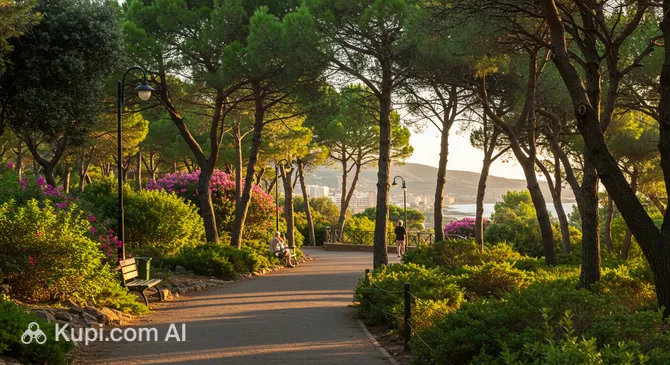
The most significant urban oasis is Hernández Park. Situated at the gateway to the Modernist district, this historic garden is a protected cultural landmark. Inaugurated in the early 20th century, it is renowned for its impressive collection of exotic flora, ceramic benches, and elegant fountains. It serves as a tranquil retreat where visitors can enjoy a leisurely walk under the shade of ancient trees right in the heart of the city.

Hernández Park. Source: Kupi.Binoculars

For a more expansive nature experience, Juan Carlos I Forest Park stands out as the city's green lung. This vast recreational area is perfect for outdoor enthusiasts, offering a network of trails for jogging and walking, along with distinct zones featuring Mediterranean vegetation and water features. It is a favorite spot for families and anyone looking to escape the bustle of the town center.

Culture lovers will find the city's museums fascinating, with many located inside the walls of Melilla Old Town. The citadel itself acts as an open-air museum, but it also hosts specialized institutions such as the Museum of Archaeology and History. Here, you can explore artifacts that tell the story of the city's Phoenician, Roman, and Spanish past. Additionally, the Military History Museum offers a compelling insight into the strategic importance of this enclave throughout the centuries.

Beyond traditional museums, the city's streets offer an artistic spectacle. The concentration of Modernist buildings in the Ensanche area creates a unique "living museum" environment. Walking through these neighborhoods allows visitors to admire intricate facades and architectural details that rival those found in major European capitals.

Getting Around

Navigating Melilla is remarkably straightforward, largely due to its compact size and efficient layout. The city does not rely on complex rail networks like metros or trams; instead, the public transport system is almost exclusively based on a reliable bus service. Operated by the Cooperativa Ómnibus de Automóviles (COA), these buses are easily recognizable by their blue color and serve as the main lifeline for locals and tourists alike, connecting the city center with residential neighborhoods, the commercial port, and the border area.

For most visitors, the bus network covers all necessary routes. There are several lines that operate throughout the day, typically running from early morning around 7:00 AM until approximately 10:00 PM or 11:00 PM, depending on the route and the day of the week. Frequencies are generally convenient, with buses arriving every 15 to 30 minutes. Stops are marked, and while route maps are available, the system is small enough that it is difficult to get lost.

The payment system is simple and traditional. You can purchase a single ticket directly from the driver when you board the bus. It is highly recommended to carry small change or low-denomination bills, as drivers may not always have change for large notes. The price for a single journey is very affordable, usually costing around 1 Euro. For those planning to use the bus frequently, a travel card known as the "Bonobús" is available. This rechargeable card offers discounted fares per trip and can be purchased and topped up at authorized kiosks, tobacco shops (estancos), or the central COA office.

Taxis are another extremely popular and practical alternative in the city. The official taxis are white with a diagonal green stripe on the front doors and a green light on the roof indicating availability. Unlike in many larger European capitals, taxis here are quite inexpensive, making them a viable option even for budget-conscious travelers. They can be hailed on the street, found at designated ranks (especially near the Plaza de España and the airport), or booked via telephone. Most taxis operate on a meter, and surcharges may apply for night rides or luggage.

Given the city's geography, walking is often the best way to explore the historic center. The "Golden Triangle" of Modernist architecture and the fortified Old Town (Melilla la Vieja) are best experienced on foot, as many streets are pedestrian-friendly or too narrow for public transport. There are no train stations or metro lines in the city, so visitors should not expect these facilities. For those who prefer more independence to explore the outskirts or nearby coastal areas, car rental agencies are available, though parking in the city center can sometimes be challenging.

Accommodation

Where to Stay:

Accommodation in Melilla is characterized by its quality rather than its quantity. As a compact city, it does not have the sprawling resort complexes found in other Mediterranean destinations, but it offers a solid selection of comfortable options that cater to various needs. The available lodging typically ranges from well-appointed 4-star hotels and mid-range establishments to budget-friendly hostels (hostales) and an increasing number of tourist apartments.

The most convenient area to stay is undoubtedly the city center, particularly within the "Modernist Triangle." Staying here places you within walking distance of the main commercial streets, the beautiful architecture surrounding Plaza de España, and a wide variety of restaurants and tapas bars. This location is perfect for travelers who want to be in the heart of the action and enjoy the city's vibrant atmosphere right at their doorstep.

Another popular option is the area near the port and the marina. Hotels located here often offer views of the sea and the majestic walls of Melilla Old Town. This district is ideal for those who appreciate a scenic backdrop and easy access to both the historic citadel and the ferry terminal. It is a strategic base for exploring the city's heritage while enjoying the refreshing sea breeze.

Hípica Beach. Source: Kupi.Binoculars

For visitors arriving during the summer months, staying closer to the coastline near Hípica Beach can be a delightful choice. While the city is small enough that the beach is never far away, accommodation in this area allows for a more relaxed, vacation-style experience with immediate access to the promenade and beach bars.

Regarding costs, Melilla is generally quite affordable compared to mainland Spain. You can expect to find excellent value for money, with mid-range hotels offering high standards of service at reasonable rates. Booking is typically done through major online platforms, which is the most convenient method. However, a helpful tip is to book well in advance if you plan to visit in August or during major local festivities, as the limited number of rooms can fill up quickly with returning locals and summer tourists.

Nearby Cities

For those looking to explore the surroundings, Melilla serves as an excellent base for day trips or short visits to several interesting nearby locations. While the city is an enclave on the North African coast, regular ferry and flight connections make it possible to discover the rich heritage of the Spanish mainland across the Alboran Sea.

One of the most popular destinations is Malaga, a vibrant metropolis on the Costa del Sol. Known as the birthplace of Picasso, it offers a fascinating mix of history and modernity, featuring the stunning Alcazaba fortress, a lively port, and world-class museums. Another captivating option is Almería, famous for its majestic Moorish citadel, which overlooks the city, and its proximity to unique desert landscapes and pristine beaches.

City Population Distance (km)
Malaga 967,250 207
Almería 200,753 178
Roquetas de Mar 102,881 166
El Ejido 87,500 165
Velez Malaga 83,899 195

These nearby destinations offer a glimpse into the diverse culture and landscapes of the region, providing travelers with ample opportunities for exploration beyond the city limits.

Shopping & Souvenirs

Shopping in Melilla is a delightful experience that combines the charm of a traditional Spanish city with the allure of a duty-free destination. Due to its special fiscal status outside the European Union's customs territory, the city does not apply Value Added Tax (VAT). Instead, it uses a local tax known as IPSI, which is significantly lower. This makes purchasing goods such as electronics, jewelry, branded clothing, and perfumes particularly attractive for visitors, as prices are often lower than on the Spanish mainland.

The main commercial activity is concentrated in the city center, particularly within the "Golden Triangle" of Modernist architecture. The bustling Avenida Juan Carlos I Rey serves as the primary shopping artery, lined with a mix of well-known Spanish fashion franchises, local boutiques, and historic shops. Walking down this street and its intersecting avenues, such as Calle O'Donnell, offers a pleasant open-air shopping experience surrounded by beautiful buildings.

For those who prefer a modern, all-in-one shopping environment, the Melilla Park Mall is the city's premier destination. Located slightly away from the center, this commercial complex houses a wide variety of international brands, a large supermarket, and leisure facilities. It is a convenient spot to find everything from the latest fashion trends to household goods in a comfortable, climate-controlled setting.

To experience the local flavor, a visit to the Mercado Central is highly recommended. This bustling market is vibrant and colorful, offering fresh local produce, seafood, and spices that reflect the city's culinary diversity. While it is primarily a food market, the surrounding streets often feature smaller stalls and shops selling miscellaneous items, creating a lively atmosphere where the daily life of the locals unfolds.

When it comes to souvenirs, Melilla offers a unique variety of goods thanks to its multicultural heritage. Visitors can find exquisite Berber jewelry and traditional gold craftsmanship, which are local specialties. Leather goods, Moroccan-style handicrafts, and ceramics are also popular choices. Additionally, many tourists take advantage of the lower taxes to buy high-end perfumes and cosmetics as gifts to take home.

Store opening hours generally follow the traditional Spanish schedule. Most shops open around 10:00 AM and close for a midday break (siesta) between 1:30 PM and 5:00 PM, reopening until approximately 8:30 PM or 9:00 PM. Larger establishments and the shopping mall may stay open throughout the day without closing for lunch. Major credit and debit cards are widely accepted, but it is always useful to carry some cash for smaller purchases in markets or local kiosks.

Regarding tax-free shopping, since Melilla already operates under a low-tax regime with no VAT, the standard European "Tax-Free" refund system for tourists does not apply in the same way. The savings are direct at the point of purchase due to the reduced local tax rates. However, travelers should be aware of customs allowances when returning to the Spanish mainland or other EU countries, as there are limits on the amount of tobacco, alcohol, and other goods that can be brought in duty-free.

Reached the end of the page?

That means the route is fully explored