Support

Oujda

About

Welcome to Oujda, the vibrant capital of the Oriental region and a fascinating cultural crossroads in the northeastern part of Morocco. Often referred to as the "City of Mosques," Oujda offers a unique blend of traditional Moroccan charm and modern development. With a population of nearly half a million people, it serves as a bustling commercial hub while maintaining a relaxed and welcoming atmosphere for visitors.

Geographically, the city is situated just a few kilometers from the Algerian border, giving it a strategic location that has influenced its character over centuries. The climate here is Mediterranean, featuring hot summers and mild, pleasant winters, making it a year-round destination. Those interested in the deep roots of this ancient settlement can explore the history of Oujda, which dates back to its founding in the 10th century by Ziri ibn Atiyya.
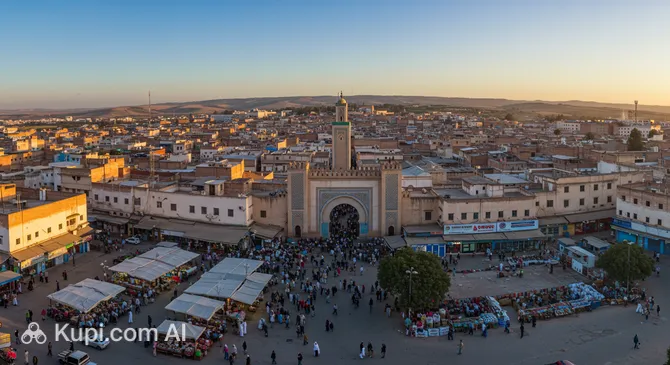
Oujda. Source: Kupi.Binoculars

Travelers are often drawn to the city's authentic Medina, which is less crowded than those in other major tourist cities but equally captivating with its lively souks and traditional architecture. A major landmark is the imposing Bab Sidi Abdelwahab, a historical gate that stands as a testament to the city's fortified past. For a moment of tranquility, the sprawling Parc Lalla Aicha offers lush gardens and pools, providing a perfect escape from the urban energy.

Whether you are passing through on a wider journey or staying to soak up the local culture, Oujda promises a genuine experience of Moroccan hospitality. Its distinct musical heritage, known as Gharnati, and its delicious regional cuisine make it a delightful stop for any traveler seeking to discover the diverse facets of the kingdom.
Weather Overview

The climate in this region is characterized by distinct seasonal changes, offering visitors a mix of hot summers and cooler winters. To help you pack the right clothing for your trip, it is helpful to review the detailed weather in Oujda before you travel.

During the summer months, particularly July and August, the city experiences its highest temperatures. You can expect average highs to reach around 34°C to 35°C, with virtually no rainfall and clear, sunny skies. This is the driest part of the year, perfect for those who enjoy the heat, though it is advisable to stay hydrated and seek shade during midday.

In contrast, the winter season brings cooler air and more frequent cloud cover. January is typically the coldest month, with average temperatures hovering around 9.7°C and nighttime lows dropping to approximately 3.7°C. While heavy rainfall is not the norm, months like March can see up to 10 wet days, marking a shift towards the blooming spring season. Overall, expect hot, dry summers and cool winters with occasional scattered showers.

Interesting Facts

Beyond the main attractions, Oujda holds many fascinating secrets that reveal its depth as a cultural and historical crossroads. From ancient spiritual sites to unique musical traditions, here are some intriguing details about this eastern Moroccan city.
  • Oujda is widely celebrated as the capital of Gharnati music, a classical Andalusian style that flourished here after the fall of Granada. The city diligently preserves this poetic and melodic heritage, hosting an annual international festival that draws musicians and enthusiasts from across the region to celebrate these centuries-old rhythms.

  • The lush Lalla Aicha Park is not merely a garden but one of the oldest and largest urban parks in Morocco, spanning approximately 20 hectares. Established in the 1930s, it serves as a vital "green lung" for the city, offering a sprawling oasis of relaxation that contrasts sharply with the arid surroundings of the region.

  • Just outside the city center lies the oasis of Sidi Yahia, a site of rare spiritual significance that has historically been venerated by Muslims, Jews, and Christians. This shared reverence for the patron saint buried there highlights the region's deep-rooted history of coexistence and multicultural heritage.

  • The historic Bab Sidi Abdelwahab carries a somewhat eerie legend from its past, having once been known as the "Gate of Heads." In earlier centuries, the severed heads of rebels were displayed here as a warning, though today it stands as a peaceful and lively entrance to the city's most vibrant market.

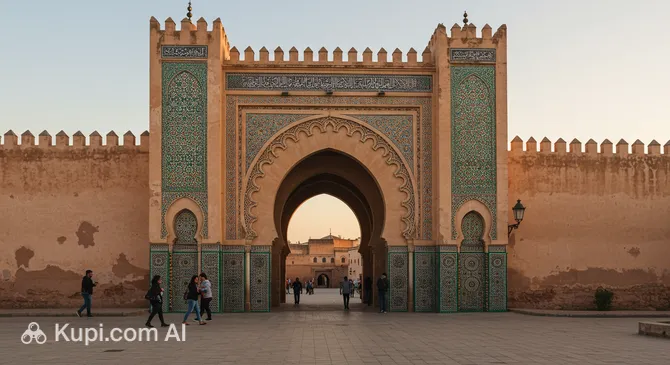
Bab Sidi Abdelwahab. Source: Kupi.Binoculars

How to Get There

Reaching the capital of the Oriental Region is relatively straightforward, with options ranging from direct flights to scenic train journeys. For a complete overview of routes and logistics, you can read more about how to get to Oujda to help plan your arrival.

The most convenient entry point for air travelers is Les Angades Airport (IATA: OUD). This international airport is located just outside the city limits, approximately 12 km from the center. It handles a significant number of seasonal and regular flights, connecting the region with Europe and other parts of Morocco. A taxi or shuttle transfer from here to the downtown area typically takes about 40 minutes.

If direct flights are unavailable, another viable option is Nador International Airport (IATA: NDR), situated in the neighboring city of Nador. While it is about 109 km away from Oujda, it serves as a major regional hub with frequent connections. Travelers arriving here should plan for a longer ground transfer, as the drive to Oujda takes roughly 3 hours by taxi or bus.

For clarity, here is a summary of the main airports:

Airport Name City Passenger Traffic Km from City
Es Senia Airport Oran Large 156.5
Nador International Airport Nador Medium 108.7
Les Angades Airport Oujda Medium 11.9
Melilla Airport Ad Darwa Medium 117.0
Zenata Airport Tlemcen Small 55.4

Oujda is also a significant hub on the national railway network, serving as the eastern terminus for the main line crossing the country. Regular train services connect the city to major destinations such as Fez, Meknes, Rabat, and Casablanca. The central train station offers a comfortable and scenic way to arrive, especially for those who are already exploring other parts of the kingdom.

Main Attractions

Oujda offers a compelling mix of historical landmarks and relaxing green spaces, making it a delightful destination for those looking to explore the authentic side of eastern Morocco. The city’s attractions range from ancient fortifications to vibrant public parks and culinary hotspots.

A visit to the city would be incomplete without seeing Bab Sidi Abdelwahab. This majestic gate is not only a key historical monument but also the vibrant heart of the city center. Dating back to the 13th century, the gate marks the entrance to the medina and overlooks a bustling square that has traditionally been a gathering place for locals. It is an excellent starting point for immersing yourself in the city's atmosphere, with markets and street vendors creating a lively scene around its ancient walls.

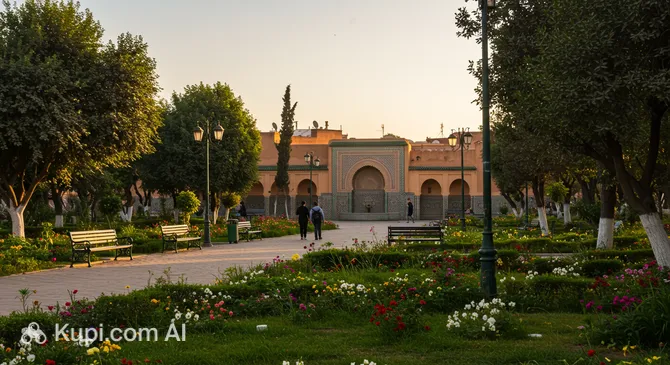
For those seeking tranquility and leisure, Lalla Aicha Park is the perfect retreat. As one of the largest urban parks in the country, it serves as a lush oasis featuring tall palm trees, swimming pools, and wide walking paths. It is a favorite spot for families and nature lovers, offering a cool respite from the bustling streets and a chance to enjoy the outdoors in a beautifully maintained setting.

Lalla Aicha Park. Source: Kupi.Binoculars

Exploring the local gastronomy is also a highlight of any trip to Oujda. Chhiwat Lmaallem Restaurant is a popular venue where visitors can dive into the region's rich culinary heritage. Known for serving traditional Moroccan dishes with an authentic touch, it provides a welcoming environment to sample local favorites such as tagines and couscous, reflecting the deep flavors of the Oriental region.

Chhiwat Lmaallem Restaurant. Source: Kupi.Binoculars

Beyond these specific sites, the city's Medina itself is a major draw. Unlike the more frenetic old towns found in other Moroccan cities, Oujda's medina offers a more relaxed experience. Visitors can wander through its narrow alleys, admire the architecture of the Great Mosque, and shop for traditional handicrafts and spices without the overwhelming crowds, allowing for a genuine connection with the local culture.

Local Cuisine

Oujda’s culinary scene is a distinct chapter in the Moroccan gastronomy book, heavily influenced by its position near the Algerian border and its rich Andalusian heritage. The food here is known for being hearty, spicy, and deeply traditional. Unlike the standardized menus often found in major tourist hubs, Oujda offers an authentic taste of the Oriental region, where recipes have been preserved with care and passed down through generations.

The undisputed king of local street food is Karan (also known as Kalinti). This savory flan made from chickpea flour and eggs is baked until it forms a golden crust and is typically served warm in a baguette, dusted generously with cumin and spicy paprika. It is almost always accompanied by a glass of Barida, a refreshing, sweet lemon drink prepared with citric acid or fresh juice. This iconic duo is an affordable and beloved snack found on nearly every street corner, representing the true flavor of the city.

For a more substantial meal, adventurous eaters should look for Bakbouka, a specialty unique to eastern Morocco. This dish consists of a sheep's stomach stuffed with a rich mixture of rice, liver, meat, and aromatic herbs, then slow-cooked in a savory sauce. Another regional favorite is the Kaak of Oujda, a ring-shaped biscuit flavored with anise and fennel seeds. These crunchy treats are a staple in local households, perfect for dipping into mint tea during breakfast or afternoon gatherings.

Dining in the city ranges from lively street stalls to comfortable family-run establishments. The area surrounding Bab Sidi Abdelwahab is a gastronomic hotspot, particularly in the evenings when the air fills with the smoke of grilled meats and the scent of spices. Here, you can immerse yourself in the local atmosphere and sample various delicacies fresh from the vendors.

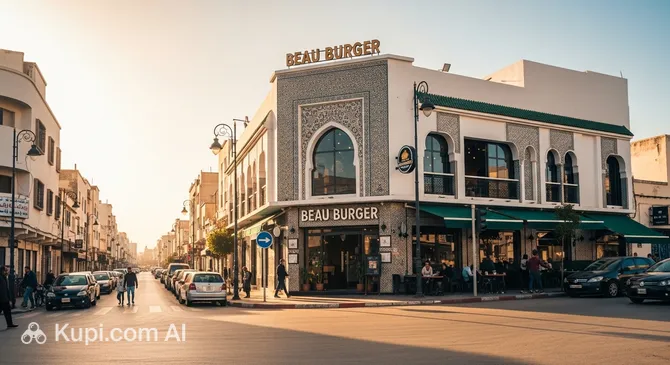
Beau Burger. Source: Kupi.Binoculars

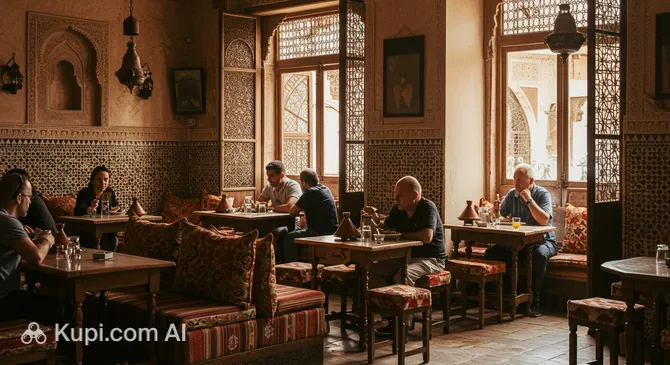
If you prefer a sit-down experience to enjoy traditional tagines or couscous, Chhiwat Lmaallem Restaurant is a well-regarded choice that showcases the depth of local cooking in a welcoming setting. For those looking for a quick modern bite amidst the traditional flavors, Beau Burger offers a casual dining atmosphere popular with locals. Whether snacking on the go or enjoying a festive feast, the flavors of Oujda are sure to leave a lasting impression.

Travel Tips

To ensure your visit to Oujda is as smooth and enjoyable as possible, a few practical preparations can go a long way. As a city that balances its deep-rooted traditions with modern life, knowing what to expect regarding local customs and logistics will help you navigate the "Capital of the Oriental" with confidence.

  • Currency and Cash: The local currency is the Moroccan Dirham (MAD). While some modern hotels and supermarkets accept credit cards, Oujda operates largely on cash, especially in the souks, small cafés, and for taxi fares. It is advisable to carry small change, as breaking large bills can sometimes be difficult in smaller shops. ATMs are widely available throughout the city.
  • Transportation: The most convenient way to get around is by using the local "Petit Taxis," which are painted red. They are plentiful and affordable. Always ensure the driver turns on the meter when you start your journey; if not, politely ask them to do so. For trips outside the city, you would typically use a "Grand Taxi" (shared white sedans). The city center itself is compact enough to explore comfortably on foot.
  • Clothing and Weather: The region experiences a Mediterranean climate with hot summers and cool winters. In summer, pack lightweight, breathable fabrics, but bring a light layer for evenings. If visiting in winter, a warm coat is essential. Since Oujda is more traditional than tourist hubs like Marrakech, it is respectful to dress modestly by covering your shoulders and knees, particularly when visiting religious sites or the Medina.
  • Language: The main languages spoken are Moroccan Arabic (Darija) and French. While English is becoming more common among the younger generation, it is not as widely spoken as in western Morocco. Knowing a few basic phrases in French or Arabic—such as greetings and numbers—will be extremely helpful and appreciated by the locals.
  • Local Rhythm: Embrace the local pace of life. In the afternoon, particularly during the hot summer months, the city may slow down for a siesta, with some shops closing until the temperature drops. Fridays are the holy day, so expect some businesses to be closed or have limited hours during the midday prayer time.
  • Etiquette: Moroccans are known for their hospitality. When greeting someone, a handshake is common, often followed by touching your hand to your heart as a sign of respect. If you are invited into a home, remember to remove your shoes at the entrance. Public displays of affection are generally considered inappropriate in this cultural setting.

By keeping these tips in mind, you will be well-equipped to explore the hidden gems of Oujda without hassle. Embracing the local customs and respecting the city's unique rhythm will undoubtedly enrich your experience in this welcoming corner of the country.

Entertainment & Nightlife

Nightlife in Oujda is distinct from the high-energy clubbing scenes found in cities like Casablanca or Marrakech. Here, the evening entertainment is deeply rooted in social interaction, promenade culture, and gastronomy. As the sun sets, the city cools down and comes alive with families, friends, and visitors filling the streets to enjoy the pleasant evening air. The atmosphere is relaxed and welcoming, characterized by lively conversations in cafés and the aroma of street food rather than loud music and dance floors.

The epicenter of evening activity is undoubtedly the area surrounding Bab Sidi Abdelwahab. At night, the square facing this historic gate transforms into a bustling open-air hub. It is a perfect place to experience the local "night market" vibe, where vendors sell everything from grilled corn to clothes, and storytellers or street performers often entertain the crowds. The energy here is contagious, offering a genuine slice of Moroccan life that continues well into the night.

For those looking to enjoy a meal in a lively setting, the city offers excellent "night restaurant" options. Chhiwat Lmaallem Restaurant is a great choice for a relaxed evening dinner, serving traditional dishes in a setting that reflects the local hospitality. If you prefer a more casual, modern vibe for a late-night bite, Beau Burger is a popular spot among the younger crowd, offering a friendly atmosphere to unwind after a day of exploration.

While Oujda is conservative and alcohol is not widely served in standard cafés, travelers seeking a drink can find bars and lounges primarily located within major hotels. These venues offer a more western-style nightlife experience with music and a selection of beverages, providing a quiet escape for those who wish to enjoy a cocktail. The dress code in these establishments is usually smart-casual, while the rest of the city is quite informal but modest.

During the day, entertainment leans towards cultural and leisure activities. Before the evening rush, you might visit the local theater for a performance or simply enjoy a peaceful afternoon at Lalla Aicha Park, which remains a favorite gathering spot for locals seeking recreation. The city also hosts various cultural festivals throughout the year, notably the International Festival of Raï Music, which electrifies the summer nights with concerts.

Practical Advice for the Evening:

  • Safety: Oujda is generally safe for night walks, especially in well-lit, populated areas like Boulevard Mohammed V and the Medina outskirts. However, it is always wise to stay aware of your surroundings and avoid unlit backstreets late at night.
  • Transportation: The red "Petit Taxis" operate around the clock and are the safest and most convenient way to get back to your hotel. You can easily hail one from the street or find them waiting near major squares.
  • Timing: The evening scene typically starts late, around 8:00 PM or 9:00 PM, especially in summer when locals wait for the heat to subside. Shops and cafés often stay open until late, allowing for plenty of time to explore.

Parks & Museums

While Oujda is known as a bustling commercial crossroads, it also surprises visitors with its dedication to green spaces and the preservation of its regional heritage. The city offers a refreshing balance between urban energy and tranquil retreats, boasting expansive parks and cultural venues that celebrate the artistic and historical legacy of the Oriental region.

The most prominent green space in the city is undoubtedly Lalla Aicha Park. Located near the city center, this sprawling garden is a favorite among locals for morning jogs, family picnics, and leisurely strolls. It features diverse vegetation, wide promenades, and recreational facilities, including swimming pools and tennis courts. Beyond its role as a leisure hub, the park serves as a botanical sanctuary that offers a cool, shaded respite from the warm semi-arid climate of the region.

For those who prefer a more rugged and natural environment, the Sidi Maafa Park offers a completely different experience. Situated on a hill overlooking the city, this extensive forest park is covered with pine and eucalyptus trees. It is the premier destination for hikers, mountain bikers, and nature lovers seeking panoramic views of Oujda and the surrounding plains. The trails here are well-maintained, making it an excellent spot for a sunset walk to admire the city lights from above.

When it comes to cultural immersion, the Lalla Meryem Museum is a must-visit gem. Housed in a charming building surrounded by a garden, this museum focuses on the traditional arts and ethnography of the region. Visitors can admire collections of antique weaponry, intricate jewelry, traditional costumes, and musical instruments that tell the story of the local tribes and the city's Andalusian influences.

Another architectural jewel that serves as a cultural beacon is Dar Sebti. Built in 1938, this magnificent palace showcases the grandeur of neo-Moorish architecture with its ornate zellij tilework, carved plaster, and elegant arches. Originally a private residence, it has been transformed into a cultural center that frequently hosts exhibitions, receptions, and concerts, particularly during the famous International Festival of Gharnati Music.

History enthusiasts should also explore the city’s religious and defensive heritage. The Great Mosque (Al Jamaa Al Kabir), dating back to the Marinid dynasty in the 13th century, stands as the oldest mosque in Oujda and a masterpiece of medieval Moroccan architecture. Nearby, the ancient city walls and gates, such as the iconic Bab Sidi Abdelwahab, continue to define the layout of the old Medina, reminding visitors of the city's strategic military past.

For a truly authentic experience, take a short trip to the Sidi Yahia Oasis on the outskirts of the city. This lush valley is not only a natural haven with flowing springs and palm trees but also a site of deep spiritual significance. It contains the shrine of a patron saint venerated historically by Muslims, Jews, and Christians alike, offering a unique glimpse into the region's history of coexistence amidst a peaceful natural setting.

Getting Around

Navigating Oujda is relatively straightforward and stress-free, as the city does not rely on complex metro or tram networks. The public transport system is primarily composed of a reliable bus service and a vast fleet of taxis. The bus network, managed by the company Mobilys, covers the majority of the city, connecting the downtown area with residential neighborhoods and university districts. These buses are modern and offer a very economical way to travel, though they can become quite crowded during peak school and work hours.

For most tourists, the red Petit Taxis are the most popular and convenient mode of transport. These small vehicles are ubiquitous throughout the city and can be easily hailed from the curb. They operate on a metered system, making them a transparent and fair option for getting around. It is important to note that these taxis are permitted to pick up up to three separate passengers if they are heading in the same general direction, so do not be surprised if the driver stops to let someone else in during your ride.

The payment system in Oujda is almost exclusively cash-based. There are no integrated travel cards or mobile ticketing apps for tourists. When taking a bus, you simply pay the driver or the conductor upon boarding and receive a paper ticket, which you should keep until the end of your journey. Fares are fixed and very low. For taxis, payment is made to the driver at the end of the trip based on the meter reading. It is highly advisable to carry small coins and change, as drivers frequently do not have enough change for large banknotes.

Practical advice for using transport here includes being aware of operating hours and surcharges. Buses typically run from early morning until around 9:00 PM or 10:00 PM. Taxis are available 24/7, but a night surcharge (usually 50%) is added to the meter reading after 8:00 PM in the winter and 9:00 PM in the summer. Always ensure the driver turns on the meter ("compteur") when you enter; if they forget, a polite reminder is all that is needed.

While ride-hailing apps and car-sharing services are not standard in Oujda, the "Grand Taxis" serve as a vital alternative for travel beyond the city limits. These are larger, typically white sedans that operate on fixed routes to nearby towns, the airport, or the seaside. They depart from designated stations once all seats are filled. Additionally, the city center and the Medina are compact and pedestrian-friendly, making walking one of the best ways to soak in the local atmosphere without the need for a vehicle.

Accommodation

Finding accommodation in Oujda is generally a straightforward and affordable experience compared to Morocco's more heavily toured cities. The hospitality sector here is geared largely towards business travelers and Moroccan families visiting relatives, but it is well-equipped to welcome international tourists. Visitors can choose from a decent selection of establishments, ranging from budget-friendly hostels and modest guesthouses to comfortable mid-range hotels and a few higher-end modern establishments.

For those who want to be in the heart of the action, the most convenient area to stay is the city center (Centre Ville). Staying here places you within walking distance of the Medina, the central train station, and key landmarks like Bab Sidi Abdelwahab. This area is bustling with cafes and restaurants, making it easy to find food and entertainment just steps from your lobby. Alternatively, travelers seeking a quieter environment or more spacious facilities often opt for hotels located on the outskirts of the city or in the newer administrative districts, where larger properties with swimming pools and secure parking are more common.

While Oujda does not boast the vast array of luxury resorts found in Marrakech or Agadir, it does offer several well-regarded hotels that provide excellent service and modern amenities. You can expect to find clean, air-conditioned rooms with Wi-Fi in most 3-star and 4-star establishments. There are also a growing number of furnished apartments available for short-term rental, which can be a great option for families or those planning a longer stay who prefer self-catering facilities.

Booking Tips and Prices:

Accommodation prices in Oujda are generally very reasonable. Budget travelers can find rooms for as little as 20-30 EUR per night, while mid-range and upscale hotels typically range from 50 to 100 EUR. It is highly recommended to book your stay in advance if you are traveling during the summer months (July and August). This is the peak season when many Moroccans living abroad return home for the holidays, and hotels can fill up quickly. Most major hotels accept online bookings and credit cards, but smaller guesthouses may prefer cash payment in Dirhams.

Nearby Cities

For those looking to explore the surroundings, Oujda serves as an excellent base for day trips to several interesting nearby locations:

One of the most appealing destinations for nature lovers is Berkane, often referred to as the citrus capital of Morocco due to its abundant orange and clementine groves. Located at the foot of the Beni Snassen mountains, it offers easy access to lush valleys and the Zegzel Gorge. For a change of scenery, a trip to Nador provides a refreshing coastal experience. Situated on the edge of the Marchica lagoon, this Mediterranean city features a beautiful corniche and serves as a relaxing spot to enjoy fresh seafood and sea views.

City Population Distance (km)
Taourirt 321876 96
Nador 161726 109
Berkane 109237 46
Al Aaroui 47599 108
Jerada 43506 48

These nearby destinations offer a glimpse into the diverse culture and landscapes of the region.

Shopping & Souvenirs

Shopping in Oujda offers a refreshing departure from the commercialized tourist hubs of Morocco. Here, the experience is deeply authentic, catering primarily to locals rather than international visitors. This means you can explore traditional markets without the intense pressure to buy often found in other cities, and prices are generally fixed and reasonable. The city presents a mix of ancient souks brimming with heritage and modern districts that reflect its development as a major commercial center.

The heart of the shopping scene is undoubtedly the Medina. Unlike the labyrinthine medinas of Fez or Marrakech, Oujda’s old town is easier to navigate but just as vibrant. The narrow streets are lined with small shops selling traditional garments, leather goods, and household items. For a more contemporary shopping experience, Boulevard Mohammed V serves as the city's modern artery. This wide avenue is flanked by boutiques, shoe stores, and perfumeries, offering a pleasant stroll for those looking for European-style fashion and accessories.

While Oujda does not have massive mega-malls, it features several modern commercial centers that serve the community's needs. The most prominent is the Marjane hypermarket complex located on the outskirts of the city. It functions as a shopping gallery with a variety of branded stores, electronics shops, and cafes, providing a one-stop destination for travelers needing travel supplies or familiar international products.

The true spirit of commerce in Oujda, however, is found in its traditional markets. The area surrounding Bab Sidi Abdelwahab is the city's most famous marketplace. This sprawling open-air souk is a sensory overload of sights and smells, where vendors sell mountains of fresh olives, piles of spices, and seasonal fruits. It is particularly known for its food stalls, making it an excellent place to observe daily life and purchase fresh local produce directly from farmers.

When looking for souvenirs to take home, Oujda has several unique specialties. The city is renowned for its jewelry craftsmanship, particularly gold, and there is an entire street in the Medina dedicated to goldsmiths where intricate designs are sold by weight. Food items are also top choices; the famous Kaak of Oujda (anise-flavored biscuits) make for a delicious and durable gift. Additionally, the region produces high-quality olive oil and dates, which are much appreciated by visitors.

Opening Hours and Payment: Shops in the Medina and independent boutiques typically open around 9:00 AM or 10:00 AM and stay open until late evening, often taking a break in the afternoon between 1:00 PM and 3:00 PM, especially during summer. Be aware that many shops close for the Friday midday prayer. Cash is the primary method of payment in souks and smaller stores, so it is essential to carry Moroccan Dirhams. Credit cards are generally accepted only in modern supermarkets, hotels, and upscale boutiques.

Tax-Free Shopping: Morocco offers a VAT refund system for tourists on purchases made in eligible stores (spending over 2,000 MAD). While this is common in major tourist cities, finding shops in Oujda that participate in the tax-free scheme can be challenging. It is best to look for the "Tax Free Shopping" sign in larger modern stores, but do not expect this service in the traditional souks.

Reached the end of the page?

That means the route is fully explored