Support

Fez

About

Fez is a city that effortlessly transports visitors back in time, serving as the spiritual and cultural capital of Morocco. With its labyrinthine streets, vibrant souks, and ancient architecture, it offers an atmosphere that is both chaotic and enchanting. As one of the country's four imperial cities, Fez holds a unique place in the hearts of travelers seeking an authentic North African experience.

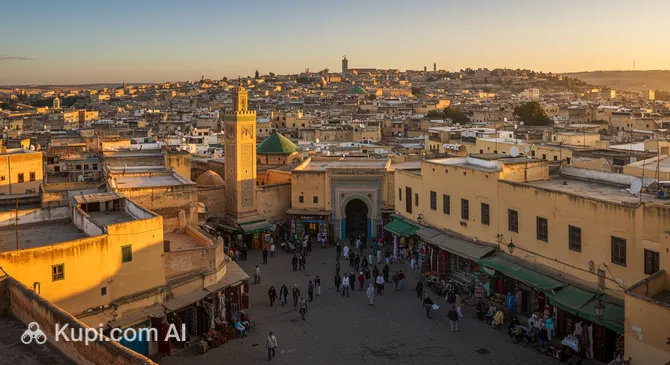
Fez. Source: Kupi.Binoculars

Geographically, the city is situated in the northern inland part of the country, nestled within the Fès-Meknès region. It is home to over 1.1 million people, making it a bustling metropolis that bridges the gap between the ancient and the modern. The climate here is typically Mediterranean, characterized by hot, dry summers and cool, wet winters, which shapes the rhythm of life in this historic urban center.

The rich history of Fez is best explored within the walls of Fes el Bali, the old medina. This UNESCO World Heritage site is the largest car-free urban area in the world, famous for the iconic Chouara Tanneries, where leather is dyed using traditional methods that have remained unchanged for centuries. Visitors are also drawn to the University of Al Quaraouiyine, founded in 859 AD, which stands as a testament to the city's enduring intellectual legacy.

Whether you are getting lost in the winding alleys or admiring the intricate tile work of a madrasa, Fez promises an unforgettable journey. It is a destination that demands to be explored with all senses, inviting every visitor to uncover the secrets hidden behind its grand gates.

Weather Overview

Travelers planning a trip to this historic city should be prepared for significant seasonal variations. The summer months of July and August are the hottest, with average temperatures hovering around 28°C and daytime highs often peaking at 36°C. This period is extremely dry, with almost no rainy days recorded, ensuring clear blue skies for your adventures.

As the seasons shift, the region cools down considerably. Winters are generally mild but can get chilly, particularly in January when temperatures dip to a minimum of 6.0°C. This is also when you are most likely to encounter rain, with January and March seeing up to 8 to 11 wet days per month, so packing layers is advisable.

Spring and autumn serve as comfortable transition periods, with average temperatures sitting pleasantly between 15°C and 25°C. Overall, you can expect hot, arid summers and cooler winters with occasional showers. For a comprehensive forecast and monthly breakdown to help you pack, consult the detailed guide to the weather in Fez.

Interesting Facts

Beyond the famous leather tanneries and bustling souks, Fez holds many fascinating secrets waiting to be uncovered by the curious traveler. The city’s history is layered with mysteries and unique urban features that often go unnoticed by the casual observer.
  • The Mystery of the Water Clock: Opposite the Bou Inania Madrasa sits the enigmatic Dar al-Magana, a hydraulic clock built in the 14th century. To this day, experts have not fully deciphered the intricate system of water and weights that once allowed it to tell time with precision, leaving its mechanism a lingering historical puzzle.

  • A Hospital for Donkeys: Because the old medina is a car-free zone, donkeys and mules are the primary means of transporting goods. To support these essential workers, the city houses the American Fondouk, a dedicated veterinary hospital that has been providing free care to the working animals of Fez for nearly a century.

  • Fueled by Olive Pits: The city is renowned for its distinctive "Fez Blue" pottery, but few know the secret behind the craft. The traditional kilns are often fired using olive pits (waste from olive oil production), which burn at the extremely high temperatures required to achieve the perfect glaze and durability.

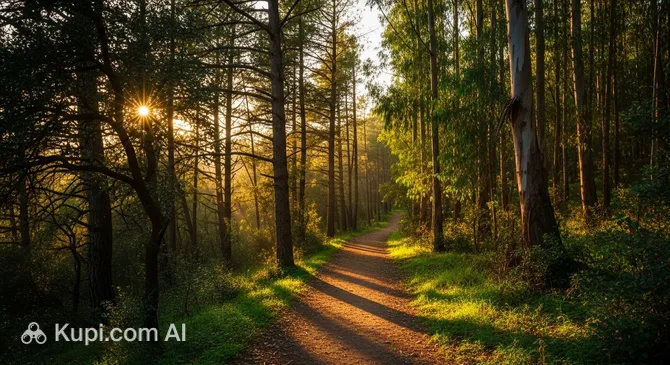
  • A Hidden Green Lung: While the city center is a dense labyrinth of stone, a surprising natural escape lies just a short distance away. The Aïn Chkef Forest covers a vast area and serves as a vital recreational space where locals go to enjoy fresh air and tranquility away from the medina's intensity.

Aïn Chkef Forest. Source: Kupi.Binoculars

How to Get There

Planning your journey to the spiritual heart of Morocco is the first step toward an unforgettable adventure. Whether you are arriving from an international destination or another Moroccan city, there are several convenient ways to reach this historic destination. You can read more about how to get to Fez to decide which route best suits your travel itinerary.

The most direct way to arrive is via Fes-Saiss Airport (IATA: FEZ), which is conveniently located just 10.5 km from the city center. This international hub handles a significant volume of travelers, with an annual passenger traffic of approximately 2.5 million, connecting the region to various European and domestic locations. Once you land, the journey to the city center or the medina typically takes about 35 to 40 minutes by taxi.

If a direct flight is not available, you might consider flying into Sale Airport (IATA: RBA), located in the city of Rabat, approximately 161 km away. While it requires a longer transfer, it is a viable alternative for many travelers. Another option is the Tangier Ibn Battouta Airport (IATA: TNG) in Tangier, situated about 207 km north of Fez. Both of these airports are in different cities, so you will need to arrange for a train, bus, or long-distance taxi to complete your trip to Fez.

For clarity, here is a summary of the main airports:

Airport Name City Passenger Traffic Km from City
Fes-Saiss Airport Fez Medium 10.5
Tangier Ibn Battouta Airport Tangier Medium 207.0
Sale Airport Rabat Medium 161.1
Sania Ramel Tetouan Small 177.2
Charif Al Idrissi Airport Al Hoceima Small 167.4

For those preferring overland travel, Fez is a key hub on Morocco's national railway network (ONCF). The main railway station, Fès-Ville, is located in the new part of the city (Ville Nouvelle) and offers regular, comfortable connections to major destinations such as Casablanca, Rabat, Marrakech, and Tangier. Arriving by train is often a scenic and stress-free way to enter the city, with plenty of "petit taxis" available at the station to take you to your accommodation in the medina.

Main Attractions

While the ancient medina often takes center stage, the city offers a variety of other destinations where visitors can relax, dine, and enjoy the local atmosphere. Beyond the historic walls, travelers will find exceptional places that blend modern leisure with Moroccan hospitality.

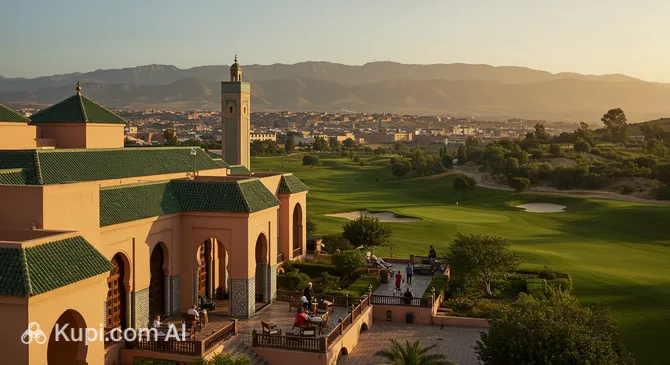
For sports enthusiasts and those seeking tranquility, the Oued Fes Golf Resort is a premier destination. Located surprisingly close to the city center, this facility offers a lush, green escape from the urban hustle. It features a well-designed course that caters to various skill levels, allowing golfers to enjoy their game amidst beautiful surroundings. The resort also provides a refined setting for relaxation, making it a perfect spot to unwind after a day of sightseeing.

Oued Fes Golf Resort. Source: Kupi.Binoculars

Nature lovers should not miss the chance to visit the Aïn Chkef Forest. This expansive natural park is a favorite among locals for weekend picnics, jogging, and leisurely walks. It offers a refreshing change of pace with its tall trees and fresh air, providing a spacious environment where families and friends can gather. It serves as a vital green space in the region, perfect for those looking to connect with nature.

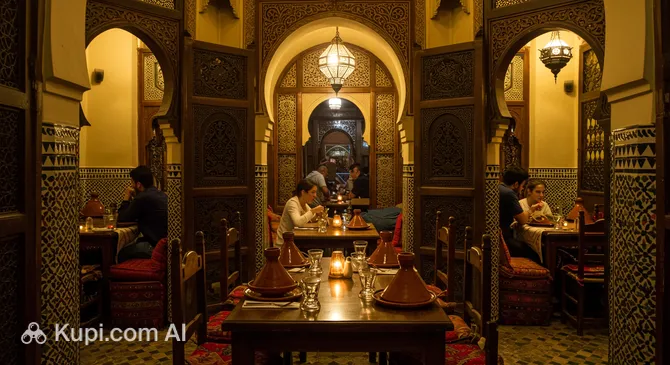
The city's culinary scene is equally inviting, with establishments like Nomai Fes drawing attention for their vibrant atmosphere. This venue is known for offering a blend of contemporary style and traditional flavors, creating a dining experience that appeals to modern tastes. It is an excellent choice for travelers looking to enjoy a memorable evening out, accompanied by good food and a lively ambiance.

Nomai Fes. Source: Kupi.Binoculars

Another highlight for gastronomy is La Villa, a restaurant that typically offers a sophisticated dining environment. Places like this are integral to the city's modern charm, providing a venue where guests can savor expertly prepared dishes in a comfortable and elegant setting. Visiting these establishments allows tourists to experience the cosmopolitan side of the city, complementing the traditional journey through the old town.

Local Cuisine

Fez is widely regarded as the culinary capital of Morocco, offering a gastronomic heritage that has been refined over centuries. The local cuisine is a sophisticated blend of Berber, Arab, and Andalusian influences, known for its intricate balance of sweet and savory flavors. For food enthusiasts, the city provides an opportunity to taste authentic dishes that are often difficult to find elsewhere in the country.

The undisputed star of Fessi cuisine is the Pastilla (or Bastilla). This elaborate pie traditionally consists of layers of paper-thin "werqa" dough filled with a mixture of pigeon or chicken, almonds, and eggs, all seasoned with saffron and cinnamon. It is finished with a dusting of powdered sugar, creating a unique taste profile that perfectly represents the city's culinary complexity.

Another staple to try is the Tagine with Prunes and Almonds. While tagines are common throughout Morocco, the version in Fez is particularly renowned for its tender lamb and the rich, caramelized sauce created by the dried fruits. Street food is also an integral part of the experience, with the medina's stalls offering snacks like Maakouda (potato fritters) and Bessara (fava bean soup), usually accompanied by fresh bread and sweet mint tea.

For those looking for a sit-down dining experience, the city offers a range of establishments from traditional riads to modern venues. La Villa is one such restaurant where visitors can enjoy a meal in a setting that reflects the city's hospitality. It provides a comfortable atmosphere for travelers wishing to sample well-prepared dishes.

In addition to traditional spots, the culinary scene is evolving. Places like Nomai Fes offer a different vibe, catering to those who might want to experience the modern side of Moroccan dining. Exploring these various eateries allows visitors to appreciate the full spectrum of flavors that this historic city has to offer.

Travel Tips

Visiting Fez is a dive into a world of sensory richness and deep tradition, but navigating this historic city in Morocco can be a bit overwhelming for first-timers. To help you embrace the chaos and charm of this imperial city with confidence, here are some practical tips to keep in mind.

  1. Clothing and Gear: As a culturally conservative city, it is respectful to dress modestly; cover your shoulders and knees, especially when exploring the medina or religious sites. Comfortable walking shoes are non-negotiable, as the old town consists of thousands of cobblestone streets and uneven alleys where heels or flimsy sandals will be a hindrance.
  2. Transportation: Inside the pedestrian-only Fes el Bali, your own two feet are the only option, though donkeys are used for hauling goods. For travel outside the walls or to the Ville Nouvelle, use the red Petit Taxis; always insist that the driver turns on the meter. For longer inter-city trips, the larger "Grand Taxis" or trains are reliable choices.
  3. Finances: The local currency is the Moroccan Dirham (MAD). While credit cards are accepted in modern hotels and upscale restaurants in the new city, cash is king in the medina's souks. ATMs are widely available in the Ville Nouvelle and near the main gates (such as Bab Bou Jeloud), so stock up on small change for tipping and small purchases.
  4. Health and Safety: Fez is generally safe, but the labyrinthine streets can be disorienting. Stick to main thoroughfares after dark and be wary of "false guides" offering help; it is better to hire an official guide through your hotel or the tourist office. Pharmacies are marked with a green cross, and many pharmacists speak French or English if you need minor medical advice.
  5. Communication: The main languages are Moroccan Arabic (Darija) and French. English is becoming more common in tourist areas, but learning a few words like "Salam" (Hello) and "Shukran" (Thank you) goes a long way. For connectivity, purchase a local SIM card (Maroc Telecom, Orange, or Inwi) at the airport or a kiosk, as Wi-Fi can be spotty deep inside the thick walls of the medina.
  6. Local Etiquette: Moroccans are incredibly hospitable. If invited for tea or a meal, remember to eat with your right hand, as the left is considered unclean. Public displays of affection should be kept to a minimum to respect local norms. Always ask for permission before taking photographs of locals, especially in the souks.
  7. What to Avoid: Do not blindly follow strangers who offer to show you the "tanneries" or a "shorter way" for free; this is a common tourist trap that usually leads to a high-pressure sales situation in a carpet shop. Politely decline and keep walking.
  8. Friday Closures: Keep in mind that Friday is the holy day in Islam. Many shops and stalls in the souk, particularly those in the spiritual heart of the medina, may close for the midday prayer (Jumu'ah) or remain closed for the afternoon, so plan your shopping accordingly.

By keeping these practicalities in mind, you will be well-equipped to navigate the winding alleys of Fez like a pro. Embrace the vibrant culture, respect the local customs, and enjoy the timeless magic that this extraordinary city has to offer.

Entertainment & Nightlife

While Fez is primarily known for its spiritual heritage and ancient history, the city offers a distinct and sophisticated nightlife scene for those who know where to look. Unlike the non-stop party atmosphere of Marrakech, evening entertainment here is more subdued and refined, focusing on elegant lounges, hotel bars, and dining experiences that extend late into the night. The contrast between the two main parts of the city is stark after sunset: while the old medina (Fes el Bali) tends to quiet down early, the modern Ville Nouvelle comes alive with lights, music, and activity.

For travelers seeking a vibrant atmosphere, the Ville Nouvelle is the place to be. This district houses the majority of the city's licensed bars, nightclubs, and chic restaurants. The vibe here is cosmopolitan, with a mix of affluent locals and tourists enjoying the evening. The dress code is generally smart-casual; while you don't need to be overly formal, looking neat is appreciated in the more upscale venues. Most bars and lounges are open until midnight or 1:00 AM, with some nightclubs staying open later on weekends.

One of the top spots to experience the modern side of the city is Nomai Fes. This venue is celebrated for its stylish interior and lively ambiance, making it a perfect choice for those who want to enjoy dinner followed by drinks and music. It captures the essence of contemporary Moroccan nightlife, blending good food with a social atmosphere.

Another excellent option for a relaxed yet elegant evening is La Villa. Often favored for its sophisticated setting, it offers a great environment to unwind with a glass of wine or a cocktail after a long day of exploring. For those who prefer a resort-style setting, the Oued Fes Golf Resort also provides a tranquil backdrop for evening relaxation, away from the city noise.

When planning a night out, safety and logistics are important. The Ville Nouvelle is generally safe for walking in busy areas, but it is always advisable to take a "Petit Taxi" (red taxi) when moving between districts. If you are staying in the medina, be aware that the narrow streets can be very dark and confusing at night; it is best to arrange for a taxi to drop you off at the nearest gate and have your riad staff meet you. Prices for alcohol can be higher than in Europe due to local taxes, so budget accordingly.

Before the sun sets, the city offers plenty of daytime entertainment to fill your schedule. Beyond the historical sites, you can enjoy nature at the Aïn Chkef Forest, a favorite spot for local families and joggers. Cultural enthusiasts can also explore various museums and traditional craft centers that showcase the artistic legacy of this imperial city.

Parks & Museums

While Fez is famous for the dense, bustling energy of its ancient medina, the city also possesses a surprising array of tranquil green spaces and institutions dedicated to preserving its rich heritage. Beyond the labyrinthine alleyways, visitors can find serene gardens that offer a breath of fresh air, as well as world-class museums that house the artistic and historical treasures of this imperial capital.

One of the most significant green oases in the city is the Jnan Sbil Gardens (also known as the Bou Jeloud Gardens). Located just outside the medina walls, this is the oldest public garden in Fez, dating back to the 18th century. It serves as a perfect transition between the old and new parts of the city, featuring elegant fountains, bamboo groves, and a variety of botanical species. It is a favorite spot for locals seeking peace and quiet amidst the sound of flowing water and bird songs.

For those willing to venture a bit further for a true immersion in nature, the Aïn Chkef Forest is the ideal destination. Situated on the outskirts, this vast woodland provides a stark contrast to the urban environment. It is a sprawling area of pine and eucalyptus trees, offering plenty of space for walking, running, or simply enjoying a picnic away from the city heat. Its elevated position also offers refreshing breezes, making it a popular weekend retreat for families.

When it comes to culture, the Nejjarine Museum of Wood Arts and Crafts is an architectural masterpiece in itself. Housed in a beautifully restored funduq (caravanserai), the museum showcases the history of woodcarving in Morocco. Visitors can admire intricate tools, musical instruments, and massive prayer beads, all while standing in a building that exemplifies the finest Fessi craftsmanship with its stunning cedar wood detailing and stucco work.

Another essential stop for history buffs is the Borj Nord, which houses the Museum of Arms. Built in the 16th century by the Saadian dynasty, this fortress looms over the city and displays a fascinating collection of weaponry from various periods of Moroccan history. Beyond the exhibits, the fort is worth visiting for the panoramic views it offers over the entire medina, providing a unique vantage point to understand the city's layout.

Fez is also renowned for its religious and educational architecture, most notably its madrasas. The Bou Inania Madrasa stands out as one of the few religious buildings that non-Muslims are permitted to enter. It is a stunning example of Marinid architecture, featuring elaborate zellij tilework, carved plaster, and cedar lattice screens. Visiting this site allows tourists to appreciate the spiritual and artistic dedication that has defined the city for centuries.

For a truly magical end to the day, head to the Marinid Tombs on the hill overlooking the city. While the ruins themselves are modest, the location is an insider favorite for watching the sunset. As the call to prayer echoes from hundreds of minarets below, the sky turns shades of orange and pink, offering a photographer's dream and a moment of reflection on the timeless beauty of Fez.

Getting Around

Navigating Fez requires understanding the distinct split between its ancient walled city and the modern districts. Unlike some major capitals, the city does not possess a metro or tram system. Instead, the public transport network relies primarily on a fleet of buses and, more importantly for tourists, an abundance of affordable taxis. For the most part, visitors will find themselves alternating between walking and taking short taxi rides to move between the historic Fes el Bali and the contemporary Ville Nouvelle.

The public bus network, managed by City Bus Fes, offers a very economical way to get around, with tickets typically costing just a few dirhams. These buses cover the modern parts of the city and connect key points like the train station to the main gates of the medina, such as Bab Bou Jeloud. Tickets are purchased directly from the driver upon boarding; you simply pay in cash and receive a paper receipt. While useful for budget travelers, buses can be crowded and their schedules somewhat erratic, so they are often less convenient than taxis for short stays.

For most tourists, the iconic red Petit Taxis are the most practical mode of transport. These small vehicles are ubiquitous in the Ville Nouvelle and can take you to the edge of the medina. They operate on a meter system, and it is strictly recommended to ensure the driver turns it on at the start of the journey to avoid overcharging. If you need to travel outside the city limits or to the airport, you will need a Grand Taxi, which are larger, shared vehicles (often white or silver) that operate on fixed routes or can be hired privately for a negotiated price.

When it comes to payment, cash is the absolute rule for public transport in Fez. Neither buses nor taxis accept credit cards, and travel passes or digital ticketing apps are not widely used for local transit. It is crucial to carry plenty of small coins and low-denomination notes, as drivers often do not have change for large bills. While ride-hailing apps have a limited presence in the country, flagging down a red taxi on the street remains the standard and most efficient method here.

A unique feature of Fez is the transport system within the Medina, or rather, the lack thereof. As one of the world's largest car-free urban zones, the narrow, winding alleyways of Fes el Bali are inaccessible to motorized vehicles. Here, your only option is walking. You will share the streets with mules and donkeys, which are still used to transport goods, construction materials, and trash. This ancient form of logistics is a defining characteristic of the city, requiring visitors to wear comfortable shoes and prepare for a considerable amount of walking.

Accommodation

Finding the perfect place to stay in Fez is an integral part of the travel experience, as the city offers accommodation options that range from simple backpacker hostels to opulent palaces. Visitors can choose between the authentic charm of traditional guesthouses and the familiar comfort of modern hotels, catering to every budget and preference.

The most popular area for tourists is undoubtedly the Medina (Fes el Bali). Staying here means immersing yourself in the heart of the action, often in a Riad—a traditional Moroccan house built around an interior garden or courtyard. Riads offer a unique atmosphere, providing a peaceful sanctuary away from the bustling souks outside. For those who prefer modern amenities, accessibility by car, and larger rooms, the Ville Nouvelle (New City) is the best choice. This district is home to international hotel chains and offers easier access to transport links like the train station.

For travelers seeking a blend of luxury and tranquility away from the crowded city center, the Oued Fes Golf Resort is a notable option. Located just a short distance from the main attractions, this resort hotel provides a spacious environment with lush surroundings, making it an excellent choice for those who want to combine sightseeing with relaxation.

Prices in Fez are generally reasonable compared to European destinations. You can find budget-friendly hostels and modest guesthouses for a very low cost, while mid-range Riads offer exceptional value for money. Luxury establishments and restored palaces command higher prices, particularly in the high season. It is highly recommended to book in advance, especially if you have your heart set on a specific Riad, as the best ones often have a limited number of rooms and fill up quickly. Reservations can easily be made through major online booking platforms or directly with the property.

Nearby Cities

While the medina of Fez can keep a traveler occupied for days, the surrounding Fès-Meknès region offers plenty of opportunities for interesting day trips. Venturing outside the city limits allows visitors to experience the diverse landscapes of northern Morocco, from the foothills of the Middle Atlas to charming rural towns that provide a quieter pace of life.

One of the most notable destinations in the vicinity is Sefrou. Located approximately 26 km south of Fez, this historic town is renowned for its annual Cherry Festival and its own ancient medina, which is less crowded and easier to navigate than that of its larger neighbor. It serves as an excellent gateway for exploring the nearby waterfalls and enjoying the cooler mountain air.

For those interested in seeing the agricultural heart of the region, smaller towns like Oulad Tayeb and Oulad Hammou are situated just a short drive away. These locations offer a glimpse into the local communities that thrive on the outskirts of the metropolis. Further west, Ain Taoujdat sits conveniently on the road to Meknes, while Sabaa Aiyoun lies a bit deeper into the countryside, surrounded by fertile plains.

The following table provides a quick overview of these nearby locations, including their distance from Fez and population size, to help you plan your excursions:

City Name Distance (km) Population
Oulad Hammou 6 28,449
Oulad Tayeb 7 24,594
Ain Taoujdat 20 28,288
Sefrou 26 79,887
Sabaa Aiyoun 36 26,277

Reaching these towns is relatively straightforward. The most common method of transport for such distances is the "Grand Taxi," which operates on fixed routes from designated stations in Fez. Alternatively, renting a car offers the freedom to explore these hidden gems at your own leisure.

Shopping & Souvenirs

Shopping in Fez is less of a simple transaction and more of a cultural immersion. As the artisanal capital of the country, the city is world-renowned for its traditional craftsmanship, particularly in leather, ceramics, and metalwork. Visitors will find that the shopping experience is divided between the chaotic, vibrant atmosphere of the ancient souks and the structured, modern retail environments of the new city. Whether you are hunting for a unique handmade rug or browsing international fashion brands, Fez offers a diversity of goods that caters to all tastes.

The primary shopping destination for tourists is undoubtedly Fes el Bali, the old medina. Here, the two main arteries, Talaa Kebira and Talaa Sghira, serve as the backbone of commerce. These long, winding streets are lined with hundreds of small shops and stalls selling everything from spices to slippers. For a more contemporary experience, the Ville Nouvelle offers wide boulevards like Avenue Hassan II, where you can find modern boutiques, shoe stores, and fixed-price shops that provide a break from the intensity of the old town.

For those seeking a familiar western-style shopping experience, the Borj Fez Mall is the city's premier modern shopping center. Located conveniently between the old and new cities, it houses a wide range of international clothing brands, a large supermarket, and a food court. It is an excellent place to visit if you need to purchase travel essentials, electronics, or simply want to shop in an air-conditioned environment with fixed prices.

The true magic of shopping in Fez, however, lies in its specialized souks (markets). The Henna Souk is one of the most picturesque, known for selling natural cosmetics, henna, and traditional ceramics under the shade of ancient plane trees. The Souk el Attarine is a sensory delight filled with mounds of colorful spices, dried fruits, and perfumes, while the Souk Seffarine echoes with the sound of coppersmiths hammering metal into beautiful trays and pots. Exploring these distinct markets allows you to see the artisans at work, adding a layer of appreciation to every purchase.

When it comes to souvenirs, leather goods are the city's hallmark claim to fame. You can find high-quality jackets, bags, and traditional babouche slippers at a fraction of the price you would pay elsewhere. Fassi pottery, famous for its intricate blue and white geometric patterns, is another must-buy item. Other popular treasures include hand-woven Berber carpets, intricate brass lamps, and bottles of pure Argan oil.

Most shops in the medina open around 9:00 AM or 10:00 AM and stay open until late in the evening, often around 8:00 PM. However, keep in mind that many businesses close for the midday prayer on Fridays, and some may remain closed for the rest of the day. In the modern Ville Nouvelle and malls, hours are more consistent, typically from 10:00 AM to 9:00 PM.

Regarding payment, cash is essential within the medina. While some larger carpet or leather emporiums may accept credit cards, the vast majority of small stalls deal only in Moroccan Dirhams. In the Ville Nouvelle and Borj Fez Mall, credit cards are widely accepted. Haggling is a fundamental part of the culture in the souks; it is expected that you will negotiate the price, often starting at half the initial offer, to reach a fair agreement. Finally, a tax-free shopping scheme exists in Morocco for tourists; look for stores displaying the "Tax-Free" sign, though this is mostly applicable to larger modern retailers rather than market stalls.
Reached the end of the page?

That means the route is fully explored