Support

Al Hoceima

About

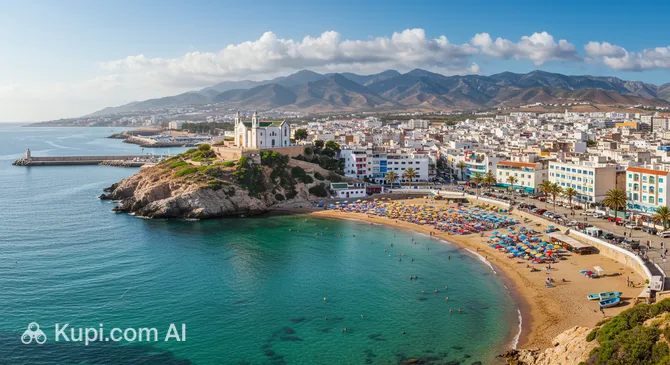
Welcome to Al Hoceima, a stunning coastal city often referred to as the "Pearl of the Mediterranean." Nestled on the northern edge of the Rif Mountains, this destination offers a unique blend of breathtaking seascapes and rugged mountain terrain. It is a place where travelers can escape the hustle and bustle to enjoy a serene atmosphere and spectacular views of the bay.

Al Hoceima. Source: Kupi.Binoculars

Geographically, the city sits on a cliff overlooking the sea, providing a dramatic backdrop for your vacation. With a population of approximately 56,000 residents, it maintains a cozy, approachable feel while serving as a key urban center in the region. The climate is typically Mediterranean, characterized by warm, dry summers and mild winters, making it an ideal spot for beach lovers visiting Morocco.

The history of Al Hoceima is deeply intertwined with its strategic location and diverse cultural influences. Originally developed significantly in the early 20th century, the city has evolved into a modern tourist hub while retaining traces of its past in its architecture and layout. Today, it stands as a testament to the resilience and vibrant culture of the Rif region.

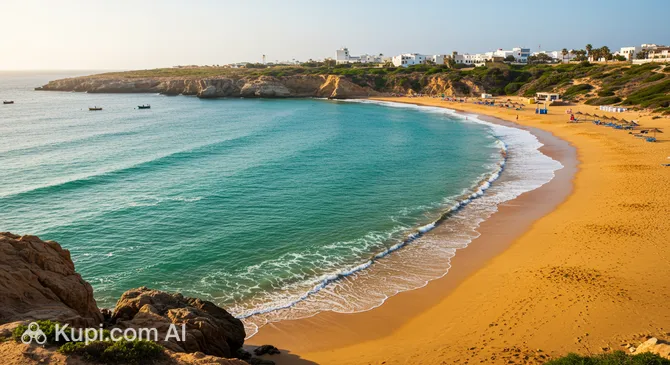
Visitors are often drawn to the famous Quemado Beach, which lies right at the foot of the cliffs, offering crystal-clear waters and golden sands. For nature enthusiasts, the nearby Al Hoceima National Park is a must-visit, featuring untouched coastlines and hiking trails through limestone canyons. Whether you are looking to relax by the sea or explore the natural beauty of the surroundings, Al Hoceima promises an unforgettable experience for every traveler.

Weather Overview

Al Hoceima enjoys a classic Mediterranean climate, characterized by pleasant seasonal variations that make it an inviting destination throughout the year. The city is known for its comfortable atmosphere, avoiding the extreme heat found in the interior of the country while remaining mild during the cooler months.

Summer is the warmest time to visit, particularly in July and August, when average temperatures hover around 24°C to 25°C and daily highs can reach nearly 28°C. This season is exceptionally dry, with July and August seeing almost zero wet days, guaranteeing plenty of sunshine for beachgoers. In contrast, the winter months are cooler but generally mild; January is typically the coldest month with an average temperature of 12.6°C. Rainfall is more frequent during this time, with about 5 to 7 wet days per month in winter.

The transition seasons of spring and autumn offer delightful conditions for sightseeing, with temperatures rising from around 14°C in March to a comfortable 22°C in September. To help you choose the best time for your activities, you can consult the detailed guide on the weather in Al Hoceima.

Overall, you can expect warm, dry summers perfect for outdoor adventures and mild winters with occasional rain showers.

Interesting Facts

Beyond the picturesque views and sandy shores, Al Hoceima holds several fascinating details that add depth to its charm. From its unique ecological treasures to its local nicknames, there is much to discover beneath the surface.

Quemado Beach. Source: Kupi.Binoculars
  • The Al Hoceima National Park is home to one of the last remaining populations of Ospreys in the Mediterranean, making it a critical sanctuary for these majestic birds of prey and a haven for birdwatchers.

  • Locals often refer to the city as "Biya," a nickname derived from its former Spanish name, Villa Sanjurjo, reflecting the area's rich and diverse historical layers.

  • Unlike many coastal cities where the beach and town merge seamlessly, the famous Quemado Beach is situated at the foot of a towering cliff, while the city center sits high above, offering spectacular vantage points.

  • The city is renowned for its pristine "Blue and White" aesthetic, with many buildings mirroring the colors of the sea and sky, a style that gives it a distinct Mediterranean atmosphere similar to the Greek islands.

How to Get There

Reaching this coastal gem is relatively straightforward, with air travel being the most direct option for international and domestic visitors. You can find detailed information on all available routes and transport methods in our guide on how to get to Al Hoceima.

The city is served by its own aviation hub, Charif Al Idrissi Airport (AHU), which is conveniently located just 11.2 km from the city center. This international airport welcomes flights from various European cities as well as domestic connections. The journey from the airport to downtown Al Hoceima typically takes about 35 to 40 minutes by taxi or shuttle. Although it handles a modest volume of passengers annually, it offers a comfortable and efficient arrival experience close to your final destination.

Alternatively, travelers can fly into Nador International Airport (NDR), located in the city of Nador, approximately 87.1 km from Al Hoceima. This is a larger facility with more frequent connections. From Nador, the transfer to Al Hoceima by taxi or bus generally takes around 2.5 hours, offering a scenic drive along the coast.

For clarity, here is a summary of the main airports:

Airport Name City Passenger Traffic Km from City
Nador International Airport Nador Medium 87.1
Melilla Airport Ad Darwa Medium 88.9
North Front Airport Gibraltar Medium 163.1
Sania Ramel Tetouan Small 131.9
Charif Al Idrissi Airport Al Hoceima Small 11.2

The city of Al Hoceima does not have a railway station, and the nearest major rail hubs are located across the Mediterranean Sea in Spain. For travelers touring Europe before heading to Morocco, the María Zambrano Station (YJM) in Malaga is a significant transit point, located approximately 169 km away in a straight line. Similarly, the Granada Railway Station (YJG) in Granada is about 217 km away. Reaching Al Hoceima from these stations requires combining train travel with a ferry crossing from Spanish ports such as Malaga or Motril to the Moroccan coast.

Below is a list of the nearest railway hubs for reference:

Station City Passenger Traffic Km to Center
María Zambrano Station Malaga High 168.9
Granada Railway Station Granada High 217.1
Jerez Railway Station Jerez de la Frontera High 254.1
Cádiz Station Cadiz High 256.2
Puente Genil Railway Station Puente Genil Medium 247.9

Main Attractions

Al Hoceima offers a delightful mix of Mediterranean charm and Rif mountain ruggedness. The city's main appeal lies in its stunning coastline and relaxed pace of life, rather than monumental architecture. Visitors here spend their days exploring pristine bays, hiking through protected natural reserves, and enjoying the vibrant atmosphere of the city squares.

One of the most iconic spots is Quemado Beach. Situated directly at the foot of the cliff on which the city is built, this bay is famous for its crystal-clear turquoise waters and fine sand. It is easily accessible from the town center and provides a spectacular setting for swimming and sunbathing, surrounded by dramatic hills that shelter the cove from strong winds.

Quemado Beach. Source: Kupi.Binoculars

For nature lovers, the Al Hoceima National Park is an absolute treasure. Stretching along the coast to the west of the city, this protected area features high limestone cliffs, isolated coves, and dense forests of Thuya trees. It is an excellent destination for hiking and mountain biking, offering visitors a chance to explore traditional Berber villages and spot local wildlife, including the rare Osprey.

Another fascinating coastal location is Sfiha Beach. Located a short drive east of the city, this long strip of sand is popular for its relaxed atmosphere and shallow waters, making it family-friendly. What makes it truly unique is the panoramic view of the Peñón de Alhucemas, a small island fortress lying just a few hundred meters offshore, which adds a distinctive historical element to the seascape.

Finally, no visit is complete without a stroll through Place Mohammed VI. This central square is the beating heart of the city, especially in the evenings when locals gather to socialize. Lined with cafes and offering views of the sea, it is the perfect place to enjoy the cool breeze, watch the fountains, and observe the vibrant daily life of Al Hoceima.

Local Cuisine

Local Cuisine:

The culinary scene in Al Hoceima is a delightful reflection of its Mediterranean location and Riffian heritage, with a heavy emphasis on fresh seafood. Thanks to its thriving fishing industry, the city is arguably one of the best places in Morocco to enjoy the catch of the day. Simplicity is key here; locals prefer to let the freshness of the ingredients shine, often seasoning dishes with just a touch of olive oil, lemon, and local herbs.

The undisputed star of the local table is the sardine. Al Hoceima is famous for its grilled sardines, which are typically seasoned with coarse salt and cooked over charcoal to perfection. Another must-try delicacy is the local anchovy, which can be served fried or cured in vinegar and oil. For a heartier meal, look for a traditional fish tagine, slow-cooked in a conical clay pot with tomatoes, peppers, potatoes, and a flavorful marinade known as chermoula. While seafood dominates, you will also find excellent lamb dishes and the region's version of paella, a nod to the historical Spanish influence.

When it comes to beverages, the culture revolves around Moroccan mint tea. This sweet, hot drink is served throughout the day and is the perfect way to end a meal or accompany a conversation in a café. Freshly squeezed fruit juices, particularly orange and pomegranate, are also widely available and incredibly refreshing. Alcohol is generally not served in standard local eateries or cafes near the mosques, but it can be found in larger hotels, tourist resorts, and select licensed restaurants.

Dining in Al Hoceima is as much about the atmosphere as it is about the food. For an authentic experience, head to the port area, where simple stalls serve fish straight from the boats. In the evenings, the restaurants overlooking Quemado Beach and those lining the central squares come alive. Here, families and friends gather to enjoy late dinners on open-air terraces, soaking in the cool sea breeze and the vibrant energy of the city.

Travel Tips

To ensure your visit to Al Hoceima is as relaxing and enjoyable as the city's famous sea views, a little preparation goes a long way. These practical tips are designed to help you navigate local customs, transport, and daily life, allowing you to focus on soaking up the Mediterranean charm of this Riffian gem.

  1. Clothing and Gear. Since Al Hoceima enjoys a Mediterranean climate, pack breathable, light fabrics like cotton or linen for the summer months. However, evenings can get breezy, and winters are mild but damp, so a waterproof jacket and layers are essential if you visit between November and March. While beachwear is perfectly acceptable at Morocco's resorts, it is respectful to dress modestly when walking around the city center or visiting markets; cover your shoulders and knees. Comfortable walking shoes are a must, as the city is built on cliffs and involves navigating slopes and stairs.
  2. Transportation. The city center is compact and walkable, but due to the hilly terrain, you might prefer a ride. The most convenient way to get around is by "Petit Taxi," which are small, typically yellow cars that can be hailed on the street. They are metered and very affordable. For day trips to nearby beaches like Sfiha or exploring the Rif Mountains, renting a car offers the most freedom. Public buses exist but are less frequent and can be crowded, making them less convenient for short-term visitors.
  3. Finances. The local currency is the Moroccan Dirham (MAD). While some upscale hotels and restaurants accept credit cards, cash is king in Al Hoceima, especially in small cafes, local shops, and taxis. ATMs are widely available throughout the city. It is wise to carry small change for tips and minor purchases. Tipping is customary; leaving about 10% at restaurants or rounding up the fare for taxi drivers is appreciated.
  4. Health and Safety. Al Hoceima is a safe and peaceful city with a low crime rate, though standard precautions against pickpocketing should be taken in crowded areas. Pharmacies are easily identifiable by a green cross sign, and many pharmacists speak French or Spanish. For minor ailments, they are often the first point of contact. Drink bottled water instead of tap water to avoid any stomach upsets during your stay.
  5. Communication. The primary languages spoken are Darija (Moroccan Arabic) and Tarifit (a Berber language). Due to the city's history and proximity to Spain, Spanish is widely understood and often spoken by older generations and those in the tourism industry, which is quite unique compared to the rest of the country where French dominates. English is becoming more common among younger people but is not universally spoken, so learning a few basic phrases in Arabic or Spanish can be very helpful.
  6. Local Etiquette. Moroccans are incredibly hospitable. A common greeting is "Salam Alaykum" (Peace be upon you). If you are invited into a local home, remember to remove your shoes at the entrance. When eating communal meals, use your right hand, as the left is considered unclean. Public displays of affection should be kept to a minimum to respect local conservative norms.
  7. What to Avoid. Avoid taking photographs of people without their explicit permission, as privacy is highly valued. Also, refrain from drinking alcohol in public spaces outside of licensed bars or hotel restaurants; while alcohol is available, public intoxication is frowned upon and can attract unwanted attention.
  8. Additional Tip. Embrace the evening "paseo." Like in Spain, locals in Al Hoceima love to stroll along the corniche or gather in Place Mohammed VI after sunset. This is the best time to experience the authentic local vibe, enjoy the cool air, and watch the city come alive with families and friends socializing.

By keeping these simple tips in mind, you will find it easy to blend in with the relaxed rhythm of Al Hoceima. The locals are known for their friendliness and pride in their city, so approach your travels with an open heart and a smile, and you are sure to have a memorable experience.

Entertainment & Nightlife

Entertainment in Al Hoceima reflects the city’s relaxed, conservative, and family-oriented character. Unlike the bustling nightlife hubs of Marrakech or Casablanca, the evenings here are defined by leisurely strolls, lively café culture, and social gatherings rather than loud nightclubs. The atmosphere is laid-back and safe, with locals of all ages enjoying the cool Mediterranean breeze well into the night, particularly during the summer months.

The epicenter of evening activity is undoubtedly Place Mohammed VI. As the sun sets, this central square fills with families, friends, and couples engaging in the traditional "paseo." The surrounding streets are lined with cafés where the primary activity is sipping mint tea or coffee and people-watching. For a more scenic experience, the Corniche Morro Viejo offers beautiful views of the bay and is a popular spot for a night walk. The crowd is generally well-dressed but casual, and the vibe is welcoming and peaceful.

For those seeking a place to enjoy a drink or a more sophisticated evening meal, options are mostly found within the city's hotels and resorts, as alcohol is not served in most standard street cafés. The Al Hoceima resort hotel is a notable venue where visitors can find a comfortable setting to unwind. Another popular spot is the terrace at Espace Miramar, which offers commanding views of the sea along with dinner and drinks. Down by the water, the area around Quemado Beach remains vibrant in the summer, with restaurant terraces staying open late, allowing diners to enjoy fresh seafood under the stars.

Al Hoceima. Source: Kupi.Binoculars

Practical advice for enjoying Al Hoceima at night includes adjusting to the local schedule; dinner is often eaten late, around 9:00 PM or 10:00 PM. Dress codes are casual, but it is respectful to dress smartly and modestly, especially when visiting hotel bars or walking in the city center. The city is very safe for night walks, even for solo travelers, but standard precautions apply. Getting around is easy with "Petit Taxis," which are abundant and inexpensive, making it simple to hop between the city center and the port area.

During the daylight hours, entertainment options are more limited in terms of traditional tourist attractions like amusement parks or large theaters. The main focus remains on the outdoors. Visitors spend their days exploring the natural beauty of the Rif coast, swimming in the pristine bays, or hiking in the nearby national park. While there are no major museums, the city itself serves as a living exhibit of Spanish-Moroccan history, best explored through leisurely walks and interactions with the friendly locals.

Parks & Museums

Al Hoceima is a destination where the boundaries between urban life and the natural world blur, offering visitors a wealth of green spaces and a deep connection to the region's heritage. While the city may not be packed with large indoor museums, its true galleries are its sweeping landscapes, preserved architectural gems, and the rugged beauty of the Rif coastline.

Al Hoceima National Park stands as the crown jewel of the area's natural attractions. Extending over land and sea, this protected reserve is renowned for its dense forests of Thuya trees and high limestone cliffs that plunge dramatically into the Mediterranean. It is a paradise for hikers and nature lovers, offering trails that lead to isolated coves and traditional Berber villages. The park is also famous for its biodiversity, hosting one of the few remaining populations of Ospreys in the region, making it a prime spot for birdwatching.

For a more relaxing experience closer to the city center, Park Moulay El Hassan offers a serene green escape. Located in the heart of the town, this well-maintained park features lush gardens, shaded walkways, and benches where locals come to unwind. It serves as a peaceful balcony overlooking the bay, providing stunning panoramic views of the coast and the famous Quemado Beach below. It is the perfect place for a leisurely afternoon stroll or to watch the sunset paint the sky over the Mediterranean.

In terms of cultural institutions, the Espace de la Mémoire Historique de la Résistance et de la Libération is a significant venue for those interested in the region's past. This museum is dedicated to the history of the local resistance movements and the struggle for independence. Through a collection of photographs, documents, and artifacts, it offers insight into the Rif region's pivotal role in Moroccan history, honoring the legacy of local figures and events that shaped the nation.

Beyond formal museums, the city itself acts as an open-air exhibit of Spanish-Moroccan architecture. Walking through the older neighborhoods, visitors can admire the distinct "Blue and White" buildings that reflect the colonial influence of the early 20th century. Notable historical sites nearby include the Torres de Alcala, ancient watchtowers located within the national park. These ruins, dating back to the Portuguese and Spanish eras, stand as silent sentinels overlooking the sea, offering a tangible link to the strategic military history of the coastline.

Another intriguing sight is the view of the Peñón de Alhucemas, a small island fortress situated just a few hundred meters off the coast. While the island itself is a Spanish territory and not open to tourists, the view from the nearby Sfiha Beach is striking. The fortress, with its white walls rising from the blue water, provides a unique historical backdrop and is a favorite subject for photographers.

For a truly authentic experience, take the time to explore the Corniche Morro Viejo. This promenade is not just a walkway but a social hub where the culture of the city comes alive. In the early evenings, it is filled with families and friends enjoying the fresh sea air. A walk here offers more than just views; it provides a genuine glimpse into the relaxed, community-focused lifestyle of the Riffian people.
Getting Around

The public transport system in Al Hoceima is straightforward and well-suited to the city's compact, cliffside layout. Unlike Morocco's larger metropolitan areas, there are no trams, metros, or trains operating within the city limits. Instead, the local transportation network relies primarily on a fleet of taxis and buses, allowing visitors to navigate between the city center, the port, and nearby beaches with relative ease.

The most popular and convenient option for getting around town is the Petit Taxi. In Al Hoceima, these are small saloon cars, typically painted blue, and they operate exclusively within the urban boundaries. They are abundant and can be easily hailed from the street. Drivers are generally helpful, but it is important to ensure the taximeter is turned on at the start of your journey. These taxis are perfect for short trips, such as getting from your hotel to the corniche or a restaurant.

For journeys that go beyond the city limits, such as trips to the airport, the nearby town of Ajdir, or more distant beaches, you will need to use a Grand Taxi. These are larger vehicles, often older Mercedes or newer vans, which operate on fixed routes and are shared with other passengers. They are a quintessential part of Moroccan travel culture. You pay for your seat, but if you prefer more comfort and privacy, you can hire the entire vehicle for a negotiated price.

A public bus network also serves the city and connects it to the surrounding suburbs and coastal areas. Buses are the most economical way to travel, making them a good option for budget-conscious visitors heading to spots like Sfiha Beach. However, they are generally slower and less frequent than taxis, and route information can sometimes be difficult for first-time visitors to decipher. They are primarily used by locals for daily commuting.

For those who wish to explore at their own pace, car rentals are widely available and highly recommended. Having your own vehicle unlocks the ability to drive along the scenic coastal roads or venture into the rugged terrain of the Al Hoceima National Park, areas that public transport does not reach. Alternatively, walking is a pleasant way to explore the immediate city center, particularly around Place Mohammed VI, though you should be prepared for steep streets and staircases due to the city's hilly geography.

Practicality is key when using transport here. Payment is almost exclusively cash-only, so it is essential to carry small coins and low-denomination notes, as drivers often do not have change for large bills. Transport is available throughout the day, with Petit Taxis running 24/7, though they become scarcer late at night. Overall, getting around Al Hoceima is affordable and stress-free, letting you focus on the beautiful Mediterranean surroundings.

Accommodation

Where to Stay:

Accommodation in Al Hoceima caters to a variety of preferences, ranging from budget-friendly guesthouses to more comfortable mid-range hotels and seaside resorts. While the city does not have the vast array of luxury chains found in larger Moroccan metropolises, it offers a decent selection of clean, welcoming establishments. In recent years, there has also been a rise in the availability of furnished apartments and vacation rentals, which are particularly popular among families and groups looking for a homelike atmosphere during their summer holidays.

When choosing where to stay, location is key. The most desirable area is undoubtedly the city center, particularly near Place Mohammed VI and the cliff edges overlooking the bay. Staying here places you within walking distance of the main restaurants, cafes, and the path down to the beach. For those prioritizing views and direct beach access, the properties situated along the slopes leading down to the water offer spectacular panoramas of the Mediterranean, allowing guests to wake up to the sight of the turquoise sea.

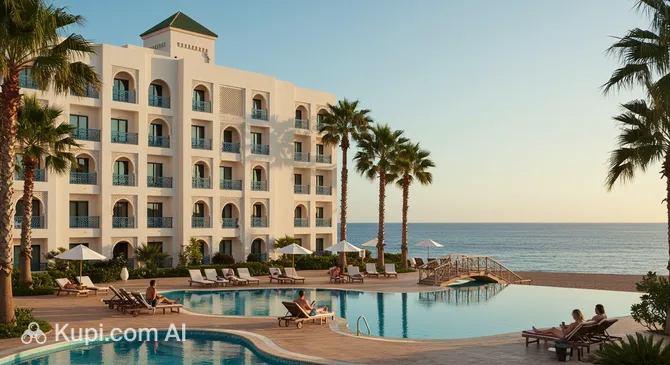
For travelers seeking a resort-style experience with comprehensive amenities, the Al Hoceima hotel is a well-known option in the area. Often favored for its strategic location, it provides easy access to the coastline and serves as a comfortable base for exploring the region. Establishments like this typically offer facilities such as swimming pools and on-site dining, making them convenient for visitors who prefer to have everything in one place.

Booking Tip: Al Hoceima is a seasonal destination that sees a significant influx of domestic and international tourists during July and August. During these peak summer months, hotels can fill up quickly, and prices tend to rise. It is highly recommended to book your accommodation several weeks, or even months, in advance to secure your preferred spot and get the best rates.

In terms of pricing, the city is generally affordable compared to many European coastal destinations. Budget travelers can find economical rooms in smaller hotels or hostels, while mid-range options offer good value for money with modern comforts. Booking can be done through major online platforms, though some smaller, family-run establishments may still rely on direct phone reservations or walk-ins, particularly in the off-season.

Nearby Cities

For those looking to explore the surroundings, Al Hoceima serves as an excellent base for day trips to several interesting nearby locations:

Imzouren is the closest major urban center, located just a short drive south of the coast. As a bustling commercial hub, it offers a lively contrast to the relaxed beach atmosphere of Al Hoceima. Visitors can explore its vibrant markets and experience the authentic daily hustle and bustle of the Riffian people.

Further inland, Ketama (often associated with the town of Issaguen) provides a complete change of scenery. Nestled high in the Rif Mountains, this area is surrounded by ancient cedar forests and rugged peaks. The journey there is scenic, winding through the mountains, and the destination offers cool, fresh air and stunning alpine views.

Bni Bouayach, situated in the Nekor River valley, is another accessible town nearby. It is a rapidly developing area that retains a strong sense of local community. A visit here allows travelers to see the agricultural heart of the province and enjoy the dramatic backdrops of the surrounding hills.

City Population Distance (km)
Imzouren 33,852 14
Sidi Abdelkader 20,854 41
Bni Bouayach 18,271 18
Ketama 17,351 68
Ouaouzgane 16,772 59

These nearby destinations offer a glimpse into the diverse culture and landscapes of the region.

Shopping & Souvenirs

Shopping in Al Hoceima offers a refreshing departure from the intense commercialism found in Morocco's larger tourist hubs. Here, the experience is less about navigating endless labyrinths of souvenir stalls and more about discovering the authentic daily life of the Rif region. Visitors will find a relaxed atmosphere where they can browse for unique local crafts and high-quality regional produce without the high-pressure sales tactics often encountered elsewhere.

While you won't find massive shopping malls, the city center is dotted with charming boutiques and small shops, particularly along the main streets leading to the central squares. The region is celebrated for its distinctive Rif pottery, known for its varied shapes and geometric designs painted in natural colors. These pieces make for beautiful, fragile souvenirs. Additionally, look for items made from Thuya wood, a specialty of the area, as well as traditional leather goods and hand-woven baskets that reflect the Berber heritage.

For many travelers, the best treasures in Al Hoceima are edible. The province is famous for its agriculture, specifically its olive oil, which is considered some of the best in the country. A bottle of locally pressed oil makes a practical and delicious gift. You can also stock up on dried fruits, almonds, and aromatic spices at the local markets. Honey produced in the surrounding mountains is another sweet delicacy worth seeking out.

To truly feel the pulse of the city, a visit to the local markets is essential. This is where residents come to buy their fresh fish, fruits, and vegetables. It is a sensory delight, filled with the colors of seasonal produce and the sounds of friendly negotiation. For beachgoers, the areas surrounding Quemado Beach offer shops selling summer essentials, from swimwear to towels and sunscreen, ensuring you have everything needed for a day by the sea.

Here are a few practical tips to keep in mind while shopping:

  • Cash is King: Most small shops, market stalls, and cafes do not accept credit cards. Ensure you have enough Moroccan Dirhams (MAD) on hand for your purchases.

  • Bargaining: While the approach is generally softer than in cities like Marrakech, bargaining is still customary in markets (souks). Feel free to politely negotiate the price, especially when buying crafts or souvenirs.

  • Timing: Many smaller shops may close for a mid-afternoon break, particularly during the hot summer months, and reopen in the evening when the streets become lively again.

Reached the end of the page?

That means the route is fully explored