Support

Malaga

About

Malaga is a radiant coastal city that perfectly blends the charm of its ancient past with the vibrant energy of a modern metropolis. Often seen merely as the gateway to the Costa del Sol, this destination has evolved into a cultural hub in its own right, boasting a sophisticated art scene, a lively port, and an atmosphere that is undeniably welcoming.

Located in the Andalusia region of southern Spain, the city enjoys a privileged position along the Mediterranean Sea. Its geography grants it a delightful subtropical-Mediterranean climate, characterized by mild winters and hot summers, making it a year-round destination for sun-seekers. With a population of approximately 967,000 people, it stands as a significant urban center, bustling with activity yet retaining a relaxed, seaside pace of life.
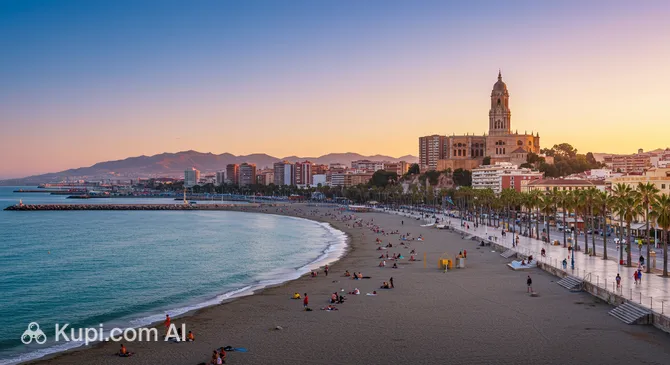
Malaga. Source: Kupi.Binoculars

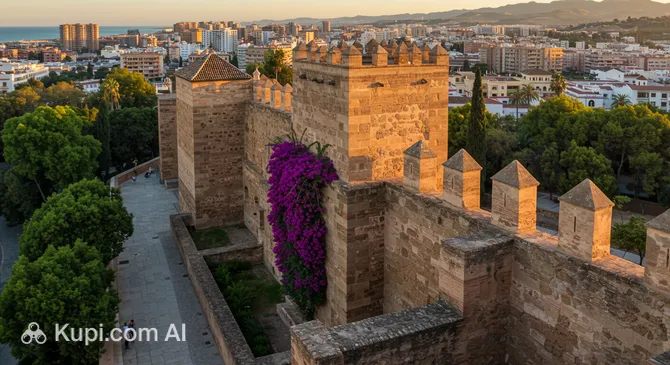
The city is one of the oldest continuously inhabited places in the world, founded by Phoenicians around 770 BC. You can delve deeper into the fascinating history of Malaga by exploring its architectural layers, from Roman theatres to Moorish fortresses. The Alcazaba, a palatial fortification, offers stunning views over the city and stands as a testament to its rich heritage.

Beyond its historical allure, Malaga is celebrated as the birthplace of Pablo Picasso. Art enthusiasts flock to the Picasso Museum to admire works by the legendary painter in the city where he was born. Whether you are strolling through the elegant Calle Larios, relaxing on the sandy beaches of La Malagueta, or enjoying fresh seafood at a local chiringuito, the city promises an unforgettable experience. It is a destination that invites you to linger, explore, and soak up the authentic Andalusian spirit.
Weather Overview

The city enjoys a pleasant Mediterranean climate, characterized by hot, dry summers and mild winters, making it an attractive destination year-round. Visitors can generally expect ample sunshine and comfortable temperatures, with the warmest weather concentrated in the middle of the year and rainfall occurring mostly in the cooler months.

During the peak summer months of July and August, average temperatures hover around 25°C, with daily highs frequently reaching 30°C. This season is perfect for beach lovers, as rain is practically non-existent; data indicates virtually 0 wet days during July. June and September are also warm and inviting, with average temperatures of 22°C and very little precipitation.

Winters are remarkably gentle compared to much of Europe. In January and December, average temperatures stay around 11°C to 12°C, with lows rarely dropping below 7°C. However, this is the wetter part of the year; March, for instance, can see up to 13 wet days, so packing a light jacket and an umbrella is advisable if you travel then. For a more comprehensive breakdown of what to expect during your specific travel dates, you can view the detailed weather in Malaga guide.

Interesting Facts

Beyond the sun-drenched beaches and bustling port, Malaga holds a treasure trove of fascinating secrets and curious details waiting to be discovered. Here are a few unique insights that reveal the city's deeper character and history.

  • The city is home to a geological rarity known as the Cave of the Treasure. It is one of only three caves of marine origin in the world—and the only one in Europe—that is open to visitors, with legends claiming an ancient Arab treasure remains hidden within its walls.

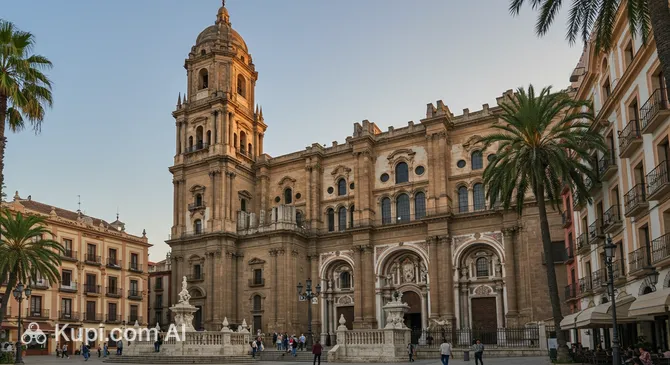
  • Locals affectionately call their main religious building "La Manquita," which translates to "The One-Armed Lady." This is because the majestic Malaga Cathedral was left unfinished due to a lack of funds, resulting in a structure with only one completed bell tower instead of the originally planned two.

  • Ordering a coffee in this city is a precise art form with its own unique vocabulary. Years ago, the Café Central developed a specific measurement system to denote the exact ratio of coffee to milk, giving rise to terms like "nube" (a cloud, mostly milk) or "sombra" (shadow), which are still widely used by residents today.

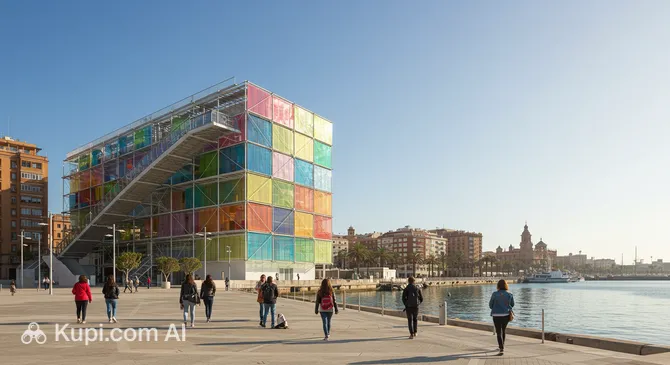
  • The city hosts a prestigious slice of the French art world. The Centre Pompidou Málaga was the first branch of the famous Parisian cultural center to be established outside of France, instantly recognizable by its colorful glass cube structure located at the port.

  • One of the most iconic symbols of the city is the "biznaga," a handcrafted flower that does not exist in nature. Artisans painstakingly insert fresh jasmine buds onto a dried thistle stalk to create a beautiful, spherical bouquet that perfumes the streets during summer evenings.

Malaga Cathedral. Source: Kupi.Binoculars

How to Get There

Reaching this Andalusian gem is straightforward thanks to its excellent transport connections. Whether you are arriving from within Europe or from further afield, you have multiple options to choose from. For a detailed breakdown of all routes and travel tips, you can read more about how to get to Malaga in our dedicated guide.

The primary gateway for most travelers is Malaga Airport (IATA: AGP), officially known as Malaga-Costa del Sol Airport. As one of the busiest airports in Spain, it handles a vast number of international and domestic flights. Located just 8.1 km from the city center, it offers a quick transfer; a taxi ride typically takes only a short time depending on traffic. The airport is well-connected by train and bus services, making it an incredibly convenient entry point for visitors.

If you are exploring the wider region, you might also consider flying into Granada Airport (IATA: GRX), located in the city of Granada. While it is a smaller regional hub compared to Malaga's main airport, it serves as a viable alternative. However, keep in mind that it is situated approximately 77.9 km away. A transfer by taxi or rental car from Granada to Malaga would take longer, generally estimated at around an hour.

For clarity, here is a summary of the main airports:

Airport Name City Passenger Traffic Km from City
Malaga Airport Malaga Large 8.1
Granada Airport Granada Medium 77.9
Jerez Airport Jerez de la Frontera Medium 146.0
North Front Airport Gibraltar Small 104.0
Sania Ramel Tetouan Small 148.4

Travelers preferring high-speed rail will find the city extremely accessible via the María Zambrano Station. This is the main railway hub located directly in Malaga, just 0.9 km from the heart of the city. It is a major station served by Spain's AVE high-speed trains, connecting the coast with Madrid and other major cities efficiently. Getting from the station to your hotel or the city center is very quick, taking just a few minutes by taxi, though many central locations are even within comfortable walking distance.

Another significant railway hub in the broader region is the Cordoba Central Railway Station in Cordoba. Although it is about 133.9 km away, it is a key junction for Andalusian rail traffic. While it is not a direct entry point to Malaga itself, it connects seamlessly with the high-speed network that leads to the coast.

Below is a list of the nearest railway stations:

Station City Passenger Traffic Km to Center
María Zambrano Station Malaga Very High 0.9
Cordoba Central Railway Station Cordoba High 133.9
Granada Railway Station Granada Medium 89.2
Jaén Railway Station Jaén Small 130.6
Puente Genil Railway Station Puente Genil Small 79.4

Main Attractions

Malaga offers a rich tapestry of experiences, from ancient Moorish fortresses to lush tropical gardens. While the city is famous for its beaches, its historical and cultural landmarks provide a fascinating journey through time. Here are some of the most captivating places to explore during your visit.

Dominating the city center is the majestic Alcazaba of Málaga, a palatial fortification that dates back to the Muslim period. Often referred to as the "Little Alhambra," this beautifully preserved citadel features a maze of courtyards, trickling fountains, and fragrant jasmine gardens. Walking through its ancient walls offers not only a lesson in history but also spectacular views over the Roman Theatre and the city below.

Alcazaba of Málaga. Source: Kupi.Binoculars

Perched high on the hill above the Alcazaba stands the formidable Gibralfaro Castle. Built in the 14th century to protect the fortress below, it is famous for having been the site of a three-month siege by the Catholic Monarchs. Today, visitors make the climb—or take the bus—to its ramparts primarily for the breathtaking panoramic vistas. From here, you can see the entire bay, the bustling port, and the bullring, making it the perfect spot for sunset photography.

For a taste of local life, a visit to the Atarazanas Central Market is essential. Housed in a building that was once a Nasrid naval workshop, the market retains its historic horseshoe arch entrance. Inside, you are greeted by a magnificent stained-glass window illustrating the city's landmarks and a vibrant atmosphere filled with fresh produce, seafood, and spices. It is an excellent place to sample local tapas at the bustling food stalls.

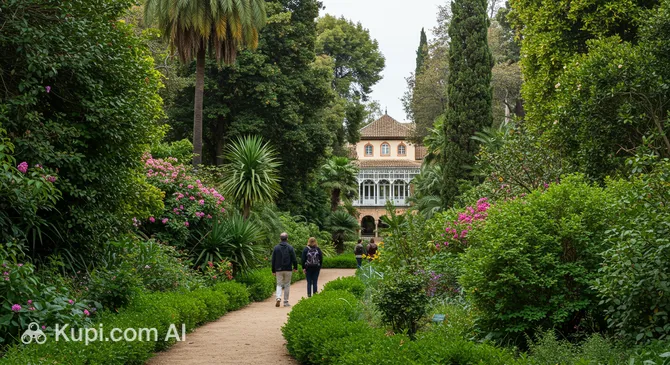
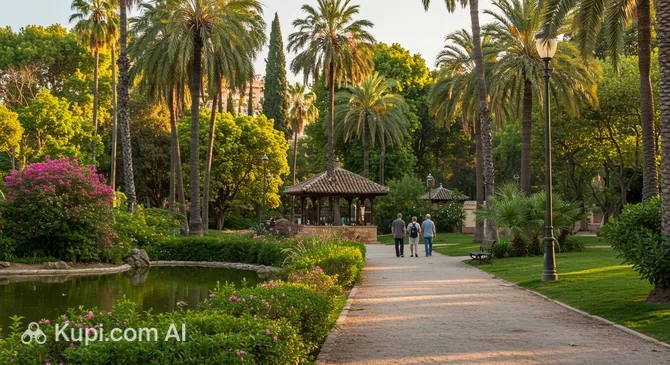
Escape the urban energy at the La Concepción Historical Botanical Garden, located on the northern outskirts of the city. This English-style landscape garden is one of the most beautiful in Europe, created in the 19th century by an aristocratic couple. It boasts an impressive collection of subtropical flora, waterfalls, and romantic pavilions, offering a serene retreat and a cool respite on hot summer days.

La Concepción Historical Botanical Garden. Source: Kupi.Binoculars

Art lovers should not miss the Picasso Birthplace Museum, located in the lively Plaza de la Merced. This intimate museum is situated in the actual house where Pablo Picasso was born in 1881. Unlike the larger gallery dedicated to his works, this space focuses on his early years, family life, and personal memorabilia, providing unique context to the formative years of the 20th century's most influential artist.

Local Cuisine

Malaga’s culinary scene is a delightful reflection of its coastal location and Andalusian heritage. The food here focuses on high-quality, fresh ingredients, particularly seafood brought in daily from the Mediterranean. Unlike the complex sauces found in other regions, the local philosophy often revolves around simplicity, allowing the natural flavors of the produce to shine through.

The absolute king of local gastronomy is the espeto de sardinas. These are fresh sardines skewered on a bamboo cane and slow-roasted over a wood fire on the sand, typically inside an old fishing boat filled with sand. To experience this authentic tradition, head to the seaside neighborhood of Pedregalejo Beach. The promenade here is lined with traditional chiringuitos (beach bars) where you can enjoy this smoky delicacy with your feet almost touching the sand.

Beyond sardines, the fritura malagueña is a must-try platter of assorted fried fish, crisp and golden, often including anchovies, baby squid, and red mullet. For something refreshing on a hot day, try porra antequerana, a cold tomato soup similar to gazpacho but thicker and often topped with tuna and hard-boiled egg. Another classic is ajoblanco, a chilled almond and garlic soup that dates back to Moorish times and is usually served with grapes or melon.

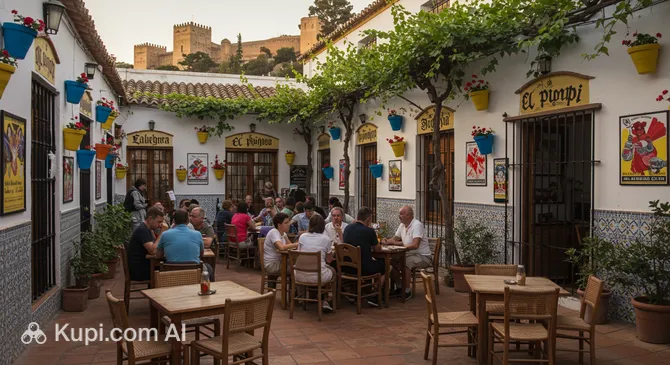
No culinary tour is complete without tasting the region's famous sweet wine, Vino de Málaga, made from Moscatel or Pedro Ximénez grapes. The most iconic place to sip a glass is El Pimpi. This legendary bodega is not just a restaurant but a cultural institution, filled with wine barrels signed by celebrities and offering a vibrant atmosphere right next to the Roman Theatre.

El Pimpi. Source: Kupi.Binoculars

Dining in the city is a highly social affair, often revolving around sharing tapas and raciones (larger portions) late into the evening. Locals also take great pride in their local beer, Victoria, which you will see served everywhere. While the historic center is packed with bustling eateries, you can find excellent traditional cuisine at places like La Tasquita de en Medio. Whether you are standing at a busy bar counter or sitting on a sunny terrace, the food culture here is welcoming, informal, and incredibly flavorful.

Travel Tips

To ensure your trip to this sun-drenched Andalusian capital is as smooth as it is memorable, we have compiled a list of essential practicalities. These tips will help you navigate local customs, logistics, and daily life in Malaga with the confidence of a seasoned traveler.

  1. Clothing and Gear: In the summer, the heat can be intense, so pack breathable, light clothing, a wide-brimmed hat, and high-SPF sunscreen. Winters are mild, but evenings can get chilly, so bring layers and a medium-weight jacket. Most importantly, pack comfortable walking shoes; the historic center is best explored on foot, and the marble streets of Calle Larios can be slippery. If you plan to visit churches, ensure your shoulders are covered.
  2. Transportation: The city center is compact and highly walkable. For longer distances, the EMT bus network is efficient and covers the entire city. The relatively new Metro (light rail) is useful for reaching western districts or the university. To get to and from the airport or nearby coastal towns like Torremolinos, the Cercanías commuter train (Line C1) is the fastest and most affordable option. Taxis and ride-hailing apps like Uber and Cabify are readily available, so renting a car is generally unnecessary unless you plan to tour the wider region of Spain.
  3. Finances: The local currency is the Euro (€). While credit and debit cards (Visa and Mastercard) are widely accepted even for small payments, it is wise to carry some cash for small tapas bars, street vendors, or bus fares. ATMs are plentiful throughout the city. Tipping is not mandatory but is appreciated; leaving small change or rounding up the bill is standard, while 10% is generous for exceptional service.
  4. Health and Safety: Malaga is generally a very safe city for tourists. However, exercise standard caution with your belongings in crowded areas like the Atarazanas Market or on the beach to avoid pickpocketing. Pharmacies are marked with a flashing green cross; look for a Farmacia de Guardia for 24-hour service. In case of any emergency, dial 112 for police, fire, or medical assistance.
  5. Communication: Spanish is the official language. While English is widely spoken in hotels, restaurants, and tourist attractions, it may be less common in traditional neighborhood shops. Learning a few basics like hola (hello), gracias (thank you), and la cuenta, por favor (the bill, please) goes a long way. Free Wi-Fi is available in many public spaces and cafes, and prepaid SIM cards can be easily purchased at phone shops in the center.
  6. Local Etiquette: The rhythm of life here is different. Lunch is typically the main meal, eaten between 2:00 PM and 4:00 PM, while dinner is a lighter affair served late, often after 9:00 PM. When greeting friends or acquaintances, the custom is to give two kisses on the cheeks. In shops and elevators, it is polite to greet others with a simple "Buenas."
  7. What to Avoid: Do not walk around the city center or enter shops and restaurants wearing only swimwear or without a shirt; this is considered disrespectful and can actually result in a fine under local bylaws. Also, avoid expecting "fast food" speed in traditional restaurants; dining is a leisurely social activity here, so relax and enjoy the pace.
  8. Shopping Hours: Keep in mind the concept of the siesta. While large department stores and shops on the main tourist streets stay open all day, many smaller local businesses close between approximately 2:00 PM and 5:00 PM, reopening until late in the evening. Additionally, most shops are closed on Sundays, except for those in the port area and designated tourist zones.

By keeping these practical details in mind, you will be free to focus on what really matters: soaking up the vibrant atmosphere and enjoying the warm hospitality of the Malagueños. Have a wonderful time exploring this jewel of the Mediterranean!

Entertainment & Nightlife

Entertainment and Nightlife:

As the sun sets over the Mediterranean, Malaga transforms from a laid-back cultural hub into one of southern Spain's most vibrant nightlife destinations. The city is renowned for its energy, where the evening begins late and often continues until sunrise. Whether you prefer sipping cocktails on a chic rooftop terrace or dancing the night away in a bustling club, the local scene offers something for every mood.

The heart of the action lies within the Historic Center. The labyrinth of streets between Plaza de la Constitución and Plaza de la Merced is packed with venues. Specifically, the areas around Plaza de Uncibay and Plaza de Mitjana are the epicenters of the party, teeming with people moving from bar to bar. For a slightly more alternative and artsy vibe, the Soho district offers hip craft beer bars and modern locales adorned with street art.

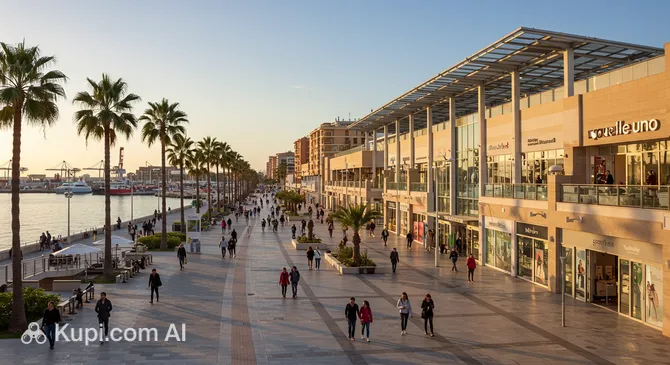
If you are looking for a sophisticated evening by the water, head to Muelle Uno. This open-air shopping and dining complex along the port offers stunning views of the illuminated Alcazaba and plenty of lounge bars where you can enjoy a drink in a more relaxed, upscale setting. It is an ideal spot to start your night with a sea breeze before heading deeper into the city.

Muelle Uno. Source: Kupi.Binoculars

For those seeking a lively atmosphere in the city center, Kraken Centro is a popular choice. Known for its central location and vibrant crowd, it serves as a great meeting point to enjoy music and drinks. As the night progresses and you feel the urge to hit the dance floor, venues like the Barsovia Club offer a classic nightlife experience with a mix of current hits and a high-energy ambiance that keeps locals and tourists entertained until the early hours.

Practical advice for enjoying the night here revolves around timing. The "Spanish schedule" is taken seriously; dinner rarely starts before 9:00 PM, bars don't get busy until 11:00 PM or midnight, and nightclubs often remain empty until 2:00 AM or 3:00 AM. The dress code is generally "smart casual"—stylish but comfortable. Prices are reasonable compared to other major European cities, with beers and mixed drinks being quite affordable, though prices may rise in exclusive clubs or rooftop bars.

Safety is generally not a major concern, as the city center remains populated and well-lit throughout the night. However, it is always wise to stay in main areas and keep an eye on your belongings. Getting around is easy; official taxis are white with a blue diagonal stripe and a green light on the roof when available. Ride-hailing apps are also widely used and convenient for getting back to your hotel safely.

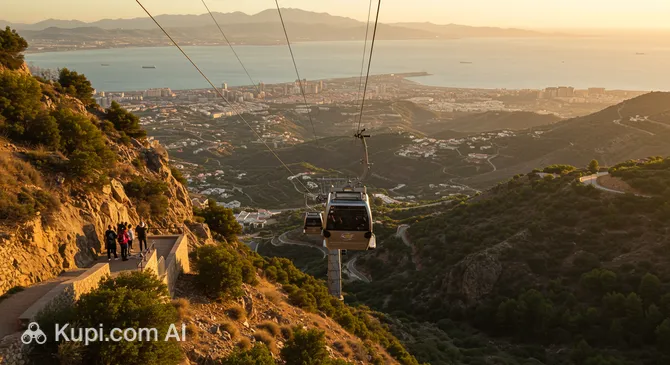
While the nights are electric, the city also boasts plenty of daytime entertainment beyond its historical monuments. Families and thrill-seekers can head to nearby Benalmádena to ride the Benalmádena Cable Car, which offers spectacular panoramic views of the coast from the summit of Mount Calamorro. For those looking for active indoor fun, the Trampoline Park Málaga provides a high-energy escape with jump zones and activities suitable for all ages.

Benalmádena Cable Car. Source: Kupi.Binoculars

Parks & Museums

While the sun and sea often steal the spotlight, the city boasts a remarkable collection of green spaces and cultural institutions that rival any major European capital. From avant-garde art galleries to lush tropical oases, the cultural landscape here is diverse and flourishing, offering visitors a chance to explore both the artistic soul and the natural beauty of the Costa del Sol.

For art enthusiasts, the city is an absolute treasure trove. As the birthplace of the 20th century's most famous artist, a visit to the Picasso Museum Málaga is essential. Housed in the magnificent Buenavista Palace, a 16th-century building that blends Renaissance and Mudéjar elements, the museum showcases a comprehensive collection of Pablo Picasso’s works. The exhibits span his entire career, offering an intimate look at his artistic evolution right in the heart of the historic center.

Contrast the classic with the contemporary at the Centre Pompidou Málaga. Located at the port, this vibrant cultural center is instantly recognizable by its multicolored glass cube, "El Cubo." Inside, you will find an impressive selection of modern art from the Paris Centre Pompidou's vast collection, featuring masterpieces by artists like Frida Kahlo and Francis Bacon. It is a dynamic space that also hosts temporary exhibitions, dance performances, and workshops.

Centre Pompidou Málaga. Source: Kupi.Binoculars

If you are looking for a unique thematic experience, the Malaga Aeronautical Museum offers a fascinating journey through aviation history. Located near the airport, this interactive museum allows visitors to touch real aircraft, explore cockpits, and learn about the mechanics of flight. It is a hidden gem that is particularly engaging for families and engineering buffs.

When it comes to green spaces, the region offers beautiful escapes from the urban bustle. Just a short trip along the coast in Benalmádena lies the expansive Parque de la Paloma. This award-winning park is a favorite among locals for its free-roaming animals, including rabbits, peacocks, and chickens. With a large central lake, extensive cactus gardens, and plenty of picnic spots, it provides a perfect natural retreat for a relaxing afternoon.

Parque de la Paloma. Source: Kupi.Binoculars

For those interested in architectural whimsy and history, the Colomares Castle is a sight to behold. Although technically a monument rather than a defensive fortress, this structure is dedicated to the life and adventures of Christopher Columbus. Its design is a fantastical mix of Byzantine, Romanesque, Gothic, and Mudéjar styles, carved in stone to resemble a ship's bow and filled with symbolic details that narrate the discovery of the Americas.

Beyond the main attractions, the city offers authentic experiences for those willing to explore further. A stroll along the promenade of La Misericordia Beach reveals industrial heritage sites, such as 19th-century factory chimneys that stand as monuments to the city's industrial past. For a truly local feel, seek out the smaller, specialized museums or simply enjoy the shade of the giant ficus trees in the Alameda Principal.

Getting Around

Navigating Malaga is a breeze thanks to its compact size and efficient public transport network. While the historic center is largely pedestrianized and best explored on foot, the city offers a reliable system of buses, trains, and a modern light metro to help you reach the outer districts, beaches, and nearby towns with ease.

The backbone of the city's transport is the bus network operated by EMT. You will recognize these buses by their distinctive blue color. They cover virtually every corner of the city, running frequently from early morning until around 11:00 PM. For late-night travelers, there are also special night buses that operate on specific routes. Tickets can be purchased directly from the driver, but keep in mind that they usually only accept cash and often require small change, so it is wise to have coins handy.

For a faster connection to the western suburbs and the university area, the Metro is a modern and comfortable option. It is essentially a light rail system with two lines that converge at the main transport hubs. It is particularly useful if you are staying outside the city center or visiting the Teatinos district. Additionally, the Cercanías commuter train system (Line C1) is a favorite among visitors; it connects the city center with the main railway station, the airport, and popular coastal towns, offering a quick and scenic way to travel along the coast.

Regarding payment, buying single tickets for every trip can quickly become expensive. Visitors are advised to purchase a travel card, locally known as the "Bonobús," which significantly reduces the cost per ride. These cards can be bought and topped up at tobacconists (estancos) and many newsstands throughout the city. A great feature for families or groups is that the card is transferable; you can validate it multiple times on the same bus ride for each person in your party.

If you prefer more direct transport, taxis are plentiful and can be hailed on the street or found at designated ranks. Official taxis are white with a blue diagonal stripe on the front doors and a green light on the roof indicating availability. Ride-sharing apps are also active in the city and offer a convenient alternative with fixed prices. For a more active approach, the city is very bike-friendly, with dedicated lanes along the promenade, making bike rentals and electric scooters a popular choice for sightseeing.

While the city does not have a historic tram network, it serves as a gateway to unique transport experiences. The famous cable car in the neighboring town of Benalmádena is easily accessible via the commuter train and offers a spectacular ride to the summit of Mount Calamorro. Within the city itself, the "Hop-on Hop-off" tourist bus provides a relaxing way to see the main landmarks from an open-top deck, perfect for getting your bearings when you first arrive.

Accommodation

Where to Stay:

Finding the perfect place to stay in Malaga is easy, as the city offers a diverse range of accommodation options to suit every travel style and budget. From lively backpacker hostels in the heart of the action to sophisticated boutique hotels and luxurious beachfront resorts, the hospitality landscape here is vast. In recent years, there has also been a surge in modern holiday apartments, providing a "home away from home" experience for families and long-term visitors.

For first-time visitors, the Historic Center is undoubtedly the most convenient area. Staying here puts you within walking distance of the Cathedral, the Picasso Museum, and the vibrant tapas bars of Calle Larios. If you prefer waking up to the sound of waves, the La Malagueta neighborhood is ideal, offering direct access to the beach while still being just a short stroll from the city center. Alternatively, the trendy Soho district, known as the "Arts Quarter," offers a cooler, more modern vibe with its street art and hip cafes.

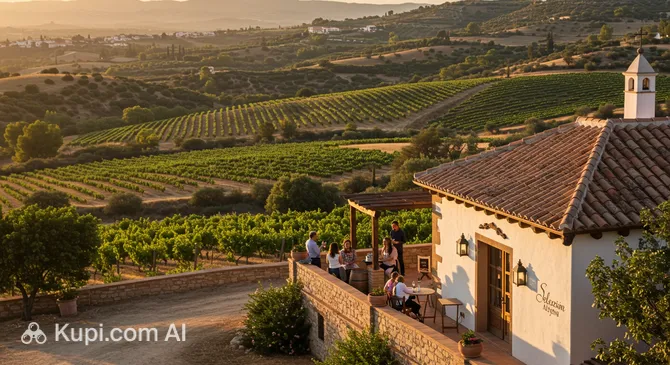
Travelers seeking an exclusive and upscale experience will find exceptional properties along the coast. One standout option is the Selección Aleysa, a highly rated boutique hotel located on the beachfront. It is renowned for its personalized service and sophisticated atmosphere, making it a perfect choice for a romantic getaway or a relaxing retreat by the sea.

Selección Aleysa. Source: Kupi.Binoculars

For those who prefer a resort-style environment with extensive wellness facilities, the Higueron Hotel Malaga is another prominent choice. Situated slightly further from the urban core, it offers a sanctuary of luxury with spa services and panoramic views, catering to visitors who want to combine city exploration with total relaxation.

Booking Tip: Malaga is an extremely popular destination, especially during major events like the Semana Santa (Easter Week) and the Feria de Agosto (August Fair). During these times, occupancy rates soar and prices increase significantly. It is highly recommended to book your accommodation several months in advance if you plan to visit during these peak periods to secure the best locations and rates.

Regarding costs, the city generally offers good value compared to other major European destinations. Budget travelers can find affordable hostels and guesthouses, while mid-range hotels provide comfortable amenities at reasonable prices. Booking is most commonly done through major online platforms, which offer the flexibility to compare prices and read reviews, although booking directly with hotels can sometimes yield special offers or welcome perks.

Nearby Cities

For those looking to explore the surroundings, Malaga serves as an excellent base for day trips to several interesting nearby locations. The region offers a delightful mix of coastal glamour, traditional mountain villages, and historical sites, all within a short drive.

One of the most renowned destinations is Marbella, famous for its luxurious atmosphere and the exclusive Puerto Banús marina filled with high-end yachts. Beyond the glitz, the city retains a charming historic center with whitewashed streets and flower-filled plazas that reflect its Andalusian heritage.

For a completely different experience, Mijas is a must-visit. This quintessential "Pueblo Blanco" (white village) is perched high in the mountains, offering breathtaking panoramic views of the Mediterranean. It is well-known for its donkey taxis and artisanal craft shops, providing a peaceful escape from the bustling coast.

Families and beach lovers often head to Fuengirola. This lively town features a long stretch of sandy beaches and the impressive Sohail Castle, a Moorish fortress that stands guard over the coast and hosts various cultural events throughout the year.

City Population Distance (km)
Marbella 150,725 47
Mijas 89,502 23
Velez Malaga 83,899 30
Fuengirola 83,226 26
Benalmadena 73,160 16

These nearby destinations offer a glimpse into the diverse culture and landscapes of the region.

Shopping & Souvenirs

Shopping in Malaga offers a delightful blend of traditional Andalusian charm and modern retail therapy, catering to every taste and budget. The heart of the city's commercial life is the iconic Calle Larios (Marqués de Larios). This elegant, marble-paved pedestrian street is one of the most expensive shopping strips in Spain, lined with popular international high-street brands and exclusive boutiques. During the summer, large awnings cover the street to provide shade, making it a comfortable place to stroll, while the surrounding narrow alleys like Calle Nueva are packed with shoe shops and independent stores.

For a unique experience by the sea, visitors should explore Muelle Uno. Located along the port, this open-air complex transforms shopping into a scenic activity. It features a curated selection of fashion outlets, home decor shops, and artisan stalls set against a backdrop of luxury yachts and the historic skyline. It is an excellent spot to find high-quality gifts and enjoy a relaxed atmosphere, particularly on weekends when pop-up craft markets often line the promenade.

If you prefer a large-scale shopping center, the most popular destination is Plaza Mayor. Situated near the airport and easily accessible via the C1 commuter train, this massive complex is designed to resemble a typical Andalusian village with open plazas and fountains. It houses a vast array of fashion chains, electronics stores, and a cinema. Adjacent to it is the McArthurGlen Designer Outlet, where bargain hunters can find premium luxury brands at significantly reduced prices.

For those seeking authentic local flavors and produce, a visit to the Atarazanas Central Market is essential. Housed in a stunning historic building with a magnificent stained-glass window, this bustling market is where the locals shop. It is the perfect place to purchase edible souvenirs such as extra virgin olive oil, saffron, local honey, and the region's famous Marcona almonds. The vibrant stalls also offer fresh seasonal fruits and regional cheeses that are hard to find elsewhere.

When looking for traditional keepsakes, look beyond the standard tourist trinkets. The city is famous for its ceramics, and you can find beautiful hand-painted plates and bowls in the shops around the cathedral. Another iconic symbol is the biznaga, a handcrafted jasmine flower arrangement; while the real flowers don't last, you can find exquisite jewelry and fans featuring this motif. Keep in mind that while malls and department stores stay open all day, many smaller independent shops in the center still observe the siesta and may close between 2:00 PM and 5:00 PM.

Reached the end of the page?

That means the route is fully explored