Support

Almería

About

Almería is a captivating coastal city located in the southeast of Spain, within the vibrant autonomous community of Andalusia. Known for having one of the sunniest climates in Europe, this destination offers a unique blend of ancient heritage, striking landscapes, and a relaxed Mediterranean atmosphere. With a population of approximately 200,000 inhabitants, Almería maintains the charm of a manageable provincial capital while providing all the amenities and cultural depth of a major urban center.

The city's geography is truly distinctive, nestled between the Sierra de Gádor mountains and the Mediterranean Sea, and situated near the Tabernas Desert, the only true desert on the European continent. This location shapes its warm, dry weather and dramatic scenery. The fascinating history of Almería is deeply etched into its architecture and urban layout, reflecting centuries of diverse cultural influences, particularly from its significant Moorish past.
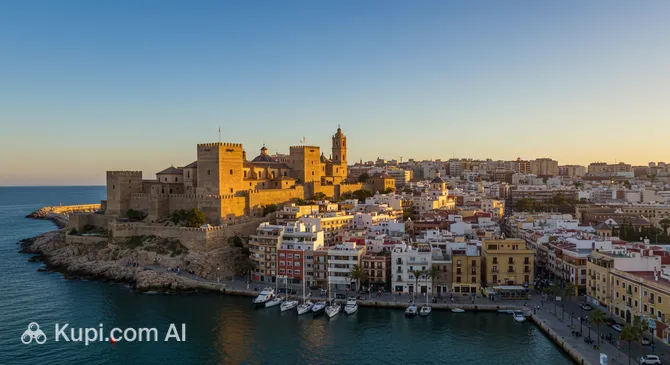
Almería. Source: Kupi.Binoculars

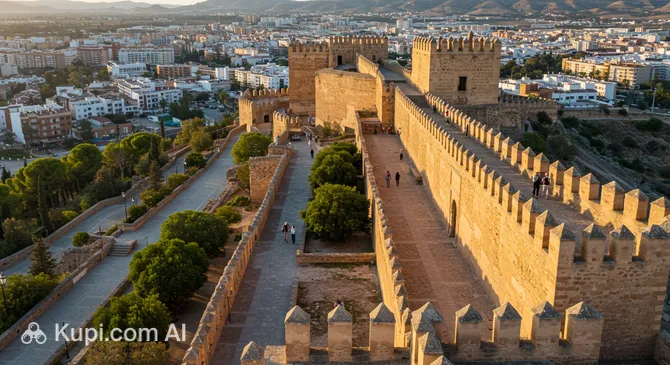
Dominating the city skyline is the majestic Alcazaba of Almería, a massive fortress that stands as one of the largest Muslim citadels in the region and offers panoramic views of the port and the city below. Another architectural marvel is the Cathedral of the Incarnation, a unique structure built with fortress-like towers to defend against pirate attacks in the 16th century. Just a short distance away, nature lovers can explore the pristine beaches and volcanic landscapes of the Cabo de Gata-Níjar Natural Park.

Whether you are wandering through its historic streets, enjoying its famous tapas culture, or exploring the nearby film sets where classic Westerns were shot, Almería promises an unforgettable experience. It is an ideal destination for travelers seeking authenticity, history, and sunshine away from the massive tourist crowds found elsewhere.
Weather Overview

Almería is renowned for having a unique semi-arid climate, often celebrated as one of the sunniest and driest in Europe. The weather in Almería is characterized by hot, dry summers and mild winters, making it an appealing destination throughout the year. Rainfall is exceptionally scarce, which contributes to the region's dramatic, desert-like landscapes.

During the peak summer months of July and August, the heat intensifies, with average temperatures hovering around 26.5°C and daily highs frequently reaching 31.5°C. These months are arid, with virtually zero precipitation. The shoulder months of June and September offer a pleasant balance, maintaining warm average temperatures between 22°C and 23°C, which are ideal for exploring the coast without the peak intensity of mid-summer.

Winters in the city are gentle, with January and December seeing average temperatures of approximately 10°C to 11.5°C. Nighttime lows rarely drop below 5.6°C, keeping the climate comfortable even in the coldest season. While rain is minimal year-round, March tends to see the most frequent wet days, although the actual accumulation remains very low. Overall, visitors can expect warm summers with abundant sunshine and mild winters with only occasional rain.

Interesting Facts

Beyond its sun-drenched beaches and historic fortress, Almería holds a treasure trove of cinematic history and underground secrets waiting to be discovered. Here are some fascinating facts that reveal the unique character of this Andalusian city:
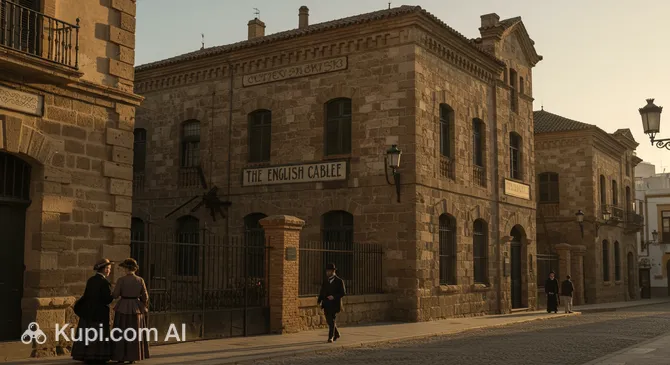
The English Cable. Source: Kupi.Binoculars
  • Almería is often referred to as the "Hollywood of Europe" because its unique desert landscapes served as the backdrop for legendary Spaghetti Westerns like "The Good, the Bad and the Ugly." The city celebrates this cinematic legacy with its own Almeria Walk of Fame, which honors the famous actors and directors who have filmed in the region.

  • Music legend John Lennon wrote his iconic song "Strawberry Fields Forever" while living in Almería during the filming of "How I Won the War" in 1966. You can explore this connection and more at the Casa del Cine Almeria, a museum housed in the very villa where he stayed.

  • Beneath the modern city streets lies an engineering marvel: the Spanish Civil War Shelters of Almería. This network of underground tunnels stretches for over four kilometers and was designed to protect the entire population during air raids, making it one of the largest and best-preserved shelters of its kind in Europe.

  • The city's skyline features a striking example of industrial iron architecture known as The English Cable (Cable Inglés). Built in the early 20th century by a school of Gustave Eiffel, this massive mineral loading pier extends into the sea and stands as a monumental reminder of the area's mining prosperity.

  • Almería is considered the tapas capital of Spain by many foodies because of its generous tradition where a free tapa is served with every drink ordered. Unlike in many other Spanish cities, this custom is strictly upheld here, allowing visitors to sample a wide variety of local cuisine at a very low cost.

How to Get There

Reaching this sunny Andalusian destination is straightforward, with several convenient options available for travelers. Whether you prefer flying directly to the coast or taking a scenic route through southern Spain, you can find more about how to get to Almería and choose the best itinerary for your trip.

The most direct point of entry is Almeria Airport (IATA: LEI), conveniently located just 7.4 km from the city center. It is a regional hub that handles a moderate flow of visitors, and a taxi ride from the terminal to downtown typically takes only about 15 minutes. For those seeking more flight connections, Malaga Airport (IATA: AGP) is a major international gateway situated in the city of Malaga, approximately 184 km from Almería. While further away, it offers extensive global routes, and the transfer by road takes around 2 to 2.5 hours.

For clarity, here is a summary of the main airports:

Airport Name City Passenger Traffic Km from City
Malaga AirportMalagaVery High183.8
Granada AirportGranadaMedium123.7
Corvera InternationalFuente ÁlamoMedium158.2
Almeria AirportAlmeríaMedium7.4
Melilla AirportAd DarwaSmall180.2

Travelers opting for rail transport often utilize major regional hubs to access the area. You can arrive at the Granada Railway Station in the city of Granada, which is located about 109 km from Almería. From there, a bus or car transfer takes approximately 1.5 hours. Another significant option is the María Zambrano Station in Malaga, roughly 177 km away. As one of the busiest stations in the region, it connects seamlessly with high-speed networks, after which you can continue to Almería by road in about 2 hours.

Below is a list of relevant railway stations in the wider region:

Station City Passenger Traffic Km to Center
María Zambrano StationMalagaVery High177.4
Cordoba Central Railway StationCordobaHigh236.9
Granada Railway StationGranadaMedium109.4
Jaén Railway StationJaénMedium157.2
Puente Genil Railway StationPuente GenilSmall218.0

Main Attractions

Almería offers a rich tapestry of history and culture, with its most iconic landmark being the Alcazaba of Almería. Dominating the city from a hilltop, this monumental fortress is one of the largest of its kind in Spain, second only to the Alhambra in Granada. Built in the 10th century, it features three distinct enclosures filled with gardens, towers, and ancient walls. Visitors are drawn here not only for the fascinating history of the Moorish era but also for the spectacular panoramic views of the city and the Mediterranean Sea.

Alcazaba of Almería. Source: Kupi.Binoculars

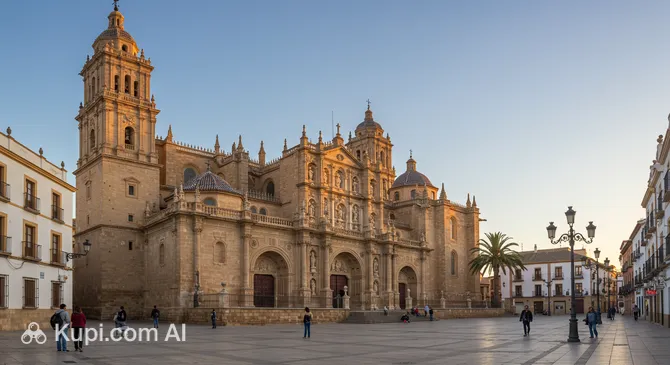
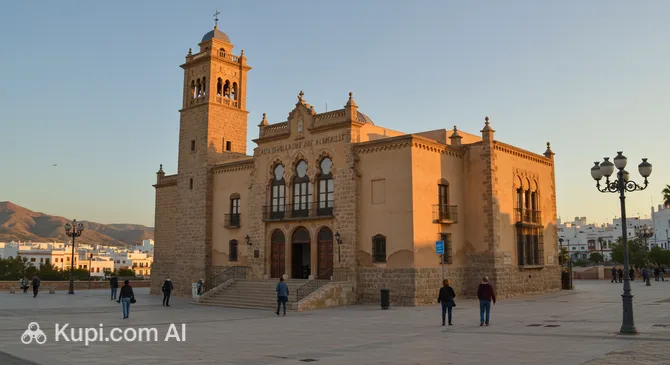
In the heart of the old town stands the Cathedral of the Incarnation of Almería, a truly unique religious structure. Unlike typical Gothic or Renaissance cathedrals, this building was designed as a fortress to protect the population from Berber pirate attacks in the 16th century. Its imposing towers, crenelated walls, and flat roof give it a distinct military appearance, making it a fascinating architectural study for tourists interested in the region's turbulent past.

Cathedral of the Incarnation of Almería. Source: Kupi.Binoculars

For those looking to delve deeper into the province's archaeological heritage, the Almería Museum is an essential stop. This modern facility houses an impressive collection of artifacts, particularly from the Copper Age cultures of Los Millares and El Argar, which are unique to this part of Europe. It provides a comprehensive narrative of the area's development from prehistoric times through the Roman and Islamic periods, offering context to the ruins seen elsewhere in the city.

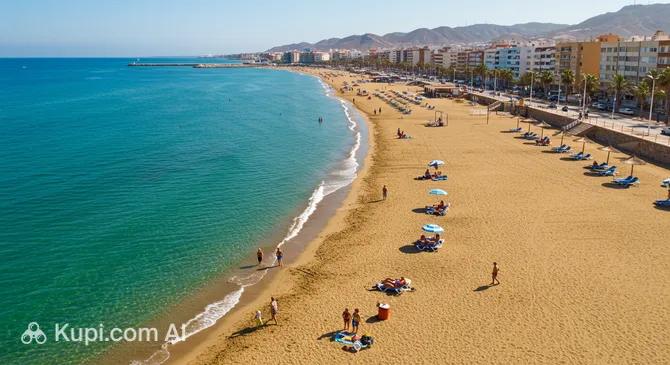
Nature and leisure combine beautifully at Zapillo Beach, the city's main urban coastline. Stretching along the waterfront, it is a favorite spot for both locals and visitors to enjoy the sun and calm waters. The beach is lined with a vibrant promenade featuring numerous cafes and restaurants, making it the perfect place to relax after a day of sightseeing and to experience the laid-back Mediterranean lifestyle.

Zapillo Beach. Source: Kupi.Binoculars

Another excellent vantage point is San Cristóbal Hill, located near the Alcazaba. Crowned by a statue of the Sacred Heart of Jesus, this lookout offers a different perspective of the fortress walls and the sprawling city below. It is a fantastic location for photography enthusiasts, especially during sunset when the light casts a golden hue over the historic ramparts and the port.

Local Cuisine

Almería’s culinary scene is a delightful reflection of its geography, combining the fresh produce of its fertile interior—often called the "Orchard of Europe"—with the rich bounty of the Mediterranean Sea. The city is famous for its generous tapas culture, where a small plate of food is traditionally served free of charge with every drink. This custom makes dining out a social and varied experience, allowing visitors to sample a wide array of flavors in a single evening without breaking the bank.

One of the most iconic local specialties you must try is the Cherigan. Unique to Almería, this simple yet delicious snack consists of a thin slice of toasted bread, cut at an angle, spread with alioli or tomato, and topped with various ingredients like ham, tuna, cheese, or mackerel. It is a staple in local bars and serves as a perfect introduction to the city's unpretentious and flavorful gastronomy.

For those seeking heartier traditional fare, Gurullos con conejo is a signature dish deeply rooted in the region's history. It is a stew made with rabbit and gurullos, a type of pasta shaped by hand into small grains, cooked with saffron, peppers, and beans. Another classic is Ajo Colorao, a comforting mashed potato stew featuring dried red peppers, cumin, and stingray or cod, showcasing the humble yet inventive nature of Almerian cooking.

The heart of the city's social life and food scene can often be found radiating from central squares like Puerta de Purchena. This area serves as a lively meeting point from which you can explore the surrounding narrow streets packed with tapas bars and terraces. Locals typically enjoy their meals late, with dinner often starting after 9:00 PM, accompanied by local wines or a cold beer to beat the heat.

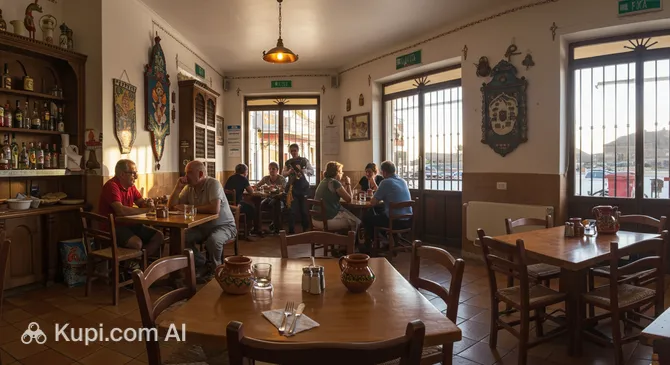
For a dining experience that combines local flavors with cultural immersion, La Guajira is a standout venue. Situated near the Alcazaba, this spot is not just a place to eat but a cultural association that offers spectacular views of the city and often hosts live flamenco performances, making it a favorite among those looking for an authentic Andalusian atmosphere.

La Guajira. Source: Kupi.Binoculars

If you prefer a more casual setting to enjoy the tapas tradition, places like Bar Lengüetas offer a friendly environment to mingle with residents. Whether you are grabbing a quick bite at a bustling bar or sitting down for a seafood feast near the coast, eating in Almería is always a warm, communal affair centered on fresh ingredients and good company.

Travel Tips

Welcome to the sunniest corner of Europe! To ensure your visit to Almería is as relaxing as the local lifestyle, here are some essential practical tips to help you navigate the city and plan your journey with ease.

  1. Clothing and Gear: Given the semi-arid climate, lightweight and breathable clothing is essential, especially from May to October. A hat, sunglasses, and high-SPF sunscreen are non-negotiable items. Winters are mild, so a light jacket or sweater is usually sufficient. Bring comfortable walking shoes, as the historic center and the path up to the Alcazaba involve cobblestones and slopes.
  2. Transportation: The city center is compact and best explored on foot. For longer distances or trips to the urban beaches, the local bus network (Surbus) is reliable and affordable. While a car is not necessary for the city itself, renting one is highly recommended if you plan to explore the stunning coves of Cabo de Gata or the nearby Tabernas Desert.
  3. Finances: Spain uses the Euro (€). Credit and debit cards are widely accepted in most restaurants and shops. However, it is advisable to carry some cash for small purchases, bus fares, or older traditional bars. Tipping is not mandatory, but leaving small change or rounding up the bill is a common way to show appreciation for good service.
  4. Health and Safety: Almería is a safe city for tourists, but standard precautions against pickpocketing should be taken in crowded areas. Pharmacies are easily identified by a flashing green cross; look for a "Farmacia de Guardia" for 24-hour service. The general emergency number for police, fire, or ambulance is 112.
  5. Communication: Spanish is the primary language. While staff in major hotels and tourist attractions often speak English, it is less common in local neighborhood tapas bars. Downloading a translation app and learning basic phrases like "Hola" (Hello) and "La cuenta, por favor" (The bill, please) will be very helpful. Free Wi-Fi is available in many public squares and cafes.
  6. Local Etiquette: Greetings are warm; a handshake or two kisses on the cheeks (among friends) is standard. Be patient with service, as the lifestyle here is relaxed. Dining times are late compared to northern Europe: lunch is typically between 2:00 PM and 4:00 PM, and dinner rarely begins before 9:00 PM.
  7. What to Avoid: Do not expect to go shopping between 2:00 PM and 5:00 PM. Many smaller local businesses close for the afternoon "siesta" break and reopen in the evening. Also, avoid walking around the city center or entering churches in beachwear; save your swimsuit for the promenade and the beach itself.
  8. Additional Tip: Take full advantage of the unique tapas culture. In this city, a small portion of food is served free with every drink (beer, wine, or soft drink). Don't order a full meal right away; instead, hop from bar to bar, ordering a drink at each to sample a variety of local dishes at a very low cost.

With these practical insights in hand, you are fully prepared to immerse yourself in the authentic charm of Almería. Enjoy the endless sunshine, the delicious cuisine, and the warm hospitality that make this Andalusian destination so unforgettable!

Entertainment & Nightlife

Entertainment and Nightlife:

Almería comes alive at night with a rhythm that is distinctively Andalusian—relaxed, social, and enduring well into the early hours. The city does not rely on the frantic energy of larger metropolises; instead, its nightlife is an organic extension of the day, usually beginning with a long dinner or tapas session that seamlessly transitions into drinks and music. The atmosphere is welcoming and unpretentious, making it easy for visitors to mingle with locals in the bustling squares and terraces.

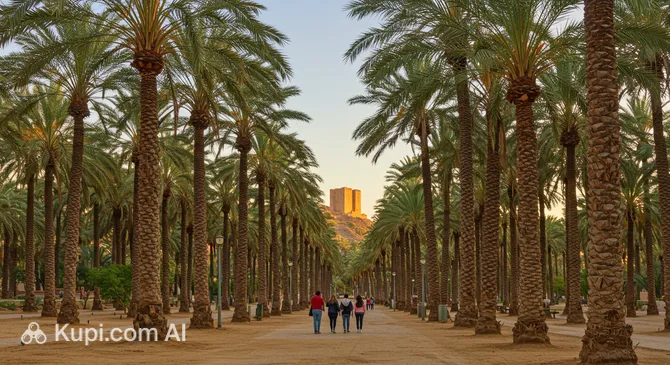
The epicenter of the local nightlife is the historic center, particularly the zone known as "Las Cuatro Calles" (The Four Streets). Located near the Cathedral and the Plaza Vieja, this labyrinth of narrow alleyways is packed with pubs, bars, and small clubs catering to various musical tastes. During the warmer months, the focus shifts towards the coast. The promenade along Zapillo Beach and the area around El Palmeral become vibrant hubs where open-air chiringuitos (beach bars) offer refreshing cocktails and sea breezes late into the night.

El Palmeral. Source: Kupi.Binoculars

For those looking to experience the city's spirited evening vibe, Canta La Gallina is a popular venue that captures the essence of a fun night out in Almería. It is a great spot to enjoy music and dance after a tour of the local bars. If you prefer starting your evening with a sophisticated meal in a modern setting, Sibuya Urban Sushi Bar offers a chic atmosphere that contrasts beautifully with the traditional tapas joints, providing a perfect warm-up before hitting the town.

Canta La Gallina. Source: Kupi.Binoculars

Timing is everything when enjoying the night here. The evening starts late, with bars filling up around 11:00 PM and clubs often remaining quiet until 2:00 AM. The dress code is generally "smart casual"—comfortable but neat. Prices are quite reasonable compared to other Spanish cities, with drinks and entry fees remaining affordable. For getting around, the city center is walkable, but for returning to your accommodation late at night, taxis are readily available and are the safest and most convenient option.

Almería is generally a safe city for night walks, particularly in the busy zones of the Paseo de Almería and the historic quarter. However, as with any travel destination, it is wise to stay in well-lit areas and keep an eye on your belongings. While nightlife is a major draw, daytime entertainment also abounds. Visitors can explore the region's cinematic history at the Casa del Cine, visit the archaeological museum, or enjoy a shopping spree at the Torrecárdenas Shopping Center, which also features a cinema for a more laid-back evening.

Parks & Museums

Beyond its desert landscapes and historic fortifications, Almería surprises visitors with inviting green spaces and cultural centers that celebrate its unique identity. From refreshing gardens near the port to museums that delve into the city's cinematic and wartime past, there are plenty of opportunities to explore the greener and more artistic side of this Andalusian capital.

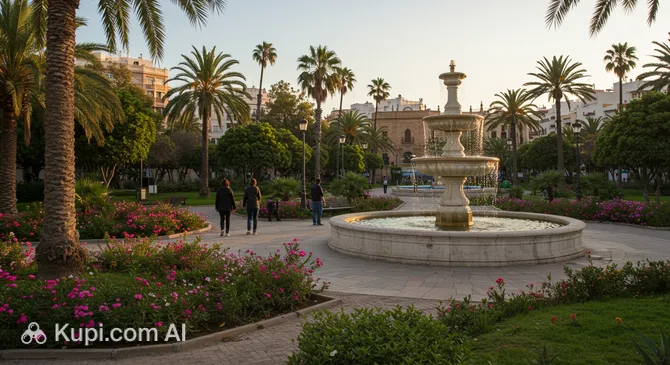
One of the most significant green lungs of the city is the Nicolás Salmerón Park. Stretching parallel to the commercial port, this historic park is divided into two distinct zones: the "Old Park," filled with century-old trees and elegant fountains, and the "New Park," which features more modern landscaping. It is the perfect place for a leisurely stroll under the shade of palms and jacarandas, offering a cool respite from the city's sunny climate. Within its grounds, you can find the charming Fountain of the Fish, a beloved local landmark that adds to the park's tranquil atmosphere.

Nicolás Salmerón Park. Source: Kupi.Binoculars

For a more contemporary experience, especially if traveling with children, the Families Park (Parque de las Familias) is a must-visit destination. This expansive urban park is one of the largest in Andalusia and is creatively themed around Almería's main identifiers: the Alcazaba, the Mediterranean Sea, and the cinema. With vast playgrounds, water features, and meticulously maintained gardens, it serves as a vibrant community hub where locals gather to relax and play.

Another notable spot is the Parque de las Almadrabillas, located at the end of the Rambla near the waterfront. This open space is famous for providing one of the best views of the iconic English Cable and the mineral loading dock. It is a popular area for skaters and walkers, featuring a memorial to the victims of the Mauthausen concentration camp, blending leisure with historical memory.

Almería’s cultural scene is equally compelling, with museums that offer deep dives into specific chapters of its history. The Casa del Cine Almeria is a fascinating museum housed in the Cortijo Romero, a villa once visited by stars like Clint Eastwood and John Lennon. The exhibits here pay tribute to Almería’s golden age as a film set, showcasing costumes, props, and interactive displays that explain why this province became the "Hollywood of Europe." It offers a nostalgic journey through the Spaghetti Western era and beyond.

Casa del Cine Almeria. Source: Kupi.Binoculars

For a more somber but historically significant experience, the Spanish Civil War Shelters of Almería offer a unique underground tour. These well-preserved tunnels, designed by architect Guillermo Langle, run 9 meters beneath the city streets. Visitors can walk through the galleries, see the old operating room, and understand the resilience of the local population during the bombings. It is an immersive experience that contrasts sharply with the bright, sunny streets above.

For a quick touch of stardom, take a walk along the Almeria Walk of Fame near the Cervantes Theatre. Similar to its Hollywood counterpart, this promenade features stars dedicated to the famous actors and filmmakers who have worked in the region, serving as a fun reminder of the city's enduring link to the silver screen.

Getting Around

Navigating Almería is remarkably stress-free, thanks to its compact size and efficient layout. Unlike larger Spanish metropolises, the city does not have a metro or tram system. Instead, the public transport network relies almost exclusively on a comprehensive bus service that connects the historic center with residential areas, the university, and the popular beaches along the coast.

The municipal bus network is managed by Surbus. It consists of numerous lines that operate frequently throughout the day, typically running from approximately 6:00 AM or 7:00 AM until about 10:30 PM. For visitors, Lines 11 and 12 are particularly convenient, as they connect the city center with the popular Zapillo beach and the University area. Additionally, Line 18 is useful for those heading specifically to the Costacabana district. During the summer months, services to the coastal areas are often reinforced to accommodate beachgoers.

Regarding payment, the system is straightforward. You can purchase a single ticket (billete sencillo) directly from the driver when you board the bus; it is advisable to carry small change or coins, as drivers may not be able to change large banknotes. The price for a single trip is very affordable, generally hovering around 1.05€. If you plan to use the bus frequently, it is worth purchasing a rechargeable travel card (Bonobús) at local tobacco shops (estancos) or kiosks. This card significantly reduces the cost per trip and allows for transfers between lines within a certain time frame.

Taxis are another convenient and relatively inexpensive way to get around, especially late at night when bus services cease. Official taxis in Almería are easily impactful: they are white with a diagonal red stripe on the front doors. They can be hailed on the street if the green light on the roof is illuminated, found at designated ranks (paradas de taxi) located at key points like the Intermodal Station and the Paseo de Almería, or booked via telephone and local apps like PideTaxi. All taxis use a meter, so there is no need to negotiate the fare in advance for standard urban trips.

For those who prefer active mobility, the city has been expanding its network of bike lanes, particularly along the maritime promenade and the main avenues. Renting a bicycle is a fantastic way to enjoy the flat coastal terrain and sea views. While walking is undoubtedly the best way to explore the pedestrianized historic center and the narrow streets around the Cathedral, a bike allows you to reach the further ends of the beaches quickly.

A special mention goes to the Tourist Train, which offers a leisurely alternative for sightseeing. This rubber-tired train departs from the city center and winds its way through the most emblematic streets, offering a comfortable ride up to the Alcazaba and back. It provides audio commentary and is an excellent option for families or those wishing to see the main landmarks without tackling the steeper hills on foot.

Accommodation

Almería offers a diverse selection of accommodation options that cater to various budgets and travel styles, ranging from modern luxury establishments to charming guesthouses and budget-friendly hostels. Whether you are looking for a sophisticated stay in a historic building or a practical apartment rental near the sea, the city provides ample choices. The overall atmosphere is less commercialized than other major Andalusian tourist hubs, often resulting in better value for money.

When choosing a location, the decision largely depends on your itinerary. The historic center is the most convenient area for culture enthusiasts, placing you within walking distance of the Alcazaba, the Cathedral, and the main tapas districts. Alternatively, if your priority is sun and sea, the Zapillo neighborhood is the ideal base. Located along the waterfront, it offers immediate access to the beach and a lively promenade filled with cafes, while still being well-connected to the downtown area by bus.

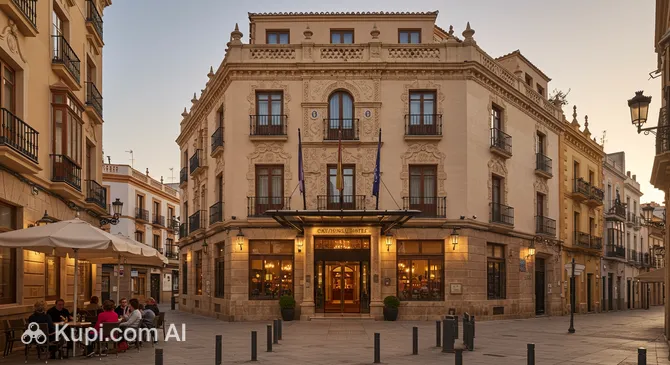
For travelers seeking a stay with distinct character, the Catedral Hotel Almería is a standout choice. Situated in a restored manor house dating back to 1850, it offers a unique blend of history and modern comfort directly facing the city's fortress-like cathedral. Another excellent option in the heart of the city is the Nuevo Torreluz Hotel, which is well-regarded for its central location near the Paseo de Almería and the historic Puerta de Purchena, making it a perfect starting point for exploring the local gastronomy.

Catedral Hotel Almería. Source: Kupi.Binoculars

Regarding costs, Almería is generally affordable compared to other coastal Spanish cities. Budget travelers can find hostels and pensiones for very reasonable rates, while mid-range hotels offer high standards without exorbitant prices. Luxury resorts are less common in the city center but can be found in the surrounding coastal areas. It is highly recommended to book in advance, especially if you plan to visit during the peak summer months of July and August or during the lively Almería Fair in late August, when demand is at its highest.

Most accommodations can be easily booked through major online platforms, though contacting smaller guesthouses directly can sometimes yield better rates or specific offers. Whether you choose a room with a view of the Alcazaba or a seaside apartment, you will find the local hospitality to be warm and welcoming.

Nearby Cities

For those looking to explore the surroundings, Almería serves as an excellent base for day trips to several interesting nearby locations:

One of the most popular nearby excursions is to Roquetas de Mar, a coastal town located just a short drive away. It is celebrated for its broad beaches and the historic Castle of Santa Ana, offering a perfect mix of seaside relaxation and cultural sightseeing. Alternatively, the charming town of Nijar provides a more traditional Andalusian experience. Famous for its artisanal pottery and vibrant "jarapa" rugs, this picturesque white village sits at the edge of a natural park and showcases the region's rich craft heritage.

City Population Distance (km)
Roquetas de Mar 102881 17
El Ejido 87500 33
Motril 58798 96
Aguilas 36403 99
Nijar 31816 25

These nearby destinations offer a glimpse into the diverse culture and landscapes of the region.

Shopping & Souvenirs

Shopping:

Shopping in Almería is a relaxed and enjoyable experience that blends traditional Andalusian charm with modern conveniences. While it may not have the sheer scale of larger Spanish capitals, the city provides a curated selection of international brands, local boutiques, and vibrant markets. Visitors can enjoy strolling through pedestrian-friendly streets where historic architecture meets contemporary retail, offering everything from high-street fashion to unique artisanal crafts.

The heart of the city's commercial life beats along the Paseo de Almería. This tree-lined avenue is the main shopping artery, hosting well-known Spanish fashion chains like Zara and Mango, as well as perfume shops and banks. It connects the port area with the bustling Puerta de Purchena, a central square that serves as a meeting point and a gateway to smaller, more traditional shopping streets like Calle de las Tiendas, where unique local businesses and smaller boutiques can be found.

For a more comprehensive retail experience under one roof, the city boasts excellent modern facilities. The Torrecárdenas Shopping Center is the newest and most impressive complex, featuring a vast array of fashion stores, electronics, and leisure options, making it a favorite for a full day of activity. Another major destination is the Mediterráneo Shopping Center, located in the eastern part of the city. It is a long-standing favorite among locals, offering a hypermarket and numerous specialty shops perfect for finding everything from clothing to accessories.

Torrecárdenas Shopping Center. Source: Kupi.Binoculars

To truly taste the local culture, a visit to the Mercado Central (Central Market) is essential. Housed in a beautifully restored historic building near the Paseo, this market is a feast for the senses, overflowing with fresh produce, local cheeses, and the region's famous tomatoes. While primarily a food market, it is the best place to buy edible souvenirs like premium olive oil, dried fruits, or local honey to take home.

When looking for keepsakes, the most iconic symbol of the region is the Indalo, a prehistoric figure resembling a man holding an arch. You can find this symbol on everything from jewelry and t-shirts to keychains. Speaking of crafts, pottery from the nearby town of Níjar is highly prized for its colorful designs and durability. Local gourmet products, such as wines from the Alpujarra region or traditional sweets, also make for excellent and authentic gifts.

Shopping hours in Almería typically follow the traditional split schedule. Small shops usually open from 10:00 AM to 1:30 PM, close for the afternoon "siesta," and reopen from 5:00 PM to 8:30 PM or 9:00 PM. However, major shopping centers and department stores often stay open all day without interruption, typically from 10:00 AM to 10:00 PM. Credit and debit cards are widely accepted throughout the city, but carrying some cash is useful for small purchases at markets or kiosks.

For international visitors residing outside the European Union, Almería offers tax-free shopping on eligible goods. Look for stores displaying the "Tax Free" signage, which allows you to reclaim the Value Added Tax (VAT) on your purchases. Be sure to ask for the necessary tax refund forms at the checkout, which you can then process at the airport or designated refund points upon your departure from the EU.

Reached the end of the page?

That means the route is fully explored