Support

Oran

About

Oran, often affectionately known as "El Bahia" or "the Radiant," is a vibrant coastal city that serves as a captivating bridge between the past and the present. As the second-largest city in Algeria, it is a major port and commercial hub, yet it retains a relaxed, Mediterranean atmosphere that enchants visitors from around the globe. The city is renowned for its unique blend of architectural styles, lively culture, and the warm hospitality of its residents.
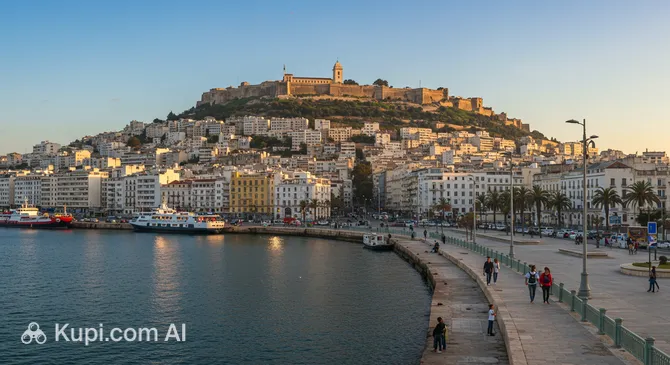
Oran. Source: Kupi.Binoculars

Geographically, Oran is situated in the northwest of the country, overlooking the glistening waters of the Gulf of Oran. The city enjoys a pleasant Mediterranean climate, characterized by mild winters and warm, sunny summers, making it an ideal destination for travel throughout the year. With a population of approximately 852,000 people, it is a bustling metropolis that offers the energy of a big city alongside the charm of a seaside resort.

The history of Oran is rich and complex, marked by various civilizations including Spanish, Ottoman, and French influences, all of which have left an indelible mark on the cityscape. One of the most iconic landmarks is the Fort Santa Cruz, a Spanish fortress perched high on Mount Murdjadjo that offers breathtaking panoramic views of the bay and the city below. Visitors also flock to the Front de Mer, a magnificent waterfront boulevard lined with palm trees and cafes, perfect for a leisurely evening stroll.

Beyond its historical sites, Oran is celebrated as the birthplace of Raï music, adding a rhythmic soul to its streets. Whether you are exploring the ancient Casbah or enjoying fresh seafood by the harbor, Oran promises an unforgettable experience. It is a destination that invites you to linger, explore, and discover the radiant spirit of the Algerian coast.
Weather Overview

Oran enjoys a pleasant Mediterranean climate, characterized by distinct seasons that make it a welcoming destination year-round. The city typically experiences hot, dry summers and mild, somewhat wetter winters. Generally, you can expect warm summers with occasional rain and mild winters with moderate precipitation.

The summer months of June through August are the warmest, with average temperatures peaking around 27.2°C in August and highs frequently exceeding 30°C. During this period, rainfall is virtually non-existent, providing endless sunny days for exploring the coast. In contrast, the winter season, particularly January, sees average temperatures cool down to approximately 12.8°C, with lows around 9.6°C.

Spring and autumn offer a comfortable middle ground, with temperatures ranging from 15°C to 25°C. Rainfall is most frequent during the cooler months and early spring, with March and April seeing up to 9 wet days, though showers are usually manageable. To help you pack the right clothing for your trip, it is helpful to check the detailed weather in Oran before you travel.

Interesting Facts

Beyond the popular waterfronts and bustling squares, Oran holds a collection of fascinating stories that reveal its unique soul. From literary fame to ancient legends, the city offers intriguing details that surprise even the most seasoned travelers.
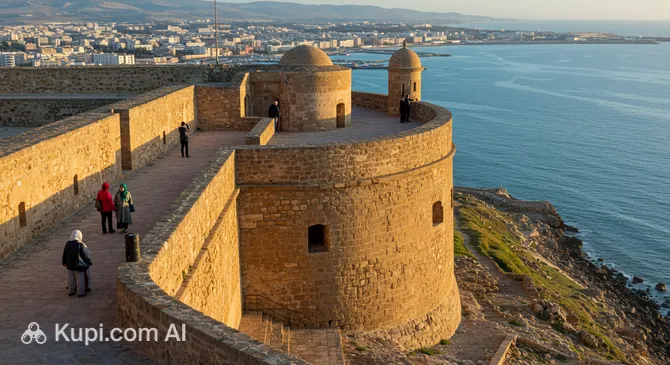
Fort Santa Cruz. Source: Kupi.Binoculars
  • The City of Two Lions: The name "Oran" is derived from the Berber word "Wahran," which translates to "two lions." Legend has it that lions were spotted in the area around 900 AD, and today, two large lion statues stand proudly in front of the City Hall to honor this wild heritage.

  • Birthplace of a Fashion Icon: The world-renowned designer Yves Saint Laurent was born in Oran in 1936. The vibrant colors, intense sunlight, and multicultural atmosphere of the city during his childhood are said to have deeply influenced his later artistic style and iconic collections.

  • A Literary Landmark: Oran serves as the primary setting for Albert Camus' masterpiece, The Plague. Although the story is fictional, its vivid depiction of the city’s streets and atmosphere has immortalized Oran in the world of classic literature.

  • The Miracle on the Mountain: The Chapel of Santa Cruz, sitting near the historic Fort Santa Cruz, has a deeply spiritual origin. It was constructed in the 19th century after a cholera epidemic, following a procession of the Virgin Mary’s statue that locals believed miraculously halted the spread of the disease.

  • A Unique Culinary Heritage: Due to its proximity to Spain and historical ties, Oran is one of the few places in the region where paella is a celebrated local specialty. The city's version of this famous dish rivals those found across the Mediterranean, adding a distinct flavor to the local cuisine.

How to Get There

Reaching Oran is relatively straightforward, with several transport options available depending on your point of origin. For a comprehensive guide on all available routes and travel tips, you can read more about how to get to Oran. The city is well-connected by air, and there are also nearby transport hubs that facilitate access from the wider region.

The most direct way to arrive is via Es Senia Airport (IATA: ORN), which is the main international gateway located just 8.4 km from the city center. As a significant hub handling millions of passengers, it offers frequent connections. The travel time to downtown Oran by taxi or bus is approximately 35 minutes. Another viable option for domestic or regional travelers is Zenata Airport (IATA: TLM) in the city of Tlemcen, located about 105.9 km away. The ground transfer from Tlemcen to Oran typically takes around 3 hours.

For clarity, here is a summary of the main airports:

Airport Name City Passenger Traffic Km from City
Es Senia AirportOranLarge8.4
Les Angades AirportOujdaMedium154.9
Almeria AirportAlmeríaMedium201.1
Zenata AirportTlemcenSmall105.9
Chlef International AirportChlefSmall186.4

Regarding rail travel, the available data highlights a connection that serves as a transit point for those arriving from Europe. While the station is not in Oran itself, you can arrive at Alicante Railway Station (IATA: YJE) in Alicante, Spain. It is located approximately 293.9 km from Oran across the Mediterranean Sea. Travelers often use this station to reach the ferry port in Alicante, which offers direct maritime links to Oran.

Here is the information for the railway station:

Station City Passenger Traffic Km to Center
Alicante Railway StationAlicanteLarge293.9

Main Attractions

Oran is a city where history and modernity blend seamlessly, offering visitors a variety of captivating sights. From ancient fortifications to breezy promenades, the city's landmarks tell the story of its rich cultural heritage and provide unforgettable experiences for travelers.

Standing guard over the city, Fort Santa Cruz is arguably Oran's most famous landmark. Located on the summit of Mount Murdjadjo, this fortress was built by the Spanish between 1577 and 1604. It offers tourists not only a glimpse into the military architecture of the past but also spectacular panoramic views of the harbor and the Mediterranean Sea. Just below the fort lies the Chapel of Santa Cruz, adding a spiritual dimension to the visit that attracts pilgrims and history buffs alike.

Palace of the Bey. Source: Kupi.Binoculars

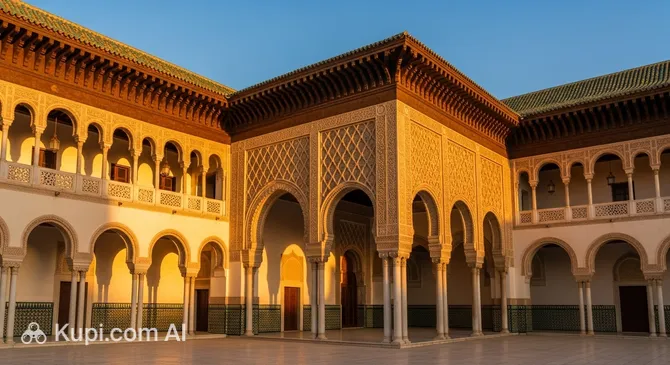
For a deep dive into the Ottoman era, the Palace of the Bey is a must-visit destination. Situated in the historic Sidi El Houari district, this 18th-century complex served as the residence for the ruling Beys. Visitors are often charmed by its intricate architecture, which features beautiful courtyards, harem quarters, and pavilions that reflect the grandeur of the period. It stands as a resilient symbol of the city's layered past and architectural diversity.

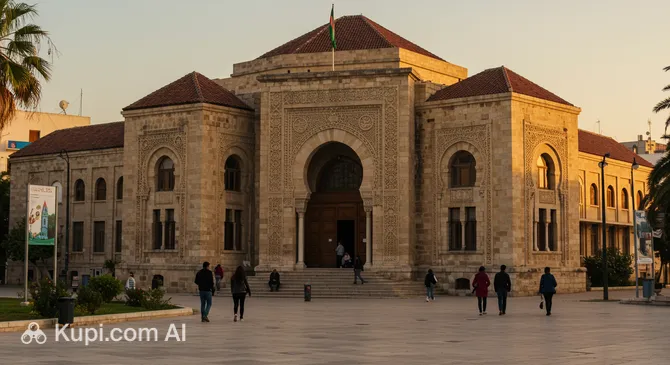
Culture enthusiasts should not miss the Ahmed Zabana National Museum. Housed in a grand building, this institution possesses a diverse collection ranging from prehistoric archaeological finds to fine arts and natural history exhibits. It provides a comprehensive overview of the region's evolution and is an excellent place to understand the local heritage through well-preserved artifacts and engaging displays.

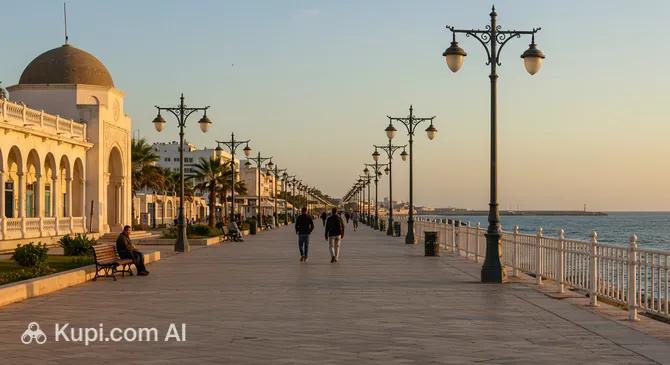
Oran Seafront Promenade. Source: Kupi.Binoculars

Finally, no trip to Oran is complete without a stroll along the Oran Seafront Promenade. Known locally as the Front de Mer, this elegant boulevard is lined with palm trees and offers stunning views of the cliffs and the sea. It is the perfect spot for a relaxing evening walk, allowing travelers to soak in the lively atmosphere, enjoy the cool sea breeze, and watch the ships coming into the busy port.

Local Cuisine

Oran’s culinary landscape is a delightful reflection of its multicultural history, blending Algerian traditions with distinct Spanish and Mediterranean influences. The undisputed king of street food here is Karantika (often spelled Calentica), a savory chickpea flour tart that is baked until golden and typically served inside a fresh baguette with a dusting of cumin and a touch of spicy harissa. It is an affordable, filling, and ubiquitous snack that every visitor must try to truly understand the flavor of the city.

Given its coastal location, seafood plays a massive role in the local diet. Fresh fish, grilled sardines, and prawns are staples found in many eateries near the harbor. Uniquely for an Algerian city, Oran is famous for its Paella, a legacy of the Spanish presence. The local version rivals those found in Valencia, often brimming with fresh catch from the Mediterranean and seasoned with rich saffron, making it a favorite meal for families and tourists alike.

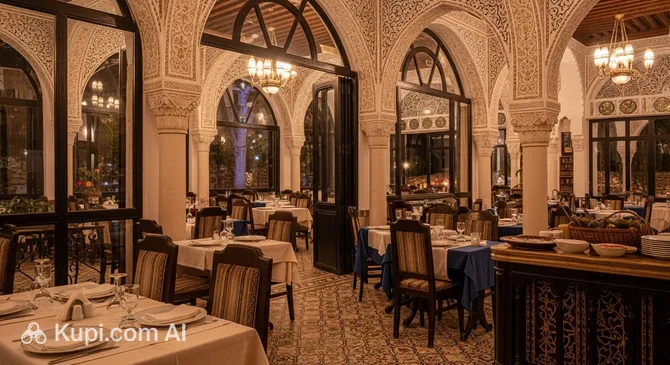
M'sirda Restaurant. Source: Kupi.Binoculars

Dining in the city ranges from casual street stalls to elegant venues where the ambiance is as important as the food. For a taste of local hospitality and diverse menu options, travelers often visit M'sirda Restaurant, which is well-regarded for its welcoming atmosphere. Those looking for a different experience might try PRALIN Illusion Restaurant, another spot contributing to the city's vibrant gastronomic scene. The dining culture here is social and relaxed, with meals often extending late into the evening.

To accompany these meals, locals often enjoy traditional mint tea, which is traditionally poured from a height to create a frothy top. For a refreshing cold drink, the legendary Algerian soda Hamoud Boualem—particularly the lemon flavor—is an iconic choice that dates back over a century. While Algeria is a Muslim country, Oran is situated near renowned vineyard regions, and local wines are available in select restaurants and hotels for those who wish to partake.

Travel Tips

Visiting Oran is an exciting adventure, but a little preparation goes a long way in ensuring a smooth and enjoyable journey. To help you navigate the "Radiant City" with confidence and ease, here are some essential practical tips designed for travelers.

  1. Clothing and Gear: Oran has a Mediterranean climate, so pack breathable, light fabrics for the hot summers and a warm jacket or coat for the cooler, breezy winters. Comfortable walking shoes are essential, especially if you plan to hike up to Fort Santa Cruz. While the city is modern, it is respectful to dress modestly; women may want to carry a scarf for visiting religious sites or traditional neighborhoods.

  2. Transportation: The city boasts a modern and efficient tramway system that connects many key districts and is very tourist-friendly. Taxis are also plentiful and affordable; you can hail them on the street or use popular ride-hailing apps like Yassir or Heetch to avoid language barriers and negotiate fares more easily.

  3. Finances: The local currency is the Algerian Dinar (DZD). While major hotels and some upscale restaurants accept credit cards, cash is king in Oran. You will need cash for taxis, small shops, and street food. ATMs are widely available, but it is wise to carry a backup reserve of euros or dollars to exchange at banks if needed.

  4. Health and Safety: Pharmacies are easy to identify by their green cross signs, and many have rotating night shifts for emergencies. It is highly recommended to drink bottled water instead of tap water to avoid any stomach issues. Oran is generally safe, but exercise standard precautions: keep your valuables secure and avoid poorly lit areas late at night.

  5. Communication: The main languages spoken are Arabic (Darija) and French. English is not widely spoken outside of major hotels and by the younger generation. It is very helpful to download an offline translator or learn a few basic phrases in French. You can easily purchase a local SIM card from providers like Mobilis, Djezzy, or Ooredoo using your passport.

  6. Local Etiquette: Algerians are incredibly hospitable and value politeness. A friendly greeting of "Salam" (Peace) or "Bonjour" is expected when entering a shop or meeting someone. Handshakes are the standard form of greeting. If you are invited to a local's home, removing your shoes at the door is a common custom.

  7. What to Avoid: Strictly avoid taking photographs of police, military personnel, or government buildings. This is prohibited for security reasons and can lead to serious trouble. Additionally, public displays of affection are culturally inappropriate and should be avoided to show respect for local norms.

  8. Weekend Timing: Keep in mind that the weekend in Algeria falls on Friday and Saturday. Friday is the holy day, meaning many shops, markets, and businesses may be closed in the morning and will only reopen in the late afternoon after prayer times.

By keeping these tips in mind, you will be well-equipped to embrace the vibrant rhythm of local life in Oran. Enjoy the stunning coastal views, the delicious cuisine, and the warm welcome that awaits you in this captivating Mediterranean hub.

Entertainment & Nightlife

Oran is widely considered the nightlife capital of Algeria, boasting a vibrant energy that sets it apart from other cities in the region. As the birthplace of Raï music, a genre that revolutionized the Algerian musical landscape, the city has a rhythm all its own. In the evenings, the atmosphere shifts from the bustling commerce of the day to a more relaxed and celebratory mood, where locals and visitors alike enjoy the Mediterranean breeze and lively social scene.

The heartbeat of Oran’s nightlife is undoubtedly the Corniche (Seafront Promenade) and the nearby coastal resort area of Ain El Turk. During the summer months, Ain El Turk becomes a hub of activity with numerous beach clubs, discos, and lounges that stay open late into the night. In the city center, the nightlife is more concentrated around high-end hotels and specific boulevards where you can find chic lounges and restaurants offering live music and a sophisticated ambiance.

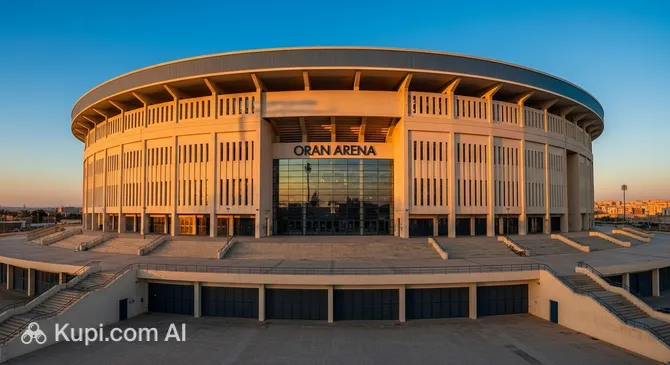
For those seeking a refined evening out, the city's top hotels often house some of the best entertainment venues. The Grand Oran Hotel is a prime example, offering elegant spaces where guests can enjoy a quiet drink and conversation in a comfortable setting. If you are interested in larger cultural events or concerts, it is worth checking the schedule at the Oran Arena. This modern multi-purpose venue hosts major performances and sporting events, contributing significantly to the city's entertainment offerings.

Oran Arena. Source: Kupi.Binoculars

When planning a night out, it is important to know that the lifestyle in Oran can be quite nocturnal, especially in summer. Venues typically pick up after 9:00 PM and can stay busy until the early hours. The dress code for nightclubs and hotel bars is generally smart-casual; looking presentable is expected. Prices for drinks and entry fees in trendy spots can be comparable to European standards, so budget accordingly. Regarding safety, while the main tourist areas are well-patrolled, it is advisable to use taxis for transportation at night rather than walking, especially outside the busy Corniche area. Ride-hailing apps or official radio taxis are the safest and most convenient ways to get back to your accommodation.

While the nights are lively, Oran also offers plenty of daytime entertainment options for families and culture lovers. Beyond the historical museums and theaters, visitors looking for lighthearted fun can visit Kiddy Garden. This amusement park provides a cheerful break with various rides and attractions, making it a popular spot for an afternoon of leisure before the evening festivities begin.

Parks & Museums

Oran offers a refreshing escape through its lush gardens and rich cultural institutions, providing a perfect counterbalance to its bustling coastal energy. The city's green spaces serve as peaceful retreats with stunning views, while its museums and galleries act as custodians of a heritage that spans millennia, from prehistoric times to the modern artistic era.

One of the most scenic green spots in the city is the Ibn Badis Garden (formerly known as the Promenade de Létang). Situated near the historic Palace of the Bey, this garden is laid out in terraces that cascade down towards the port. It is filled with exotic plants and century-old trees, offering visitors a tranquil environment to enjoy panoramic views of the harbor and the bay. For those seeking a more rugged natural experience, the Canastel Forest on the eastern fringe of the city is a magnificent pine forest overlooking the sea, popular among locals for jogging, picnics, and breathing in fresh air.

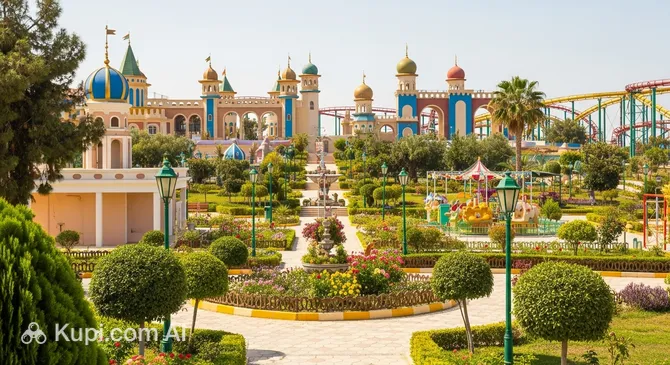
Kiddy Garden. Source: Kupi.Binoculars

Families and leisure seekers often visit Kiddy Garden, a vibrant recreational space that combines greenery with entertainment. While it functions primarily as an amusement park, its landscaped areas provide a pleasant setting for an afternoon of relaxation. It is an excellent stop for tourists traveling with children, offering a safe and fun environment to unwind within the city limits.

When it comes to culture, the Ahmed Zabana National Museum is the city's premier institution. Named after a national hero, this encyclopedic museum is housed in a grand building and features a wide array of exhibits. Visitors can explore sections dedicated to natural history, including impressive fossils, as well as fine arts, ethnography, and archaeology. It provides a comprehensive narrative of the region's past, making it an essential stop for anyone wanting to understand the depth of Algerian history.

Ahmed Zabana National Museum. Source: Kupi.Binoculars

Another key cultural venue is the Museum of Modern Art of Oran (MAMO). Located in the heart of the city on Larbi Ben M'hidi Street, it occupies a stunning neo-Moorish building that was once a grand department store. The museum showcases contemporary Algerian art and hosts rotating exhibitions that highlight the creativity and modern spirit of the country. The architecture of the building itself is a masterpiece, worth visiting just to admire its intricate facade and interior design.

Oran’s streets are also lined with architectural marvels that function as open-air museums. The Cathedral of the Sacred Heart, a magnificent Byzantine-style structure, has been transformed into a public library, allowing visitors to admire its grand mosaics and imposing structure in a quiet, scholarly atmosphere. Similarly, the Oran Railway Station is a striking example of neo-Moorish architecture, featuring symbols of the three monotheistic religions in its design, reflecting the city's historical diversity.

For a truly authentic experience, take a walk through the Medina Jedida market area. While not a park, the sensory overload of spices, textiles, and local life offers a raw and vibrant cultural immersion that contrasts beautifully with the quietude of the museums. It is the perfect place to observe the daily rhythm of the "Radiant City."

Getting Around

Navigating Oran is a relatively smooth experience thanks to a public transport network that blends modern infrastructure with traditional options. The backbone of the city's transit system is the Oran Tramway. This modern, air-conditioned light rail system stretches approximately 19 kilometers and connects the southern districts, such as Es Senia, to the eastern terminus at Sidi Maarouf. It passes through the heart of the city, making stops at key locations like the Place du 1er Novembre and the railway station. For tourists, the tram is the most user-friendly, safe, and comfortable way to travel between major landmarks and neighborhoods.

Complementing the tramway is a vast network of buses, which serves areas not covered by the rail line. The bus system is divided into two main categories: the public orange buses operated by the state-run enterprise (ETO) and a multitude of privately owned minibuses and coaches. While the public buses are generally more spacious and follow stricter schedules, the private buses are ubiquitous and reach every corner of the city. However, the private network can be somewhat chaotic for a first-time visitor, with routes often displayed only in Arabic on the windshields, so asking locals for help is often necessary.

One of the most unique and scenic ways to travel in Oran is the Cable Car (Téléphérique). This aerial lift connects the lower city near the port to the summit of Mount Murdjadjo, where the famous fortress and the Chapel of the Virgin are located. Riding the cable car is not just a mode of transport but an attraction in itself, offering spectacular panoramic views of the bay and the cityscape. It is a must-do experience for anyone visiting the city, saving you a steep hike or a long taxi ride up the mountain.

For payment, cash is the primary medium of exchange. Tickets for the tramway can be purchased at kiosks located at every station or from automatic vending machines. A single trip is very affordable, typically costing around 40 DZD. Once you board the tram, you must validate your ticket at the red machines inside the vehicle to avoid fines. For buses, you simply pay the driver or the conductor upon boarding; it is advisable to carry small change, as drivers may not always have change for large banknotes.

If you prefer a more direct and private mode of transport, taxis are plentiful and relatively inexpensive. You can easily hail the distinct yellow taxis on the street, but be sure to agree on a fare before starting the journey or ensure the driver uses the meter. For a more hassle-free experience, ride-hailing apps like Yassir and Heetch are widely used and highly recommended for tourists. These apps allow you to book a ride with a fixed price, overcoming language barriers and eliminating the need to negotiate fares.

Most public transport options operate from early morning, around 5:00 AM, until late evening, typically winding down between 10:00 PM and 11:00 PM. However, the frequency of buses and trams decreases significantly after 9:00 PM. During weekends (Friday and Saturday) and holidays, schedules may be reduced. For late-night travel, relying on ride-hailing apps or radio taxis is the most reliable choice to ensure you get back to your accommodation safely.

Accommodation

Accommodation in Oran caters to a wide spectrum of travelers, ranging from high-end luxury establishments to modest, budget-friendly hotels. As a major commercial and tourist hub, the city has seen significant development in its hospitality sector. Visitors can choose from internationally recognized hotel chains, charming local guesthouses, and furnished apartments, ensuring there is a comfortable place to stay regardless of your budget or travel style.

When choosing where to stay, location is key to experiencing the best of the city. The City Center (Centre Ville) is an excellent choice for those who want to be within walking distance of historical landmarks, museums, and the bustling markets. Alternatively, the Seafront (Front de Mer) offers stunning views of the Mediterranean and easy access to the city's most scenic promenade. For travelers looking for a beach resort atmosphere, the nearby coastal town of Ain El Turk is a popular option, especially during the summer months, offering numerous hotels and vacation rentals right by the water.

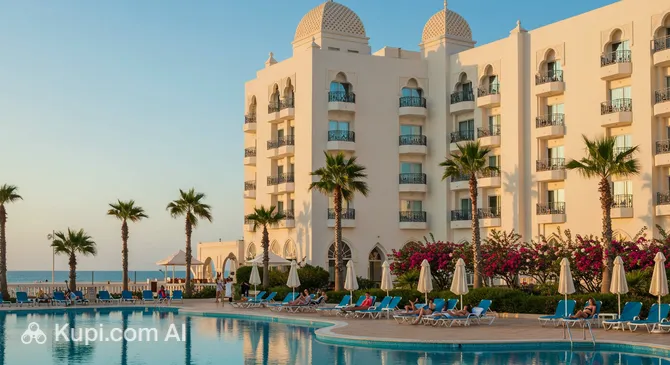
For a stay characterized by comfort and elegance, the Grand Oran Hotel stands out as a premier option. It is well-regarded for its refined amenities and service, making it a top choice for business travelers and tourists seeking a touch of luxury. Establishments like this typically offer full-service experiences, including on-site dining and wellness facilities, providing a relaxing retreat after a day of exploration.

Grand Oran Hotel. Source: Kupi.Binoculars

Regarding costs, accommodation prices in Oran are generally reasonable compared to European destinations. Budget hotels can be found for very affordable rates, while mid-range options offer a good balance of quality and price. Luxury resorts will naturally command higher fees, particularly in peak season. It is highly recommended to book in advance if you plan to visit during the summer (June to August), as the city fills up with domestic and international tourists. While major hotels accept online bookings and credit cards, smaller establishments may prefer direct contact and cash payments.

Nearby Cities

For those looking to explore the surroundings, Oran serves as an excellent base for day trips to several interesting nearby locations:

One of the most culturally significant destinations is Tlemcen, often celebrated as the "Pearl of the Maghreb." Located approximately 110 km from Oran, it is a city steeped in history and renowned for its exquisite Islamic art and architecture. Visitors can explore the ancient ruins of Mansourah, the Great Mosque, and the breathtaking El Ourit Waterfalls, making it a perfect spot for history buffs and nature lovers alike.

For a shorter journey, Sidi Bel Abbes is situated just 54 km south of the city. It is known for its vibrant atmosphere and well-planned urban grid, reflecting its colonial past. The city offers a relaxed environment with wide boulevards and gardens, providing a pleasant contrast to the coastal hustle of Oran. It serves as an accessible gateway to the agricultural heartland of the region.

City Population Distance (km)
Sidi Bel Abbes 212,935 54
Tiaret 178,915 181
Tlemcen 173,531 110
Chlef 155,134 185
Ain Defla 150,000 242

These nearby destinations offer a glimpse into the diverse culture and landscapes of the region.

Shopping & Souvenirs

Shopping in Oran is a vibrant experience that perfectly mirrors the city’s blend of tradition and modernity. Visitors can explore everything from bustling, centuries-old markets filled with the scent of spices to contemporary shopping centers offering international brands. Whether you are looking for authentic local crafts or the latest fashion trends, the city provides a diverse retail landscape that caters to all tastes and budgets.

For those who enjoy high-street shopping, Rue Larbi Ben M'hidi is the undisputed commercial heart of the city. Known historically as Rue d'Arzew, this lively avenue is lined with a multitude of boutiques, shoe stores, and electronics shops. It is a popular destination for locals and tourists alike to take a leisurely walk, browse the window displays, and soak in the energetic urban atmosphere. The surrounding streets in the city center also host numerous smaller shops selling clothing, jewelry, and accessories.

In recent years, Oran has embraced modern retail with the opening of several large shopping complexes. The most prominent among them is the Es Senia Center, located near the airport. This sprawling mall is a favorite for families, featuring a hypermarket, a wide range of international and local fashion retailers, and a food court. It offers a comfortable, air-conditioned environment that provides a stark contrast to the traditional street markets, making it a convenient stop for travelers.

To truly understand the local culture, however, a visit to the Medina Jedida (New City) market is essential. Despite its name, it is a historic and traditional commercial district that functions as a massive open-air bazaar. Here, the sensory experience is intense; narrow alleys are packed with vendors selling textiles, traditional clothing, spices, and household goods. It is the best place to find bargains and observe the daily life of Oran's residents. For fresh produce and local delicacies, the Marché Michelet remains a central hub for food lovers.

When it comes to souvenirs, Oran offers plenty of unique items to take home. The region is famous for its high-quality dates, particularly the "Deglet Nour" variety, as well as premium olive oil. Traditional handicrafts such as leather goods, Berber jewelry, and hand-woven rugs are also popular choices. For a more specific local memento, look for Karakou jackets (traditional velvet embroidered jackets) or locally produced ceramics that reflect the city's artistic heritage.

Store hours in Oran generally run from around 9:00 AM to 8:00 PM, though this can vary by season and location. It is important to remember that Friday is the weekly holy day in Algeria; many shops, especially in the markets, will be closed in the morning and may only reopen in the late afternoon after prayer times. While modern malls and large supermarkets often accept credit cards, cash is the primary method of payment in most smaller shops and traditional markets. Tourists should ensure they have sufficient Algerian Dinars on hand. Regarding tax-free shopping, VAT refunds are not a standard or easily accessible service for tourists in Algeria, so visitors should not expect to claim taxes back at the airport.

Reached the end of the page?

That means the route is fully explored