Alicante is a radiant port city that perfectly embodies the charm of the Mediterranean coast. Located in the southeast of Spain, it serves as the capital of the province of the same name and is a central hub for the famous Costa Blanca region. Known for its luminous light and welcoming atmosphere, the city seamlessly blends a buzzing resort vibe with authentic Spanish culture.
With a population of approximately **338,000** residents, the city offers a lively yet relaxed environment. Visitors are drawn here year-round by the exceptional climate, characterized by mild winters and long, sunny summers. The rich history of Alicante is woven into its streets, where ancient heritage meets modern urban life, creating a fascinating backdrop for exploration.
Alicante. Illustration.
Source: Kupi.com AI
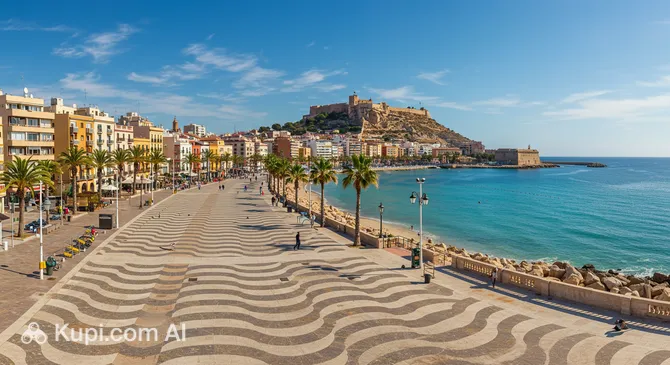
Dominating the city skyline is the majestic Santa Bárbara Castle, perched atop Mount Benacantil, which offers breathtaking panoramic views of the bay and the bustling harbor. Down below, the iconic Explanada de España promenade invites travelers for a stroll along its distinct wave-patterned mosaic tiles, lined with swaying palm trees. For those seeking sun and sea, the golden sands of Postiguet Beach are conveniently located right in the city center.
Whether you are looking for cultural exploration, delicious local cuisine, or simply a relaxing beach holiday, Alicante welcomes every traveler with open arms and endless sunshine. It is a destination that promises memorable experiences for everyone.
Weather Overview
Alicante enjoys a privileged Mediterranean climate, characterized by long, luminous summers and remarkably mild winters. This weather pattern makes the city an attractive destination for visitors throughout the year, whether they seek beach relaxation or cultural sightseeing.
During the peak summer months of July and August, the city heats up with average temperatures of 26.6°C and daily highs often exceeding 31°C. Rainfall is exceptionally rare during this period, particularly in July, which typically sees 0mm of precipitation and only a single wet day. For a more detailed breakdown of what to expect during your visit, you can consult the guide to weather in Alicante.
Winters are gentle compared to much of Europe, with January averages sitting at around 10.5°C and rarely dropping below 6.0°C. The transitional seasons of spring and autumn offer pleasant warmth, though they bring a slightly higher chance of rain; April, for example, is one of the "wetter" months with approximately 10 wet days, although total precipitation remains low. Overall, you can expect hot, dry summers perfect for sunbathing and mild winters with occasional light showers.
Average monthly temperature
Average monthly precipitation
Interesting Facts
Beyond its popular beaches and historic landmarks, Alicante holds many fascinating secrets and unique traits that often escape the casual observer. The city is not just a summer resort but a place filled with urban legends, curious landmarks, and geographical significance.
The Face of the Moor: If you look closely at Mount Benacantil from the coast, you can discern a human profile naturally carved into the rock face just below Santa Bárbara Castle. Known as "La Cara del Moro," this formation is the subject of a tragic local legend involving a Moorish caliph and his daughter, and it has become an iconic symbol of the city.
Spain's Zero Point: Alicante serves as the official reference point for measuring altitude across the entire country. The "Cota Cero" (Zero Point) is marked by a bronze plaque on the steps of the Town Hall (Ayuntamiento), chosen because the local sea level is considered the most stable on the Spanish coast.
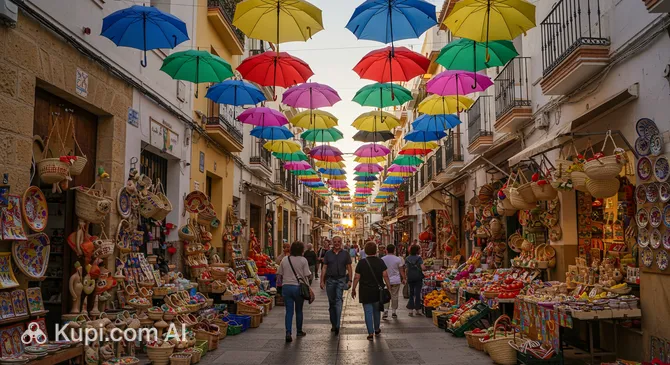
A Whimsical Transformation: In a creative effort to revitalize a declining area, the city turned Calle San Francisco into a fantasy world now affectionately called Mushroom Street. The pedestrian path is painted yellow and lined with towering sculptures of toadstools, creating a surreal and playful atmosphere right in the city center.
A Sea of Marble: The beautiful promenade known as the Explanada de España is paved with over 6.5 million small marble tiles. These red, cream, and black tesserae are arranged in a wavy pattern to mimic the motion of the Mediterranean Sea, creating a mesmerizing optical effect under the palm trees.
Mushroom Street. Illustration.
Source: Kupi.com AI
Traveler photos:
How to Get There
Reaching this vibrant Mediterranean destination is straightforward, thanks to its excellent connectivity with major European cities and other parts of Spain. Whether you prefer flying or taking the train, there are convenient options to suit every itinerary. For a comprehensive guide on all transport modes, you can read more about how to get to Alicante.
The primary gateway for air travelers is the Alicante-Elche Airport (IATA: ALC), situated just 9.2 km from the city center. As a major international hub handling millions of passengers annually, it offers a wide range of connections. The short journey into town is very convenient, taking approximately 34 minutes by taxi or bus, making it the most popular choice for visitors.
Alternatively, you might consider flying into Valencia Airport (IATA: VLC), located in the city of Valencia. Although it is about 127 km away from Alicante, it serves as a significant regional hub. The transfer from there is longer, taking around 3 hours and 30 minutes by road, but it can be a viable option depending on flight availability.
For clarity, here is a summary of the main airports:
Travelers arriving by rail will find the Alicante Railway Station to be incredibly central, located only 0.4 km from the heart of the city. This station is a key transport node, welcoming a large volume of passengers and providing direct high-speed links to Madrid and other major Spanish cities. Being right in the city center, the transfer to your accommodation is almost immediate.
For those traveling from the north, the Valencia Railway Station in Valencia is another major hub. Located 124.7 km away, it connects to the broader national network. However, given the proximity and convenience of Alicante's own station, most direct visitors will arrive straight into the city.
Below is a list of relevant railway stations in the region:
Alicante is a city where history and leisure seamlessly converge, offering visitors a rich tapestry of experiences ranging from ancient fortifications to pristine coastlines. The city's landmarks tell the story of its multicultural past, while its modern facilities ensure a comfortable and entertaining stay for travelers of all ages.
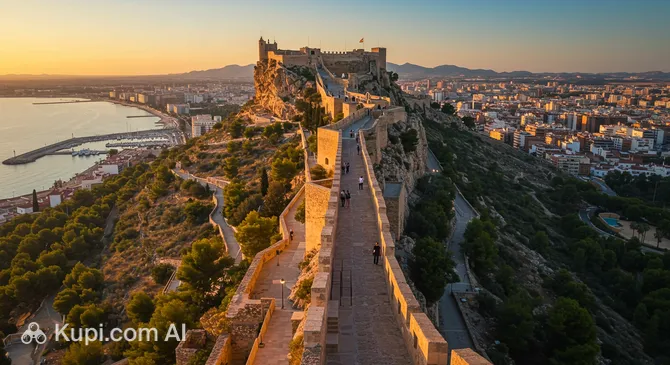
Undoubtedly the most commanding sight in the city is the Santa Bárbara Castle. Perched 166 meters above sea level on Mount Benacantil, this fortification is one of the largest medieval fortresses in Spain. Visitors can explore its vast grounds, which include the keep, the parade ground, and various halls that date back to the 9th century. The climb—or the convenient elevator ride—is rewarded with spectacular 360-degree views of the bay and the sprawling city below, making it an essential stop for any tourist.
Santa Bárbara Castle. Illustration.
Source: Kupi.com AI
Traveler photos:
For those interested in delving deeper into the region's past, the Archaeological Museum of Alicante (MARQ) offers a world-class cultural experience. Far from a dusty collection of artifacts, this museum is renowned for its modern, interactive approach to history. diverse galleries take visitors on a journey through the Paleolithic era, the Roman occupation, and the Middle Ages, utilizing audiovisual technology to bring the ancient world to life in a way that is engaging for both adults and children.
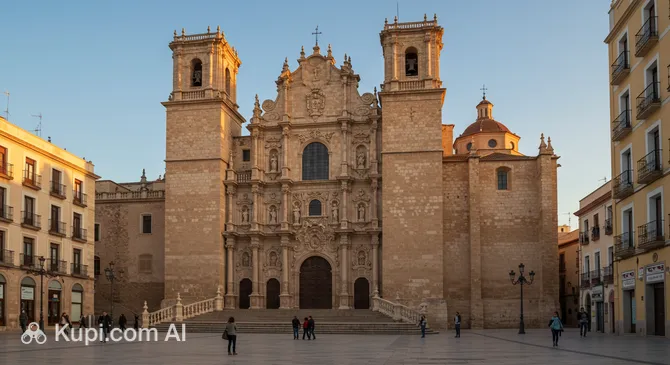
In the heart of the old town, you will find the Basilica of Santa María, Alicante. As the oldest active church in the city, it stands as a testament to Alicante's architectural evolution. Built in the Gothic style between the 14th and 16th centuries over the remains of a former mosque, it features a stunning Baroque façade and a richly decorated interior. The contrast between its imposing stone exterior and the intricate gold altar inside makes it a fascinating site for architecture enthusiasts.
Basilica of Santa María, Alicante. Illustration.
Source: Kupi.com AI
Traveler photos:
While the city center has its own sandy shores, many locals and visitors prefer the expansive San Juan Beach. Located a short distance north of the main urban area, this beach stretches for several kilometers and is famous for its fine golden sand and crystal-clear waters. It is an ideal spot for a full day of relaxation, equipped with numerous amenities, beach bars, and a long promenade perfect for walking or cycling by the sea.
Finally, a stroll along the Explanada de España is the perfect way to soak up the local atmosphere. This iconic maritime promenade runs parallel to the port and is lined with rows of palm trees that provide pleasant shade. It is a hub of social life in Alicante, where street artists, musicians, and craft stalls create a lively environment against the backdrop of the Mediterranean breeze.
Local Cuisine
Alicante's cuisine is a delicious reflection of its Mediterranean setting, heavily relying on fresh seafood, locally grown vegetables, and high-quality olive oil. Rice is the undisputed king of the table here, with the region offering a vast array of preparations that go far beyond the standard paella found elsewhere in Spain. The food is unpretentious yet full of flavor, focusing on the quality of the ingredients.
The most iconic dish is undoubtedly Arroz a Banda, a flavorful rice dish cooked in a rich fish stock. Traditionally, the fish used to make the broth was served separately, but today the rice itself is the star, usually accompanied by a dollop of alioli (garlic mayonnaise). Another local favorite is Arroz Negro, where squid ink gives the rice a striking black color and a deep savory taste. For those with a sweet tooth, Alicante is world-famous for Turrón, a nougat made from almonds and honey that originated in the nearby town of Jijona.
To accompany these meals, locals often choose wines from the Alicante Designation of Origin (DO), which has gained international recognition. A sweet way to end a meal is with a glass of Mistela, a dessert wine made from Muscat grapes. On hot summer days, a popular non-alcoholic choice is Horchata, a refreshing milk made from tiger nuts, often enjoyed with sweet pastries known as fartons, or a granizado de limón (lemon slush) to cool down.
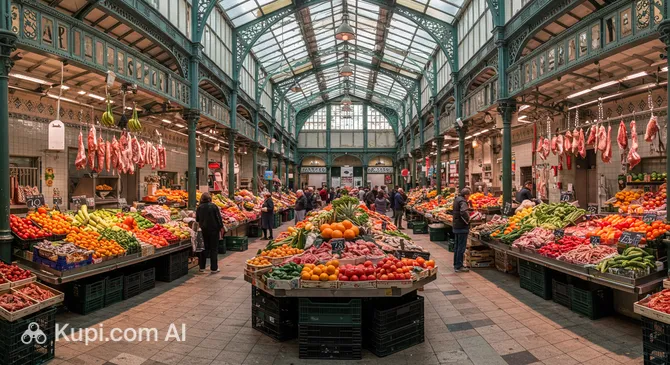
The heart of the local food scene beats strongest at the Central Market of Alicante. Housed in a beautiful modernist building, this bustling market is where residents buy their fresh catch, meats, and produce every morning. It is a sensory delight and a fantastic spot for tourists to wander through the stalls, admire the architecture, and sample local cheeses or cured meats right at the source.
Central Market of Alicante. Illustration.
Source: Kupi.com AI
Traveler photos:
Dining in Alicante is a social affair that often takes place outdoors. The city is famous for its "tardeo"—the tradition of meeting friends for tapas and drinks in the afternoon, which often stretches into the evening. Visitors can enjoy authentic tapas in the lively atmosphere of the old town at places like El Pont Restaurant & Bar, or experience a sophisticated selection of gourmet bites and wines at Manero Mollá. Whether you are eating at a beachfront chiringuito or a cozy city tavern, the culinary experience is always warm and welcoming.
Travel Tips
Preparing for a trip to Alicante is easy with a few local insights that ensure a smooth and enjoyable experience. These practical tips will help you navigate the city like a pro, allowing you to focus on the sunshine, culture, and delicious cuisine.
Clothing and Gear: Alicante enjoys a warm climate, so light, breathable fabrics are essential for the summer months, along with swimwear and a high-SPF sunscreen. If you are visiting in winter, bring layers and a light jacket, as evenings can be cool. Since the city features a hilltop castle and a charming old town with uneven streets, packing comfortable walking shoes is a must.
Transportation: The city center is compact and very walkable, but for reaching beaches further afield like San Juan, the TRAM Metropolitano is clean, efficient, and scenic. City buses (TAM) are also reliable. While car rentals are useful for exploring the wider Costa Blanca region, they are generally unnecessary if you plan to stay within the city limits.
Finances: The currency is the Euro (€). Credit and debit cards are widely accepted in most restaurants and shops, but it is wise to carry some cash for small purchases at kiosks, markets, or older tapas bars. Tipping is not mandatory but is appreciated; rounding up the bill or leaving a few coins is a standard gesture for good service.
Health and Safety: Alicante is generally a very safe city for tourists, but standard precautions against pickpocketing should be taken in crowded areas like the Explanada or the market. Pharmacies are marked with a green cross and are plentiful; look for a Farmacia de Guardia for 24-hour service. The universal emergency number for police, ambulance, or fire is 112.
Communication: The official languages are Spanish (Castilian) and Valencian. While English is widely spoken in hotels and tourist-centric restaurants, it may be less common in local neighborhood shops. Learning a few basic phrases like "Hola" (Hello) and "Gracias" (Thank you) is always well-received. Free Wi-Fi is available in many public spaces, and EU citizens can use their home mobile data plans without roaming fees.
Local Etiquette: Spaniards typically eat later than other Europeans; lunch is the main meal, served between 2:00 PM and 3:30 PM, while dinner rarely starts before 9:00 PM. When entering a shop or elevator, it is polite to greet others. If you are introduced to a local in a social setting, two kisses on the cheeks are the standard greeting, though a handshake is fine for first encounters.
What to Avoid: Do not walk around the city center, shops, or restaurants in swimwear or shirtless. While acceptable on the beach or promenade, it is considered disrespectful and inappropriate in the urban streets. Also, try not to get impatient with the relaxed pace of service; the lifestyle here is laid-back, so just sit back and enjoy the atmosphere.
Siesta Hours: Be aware that many smaller shops and local businesses close for a mid-day break, typically from 2:00 PM to 5:00 PM. Large supermarkets and department stores usually remain open all day, but if you plan to visit specific boutiques or local markets, check their schedules in advance.
By keeping these simple tips in mind, you will be well-equipped to embrace the vibrant lifestyle of Alicante. Relax into the local rhythm, enjoy the late dinners and sunny days, and make the most of your Mediterranean adventure.
Entertainment & Nightlife
Alicante comes alive after sunset, offering a vibrant nightlife scene that caters to every taste, from laid-back beach bars to pulsating dance clubs. The city is renowned for its festive atmosphere, which is energetic yet welcoming, avoiding the overwhelming chaos of larger party capitals while still providing plenty of excitement until the early hours of the morning.
The heart of the action beats strongest in El Barrio (the Old Town). By day, these narrow, winding streets are filled with history, but by night, they transform into a bustling maze of pubs, cocktail bars, and taverns. It is the perfect place to start the evening, hopping from one venue to another while mingling with a diverse crowd of locals, students, and tourists. For a more sophisticated vibe, the Marina (Puerto de Alicante) offers upscale lounges and clubs where you can sip cocktails with a view of the yachts and the Mediterranean Sea.
One of the city's unique social phenomena is the "tardeo," which centers around Calle Castaños near the Central Market. Here, the party starts in the afternoon, typically on Saturdays, where locals gather for drinks and tapas that seamlessly turn into evening revelry. The atmosphere is smart-casual, and while there is generally no strict dress code, people in Alicante tend to dress well for a night out. Bars usually stay open until 3:00 AM, while clubs kick into high gear around 2:00 AM and keep going until dawn.
Calle 365 Alicante. Illustration.
Source: Kupi.com AI
Traveler photos:
For those looking to dance the night away, the city offers several standout venues. A popular choice is Calle 365 Alicante, a unique space known for its immersive decor and lively music that creates a memorable party environment. If you prefer a more intense clubbing experience with top-tier DJs and a modern setting, Asika Alicante is a fantastic destination to experience the local rhythm.
Alicante is generally very safe for nightlife enthusiasts. The main party districts are well-lit and populated, making it safe to walk between venues. However, standard precautions with personal belongings are always advised. Getting around is easy; the city center is walkable, but if you need to travel further or return to your hotel late, official white taxis with a green light on the roof are readily available and affordable. Ride-hailing apps are also operational in the city.
Beyond the nightlife, Alicante offers plenty of daytime entertainment options. Families and thrill-seekers can visit El Mundo de los Niños, a classic amusement park located near the harbor that provides fun rides and activities. Culture lovers might enjoy a break from the sun at the Museum of Illusions Alicante, a fun and interactive spot perfect for taking unique photos.
Parks & Museums
Beyond its sun-drenched coast, Alicante offers a wealth of cultural treasures and lush green spaces that provide a refreshing counterpoint to the beach lifestyle. The city's museums celebrate everything from contemporary art to maritime adventures, while its parks offer serene escapes filled with Mediterranean vegetation.
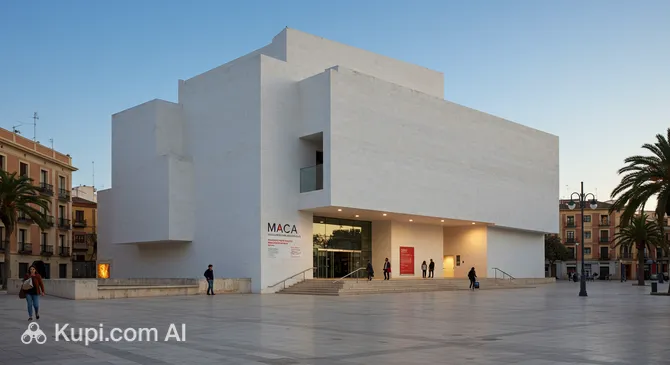
Art enthusiasts will find a haven at the MACA Museum of Contemporary Art of Alicante. Housed in the Casa de la Asegurada, the oldest civil building in the city, it displays an impressive collection of 20th-century art, including works by Picasso, Dalí, and Miró. For a journey through regional artistic history, the Gravina Museum of Fine Arts (MUBAG), located in a splendid 18th-century palace, showcases paintings and sculptures from the 16th to the early 20th centuries.
MACA Museum of Contemporary Art of Alicante. Illustration.
Source: Kupi.com AI
Traveler photos:
Alicante's deep connection to the sea is honored at The Ocean Race Museum. Located in the bustling port area, this modern facility is dedicated to the grueling round-the-world sailing competition that starts in Alicante. Interactive exhibits allow visitors to experience the challenges faced by sailors on the high seas. To understand the city's most famous festival, a visit to the Museum of the Bonfires is essential. It exhibits the "ninots indultats" (pardoned effigies) saved from the flames of the Hogueras de San Juan celebrations, offering a colorful glimpse into local folklore.
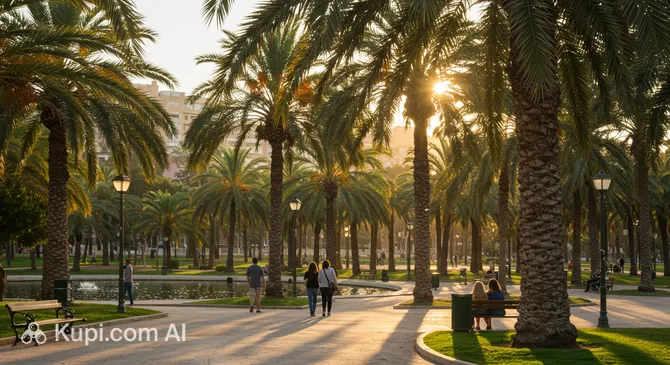
When it comes to green spaces, El Palmeral Park is a favorite among locals and tourists alike. Situated on the southern outskirts of the city facing the sea, this expansive park features hundreds of palm trees, artificial waterfalls, and a lake where visitors can rent small rowing boats. It is an idyllic spot for a family picnic or a leisurely morning walk.
El Palmeral Park. Illustration.
Source: Kupi.com AI
Traveler photos:
For those seeking spectacular views combined with nature, Ereta Park is a masterpiece of landscape design. Located on the slopes of Mount Benacantil, leading up to the castle, it offers winding paths and terraced gardens that overlook the old town and the Mediterranean. Another significant green lung is Lo Morant Park, one of the largest in the city, known for its extensive sports facilities, amphitheater, and pine forests that provide welcome shade during the summer months.
Finally, the Las Cigarreras cultural center represents the city's innovative spirit. Transformed from a historic tobacco factory, it now serves as a dynamic space for contemporary culture, hosting exhibitions, concerts, and workshops in an industrial-chic setting.
Getting Around
Navigating Alicante is straightforward and convenient, thanks to an integrated public transport network that connects the city center with the suburbs, beaches, and neighboring towns. The system is managed primarily by TAM (Transporte Alicante Metropolitano), which coordinates both bus and tram services, making it easy for visitors to switch between different modes of travel using a unified ticketing system.
The TRAM Metropolitano is the crown jewel of the city's transport infrastructure and a favorite among tourists. It functions as a hybrid system: within the city center, it operates underground like a metro—with key stations at Luceros and Mercado—while outside the core, it surfaces as a light rail or coastal train. The TRAM is particularly useful for reaching the popular San Juan Beach or taking day trips to towns further north along the Costa Blanca, such as Benidorm or Altea. It is fast, scenic, and air-conditioned.
For destinations not covered by the tram, the city bus network is extensive and reliable. You can easily distinguish the buses by their color: red buses operate strictly within the city limits, while blue buses connect Alicante with nearby areas like Elche or Santa Pola. There is also a dedicated airport bus line, the C-6, which runs frequently between the city center and the airport, stopping at key locations including the railway station and the Plaza del Mar.
Regarding payment, purchasing single tickets is possible, but they are more expensive (around €1.45) and often require cash on board buses. A much more economical option for tourists is the Móbilis card (Soporte Sin Contacto). This rechargeable card costs a small fee to purchase and can be loaded with travel passes such as the "Bono 30 Días" or simpler 10-trip bundles. These cards significantly reduce the cost per trip and allow for free transfers between buses and the tram within a certain time window.
You can buy and recharge tickets or cards at TRAM stations (using automated machines), tobacco shops (estancos), and authorized kiosks throughout the city. When using the tram, you must validate your card at the turnstiles before entering the platform or inside the vehicle if boarding at a street-level stop. On buses, simply tap your card on the reader near the driver upon entry. Operating hours generally run from approximately 6:00 AM to 11:00 PM, though "Midnight Sun" night services are often available on weekends and holidays during the summer season.
If you prefer private transport, taxis are plentiful and can be hailed on the street or found at designated ranks. They are white with a green light on the roof indicating availability. Ride-hailing apps are also operational in the city. Additionally, Alicante is very bike-friendly, especially along the coast. Public bike rental schemes and private rental shops offer a great way to explore the promenade and the flat areas of the city at your own pace.
Accommodation
Where to Stay:
Alicante offers a diverse array of accommodation options to suit every traveler's preference and budget. From luxurious seafront resorts and charming boutique hotels in the historic center to budget-friendly hostels and modern vacation apartments, the city is well-equipped to host its many visitors. Whether you are looking for a romantic getaway, a family beach holiday, or a convenient base for exploration, you will find plenty of choices.
When choosing where to stay, location is key. The City Center and the Old Town (El Barrio) are perfect for those who want to be within walking distance of the main cultural attractions, the marina, and the vibrant nightlife. Staying here means you are never far from the Santa Bárbara Castle or the Explanada promenade. Alternatively, if your priority is sun and sand, the area around San Juan Beach offers a more relaxed, resort-style atmosphere with larger hotels and swimming pools, connected to the center by the tram.
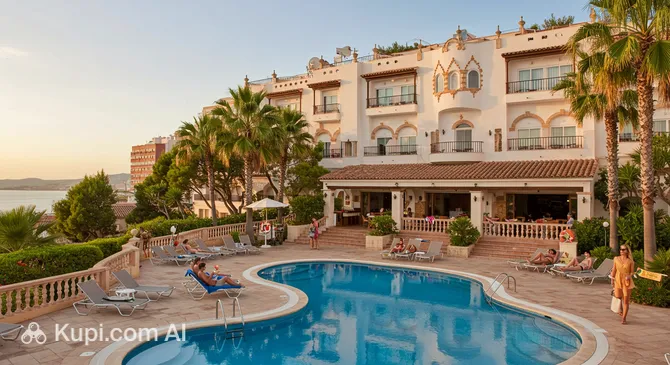
For a stay that immerses you in the charm of the old city, the La Milagrosa Hotel is a notable option. Situated in the heart of the historic district, it provides easy access to the Basilica of Santa María and offers rooftop views of the castle, blending traditional architecture with modern comfort.
La Milagrosa Hotel. Illustration.
Source: Kupi.com AI
Traveler photos:
Travelers seeking a quieter retreat near the coast might consider the Calas de Alicante Boutique Hotel. Located in the Cabo de las Huertas area, this establishment is known for its cozy atmosphere and proximity to the city's picturesque coves, making it an excellent choice for those who want to escape the hustle and bustle of the immediate city center while remaining close to the beach.
Regarding costs, Alicante is generally considered affordable compared to other major Spanish tourist hubs. You can find budget hostels and guesthouses for economical rates, while mid-range hotels offer great value. Luxury options are available but tend to be priced reasonably for the quality provided. Booking tip: Alicante is a year-round destination, but accommodation fills up quickly during the summer months (July and August) and during the Hogueras de San Juan festival in June. It is highly advisable to book your stay several months in advance to secure the best rates and availability.
Nearby Cities
For those looking to explore the surroundings, Alicante serves as an excellent base for day trips to several interesting nearby locations:
City
Population
Distance
San Vicente del Raspeig
59 138
6 km
San Juan de Alicante
24 450
8 km
Muchamiel
26 192
9 km
Santa Pola
36 174
18 km
Monforte del Cid
8 619
21 km
One of the most highly recommended visits is to Elche (Elx), located just a short drive inland. This city is world-famous for its historic Palm Grove (Palmeral), a UNESCO World Heritage site that boasts over 200,000 palm trees, creating a unique oasis in Europe. Visitors can explore the enchanting Huerto del Cura garden or visit the majestic Altamira Palace. Elche is also known for its deep-rooted traditions, including the medieval mystery play, the Misteri d'Elx.
For those who prefer the coast, Santa Pola offers a delightful maritime atmosphere. It is renowned for its busy fishing port and the nearby salt flats (Salinas de Santa Pola), a natural park where flocks of flamingos can often be spotted. It is also the main departure point for ferries to the island of Tabarca, a protected marine reserve that makes for a fantastic snorkeling and sightseeing adventure.
Further inland, the towns of Elda and Petrer sit side by side in the Vinalopó valley. Elda is widely known as a center for the footwear industry, housing a dedicated Footwear Museum, but it also features a significant historic castle. These towns offer a glimpse into the industrial heritage and medieval history of the province, distinct from the coastal resorts.
These nearby destinations offer a glimpse into the diverse culture and landscapes of the region.
Shopping & Souvenirs
Shopping in Alicante is a delightful experience that ranges from browsing luxury international brands to discovering unique local crafts in charming historic streets. As the capital of a province renowned for its shoe and leather industry, the city is an excellent place to purchase high-quality footwear and leather goods. Whether you are looking for the latest fashion trends or traditional souvenirs, the city offers a diverse retail scene to satisfy every shopper.
The city's commercial heartbeat is undoubtedly Avenida de Maisonnave. This wide, modern avenue is home to major department stores and popular high-street fashion chains, making it the primary destination for clothing and accessories. For a more picturesque shopping experience, wander through the pedestrian streets surrounding the Teatro Principal and the Old Town. Here, you will find independent boutiques and traditional shops. A stroll down the whimsical Mushroom Street (Calle San Francisco) also offers a mix of small shops and cafes amidst its fantasy decor.
If you prefer having everything under one roof, Alicante boasts several modern shopping malls. The Plaza Mar 2 Shopping Center is a favorite among locals and tourists alike, located conveniently close to the beach and the city center. It features a wide array of fashion stores, a cinema, and numerous dining options. Another excellent option is the Gran Via Shopping Centre, which offers a comprehensive selection of shops and a large hypermarket, perfect for a full afternoon of retail therapy.
Plaza Mar 2 Shopping Center. Illustration.
Source: Kupi.com AI
Traveler photos:
For a taste of authentic local life, the Central Market of Alicante is an essential stop. While primarily a food market offering fresh produce, meats, and seafood, it is also the best place to find gastronomic souvenirs like saffron, paprika, and local honey. On weekends and holidays, the stalls along the Explanada de España promenade transform into a vibrant craft market, where you can buy handmade jewelry, leather accessories, and textiles while enjoying the sea breeze.
When it comes to souvenirs, Alicante has several specialties worth taking home. The most famous is Turrón, a traditional almond and honey nougat produced in the nearby town of Jijona; it is available in various textures and flavors. Leather goods, particularly shoes and handbags, are also top buys due to the region's manufacturing heritage. Additionally, local wines with the Alicante Designation of Origin, particularly the sweet Fondillón, make for excellent gifts.
Store opening hours generally follow the Spanish rhythm. Large shopping malls and department stores on Avenida de Maisonnave usually stay open all day from 10:00 AM to 10:00 PM. However, smaller boutiques and street shops often close for a "siesta" break between 1:30 PM and 5:00 PM, reopening until around 8:30 PM or 9:00 PM. Most shops accept credit and debit cards, but having some cash is useful for small market stalls. Travelers from outside the European Union should remember to ask for a Tax-Free form (DIVA) at participating stores to claim a VAT refund upon departure.