Support

Cartagena

About

Cartagena is a fascinating blend of ancient heritage and naval tradition, located on the southeastern coast of Spain. As a major city in the Region of Murcia, it boasts a unique atmosphere where millennia of civilizations have left their mark. The city is nestled around a deep natural harbor, protected by fortified hills, making it a strategic and picturesque destination that has captivated travelers for centuries.

With a population of approximately 217,000 inhabitants, the city offers a lively yet relaxed urban environment. Cartagena enjoys a mild semi-arid Mediterranean climate, characterized by warm winters and hot summers, which makes it an excellent location for exploring the coast year-round. Its geographical position has defined its character, serving as a vital gateway to the Mediterranean Sea for various cultures throughout the ages.

To truly understand the depth of this destination, one must delve into the history of Cartagena. Founded by the Carthaginians and later flourishing under the Roman Empire as Carthago Nova, the city is essentially an open-air museum of antiquity, offering layers of the past around every corner.

Cartagena. Source: Kupi.Binoculars

Among its most impressive sights is the majestic Roman Theatre, a stunning monument discovered relatively recently and restored to its former glory. Visitors are also drawn to the National Museum of Underwater Archaeology (ARQUA), which highlights the region's rich maritime past. Beyond ancient ruins, the city center surprises tourists with elegant Modernist architecture, showcasing the prosperity of the mining boom in the 19th and early 20th centuries.

Whether you are a history enthusiast, a lover of architecture, or simply seeking a coastal city with authentic charm, Cartagena is a destination that promises to impress. Its welcoming streets, delicious local cuisine, and stunning waterfront make it an essential stop for anyone wishing to experience the diverse culture of the Mediterranean.
Weather Overview

Cartagena enjoys a semi-arid Mediterranean climate, which translates to mild winters and hot, dry summers. Because of its coastal location in the Region of Murcia, the city benefits from the sea's regulating influence, avoiding extreme cold. For travelers planning their trip, checking the weather in Cartagena is helpful to pack appropriately, though the forecast is often sunny.

The summer months are the warmest time of the year, with August seeing average temperatures around 27°C and daily highs frequently exceeding 30°C. This season is also exceptionally dry; July and August typically experience almost no rainfall, with only 1 or 2 wet days per month. It is the perfect time for beach activities, provided you are prepared for the heat.

Winters remain pleasant and are much milder than in inland Spain. In January, the average temperature stays around 12°C, with lows rarely dropping below 8°C. While precipitation is generally low year-round, March tends to be the "wettest" month, recording about 8 days with some rain. Overall, you can expect warm summers with clear skies and cool, comfortable winters.

Interesting Facts

Beyond the main attractions, Cartagena holds many fascinating secrets that reveal its strategic importance and cultural depth. From revolutionary inventions to hidden ruins, the city's stories are as captivating as its monuments.
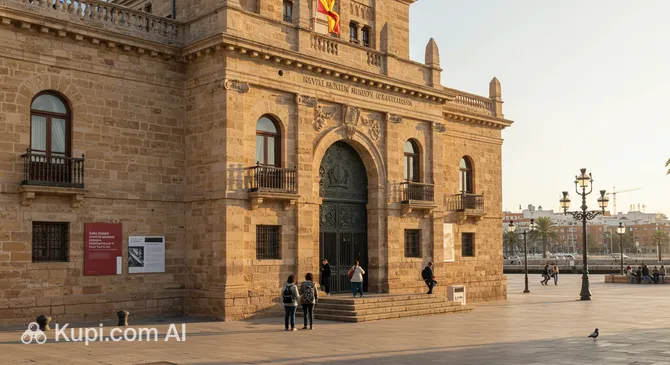
  • Cartagena is the birthplace of the electric submarine. The Spanish engineer Isaac Peral designed and built the world's first fully capable electric battery-powered submarine here in the late 19th century. You can see the original vessel displayed at the Naval Museum of Cartagena, standing as a testament to the city's naval innovation.

  • The magnificent Roman Theatre of Cartagena remained a complete mystery for nearly 2,000 years. It was buried beneath a medieval market and a cathedral, only to be accidentally discovered in 1988 during construction work, making it one of the most surprising archaeological finds in recent Spanish history.

  • This city served as the launchpad for one of history's most famous military campaigns. It was from the ancient settlement, traces of which can be seen at the Punic Wall, that the Carthaginian general Hannibal set out with his army and war elephants to cross the Alps and challenge the Roman Republic.

  • The world-famous Spanish liqueur, Licor 43, is exclusively produced in Cartagena. Legend says its recipe is inspired by a "miraculous liquor" found by the Romans when they conquered the city, and the factory here continues to export the golden spirit to over 60 countries.

Naval Museum of Cartagena. Source: Kupi.Binoculars

How to Get There

Reaching this historic Mediterranean port is straightforward, with several convenient transport options available for travelers. Whether you prefer flying into a nearby international hub or traveling by train through the scenic Spanish landscape, you can easily find a route that suits your itinerary. For a complete guide on all available transport methods, you can read more about how to get to Cartagena.

The most convenient entry point for many visitors is Corvera International (RMU), also known as the Region of Murcia International Airport. It is located in the city of Fuente Álamo, approximately 23 km from Cartagena. The journey by taxi or shuttle bus typically takes around 30 to 40 minutes. Because this is a smaller regional airport, many international travelers also choose to fly into Alicante-Elche Airport (ALC), situated in Alicante. This major hub is about 82.5 km away, with a transfer time of approximately 1 hour and 15 minutes by road.

For clarity, here is a summary of the main airports serving the region:

Airport Name City Passenger Traffic Km from City
Alicante-Elche Airport Alicante Large 82.5
Valencia Airport Valencia Large 211.7
Es Senia Airport Oran Medium 224.6
Corvera International Fuente Álamo Small 23.0
Almeria Airport Almería Small 149.5

If you prefer traveling by rail, it is important to note that while Cartagena has its own local connections, major high-speed lines often serve neighboring cities. A primary hub for the wider area is Alicante Railway Station, located in the city of Alicante, about 91.2 km from Cartagena. From there, visitors can rent a car or take a connecting bus or train to reach the coast. Another significant option for long-distance travelers is the Valencia Railway Station in Valencia, though it is further away at approximately 211.3 km.

Below is a list of the nearest major railway stations:

Station City Passenger Traffic Km to Center
Valencia Railway Station Valencia High 211.3
Alicante Railway Station Alicante High 91.2
Granada Railway Station Granada Medium 236.4
Albacete Railway Station Albacete Medium 169.8
Jaén Railway Station Jaén Small 247.0

Main Attractions

Cartagena's rich tapestry of history is best experienced through its remarkable monuments, which range from classical antiquity to modern architectural marvels. The city's compact center allows visitors to easily walk between millennia, exploring Roman ruins, medieval fortresses, and elegant 20th-century buildings in a single afternoon.

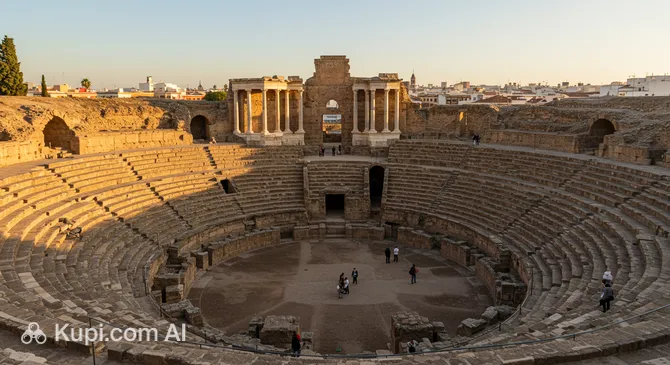
The Roman Theatre of Cartagena is undoubtedly the crown jewel of the city's heritage. Built between 5 and 1 BC, this grand structure was dedicated to the grandsons of Emperor Augustus and once held up to 6,000 spectators. For centuries, it lay hidden beneath a cathedral and a medieval district, only to be accidentally rediscovered in 1988. Today, it has been brilliantly restored, and visitors can walk through a dedicated museum designed by architect Rafael Moneo before emerging into the spectacular ancient cavea.

Roman Theatre of Cartagena. Source: Kupi.Binoculars

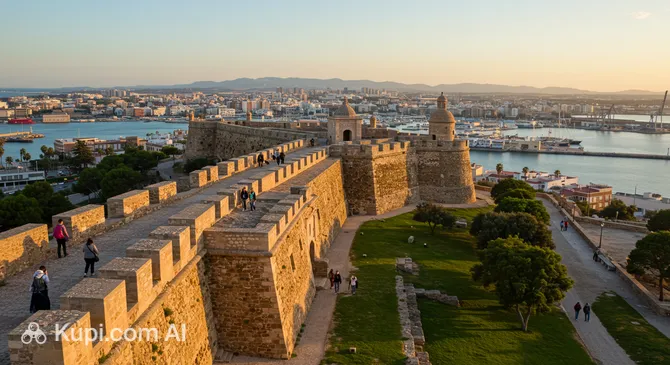
For the best panoramic views of the harbor and the Mediterranean coastline, travelers should head to the Castle of the Conception. Perched atop the highest of the five hills protecting the city, this medieval fortress dates back to the 13th century but sits on a site used by Romans and Arabs before them. It serves as an excellent interpretation center for the city's history. The ascent is made easy by the Panoramic Lift, which connects the port area directly to the castle grounds, offering a scenic ride up the hillside.

Castle of the Conception. Source: Kupi.Binoculars

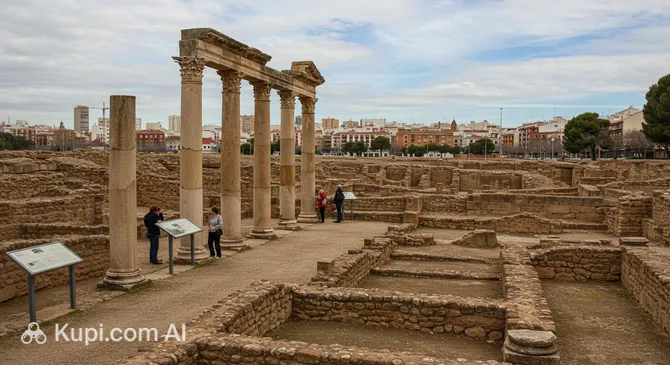
To experience the daily life of the ancient city, a visit to the Roman Forum Museum of Molinete is essential. This archaeological park is one of the largest urban excavation sites in Spain, covering an entire city block. Tourists can explore the well-preserved remains of Roman thermal baths, a banquet building, and sacred sanctuaries. The site is covered by a modern roof, allowing for comfortable visits in any weather, and features walkways that let you look directly down into the ancient streets and mosaics.

Roman Forum Museum of Molinete. Source: Kupi.Binoculars

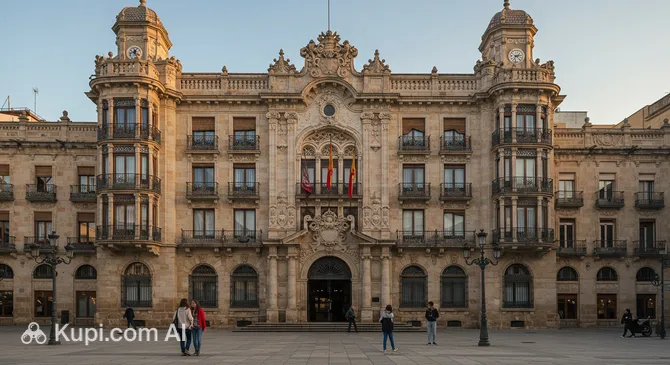
Standing proudly at the entrance to the city center is the Cartagena City Hall, also known as the Palacio Consistorial. Constructed in the early 20th century, this triangular building is a masterpiece of eclectic modernist architecture. Its gleaming white marble facade, topped with zinc domes, reflects the wealth and optimism of the mining boom era. Guided tours of the interior reveal a magnificent imperial staircase and ornate rooms that are still used for official ceremonies today.

Cartagena City Hall. Source: Kupi.Binoculars

Finally, the waterfront is home to the National Museum of Underwater Archaeology (ARQUA). This modern architectural gem houses treasures recovered from the sea, including the famous cargo of the frigate "Nuestra Señora de las Mercedes." The museum uses interactive exhibits to teach visitors about maritime trade, shipwrecks, and the complex techniques used to recover history from the ocean floor, making it a fascinating stop for both adults and children.

Local Cuisine

The local cuisine of Cartagena is a delicious reflection of its geographical position, perfectly blending fresh treasures from the Mediterranean Sea with the rich produce of the Murcia region's fertile inland gardens ("huerta"). Gastronomy here is more than just sustenance; it is a social ritual, with meals often stretching out over conversation on sunny terraces. The food scene is characterized by intense flavors, fresh ingredients, and recipes that have been passed down through generations of fishermen and farmers.

The absolute star of the local table is the Caldero del Mar Menor. Originally cooked by fishermen on the beach using the catch of the day, this soupy rice dish is prepared with rockfish and ñoras (dried peppers), giving it a distinctive intense flavor. It is traditionally served in separate courses: first the rice, often accompanied by a dollop of garlic alioli, and then the fish. Another hearty classic, particularly popular in cooler months, is Michirones. Unlike many Spanish bean dishes, this stew uses dried broad beans cooked with ham bones, chorizo, and laurel, resulting in a savory and spicy treat usually served in clay pots.

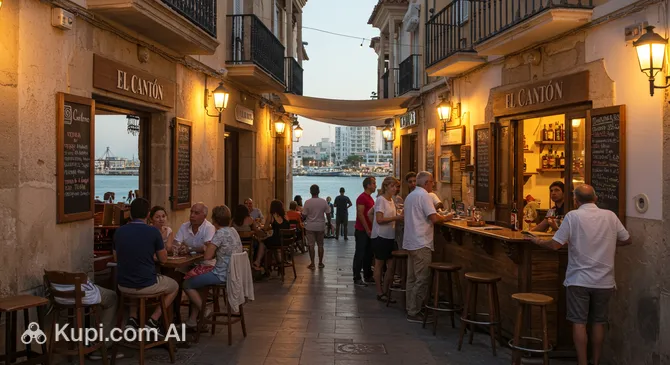
For a lighter bite, the culture of "tapeo" (going for tapas) is vibrant here. You cannot leave without trying Salazones, salted fish delicacies such as tuna roe or mojama, which date back to Phoenician and Roman times. Another local favorite is the "Marinera," a Russian salad served on a crunchy breadstick and topped with a salty anchovy. For travelers looking to experience this authentic tapas atmosphere, El Cantón is a popular spot to enjoy traditional bites in a lively setting.

El Cantón. Source: Kupi.Binoculars

No meal in Cartagena is complete without its signature drink, the Café Asiático. This is not just a coffee; it is a local institution. Served in a specific glass, it consists of coffee with condensed milk, cognac, a few drops of Licor 43 (which is produced in the city), cinnamon, and lemon peel. It is an aesthetic and flavorful experience that locals are fiercely proud of. Speaking of drinks, the region also produces excellent wines, particularly the robust reds from the nearby Campo de Cartagena area.

Dining in the city offers a mix of traditional taverns and modern establishments. The streets near the port and the historic center are lined with venues where you can dine al fresco. Whether you are looking for a casual lunch or a sophisticated dinner, places like Albedrío Bar Restaurant offer a chance to taste the evolution of local flavors, combining traditional ingredients with contemporary culinary techniques.

Travel Tips

To ensure your visit to this historic Mediterranean port is as smooth and enjoyable as possible, we have compiled a set of essential guidelines. These practical tips will help you navigate local customs, manage your logistics, and experience Cartagena like a savvy traveler rather than just a tourist.

  1. Clothing and Gear: Cartagena experiences very hot summers and mild winters. If visiting between June and September, lightweight, breathable fabrics, a hat, and high-SPF sunscreen are mandatory. For the cooler months, a light jacket or sweater is usually sufficient. Most importantly, bring comfortable walking shoes; the city center is best explored on foot, and you will likely be walking over ancient Roman stones and uneven cobblestones.
  2. Transportation: The historic center is compact and pedestrian-friendly, so you will likely walk to most main attractions. For destinations further afield, such as the Cala Cortina beach, the local bus network is reliable and affordable. Taxis are readily available at designated stands, but you generally do not need a rental car unless you plan to explore the wider Region of Murcia.
  3. Finances: The local currency is the Euro (€). Credit and debit cards (Visa and Mastercard) are widely accepted in hotels, restaurants, and museums. However, it is wise to carry some cash for small purchases in traditional bars, buying bus tickets, or small souvenirs. Tipping is not mandatory in Spain, but leaving small change or rounding up the bill at cafes is a polite gesture appreciated by locals.
  4. Health and Safety: Cartagena is generally a safe city for tourists, but standard precautions against pickpocketing should be taken in crowded areas or near the port. In case of any emergency, dial 112 for police, ambulance, or fire services. Pharmacies are marked with a flashing green cross ("Farmacia"); they are plentiful, and there is always one on 24-hour duty in the city.
  5. Communication: The official language is Spanish. While staff at major museums, hotels, and tourist-oriented restaurants usually speak English, it is less common in local neighborhood tapas bars or small shops. Learning a few basic phrases like "Hola" (Hello), "Por favor" (Please), and "Gracias" (Thank you) will go a long way in earning a smile from the locals.
  6. Local Etiquette: Spaniards are warm and social. When entering a shop or elevator, it is polite to greet others with a "Buenos días" or "Buenas tardes." Lunch is the main meal of the day, typically eaten between 2:00 PM and 3:30 PM, while dinner is served late, rarely before 8:30 PM or 9:00 PM. Adjusting your eating schedule will help you find the best kitchens open.
  7. What to Avoid: Do not walk around the city center or enter shops and museums in swimwear, even though the sea is close; this is considered disrespectful. Also, avoid expecting all shops to be open between 2:00 PM and 5:00 PM. Many smaller, independent businesses close for the traditional afternoon break, although major museums and large supermarkets usually remain open.
  8. Smart Sightseeing: If you plan to visit multiple historical sites, look for the Cartagena Puerto de Culturas tourist pass. This combined ticket offers entry to major attractions like the Roman Theatre, the Roman Forum, and the Panoramic Lift at a significantly reduced price compared to buying individual tickets, making it a great value for history buffs.

By keeping these simple tips in mind, you will be well-prepared to relax and immerse yourself in the vibrant culture of Cartagena. Embrace the laid-back Mediterranean pace, enjoy the late evenings, and let the city's charm unfold naturally around you.

Entertainment & Nightlife

When the sun sets over the Mediterranean, Cartagena transforms from a historical open-air museum into a vibrant hub of evening activity. The city’s nightlife is characterized by a relaxed yet lively atmosphere, where locals and visitors mingle in open-air terraces and stylish venues. Unlike the frenetic energy of some larger Spanish coastal resorts, the evening scene here is more about socializing, enjoying good music, and savoring the mild climate late into the night.

The heartbeat of the nightlife is undoubtedly concentrated in the historic center, particularly around Calle del Aire and Calle Mayor. These narrow streets are packed with bars and pubs that spill out onto the pavement. Another key area is the waterfront near the port, where modern establishments offer sophisticated settings for cocktails with views of the marina. The crowd is generally diverse, ranging from university students to professionals and tourists, creating a welcoming and safe environment for everyone.

For those looking to dance the night away in a truly unique setting, La Catedral Nightclub is a must-visit. Situated near the Roman Theatre, this venue is famous for its location within a restored historical building, blending ancient stone walls with modern lighting and music. It is a perfect example of how the city integrates its heritage with modern leisure.

La Catedral Nightclub. Source: Kupi.Binoculars

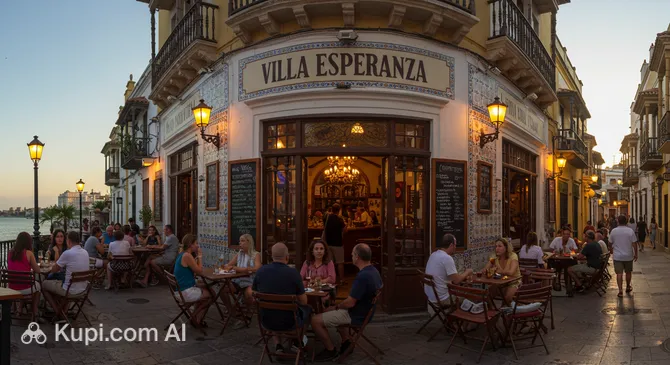
If you prefer a more laid-back evening with excellent drinks, Villa Esperanza offers a charming atmosphere. It is an ideal spot to enjoy a gin and tonic or a local craft beer while soaking in the ambient vibe of the city. For a more casual night out involving food and drinks, the traditional "tapas crawl" culture remains the best way to start the evening before moving on to music bars.

Villa Esperanza. Source: Kupi.Binoculars

Practical Tips for Night Owls: In true Spanish fashion, the night starts late. Bars typically begin to fill up around 11:00 PM, and clubs often do not get busy until 2:00 AM. The dress code is generally "smart casual"—comfortable but neat. Prices are quite reasonable compared to major cities like Madrid or Barcelona. The city center is compact and pedestrian-friendly, so walking is the best way to get around. Taxis are readily available at designated ranks if you are staying further out.

While the city is known for its history, daytime entertainment also offers fun alternatives to museums. Families and thrill-seekers can visit the Xjump Cartagena Leisure Center, a massive trampoline park that provides energetic fun away from the heat. Alternatively, Rafael de la Cerda Park offers green spaces and recreational facilities, perfect for a relaxing afternoon before the evening festivities begin.

Safety at Night: Cartagena is considered a safe city for walking at night, especially in the popular entertainment districts and the well-lit port area. Standard precautions apply: keep an eye on your belongings in crowded bars and avoid poorly lit, isolated streets on the outskirts. If you need a ride home late at night, calling a radio taxi is recommended for convenience.

Parks & Museums

While Cartagena is famous for its ancient stone monuments, the city also offers refreshing green spaces and a wealth of specialized museums that delve deeper into its multifaceted history. Beyond the Roman ruins, visitors can explore lush gardens, military archives, and poignant reminders of the 20th century, creating a well-rounded cultural experience.

For those seeking a break from the urban center, Rafael de la Cerda Park, commonly known as Tentegorra, is the city's primary green lung. Located a short distance from the center, this extensive recreational area features pine forests, adventure circuits, and swimming pools, making it a favorite among local families. Closer to the historic district, Plaza de España serves as a serene landscaped roundabout. It offers a pleasant spot to rest under the shade of palms and native trees before continuing your exploration of the city's avenues.

Rafael de la Cerda Park. Source: Kupi.Binoculars

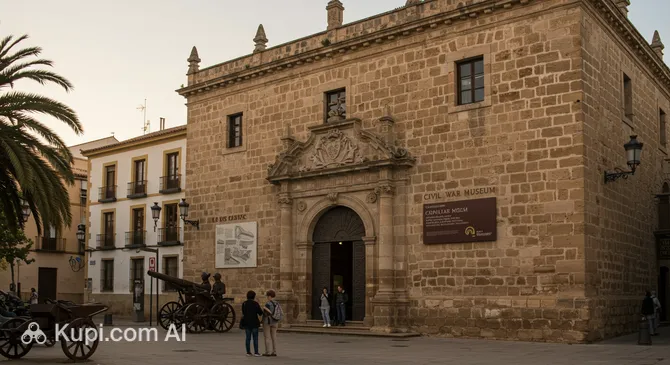
The city's museums are exceptional in their variety and depth. A particularly moving site is the Civil War Museum. Housed inside the actual air raid shelters mined into the Conception Hill, this museum preserves the memory of the conflict and the daily life of citizens who sought refuge there during bombings. It provides a raw and atmospheric insight into a crucial period of Spanish history.

Civil War Museum. Source: Kupi.Binoculars

Military history enthusiasts will find the Cartagena Military Museum fascinating. Located in the historic Royal Artillery Park, it boasts one of the world's largest collections of artillery models and ammunition, showcasing the city's long-standing strategic importance. Another key institution is the Municipal Archaeological Museum of Cartagena, which is uniquely built atop a late Roman necropolis. It displays a vast collection of ceramics, tools, and funerary inscriptions that narrate the evolution of the settlement over centuries.

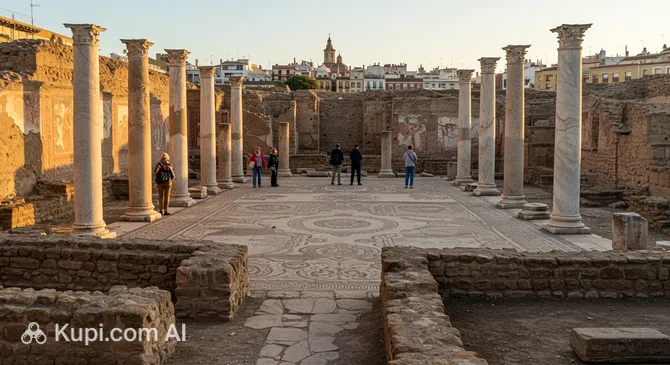
Among the architectural highlights, the House of Fortune offers an intimate glimpse into domestic life during the Roman era. Hidden in the basement of a modern building, this archaeological site reveals the remains of a wealthy family's home, complete with preserved dining rooms and original murals. Religious architecture is best represented by the Basilica of Our Lady of Charity. This neoclassical temple is notable for its impressive iron structure and circular dome, housing the image of the city's patron saint.

House of Fortune. Source: Kupi.Binoculars

For a different perspective on the city's heritage, consider taking the Tourist Boat. This short maritime journey offers unique views of the harbor's defensive system, including the Navidad Lighthouse and the various fortresses that have guarded the bay for centuries, providing a perfect photo opportunity from the water.

Getting Around

Navigating Cartagena is delightfully simple, as the city center is compact and pedestrian-friendly. Most of the major historical attractions, museums, and the port area are located within a short walking distance of each other, making walking the most efficient and enjoyable way to explore. However, for reaching the beaches, the outskirts, or simply resting your feet, the city offers a reliable and efficient public transport network.

The backbone of the local public transportation system is the bus network, managed by ALSA under the name TUC (Transporte Urbano de Cartagena). These distinct red and white buses connect the city center with residential neighborhoods, the bus and train stations, and coastal areas. The network is extensive enough for tourists, with frequent services on main lines running throughout the day.

For payment, you can purchase a single ticket directly from the driver when boarding the bus; it is advisable to carry small change, as drivers may not be able to change large banknotes. If you plan to use the bus frequently, consider purchasing a "Bonobús" travel card. These rechargeable cards significantly reduce the cost per trip and can be bought and topped up at newsstands, tobacco shops (estancos), or the main bus station. You simply validate the card by tapping it on the reader near the driver when you enter.

A unique feature of the local transport landscape is the FEVE narrow-gauge railway. While not a metro, this commuter train line connects the city center with the towns along the Mar Menor lagoon, terminating at Los Nietos. It is an affordable and scenic way to reach the nearby beaches and coastal villages without renting a car. The station is located right next to the main RENFE railway station.

For a more specialized sightseeing experience, the Cartagena Tourist Bus is an excellent option. This double-decker bus operates on a circular route that traverses the historic center and connects visitors to the scenic Cala Cortina cove. It operates on a hop-on, hop-off basis, allowing you to explore the most important monuments at your own pace while listening to an audio guide about the city's history.

Taxis are another convenient alternative, especially late at night or when carrying luggage. Official taxis are white with a green stripe and the city coat of arms. They can be easily hailed on the street if the green light on the roof is on, or found at designated ranks at the bus and train stations and major plazas. They run on a meter system, ensuring fair and regulated pricing. While ride-sharing apps exist in the region, local taxis remain the most readily available and reliable choice here.

Accommodation

Finding the perfect place to stay in Cartagena is generally a straightforward experience, as the city offers a welcoming variety of accommodation options to suit different tastes and budgets. The hospitality landscape here ranges from modern, functional business hotels to charming boutique establishments housed in restored 19th-century buildings. For those seeking more independence, there is also a growing selection of tourist apartments and vacation rentals, particularly within the renovated historic district.

The most convenient area for tourists is undoubtedly the Historic Center (Casco Antiguo). Staying here places you within walking distance of the main archaeological sites, such as the Roman Theatre and the Roman Forum, as well as the lively tapas bars on Calle Mayor. Another popular choice is the area surrounding the Port of Cartagena, where many hotels offer rooms with scenic views of the marina and the Mediterranean Sea. This location is ideal for travelers who want to be close to the museums and the waterfront promenade while enjoying a fresh sea breeze.

For travelers on a budget, there are several hostels and affordable guesthouses scattered around the city center that provide basic but comfortable amenities. Mid-range travelers will find plenty of reliable 3-star and 4-star hotels that offer excellent value for money, often featuring rooftop terraces or proximity to major shopping streets. Luxury in Cartagena is often defined by history and location rather than just opulence, with premium rooms often found in architecturally significant buildings that reflect the city's modernist past.

Booking Tip: While accommodation is generally available year-round, the city fills up quickly during major events. If you plan to visit during Holy Week (Semana Santa) or the Carthaginians and Romans festival in September, it is highly recommended to book your room several months in advance. Prices are typically reasonable compared to larger Spanish tourist hubs, but securing your spot early ensures the best selection of central locations.

Nearby Cities

Nearby Cities:

Cartagena is ideally situated in the southeast of the Iberian Peninsula, making it an excellent base for exploring the wider Region of Murcia. The city is surrounded by a diverse landscape that ranges from agricultural plains to bustling provincial capitals and coastal resorts. A short drive in any direction reveals a variety of destinations that offer a perfect contrast to the naval history of the port.

The most prominent neighbor is Murcia, the regional capital, located approximately 42 km inland. With a population of over 670,000, it is a vibrant university city famous for its magnificent Baroque cathedral and lively plazas. Visiting Murcia allows travelers to experience the rich traditions of the "Huerta" (orchard) region and enjoy a distinctively different urban atmosphere from the coast.

For those interested in exploring more of the coastline, Torrevieja lies about 49 km to the northeast. This popular destination is renowned for its salt lakes, which appear pink at certain times of the year, and its extensive beaches. Just slightly further inland is Orihuela (51 km), a historic city declared a Historic-Artistic Site, known for its wealth of monuments, palaces, and the legacy of the poet Miguel Hernández.

Closer to home, the town of Torre Pacheco is only 14 km away. It is deeply connected to the region's agricultural roots and is dotted with traditional windmills. Another nearby option is Alcantarilla (43 km), an industrial and cultural hub that hosts an interesting ethnological museum dedicated to the region's water wheels and irrigation history.

Below is a summary of these nearby cities to help you plan your excursions:

City Distance (km) Population
Murcia 42 672,773
Torrevieja 49 83,547
Orihuela 51 80,784
Alcantarilla 43 42,630
Torre Pacheco 14 38,140

Shopping & Souvenirs

Shopping in Cartagena is a delightful experience that combines the charm of a historic port city with modern conveniences. While it may not be a massive fashion capital, the city offers a diverse range of options, from traditional family-run businesses selling local crafts to contemporary retail hubs. Visitors can enjoy strolling through pedestrianized streets lined with boutiques or visiting large commercial centers for international brands.

The heart of the city's commercial life beats in the pedestrian zone of the historic center. Calle Mayor and Calle del Carmen, along with Puertas de Murcia, form the main open-air shopping axis. Here, you will find a mix of popular Spanish high-street fashion chains, shoe shops, and independent boutiques housed in beautiful modernist buildings. It is the perfect area to browse for clothes and accessories while admiring the architecture.

For a more concentrated shopping experience or to find major international retailers, the Cartagena Department Store (El Corte Inglés) is conveniently located near the city center. It offers a wide selection of fashion, electronics, and gourmet food. If you prefer a larger complex with a wider variety of leisure options, the Espacio Mediterráneo Shopping Center is situated in the industrial park on the outskirts. This expansive mall features numerous clothing stores, a cinema, and a food court, making it a popular destination for locals.

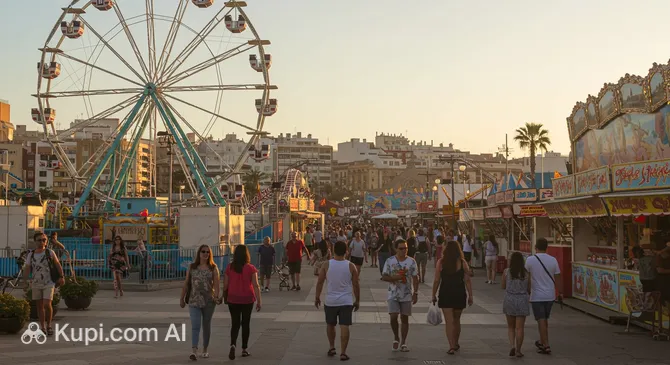
Espacio Mediterráneo Shopping Center. Source: Kupi.Binoculars

To experience the authentic flavors of the region, a visit to the Mercado de Santa Florentina is highly recommended. This traditional indoor market is where locals buy fresh seafood, fruits, and vegetables from the nearby "huerta." For bargain hunters, the weekly street market, known locally as the "mercadillo," takes place on Wednesdays near the Cenit neighborhood, offering everything from textiles to household goods at competitive prices.

When looking for gifts to take home, focus on the region's unique gastronomic products. A bottle of Licor 43, the famous golden liqueur produced in Cartagena, is a classic choice. Another distinctive souvenir is a kit for making Café Asiático, which typically includes the specific thick glass, condensed milk, and spices. Traditional ceramics and salted fish delicacies (*salazones*) like tuna mojama are also excellent reminders of your trip.

Opening hours vary depending on the type of store. Small local shops typically operate from 10:00 AM to 2:00 PM and reopen from 5:00 PM to 8:30 PM, observing the traditional afternoon break. Large shopping malls and department stores, however, usually stay open continuously from 10:00 AM to 10:00 PM. Credit and debit cards are widely accepted, but it is useful to carry some cash for small purchases at markets or kiosks.

Non-EU residents are eligible for a Value Added Tax (VAT) refund on purchases made in Spain. Look for the "Tax-Free" sign in store windows. If you spend a certain amount, you can request a tax-free form at the checkout, which you will need to validate at customs upon leaving the European Union to receive your refund.

Reached the end of the page?

That means the route is fully explored