Valencia is a captivating destination that effortlessly combines imperial tradition with futuristic design. As the third-largest city in Spain, it serves as a vibrant cultural hub on the shores of the Mediterranean Sea. Known for its welcoming atmosphere, the city offers a perfect balance of urban energy and coastal relaxation.
Home to approximately 792,492 people, the city enjoys a mild, sunny climate that makes it an attractive destination year-round. Geographically, it is situated on the banks of the Turia River, which has played a significant role in shaping the modern layout of the metropolis.
Valencia. Illustration.
Source: Kupi.com AI
Visitors are often struck by the distinct contrast between the ancient and the modern. You can explore the rich history of Valencia by wandering through the winding streets of the old town, or marvel at the avant-garde architecture of the City of Arts and Sciences. The city is also celebrated as the birthplace of paella, offering travelers a chance to taste one of the world's most famous dishes in its authentic setting.
Another unique feature is the Turia Gardens, a massive green park created in the former riverbed that snakes through the city, providing a haven for cyclists and walkers. Whether you are looking for stunning architecture, delicious cuisine, or beautiful beaches, Valencia invites you to experience its unique charm.
Weather Overview
Valencia enjoys a Mediterranean climate that invites exploration year-round, characterized by hot, sunny summers and mild winters. If you are planning a trip, checking the weather in Valencia beforehand can help you pack the right gear for your visit.
During the summer peak in July and August, temperatures climb significantly, with average highs reaching up to 31.5°C and very few rainy days. Winters remain relatively gentle compared to much of Europe; in January, the average temperature is around 10.9°C, with lows rarely dipping below 6.3°C.
Expect hot, dry summers and mild winters with occasional rain during the spring and autumn months. September tends to be the wettest time in terms of frequency, with approximately 10 wet days, while July is the driest, offering almost uninterrupted sunshine.
Average monthly temperature
Average monthly precipitation
Interesting Facts
To create a truly memorable itinerary, it is worth looking past the guidebooks and discovering the stories that make this Mediterranean city unique. Beyond the main attractions, Valencia holds many fascinating secrets that surprise even the most seasoned travelers.
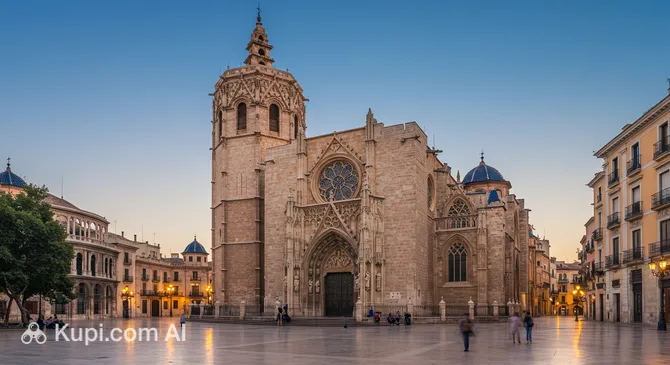
One of the city's most profound claims to fame is that the Valencia Cathedral houses what many historians and the Vatican recognize as the true Holy Grail. The agate chalice, known as the Santo Cáliz, dates back to the 1st century and has been protected within the chapel for centuries.
The lush Turia Gardens, which snake through the city center, have a dramatic origin story. This vast green space was actually the Turia River until a catastrophic flood in 1957 forced the city to divert the watercourse, transforming the dry riverbed into the beloved 9-kilometer park seen today.
Valencia is home to the oldest existing justice institution in Europe, the Water Tribunal (Tribunal de las Aguas). Every Thursday at noon, members meet outside the Cathedral's Apostles' Door to settle irrigation disputes in a tradition that has continued uninterrupted for over 1,000 years.
If you look closely at the city's coat of arms, you will notice a bat crowning the design. Legend has it that a bat woke King James I before a surprise attack during the siege to retake the city in the 13th century, effectively saving his life and ensuring victory.
In Plaza Lope de Vega, you can find a structure that was once the narrowest building in Europe, with a façade measuring just 107 centimeters wide. Although it has since been connected to the adjacent building, the original tiny entrance remains a quirky photo opportunity for observant walkers.
Valencia Cathedral. Illustration.
Source: Kupi.com AI
Traveler photos:
How to Get There
Reaching this Mediterranean gem is straightforward thanks to its excellent transport connections. Whether you prefer flying or taking the train, there are multiple convenient options to suit your itinerary. For a complete overview of all travel methods, you can read more about how to get to Valencia.
The most direct way to arrive is via Valencia Airport (IATA: VLC), located just outside the city limits. As an international airport, it handles a significant volume of flights from across Europe. Situated only 9.3 km from the center, the journey is quick and easy; a taxi or bus ride typically takes around 35 minutes, depending on traffic.
If you cannot find a direct flight, a popular alternative is Alicante-Elche Airport (IATA: ALC), located in the city of Alicante. This large international hub is approximately 133 km from Valencia. While it is further away, it offers extensive connections. The travel time by road is approximately 2 hours, though train connections between the cities are also available.
Another option for regional arrivals is Castellon Airport (IATA: CDT) in Castellón de la Plana. It is a smaller facility located about 90 km from Valencia. Travel time by taxi or shuttle is roughly 1 hour and 30 minutes.
For clarity, here is a summary of the main airports:
Spain's extensive rail network makes arriving by train a comfortable and scenic choice. The primary hub for the city is Valencia Railway Station. Located centrally, just 0.9 km from the heart of the city, it serves millions of passengers annually. From here, you can reach your accommodation in minutes by taxi or public transport.
For those exploring the wider region, you might also pass through Alicante Railway Station in Alicante. Situated about 125 km from Valencia, it connects the southern part of the community and serves as a key transit point for travelers moving along the coast.
Below is a list of the nearest major railway stations:
Valencia offers a stunning array of landmarks that seamlessly blend its rich medieval history with avant-garde modernity. From futuristic complexes to ancient fortifications, the city's attractions provide a diverse experience for every type of traveler.
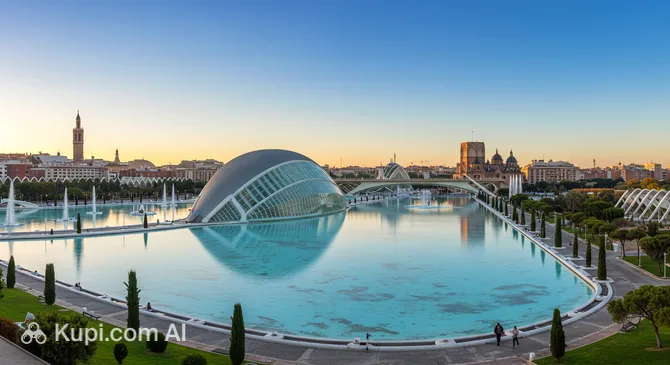
One of the most iconic sights is the City of Arts and Sciences. Designed by the renowned architect Santiago Calatrava, this futuristic cultural complex looks like it belongs in a sci-fi movie. Visitors are captivated by its sweeping white structures and reflective pools, which house an opera house, a science museum, and an aquarium. It is a perfect spot for a leisurely walk, offering incredible photo opportunities and a deep dive into culture and innovation.
City of Arts and Sciences. Illustration.
Source: Kupi.com AI
Traveler photos:
For a glimpse into the city's golden age of trade, the Silk Exchange of Valencia (La Lonja de la Seda) is an essential stop. This UNESCO World Heritage site is considered a masterpiece of late Gothic civil architecture. Tourists are particularly impressed by the Columnary Hall, where majestic spiraling columns rise to the ceiling like stone palm trees, symbolizing the wealth and power of Valencia's merchants in the 15th century.
Nature enthusiasts should not miss Bioparc Valencia, a new-generation zoo that prioritizes immersion. Instead of traditional cages, the park uses hidden barriers to separate visitors from the animals, creating the feeling of walking through the African savannah. It is a fantastic place to observe lemurs, gorillas, and elephants in environments that meticulously recreate their natural habitats.
Bioparc Valencia. Illustration.
Source: Kupi.com AI
Traveler photos:
Standing as a testament to the city's medieval defenses are the Serranos Towers. These imposing Gothic gates were once the main entrance to the walled city and have survived for centuries. Climbing to the top is a favorite activity for tourists, as the towers offer spectacular panoramic views of the historic center and the lush Turia Gardens below.
Finally, the heart of the city beats around the Valencia Cathedral. This architectural gem blends Romanesque, Gothic, and Baroque styles, reflecting the city's layered history. It is widely famous for housing the Holy Chalice, believed by many to be the true Holy Grail. Visitors can also climb the Miguelete bell tower for a breathtaking 360-degree view of the city's rooftops.
Local Cuisine
Valencia is a true paradise for food lovers, celebrated globally as the birthplace of paella. No visit is complete without tasting the authentic Paella Valenciana, a rich dish traditionally made with chicken, rabbit, green beans, and garrofó beans, cooked to perfection over an open fire. For seafood enthusiasts, the Arroz a Banda—rice cooked in fish stock—and Fideuà, a noodle-based variation of paella, are equally delicious choices that highlight the freshness of the Mediterranean catch.
Beyond its savory rice dishes, the city offers unique beverages that are deeply rooted in local tradition. You must try Horchata (or Orxata), a refreshing, milky drink made from tiger nuts, typically served with sweet pastries called fartons for dipping. For something stronger, the signature cocktail is Agua de Valencia, a potent and zesty mix of cava, orange juice, vodka, and gin, often enjoyed during the city's lively evenings.
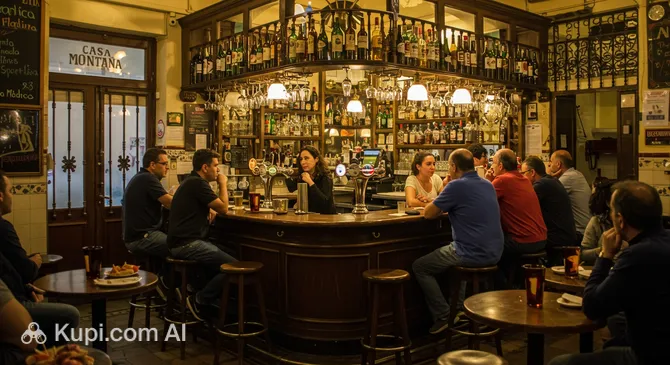
The food culture here revolves around socializing and enjoying high-quality ingredients in a relaxed setting. Locals often start their day with a hearty mid-morning snack known as esmorzaret. When it comes to evening dining, historic establishments like Casa Montaña offer a glimpse into the past. Founded in 1836, this traditional bodega is perfect for sampling classic tapas and fine wines among ancient barrels, capturing the essence of the city's gastronomic heritage.
Casa Montaña. Illustration.
Source: Kupi.com AI
Traveler photos:
For a more casual or modern dining experience, the city's streets are filled with vibrant terraces and eateries. Whether you are looking for the "best burger in the world" at places like Hundred Burgers or simply want to enjoy fresh tapas by the sea, the culinary scene is diverse and accessible. The combination of historic markets, avant-garde restaurants, and simple street food makes dining here an unforgettable part of the travel experience.
Travel Tips
To ensure your visit to this sunny Mediterranean metropolis is as smooth and enjoyable as possible, we have compiled a list of essential travel advice. Keeping these practical tips in mind will help you navigate the city like a local and avoid common tourist pitfalls.
Clothing and Gear: Valencia enjoys a mild climate, so light, breathable clothing is best for summer, while a medium-weight jacket is necessary for cooler winter evenings. Since the city is very flat and walkable, bring comfortable shoes for exploring the Old Town and the Turia Gardens. If you plan to visit religious sites like the Valencia Cathedral, remember to dress modestly; shoulders and knees should be covered.
Transportation: The city boasts an excellent public transport network, including the Metrovalencia (subway and tram) and EMT buses. However, the best way to get around is often by bicycle or on foot, thanks to the city's flat terrain and extensive bike lanes. Car rental is generally unnecessary and can be a hassle due to limited parking; rely on taxis or ride-hailing apps like Cabify or Uber if needed.
Finances: The local currency is the Euro (€). Credit and debit cards are widely accepted almost everywhere, from restaurants to small kiosks. It is wise to carry a small amount of cash for minor purchases. Tipping is not mandatory in Spain, but leaving a modest tip (around 5-10%) or rounding up the bill for good service is appreciated.
Health and Safety: Valencia is considered one of the safest cities in Spain, but standard precautions against pickpocketing should be taken in crowded tourist areas like the Malvarrosa beach or Plaza de la Reina. Pharmacies are easily identified by a flashing green cross; for after-hours needs, look for a farmacia de guardia (24-hour pharmacy). The general emergency number is 112.
Communication: The official languages are Spanish (Castilian) and Valencian. While English is widely spoken in hotels, restaurants, and main attractions, it may be less common in neighborhood bars or markets. downloading a translation app and learning basic phrases like Hola (Hello) and Gracias (Thank you) will be warmly received. SIM cards are easy to purchase at the airport or mobile shops in the city center.
Local Etiquette: Spaniards operate on a later schedule than many other Europeans. Lunch is the most important meal of the day, typically taken between 2:00 PM and 3:30 PM, while dinner is rarely served before 8:30 PM or 9:00 PM. It is polite to greet shopkeepers when entering a store with a friendly "Buenos días" or "Buenas tardes."
What to Avoid: Try to avoid ordering paella for dinner. In Valencia, paella is traditionally a lunch dish because it is considered too heavy for the evening. Restaurants serving it at night are often catering specifically to tourists, and the quality may not be authentic. Also, avoid walking around the city center in just swimwear; save the bikinis and trunks for the beach.
Shopping Hours: Be prepared for the "siesta" schedule. Many smaller shops, local businesses, and markets close in the afternoon, roughly from 2:00 PM to 5:00 PM, before reopening until late in the evening. Major department stores and malls usually remain open all day, but planning your shopping trips around these hours is a good idea.
By following these simple guidelines, you will be well-prepared to embrace the laid-back lifestyle and vibrant culture of Valencia. Relax, take your time, and enjoy everything this beautiful city has to offer!
Entertainment & Nightlife
Valencia transforms when the sun goes down, offering a nightlife scene that is as vibrant and diverse as its culture. Known locally as "la marcha," the city's evening entertainment spans from laid-back bohemian terraces to high-energy nightclubs that stay open until dawn. Whether you prefer sipping cocktails in a historic plaza or dancing to live rock music, the Mediterranean atmosphere ensures memorable nights.
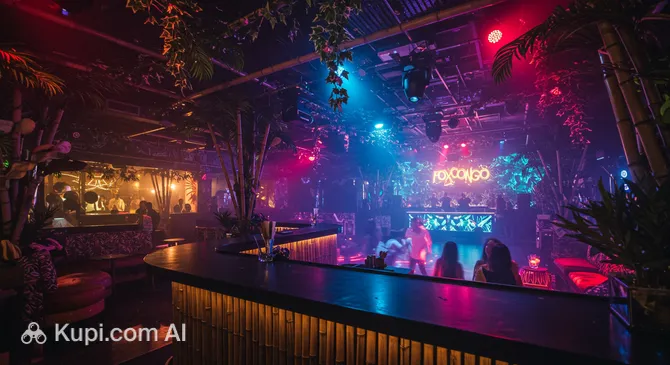
The nightlife is geographically spread out, with each neighborhood offering a distinct vibe. El Carmen, located in the historic center, is a maze of narrow streets packed with eclectic bars and cafés. It is the perfect place to start the evening with a casual drink. Here, you can find venues like Fox Congo, a popular spot with a relaxed atmosphere that bridges the gap between a pub and a club, making it ideal for socializing before the night truly heats up.
Fox Congo. Illustration.
Source: Kupi.com AI
Traveler photos:
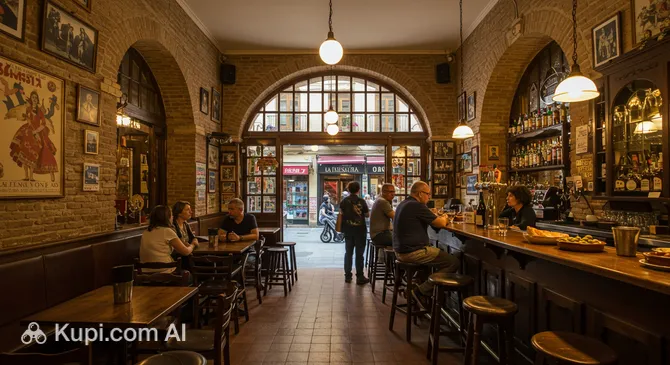
For a trendier, more alternative experience, head to the Ruzafa district. This hipster haven is famous for its indie spirit, craft beer bars, and artistic crowd. It is a fantastic area for bar-hopping and enjoying diverse cuisines. A standout spot in this neighborhood is La Finestra, a lively venue known for its delicious mini-pizzas, affordable wine, and impromptu musical performances, attracting a young and energetic crowd.
La Finestra. Illustration.
Source: Kupi.com AI
Traveler photos:
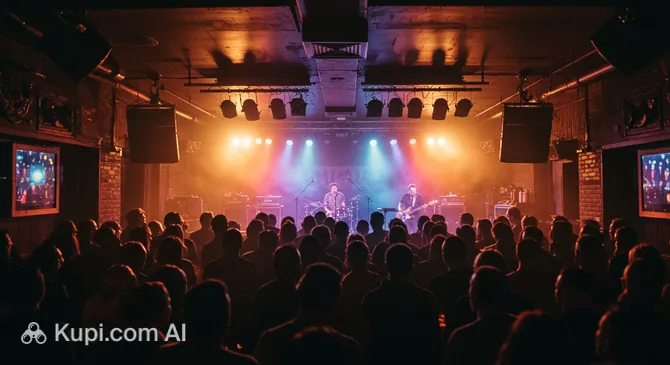
If you are a fan of live music, particularly rock and roll, the city does not disappoint. 16 Toneladas Rock Club is a legendary venue located near the Turia Gardens. It hosts concerts regularly, ranging from local bands to international acts, followed by DJ sessions that keep the rock, soul, and funk vibes going late into the night. It is a must-visit for those who prefer guitars over electronic beats.
16 Toneladas Rock Club. Illustration.
Source: Kupi.com AI
Traveler photos:
During the summer months, the action shifts towards the Marina de Valencia and the beach areas. Here, open-air clubs and sleek lounge bars offer stunning views of the Mediterranean Sea. The atmosphere in the Marina tends to be more upscale, so a slightly dressier attire is recommended compared to the casual style acceptable in Ruzafa or El Carmen.
Practical Advice for Night Owls:
Timing: The night starts late in Spain. Dinner is usually around 9:30 PM or 10:00 PM. Bars get busy around midnight, and nightclubs often don't fill up until 2:00 AM or 3:00 AM.
Prices: Nightlife here is generally more affordable than in Madrid or Barcelona. Many clubs have entry fees that include a drink (consumición).
Getting Around: The Metrovalencia closes around midnight or slightly later on weekends. For late-night travel, rely on the extensive night bus network (lines starting with 'N') or simply take a taxi. Ride-hailing apps like Cabify are also widely available and safe.
Safety: The city is very safe for night walks, especially in the main districts like Ruzafa and El Carmen. However, as in any large city, keep an eye on your belongings and avoid poorly lit, deserted streets late at night.
While the nights are electric, daytime entertainment in Valencia is equally engaging. Families and culture lovers can explore the famous museums or enjoy the outdoors at Gulliver Park, a unique playground featuring a giant structure of the literary character. From world-class opera at the Queen Sofía Palace of the Arts to relaxing afternoons in the city's green spaces, there is no shortage of activities to fill the daylight hours before the fiesta begins again.
Parks & Museums
Valencia invites travelers to step away from its bustling streets and immerse themselves in a landscape where lush green spaces meet profound artistic heritage. The city is not only a hub of futuristic architecture but also a sanctuary of gardens, beaches, and world-class museums that celebrate its rich cultural tapestry.
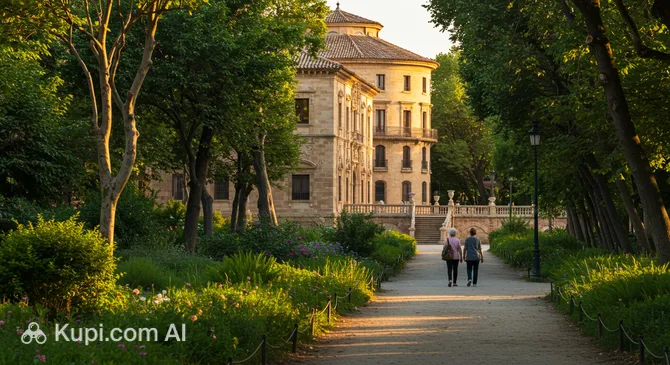
While the famous Turia Gardens serve as the city's green lung, those seeking a more regal atmosphere should visit the Jardines del Real (Viveros Gardens). Once the grounds of a royal palace, this expansive park is a serene retreat filled with sculptures, ornamental fountains, and a diverse collection of plant species. It is a perfect spot for a quiet afternoon stroll or a picnic under the shade of ancient trees.
Jardines del Real (Viveros Gardens). Illustration.
Source: Kupi.com AI
Traveler photos:
For those who prefer the sea breeze, the city's coastline offers excellent natural areas like Llevant Beach. This broad stretch of golden sand is equipped with modern amenities and provides a relaxing escape where visitors can enjoy the Mediterranean sun and surf just a short distance from the urban center.
Art enthusiasts will find a treasure trove at the Museum of Fine Arts of Valencia (Museo de Bellas Artes). Often cited as the second most important art gallery in Spain after the Prado, it houses an impressive collection of works by masters such as Goya, Velázquez, and El Greco, offering a deep dive into the region's artistic legacy.
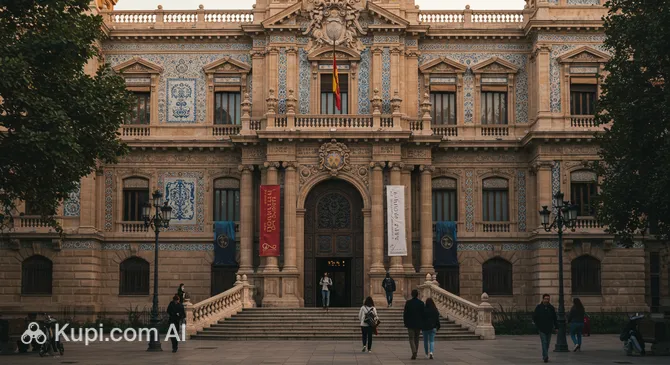
Another cultural jewel is the National Museum of Ceramics and Decorative Arts González Martí. The experience begins before you even enter, as the building itself—the Palace of the Marqués de Dos Aguas—is a masterpiece featuring a stunning alabaster entrance. Inside, visitors can marvel at opulent period rooms and a vast collection of ceramics that trace the history of this craft.
National Museum of Ceramics and Decorative Arts González Martí. Illustration.
Source: Kupi.com AI
Traveler photos:
History buffs should not miss the Torres de Quart, a pair of imposing medieval defensive towers. Unlike the ceremonial Serranos Towers, these were designed to withstand heavy artillery, and you can still see the scars left by cannonballs from the Napoleonic wars on their thick stone walls.
For a spiritual and artistic marvel, the Church of Saint Nicholas of Bari and Saint Peter Martyr is essential. Often referred to as the "Sistine Chapel of Valencia," its relatively unassuming exterior hides a breathtaking interior covered in vibrant Baroque frescoes that narrate the lives of the two saints.
For a unique excursion just outside the main city center, consider a trip to Port Saplaya. Known as "Little Venice," this charming coastal residential area features colorful houses and a network of canals, offering a picturesque and tranquil alternative to the busy tourist hubs.
Getting Around
Navigating Valencia is a breeze thanks to its efficient, clean, and well-integrated public transportation network. The system primarily consists of the Metrovalencia, which combines underground subway lines with surface trams, and the comprehensive EMT bus network. Together, they cover the entire city, including the historic center, the beach districts, and the suburbs, making it easy for visitors to reach all major attractions without needing a car.
The Metrovalencia is often the fastest way to travel, especially if you are heading to or from the airport or moving between distant neighborhoods. It features nine lines, with the tram lines (typically numbered 4, 6, 8, and 10) being particularly scenic and useful for reaching the coast. The underground stations are modern and easy to navigate, with signage usually available in English. For shorter distances within the city center, the red EMT buses are a convenient alternative, offering extensive routes that weave through areas the metro does not reach.
For payment, the city has simplified travel with the SUMA card, a single integrated ticket that works across the metro, tram, EMT buses, and even the MetroBus (yellow buses) and Cercanías commuter trains. Tourists can purchase a card loaded with 10 rides (SUMA 10), which allows for free transfers between different modes of transport within a generous time window. Alternatively, the Valencia Tourist Card is an excellent option for short stays, offering unlimited public transport usage along with discounts on museums and activities.
You can purchase tickets and rechargeable cards at automatic machines located in metro stations, at tobacco shops (estancos), and at authorized kiosks throughout the city. Bus drivers generally do not sell tickets on board, so it is essential to have your card ready before you board. Remember to validate your ticket by tapping it on the reader when entering the bus or passing through the metro turnstiles. In the metro, you may also need to tap out when exiting.
Public transport generally operates from around 4:00 AM or 5:30 AM until roughly 11:00 PM or midnight, depending on the line. On weekends and holidays, services often run later. For late-night travel, the EMT offers a network of night buses, known as "Corranit," which ensures you can get back to your hotel safely after enjoying the city's nightlife.
If you prefer more flexibility, taxis are plentiful and reasonably priced. Official taxis are white with a green light on the roof indicating availability. Ride-sharing apps are also active in the city. However, given the city's flat terrain and sunny weather, many visitors opt for Valenbisi, the public bike-rental scheme. With miles of dedicated cycle lanes, particularly through the Turia Gardens, biking is a popular and delightful way to see the sights at your own pace.
Accommodation
Accommodation:
Valencia offers a diverse array of lodging options to suit every traveler's preference and budget. Whether you are looking for the social atmosphere of a backpacker hostel, the convenience of a modern city hotel, or the indulgence of a luxury seaside resort, the city is well-equipped to host you. In recent years, there has also been a significant rise in the availability of tourist apartments, which are perfect for families or those seeking a "home away from home" experience.
Choosing the right neighborhood is key to maximizing your stay. For first-time visitors who want to be in the heart of the action, Ciutat Vella (the Old Town) is the ideal location, placing you within walking distance of the main historic sites. If you prefer a trendier vibe with excellent dining and nightlife, the Ruzafa district is the place to be. Alternatively, travelers who want to wake up to sea views should look for accommodation in the Malvarrosa or El Cabanyal areas, while those visiting for business or museums might find the modern district near the City of Arts and Sciences most convenient.
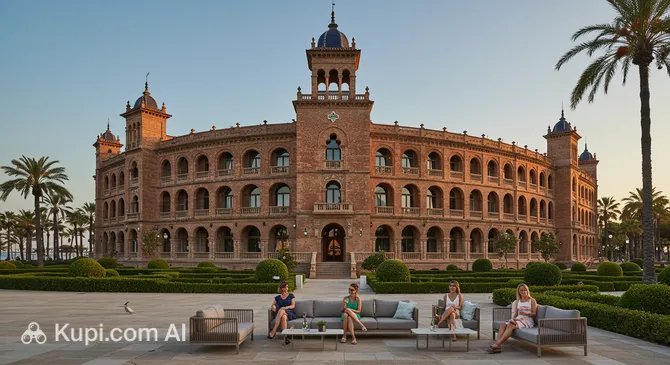
For those seeking a truly luxurious experience by the Mediterranean, the Las Arenas Balneario Resort is a standout choice. Located right on the seafront, this historic hotel combines classic elegance with modern spa facilities, offering a relaxing escape from the city center's bustle. On the other hand, if you value flexibility and independence, Living Valencia Apartments provides a range of well-located rental options that allow you to live like a local, often situated near key attractions and transport links.
Las Arenas Balneario Resort. Illustration.
Source: Kupi.com AI
Traveler photos:
Booking Tip: Valencia is a year-round destination, but demand spikes significantly during major events. If you plan to visit during the famous Las Fallas festival in March or during the peak summer months (July and August), it is essential to book your accommodation several months in advance to secure reasonable rates and availability.
Price ranges vary widely depending on the season and location. Budget travelers can find hostels and guesthouses starting from around €30 to €60 per night. Mid-range hotels typically cost between €80 and €150, while luxury establishments and premium apartments can exceed €200 per night. Booking is most commonly done through major online platforms, though contacting smaller boutique hotels directly can sometimes yield better offers or specific room requests.
Nearby Cities
For those looking to explore the surroundings, Valencia serves as an excellent base for day trips to several interesting nearby locations. While the city itself offers endless entertainment, the region is dotted with historic towns and natural wonders that are well worth a short journey.
One of the most popular excursions is to the Albufera Natural Park, located just a few kilometers south of the city. This freshwater lagoon is surrounded by rice fields and is traditionally considered the birthplace of paella. Visitors can take a relaxing boat ride on the calm waters, spot diverse bird species, and enjoy some of the most spectacular sunsets in Spain.
For history enthusiasts, the ancient town of Sagunto offers a fascinating glimpse into the past. Dominated by a massive hilltop fortress that has witnessed centuries of conflict, the town also boasts a well-preserved Roman theatre. Walking through its historic center allows travelers to trace the footsteps of Iberians, Carthaginians, and Romans.
Another captivating destination is Xàtiva, famous for its imposing castle that stretches along the twin peaks of a mountain. The fortress offers panoramic views of the surrounding countryside and a deep dive into the region's medieval history. The town below is equally charming, with winding streets and grand collegiate churches.
City
Population
Distance
Falla
8 789
2 km
Mislata
44 320
4 km
Tavernes Blanques
9 222
4 km
Alboraya
25 149
4 km
Sedavi
10 349
5 km
These nearby destinations offer a glimpse into the diverse culture and landscapes of the region, providing a perfect complement to your stay in the city.
Shopping & Souvenirs
Shopping in Valencia is a delightful experience that mirrors the city's character, blending traditional craftsmanship with modern trends. Whether you are looking for high-end fashion, unique local artisanal products, or fresh gastronomic delights, the city offers a diverse range of options. From bustling commercial avenues to charming historic squares, visitors can find everything from international brands to authentic Valencian souvenirs.
The heart of the city's commercial life beats along Calle Colón and its surrounding streets. This is the main shopping artery, lined with major international clothing chains and popular boutiques. For those seeking luxury, the "Golden Mile" on Calle Poeta Querol is home to exclusive designer brands and upscale jewelry stores. Meanwhile, the bohemian district of Ruzafa and the winding streets of El Carmen offer a different vibe, filled with vintage shops, independent designers, and quirky concept stores perfect for finding one-of-a-kind items.
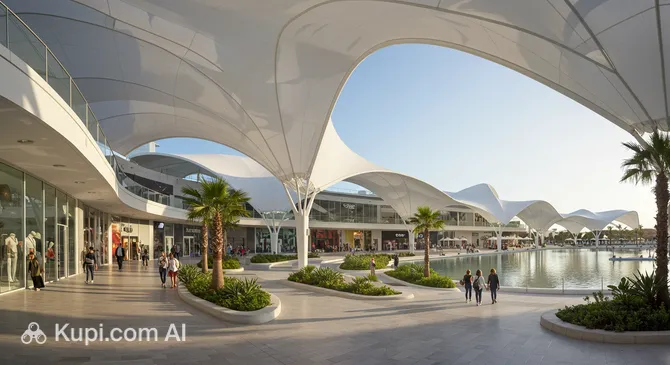
If you prefer having everything under one roof, the city boasts several impressive shopping centers. Aqua Multiespacio is a standout destination, not only for its wide selection of shops and restaurants but also for its location near the City of Arts and Sciences, offering stunning views of the futuristic complex. It is a modern, open-air mall that provides a pleasant atmosphere for browsing.
Aqua Multiespacio. Illustration.
Source: Kupi.com AI
Traveler photos:
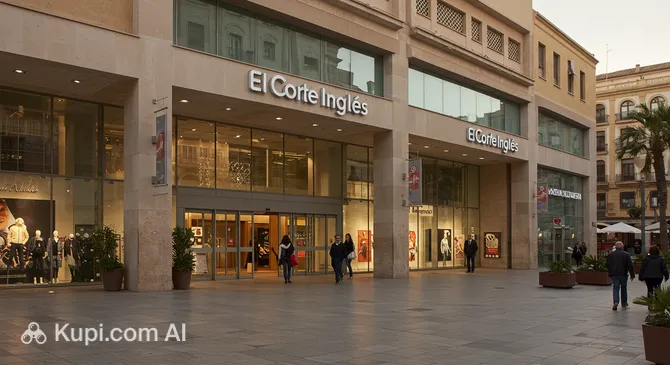
Another essential stop for shoppers is El Corte Inglés, Spain's most famous department store chain. With multiple locations throughout the city, including massive buildings near Calle Colón, it serves as a one-stop shop for fashion, electronics, gourmet food, and cosmetics. It is particularly convenient for tourists looking for high-quality goods and reliable service in a single location.
El Corte Inglés. Illustration.
Source: Kupi.com AI
Traveler photos:
Markets are an integral part of Valencian culture and shopping. The Mercado Central (Central Market) is an architectural jewel and a paradise for foodies, offering fresh local produce, saffron, and cured meats. For a more traditional craft experience, visit the Plaza Redonda. This unique round square is tucked away in the historic center and is famous for its stalls selling lace, embroidery, and haberdashery, making it a charming spot to browse for authentic handmade goods.
When it comes to souvenirs, Valencia has a rich artistic heritage. The region is renowned for its ceramics, particularly the exquisite porcelain figurines and colorful tiles from nearby Manises. Silk products are another top choice, reflecting the city's history as a major silk trading hub. Hand-painted fans (abanicos) and local gastronomic treats, such as bags of Arroz de Valencia (paella rice) or bottles of Horchata, also make for excellent gifts to take home.
Store hours typically follow the traditional Spanish schedule. Large department stores and malls usually stay open continuously from 10:00 AM to 10:00 PM. However, smaller shops and local boutiques often close for "siesta" between 2:00 PM and 5:00 PM, reopening until around 8:30 PM. Credit and debit cards are widely accepted, even for small amounts, though carrying some cash is useful for small market stalls.
Travelers residing outside the European Union are eligible for VAT refunds (Tax-Free) on purchases made in participating stores. Spain uses the digital DIVA system, which simplifies the process. Look for the "Tax Free" sign in shop windows and ask for the electronic form when making a purchase, which you can then validate at the airport customs terminals before leaving the country.