Support

Reus

About

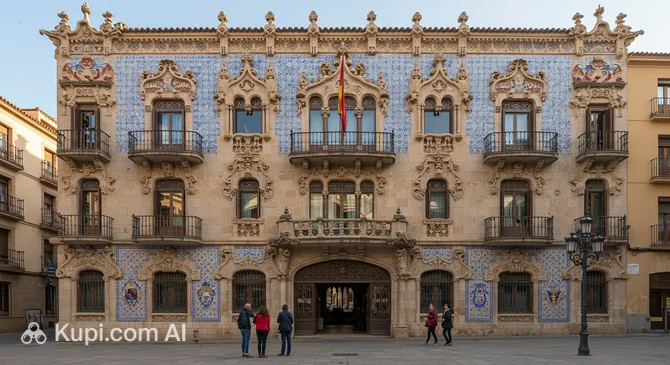
Reus is a captivating destination located in the province of Tarragona, acting as a lively commercial hub just a short distance from the golden beaches of the Costa Daurada. As a significant city in Spain, it offers a perfect blend of bustling urban life and relaxed Mediterranean charm. With a population of approximately 106,000 residents, the city is large enough to offer diverse amenities and a vibrant atmosphere, yet it remains compact enough to be explored comfortably on foot.

Reus. Source: Kupi.Binoculars

The city is perhaps most famous as the birthplace of the legendary architect Antoni Gaudí. Although he did not leave built works in his hometown, the city celebrates his legacy through the interactive Gaudí Centre. Those exploring the history of Reus will find that its architectural splendor blossomed during the late 19th and early 20th centuries. Today, the city is renowned for its spectacular Modernist architecture, featuring masterpieces such as the ornate Casa Navàs and the Institut Pere Mata, designed by the celebrated architect Lluís Domènech i Montaner.

Beyond its artistic heritage, Reus is celebrated as a capital of vermouth production. Taking a break to enjoy a traditional "vermut" on a sunny terrace in the bustling Plaça del Mercadal is a quintessential local experience not to be missed. The city is also known for its excellent shopping, with charming pedestrian streets filled with unique boutiques. Whether you are an architecture enthusiast or a foodie, Reus invites you to discover its elegant streets and rich cultural treasures.

Weather Overview

Reus enjoys a typical Mediterranean climate, characterized by hot, dry summers and mild, relatively cool winters. Understanding the seasonal patterns of the weather in Reus will help you choose the best time for your visit and pack accordingly. Generally, the city experiences plenty of sunshine throughout the year, making it a pleasant destination for sightseeing.

During the peak summer months of July and August, the city warms up significantly, with average temperatures reaching around 25.6°C and daily highs often climbing past 31°C. This is the driest period of the year, with July seeing as few as 4 wet days, perfect for enjoying the outdoors. In contrast, winters are cooler, with January averages dropping to 7.7°C and nighttime lows occasionally dipping to around 3.2°C, so bringing layers is advisable if you travel during this season.

Spring and autumn offer moderate and comfortable temperatures, ideal for walking tours, though these seasons can be slightly more unpredictable. September is typically the month with the most frequent rainfall, recording about 11 wet days, while October sees a slight increase in precipitation volume. Overall, you can expect warm summers with occasional rain in the shoulder seasons and cool, dry winters.

Interesting Facts

Beyond the main attractions and the famous Modernist facades, Reus holds fascinating secrets that reveal its historical significance and cultural depth.
  • During the 18th and 19th centuries, the city was such a dominant force in the international spirits market that a popular saying emerged: "Reus, Paris, and London." This phrase reflected the fact that the price of brandy and liquor was famously determined in these three cities, highlighting Reus's status as a global commercial powerhouse.

  • The magnificent Casa Navàs is a rarity in European Art Nouveau architecture. Unlike most period buildings that have been altered over time, this residence has preserved its original interior decoration, furniture, tapestries, and stained glass practically intact, offering a genuine glimpse into the domestic life of the early 20th century.

  • While the city is the birthplace of Antoni Gaudí, he never built any structures here. To bridge this gap, the Gaudí Centre was established not just as a museum, but as a unique interpretation center where visitors can touch and manipulate models to understand the complex geometry and engineering behind his genius, something impossible to do with his finished buildings.

  • The bustling Mercadal Square has been the heart of the city for centuries, but few know it was historically the site where the market prices for the entire region were set. Today, it remains the focal point for the "Tres Tombs" festival, a traditional celebration involving horse-drawn carts that circles this historic plaza.

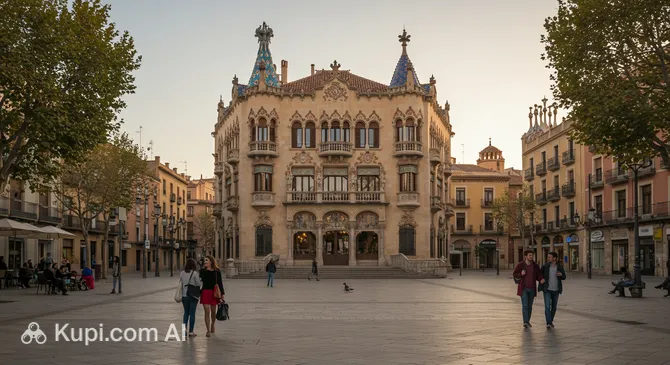
Casa Navàs. Source: Kupi.Binoculars

How to Get There

Reaching this Catalan city is quite convenient thanks to its strategic location and excellent transport infrastructure. Whether you are arriving from within Spain or from abroad, there are multiple options available. You can find more detailed information and plan your specific route by visiting our page with all ways to reach the city.

The most direct way to arrive by air is through Reus Airport (REU), which is located just 5.2 km from the city center. It is a convenient regional hub, particularly popular during the summer season for charter flights and low-cost carriers. The short distance means a transfer to the city center is quick, taking approximately 30 minutes by taxi or bus. For travelers arriving from further afield, the major international gateway is Barcelona-El Prat Airport (BCN). Although it is situated in Barcelona, about 83.2 km away, it offers a vast array of global connections. The journey from Barcelona airport to Reus typically takes around 2.5 hours by public transport or slightly less by private transfer.

For clarity, here is a summary of the main airports:

Airport Name City Passenger Traffic Km from City
Barcelona-El Prat Airport Barcelona Large 83.2
Girona-Costa Brava Airport Girona Medium 161.4
Reus Airport Reus Medium 5.2
Zaragoza Airport Zaragoza Small 188.5
Castellon Airport Castellón de la Plana Small 136.3

Traveling by train is another excellent option. The city is served by its own station, Reus Railway Station, which is centrally located just 1.3 km from the heart of the town, making it very easy to reach your accommodation upon arrival. For high-speed rail connections (AVE), travelers often use the Tarragona Camp Station. It is located in the neighboring city of Tarragona, approximately 13.1 km from Reus. From this station, a taxi or bus ride to Reus takes about 40 minutes, connecting you efficiently to the wider Spanish high-speed network.

Below is a list of the nearest railway stations:

Station City Passenger Traffic Km to Center
Sants Railway Station Barcelona Very High 90.3
Tarragona Camp Station Tarragona High 13.1
Estació de França Barcelona High 94.2
Lleida Railway Station Lleida Medium 65.6
Reus Railway Station Reus 1.3

Main Attractions

Attractions:

Reus is a city that delights visitors with its rich architectural heritage and lively urban spaces. Walking through its streets feels like an open-air museum, particularly for lovers of the Modernist style. Here are some of the key places you should not miss during your visit.

Considered one of the finest examples of European Art Nouveau, Casa Navàs is an absolute must-see. Located on the corner of the main square, this architectural gem was designed by Lluís Domènech i Montaner. What makes it truly special for tourists is that it is the only Modernist building in Europe that has preserved its original interior virtually intact, including furniture, ceramics, and fabrics. Guided tours allow visitors to step back in time and admire the exquisite craftsmanship of the early 20th century.

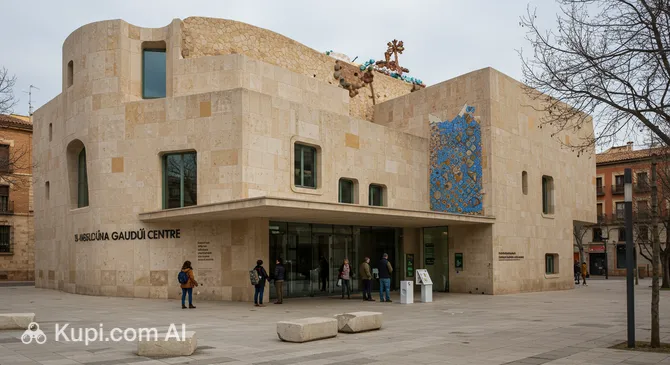
A tribute to the city's most famous son, the Gaudí Centre is another essential stop. Located right in the heart of the city, this interactive museum offers a fascinating journey into the mind of Antoni Gaudí. Unlike traditional museums, it encourages visitors to touch and experiment with models to understand the organic shapes and engineering secrets behind his masterpieces. It is an engaging experience for all ages, providing deep insight into the architect's creative process.

Gaudí Centre. Source: Kupi.Binoculars

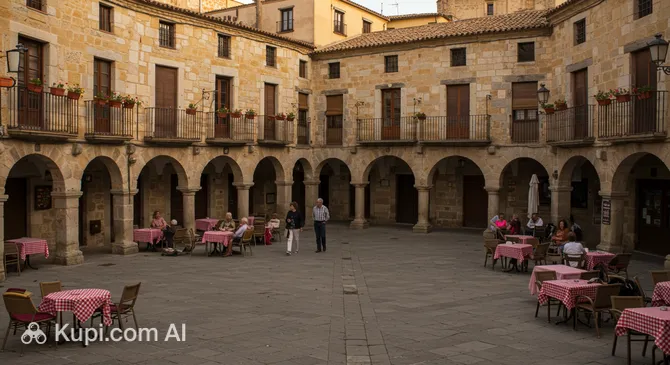
The beating heart of Reus is undoubtedly Mercadal Square. This historic plaza has been the center of social and commercial life for centuries. Surrounded by beautiful buildings and bustling outdoor cafes, it is the perfect spot to sit and soak up the local atmosphere. Throughout the year, the square hosts traditional markets and festive events, making it a vibrant focal point for any tour of the city.

Mercadal Square. Source: Kupi.Binoculars

Just a stone's throw away, you will find the charming Plaça de les Peixateries Velles. This picturesque square stands on the site of the old fish market and is accessible through 19th-century neoclassical arches. It is a quieter, more intimate space featuring the sculpture "El Gegant Indi," which pays homage to the city's festive traditions. The square's cozy ambiance makes it a delightful corner to explore while wandering the old town.

Plaça de les Peixateries Velles. Source: Kupi.Binoculars

Local Cuisine

Reus offers a delightful culinary experience deeply rooted in the Mediterranean tradition, characterized by the use of high-quality local ingredients. The city is renowned for its exceptional hazelnuts (Avellana de Reus) and the exquisite Siurana olive oil, both of which are staples in many regional recipes. The food scene here is vibrant and unpretentious, inviting visitors to enjoy leisurely meals that celebrate the rich flavors of the land.

Among the dishes you simply must try is menjablanc, a traditional creamy dessert made from almonds, lemon zest, and cinnamon that perfectly captures the sweetness of the region. For a savory treat, look for coca amb recapte, a delicious flatbread topped with roasted vegetables like peppers and aubergines, often accompanied by herring or sardines. In the cooler months, the local specialty is xató, a hearty salad of curly endive, cod, and anchovies, dressed with a rich almond and hazelnut sauce similar to romesco.

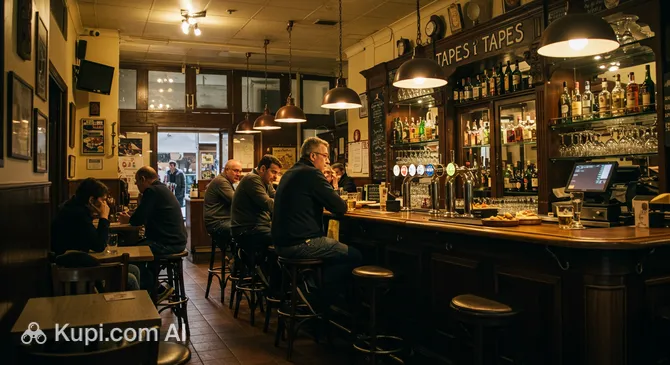
Tapes i Tapes. Source: Kupi.Binoculars

No gastronomic tour of the city is complete without tasting its most famous drink: vermouth. Reus is considered the capital of vermouth in Spain, and the local ritual of "fer el vermut"—enjoying a glass of this herbal fortified wine with olives and potato chips before lunch—is an essential cultural experience. For a non-alcoholic alternative, ask for a Plim, a unique local fruit-flavored soft drink that has been a favorite among residents for generations.

Dining in Reus is a social affair, with a culture heavily focused on tapas and shared platters. The historic center is dotted with lively venues where you can immerse yourself in this atmosphere. You might stop by Tapes i Tapes to sample a variety of small dishes in a bustling setting. For a different flavor profile, Xapatti offers a charming spot to grab a bite. Whether you choose a casual tapas bar or a sit-down restaurant like Perricholi, you will find that eating in Reus is as much about the community as it is about the food.

Travel Tips

Welcome to Reus, a city brimming with modernist flair and rich cultural traditions. To help you make the most of your visit to this charming destination in Spain, we have compiled a list of essential practical tips that will ensure your trip is smooth, comfortable, and full of memorable local experiences.

  1. Clothing and Gear: Reus enjoys a Mediterranean climate, so pack according to the season. In summer, light, breathable fabrics and a hat are essential to handle the heat, while a medium-weight jacket is perfect for the mild winters. Since the best way to admire the city's Modernist architecture is on foot, bring very comfortable walking shoes. There are no strict dress codes for general sightseeing, but modest attire is respectful when entering churches like the Prioral de Sant Pere.
  2. Transportation: The city center is compact and pedestrian-friendly, making walking the best option for getting around. For longer distances, the local yellow buses operated by Reus Transport are reliable and cover the main areas. Taxis are readily available at designated ranks or via phone, and while car rentals are not necessary for the city itself, they are useful if you plan to explore the surrounding Costa Daurada region.
  3. Finances: The local currency is the Euro (€). Credit and debit cards (Visa and Mastercard) are widely accepted even for small amounts due to the popularity of contactless payments. However, it is wise to carry some cash for small traditional bars or street markets. ATMs are plentiful throughout the city. Tipping is not mandatory, but rounding up the bill or leaving a small coin for good service is a polite gesture.
  4. Health and Safety: Reus is a safe city for tourists, but standard precautions against pickpocketing should be taken in crowded areas like the markets. Pharmacies are easily identified by a flashing green cross; they generally operate during business hours, and there is always at least one "farmàcia de guàrdia" open 24/7 for emergencies. For any urgent medical or police assistance, dial 112, which is the general emergency number.
  5. Communication: The official languages are Catalan and Spanish. While staff in hotels and major attractions usually speak English, it may be less common in small local shops. Learning a few basic phrases like "Hola" (Hello), "Gràcies" (Thank you), or "Bon dia" (Good morning) will be warmly received by locals. Free Wi-Fi is often available in public squares and cafes, and prepaid SIM cards can be bought at mobile phone stores or "Estanc" (tobacco shops).
  6. Local Etiquette: Dining times in Reus follow the Spanish schedule, meaning lunch is typically between 1:30 PM and 3:30 PM, and dinner is rarely served before 8:30 PM. When greeting friends, two kisses on the cheeks are common, but a handshake suffices for strangers. Do not miss the local ritual of "fer el vermut" (having a vermouth) around noon—it is a social staple of the city.
  7. What to Avoid: Avoid wearing beachwear (bikinis or shirtless) within the city center; although the beach is near, Reus is a commercial city, and such attire is considered inappropriate away from the coast. Also, try not to plan shopping trips between 1:30 PM and 5:00 PM, as many smaller boutiques close for the traditional afternoon break or "siesta."
  8. Shopping Tip: Reus has a long-standing reputation as a commercial hub. Take advantage of the high concentration of shops in the historic center, particularly around Carrer de Llovera and Carrer de Monterols. Unlike in some larger tourist cities, the service here is often very personalized, so don't hesitate to ask shop owners for recommendations.

By keeping these practical tips in mind, you will be well-prepared to navigate the elegant streets of Reus with confidence. Embrace the local rhythm, enjoy the world-class vermouth, and have a fantastic time exploring this architectural jewel of Catalonia!

Entertainment & Nightlife

The nightlife in Reus offers a sophisticated and sociable alternative to the high-energy clubbing scenes found in nearby coastal resorts. Instead of massive discos, the evening culture here revolves around "anar de copes"—going out for drinks—in a relaxed atmosphere where conversation flows as freely as the local wine. The city comes alive after sunset, with locals filling the terraces and bars to enjoy the cool evening air, creating a welcoming vibe that is perfect for travelers seeking an authentic Catalan experience.

The heart of the action is undoubtedly the historic center, particularly around the bustling squares of Plaça del Mercadal and Plaça de Prim. These areas, along with the connecting streets like Carrer Major and Carrer de Llovera, form the main artery of social life. Here, you will find a dense concentration of pubs, gastro-bars, and music venues. The crowd is diverse, ranging from young professionals to families enjoying a late dinner, and the dress code is generally smart-casual, reflecting the city's elegant character.

For those looking to start their evening with some leisure time, La Fira Shopping Centre is a modern hub located just a short walk from the center. It is an excellent spot to catch a movie or do some late-night window shopping before heading out for dinner. When hunger strikes, the city offers numerous options. If you are in the mood for a hearty, high-quality burger to fuel your night, Goiko is a popular choice among locals and visitors alike, known for its vibrant atmosphere and substantial portions.

La Fira Shopping Centre. Source: Kupi.Binoculars

As the night progresses, the focus shifts to the city's bars. A great place to experience the local drinking culture is Xapatti, where you can enjoy a wide selection of wines and tapas in a cozy setting. Most bars in Reus stay open until 2:00 or 3:00 AM on weekends, with the peak hours usually being between 11:00 PM and 1:00 AM. Prices are reasonable compared to major tourist hubs, with a beer or glass of wine typically costing a few euros.

Reus is a very safe city for night walks, and the pedestrianized center is well-lit and populated. However, as with any travel destination, it is wise to stay aware of your surroundings. If your accommodation is outside the city center or you prefer not to walk late at night, taxis are readily available at designated ranks, such as the one at Plaça de Prim. You can also ask any restaurant or bar to call a cab for you.

While the nights are lively, Reus also offers plenty of daytime entertainment beyond its architectural tours. The city boasts historic theaters like the Teatre Fortuny and the Teatre Bartrina, which host a variety of performances ranging from plays to concerts. For families or those seeking a different kind of fun, the surrounding region offers easy access to world-class amusement parks, while the city's museums provide a cultural retreat during the warmer afternoon hours.

Parks & Museums

While Reus is celebrated for its bustling squares and modernist architecture, the city also offers serene green spaces and a wealth of museums that preserve its rich cultural heritage. Visitors looking to escape the urban rhythm or delve deeper into local history will find plenty of rewarding options to explore, ranging from manicured gardens to interactive educational centers.

One of the most beloved green lungs in the city is the Parc de Sant Jordi. This beautifully landscaped area is not just a place for a quiet stroll; it serves as a central venue for local fairs and features distinct architectural elements that reflect the city's artistic spirit. For those seeking a more recreational outdoor experience, Barbecue Park provides an excellent setting for families and groups to enjoy a picnic or a casual meal in the open air. It is a favored spot for locals to unwind and socialize surrounded by nature, offering a relaxed break from sightseeing.

Barbecue Park. Source: Kupi.Binoculars

When it comes to museums, the city's crown jewel is undoubtedly the Gaudí Centre located in Plaça del Mercadal. This state-of-the-art interpretation center is dedicated to the life and works of Antoni Gaudí, offering interactive exhibits that decode the genius of the master architect through tactile models and audiovisual displays. Another key cultural institution is the Museu de Reus, particularly its Salvador Vilaseca branch. Housed in a former bank building, it displays a vast collection of archaeological finds and historical artifacts that trace the region's development from prehistoric times to the present day.

Beyond the museums, the city is dotted with significant historical sites that act as open-air galleries. The Institut Pere Mata is a masterpiece of Modernisme designed by Lluís Domènech i Montaner. Originally a psychiatric hospital, its "Pavelló dels Distingits" is open to the public and showcases opulent decorations, stained glass, and mosaics that rival the famous landmarks of Barcelona. In the city center, the Prioral de Sant Pere stands as a testament to Gothic architecture, with its imposing bell tower dominating the skyline and serving as a major reference point.

For a truly authentic experience, consider visiting the Centre de la Imatge Mas Iglesias (CIMIR). Located in a restored historic masia (traditional farmhouse) within a park, it houses the city's photographic archives and often hosts intriguing visual exhibitions. It is a quiet, culturally rich corner of Reus that is often overlooked by the typical tourist crowds but offers a fascinating glimpse into the visual history of the area.

Getting Around

Navigating Reus is remarkably straightforward, primarily because the city is compact and pedestrian-friendly. Most of the main attractions, shops, and restaurants in the historic center are within easy walking distance of each other. However, for reaching the outskirts, the train station, or the airport, the city offers an efficient public bus network operated by the municipal company, Reus Transport. These distinctive yellow buses serve numerous lines that cover the entire urban area and its immediate surroundings.

For tourists planning to use the bus, the payment system is simple and affordable. You can purchase a single ticket directly from the driver upon boarding, which costs approximately 1.30 euros. If you plan to make multiple journeys or are traveling with a group, it is highly recommended to buy a multi-trip travel card, such as the T-10. These cards significantly reduce the cost per trip and allow for transfers between lines within a certain time frame. You can purchase and recharge these cards at newsstands (quioscos) and tobacco shops (estancs) throughout the city, as they are not sold on board.

The buses generally operate from early morning, around 5:30 AM or 6:00 AM, until approximately 10:00 PM or 11:00 PM, depending on the line and the day of the week. Service frequency is reliable, with intervals ranging from 10 to 20 minutes on main routes. A particularly useful route for visitors is Line 50, which connects the city center and the train station with the airport, providing a convenient and budget-friendly transfer option. Remember to validate your ticket or tap your card at the machine located near the driver every time you board.

Beyond buses, taxis are a comfortable alternative, especially at night or when carrying heavy luggage. Official taxis are white and can be hailed on the street if their green roof light is on, or found at designated ranks in key locations like Plaça de Prim and the train station. They operate on a meter system, ensuring fair pricing. Ride-hailing apps are less common than in major capitals, so relying on official taxis or calling a local dispatch service is the norm.

For those who prefer a more active mode of transport, Reus has embraced sustainable mobility with its public bike-sharing system, known as Ganxeta. This service allows users to rent bicycles from various stations docked around the city via a mobile app. It is an excellent way to explore the city's avenues and parks at your own pace. Whether you choose to walk, cycle, or take the yellow bus, getting around this charming city is stress-free and accessible.

Accommodation

Where to Stay:

Accommodation in Reus caters to a diverse mix of cultural travelers, business visitors, and those seeking a quieter alternative to the bustling beach resorts of the Costa Daurada. The city offers a solid range of options, from comfortable modern hotels and charming historic guesthouses (often called "hostales") to an increasing number of tourist apartments. While it does not have the vast resort complexes found on the coast, the standard of hospitality is high, focusing on comfort and accessibility.

For the most authentic experience, the best area to stay is undoubtedly the historic center. Choosing a hotel or apartment near the bustling Mercadal Square or the Plaça de Prim places you within walking distance of the main Modernist attractions, shops, and the lively tapas scene. Staying here means you can easily enjoy the city's evening atmosphere without worrying about transport. Alternatively, the areas surrounding the Fira de Reus (Exhibition Centre) and the technological park offer more modern, business-oriented hotels with easy access to main roads and ample parking, which is ideal if you are traveling by car.

Prices in Reus are generally more moderate compared to the beachfront properties in nearby Salou or the high rates of Barcelona. Travelers can typically find excellent value for money, with mid-range options providing high-quality amenities. It is highly recommended to book in advance, especially if your visit coincides with major local festivals like the "Festa Major de Sant Pere" in late June or the "Tres Tombs," as availability in the city center can decrease rapidly during these peak times.

Most accommodations can be easily secured through major online booking platforms, which offer the flexibility to compare prices and read guest reviews. Direct booking with smaller, family-run establishments is also a viable option and can sometimes yield a more personalized service. Whether you prefer the independence of a rented apartment or the full services of a 4-star hotel, Reus provides a convenient and strategic base for exploring both the city and the wider Tarragona region.

Nearby Cities

For those looking to explore the surroundings, Reus serves as an excellent base for day trips to several interesting nearby locations. Just a stone's throw away lies Tarragona, a city celebrated for its impressive Roman heritage. Visitors can wander through ancient ruins, including a spectacular amphitheater facing the Mediterranean Sea, which is part of a designated UNESCO World Heritage site. For a more relaxed coastal vibe, Cambrils is a charming fishing town known for its culinary excellence and beautiful beaches, making it perfect for a leisurely lunch and a stroll along the promenade. Further inland, wine lovers will appreciate Villafranca del Penedès, the capital of the Penedès region, famous for its vineyards and cava production.

City Population Distance (km)
Tarragona 135436 12
Vilanova i la Geltrú 68152 53
Villafranca del Penedès 40056 54
El Vendrell 39072 37
Cambrils 35675 10

These nearby destinations offer a glimpse into the diverse culture and landscapes of the region, ranging from ancient history and gastronomy to beautiful coastal scenery.

Shopping & Souvenirs

Reus has historically been known as the commercial capital of the Costa Daurada, earning a reputation as a premier shopping destination in the region. The city boasts a high density of retail establishments, ranging from prestigious international brands to historic family-run businesses that have served customers for generations. The compact, pedestrian-friendly nature of the city center makes it a delight for shoppers, allowing for a relaxed experience where fashion, culture, and history blend seamlessly.

The heart of the shopping action is found within the "Tomb de Ravals," an area enclosed by the former city walls. The two most vibrant arteries are Carrer de Llovera and Carrer de Monterols, which bustle with activity throughout the day. These pedestrian streets are lined with diverse boutiques selling clothing, accessories, and jewelry. Walking here, you can admire the beautiful Modernist facades above the shop windows, adding an architectural treat to your retail therapy. Another notable area is the El Pallol commercial hub, an open-air space that integrates modern shopping with the historic urban fabric.

For those who prefer a comprehensive shopping experience under one roof, the La Fira Shopping Centre is the city's modern landmark. Located conveniently near the Parc de Sant Jordi, this large complex features a wide array of fashion chains, sports stores, and leisure facilities. Its contemporary design and ample parking make it a practical stop for families and those looking for major international labels in a comfortable, climate-controlled environment.

Markets play a vital role in the daily life of the locals. The Mercat Central (Central Market) is the place to go for fresh produce and gastronomic delights. Here, visitors can explore stalls overflowing with high-quality fruits, vegetables, meats, and fish. It is an excellent spot to witness the local culinary culture in action. Additionally, Mercadal Square occasionally hosts traditional fairs and artisan markets, particularly during festive seasons, where you can find unique handmade crafts and seasonal goods.

When searching for the perfect souvenir, look no further than the city's gastronomic treasures. Reus is famous for its vermouth, and buying a bottle of a local brand like Yzaguirre or Miró is a classic choice. Another protected local product is the Reus hazelnut (Avellana de Reus), renowned for its quality and flavor. High-quality Siurana olive oil is also a popular gift to bring back home. These items can be found in specialized gourmet shops (colmados) scattered throughout the old town.

Store opening hours typically follow the traditional Spanish schedule. Small boutiques and local shops usually open from 10:00 AM to 1:30 PM, close for a midday break, and reopen from 5:00 PM to 8:30 PM. However, larger shopping centers and major franchise stores often operate continuously from 10:00 AM to 9:00 PM. Credit and debit cards are widely accepted everywhere, although carrying a small amount of cash is useful for minor purchases at market stalls.

Travelers residing outside the European Union are eligible for a Value Added Tax (VAT) refund on purchases of personal goods. Look for stores displaying the "Tax Free" sign. Spain uses the digital DIVA system for validating tax-free forms, which makes the process at the airport quick and efficient before you leave the country.

Reached the end of the page?

That means the route is fully explored