Support

Andorra la Vella

About

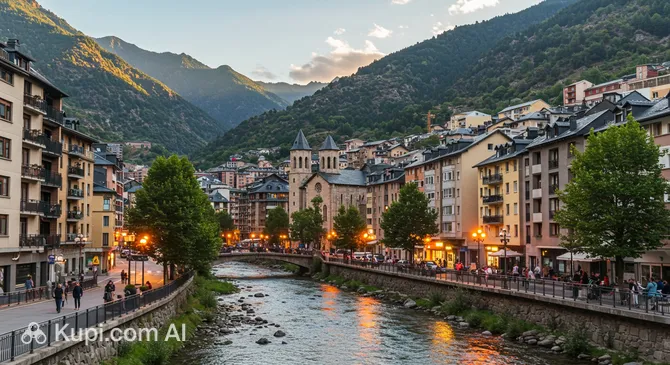
Welcome to Andorra la Vella, the charming capital of the Principality of Andorra. Nestled high in the eastern Pyrenees between France and Spain, this city offers a unique blend of modern vibrancy and old-world charm. As the highest capital city in Europe, situated at an elevation of 1,023 meters, it provides visitors with breathtaking mountain views and crisp, fresh air year-round.

Andorra la Vella. Source: Kupi.Binoculars

Despite its relatively small population of approximately 22,000 residents, the city is the bustling heart of the country. It serves as the commercial and cultural hub, drawing travelers who are eager to explore the fascinating history of Andorra la Vella. A stroll through the Barri Antic, the historic old quarter, reveals cobblestone streets and stone houses that whisper tales of the past, including the iconic Casa de la Vall, which served as the parliamentary house for centuries.

Beyond its historical significance, the city is a paradise for modern leisure. It is renowned as a premier destination for tax-free shopping, with avenues lined with boutiques offering luxury goods, electronics, and fashion. For those seeking relaxation, the futuristic spire of the Caldea spa complex dominates the skyline, inviting guests to unwind in southern Europe's largest thermal spa. Whether you are here for the slopes, the shops, or the scenery, Andorra la Vella promises an unforgettable alpine experience.

Weather Overview

The climate in this high-altitude capital is defined by its location in the Pyrenees, offering distinct seasons that appeal to different types of travelers. To help plan your packing, it is helpful to check the detailed forecast for the weather in Andorra la Vella before your trip. Generally, the city experiences cool, crisp conditions due to its elevation, but summers can be delightfully mild and are perfect for outdoor activities.

During the summer months of June through August, the weather is comfortable for exploring, with average maximum temperatures reaching up to 21.3°C in July. While these months are the warmest, they are not entirely dry; visitors should be prepared for regular precipitation, as there are typically between 15 and 18 wet days per month during this period. Conversely, winters are cold and atmospheric. From December to February, average temperatures hover near freezing, often dipping to a minimum of -4.3°C in January, creating a crisp environment often associated with nearby skiing opportunities.

Spring and autumn serve as transitional periods with moderate temperatures and changing scenery. May is notably one of the most frequent months for precipitation, featuring around 20 wet days, while October sees cooler average temperatures of roughly 9.0°C. Overall, you can expect mild summers with frequent showers and cold winters suitable for enjoying the alpine atmosphere.

Interesting Facts

Beyond the main attractions and tax-free shopping, Andorra la Vella holds many fascinating secrets that surprise even seasoned travelers. Discover the unique quirks and hidden gems that make this high-altitude capital truly one of a kind.
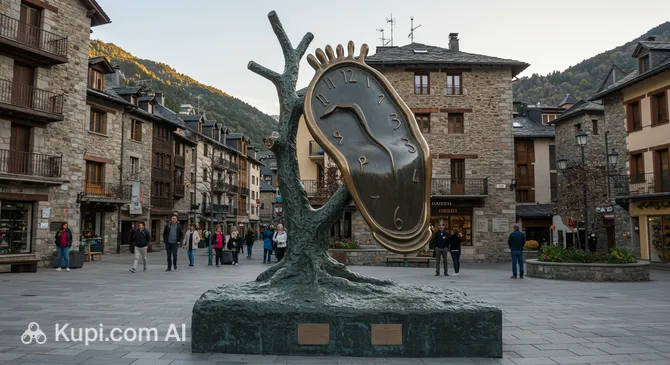
The Nobility of Time. Source: Kupi.Binoculars
  • Art lovers might be surprised to find a masterpiece by the surrealist genius Salvador Dalí right in the city center. The bronze sculpture known as The Nobility of Time depicts a melting clock draped over a tree trunk, symbolizing the fluidity of time, and stands prominently in the Rotonda Square for all to admire.

  • Inside the historic Casa de la Vall, there is a legendary wooden cupboard known as the "Closet of the Seven Keys." For centuries, it held the country's most important documents and could only be opened if a representative from each of Andorra's seven parishes was present with their unique key, ensuring collective decision-making.

  • The city is encircled by a "Green Ring" of natural paths, including the scenic Rec del Solà Trail. This flat, paved walkway follows the route of an ancient irrigation canal, allowing visitors to walk horizontally above the rooftops and enjoy panoramic views of the valley without a strenuous climb.

  • Andorra la Vella is one of the few national capitals in the world that does not have its own airport or train station. The city is accessible solely by road, making the journey through the winding Pyrenean mountain passes an essential and scenic part of the arrival experience.

How to Get There

Reaching this mountain capital is an adventure in itself, as the city does not have its own airport or railway station due to its rugged terrain. Travelers typically fly into major hubs in neighboring Spain or France and complete the journey by road. For a comprehensive guide on planning your route, you can read more about how to get to Andorra la Vella.

The most common entry point for international travelers is Barcelona-El Prat Airport (BCN). While it is located in Barcelona, Spain, it serves as a primary gateway approximately 142 km away. From here, regular bus services operate directly to Andorra, with the journey taking roughly 3.5 to 4 hours depending on traffic and border controls. This airport handles a massive volume of passengers, ensuring excellent connectivity with cities worldwide.

Another excellent option, particularly for those coming from the north, is Toulouse-Blagnac Airport (TLS). Located in Toulouse, France, about 125 km from Andorra la Vella, it offers a scenic route through the French Pyrenees. The transfer time by road is similar, taking approximately 3.5 hours. While slightly smaller than Barcelona's hub, it is still a significant international airport with numerous connections.

For clarity, here is a summary of the main airports:

Airport Name City Passenger Traffic Km from City
Barcelona-El Prat AirportBarcelonaVery High142.0
Toulouse-Blagnac AirportToulouseHigh125.4
Girona-Costa Brava AirportGironaMedium122.4
Llabanère AirportPerpignanSmall113.7
Carcassonne AirportCarcassonneSmall101.6

If you prefer traveling by train, you will also need to combine rail travel with a bus transfer. The city of Andorra la Vella does not have a railway station, but you can arrive at the Sants Railway Station in the city of Barcelona, which is about 135 km from Andorra la Vella. It is a major hub with high-speed connections, and from there, you can catch a direct bus to the principality, which takes about 3.5 hours.

Alternatively, travelers coming from France often use Matabiau Station in Toulouse. Situated approximately 123 km away, it connects to the French high-speed rail network. Shuttle buses are available from the station to Andorra la Vella, making the final leg of the trip a comfortable drive of around 3.5 hours through beautiful mountain landscapes.

Below is a list of the nearest major railway stations:

Station City Passenger Traffic Km to Center
Sants Railway StationBarcelonaVery High135.3
Matabiau StationToulouseHigh122.9
Girona Railway StationGironaMedium121.9
Perpignan StationPerpignanMedium113.4
Lleida Railway StationLleidaMedium122.8

Main Attractions

Attractions:

Andorra la Vella is a city where history and modernity coexist seamlessly, offering visitors a variety of sites ranging from ancient political seats to contemporary leisure hubs. Whether you are a history buff, a nature lover, or a shopping enthusiast, the city's main landmarks provide a comprehensive look into the culture and lifestyle of this Pyrenean principality.

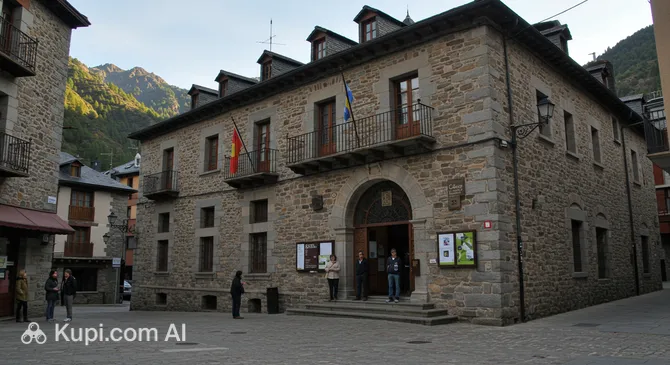
Casa de la Vall. Source: Kupi.Binoculars

A cornerstone of Andorran history is the Casa de la Vall. Constructed in 1580 as a manor house for the Busquets family, it was purchased in 1702 by the General Council to serve as the seat of parliament. This distinguished stone building is a fine example of Catalan vernacular architecture, complete with a defense tower and a pigeon loft. Inside, tourists can explore the historic courtroom and the Hall of Lost Steps, where ancient murals and the country's political legacy are preserved, making it an essential stop for understanding the region's past.

For a peaceful retreat right in the city center, Central Park (Parc Central) offers a beautifully designed green space. Created by architect Daniel Gelabert, the park is intended to be a "green lung" for the capital. It features inviting walking paths, rock gardens, and water elements that reflect the natural beauty of the surrounding mountains. It is the perfect place for families and weary shoppers to take a break, enjoy the fresh mountain air, and admire the local flora in a manicured setting.

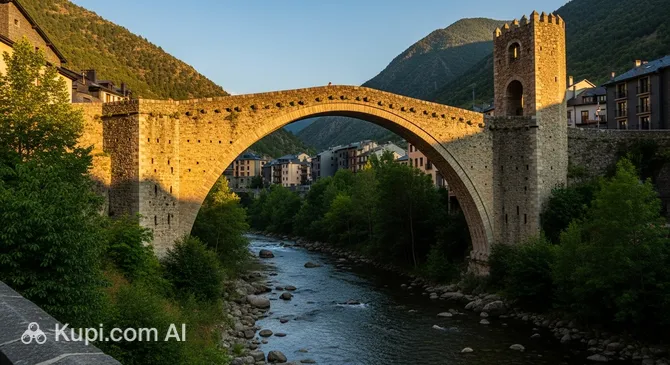
La Margineda Bridge. Source: Kupi.Binoculars

Just a short distance from the main urban hub, you will find the impressive La Margineda Bridge. Spanning the Valira River, this is the largest and slimmest medieval bridge in the principality, stretching 33 meters in length. Dating back to the 12th century, its robust Romanesque stone arch stands as a testament to medieval engineering. The site is historically significant and offers a picturesque backdrop, particularly for those interested in the ancient trade routes that once crossed these valleys.

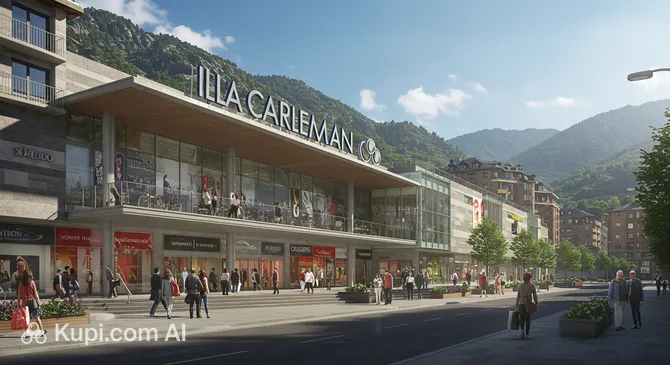
Illa Carlemany Shopping Centre. Source: Kupi.Binoculars

Representing the modern vibrancy of the capital is the Illa Carlemany Shopping Centre. As a premier destination for Andorra's famous tax-free shopping, this architectural landmark is situated on the main commercial avenue. Designed by Pere Aixàs, the building is known for its striking facade and natural light. Inside, visitors can find a vast array of international fashion brands, restaurants, a cinema, and a gym, making it a lively center for entertainment and retail therapy.

Local Cuisine

The culinary landscape of Andorra la Vella is a delicious reflection of its location in the Pyrenees, offering a hearty blend of Catalan traditions and French influences. The food here is designed to provide warmth and energy, making it perfect for the mountain climate. One of the most iconic dishes you must try is Escudella, a rich and savory stew often cited as the national dish. It is typically prepared with a variety of meats, such as pork and veal, alongside seasonal vegetables and pasta shells, creating a comforting bowl full of flavor.

Another staple of the local gastronomy is Trinxat, a simple yet satisfying dish hailing from the nearby Cerdanya region. It consists of mashed potatoes and cabbage mixed with bacon, usually fried to form a cake-like shape. Meat lovers will also appreciate the abundance of grilled meats and game, such as wild boar or hare, which are common on menus during the hunting season. For a true taste of Catalan culture, adventurous eaters might enjoy Cargols a la llauna, oven-roasted snails served with a side of garlic aioli.

When it comes to beverages, the local culture leans towards warming and herbal drinks. While you will find an excellent selection of wines from neighboring Spain and France, you should try Ratassia as a digestif. This traditional herbal liqueur is made from walnuts and a blend of aromatic plants gathered from the mountains, offering a sweet and spicy finish to a meal. It is a beloved local tradition often shared after a heavy dinner.

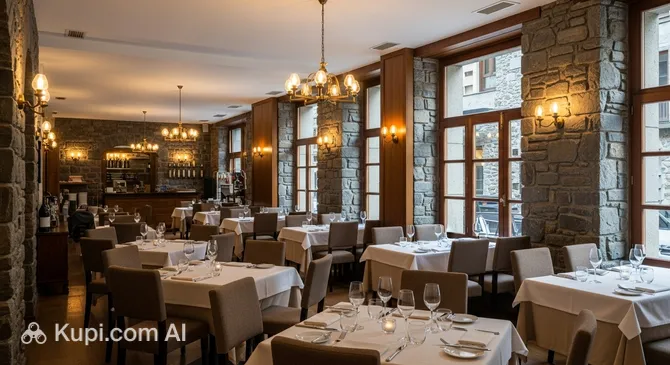
Malandra. Source: Kupi.Binoculars

The dining scene in the capital is diverse, ranging from historic venues to modern eateries. A quintessential Andorran experience is dining in a borda, a traditional stone barn that has been converted into a rustic restaurant serving homemade cuisine. For those seeking a more contemporary atmosphere in the city center, you can visit Malandra, which offers a stylish setting to enjoy high-quality ingredients. Alternatively, for a meal that combines gastronomy with a focus on health, the Grand Plaza Restaurant & Wellness provides a refined option for travelers looking to relax.

Travel Tips

To ensure your visit to the highest capital in Europe is as smooth as it is scenic, we have compiled a list of essential practical advice. These tips will help you navigate the unique aspects of Andorra la Vella, from its mountain climate to its specific connectivity rules.

  1. Clothing and Gear: Due to the high altitude, the weather can be unpredictable. It is essential to bring layers regardless of the season; evenings can be cool even in summer. Comfortable, sturdy walking shoes are a must, as the city is built on a slope and involves plenty of walking on cobblestones. If you plan to visit churches like Sant Esteve, modest attire covering shoulders and knees is recommended.
  2. Transportation: Andorra la Vella is compact and best explored on foot, though be prepared for some steep inclines. For longer distances or to visit other parishes, the public bus network is reliable, clean, and affordable. There are no metros or trams, and ride-hailing apps like Uber are generally not available; instead, use official white taxis which can be hailed or booked by phone.
  3. Finances: The official currency is the Euro (€). Credit and debit cards are widely accepted in shops and restaurants, but carrying some cash is useful for small purchases or parking meters. Andorra is famous for being a tax-free haven, making luxury goods more affordable, but remember that tipping is not mandatory, though rounding up the bill or leaving 5-10% for good service is appreciated.
  4. Health and Safety: Andorra is one of the safest countries in the world with a very low crime rate. Pharmacies are marked with a green cross, and there is usually one on duty 24/7 (farmàcia de guàrdia). The main hospital, Hospital Nostra Senyora de Meritxell, provides excellent care. Remember to stay hydrated and wear sunscreen, as the sun is stronger at this altitude.
  5. Communication: The official language is Catalan, but Spanish, French, and Portuguese are widely spoken. English is generally understood in tourist areas and shops. Crucial Tip: Andorra is not part of the EU roaming zone for many mobile carriers. Data charges can be exorbitant, so check with your provider beforehand, turn off data roaming, or buy a local prepaid SIM card or an eSIM upon arrival to avoid unexpected bills.
  6. Local Etiquette: Andorrans are polite and reserved. A friendly greeting of "Bon dia" (Good morning) or "Hola" (Hello) when entering a shop or elevator goes a long way. The pace of life is relaxed, so be patient with service. It is also customary to respect silence in residential areas and public spaces during the night.
  7. What to Avoid: Do not assume that because you are between France and Spain, EU rules apply to everything—specifically mobile data (as mentioned) and customs. Avoid exceeding the duty-free allowance limits when leaving the country; customs officers at the French and Spanish borders frequently check vehicles for excess tobacco and alcohol.
  8. Shopping Hours: Unlike many European cities where everything closes on Sundays, shops in Andorra la Vella often remain open seven days a week to accommodate tourists. However, be aware that some smaller boutiques may close for a couple of hours in the early afternoon (siesta time) between 1:30 PM and 3:30 PM.

Armed with these practical tips, you are ready to enjoy everything Andorra la Vella has to offer, from its tax-free shopping avenues to its historic stone streets. Enjoy your stay in this beautiful Pyrenean gem!

Entertainment & Nightlife

While Andorra la Vella is often associated with daytime skiing and tax-free shopping, the capital also comes alive after sunset with a vibrant and diverse nightlife scene. The city offers a welcoming mix of cozy pubs, sophisticated wine bars, and lively clubs that cater to both locals and the international crowd. The atmosphere is generally relaxed and friendly, reflecting the safety and warmth of the principality, though the energy ramps up significantly during the winter ski season and summer weekends.

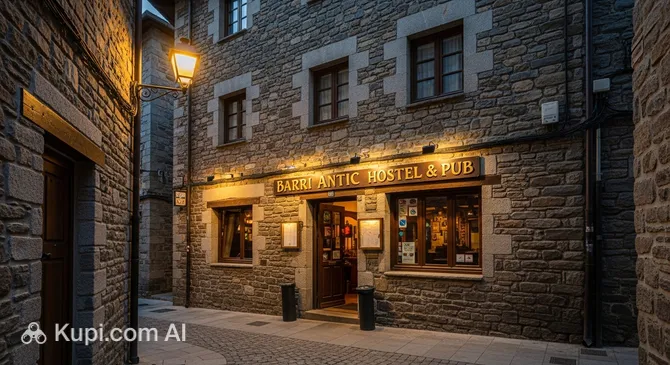
The nightlife is primarily concentrated in two main areas: the historic Barri Antic (Old Quarter) and the modern commercial district around Avinguda Meritxell. In the narrow, cobblestone streets of the Old Quarter, you will find venues with character and history. A popular spot here is the Barri Antic Hostel & Pub. Known for its eclectic decor and spirited atmosphere, it is a favorite meeting place for travelers and locals alike to enjoy a beer and good music on the terrace or inside its rustic walls.

Barri Antic Hostel & Pub. Source: Kupi.Binoculars

For those seeking a more refined evening, the city boasts several establishments dedicated to gastronomy and mixology. If you appreciate high-quality wines and creative tapas, Atelier is an excellent choice. This venue combines a chic ambiance with a passion for culinary delights, making it perfect for a relaxed night out with friends or a romantic partner. The dress code in most bars is smart-casual; while hiking gear is common during the day, people tend to dress up slightly more for the evening, especially in wine bars and clubs.

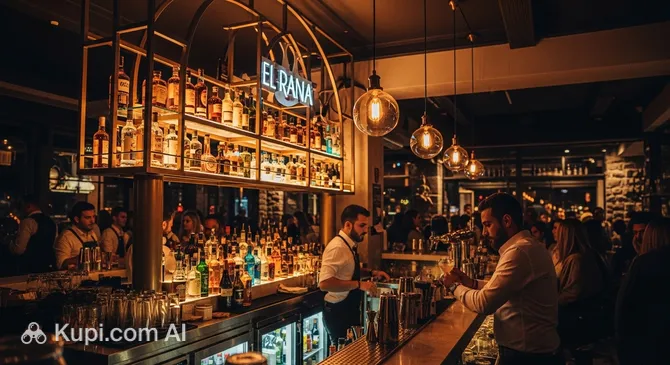
As the night progresses, the energy shifts towards cocktails and dancing. El Rana Cocktail Bar is a standout destination for those who take their drinks seriously. With a menu of signature cocktails and a stylish interior, it provides a sophisticated setting to unwind before heading to a late-night venue. For those who want to dance until the early hours, clubs like the Energy Club offer vibrant beats and a bustling crowd, keeping the party going well past midnight.

El Rana Cocktail Bar. Source: Kupi.Binoculars

Practicality is key to enjoying a night out in Andorra la Vella. The nightlife typically starts later than in northern Europe, influenced by Spanish customs; bars often get busy around 11:00 PM, and clubs peak after 1:00 AM. Prices are generally reasonable compared to major European capitals, thanks in part to the low tax rates on alcohol. The city is incredibly safe for night walks, but public transport is limited late at night. It is advisable to use the reliable local taxi service to get back to your hotel if it is not within walking distance.

Before the sun sets, the city offers plenty of daytime entertainment to fill your schedule. Beyond the famous shopping avenues, visitors can explore cultural gems like the Casa de la Vall museum or enjoy family fun at the local amusement spots. For ultimate relaxation before a night out, many tourists spend the afternoon at the Caldea thermal spa, recharging their batteries in its famous thermal waters.

Parks & Museums

While Andorra la Vella is famous for its bustling avenues and retail therapy, the city also prides itself on preserving green sanctuaries and celebrating its rich cultural heritage. Beyond the shop windows, visitors can discover tranquil parks that offer a breath of fresh mountain air and museums that safeguard the principality's unique history and artistic legacy.

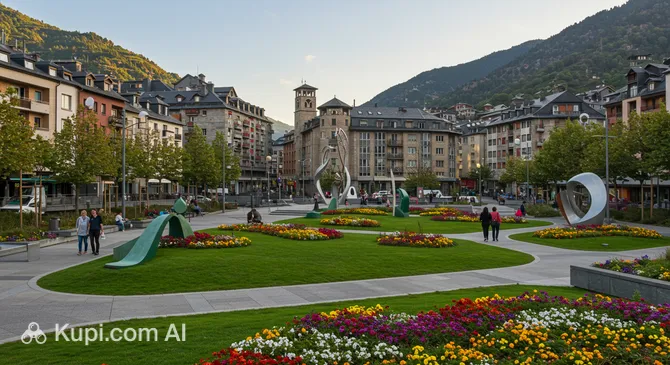
The green heart of the city is undoubtedly Central Park (Parc Central). Designed to be an oasis amidst the urban landscape, this park is a favorite among locals for its beautifully manicured lawns and relaxing atmosphere. It features a winding stream, rock gardens that pay homage to the local geology, and ample playgrounds for children. For tourists, it serves as the perfect picnic spot or a quiet place to read a book while admiring the surrounding peaks that frame the city skyline.

Central Park. Source: Kupi.Binoculars

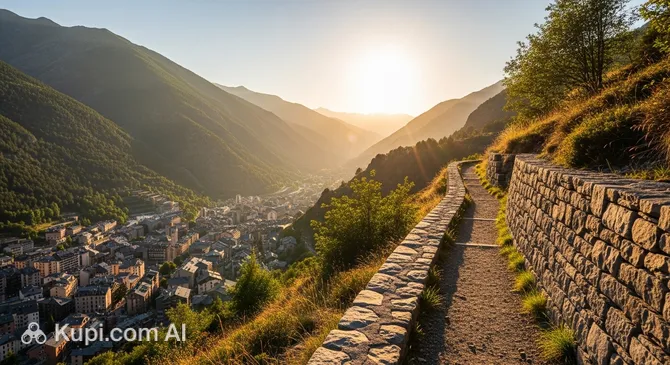
For those who prefer a walk with a view, the Rec del Solà Trail offers a unique "green ring" experience. This flat, paved path follows the course of an historic irrigation canal along the sunny side of the valley slope. It is an accessible route that allows you to walk above the rooftops of the capital, providing panoramic views of the city and the mountains without the need for a strenuous hike. Walking here gives you a glimpse into the agricultural past of the parish, as the path weaves through small vegetable gardens and cherry trees that are still cultivated by residents today.

Rec del Solà Trail. Source: Kupi.Binoculars

When it comes to museums, the city offers fascinating insights into its Romanesque roots. A standout cultural venue is the Espai Columba, located in the village of Santa Coloma within the parish. This modern facility is dedicated to the preservation of Romanesque mural painting. It is situated just steps away from the historic Church of Santa Coloma, one of the oldest in the country. The museum is particularly interesting for its use of technology, including video mapping that virtually recreates the original colorful frescoes inside the church, allowing visitors to see the art exactly as it looked centuries ago.

Another cultural highlight is the Bici Lab Andorra, a museum celebrating the deep connection between the country and cycling. As a regular host of the Tour de France and Vuelta a España, Andorra has a vibrant cycling culture. This interactive museum features a collection of historical bicycles and offers immersive experiences that explain the evolution of cycling technology. It is an engaging stop for sports enthusiasts and families alike, showcasing a different, more modern facet of Andorran identity compared to the traditional stone manor of Casa de la Vall.

For a truly authentic experience, take a moment to explore the Madriu-Perafita-Claror Valley. While the main entrance requires a hike, the trailheads are accessible from the parish outskirts. As a UNESCO World Heritage site, it represents the spiritual and cultural heart of the Pyrenees, offering a pristine natural environment that has remained largely unchanged for millennia, perfect for those seeking solitude and raw nature.

Getting Around

Navigating Andorra la Vella is straightforward and convenient, primarily due to its compact size and efficient road-based network. Since the city is located in a narrow valley and does not have a metro, tram, or railway system, the public transport infrastructure relies entirely on a well-organized bus service. For most visitors, the combination of walking and using the local buses is the most practical way to explore the capital and its immediate surroundings.

The backbone of the city's internal transport is the Bus Comunal. These are smaller, color-coded buses specifically designed to connect the city center with the outlying residential areas of the parish, such as Santa Coloma and La Margineda. There are three main lines (LV, LS, and LM) that circulate frequently throughout the day. These buses are perfect for saving your legs from the steep inclines if your accommodation is located away from the main shopping avenues.

One of the most tourist-friendly aspects of the Bus Comunal is the pricing. The fare is symbolic and incredibly affordable, costing just €0.10 per ride. You can purchase a ticket directly from the driver upon boarding; exact change is appreciated but not strictly required for such small amounts. The buses typically operate from around 7:00 AM to 9:00 PM, with reduced frequency on weekends and public holidays. It is important to check the specific timetable at the bus stop, as intervals can vary.

For travel beyond the city limits to other parishes or ski resorts, you will need to use the National Bus lines (often Clipol or Coopalsa). These are larger coaches that depart from the main bus station (Estació Nacional d'Autobusos) and various stops along the main road. Unlike the local communal bus, fares for these lines are zone-based, starting at approximately €1.90 for a single trip. Tickets for these can also be bought on board in cash, or you can purchase multi-trip travel cards at the bus station if you plan to travel extensively across the country.

If you prefer a more direct mode of transport, taxis are readily available, though they operate differently than in many other European capitals. You cannot use ride-hailing apps like Uber or Bolt here. Instead, you must use the official white taxis with yellow roofs. You can find them at designated ranks in the city center or book one by phone. They are reliable and use a meter, making them a safe option for late-night returns when bus services have stopped.

For an eco-friendly alternative, the city offers an electric bike-sharing system known as Cicland. Given the mountainous terrain, these e-bikes are a fantastic way to get around without exhausting yourself on the hills. To use them, you need to download the Cicland app and register. While the city center is pedestrian-friendly and best explored on foot, renting an e-bike allows you to easily reach the scenic trails on the outskirts, such as the Rec del Solà.

A unique feature of Andorra la Vella's "transport" network involves its vertical accessibility. Because the city is built on the side of a valley, there are several public elevators and escalators connecting the lower part of the city (near the river) with the upper historic districts and the government buildings. These are free to use and are essential for moving comfortably between different levels of the city without a strenuous hike.
Accommodation

Finding the perfect place to stay in Andorra la Vella is easy, as the city offers a diverse range of accommodation options to suit every budget and travel style. From luxurious five-star hotels with extensive spa facilities to cozy, budget-friendly hostels, the capital is well-equipped to host its many visitors. Most accommodations are designed with the mountain environment in mind, often featuring stone and wood interiors, heated storage for ski equipment, and easy access to transport links.

For those who love to be in the center of the action, the area surrounding Avinguda Meritxell is the most convenient choice. Staying here places you within walking distance of the major tax-free shopping centers, restaurants, and the famous Caldea spa. Travelers seeking a more atmospheric and historic setting should consider the Barri Antic (Old Quarter). This area offers a charming escape with its narrow cobblestone streets and proximity to the city's main cultural landmarks.

If you are looking for a social atmosphere or a budget-friendly option in the heart of the historic district, the Barri Antic Hostel & Pub is a popular choice. It caters to backpackers and groups, providing a lively base for exploring the city. While the city center is compact, visitors seeking high-end comfort will also find several prestigious hotels that offer wellness centers and gourmet dining, perfect for relaxing after a day of hiking or skiing.

Booking Tip: Andorra la Vella is a year-round destination, but demand peaks significantly during the winter ski season (December to March) and the summer holidays (July and August). It is highly recommended to book your accommodation well in advance during these periods to secure the best rates and availability.

Price Range and Booking: Prices vary depending on the season and proximity to the main shopping avenues. You can generally find affordable hostels and mid-range hotels for a reasonable price, while luxury resorts will command a premium. Booking is most commonly done through major online platforms, though contacting smaller establishments directly can sometimes yield better offers or specific package deals.

Nearby Cities

For those looking to explore the surroundings, Andorra la Vella serves as an excellent base for day trips to several interesting nearby locations. Because the country is so compact, many of these destinations are just a short drive or bus ride away.

One of the closest neighbors is Escaldes-Engordany, which is physically contiguous with the capital. It is renowned for its natural thermal waters and serves as a gateway to the stunning Madriu-Perafita-Claror Valley, a UNESCO World Heritage site. Heading north, the town of Ordino is a must-visit for culture lovers; it is often described as the most picturesque village in the country, featuring historic manor houses and curious museums like the Miniature Museum. For those seeking adventure, Sant Julià de Lòria to the south is home to Naturland, an adventure park famous for its alpine toboggan and outdoor activities.

City Population Distance (km)
Escaldes Engordany145211
Encamp1233811
La Massana100764
Sant Julià de Lòria91565
Ordino48586

These nearby destinations offer a glimpse into the diverse culture and landscapes of the region, allowing visitors to experience the full breadth of Andorran life beyond the capital.

Shopping & Souvenirs

Shopping in Andorra la Vella is not just a pastime; it is a major attraction that draws millions of visitors annually. Thanks to the principality's favorable tax policies, the capital serves as a sprawling open-air mall where luxury goods, electronics, and cosmetics can often be found at prices significantly lower than in neighboring France or Spain. The city center is a vibrant hub of commerce, blending high-end fashion with traditional local shops, making it a paradise for retail enthusiasts.

The commercial heartbeat of the city is Avinguda Meritxell. This bustling avenue, often referred to as "The Shopping Mile," stretches across the capital and seamlessly connects with the shopping district of Escaldes-Engordany. It is lined with hundreds of storefronts offering everything from the latest designer apparel and jewelry to top-tier sports equipment. Whether you are looking for a new ski outfit, a sophisticated watch, or the latest gadgets, a walk down this street provides endless options.

For a more concentrated retail experience, the city boasts several modern complexes. The Illa Carlemany Shopping Centre is a standout architectural landmark on the main avenue. Inside, visitors can explore floors of international brands, enjoy a meal, or catch a movie. Another key destination is the Centre Comercial Andorrà, which offers a wide selection of duty-free products, including perfumes, tobacco, and spirits, all under one roof.

No shopping trip to Andorra la Vella is complete without visiting the historic Pyrénées Andorra department store. It is an institution in the city, known for its extensive gourmet food market, high-fashion boutiques, and electronics department. Beyond the big names, the side streets of the Barri Antic offer smaller, family-run shops where you can find unique local crafts, artisanal foods, and souvenirs that reflect the Andorran culture.

Most shops in the capital are open seven days a week, typically from 10:00 AM to 8:00 PM, with extended hours on weekends and during peak holiday seasons. While the savings are tempting, travelers must be mindful of customs allowances. Since Andorra is not in the EU, there are strict limits on the amount of alcohol, tobacco, and other goods you can take back into France or Spain duty-free. It is advisable to check the current regulations before making large purchases to ensure a smooth journey home.

Reached the end of the page?

That means the route is fully explored