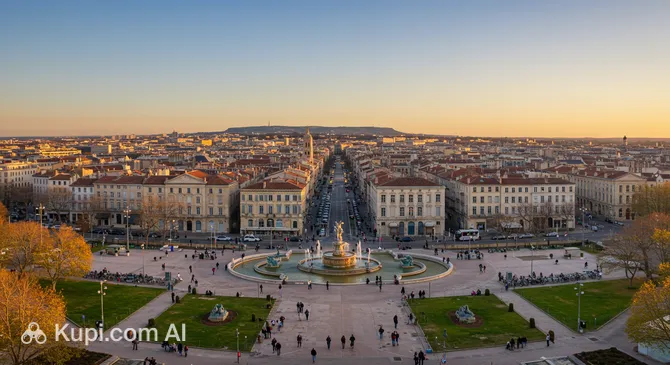
Montpellier is a dynamic and sun-soaked destination that effortlessly blends a rich heritage with a youthful, vibrant energy. Located in the Occitanie region of southern France, just a short distance from the Mediterranean Sea, this city is celebrated for its elegant architecture, lively squares, and relaxed lifestyle. With a population of approximately 295,000, it offers the amenities of a major metropolis while maintaining a welcoming and walkable atmosphere.
Montpellier. Illustration.
Source: Kupi.com AI
The city's character is defined by its unique mix of the old and the new. Walking through the historic center, known as L'Écusson, visitors can wander through narrow medieval streets lined with private mansions and charming boutiques. To fully appreciate how this settlement evolved from a trading post to a cultural hub, exploring the history of Montpellier is a must for any traveler. The city is also home to one of the oldest medical schools in the Western world still in operation, adding a scholarly prestige to its streets.
Among the top attractions is the iconic Place de la Comédie, the beating heart of the city where locals and tourists gather near the Three Graces fountain. Another highlight is the Promenade du Peyrou, a royal esplanade offering panoramic views of the surrounding area and the impressive Saint-Clément Aqueduct. Whether you are strolling through the botanical gardens or enjoying the sunny climate at a café terrace, Montpellier invites you to experience its unique art de vivre.
Weather Overview
Montpellier benefits from a pleasant Mediterranean climate, characterized by hot, dry summers and mild, damp winters. During the peak summer months of July and August, the weather is typically sunny with average temperatures hovering around 24°C to 25°C and daytime highs frequently reaching 30.4°C. This is the driest time of the year, with July seeing as few as 4 wet days, making it an ideal season for outdoor exploration and enjoying the nearby coast.
As the year progresses, the city cools down, though it rarely experiences freezing conditions. January is generally the coldest month, with average temperatures of 7.4°C and nightly lows dipping to around 3.7°C. Rainfall becomes more frequent in the autumn, particularly in October and November, which typically record about 12 wet days each. To help you pack appropriate clothing for your trip, you can consult the detailed guide to the weather in Montpellier.
Average monthly temperature
Average monthly precipitation
Interesting Facts
Beyond the main attractions, Montpellier holds many fascinating secrets that reveal its unique character and history. From scientific breakthroughs to architectural oddities, these hidden gems offer a deeper look into the city's past.
Unlike its close neighbors Nîmes and Arles, Montpellier is one of the few major cities in the south of France with absolutely no Roman heritage. It was founded much later, around the 10th century, rising to prominence through trade and education rather than ancient conquest.
The city is home to the oldest medical school in the Western world still in operation, where the famous prophet Nostradamus once studied. Interestingly, he was expelled shortly after enrollment for practicing as an apothecary and indulging in "forbidden" trade, though the university remains a prestigious institution today.
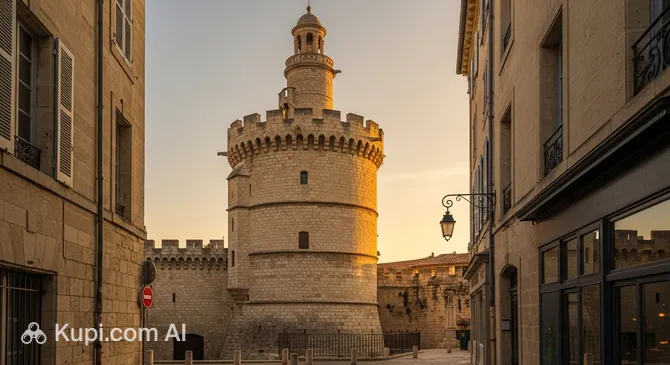
The Babote Tower was the site of a revolutionary scientific experiment in 1783. It was from this observatory that Louis-Sébastien Lenormand made the first recorded parachute jump in history, successfully landing in front of an astonished crowd.
Created in 1593 by decree of King Henry IV, the Montpellier Botanical Garden is the oldest of its kind in France. It was originally designed to study medicinal plants and served as the direct model for the famous Jardin des Plantes in Paris.
Babote Tower. Illustration.
Source: Kupi.com AI
Traveler photos:
How to Get There
Reaching this sunny destination in the south of France is quite convenient, thanks to its well-connected transport network. Whether you are arriving from within Europe or further afield, there are multiple options to suit your itinerary. For a comprehensive guide on all available transport methods, you can read more about how to get to Montpellier.
The most direct way to arrive by air is via Montpellier Mediterranee Airport (IATA: MPL). This international airport is located just 7.6 km from the city center, making the transfer very quick. A taxi or shuttle ride to the heart of the city typically takes about 30 minutes. Although it is a medium-sized hub, it handles significant traffic and offers connections to various European cities.
For travelers looking for a wider range of international flights, Marseille Provence Airport (IATA: MRS) is a major alternative. Situated in Marseille, approximately 109.9 km away, it is a large transport hub serving millions of passengers annually. From here, you can reach Montpellier by renting a car or taking a train, with the journey by road taking approximately 1 hour and 45 minutes depending on traffic.
For clarity, here is a summary of the main airports:
If you prefer traveling by rail, the city is excellently served by the Montpellier Railway Station (IATA: XPJ). Located right in Montpellier, a mere 0.8 km from the city center, this station is a major hub with high passenger traffic. Its central location means you can often reach your hotel on foot or via a very short taxi ride of about 20 minutes. It connects the city efficiently to Paris and other major French regions.
Montpellier is a city where history and modernity coexist in perfect harmony, offering visitors a wealth of sites to explore. From grand architectural feats to world-class cultural institutions, the city's landmarks tell the story of its evolution from a medieval trading center to a vibrant contemporary metropolis. Here are some of the most captivating places to visit during your stay.
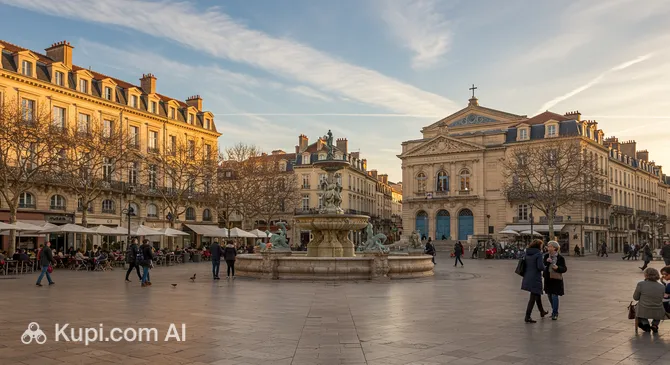
No visit to the city is complete without spending time at the Place de la Comédie. Situated at the heart of the city, this oval-shaped square is affectionately known as "l'Œuf" (the Egg) due to its original form. It is one of the largest pedestrian areas in Europe, dominated by the elegant 19th-century opera house and the iconic Three Graces fountain. It serves as the perfect starting point for exploring the historic center, bustling with street artists, cafes, and the vibrant energy of local life.
Place de la Comédie. Illustration.
Source: Kupi.com AI
Traveler photos:
Art enthusiasts should prioritize a visit to the Musée Fabre, one of the most significant fine arts museums in France. Founded in 1825 by the painter François-Xavier Fabre, the museum houses an exceptional collection of European art ranging from the Renaissance to the present day. Visitors can admire masterpieces by Rubens, Delacroix, and Courbet, as well as an impressive collection of ceramics and contemporary works, all housed within a beautifully renovated historic building.
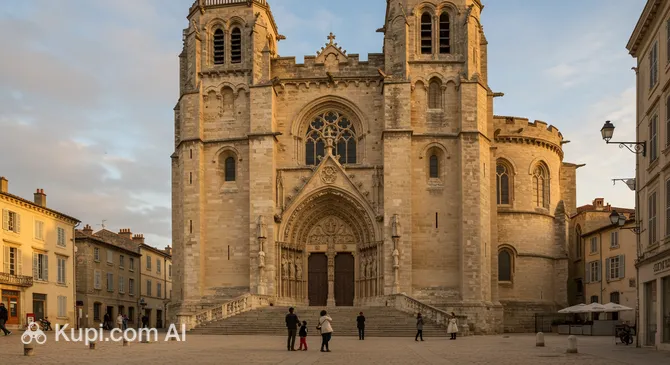
For a glimpse into the city's religious heritage and medieval architecture, the Montpellier Cathedral (Cathédrale Saint-Pierre) is a must-see. As the only major church in the city to have survived the Wars of Religion, it stands as a fortress of faith with its massive porch supported by two monumental twin pillars. The interior offers a stark yet majestic gothic atmosphere, providing a cool and quiet retreat from the sunny streets outside.
Montpellier Cathedral. Illustration.
Source: Kupi.com AI
Traveler photos:
Just a short walk from the historic center stands the majestic Arc de Triomphe of Montpellier. Also known as the Porte du Peyrou, this triumphal arch was built in the late 17th century to honor King Louis XIV. It marks the grand entrance to the royal Promenade du Peyrou and features intricate bas-reliefs depicting significant events from the monarch's reign. Passing through the arch offers a regal perspective of the city and leads directly to some of the best panoramic views in the region.
Local Cuisine
Montpellier offers a gastronomic experience that perfectly mirrors its sunny, Mediterranean setting. The local cuisine is a flavorful blend of fresh seafood from the nearby coast and rustic products from the Languedoc hinterland. Olive oil, garlic, and aromatic herbs like thyme and rosemary are the cornerstones of many dishes, creating aromas that fill the narrow streets of the historic center.
One of the most iconic specialties you will encounter is the Tielle Sétoise. Although originally from the neighboring port of Sète, this spicy octopus and tomato pie is a beloved snack throughout Montpellier, often enjoyed on the go or as an appetizer. Another must-try is Brasucade de moules, a dish consisting of mussels cooked over an open fire of vine wood, which imparts a unique smoky flavor. For cheese enthusiasts, the region produces Pélardon, a small, creamy goat cheese from the Cévennes mountains that pairs beautifully with local bread.
Those with a sweet tooth should look for the Grisettes de Montpellier. These small, pea-sized candies made from honey and licorice have been a traditional treat since the Middle Ages and make for a perfect edible souvenir. The city's markets, such as the Halles Castellane, are excellent places to discover these local treasures and mingle with residents shopping for fresh produce.
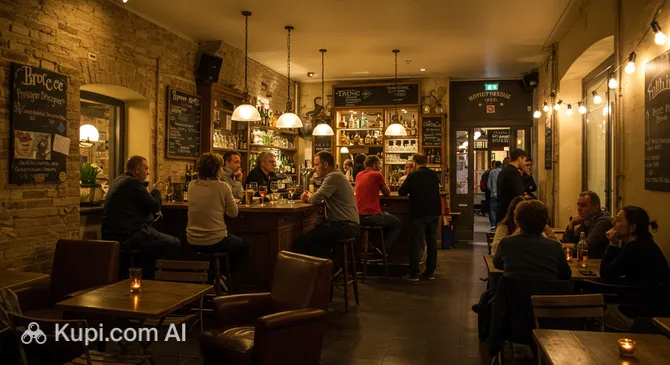
Dining out is an integral part of the local lifestyle, with countless terraces spilling out onto squares and cobblestone lanes. For a relaxed brunch or a quality coffee break, you might visit Coldrip Food and Coffee, a spot that reflects the city's modern and youthful vibe. As the evening sets in, the atmosphere becomes even more vibrant. Places like Broc Café offer a great setting to enjoy the nightlife and soak up the local energy.
Broc Café. Illustration.
Source: Kupi.com AI
Traveler photos:
No culinary journey here would be complete without sampling the local wines. Montpellier sits in the heart of the Languedoc vineyard, one of the largest wine-producing regions in the world. Be sure to try a glass of Pic Saint-Loup or a vintage labeled Grés de Montpellier. For a non-alcoholic option, artisan lemonades and fruit juices utilizing the region's abundant fruit harvest are widely available and refreshing on a hot summer day.
Travel Tips
To ensure your visit to Montpellier is as relaxing and enjoyable as the local lifestyle, a little preparation goes a long way. This vibrant Mediterranean city is incredibly welcoming, but knowing a few practical details about logistics and local customs will help you navigate the streets like a pro.
Clothing and Gear: Montpellier enjoys a sunny Mediterranean climate, so if you are visiting in summer, lightweight, breathable fabrics, sunglasses, and a hat are essential. Winters are mild but can be damp, so a waterproof jacket and layers are recommended. Most importantly, the historic center, L'Écusson, is paved with ancient cobblestones. Leave the high heels at home and pack comfortable walking shoes to explore the pedestrian streets without discomfort.
Transportation: The best way to get around is by using the excellent public transport network, TaM. The city is famous for its colorful trams, designed by Christian Lacroix, which connect all major districts and the train station. Driving in the city center is strongly discouraged as it is largely pedestrianized and parking is scarce. For short distances, the city is very walkable, or you can use the Vélomagg bike-sharing service.
Finances: The currency is the Euro (€). Credit and debit cards are widely accepted in hotels, restaurants, and shops, often even for small amounts via contactless payment. However, it is wise to carry some cash for small purchases at local markets or bakeries. Tipping is not mandatory as a service charge is included in the bill, but leaving small change or rounding up is a polite gesture if you enjoyed the service.
Health and Safety: Montpellier is generally a safe city for tourists. Pharmacies are easily recognized by a flashing green cross and are plentiful throughout the city; they can provide advice for minor ailments. For emergencies, dial 112. As in any popular destination, keep an eye on your belongings in crowded areas like the Place de la Comédie or on public transport to avoid pickpockets.
Communication: The official language is French. Due to the large university population, many young people and service workers speak English well. However, learning a few basic phrases like Bonjour (Hello), S'il vous plaît (Please), and Merci (Thank you) will be greatly appreciated by the locals. Free Wi-Fi is often available in public squares and cafes, and SIM cards can be purchased at tobacco shops (Tabac) or mobile provider stores.
Local Etiquette: Politeness is key in French culture. Always greet shopkeepers or staff with a friendly "Bonjour" when entering an establishment and "Au revoir" when leaving. This simple acknowledgment changes the tone of the interaction. When dining, remember that meals are meant to be enjoyed slowly; asking for the bill immediately after eating is not the norm, so you usually have to signal the waiter when you are ready to pay.
What to Avoid: Do not plan extensive shopping trips for Sundays. In France, and particularly in provincial cities, most shops, supermarkets, and pharmacies are closed on Sundays, although some small grocery stores and bakeries may remain open in the morning. Plan your souvenir hunting for the rest of the week.
Water Fountains: You can stay hydrated for free while exploring. Montpellier has numerous public drinking water fountains scattered across the city. Bring a reusable water bottle to fill up, which is both environmentally friendly and economical, especially during the hot summer months.
Armed with these practical tips, you are ready to immerse yourself in the charm of southern France without a hitch. Whether you are hopping on a designer tram or navigating the medieval alleys, Montpellier promises a delightful experience that blends ease with excitement.
Entertainment & Nightlife
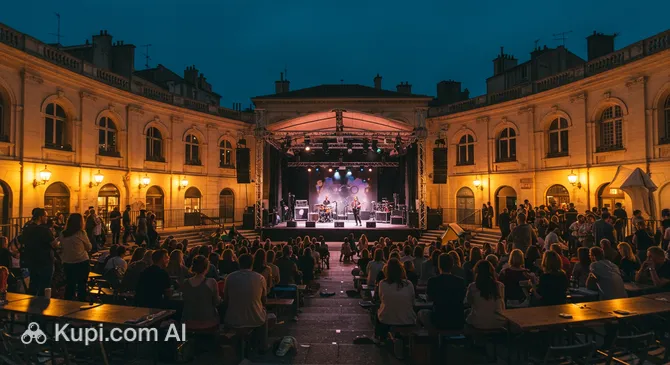
Montpellier is renowned for having one of the most vibrant nightlife scenes in France, largely driven by its substantial student population. As the sun sets, the city transforms into a bustling hub of activity where medieval streets echo with music and laughter. The atmosphere is generally youthful, relaxed, and incredibly welcoming, making it easy for visitors to mingle with locals. Unlike the more exclusive vibes found in some Riviera cities, nightlife here is accessible, often centering around casual conviviality on outdoor terraces.
The heart of the evening action is undoubtedly located in the historic L'Écusson district. Specifically, the Place Jean Jaurès and the nearby Rue de la Loge are the epicenters of social life. Here, you will find a dense concentration of bars and pubs where crowds spill out onto the pavement. For a trendy spot to start your evening with cocktails and tapas, you can visit Bonobo Centre Ville. It is a popular venue known for its lively ambiance and is a great example of the city's modern, energetic spirit.
Bonobo Centre Ville. Illustration.
Source: Kupi.com AI
Traveler photos:
For those looking to dance or experience something more intense later in the night, the city offers a variety of clubs and unique venues. While many bars close around 1:00 AM, nightclubs typically stay open until 5:00 AM or later. A distinct option for entertainment is the Escape Game and Night Club Montpellier, which offers a mix of interactive gaming and partying, reflecting the city's innovative approach to leisure. The dress code in most places is smart-casual; while some high-end clubs might expect a polished look, most venues welcome a relaxed style.
Escape Game and Night Club Montpellier. Illustration.
Source: Kupi.com AI
Traveler photos:
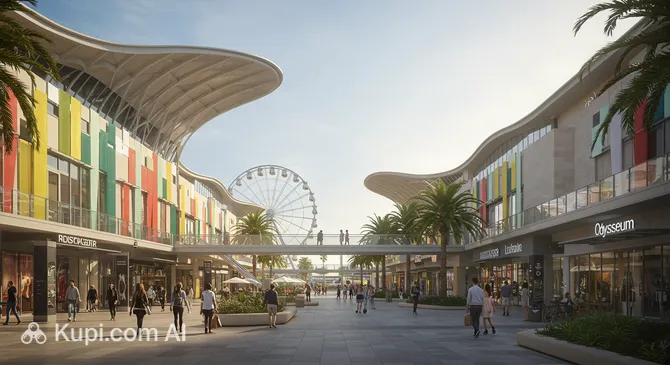
If you prefer a more modern setting away from the old town, the Odysseum district is a fantastic leisure complex located at the end of Tram Line 1. This open-air area is designed for entertainment, featuring a multiplex cinema, an ice rink, and numerous themed restaurants. It is home to the Odysseum Shopping Center, which remains lively into the evening. This area is particularly good for families or groups who want a variety of options in one safe, pedestrian-friendly location.
Odysseum Shopping Center. Illustration.
Source: Kupi.com AI
Traveler photos:
regarding practicalities, the nightlife in Montpellier is quite safe, but standard precautions should be taken, especially late at night. The city center is well-lit and populated, but it is advisable to avoid unlit alleyways when alone. Getting around is convenient; the tramway system operates until around 1:00 AM on weekdays and even later on weekends. For late-night returns, the "L'Amigo" night bus service connects the nightclubs on the outskirts with the city center. Taxis and ride-sharing apps like Uber are also readily available and are the safest option after the trams stop running.
While the nights are electric, daytime entertainment in Montpellier is equally engaging. The city boasts a rich cultural scene with numerous theaters and galleries. Families and nature lovers can explore the Montpellier Zoological Park, a vast green space that is free to enter, or visit the Planet Ocean World complex at Odysseum for an underwater adventure. Whether you are interested in high culture or simple amusement, the city offers a seamless transition from day-to-night activities.
Parks & Museums
Montpellier is a city that breathes as much through its lush green spaces as it does through its vibrant cultural venues. Beyond the bustling squares and medieval alleys, visitors will find a wealth of tranquil gardens and cutting-edge museums that showcase the city's dedication to both nature and the arts. Whether you are looking for a quiet retreat under ancient trees or an inspiring afternoon surrounded by contemporary creativity, the city offers diverse options to satisfy every curiosity.
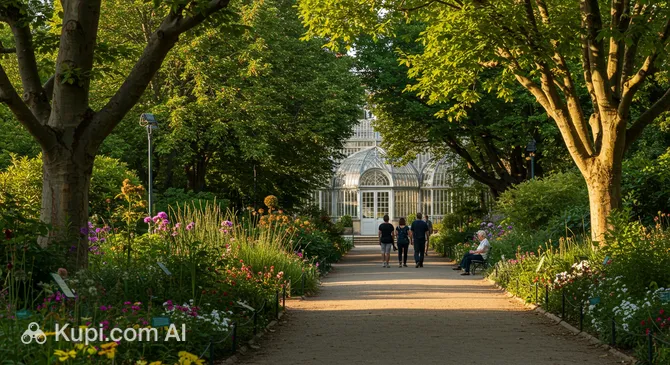
For a peaceful escape into nature and history, the Montpellier Botanical Garden (Jardin des Plantes) is an essential stop. Established in 1593, it is the oldest botanical garden in France and served as a model for the one in Paris. This verdant oasis in the city center is perfect for a romantic stroll or a quiet break. Visitors can explore its bamboo forest, centuries-old hackberry trees, and the historic Orangery, all while soaking in the atmosphere that once inspired illustrious medical students.
Montpellier Botanical Garden. Illustration.
Source: Kupi.com AI
Traveler photos:
Families and wildlife enthusiasts should not miss the Montpellier Zoological Park, located in the north of the city within the Lunaret nature reserve. Covering 80 hectares, this vast park is unique because entry to the main outdoor areas is free of charge. It is home to over 1,000 animals, including giraffes, lions, and rhinos, roaming in large, naturalistic enclosures. For a more tropical experience, the park also features a massive Amazonian greenhouse (entry fee applies), which immerses you in a humid jungle environment teeming with exotic biodiversity.
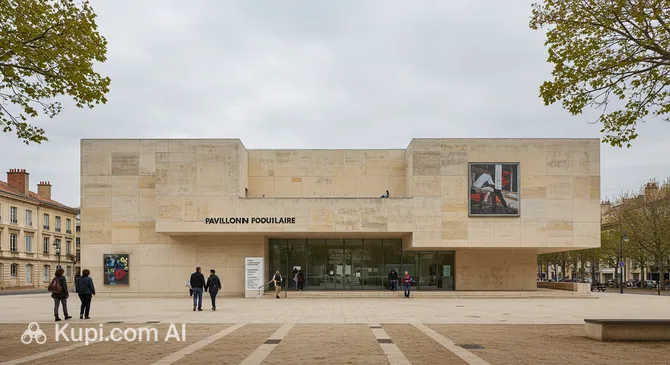
Culturally, the city is just as impressive. While the Musée Fabre is the crown jewel of fine arts, the Pavillon Populaire offers a different visual experience. Situated on the Esplanade Charles de Gaulle, this prestigious exhibition space is dedicated exclusively to the art of photography. It hosts high-quality temporary exhibitions featuring world-renowned photographers, and remarkably, admission is free for everyone, making top-tier culture accessible to all.
Pavillon Populaire. Illustration.
Source: Kupi.com AI
Traveler photos:
For those interested in modern artistic expressions, La Panacée (MO.CO. Panacée) is a dynamic contemporary art center housed in the former Royal College of Medicine. It focuses on emerging artists and innovative installations. The venue is also a social hub, featuring a popular café-restaurant and a beautiful inner courtyard that attracts a trendy local crowd. Nearby, the Art Brut Museum offers a fascinating look at "outsider art," showcasing unique and often unconventional works by self-taught creators.
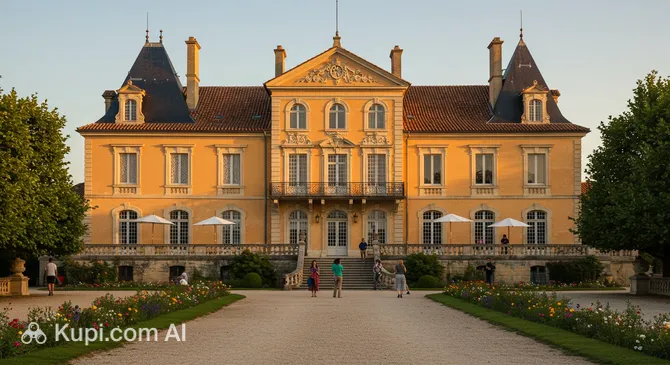
History buffs looking to explore the city's architectural heritage further should visit the Château de Flaugergues. This magnificent 17th-century "folly" (country house) is located on the outskirts of the city and is surrounded by stunning landscaped gardens. It is still inhabited by the same family and produces its own wine, allowing visitors to combine a tour of the historic interiors with a tasting of local vintages. Back in the city center, the Saint-Clément Aqueduct, often called "Les Arceaux," provides a dramatic backdrop for the weekly market held beneath its arches.
Château de Flaugergues. Illustration.
Source: Kupi.com AI
Traveler photos:
For a true insider experience, venture to the Domaine de Méric Park. Located along the banks of the Lez River, this park is less crowded than the city center spots and is famous for its poppy fields in spring. It was once the family estate of the Impressionist painter Frédéric Bazille, who created several of his masterpieces here, capturing the beautiful southern light that continues to enchant visitors today.
Getting Around
Public transport in Montpellier is widely recognized as one of the most efficient and artistically designed systems in Europe. Managed by TaM (Transports de l'agglomération de Montpellier), the network is centered around four distinct tram lines that crisscross the city. These are not just functional vehicles but moving pieces of art; famously designed by Christian Lacroix, each line features a unique theme, from the blue swallows of Line 1 to the golden sun patterns of Line 4. This extensive tramway system is the most convenient way to navigate between the historic center, the train station, and outlying districts like Odysseum.
Complementing the trams is a comprehensive bus network that reaches neighborhoods and suburban areas not directly served by the rails. The buses are synchronized with the tram schedule to ensure smooth transfers. For late-night revelers, the "L'Amigo" night bus service is particularly useful, connecting the city center with popular nightclubs on the outskirts during weekends, ensuring a safe return after hours.
Regarding payment, it is important for visitors to note a specific local rule: while public transport is free for residents of the metropolis, tourists and non-residents must purchase a ticket. Options include single-trip tickets, 10-trip carnets, and 24-hour passes, which are often the best value for short stays. The approximate cost for a single journey is around €1.60, while a daily pass costs about €4.30. The easiest way to buy and manage fares is through the official "TaM - Voyages" mobile app, which allows you to purchase M'Tickets directly on your phone.
If you prefer physical tickets, you can purchase them at the automatic vending machines located at every tram stop; these machines accept coins and cards. Remember that you must validate your ticket immediately upon boarding a bus or tram. For paper tickets, insert them into the validation machines; for digital tickets on the app, you may need to scan a QR code or simply activate the ticket before boarding. Failure to validate can result in a fine, even if you have purchased a ticket.
The system operates from early morning, around 4:30 AM, until approximately 1:00 AM during the week, with extended service until 2:00 AM on Fridays and Saturdays. This generous schedule makes it easy to enjoy the city's dining and nightlife without worrying about a car. During peak hours, trams run very frequently, often every 3 to 5 minutes, minimizing wait times.
For those who prefer active travel, the city offers a popular bike-sharing scheme called Vélomagg. Given that the city center is largely pedestrianized and relatively flat, cycling is a fantastic alternative to public transit. You can rent bikes at numerous automated stations using a credit card or the TaM app. Taxis and ride-sharing services are also available but are generally less practical for short trips within the historic core due to vehicle restrictions; they are best reserved for trips to the airport or carrying heavy luggage.
Accommodation
Finding the perfect place to stay in Montpellier is relatively easy, as the city offers a wide spectrum of accommodation to suit every preference and budget. The options range from charming boutique hotels housed in 17th-century mansions to efficient modern chains and budget-friendly youth hostels. For travelers seeking a more home-like experience, there is also a thriving market for apartment rentals, which allow you to live like a local in the heart of the city.
The most popular area for tourists is undoubtedly L'Écusson, the historic pedestrian center. Staying here puts you within walking distance of major attractions like the Place de la Comédie and the Fabre Museum, surrounded by lively cafes and shops. If you prefer a slightly quieter but still central location, the Antigone district offers modern architecture and spacious avenues just a short tram ride away. For those arriving by car or looking for more competitive rates, the districts of Millénaire or neighborhoods near the Odysseum complex provide convenient modern hotels with easier parking facilities.
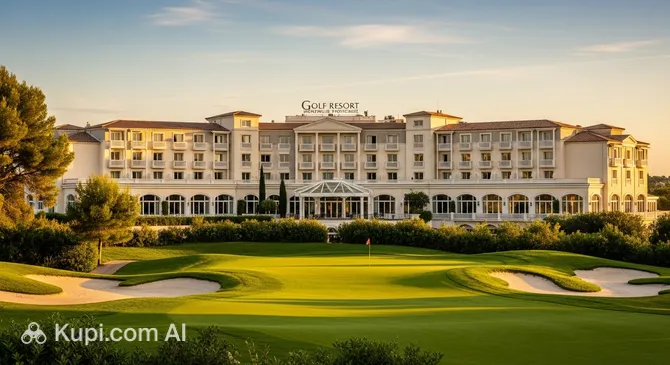
For visitors looking for a more resort-style experience on the outskirts of the city, there are excellent options that combine relaxation with accessibility. You might consider the Golf Resort Montpellier Fontcaude, which is situated in a peaceful setting and offers extensive leisure facilities, making it ideal for golf enthusiasts or those seeking a retreat. Another notable option is Plein Air des Chênes, which provides a unique holiday atmosphere with ample outdoor space, perfect for families or groups wanting to enjoy the Mediterranean climate to the fullest.
Golf Resort Montpellier Fontcaude. Illustration.
Source: Kupi.com AI
Traveler photos:
Regarding costs, Montpellier is generally more affordable than the French Riviera but prices can rise significantly during the peak summer season. Budget travelers can find hostel beds or simple rooms for approximately €30 to €80 per night. Mid-range hotels typically charge between €90 and €150, while luxury establishments and high-end apartments can exceed €180 per night. A key booking tip is to secure your accommodation well in advance if you plan to visit in July or August, as the city fills up quickly with festival-goers and tourists heading to the nearby coast. Online booking platforms are widely used, but booking directly with smaller boutique hotels can sometimes yield better offers or breakfast inclusions.
Nearby Cities
For those looking to explore the surroundings, Montpellier serves as an excellent base for day trips to several interesting nearby locations:
City
Population
Distance
Castelnau-le-Lez
22 534
3 km
Lattes
17 453
5 km
Juvignac
11 363
5 km
Le Cres
9 316
6 km
Saint-Jean-de-Védas
11 086
6 km
Among these, Nîmes is a must-visit for history enthusiasts. Often referred to as the "French Rome," it boasts some of the best-preserved Roman monuments in the world, including a magnificent amphitheater that is still in use today and the Maison Carrée, an ancient temple of classical beauty. It offers a fascinating journey back in time just a short train or car ride away.
For a coastal escape, Sète is the perfect destination. Known as the "Venice of Languedoc," this port city is crisscrossed by canals and sits between the Thau Lagoon and the Mediterranean Sea. It is famous for its maritime traditions, vibrant fishing port, and exceptional seafood, making it an ideal spot for a leisurely lunch by the water.
Another delightful option is Frontignan, renowned globally for its sweet Muscat wine. Beyond its vineyards, it offers pleasant sandy beaches and a relaxed atmosphere, allowing visitors to combine wine tasting with a refreshing dip in the sea.
These nearby destinations offer a glimpse into the diverse culture and landscapes of the region.
Shopping & Souvenirs
Shopping in Montpellier is a delightful experience that reflects the city's unique blend of historic charm and modern vitality. Whether you are looking for high-end fashion, unique artisanal crafts, or local gastronomic specialties, the city offers a diverse range of options. The pedestrian-friendly nature of the center makes retail therapy here particularly enjoyable, allowing visitors to wander seamlessly from chic boutiques to major department stores.
The heart of the shopping scene is undoubtedly located within L'Écusson, the historic medieval center. The winding stone streets here are lined with a mix of international brands and independent concept stores. Rue de la Loge and Grand Rue Jean Moulin are the main arteries where you will find popular fashion retailers. For those seeking luxury items and designer labels, the Rue Foch offers a more upscale selection, often compared to a miniature Champs-Élysées, featuring elegant architecture and exclusive storefronts.
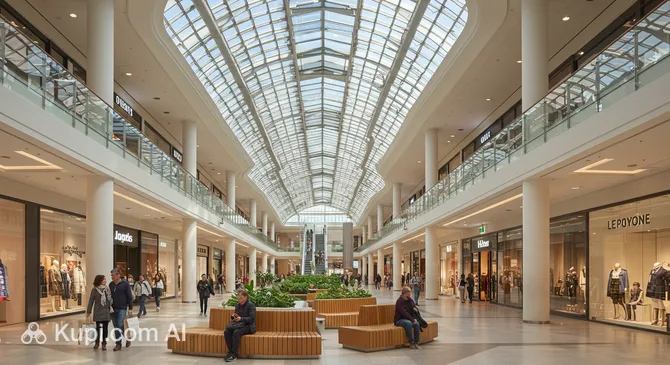
For those who prefer the convenience of large shopping complexes, the city is well-equipped. Located just steps away from the central Place de la Comédie is Le Polygone Shopping Center. This three-story mall serves as a bridge between the historic town and the modern Antigone district, housing widely recognized French and international brands within a bustling, air-conditioned environment.
Le Polygone Shopping Center. Illustration.
Source: Kupi.com AI
Traveler photos:
Another major destination is the Odysseum Shopping Center, situated on the outskirts of the city but easily accessible by Tram Line 1. Unlike traditional indoor malls, Odysseum is an open-air complex designed with a distinct Mediterranean flair. It combines retail with entertainment, offering a relaxed atmosphere where you can shop for sportswear, electronics, and fashion while enjoying the sunshine.
Markets are an essential part of the local lifestyle and offer a sensory feast for visitors. The Halles Castellane, located in the historic center, is the premier covered food market where you can find fresh regional produce, cheeses, and meats. For a more picturesque setting, the market held at the foot of the Saint-Clément Aqueduct (Les Arceaux) on Tuesday and Saturday mornings is a favorite among locals for organic fruits and vegetables.
When it comes to souvenirs, Montpellier has several signature items that make for perfect gifts. The most iconic edible treat is the Grisette de Montpellier, a small honey and licorice candy that has been made here since the Middle Ages. You might also consider bringing back a bottle of local olive oil or a selection of wines from the surrounding Languedoc vineyards. For non-food items, traditional fabrics and pottery from the region are popular choices.
Most shops in the city center are open from 10:00 AM to 7:00 PM, Monday through Saturday. It is important to note that, like in much of France, the majority of retail stores are closed on Sundays, although some food markets and small convenience shops may remain open in the morning. Credit and debit cards are widely accepted, even for small amounts, though having some cash is advisable for market stalls.
Tourists residing outside the European Union may be eligible for a VAT refund (détaxe) on purchases exceeding a certain amount in a single store. Look for the "Tax Free" sign in shop windows and be sure to ask the merchant for the necessary tax refund form at the time of purchase to claim your refund at the airport or border.