Support

Monaco

About

Welcome to the glittering heart of the French Riviera, a place where luxury, history, and natural beauty converge seamlessly. Known worldwide as a playground for the rich and famous, the city-state of Monaco offers far more than just high-stakes casinos and superyachts; it is a destination brimming with cultural heritage and breathtaking Mediterranean views.

Geographically, the Principality of Monaco is the second-smallest independent state in the world, yet it possesses a vibrant and cosmopolitan energy. Nestled between the Alps and the sea, it enjoys a mild climate year-round, making it an attractive destination for travelers in any season. With a population of approximately 36,000 people packed into just over two square kilometers, it is a dense but immaculately maintained urban gem.
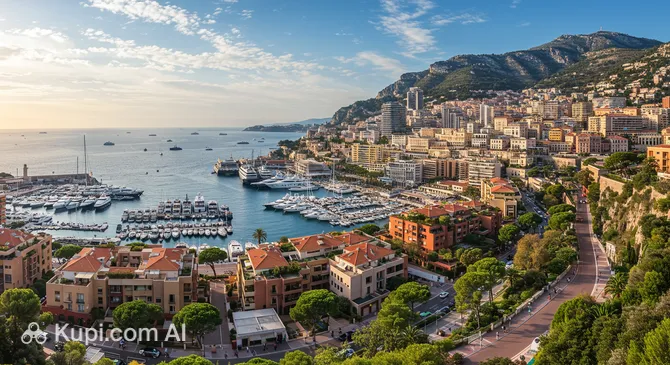
Monaco. Illustration.
Source: Kupi.com AI

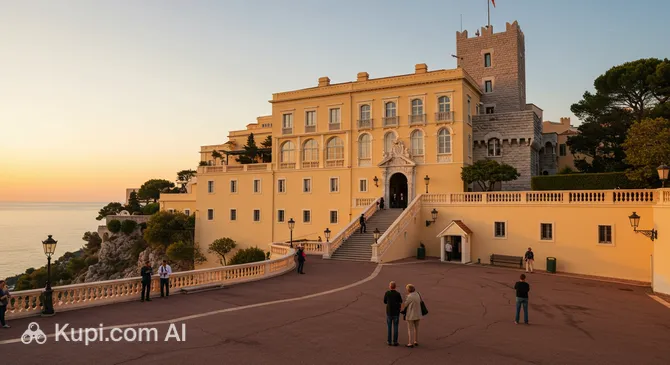
Perched atop a rocky headland, the old town, known as Monaco-Ville or "The Rock," invites visitors to step back in time. Here, you can wander through narrow medieval lanes and discover the fascinating history of Monaco, which has been ruled by the Grimaldi family for over 700 years. The Prince's Palace remains a focal point of this historic district, offering stunning panoramic views over the port and the glittering city below.

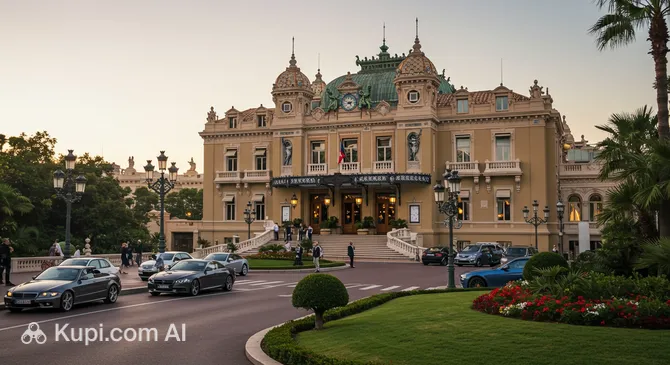
Beyond its heritage, the city is famous for its glamorous attractions. The iconic Monte Carlo Casino is a masterpiece of Belle Époque architecture, while the Oceanographic Museum, built into a cliffside, offers a window into marine life. For motorsport enthusiasts, the streets transform annually into the legendary circuit for the Formula 1 Grand Prix, adding a thrilling chapter to the city's allure.

Whether you are strolling along the harbor filled with magnificent vessels or enjoying the pristine gardens, a visit to this unique principality promises an unforgettable experience of elegance and charm.
Weather Overview

The climate in this Mediterranean principality is generally mild and pleasant, characterized by warm summers and cool winters. Before packing your bags, it is worth checking the current weather in Monaco to ensure you are prepared for the conditions during your stay. The region enjoys a moderate temperature range that makes it a comfortable destination for most of the year.

During the peak summer months of July and August, average temperatures hover around 22°C, with daily highs reaching up to 26.1°C. These are ideal months for enjoying the coast, though you might encounter occasional wet days, as the data indicates between 9 and 12 days with some precipitation during this period. Conversely, the winter season from December to February sees average temperatures drop to between 6.3°C and 7.3°C, with nightly lows occasionally dipping near 3°C.

Spring and autumn offer a transition with moderate warmth, although travelers visiting in May should be prepared for more frequent dampness, as this month records the highest number of wet days (19 days). Overall, visitors can expect warm summers with occasional rain and cool, relatively dry winters, creating an inviting atmosphere for exploration regardless of the season.

Average monthly temperature

Average monthly precipitation

Interesting Facts

Beyond the glitz of superyachts and high-speed racing, Monaco holds many fascinating secrets and quirky details that often escape the casual observer. This tiny principality is full of surprises that go far beyond its reputation for wealth.
Casino de Monte-Carlo. Illustration.
Source: Kupi.com AI

Traveller photos:

  • Despite being home to the world-famous Casino de Monte-Carlo, local citizens—known as Monegasques—are strictly forbidden by law from gambling at the tables. The establishment was originally created to generate revenue from foreign visitors, and this rule remains in place to protect the locals.

  • The principality is one of the safest places on the planet, boasting one of the highest ratios of police officers to residents in the world. A comprehensive 24-hour video surveillance system covers nearly every street corner, ensuring an incredibly secure environment.

  • Marine conservation runs deep in the city's history; the renowned Oceanographic Museum of Monaco was directed by the legendary explorer Jacques-Yves Cousteau for over 30 years. The museum itself is an architectural masterpiece, built directly into the side of a cliff rising 85 meters above the sea.

  • Monaco is the second-smallest country in the world, occupying an area smaller than Central Park in New York City. Its compact geography means you can physically walk across the entire width of the nation in less than an hour.

How to Get There

Reaching this exclusive principality is relatively straightforward, thanks to its prime location on the French Riviera. Whether you are arriving by air or rail, excellent transport links connect the city-state to the rest of Europe. For detailed routes and logistics, you can read more about how to get to Monaco to plan your journey efficiently.

The city of Monaco does not have its own airport, but it is served primarily by the Nice Côte d'Azur Airport (IATA: NCE), located in the nearby city of Nice, approximately 19.4 km away. As a major international hub with large passenger traffic, it offers frequent connections to cities worldwide. The journey from the airport to Monaco is scenic and quick; a taxi or car transfer typically takes around 30 to 50 minutes. Alternatively, express buses and helicopter transfers are popular options for this short distance.

For travelers arriving from Italy or looking for alternative routes, Turin Airport (IATA: TRN) in Turin is another option, situated about 163.5 km from the principality. The drive from Turin is longer but manageable, taking approximately 3 hours depending on traffic. Similarly, the Genoa Cristoforo Colombo Airport (IATA: GOA) in Genoa serves as a regional gateway, located roughly 136.7 km away, with a travel time of around 2.5 hours by road.

For clarity, here is a summary of the main airports:

AirportPassenger trafficDistance
Nice Côte d'Azur Airport14.8 m19 km
Levaldigi Airport113,39891 km
Hyeres Airport570,140126 km
Genoa Cristoforo Colombo Airport1.3 m137 km
Turin Airport4.5 m163 km

Traveling by train is another scenic way to approach the region, often involving connections through major neighboring hubs. While the city has its own underground station, long-distance travelers often pass through major Italian railheads. The Porta Nuova Railway Station (IATA: TPY) in Turin is a significant hub handling massive passenger traffic. It is located about 148.4 km from Monaco. From there, you can connect to coastal trains or arrange a road transfer, which typically takes around 3 hours.

Another key transit point is the Genova Piazza Principe Station (IATA: GPP) in Genoa. Situated approximately 141.6 km away, this station is a major gateway for those coming from the east. The transfer by road from Genoa to Monaco takes roughly 2.5 hours, though connecting trains along the coast are a popular and often scenic choice for the final leg of the journey.

Below is a list of major railway stations in the wider region:

StationPassenger trafficDistance
Nice-Ville railway station1314 km
Ventimiglia railway station1116 km
Gare d'Antibes1330 km
Gare de Cannes1339 km
Cuneo railway station1173 km

Main Attractions

Monaco packs an incredible amount of culture, history, and natural beauty into its compact size. From grand royal residences to cliffside gardens, the city offers a diverse range of sights that captivate visitors from around the world. Here are some of the most compelling places to explore during your stay.

Perched high on "The Rock" in the old town, the Prince's Palace of Monaco is the official residence of the Grimaldi family and a symbol of the principality's sovereignty. Built on the site of a fortress from 1215, it offers a glimpse into royal life with its lavish State Apartments adorned with frescoes. Tourists flock to the Palace Square daily at 11:55 AM to witness the traditional Changing of the Guard ceremony, a precise and rhythmic spectacle performed by the Carabiniers du Prince.

Prince's Palace of Monaco. Illustration.
Source: Kupi.com AI

Traveller photos:

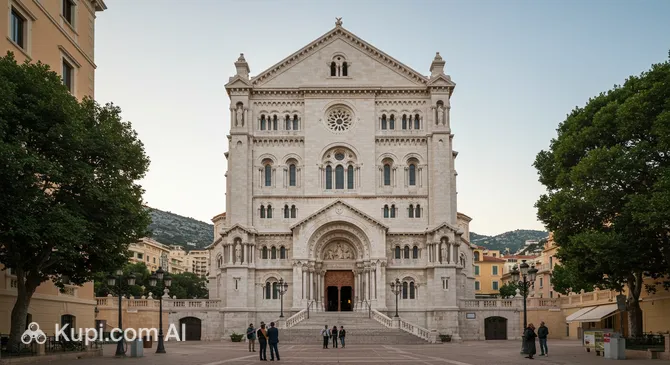
Just a short walk away stands the majestic Monaco Cathedral, also known as Saint Nicholas Cathedral. Constructed in 1875 using white stones from La Turbie, this Romanesque-Byzantine edifice is both an architectural landmark and a spiritual center. It serves as the final resting place for many of the Grimaldi dynasty, including the beloved Princess Grace and Prince Rainier III. The interior is equally impressive, housing a magnificent altarpiece by the Niçois painter Louis Bréa dating back to the year 1500.

Monaco Cathedral. Illustration.
Source: Kupi.com AI

Traveller photos:

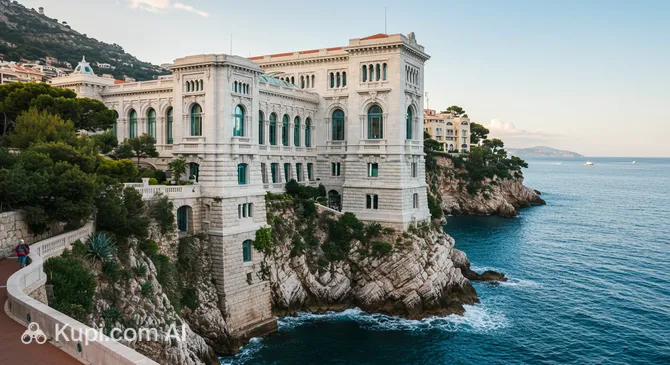
For those fascinated by the marine world, the Oceanographic Museum of Monaco is an absolute masterpiece. Founded by Prince Albert I, this "Temple of the Sea" is built dramatically into the side of a cliff, rising 85 meters above the waves. Inside, visitors can explore vast aquariums teeming with thousands of Mediterranean and tropical species, including a massive shark lagoon. Beyond the marine life, the building itself is a work of art, and its roof terrace offers sweeping panoramic views of the sea and the city.

Oceanographic Museum of Monaco. Illustration.
Source: Kupi.com AI

Traveller photos:

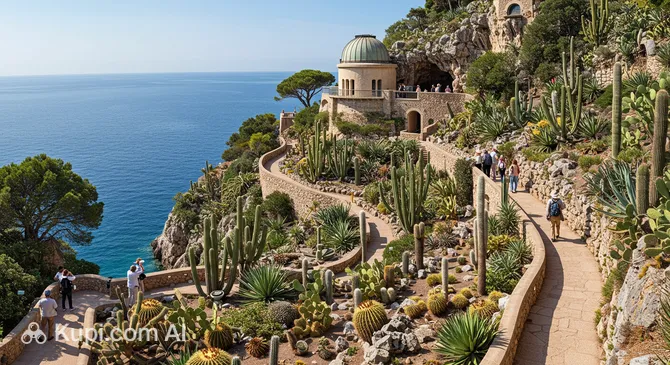
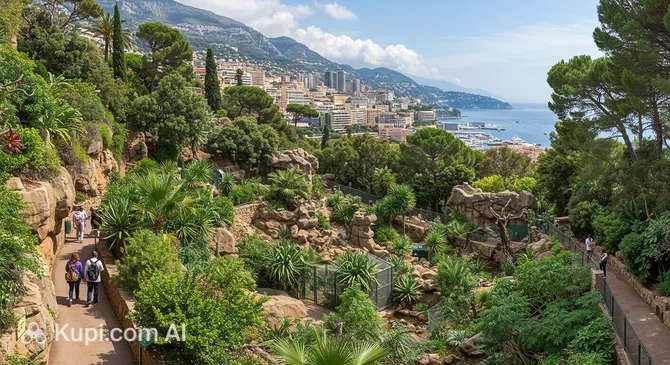
To experience nature in a truly unique setting, visit the Exotic Garden of Monaco. Located on a cliffside overlooking the bay, this garden is home to thousands of rare succulents and cacti brought from arid zones all over the world. The winding paths offer some of the most spectacular vistas of the principality and the French Riviera. Additionally, at the base of the cliff, there is a prehistoric cave filled with stalactites and stalagmites, adding a touch of geological wonder to the botanical beauty.

Exotic Garden of Monaco. Illustration.
Source: Kupi.com AI

Traveller photos:

Finally, for a moment of serenity amidst the urban landscape, the Princess Grace Japanese Garden provides a peaceful retreat. Designed by landscape architect Yasuo Beppu, this authentic garden features stone lanterns, wooden bridges, and a koi pond, all arranged according to Zen principles. It is a lush, green oasis in the Larvotto district that invites quiet contemplation and offers a harmonious contrast to the bustling city streets.

Local Cuisine

The culinary landscape of Monaco is a delightful reflection of its location, perfectly blending the sophistication of French gastronomy with the hearty, fresh flavors of Italian cuisine. While the principality is famous for its high concentration of Michelin-starred restaurants, it also boasts a unique set of traditional dishes that reflect its distinct Monegasque heritage. The food scene here is characterized by the use of high-quality Mediterranean ingredients, including fresh seafood, sun-ripened vegetables, and aromatic olive oil.

When it comes to local specialties, the undisputed king is the Barbajuan. This crisp, deep-fried pastry is traditionally stuffed with a mixture of Swiss chard, ricotta cheese, leeks, and herbs. It is the national dish of Monaco and can be found in bakeries and markets throughout the city, making it the perfect savory snack to enjoy while exploring. Another dish rooted in history is Stocafi, a rich and hearty stew made from dried cod rehydrated and cooked in a tomato sauce with olives, garlic, and local herbs, showcasing the region's enduring love affair with the sea.

For those with a sweet tooth, look for Fougasse Monégasque. Distinct from the savory French version, this is a soft, sweet bread flavored with anise and often decorated with nuts and anise seeds, typically eaten during the holidays but available year-round in specialty shops.

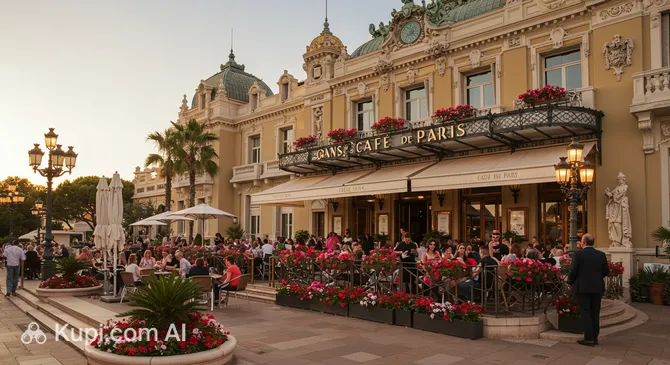
Dining in the principality ranges from casual bites to world-class luxury. For a lively atmosphere right in the center of the action, the Casino Café de Paris offers an iconic terrace where you can enjoy classic brasserie dishes while watching the supercars roll by. It is a legendary spot that captures the bustling energy of Monte Carlo.

Casino Café de Paris. Illustration.
Source: Kupi.com AI

Traveller photos:

If you prefer a dining experience close to the water, Quai des Artistes located near the port is renowned for its grand Parisian brasserie style and excellent seafood platters. For a taste of modern glamour and refined Mediterranean cuisine, La Môme Monte-Carlo provides an exquisite setting that attracts a chic crowd, while Caffè Milano offers a more relaxed environment to enjoy authentic Italian pasta and harbor views.

As for beverages, Champagne is the drink of choice for many visitors soaking up the luxury lifestyle. However, for a truly local flavor, you should try L'Orangerie. This premium liqueur is handcrafted in Monaco using bitter oranges that grow on the trees lining the principality's streets. It offers a zesty, authentic taste of the region and is often served as a chilled aperitif or in cocktails.

Travel Tips

Planning a trip to the Principality of Monaco involves more than just packing your best evening wear; knowing the local customs and logistics ensures a seamless experience. These practical tips will help you navigate the glamour and steep streets of this unique city-state like a seasoned traveler.

  1. Dress for the Occasion: Monaco is stylish and chic, so "smart casual" is the best baseline for your wardrobe. While comfortable walking shoes are essential for the hilly terrain, avoid overly casual beachwear in the city center. If you plan to visit the Casino de Monte-Carlo in the evening, strict dress codes apply (often requiring jackets for men), and religious sites like the Cathedral require modest attire with covered shoulders.
  2. Mastering Vertical Travel: The city is built on steep slopes, which can be tiring to walk. However, the principality has an excellent network of public elevators, escalators, and travelators that connect different levels (for example, taking you from the port up to Monte Carlo) for free. Using these is the best way to get around without exhaustion.
  3. Transportation and Driving: Renting a car is generally unnecessary and can be a hassle due to heavy traffic and expensive parking. The local bus system (CAM) is clean, efficient, and affordable. Taxis can be hard to hail on the street; it is better to find a designated taxi rank or book one in advance. Uber operates in the area but often drops off/picks up at specific points due to regulations.
  4. Currency and Budget: The official currency is the Euro (€). Credit cards are widely accepted, even for small transactions, but carrying some cash is useful for small tips or market stalls. Be prepared for higher prices than in neighboring France or Italy; a daily budget here typically exceeds the European average.
  5. Health and Safety: Monaco is arguably one of the safest places in the world, with a very high police presence and extensive video surveillance. You can walk safely at night in virtually any area. Pharmacies are marked with a green cross and are well-stocked; for any emergencies, the universal European number is 112.
  6. Language and Connection: The official language is French, but English and Italian are extremely common and widely understood. Free public Wi-Fi ("Monaco Wi-Fi") is available in many outdoor spots, parks, and public squares, making it easy to stay connected without a local SIM card, though EU roaming usually applies.
  7. Strict Public Etiquette: Do not walk through the town shirtless, barefoot, or in swimwear. This is strictly prohibited by law once you leave the immediate beach areas, and police will enforce this rule. Always greet shopkeepers and staff with a polite "Bonjour" (Good day) or "Bonsoir" (Good evening) upon entering.
  8. Timing Your Visit: If you want to see the famous Changing of the Guard at the Prince's Palace, arrive well before 11:55 AM to get a good viewing spot. Also, note that while luxury boutiques stay open, some smaller traditional shops may close for a lunch break between 12:00 PM and 2:00 PM.

With these tips in hand, you are ready to embrace the elegance of the Riviera without any unexpected surprises. Whether you are watching the guard change or sipping coffee by the harbor, a little local knowledge ensures your visit will be as relaxing as it is memorable.

Entertainment & Nightlife

Entertainment and Nightlife:

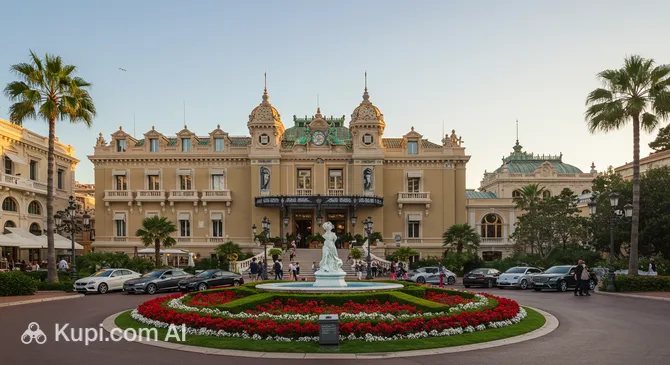
When the sun sets over the Mediterranean, the Principality of Monaco transforms into one of the world's most exclusive nightlife destinations. The atmosphere shifts from the relaxed coastal vibe of the day to a glittering display of luxury, where supercars line the streets and the fashion stakes are high. The epicenter of this nocturnal activity is the iconic Casino Square (Place du Casino). This legendary plaza buzzes with energy well into the early hours, surrounded by historic buildings and illuminated by golden lights, making it the perfect spot for people-watching and soaking in the glamour.

Casino Square. Illustration.
Source: Kupi.com AI

Traveller photos:

Nightlife in Monaco is predominantly upscale, characterized by chic lounge bars and prestigious nightclubs that often require a table reservation and a substantial budget. The dress code is taken very seriously here; for men, a jacket is often required, and for women, elegant evening wear is the norm. While the Monte Carlo district offers the most high-end experiences, the area around Port Hercule provides a slightly livelier, more open-air vibe where you can enjoy cocktails with a view of the superyachts.

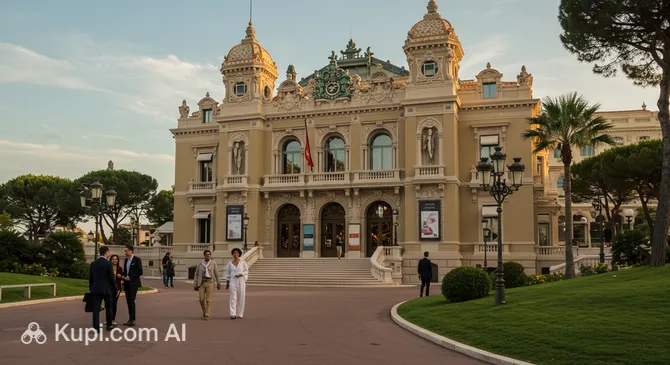
For those seeking a cultural evening of the highest caliber, the Monte Carlo Opera House offers a spectacular program of opera, ballet, and classical concerts. Designed by Charles Garnier, the same architect behind the Paris Opera, the venue itself is a masterpiece of Belle Époque design. Attending a performance here is a journey back to the Gilded Age, offering a sophisticated alternative to the thumping bass of the dance clubs.

Monte Carlo Opera House. Illustration.
Source: Kupi.com AI

Traveller photos:

If you prefer a more relaxed environment or a place to mingle with locals and yacht crew, the Fontvieille district offers some excellent options. Gerhard's Café Monaco is a popular spot that breaks the mold of the typical ultra-luxury venue. It offers a friendly, pub-like atmosphere where you can enjoy a cold beer and live music without the pressure of a strict VIP list. For a blend of dining and late-night entertainment, Chez Pierre provides a vibrant setting where the energy rises as the night progresses.

Practical advice is essential for enjoying a night out in the principality. Prices for drinks and entry fees are among the highest in Europe, so it is wise to budget accordingly. Public transport winds down at night, and while the city is walkable, the steep terrain can be challenging in heels. Taxis operate 24 hours a day but cannot be hailed on the street; you must go to a designated taxi rank or call ahead to book one. In terms of safety, Monaco is exceptional; the streets are well-lit and heavily monitored, making it perfectly safe to walk around the main districts late at night.

While the nights are dazzling, daytime entertainment in Monaco is equally engaging. Beyond the famous casinos, visitors can explore a wealth of cultural treasures, such as the impressive museums, lush exotic gardens, and luxury shopping centers. Whether you are admiring marine life or enjoying a leisurely afternoon at a beach club, the city offers a diverse range of activities to fill the hours before the sun goes down.

Parks & Museums

Despite its compact size and urban density, the Principality of Monaco is surprisingly rich in green spaces and cultural institutions. Beyond the glitz of the casinos, visitors can discover a variety of lush gardens and fascinating museums that offer a peaceful retreat and a deeper look into the heritage of this unique city-state.

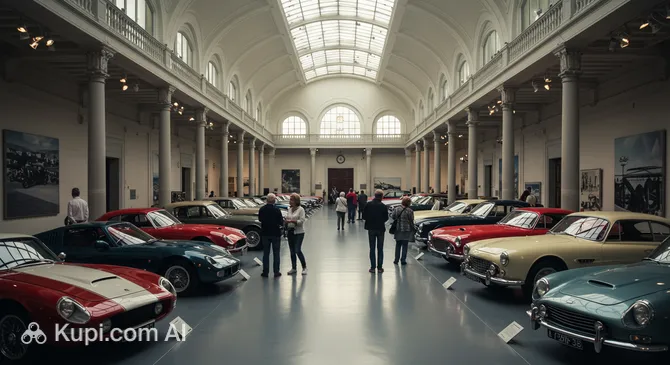
Automotive enthusiasts will find a paradise at The Car Collection of H.S.H. the Prince of Monaco. Located on the Terraces of Fontvieille, this exhibition showcases the personal passion of Prince Rainier III, who began collecting vintage vehicles in the late 1950s. The museum displays approximately 100 cars, ranging from the 1903 De Dion Bouton to modern Formula 1 racers, illustrating the evolution of motoring in a setting that reflects the principality's deep connection to motorsport history.

The Car Collection of H.S.H. the Prince of Monaco. Illustration.
Source: Kupi.com AI

Traveller photos:

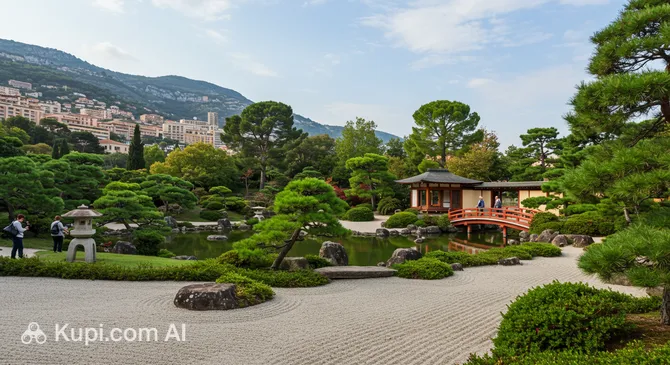
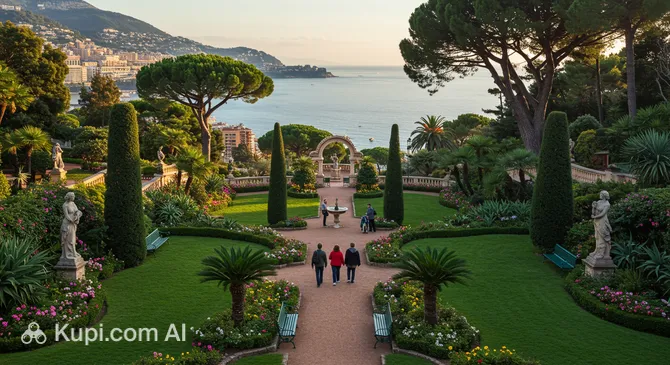
For a moment of Zen-like tranquility, the Princess Grace Japanese Garden is an exquisite escape located in the Larvotto district. Designed by the renowned landscape architect Yasuo Beppu, this green oasis was created to honor Princess Grace. Every element, from the stone lanterns and wooden bridges to the gentle waterfall and koi pond, has been placed according to strict Japanese principles, offering a serene atmosphere for meditation amidst the city's bustle.

Princess Grace Japanese Garden. Illustration.
Source: Kupi.com AI

Traveller photos:

Perched on the edge of the Rock, the Saint Martin Gardens offer a delightful blend of Mediterranean flora and artistic sculptures. Opened in 1830 as the first public garden in Monaco, this park features winding paths that hug the cliffside, providing spectacular views over the sparkling sea and the Port of Fontvieille. It is an ideal spot to relax under the shade of pine and oak trees while admiring statues dedicated to the principality's marine heritage.

Saint Martin Gardens. Illustration.
Source: Kupi.com AI

Traveller photos:

Families and animal lovers should not miss the Monaco Zoological Garden, nestled on the southern flank of the Rock. Founded by Prince Rainier III in 1954, this zoo is unique in that it houses animals that were donated, abandoned, or seized by customs, rather than purchased. It is home to around 250 animals, including birds, reptiles, and small mammals like hippos and lemurs, creating an intimate and educational experience focused on conservation.

Monaco Zoological Garden. Illustration.
Source: Kupi.com AI

Traveller photos:

Getting Around

Navigating this compact principality is surprisingly easy and efficient, thanks to a well-integrated public transport network designed to master the city's steep terrain. The primary mode of public transportation is the bus system operated by the Compagnie des Autobus de Monaco (CAM). The network consists of several main bus lines that crisscross the city, connecting major districts like Monte Carlo, Fontvieille, and La Condamine. These buses are clean, modern, and frequent, running from early morning until around 9:00 PM, with a limited night bus service operating on weekends and evenings.

A unique and scenic part of the transport system is the "Bateau Bus", an electric solar-powered shuttle boat that crosses Port Hercule. It links the Quai des États-Unis in Monte Carlo with the Quai Antoine 1er in Monaco-Ville. This short voyage is not only a practical shortcut across the harbor but also offers wonderful views of the yachts and the city skyline. It is fully integrated into the bus network, meaning the same tickets are valid for both the bus and the boat.

For payment, the system is modernized and tourist-friendly. The most convenient option is to download the Monapass app, which allows you to purchase tickets and passes directly on your smartphone. Single tickets are affordable, typically costing around €1.50 if bought in advance or via the app, and slightly more if purchased on board. You can also buy tickets at automatic vending machines located at major stops. Contactless payment with a bank card is increasingly available on board buses as well. Remember to validate your ticket immediately upon boarding; a single ticket usually allows for free transfers within 30 minutes.

Given the city's vertical geography, one of the most critical "transport" features is the extensive network of public elevators, escalators, and travelators. There are nearly 80 of these distinct links connecting the lower waterfront areas to the higher streets. They are completely free to use and are often the fastest way to move between districts, such as getting from the port up to the Casino Square, saving you from a strenuous uphill climb.

If you prefer active mobility, look for the Monabike stations scattered throughout the city. This electric bike-sharing scheme is perfect for tackling the hilly streets without exhaustion. You can rent a bike using a dedicated app or credit card. Alternatively, taxis are available 24/7, but unlike in many other cities, you cannot simply hail them on the street. You must head to a designated taxi rank (often found near hotels and the casino) or book one by phone or app. While convenient, taxi fares here can be quite high compared to other European cities.

Finally, while there is no internal metro system, the immense underground Monaco-Monte-Carlo train station acts as a key hub. It connects the principality to the French rail network (SNCF), making it easy to hop on a regional TER train to reach nearby coastal towns or simply to travel quickly from one end of the principality to the other if you are near the station entrances.

Accommodation

Finding accommodation in the Principality of Monaco is an experience in itself, offering a glimpse into a world of unparalleled luxury and service. The accommodation landscape is dominated by high-end establishments, with a heavy focus on four- and five-star resorts that cater to a discerning international clientele. Visitors should be aware that "budget" is a relative term here; true low-cost hostels are virtually non-existent within the borders, and even modest hotels command prices significantly higher than in neighboring European cities.

The most coveted area to stay is undoubtedly the Monte Carlo district, known as the Golden Square (Carré d'Or). Staying here places you steps away from the legendary casino, luxury boutiques, and the opera house. It is the heart of the glamour, perfect for those who want to be in the center of the action. For travelers seeking a more relaxed, resort-style atmosphere, the Larvotto peninsula offers direct access to the beach and a slightly more secluded vibe, making it ideal for summer vacations and families.

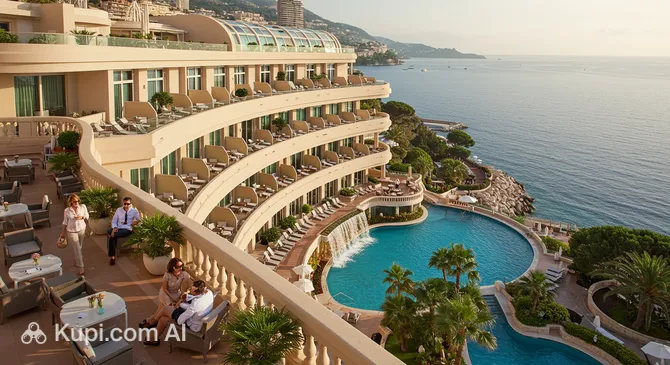
Monte-Carlo Bay Hotel & Resort. Illustration.
Source: Kupi.com AI

Traveller photos:

One of the standout properties in the Larvotto area is the Monte-Carlo Bay Hotel & Resort. This sprawling complex is renowned for its magnificent lagoon, lush gardens, and Mediterranean architecture, offering a resort experience that feels like a private oasis on the edge of the sea. It exemplifies the type of grandeur visitors can expect in Monaco, blending modern amenities with classic Riviera style.

For those prioritizing convenience and a lively atmosphere, the La Condamine district near Port Hercule is an excellent choice. Hotels here offer views of the superyachts and easy access to the start-finish line of the Grand Prix circuit. Alternatively, the Fontvieille district provides a quieter, more residential setting with lovely parks and a marina, suitable for business travelers or those seeking tranquility.

Booking Tips and Prices: Accommodation in Monaco is among the most expensive in the world. Prices soar during peak summer months (July and August) and become astronomical during major events like the Formula 1 Grand Prix in May or the Monaco Yacht Show in September. It is crucial to book several months in advance if you plan to visit during these times. For budget-conscious travelers, a popular strategy is to stay in the neighboring French towns of Beausoleil or Cap d'Ail, which are within walking distance of Monaco but offer more affordable rates.

Nearby Cities

For those looking to explore the surroundings, Monaco serves as an excellent base for day trips to several interesting nearby locations:

Just a short distance along the coast lies Nice, the vibrant capital of the French Riviera. Known for its famous Promenade des Anglais and the charming, narrow streets of its Old Town (Vieux Nice), this city offers a perfect blend of urban energy and seaside relaxation. Visitors can explore world-class art at the Chagall and Matisse museums, enjoy the bustling flower market, or simply admire the stunning azure waters of the Baie des Anges.

For a step back in time, the medieval village of Eze is a must-visit destination perched high on a rocky peak above the sea. This "eagle's nest" village offers breathtaking panoramic views and winding cobblestone lanes filled with artisan shops and galleries. A highlight of any trip to Eze is the Exotic Garden located at the very top of the village, where a collection of rare succulents grows against a backdrop of the Mediterranean coastline.

To the east, right on the Italian border, the town of Menton is famous for its mild microclimate and beautiful gardens. Known as the "Pearl of France," it boasts a picturesque old port and pastel-colored buildings that cascade down the hillside. Menton is also renowned for its citrus heritage, celebrated annually during the Lemon Festival, and offers a more relaxed, authentic atmosphere compared to its glitzier neighbors.

These nearby destinations offer a glimpse into the diverse culture and landscapes of the region.

Shopping & Souvenirs

Shopping in the Principality of Monaco is an experience that rivals the glamour of its casinos and the prestige of its yacht-filled harbor. Known as one of the world's fashion capitals, the city-state packs an incredible density of haute couture boutiques, luxury jewellers, and exclusive designer labels into its compact area. However, beyond the high price tags, visitors can also find vibrant markets and modern shopping centers that cater to a wider range of needs.

The epicenter of luxury retail is undoubtedly the famous Carré d'Or (Golden Square), located around the iconic Casino Square. Here, the streets are lined with the flagship stores of the world's most prestigious brands, from Hermès and Dior to Cartier and Bulgari. The recently developed One Monte-Carlo district has further elevated this experience, offering a sleek, open-air promenade dedicated to high fashion, where the latest collections are displayed in architectural masterpieces.

Just a few steps away from the casino gardens lies the opulent Metropole Shopping Center. Stepping inside feels less like entering a mall and more like visiting a palace, with its marble floors, period chandeliers, and grand staircase. It houses roughly 80 shops, ranging from gourmet food stores and fashion boutiques to interior design outlets, all set within a refined and air-conditioned environment.

For a more practical and varied shopping experience, head to the Fontvieille Shopping Centre. Located in the district reclaimed from the sea, this complex is anchored by a large hypermarket and features dozens of stores selling electronics, clothing, toys, and home goods. It is a convenient stop for everyday essentials and offers a more relaxed pace compared to the bustling streets of Monte Carlo.

If you are looking for a more traditional atmosphere, the La Condamine district offers a charming mix of local commerce. The pedestrian-friendly Rue Princesse Caroline is lined with independent boutiques, cafes, and bakeries. Nearby, the historic Condamine Market (Marché de la Condamine) is the perfect place to mingle with locals. While primarily a food market, the surrounding stalls often sell flowers and regional products, providing an authentic slice of Monegasque life.

When it comes to souvenirs, Monaco offers more than just standard trinkets. Popular items to take home include:

  • Chocolates: The official Chocolaterie de Monaco creates exquisite sweets often branded with the Grimaldi coat of arms.
  • Philately and Numismatics: Monaco's stamps and coins are highly prized by collectors worldwide; the Museum of Stamps and Coins is a great place to find rare issues.
  • Formula 1 Merchandise: With the Grand Prix being central to the city's identity, authentic team gear and memorabilia are widely available in specialized shops.
  • Porcelain: Fine ceramics featuring traditional Monegasque designs make for elegant keepsakes.

Practical Tips: Most shops in Monaco are open from 10:00 AM to 7:00 PM, Monday through Saturday. Many smaller boutiques close for a lunch break, though major brands and shopping centers usually remain open. Sundays are typically quiet, with most retail stores closed, except for some souvenir shops and essential services. Visitors from outside the European Union should remember to ask for a détaxe (tax-free) form when making purchases over a certain amount, allowing for a VAT refund upon departure.

Reached the bottom of the page?

Looks like you know this route inside out