Support

Cannes

About

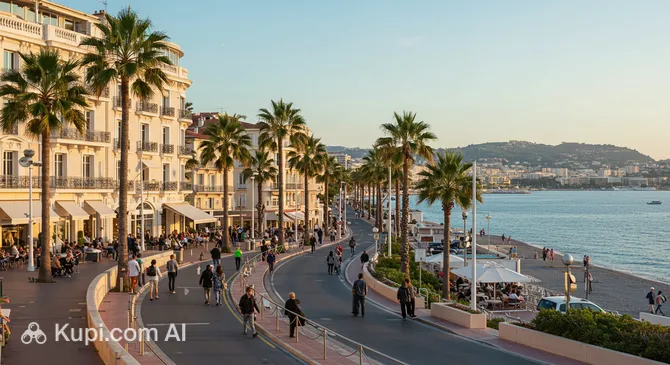
Known worldwide for its prestigious film festival and red-carpet glamour, Cannes is a sparkling jewel on the French Riviera. This city perfectly blends the sophistication of luxury boutiques and high-end hotels with the charm of a traditional Mediterranean town. Whether you are a cinema enthusiast or simply seeking a sun-soaked getaway, Cannes offers an atmosphere of elegance that is hard to match.

Situated in the Provence-Alpes-Côte d'Azur region of France, the city enjoys a mild Mediterranean climate with abundant sunshine throughout the year. With a population of approximately 75,000 residents, it maintains a manageable size while offering world-class amenities. Its location on the coast provides stunning views of the azure sea, framed by the Esterel mountains in the distance.
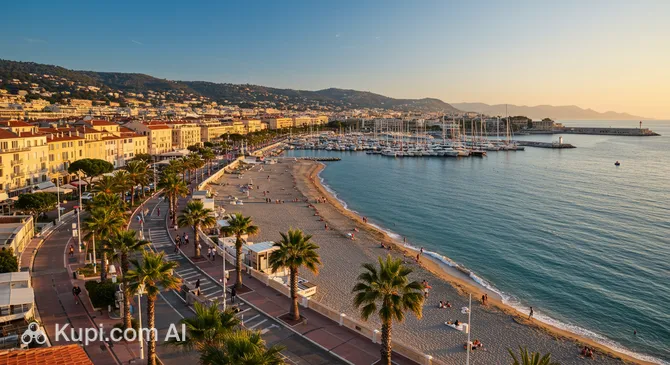
Cannes. Source: Kupi.Binoculars

While the city is modern and vibrant today, it began as a humble fishing village. Exploring the history of Cannes reveals its transformation into a resort destination favored by European aristocracy in the 19th century. Remnants of this past can be seen in Le Suquet, the old quarter, where winding cobblestone streets lead up to a medieval castle offering panoramic views of the bay.

Visitors are drawn to the iconic Boulevard de la Croisette, a palm-lined promenade that stretches along the sandy beaches and connects the city's major landmarks. Another highlight is the nearby Lérins Islands, a peaceful archipelago perfect for a day trip away from the bustling mainland. From the glitz of the Palais des Festivals to the quiet beauty of its historic sites, Cannes invites travelers to experience the art of living on the Côte d'Azur.
Weather Overview

The city enjoys a classic Mediterranean climate, characterized by mild winters and warm, sun-drenched summers. To help plan your packing and itinerary, it is useful to check the current weather in Cannes. The summer months of July and August are typically the warmest, with average temperatures hovering around 23°C and daily highs reaching approximately 27.4°C, creating ideal conditions for enjoying the beaches.

Winters are generally gentle, with January seeing average temperatures of 6.7°C and lows rarely dropping below 2.8°C. While the volume of precipitation is often moderate, rain can occur throughout the year, with May historically experiencing the highest frequency of about 16 wet days. Expect warm summers perfect for outdoor activities and mild winters with occasional rain.

Interesting Facts

Beyond the famous red carpets and luxury yachts, Cannes holds many fascinating secrets and historical quirks that often escape the casual visitor. From mysterious prisoners to accidental discoveries, the city's past is as colorful as its present.

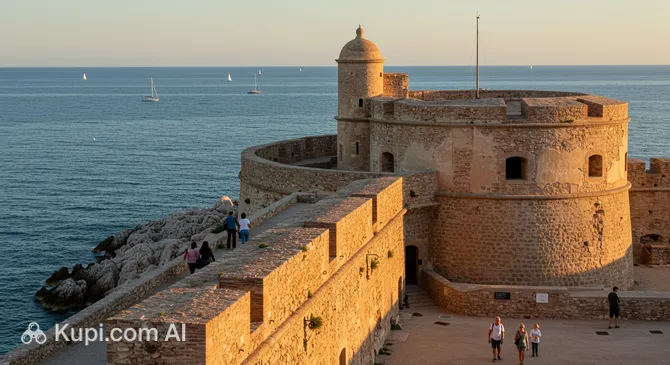
  • The Man in the Iron Mask: One of history's most enigmatic figures was imprisoned just off the coast of Cannes on Île Sainte-Marguerite. He spent 11 years in a cell that you can still visit today at the Museum of the Iron Mask and Fort Royal, sparking centuries of theories about his true identity.

  • An Accidental Resort: Cannes might have remained a humble fishing village if not for a cholera outbreak in Nice in 1834. Lord Brougham, a British Chancellor, was turned away from the border and forced to stay in Cannes; he fell in love with the area, built a villa, and effectively launched it as a destination for the aristocracy.

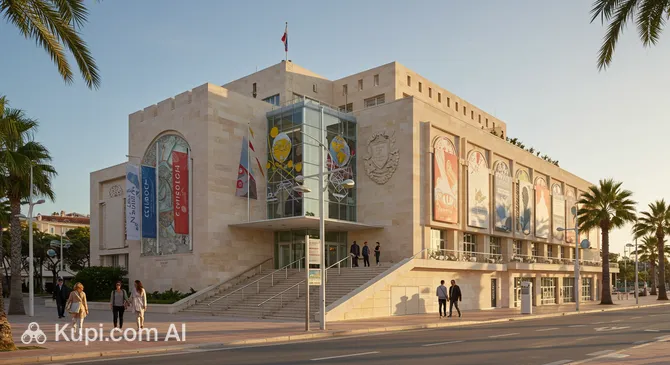
  • Red Carpet Logistics: The glamour of the Film Festival requires serious maintenance. During the event at the Palais des Festivals et des Congrès, the iconic red carpet is changed three times every day to ensure it looks pristine for every photo opportunity.

  • Wine-Making Monks: Just a short boat ride away on Île Saint-Honorat, a community of Cistercian monks at Lérins Abbey has been cultivating vineyards since the Middle Ages, producing world-renowned wines in complete silence.

Museum of the Iron Mask and Fort Royal. Source: Kupi.Binoculars

How to Get There

Reaching this glamorous destination on the French Riviera is quite convenient, with several transport options available depending on your starting point. Whether you prefer flying or taking the train, you can find more about how to get to Cannes and plan your journey efficiently.

The most convenient gateway for air travelers is Nice Côte d'Azur Airport (NCE). It is not located within Cannes itself but in the nearby city of Nice, approximately 19.6 km away. As a large international hub, it welcomes millions of passengers annually. The transfer to Cannes is relatively quick; a taxi or car ride typically takes about 50 minutes depending on traffic.

Another option for long-haul flights is Marseille Provence Airport (MRS). Located in Marseille, this major airport is situated about 146.5 km from Cannes. While further away, it serves as a significant entry point to the region. The journey by road from here to Cannes generally takes around 2 hours.

For clarity, here is a summary of the main airports:

Airport Name City Passenger Traffic Km from City
Nice Côte d'Azur AirportNiceLarge19.6
Marseille Provence AirportMarseilleLarge146.5
Hyeres AirportToulonMedium87.0
Avignon-Caumont AirportAvignonSmall174.9
Levaldigi AirportCuneoSmall120.6

Travelers exploring the wider region by train can also utilize major railway hubs located in neighboring cities. One of the most significant is Marseille Saint-Charles Station in Marseille, located approximately 135.4 km from Cannes. It is a key junction for high-speed TGV trains connecting the south of France. From there, you can continue your journey to the coast.

Another notable stop is Toulon Railway Station in the city of Toulon, about 100 km away. While these stations are not in Cannes itself, they serve as vital connectors for those touring the Provence-Alpes-Côte d'Azur region.

Below is a list of regional railway stations that may be useful for your trip planning:

Station City Passenger Traffic Km to Center
Porta Nuova Railway StationTurinLarge175.6
Marseille Saint-Charles StationMarseilleLarge135.4
Porta Susa Railway StationTurinLarge176.7
Toulon Railway StationToulonMedium100.0
Aix-en-Provence TGV Railway StationAix-en-ProvenceMedium133.4

Main Attractions

While the red carpet often steals the spotlight, the city offers a wealth of diverse sights that range from historic landmarks to vibrant local hubs. Beyond the glitz of the festivals, visitors can discover the authentic soul of the French Riviera through its architectural heritage, bustling markets, and scenic waterfronts.

Perched atop the historic Le Suquet district, the Notre-Dame d'Espérance Church is a must-visit for history lovers and photographers alike. Completed in the 17th century, this Gothic-style church offers a peaceful retreat from the busy streets below. Its elevated location provides one of the most spectacular panoramic views over the bay, the city, and the distant Lérins Islands, making the climb up the winding cobblestone paths well worth the effort.

For a taste of genuine Provençal life, travelers should head to the Forville Market. Located at the foot of the old town, this covered market is the gastronomic heart of the city. Every morning (except Mondays, which are reserved for antiques), stalls overflow with fresh local produce, fragrant flowers, and regional delicacies like socca and olives. It is the perfect place to mingle with locals and sample the flavors of the region.

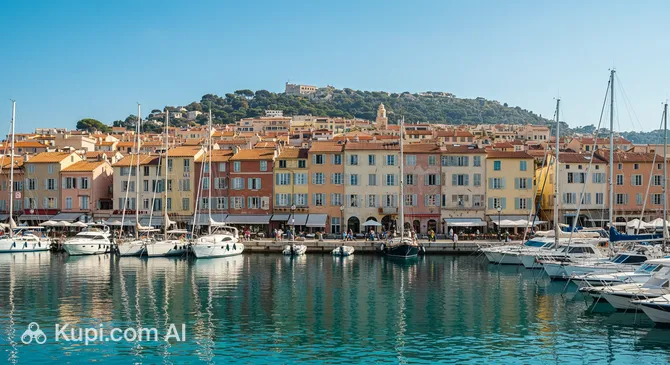
Vieux-Port de Cannes. Source: Kupi.Binoculars

A stroll along the waterfront leads to the Vieux-Port de Cannes, where the city's maritime heritage meets modern luxury. This picturesque harbor sits right next to the famous Palais des Festivals and offers a charming contrast between traditional fishing boats and magnificent superyachts. It is an ideal spot for a leisurely walk, offering stunning sunsets and easy access to boat trips exploring the coastline.

Cinema enthusiasts cannot leave without seeing the Cannes Walk of Fame, known locally as the Chemin des Étoiles. Situated near the festival palace, this attraction features over 300 handprints of legendary film directors and actors set into the pavement. Unlike Hollywood's stars, these handprints offer a tangible connection to the movie legends who have graced the city's famous festival over the decades.

Local Cuisine

The culinary landscape of Cannes is a delightful reflection of its location in the heart of Provence and on the shores of the Mediterranean. The local cuisine is characterized by sun-ripened vegetables, aromatic herbs like thyme and rosemary, olive oil, and the freshest catch from the sea. Dining here is not just about sustenance; it is a celebration of the "art de vivre," ranging from casual market snacks to sophisticated gastronomic experiences.

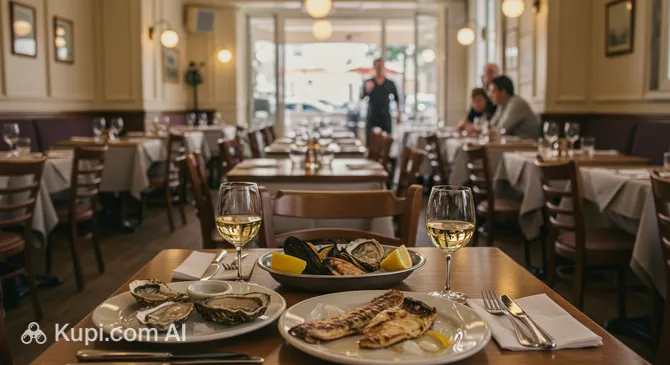
Given its seaside setting, seafood is a dominant force on many menus. A quintessential dish to try is bouillabaisse, a rich fish stew traditionally served with croutons and rouille, a spicy garlic saffron mayonnaise. For those who appreciate shellfish, the city is famous for its opulent seafood platters featuring oysters, urchins, and prawns. A renowned institution for these delicacies is Astoux et Brun, a brasserie that has been serving locals and visitors alike for generations near the old port.

Astoux et Brun. Source: Kupi.Binoculars

For a more casual taste of the region, you must try the street food staples often found in the bustling markets. Socca, a crispy chickpea pancake baked in a wood-fired oven, is a beloved local snack, best eaten hot with a generous sprinkling of black pepper. Another favorite is pissaladière, a savory tart topped with caramelized onions, black olives, and anchovies. These treats are perfect for a midday bite while exploring the city.

When it comes to drinks, the region is synonymous with Rosé wine from Provence. It is pale, dry, and refreshing—the perfect accompaniment to a sunny lunch. For an aperitif, locals often enjoy a glass of Pastis, an anise-flavored spirit diluted with water and ice. Visitors looking for something truly unique should seek out the liqueurs produced by the monks on the nearby islands, a tradition that adds a spiritual touch to the local beverage list.

The dining culture in Cannes offers a mix of glamour and tradition. You can enjoy a high-end meal at legendary establishments like Le Fouquet's Cannes, where the ambiance matches the prestige of the film festival. Alternatively, the narrow streets of Le Suquet are lined with charming bistros that offer authentic Provençal dishes in a cozy, romantic setting. Whether you are dining beachside on La Croisette or in a hidden courtyard, the food scene is sure to impress.

Travel Tips

Welcome to Cannes, where the sparkle of the red carpet meets the relaxed rhythm of the Mediterranean. To help you enjoy every moment of your stay in this glamorous city, here are some essential practical tips for a smooth and memorable trip.

  1. Clothing and Style: Cannes is known for its chic atmosphere, so while casual wear is fine for the beach, smart-casual attire is expected in restaurants and the city center. Pack light, breathable fabrics for the hot summers and a jacket for cooler evenings. Comfortable walking shoes are a must, especially if you plan to explore the cobblestone streets of the historic Le Suquet district.
  2. Getting Around: The city center is compact and best explored on foot. For longer distances, the Palm Bus network is efficient and covers the city and surrounding areas. Taxis can be expensive, and ride-hailing apps like Uber are a good alternative. Avoid renting a car for city travel due to heavy traffic and limited parking; the regional TER trains are far better for day trips along the coast.
  3. Money Matters: The currency is the Euro (€). Credit and debit cards are widely accepted in hotels, boutiques, and restaurants, but it is wise to carry some cash for small purchases at the Forville Market or local cafés. ATMs are plentiful. Tipping is not mandatory as a service charge is usually included in the bill, but leaving small change or rounding up is a polite gesture for good service.
  4. Health and Safety: Cannes is generally a very safe destination for tourists. However, as in any popular resort town, keep an eye on your belongings in crowded areas like the Croisette or train station to avoid pickpockets. Pharmacies are easily recognized by a glowing green cross sign, and pharmacists can often provide advice for minor ailments.
  5. Communication: The official language is French. While English is widely spoken in the hospitality sector, learning a few basic phrases like "Bonjour" (Hello), "Merci" (Thank you), and "S'il vous plaît" (Please) goes a long way in showing respect. Free Wi-Fi is available in many public spaces, including gardens and beaches.
  6. Local Etiquette: Politeness is highly valued in France. Always greet shopkeepers or staff with a friendly "Bonjour" when entering an establishment; skipping this is considered rude. When visiting markets, avoid touching the produce yourself unless invited to do so—let the vendor serve you.
  7. What to Avoid: Do not walk around the city center in swimwear or without a shirt. This is considered disrespectful and is actually prohibited by local bylaws, potentially resulting in a fine. Save the bikinis and swim shorts strictly for the beach or pool areas.
  8. Beach Know-How: Be aware that the beaches along the Croisette are mostly private, requiring a fee for a sunbed and parasol. If you prefer a cost-free option, head to the public beaches like Plage du Midi or Plage Zamenhof, which are well-maintained and free for everyone to enjoy.

Armed with these practical tips, you are ready to navigate Cannes like a local. Whether you are strolling along the waterfront or dining in a hidden bistro, relax and soak up the unique elegance of the French Riviera.

Entertainment & Nightlife

Entertainment and Nightlife:

When the sun sets over the Mediterranean, Cannes transforms from a sun-soaked resort into a vibrant playground for night owls. The city's nightlife is legendary, offering a dazzling mix of high-end glamour and lively street parties. Whether you are looking to sip cocktails in a sophisticated lounge, dance until dawn, or enjoy live music, the city provides an array of options that cater to its diverse international crowd.

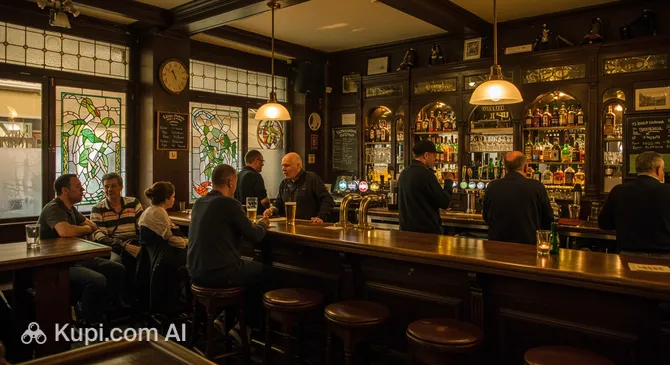
The epicenter of the action is undoubtedly the Carré d'Or (Golden Square), located just off the Croisette around Rue du Commandant André. This district is packed with bars, pubs, and restaurants that spill out onto the streets, creating an electric atmosphere. It is the perfect place to start your evening. For those seeking a friendly and energetic vibe, Morrisons Irish Pub is a popular spot where locals and tourists mingle over pints and live music. It offers a more casual alternative to the city's glitzier venues.

Morrisons Irish Pub. Source: Kupi.Binoculars

For a more exclusive experience, the Boulevard de la Croisette is home to upscale hotel bars and legendary nightclubs. Here, the dress code is strictly "dress to impress," and the prices reflect the luxurious setting. If you are in the mood for dancing, Beryte Night Club offers a classic clubbing experience with DJ sets and a spirited crowd. Another option for a stylish evening is Le Patio des Artistes, known for its chic ambiance and creative cocktails.

Casinos are also a major part of the nocturnal landscape in Cannes. The city boasts several prestigious gaming venues, including the one inside the Palais des Festivals, where you can try your luck at roulette or blackjack. These establishments often host shows and events, adding another layer of entertainment to the night.

Regarding practicalities, nightlife in Cannes generally kicks off late. Bars are busiest from 10:00 PM onwards, while clubs often don't fill up until well after midnight. Safety is generally good, especially in the busy districts like the Carré d'Or and the Croisette which are well-lit and patrolled. However, it is always wise to stay aware of your surroundings. Public transport winds down at night, so the best way to get back to your hotel is by taxi or a ride-sharing service like Uber. Taxis can be hailed at designated stands or booked in advance.

While the nights are for partying, the daytime offers a wealth of cultural entertainment. Beyond the beaches, you can explore the city's artistic side. Art lovers should consider visiting the Bonnard Museum, located just a short distance away, dedicated to the work of the famous painter. For families, Fun City Cannes provides an excellent indoor amusement park experience for children, making the city a well-rounded destination for all ages.

Parks & Museums

Beyond the glittering coastline and bustling boulevards, the city offers a refreshing array of green sanctuaries and cultural institutions that preserve its rich heritage. Visitors looking to escape the midday sun or delve into history will find that Cannes possesses a surprising depth of artistic and natural beauty, ranging from hilltop fortresses to scented forests.

For a breath of fresh air, the Croix-des-Gardes natural forest park is the city's green lung. Covering approximately 80 hectares, this protected area offers a network of hiking trails that wind through mimosa trees and Mediterranean vegetation. It is a favorite spot for locals seeking tranquility and provides one of the most stunning panoramic views over the bay and the Esterel mountains. Another natural escape is found on the nearby islands; while famous for their history, the Île Sainte-Marguerite boasts magnificent pine and eucalyptus forests that reach right down to the turquoise water, perfect for a shaded picnic surrounded by the scent of nature.

In terms of culture, the Museum of World Explorations (formerly the Musée de la Castre) is a cultural highlight perched atop the Le Suquet hill. Housed in the ruins of the medieval castle of the Lérins monks, it features a fascinating collection of primitive art from the Himalayas, Oceania, and the Americas, as well as Mediterranean antiquities. Visitors should not miss climbing the 109 steps of the medieval square tower, which rewards the effort with a breathtaking 360-degree view of the city and the sea.

Museum of World Explorations. Source: Kupi.Binoculars

History enthusiasts will be drawn to the Museum of the Iron Mask and Fort Royal located on Île Sainte-Marguerite. This site is a dual-purpose destination: it serves as a historical monument where the mysterious Man in the Iron Mask was imprisoned, and as a museum of marine archaeology. The collection includes Roman murals and artifacts recovered from ancient shipwrecks in the bay, offering a unique glimpse into the region's maritime past.

Just a short distance from the city center in Le Cannet, art lovers can visit the Bonnard Museum. This is the only museum in the world dedicated entirely to the work of the Post-Impressionist painter Pierre Bonnard, who lived in the area for many years. The museum showcases his vibrant landscapes and intimate scenes, reflecting the luminous light of the Côte d'Azur that inspired so much of his work.

For a truly unique experience, consider visiting the Lérins Abbey on the smaller island of Saint-Honorat. While primarily a working monastery, the island functions as a peaceful garden sanctuary. You can walk through the vineyards cultivated by the monks and enjoy the serene, spiritual atmosphere that contrasts sharply with the glitz of the mainland.

Getting Around

Navigating Cannes is relatively straightforward, as the city center is compact and pedestrian-friendly. However, for reaching the outer districts or neighboring towns, the city relies on an efficient bus network known as Palm Bus. Unlike larger metropolises, Cannes does not have a metro or tram system; the bus is the primary mode of public transit. The fleet includes standard buses for longer routes and smaller, electric shuttles known as the "City Palm" which loop around the heart of the city, making them perfect for hopping between the train station, the town hall, and the seafront.

For tourists, the payment system is simple and flexible. A single journey ticket costs approximately €1.60 if purchased in advance or slightly more if bought directly from the driver (cash only). For those planning multiple trips, it is advisable to purchase a pass, such as a 10-trip card or a weekly pass, which offers significant savings. Tickets and passes can be bought at the main bus station (Gare Routière) near the City Hall, at authorized sales outlets (often tobacconists or "Tabacs"), or via the official mobile app, which allows you to use your smartphone as a ticket.

When using the bus, always remember to validate your ticket immediately upon boarding by scanning it at the terminals near the driver; failure to do so can result in a fine. Buses generally run from early morning until around 8:00 PM or 9:00 PM. However, during the bustling summer season and major events, the Palm Night service extends operations well into the night, allowing visitors to enjoy the nightlife without worrying about the drive home. Schedules can vary significantly between weekdays and Sundays, so checking the timetable at the stop or on the app is recommended.

While not a method for getting around the city streets, the maritime shuttles are a crucial part of the local transport experience. Regular ferry services operate from the Quai Laubeuf at the Old Port to the Lérins Islands (Île Sainte-Marguerite and Île Saint-Honorat). These trips are short, taking about 15 to 20 minutes, and tickets are typically purchased at the kiosks at the port. It is a scenic and essential journey for anyone wishing to explore the archipelago.

For those who prefer private transport, taxis are available but can be quite expensive compared to other European cities. You cannot simply hail them on the street; you must find a designated taxi rank (often near the train station or major hotels) or book one by phone. Ride-sharing apps like Uber are also active and often provide a more convenient and price-transparent alternative. Additionally, the city encourages eco-friendly travel with a bike-sharing scheme called Palm Vélo, offering a great way to cycle along the coast on sunny days.

Accommodation

Finding the perfect place to stay in Cannes is part of the experience, with options ranging from world-famous luxury palaces to charming vacation rentals. The accommodation landscape is diverse, catering to the jet-set crowd as well as families and solo travelers. While the city is renowned for its opulent five-star resorts, visitors can also find mid-range hotels, boutique guesthouses, and a wide selection of furnished apartments, which are particularly popular for longer stays.

The location you choose will largely define your trip. For the ultimate glamour and sea views, the Boulevard de la Croisette is the most prestigious address, placing you steps away from private beaches and designer boutiques. If you prefer a more historic and romantic atmosphere, the winding streets of Le Suquet (the Old Town) offer a quieter setting with stunning vistas. For those prioritizing convenience and budget, the city center around the train station and Rue d'Antibes provides easy access to shops and transport links without the premium price tag of the seafront.

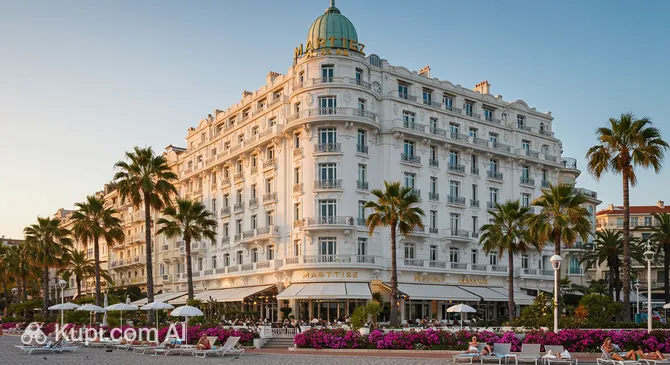
Cannes is home to some of the most legendary hotels on the French Riviera. A true icon of the city is the Hôtel Martinez, an Art Deco masterpiece that has hosted cinema legends and celebrities for decades. Its white facade and prime location on the Croisette make it a landmark in its own right. For travelers seeking a resort atmosphere, Îlot du Golf offers another distinctive option for a comfortable stay in the region.

Hôtel Martinez. Source: Kupi.Binoculars

Booking Tip: Demand for accommodation in Cannes is highly seasonal. During the Cannes Film Festival in May and the peak summer months of July and August, the city is incredibly busy. It is essential to book your room several months in advance to secure a spot, as last-minute availability is rare and often very expensive.

Regarding costs, be prepared for a wide price range. The seafront hotels command premium rates, especially during major events, while moving just a few blocks inland can significantly reduce the cost. Most travelers book via major online platforms, but for the most exclusive suites or during the festival, direct contact with the hotel is often necessary to secure the best arrangements.

Nearby Cities

For those looking to explore the surroundings, Cannes serves as an excellent base for day trips to several interesting nearby locations:

Just a short drive along the coast lies Nice, the vibrant capital of the French Riviera. It is famous for its iconic Promenade des Anglais, bustling flower markets, and the charming narrow streets of its Old Town (Vieux Nice). Visitors can soak up the Italian-influenced architecture and enjoy a wealth of art museums, including those dedicated to Matisse and Chagall.

Closer to home is Antibes, a historic town known for its massive ramparts and the Picasso Museum housed in the Grimaldi Castle. It offers a delightful mix of history and luxury, home to Port Vauban, one of the largest yacht harbors in Europe. The town also boasts beautiful sandy beaches and a lively covered market.

Inland from the coast sits Grasse, globally renowned as the world capital of perfume. Nestled in the hills, this town invites travelers to visit historic perfume factories like Fragonard, Molinard, and Galimard to learn about the art of fragrance creation. Its hillside location also provides sweeping views of the countryside down to the sea.

City Population Distance (km)
Nice 342669 26
Antibes 73438 9
Fréjus 55750 26
Cagnes-sur-Mer 52178 16
Grasse 48870 14

These nearby destinations offer a glimpse into the diverse culture and landscapes of the region.

Shopping & Souvenirs

Shopping in Cannes is world-renowned, offering a dazzling mix of high-end luxury, chic high-street fashion, and authentic Provençal charm. Whether you are looking for the latest haute couture collections or unique local handicrafts, the city caters to every taste and budget. It is a place where window shopping is an activity in itself, set against the backdrop of palm trees and Mediterranean sunshine.

The undisputed center of luxury is the iconic La Croisette. This palm-lined boulevard is home to the most prestigious fashion houses in the world, including Chanel, Dior, and Louis Vuitton. Strolling here offers a glimpse into the glamorous lifestyle the city is famous for, with glittering window displays facing the sea. Just behind it lies the Rue d'Antibes, the city's main shopping artery. This street features a mix of popular international brands, interior design shops, and perfumeries, making it perfect for a more accessible yet stylish shopping spree.

La Croisette. Source: Kupi.Binoculars

For a more traditional atmosphere, head to the pedestrian-only Rue Meynadier. This historic street is lined with local boutiques, delicatessens, and souvenir shops, offering a lively contrast to the upscale boulevards. If you prefer shopping centers, the Galeries Lafayette near the train station provides a wide selection of fashion and accessories under one roof. Additionally, the Gray d'Albion shopping gallery, located within the hotel of the same name, offers an exclusive selection of designer boutiques in a refined setting.

No shopping trip to Cannes is complete without visiting its vibrant markets. The Forville Market is the gastronomic heart of the city, where you can buy fresh regional produce, flowers, and local specialties like olives and tapenade. It is an excellent spot to find edible souvenirs to take home. For clothing and antiques, the Gambetta Market is another notable stop, offering a variety of goods in a bustling open-air environment.

When it comes to souvenirs, the region's heritage offers plenty of choices. Given the proximity to Grasse, the perfume capital of the world, locally made perfumes and soaps are top choices. Foodies should look for bottles of Provençal olive oil, boxes of candied fruits (fruits confits), or a bottle of local Rosé wine. Cinema buffs might also find unique film festival memorabilia in the shops surrounding the Palais des Festivals.

Most shops in Cannes are open from Monday to Saturday, typically between 10:00 AM and 7:00 PM. While major international brands on Rue d'Antibes may stay open during lunch, smaller boutiques often close from 12:00 PM to 2:00 PM. On Sundays, many shops are closed, although during the high summer season, some may remain open. Payments by credit card are widely accepted, but carrying some cash is advisable for markets and small purchases.

Visitors residing outside the European Union are eligible for a VAT refund (tax-free shopping) on purchases exceeding a certain amount in a single store. Look for the "Tax-Free" sign in shop windows and ask the staff for a tax refund form (détaxe) when making your purchase to claim your refund at the airport or border.

Reached the end of the page?

That means the route is fully explored