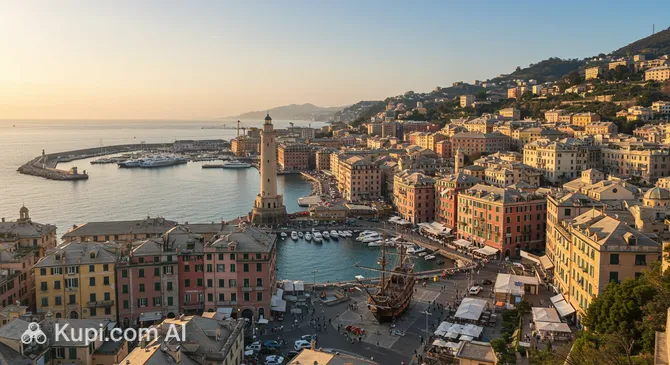
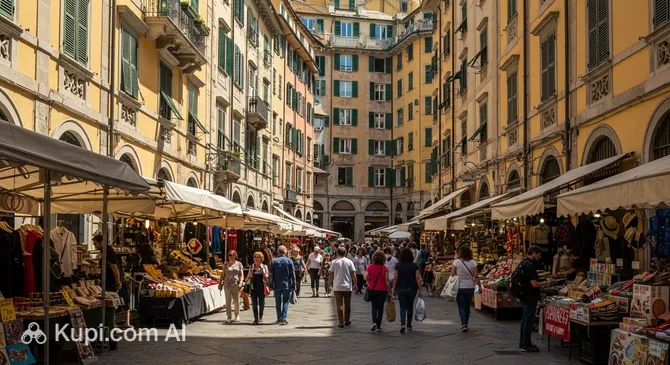
Genoa is a captivating port city that serves as the capital of the Liguria region in northwest Italy. Known for its glorious maritime past and gritty, authentic atmosphere, it offers a distinct experience compared to other Italian destinations. The city is a vertical masterpiece, stretching along the coast and climbing steep hills, providing stunning views of the Ligurian Sea from almost every angle.
Genoa. Illustration.
Source: Kupi.com AI
With a population of approximately 580,000 residents, Genoa is a bustling hub that perfectly balances modern urban life with centuries of tradition. Its geographical location shields it from the coldest winds, resulting in a mild Mediterranean climate that is pleasant for travel throughout the year. The city's layout is characterized by its famous caruggi, a labyrinth of narrow alleyways in the historic center that hide beautiful squares and artisan shops.
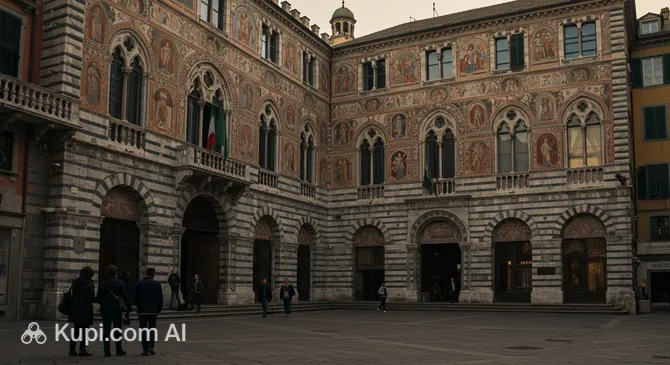
The rich and complex history of Genoa is evident in its stunning architecture. As a former maritime republic, the city amassed incredible wealth, which is showcased in the Palazzi dei Rolli—a collection of Renaissance and Baroque palaces recognized as a UNESCO World Heritage site. Visitors are also drawn to the Aquarium of Genoa, one of the largest in Europe, located in the revitalized Old Port area. Nearby, the iconic Lanterna, an ancient lighthouse, stands tall as a symbol of the city's enduring bond with the sea.
Whether you are exploring its artistic treasures, enjoying the fresh sea breeze, or tasting the world-famous Pesto Genovese right where it was invented, Genoa promises a memorable journey. It is a city that rewards the curious traveler, inviting you to discover its hidden gems and vibrant culture.
Weather Overview
Genoa experiences a mild maritime climate, characterized by moderate temperatures that make the city accessible year-round. The summer months of July and August are the warmest, with average temperatures hovering around 22°C to 23°C and daily highs reaching approximately 26°C. Winters are generally cool but not freezing; January is typically the coldest month, where temperatures average 5.2°C and rarely drop below 2.2°C.
Precipitation is a regular feature of the local climate, with a significant number of wet days distributed throughout the year. May is notably the dampest month in terms of frequency, seeing up to 17 wet days, while even the summer months can experience around 11 to 12 days with some rainfall. To help you pack the right gear for your trip, it is helpful to check the current forecast and historical trends for the weather in Genoa before you depart.
Overall, you can expect warm summers with occasional showers and cool, relatively damp winters. The transitional seasons, particularly spring, tend to bring the most frequent rain, so having a raincoat or umbrella on hand is always a good idea when exploring the city.
Average monthly temperature
Average monthly precipitation
Interesting Facts
Beyond the main attractions and the bustling port, Genoa holds many fascinating secrets and historical curiosities that often surprise visitors.
The blue jeans you wear likely have their roots right here. The word "jeans" is derived from the French word for Genoa, "Gênes," because the city's sailors wore trousers made from a sturdy cotton fabric known as "Bleu de Gênes" long before it became a global fashion icon.
This city is home to one of the oldest banking institutions in the world. The magnificent Palazzo San Giorgio housed the Bank of Saint George, and history suggests that the explorer Marco Polo was once imprisoned within its walls, where he dictated the memoirs of his travels to a fellow inmate.
Genoa is a truly vertical city that relies on a complex network of public elevators and funiculars to connect its neighborhoods. One of the most famous is the Art Nouveau lift leading to the Castelletto Belvedere, a spot the poet Giorgio Caproni described as a "way to heaven" for its breathtaking panoramic views.
While his voyages are legendary, the childhood of the Great Navigator is anchored here. Visitors can see the Christopher Columbus House, a reconstruction of the building where he lived between 1455 and 1470, standing as a modest reminder of his humble beginnings near the Porta Soprana.
Palazzo San Giorgio. Illustration.
Source: Kupi.com AI
Traveler photos:
How to Get There
Reaching the capital of Liguria is convenient thanks to its well-connected transportation network. Whether you are arriving by air or rail, the city offers multiple entry points. For a detailed breakdown of all available routes and travel tips, you can read more about how to get to Genoa.
The most direct way to arrive is via the Genoa Cristoforo Colombo Airport (IATA: GOA), which is conveniently located just 6.8 km from the city center. As the primary gateway to the region, it handles a significant number of passengers annually. The short journey into town is quick and easy; a taxi ride typically takes around 30 minutes depending on traffic. For those traveling from further afield or seeking more international flight options, the Milano Malpensa Airport (IATA: MXP) is a major alternative. However, please note that this airport is located in Milan, approximately 136.7 km away from Genoa. A transfer by road from Milan to Genoa takes considerably longer, usually between 2 to 2.5 hours.
For clarity, here is a summary of the main airports:
Traveling by train is an excellent option, as the city is served by two major railway hubs located right in the urban center. Genova Piazza Principe Station is the main station for long-distance and international trains, situated about 1.6 km from the heart of the city. A taxi or bus ride from here to most central hotels takes approximately 20 to 25 minutes. Another key hub is the Brignole Railway Station, which is even closer to the center at just 1.0 km away. It serves many regional lines and offers quick access to the eastern parts of the city, with a transfer time of roughly 20 minutes.
Below is a list of the nearest and most significant railway stations:
Genoa offers a fascinating mix of architectural styles, maritime heritage, and vibrant public spaces. While the city is famous for its winding alleyways and historic port, it is also home to specific landmarks that define its character and draw visitors from around the world.
One of the most celebrated sites is the Aquarium of Genoa, located in the revitalized Old Port area. As one of the largest aquariums in Europe, it offers an immersive journey through the world's oceans. Visitors can marvel at a vast array of marine life, including dolphins, sharks, seals, and colorful tropical fish. It is not just a visual spectacle but also a center for scientific research and environmental education, making it a perfect destination for families and nature enthusiasts alike.
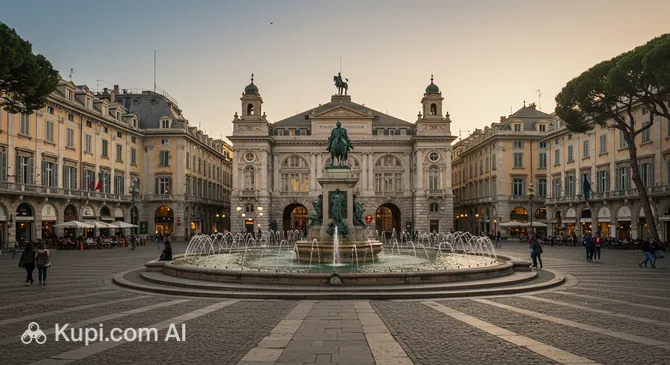
In the heart of the modern city lies Piazza De Ferrari, the main square that serves as a meeting point for locals and tourists. Dominated by a magnificent bronze fountain, the square is surrounded by eclectic buildings, including the Opera House and the Palace of the Region. It connects the historic medieval center with the newer 19th-century commercial district, offering a spacious and elegant atmosphere for a leisurely stroll.
Piazza De Ferrari. Illustration.
Source: Kupi.com AI
Traveler photos:
A short walk away stands the majestic Cathedral of San Lorenzo. This striking religious structure is renowned for its distinctive black-and-white striped Gothic facade, a style characteristic of Genoese architecture. Inside, the cathedral houses impressive artworks and the Museum of the Treasury, which contains religious relics including the "Sacro Catino," once thought to be the Holy Grail. The building's history is etched into its walls, including an unexploded WWII bomb shell that remains on display.
For a change of pace, the picturesque Boccadasse Beach offers a glimpse into the city's fishing village past. Located at the end of the Corso Italia promenade, this charming cove is framed by pastel-colored houses piled high on the rocks. It is a beloved spot for enjoying a gelato, watching the sunset, or simply soaking in the romantic, seaside ambiance that feels worlds away from the busy city center.
Local Cuisine
Local Cuisine:
The culinary landscape of Genoa is defined by its simplicity, freshness, and the aromatic use of herbs. As the capital of Liguria, the city is the birthplace of one of the world's most beloved sauces: Pesto Genovese. Made with fresh basil (preferably from the nearby Prà district), pine nuts, garlic, parmesan, pecorino cheese, and high-quality extra virgin olive oil, it is a staple you must try in its authentic form. It is traditionally served with trofie (short, twisted pasta) or trenette, often accompanied by potatoes and green beans.
Street food is a serious affair here, arguably more so than in many other Italian cities. The undisputed queen of Genoese street food is Focaccia. Unlike the thick, bread-like versions found elsewhere, the local variety is relatively thin, crispy on the edges, soft inside, and glistening with olive oil and salt. Another must-try snack is Farinata, a savory, unleavened pancake made from chickpea flour, water, and olive oil, baked in large copper pans until golden and crusty.
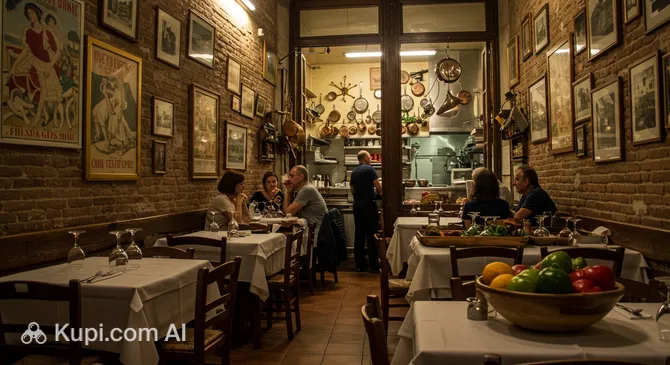
For a sit-down meal that captures the essence of home cooking, visitors often head to traditional establishments. Places like Trattoria delle Grazie offer a cozy atmosphere where you can sample classic dishes such as Pansoti (ravioli filled with wild herbs) served with walnut sauce. Seafood also plays a major role, with dishes like Ciuppin (a rich fish soup) and Stoccafisso alla Genovese (dried cod stew) showcasing the city's maritime heritage.
Trattoria delle Grazie. Illustration.
Source: Kupi.com AI
Traveler photos:
Those with a sweet tooth should not miss the historic pastry shops scattered throughout the city. The Tagliafico Pastry Shop is a renowned spot to try local confections, including Pandolce, a dense fruitcake traditionally eaten at Christmas but available year-round. Breakfast in Genoa often consists of dipping a piece of focaccia into a cappuccino—a sweet and savory combination that surprises many tourists.
To experience the ingredients firsthand, a visit to the Corso Sardegna Market provides insight into the local food culture, offering stalls filled with fresh produce, cheeses, and cured meats. When it comes to drinks, the region produces excellent white wines that pair perfectly with the herbal and seafood-heavy cuisine. Look for a glass of Vermentino or Pigato, crisp white wines from the Ligurian Riviera that capture the salinity of the sea and the scent of the Mediterranean scrub.
Travel Tips
To help you navigate the winding alleyways and vertical landscapes of Genoa with ease, we have compiled a list of essential practical advice. These tips will ensure you experience the city like a local, avoiding common pitfalls while making the most of your Ligurian adventure.
Comfortable Footwear is Essential. Genoa is a "vertical city" with steep hills, many stairs, and cobblestone streets, particularly in the historic center. Leave the high heels or flimsy flip-flops at home and pack sturdy, comfortable walking shoes. If you plan to visit religious sites like the Cathedral of San Lorenzo, remember to dress modestly (covering shoulders and knees).
Master the Vertical Transport. The public transportation system (AMT) is unique because it integrates buses and the metro with funiculars and public elevators. These are not just tourist attractions but essential means for locals to move between the lower city and the hills. A standard ticket covers all these modes, so use them to save your energy and enjoy spectacular views. Avoid renting a car for city exploration; the ZTL (limited traffic zones) and narrow streets make driving stressful and parking difficult.
Cash and Currency. The currency is the Euro (€). While credit cards are widely accepted in restaurants and museums, it is highly recommended to carry some cash. You will need it for small purchases at historic focaccerias, local markets, or for buying a quick espresso. ATMs (Bancomat) are easy to find. Tipping is not mandatory as a service charge (coperto) is usually added to the bill, but leaving small change is appreciated.
Stay Safe in the Caruggi. Genoa is generally safe, but the labyrinthine alleyways of the historic center (caruggi) can be disorienting. During the day, they are bustling and charming, but late at night, some isolated sections can feel uncomfortable. Stick to the main, well-lit streets after dark and be mindful of your belongings in crowded areas. Pharmacies are marked by a green cross and are usually open during standard business hours, with some operating 24/7 on a rotating basis.
Language and Connectivity. Italian is the primary language. While English is spoken in hotels and major tourist spots, it is less common in small, family-run traditional shops. Learning a few phrases like "Buongiorno" (Good morning) and "Grazie" (Thank you) will be warmly received. Italy has excellent mobile coverage, and you can easily purchase a SIM card from major providers like TIM, Vodafone, or WindTre upon arrival.
Respect Local Etiquette. Genoese people are known for being reserved but polite. It is customary to greet shopkeepers when entering or leaving a store. When visiting fresh produce markets, never touch the fruit or vegetables with your bare hands; ask the vendor to serve you or look for plastic gloves provided for customers.
Mind the "Riposo". Avoid planning shopping trips between 1:00 PM and 3:30 PM. Many smaller shops and businesses close for a lunch break (riposo), especially outside the main tourist hubs. Use this time to enjoy a leisurely lunch yourself, just as the locals do.
The Breakfast Ritual. For a truly authentic experience, try the local breakfast hack: dipping a strip of plain focaccia into your cappuccino. While it might seem unusual to mix salty and sweet, this is a beloved Genoese tradition. Don't knock it until you've tried it at a local café!
By keeping these practical tips in mind, you will be well-prepared to embrace the unique rhythm of Genoa. From mastering the public elevators to enjoying the local culinary customs, a little preparation allows you to focus on the beauty and character of this extraordinary port city.
Entertainment & Nightlife
Nightlife in Genoa is defined by its authentic character, favoring social conviviality over glitzy mega-clubs. The evening typically begins with the sacred ritual of the aperitivo, usually starting around 7:00 PM, where drinks are accompanied by generous plates of focaccia and local snacks. As the night progresses, the energy shifts to the labyrinthine alleyways of the historic center, where the "movida" spills out onto the cobblestones, creating a lively and communal atmosphere.
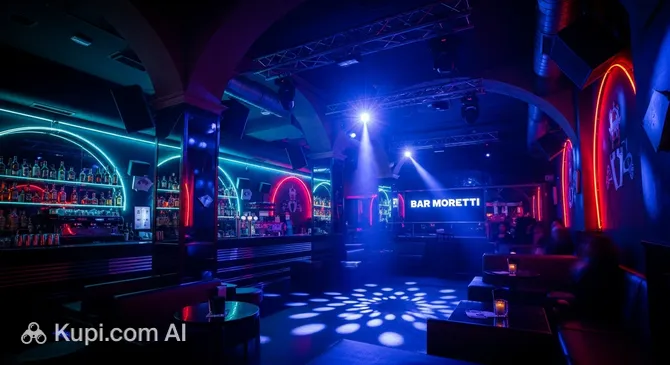
The heart of the action is undoubtedly the Centro Storico. Areas like Piazza delle Erbe and Piazza Lavagna are packed with students and locals enjoying cocktails and craft beers. For a vibrant atmosphere, you can visit Bar Moretti, a popular spot that captures the local spirit. The vibe here is casual and boisterous; there is rarely a strict dress code, but smart casual is always a safe bet if you plan to move to a lounge or club later.
Bar Moretti. Illustration.
Source: Kupi.com AI
Traveler photos:
For those seeking a more relaxed or sophisticated setting, the Porto Antico area offers venues with views of the harbor. Here, you can find stylish lounge bars perfect for a night out. A notable option is the Le Baron Blanc Lounge Shisha Club, which provides a comfortable environment to unwind with friends. During the summer months, the nightlife extends to the seaside promenade of Corso Italia and the charming fishing village of Boccadasse, where open-air venues host DJ sets right by the water.
If you are looking for a place to grab a late-night bite and a drink, Groove Burger is another venue to consider, offering a lively setting to refuel. Prices in Genoa are generally reasonable compared to other northern Italian cities. A cocktail typically costs between €6 and €10, while a beer might set you back €4 to €6. Most bars stay open until 1:00 or 2:00 AM, while clubs may go until dawn, particularly on weekends.
Regarding safety, while the main squares are safe and crowded, the narrow caruggi (alleys) can be dark and disorienting. It is advisable to stick to well-lit, populated routes at night and avoid isolated shortcuts. Public transport winds down around midnight, though some night buses run. The best way to get home late is by taxi; remember that you cannot usually hail them on the street. You must call a radio taxi service or walk to a designated taxi rank, such as those at Piazza De Ferrari or the train stations.
Beyond the nightlife, the city offers rich daytime entertainment. Culture enthusiasts can visit the Strada Nuova Museums – Palazzo Rosso to admire art collections in a historical setting. For families, the city provides various interactive experiences, such as the Città dei Bambini e dei Ragazzi, a large science and technology center designed specifically for children and teenagers.
Parks & Museums
Genoa balances its dense, historic urban fabric with surprising pockets of greenery and a wealth of museums that preserve its legacy as a maritime superpower. Exploring these spaces offers a deeper understanding of the city's evolution from a medieval republic to a modern cultural hub.
For those seeking nature and panoramic views, the Historic Aqueduct of Genoa offers a unique hiking experience. This ancient engineering marvel, which once supplied the city with water, has been transformed into a scenic walking trail that winds through the hills, providing a peaceful escape from the bustling center. Closer to the city heart lies Victory Square (Piazza della Vittoria), a vast and imposing space characterized by its manicured gardens and the monumental Arch of Victory. It serves as a grand green breathing space amidst the urban architecture.
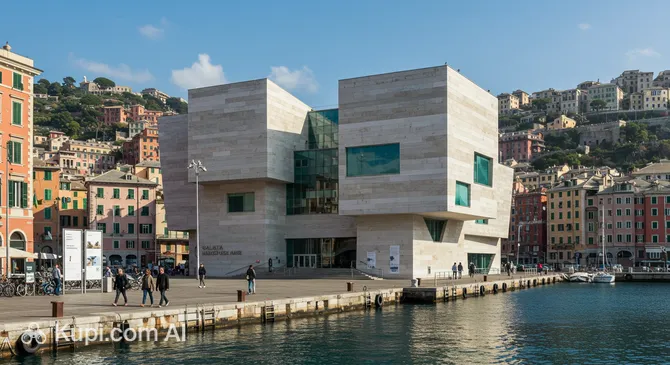
The city's museums are closely tied to its relationship with the sea and its aristocratic past. The Galata Maritime Museum is a must-visit, standing as the largest maritime museum in the Mediterranean. It offers an immersive journey through the history of navigation, from the age of oars to the era of transatlantic liners, and even features a real submarine that visitors can explore.
Galata Maritime Museum. Illustration.
Source: Kupi.com AI
Traveler photos:
Art and history enthusiasts should not miss the Royal Palace Museum (Palazzo Reale). This UNESCO-listed site was a residence of the Savoy dynasty and boasts preserved 17th-century interiors, including a stunning Hall of Mirrors and a rich art gallery. Another fascinating venue is D'Albertis Castle, located on a hill overlooking the harbor. Once the home of an eccentric sea captain, it now houses the Museum of World Cultures, displaying curiosities collected from around the globe within a neo-Gothic setting.
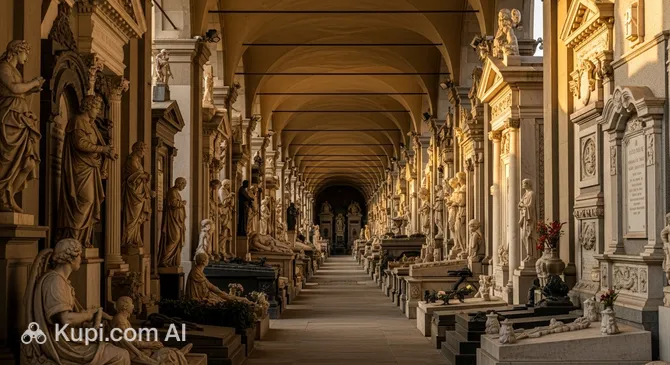
Genoa also possesses one of the most significant open-air museums in Europe: the Monumental Cemetery of Staglieno. Far from being a gloomy place, it is celebrated for its incredible collection of realistic marble sculptures that adorn the tombs, attracting famous visitors like Mark Twain and Ernest Hemingway in the past. In the city center, the Doge's Palace (Palazzo Ducale) of Genoa serves as a vibrant cultural center, hosting major art exhibitions and events in the former seat of the Republic's rulers.
Monumental Cemetery of Staglieno. Illustration.
Source: Kupi.com AI
Traveler photos:
No tour of the city's landmarks is complete without seeing the Lighthouse of Genoa, known simply as the "Lanterna." Standing 76 meters tall, it is the world's third-oldest lighthouse still in operation and offers a museum dedicated to the city's fortifications. For a hidden artistic gem, step inside the Basilica of the Santissima Annunziata del Vastato; its modest neoclassical facade hides a breathtaking interior filled with gold leaf and Baroque frescoes that often leaves visitors speechless.
Getting Around
Navigating Genoa is an experience in itself, defined by the city's unique "vertical" geography. Squeezed between the mountains and the sea, the Ligurian capital has developed a diverse and integrated public transportation system managed by AMT (Azienda Mobilità e Trasporti). This network allows visitors to move easily from the waterfront to the panoramic hills without needing a car.
The most convenient way to explore is by using the integrated ticket system. A standard single ticket is typically valid for 110 minutes and grants access to buses, the metro, funiculars, and public elevators. Tickets can be purchased at newsstands, tobacconists (tabaccherie), automatic vending machines at stations, or via the official AMT mobile app. Remember to validate your ticket immediately upon boarding to avoid fines.
The Metro and Buses
Genoa's metro system consists of a single line that is highly practical for tourists. It connects the main railway stations, Principe and Brignole, with the historic center and the Old Port (San Giorgio station). It is the fastest way to cross the city center, bypassing surface traffic. Complementing the metro is an extensive bus network that covers the entire coastal strip and the valleys, though traffic congestion can sometimes cause delays.
Vertical Transport: Funiculars and Elevators
What makes transport here truly special are the historic connections to the upper neighborhoods. These are not just tourist attractions but essential parts of the public transit network:
Funiculars: The Zecca-Righi Funicular is a highlight, climbing up the steep hills to Righi, where you can enjoy sweeping views of the harbor and access the city's hiking trails and ancient forts.
Public Elevators: Scattered throughout the city, these lifts connect the lower streets with the heights. The Castelletto Levante elevator is the most famous, an Art Nouveau gem that whisks passengers up to the Spianata Castelletto for one of the best panoramas in Italy.
By Sea: The Navebus
For a scenic journey that is part of the public network, take the Navebus. This boat service connects the Old Port (Porto Antico) with the western fishing district of Pegli. The trip takes about 30 minutes and offers a unique perspective of the city from the water, allowing you to enjoy a coastal cruise for a fraction of the price of a tourist boat.
Taxis and Driving
Driving in Genoa is generally discouraged for tourists due to the complex one-way systems, narrow streets, and strict ZTL (Limited Traffic Zones). Parking is scarce and often expensive. If you need a car for a day trip, it is best to rent one only for that specific day. Taxis are a reliable alternative for night travel; however, they cannot be hailed on the street. You must find a designated taxi rank or book one by phone.
Accommodation
Genoa provides a diverse array of accommodation options that cater to every type of traveler, from backpackers seeking budget-friendly hostels to luxury seekers looking for five-star comfort. The city's unique geography means you can choose between staying in the heart of the medieval labyrinth, near the bustling port, or along the scenic seafront promenades. Whether you prefer the charm of a renovated historic apartment or the amenities of a modern hotel, the city offers a welcoming base for your Ligurian adventure.
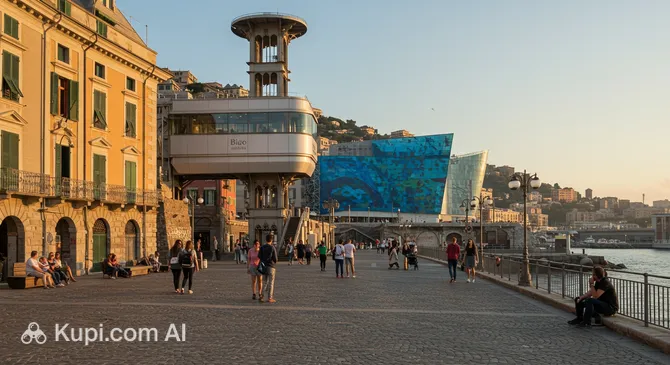
For those who want to be close to the main tourist sights, the area around the Porto Antico is an excellent choice. This revitalized harbor district is modern, safe, and walkable, placing you just steps away from the Aquarium and the maritime museums. It is particularly convenient for families and those who prefer a more open, airy atmosphere compared to the dense city center.
Porto Antico. Illustration.
Source: Kupi.com AI
Traveler photos:
If you prefer to be immersed in history, the Centro Storico (Historic Center) offers a truly authentic experience. Staying in one of the boutique guest houses here puts you within walking distance of Piazza De Ferrari and the famous Palazzi dei Rolli. While charming, the narrow alleyways (caruggi) are vibrant and can be busy, making this area best suited for travelers who enjoy a lively urban pulse and want to be in the middle of the action.
For a more relaxed, resort-like feel, consider looking for accommodation along Corso Italia or near Boccadasse Beach. This fishing village neighborhood offers a romantic seaside setting with pastel-colored houses and excellent gelato shops, yet it remains connected to the center by a short bus or taxi ride. It is the perfect spot for those who want to combine a city break with a touch of the Italian Riviera.
Price Range and Booking
Accommodation prices in Genoa are generally competitive compared to other major Italian cities, though they fluctuate by season.
Budget: Hostels and simple guesthouses typically range from €30 to €70 per night.
Mid-range: Comfortable hotels and B&Bs usually cost between €80 and €150 per night.
Luxury: High-end hotels and historic suites can start from €180 and go upwards significantly.
Most properties can be easily booked via major online platforms, though booking directly can sometimes offer small perks.
Booking Tip: Genoa is a popular destination year-round, but it gets exceptionally busy during the summer months and during major events like the Genoa International Boat Show in September. It is highly recommended to book your accommodation well in advance during these peak times to secure the best rates and availability.
Nearby Cities
For those looking to explore the surroundings, Genoa serves as an excellent base for day trips to several interesting nearby locations:
City
Population
Distance
Cerese
11 141
15 km
Recco
9 683
17 km
Arenzano
11 478
20 km
Cogoleto
9 123
23 km
Santa Margherita Ligure
9 124
24 km
Among these options, Rapallo stands out as a picturesque coastal retreat just a short train ride away. It is famous for its elegant seafront promenade, the 16th-century castle built directly on the water, and the cable car that whisks visitors up to the Sanctuary of Montallegro for panoramic views of the Gulf of Tigullio.
Heading west along the coast, Savona offers a mix of history and beach life. The city is dominated by the imposing Priamar Fortress, a massive defensive complex overlooking the sea. Interestingly, Savona also boasts its own "Sistine Chapel," commissioned by Pope Sixtus IV, which serves as a smaller, rococo counterpart to the famous one in Rome.
Another charming destination is Chiavari, known for its well-preserved medieval center characterized by miles of ancient arcades (porticoes). These covered walkways are lined with traditional shops and historic cafés, making it a delightful place to wander regardless of the weather. It offers a more authentic, lived-in atmosphere compared to some of the more tourist-heavy resort towns.
These nearby destinations offer a glimpse into the diverse culture and landscapes of the region.
Shopping & Souvenirs
Shopping in Genoa:
Shopping in Genoa is a delightful exploration that ranges from elegant 19th-century avenues to the narrow, atmospheric alleyways of the medieval center. The city is particularly renowned for its "Botteghe Storiche" (historic shops), establishments that have been operating for at least 70 years—and often for centuries. These unique stores, often maintaining their original furniture and equipment, sell everything from spices and chocolates to poultry and tripe, offering a fascinating glimpse into the city's commercial soul.
The main artery for fashion and retail is Via XX Settembre, a wide, porticoed avenue lined with high-street brands, department stores, and elegant cafes. Walking under its mosaic floors and Art Nouveau facades makes the experience truly unique. For luxury lovers, Via Roma and the elegant Galleria Mazzini are the destinations for high-end Italian and international designer boutiques, jewelry, and refined tailoring.
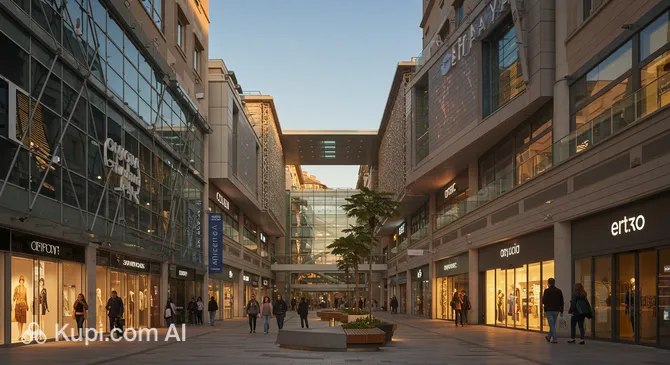
For a comprehensive modern shopping experience, the Fiumara Shopping Center is the largest commercial complex in the city. Located in the Sampierdarena district, west of the center, it houses over 100 stores, a cinema, and a vast food court. It serves as a convenient one-stop destination for families or those looking for familiar international brands and entertainment under one roof.
Fiumara Shopping Center. Illustration.
Source: Kupi.com AI
Traveler photos:
Markets are an essential part of Genoese life and a treat for visitors. The famous Mercato Orientale (MOG) on Via XX Settembre is a sensory explosion of colors and scents, where piles of fresh basil, local cheeses, and seasonal vegetables are sold daily. Recently, the Corso Sardegna Market has been redeveloped into a vibrant community hub. It offers not just traditional market stalls but also green spaces and dining options, blending the city's market tradition with modern urban renewal.
Corso Sardegna Market. Illustration.
Source: Kupi.com AI
Traveler photos:
When it comes to souvenirs, gastronomy tops the list. A jar of authentic Pesto Genovese (ensure it is sealed and shelf-stable for travel) is the classic choice. You might also look for Pandolce, the traditional dense fruitcake filled with raisins and pine nuts. For non-food items, the region is famous for its intricate macramé lace and damask fabrics, often found in the artisan workshops of the historic center. Ceramics from the nearby town of Albisola are also widely available in Genoese shops and make for beautiful, hand-painted gifts.
Opening hours generally run from 9:00 AM to 7:30 PM. However, it is crucial to remember that many smaller shops, especially in the historic center and outside the main avenues, observe a "riposo" (lunch break), closing roughly between 12:30 PM and 3:30 PM. Major chains and shopping centers like Fiumara usually stay open all day (orario continuato). Credit and debit cards are widely accepted, though carrying some cash is advisable for small purchases in markets or historic artisan shops.
Visitors residing outside the European Union are eligible for a VAT (IVA) refund on goods purchased in a single store, provided the total exceeds the minimum national threshold (typically around €70). Look for the "Tax Free Shopping" sign in shop windows and remember to ask for the necessary forms at the checkout to process your refund at the airport before leaving the EU.