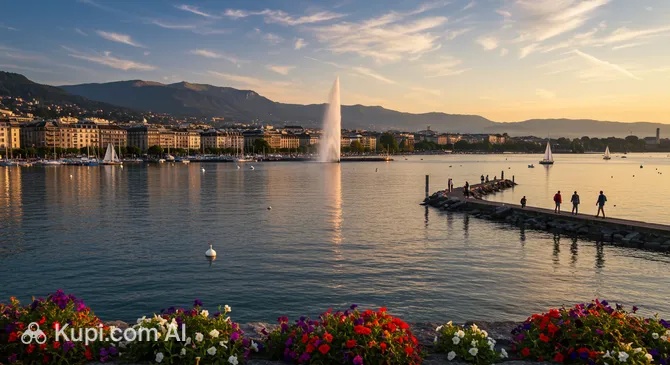
Geneva is a city that effortlessly blends international diplomacy with breathtaking natural beauty. Situated at the southern tip of the expansive Lake Geneva (Lac Léman), this cosmopolitan hub is one of the most famous destinations in Switzerland. Known globally as the "Capital of Peace," it serves as the headquarters for numerous international organizations, including the Red Cross and the European seat of the United Nations.
Geneva. Illustration.
Source: Kupi.com AI
Surrounded by the Alps and the Jura mountains, the city offers spectacular views, often featuring the majestic Mont Blanc in the distance on clear days. With a population of approximately 200,000 residents, Geneva maintains a manageable and welcoming size while buzzing with the energy of a major world capital. The atmosphere is distinctly international, yet it retains a charming local character found in its lively cafes, pristine parks, and elegant promenades.
Visitors are often captivated by the rich history of Geneva, which is best explored by wandering through the cobbled streets of the Old Town (Vieille Ville). Here, you can discover historic treasures like St. Pierre Cathedral and the Maison Tavel. No visit is complete without admiring the iconic Jet d'Eau, a massive fountain that shoots water 140 meters into the air, serving as a proud symbol of the city's vitality.
Whether you are interested in luxury watchmaking, humanitarian history, or simply relaxing by the lake, Geneva promises a sophisticated and memorable experience. We invite you to explore its unique mix of culture, nature, and urban elegance.
Weather Overview
The climate in this region is generally temperate, offering four distinct seasons that each bring a unique charm to the city. To help you pack appropriately, it is advisable to consult the current weather in Geneva before your trip, as conditions can change. Overall, the city enjoys a mild atmosphere without extreme temperature fluctuations.
Summers are pleasant and warm, making them a popular time for visitors. During July and August, average temperatures hover around 19°C, with daytime highs reaching approximately 24°C. Despite the warmth, rainfall is quite common, with June seeing up to 17 wet days, so carrying an umbrella is always a good idea.
Winters are cold and crisp, though rarely freezing for long periods. In January, the average temperature is about 1.6°C, with minimums dipping to around -1.5°C. This season is also characterized by frequent precipitation; December, for example, typically experiences 18 wet days. Expect warm summers with regular showers and cold, damp winters.
Average monthly temperature
Average monthly precipitation
Interesting Facts
Beyond the main attractions, Geneva holds many fascinating secrets and historical curiosities that often go unnoticed by casual visitors. Here are a few unique details that reveal the city's hidden character and global influence.
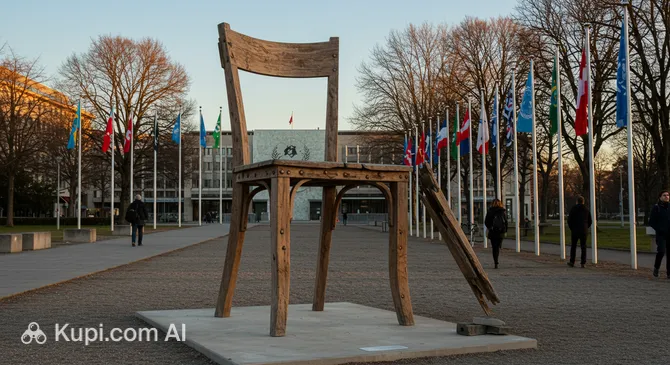
Broken Chair. Illustration.
Source: Kupi.com AI
Traveler photos:
The city is home to a monumental sculpture known as the Broken Chair, which stands on three legs in the Place des Nations. Designed by Daniel Berset, this 12-meter-tall wooden work of art symbolizes the global fight against landmines and cluster bombs, serving as a powerful reminder of peace and resilience.
Geneva is the actual birthplace of the World Wide Web, which was invented by Tim Berners-Lee at CERN in 1989. While the research center is famous for its groundbreaking work in particle physics, this digital revolution began quietly in an office just outside the city center, changing the world forever.
Literature lovers may be surprised to learn that Mary Shelley wrote her famous novel Frankenstein while staying near Lake Geneva during the unusually cold and rainy summer of 1816. The story is deeply connected to the region, with significant scenes set in the city and on the nearby Plainpalais.
For a unique resting spot, you can sit on the world's longest wooden bench at the Promenade de la Treille. Built in 1767, this impressive structure stretches for over 120 meters, offering a panoramic view towards the park that houses the historic Reformation Wall.
How to Get There
Reaching this global diplomatic hub is straightforward thanks to its excellent connectivity with major European cities and international destinations. Whether you prefer flying or taking the train, there are convenient options to suit every itinerary. You can find more specific details and plan your journey on our dedicated page about all ways to reach the city.
The most convenient entry point is undoubtedly Geneva Airport (IATA: GVA), located just 4.5 km from the city center. As a major international hub, it welcomes millions of passengers annually and offers incredibly fast access to downtown Geneva; a train ride takes only about 6 minutes, while a taxi or bus takes approximately 20 minutes. It serves as the primary gateway for travelers visiting the region and the nearby Alps.
Alternatively, travelers can fly into Lyon Saint-Exupéry International Airport (IATA: LYS), situated in the French city of Lyon, roughly 97.3 km away from Geneva. While not in Switzerland, it is a significant option for international arrivals. The journey from Lyon to Geneva typically takes around 2 hours and 45 minutes by road or train, making it a viable secondary choice if direct flights to Geneva are unavailable.
For clarity, here is a summary of the main airports serving the region:
Traveling by train is another excellent way to arrive, offering scenic views and comfort. The main hub is Geneva Railway Station (Gare de Cornavin), located right in the heart of the city, just 0.7 km from the center. It connects Geneva with major Swiss cities like Zurich and Bern, as well as international destinations such as Paris and Milan. With extremely high passenger traffic, it is a bustling and efficient entry point for rail travelers.
If you are traveling through France, you might also pass through or connect at Lyon Part-Dieu Station in the city of Lyon, located approximately 111 km from Geneva. It is a major interchange for high-speed TGV trains. From there, you can catch a direct train to Geneva, which usually takes just under 2 hours, offering a smooth transition into Switzerland.
Below is a list of key railway stations in the vicinity:
Geneva is packed with cultural treasures and iconic landmarks that reflect its status as a global city. While the famous Jet d'Eau dominates the skyline, there are several other sites that define the character of this unique destination.
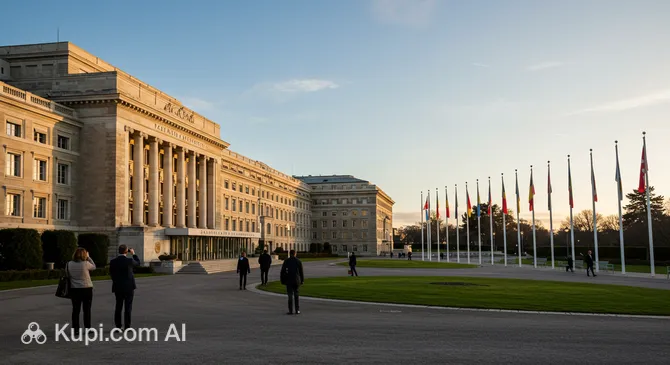
One of the most significant diplomatic centers in the world is the Palais des Nations. Located in the heart of Ariana Park, this imposing complex serves as the European headquarters of the United Nations. Visitors can take guided tours to see the majestic assembly halls and learn about the organization's global peacekeeping efforts. It is fascinating not just for its political importance, but also for its beautiful grounds where peacocks roam freely, offering a unique contrast between serious international affairs and nature.
Palais des Nations. Illustration.
Source: Kupi.com AI
Traveler photos:
A tribute to the city's prestigious watchmaking tradition, the Flower Clock is a masterpiece of technology and floral art. Situated at the edge of the English Garden, this functioning clock is composed of thousands of living plants and flowers that are changed seasonally. It is a must-see for tourists because it perfectly encapsulates Geneva's dedication to precision and beauty, keeping perfect time while offering a colorful photo opportunity.
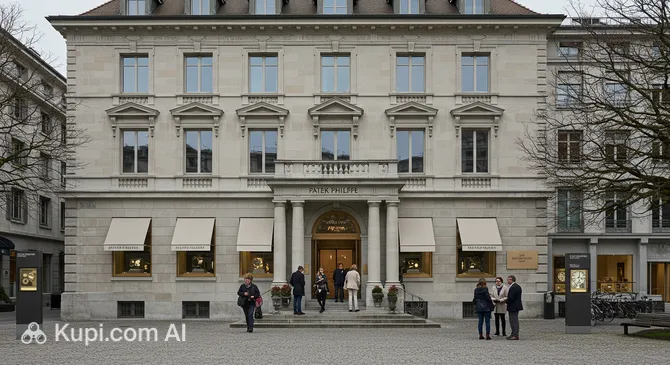
For those intrigued by the mechanics of time, the Patek Philippe Museum offers an extraordinary journey through five centuries of watchmaking history. The museum houses an impressive collection of Swiss and European timepieces, ranging from the 16th century to modern masterpieces. It is widely regarded as one of the best horology museums in the world, making it an essential stop for anyone wanting to understand why Geneva is the luxury watch capital of the globe.
Patek Philippe Museum. Illustration.
Source: Kupi.com AI
Traveler photos:
To experience the local lifestyle, head to the Bains des Pâquis. Located on a pier jutting into Lake Geneva, this popular spot offers public baths, saunas, and a beach area that is lively year-round. In the summer, it is perfect for sunbathing and swimming, while in the winter, it transforms into a cozy destination famous for serving delicious fondue. It provides a relaxed, authentic atmosphere and stunning views of the lake and the city skyline.
Local Cuisine
Geneva's culinary scene is a delightful reflection of its geography, blending the rustic heartiness of Swiss tradition with the refined techniques of French gastronomy. As a city with a massive international community, you will find cuisine from every corner of the globe here, but the local flavors remain the true stars. The dining landscape ranges from prestigious Michelin-starred establishments to lively street markets and cozy lakeside bistros.
One of the most iconic dishes you must try is Filets de Perche (perch fillets). Caught fresh from the waters of Lake Geneva, these delicate fish are typically lightly fried or sautéed in a lemon butter sauce. They are almost always served with a generous portion of fries and a fresh salad, making for a quintessential lakeside lunch, especially in the warmer months.
For cheese lovers, Fondue is an absolute staple. While often associated with winter, it is enjoyed year-round in Geneva. The local favorite is the "Moitié-Moitié," a rich blend of Gruyère and Vacherin Fribourgeois cheeses. Another hearty specialty unique to the region is Longeole, a flavorful pork sausage seasoned with fennel seeds and white wine. It is traditionally served with a gratin of cardoons, a thistle-like vegetable that is a protected local product of the Genevan countryside.
Oh Martine. Illustration.
Source: Kupi.com AI
Traveler photos:
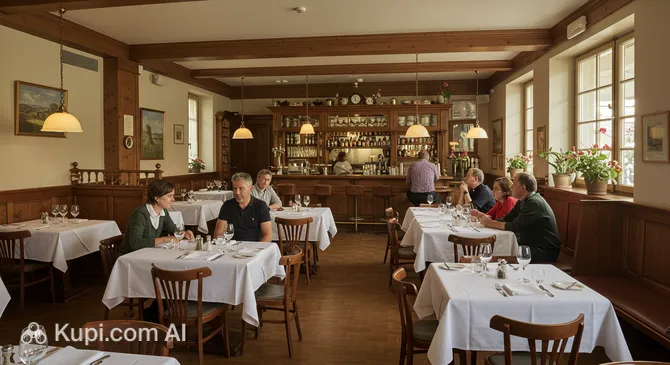
If you are looking for a modern and cozy spot to enjoy a coffee or a delicious tartine, Oh Martine! is a popular choice among locals. It perfectly captures the city's evolving café culture, offering a relaxed atmosphere to recharge between sightseeing stops.
No culinary tour of Geneva is complete without indulging in Swiss chocolate. The city is dotted with historic chocolateries offering everything from truffles to the famous "Pavés de Genève"—small chocolate cubes dusted with cocoa powder designed to resemble the cobblestones of the Old Town. These make for the perfect dessert or a sweet souvenir to take home.
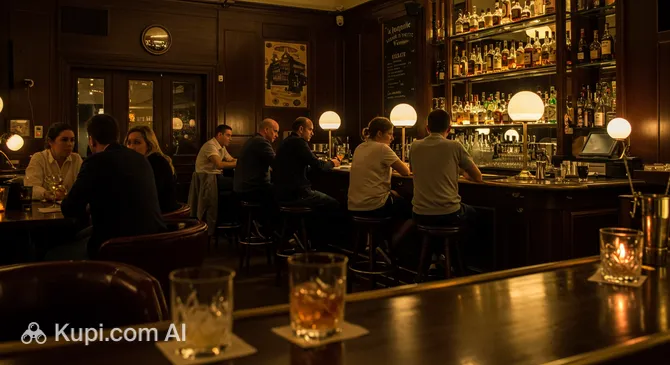
When it comes to drinks, many visitors are surprised to learn that Geneva is one of Switzerland's largest wine-producing cantons. The local vineyards produce excellent vintages, with Chasselas being the signature white wine. It is crisp, fresh, and pairs beautifully with cheese dishes and lake fish. For a relaxing evening drink, you might visit Claire Bar, where you can sample local beverages or expertly crafted cocktails in a welcoming setting.
Travel Tips
Welcome to Geneva! To help you navigate this elegant diplomatic hub with ease, we have compiled a list of essential travel tips to make your stay as smooth as possible. These practical insights will ensure you focus less on logistics and more on enjoying the stunning lake views and cultural treasures.
Smart Packing and Footwear: Geneva's weather can be changeable, so bringing **layers** is essential regardless of the season. In summer, light clothing works, but always carry a jacket for cooler evenings by the lake. For winter, a warm coat, gloves, and a scarf are necessary. Most importantly, pack comfortable walking shoes; the cobblestone streets of the Old Town are beautiful but can be challenging in heels or stiff soles.
Mastering Public Transport: You likely won't need a car here as the city is very walkable and public transit is excellent. The network (TPG) covers buses, trams, and the iconic yellow taxi-boats known as Mouettes. A fantastic perk for tourists is the Geneva Transport Card, which is provided free of charge by hotels, hostels, and campsites. It offers unlimited travel on the transport network for the duration of your stay.
Currency and Payments: The local currency is the Swiss Franc (CHF), not the Euro, though some larger shops may accept Euros at a poor exchange rate. Credit cards are widely accepted almost everywhere, even for small amounts. Geneva is known for being expensive, so plan your budget accordingly. Tipping is not mandatory as service is included by law, but rounding up the bill or leaving a small amount is a polite gesture for good service.
Health and Hydration: Geneva is extremely safe and hygienic. You do not need to buy bottled water; the tap water is of excellent quality. In fact, you will find numerous public fountains throughout the city offering clean, drinkable water—just bring a reusable bottle to stay hydrated and save money. Pharmacies are easily identifiable by a green cross, and there is usually a rotating 24-hour service available for emergencies.
Language and Connection: The primary language is French. While English is widely spoken, especially in tourist areas and international organizations, locals appreciate it if you start a conversation with a polite "Bonjour" (Hello) or "Excusez-moi" (Excuse me). For mobile data, you can purchase a prepaid SIM card at the airport or local providers like Swisscom or Sunrise, though free Wi-Fi is available in many public spots like the lakefront.
Local Etiquette: Swiss culture values privacy and order. When entering a shop, always greet the staff. Punctuality is taken seriously here, so try to be on time for reservations or tours. On public transport and in restaurants, keep your voice down to match the generally quiet and respectful atmosphere of the city.
Sunday Closures: Be aware that Sunday is truly a day of rest in Switzerland. Most shops, supermarkets, and pharmacies are closed all day. Only businesses at the airport and the main train station (Gare de Cornavin) remain open. Plan your shopping needs in advance to avoid being caught out without essentials.
What to Avoid: Do not cross the street when the pedestrian light is red, even if there are no cars coming. Jaywalking is frowned upon and can result in an on-the-spot fine. Also, avoid being loud late at night in residential areas, as noise regulations are strictly respected and locals value their peace.
With these tips in hand, you are ready to experience the best of Geneva like a savvy traveler. Whether you are strolling along the promenade or exploring the historic alleys, a little preparation goes a long way in ensuring a relaxed and memorable Swiss adventure.
Entertainment & Nightlife
While Geneva is renowned for its diplomatic seriousness by day, the city reveals a vibrant and diverse character once the sun sets. The nightlife scene here is surprisingly eclectic, catering to everyone from international professionals unwinding with cocktails to students seeking underground beats. Whether you are looking for a sophisticated wine bar or a pulsating dance floor, the city offers plenty of options to keep you entertained until the early hours.
The nightlife geography is distinct and easy to navigate. The Carouge district, often called the "Greenwich Village of Geneva," is perfect for a relaxed evening. Its Mediterranean-style streets are lined with trendy bars and bistros that attract a stylish, slightly older crowd. In contrast, the Pâquis district is edgier and more cosmopolitan; it is known for its lively pubs and multicultural vibe. For a younger, more alternative atmosphere, the area around Plainpalais is the place to be, teeming with students and creative types.
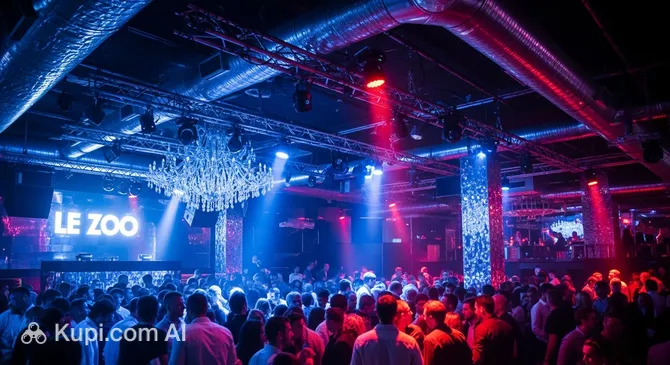
For those who love electronic music and an alternative vibe, Le Zoo is a legendary institution. Located within the L'Usine cultural center, this club is famous for its underground techno and house nights, attracting top international DJs. It has a raw, industrial feel and a very relaxed dress code, making it a favorite for serious music fans.
Le Zoo. Illustration.
Source: Kupi.com AI
Traveler photos:
If you prefer a more laid-back setting to enjoy a drink with friends, La Jonquille in the Plainpalais neighborhood is an excellent choice. This cooperative bar focuses on sustainability, offering a great selection of local craft beers and organic wines. The atmosphere is friendly and unpretentious, often buzzing with locals enjoying the cozy interior or the terrace during warmer months.
La Jonquille. Illustration.
Source: Kupi.com AI
Traveler photos:
When planning a night out, keep in mind that Geneva can be expensive. Cocktails often cost between 15 and 25 CHF, and cover charges for clubs can apply. Thursdays are known locally as "Jeudis" and are popular student nights, while Fridays and Saturdays are the main nights for clubbing, with venues staying open until 4:00 or 5:00 AM. Public transport is efficient at night, with the Noctambus network running late-night buses on weekends to ensure you get home safely.
Safety is generally not a major concern, as Geneva is one of the safest cities in Europe. However, the Pâquis area, while fun and popular, can feel a bit rougher late at night due to the presence of the red-light district. It is generally safe to walk, but staying on main streets is always a good practice. Taxis and ride-sharing services like Uber are readily available and reliable if you prefer a direct ride.
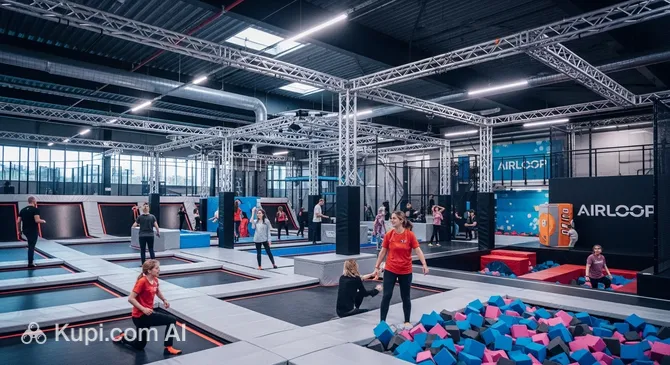
Beyond nightlife, the city offers engaging daytime entertainment for thrill-seekers. For families or groups looking for active fun, Airloop provides a fantastic indoor experience. It is a large trampoline park that offers a great way to burn off energy and enjoy some lighthearted competition away from the historical sites.
Airloop. Illustration.
Source: Kupi.com AI
Traveler photos:
Parks & Museums
Geneva is a city that breathes through its lush green spaces and reflects deeply on its heritage through world-class cultural institutions. Beyond the diplomatic headquarters and luxury boutiques, visitors will find a treasure trove of serene parks and museums that showcase everything from botanical wonders to the history of humanitarian aid.
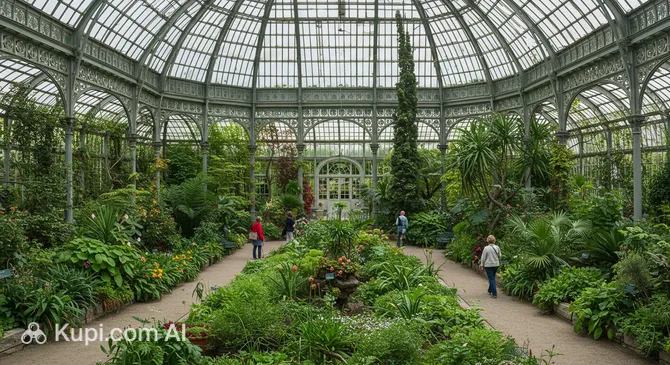
For nature lovers, the Conservatory and Botanical Garden of Geneva is an absolute must-see. Located near the international organizations, this living museum occupies 28 hectares and houses a collection of over 16,000 plant species from around the world. It is not just a park but a scientific institution featuring greenhouses, a rock garden, and an "animal park" with endangered species, making it a perfect educational escape for families.
Conservatory and Botanical Garden of Geneva. Illustration.
Source: Kupi.com AI
Traveler photos:
Another magnificent green retreat is La Grange Park, the largest park in the city. Situated on the left bank of the lake, it is famous for its stunning rose garden, which boasts more than 200 varieties of roses. The park is home to an 18th-century villa and offers expansive lawns that are ideal for picnics, providing a breathtaking view of the lake and the distant mountains.
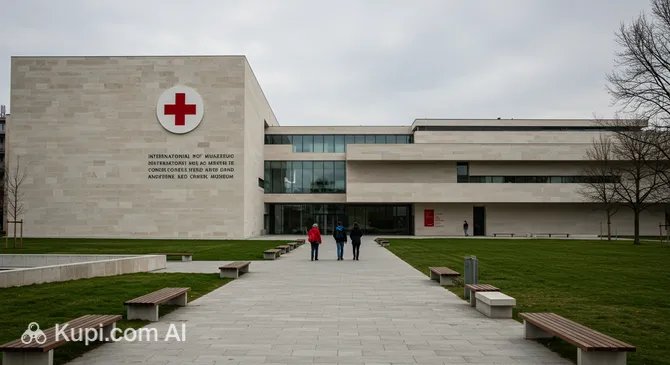
Geneva’s cultural landscape is equally impressive. The International Red Cross and Red Crescent Museum offers a deeply moving experience that aligns with the city's identity as the Capital of Peace. The permanent exhibition, "The Humanitarian Adventure," is divided into three thematic areas—Defending Human Dignity, Restoring Family Links, and Reducing Natural Risks. It uses interactive displays to tell powerful stories of resilience and hope, making it one of the most impactful museums in Europe.
International Red Cross and Red Crescent Museum. Illustration.
Source: Kupi.com AI
Traveler photos:
Art and history enthusiasts should head to the Museum of Art and History, the largest museum in Switzerland. Its vast collection spans from prehistoric times to the modern era, featuring fine arts, applied arts, and archaeology. Highlights include masterpieces by Konrad Witz and a rich array of musical instruments, offering a comprehensive journey through Western culture.
In terms of historical landmarks, the skyline is dominated by St. Pierre Cathedral. Situated at the highest point of the Old Town, this architectural marvel blends Romanesque and Gothic styles. Visitors can climb the 157 steps to the top of the north tower for one of the best panoramic views of the city and the lake. Just a short walk away lies the Place du Bourg-de-Four, the oldest square in Geneva. Once a Roman marketplace, it is now a charming gathering spot lined with cafes and bistros, perfect for soaking up the historic atmosphere.
For a more authentic local experience, venture to the Bois-de-la-Bâtie Animal Park. Tucked away in a forest near the junction of the Arve and Rhône rivers, this park allows you to see local fauna like ibex and marmots in a peaceful setting, offering a quiet contrast to the bustling city center.
Getting Around
Navigating Geneva is remarkably easy and efficient, thanks to a world-class public transport network managed by Transports Publics Genevois (TPG). The city is compact, and the integrated system allows you to switch seamlessly between different modes of travel using a single ticket. While there is no underground metro system, the city relies on a dense web of trams, trolleybuses, and buses that cover every corner of the center and extend into the suburbs. For longer distances or trips to nearby French towns, the Léman Express commuter train serves as a fast and modern rail link.
One of the most delightful features of Geneva's transport system is the Mouettes Genevoises. These iconic yellow taxi-boats shuttle passengers across Lake Geneva, connecting the right and left banks. They are fully integrated into the public transport network, meaning you can use the same ticket for a bus ride and a scenic boat crossing. There are four lines (M1 to M4) departing every few minutes, offering a practical way to cross the harbor while enjoying stunning views of the Jet d'Eau.
For tourists, the payment system is incredibly generous. If you are staying in a hotel, hostel, or campsite in the city, you are entitled to a Geneva Transport Card completely free of charge. This card is typically given to you upon check-in and provides unlimited travel on trams, buses, trains, and yellow boats within the central zone (Zone 10) for the entire duration of your stay. It is a fantastic perk that makes exploring the city stress-free and budget-friendly.
If you are visiting for the day or not staying in registered accommodation, you will need to purchase tickets. The entire canton and neighboring French regions are part of the Unireso network. A standard ticket for "Tout Genève" (All Geneva) costs usually around 3 CHF and is valid for 60 minutes, allowing unlimited transfers. Tickets must be purchased before boarding from the touch-screen machines located at most stops; these machines accept coins and credit cards. Alternatively, you can buy tickets via the TPG mobile app or by SMS, which is often more convenient than queuing at a machine.
The network generally operates from around 05:00 AM until midnight. For night owls, the Noctambus service runs on Friday and Saturday nights, ensuring safe passage home after the regular lines have stopped. Be sure to validate your ticket if required (though most printed tickets are time-stamped upon purchase) and keep it with you, as ticket inspections are frequent and fines for traveling without a valid pass are steep.
While public transport is the best way to get around, there are alternatives. Taxis are available but are known for being among the most expensive in Europe; you can find them at designated ranks or book via phone. Ride-sharing apps like Uber also operate in the city. For a more active approach, consider renting a bicycle. The Genèveroule association offers bike rentals, and in the summer months, they even provide free bike loans for a few hours at various locations, making it a fun and eco-friendly way to see the sights.
Accommodation
Finding the perfect place to stay in Geneva is an essential part of planning your trip, as the city offers a wide spectrum of accommodation options ranging from ultra-luxurious palaces to functional business hotels and youth hostels. While the city is known for its high-end hospitality catering to diplomats and royalty, budget-conscious travelers can also find guesthouses and modern hostels, though "budget" in Geneva is relative compared to other European destinations.
The location of your stay depends largely on your itinerary. The area around Gare de Cornavin (the main train station) is a practical choice for those who prioritize convenience and easy access to public transport. For a more scenic and upscale experience, the hotels lining the shores of Lake Geneva offer breathtaking views of the Jet d'Eau and Mont Blanc. Travelers looking for a lively atmosphere and more affordable rates often choose the Pâquis district, while those seeking romance and history might prefer the cobbled streets near the Old Town.
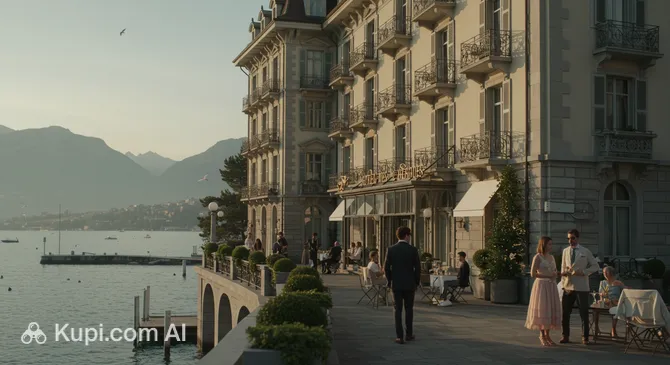
Geneva is home to some of the most prestigious hotels in the world. A prime example of this historic elegance is the Hotel des Bergues. Situated right on the lakefront, this landmark establishment is the city's oldest luxury hotel and epitomizes the sophistication for which Swiss hospitality is famous. Staying in such a location places you within walking distance of the exclusive shopping streets and the financial district.
Hotel des Bergues. Illustration.
Source: Kupi.com AI
Traveler photos:
When it comes to pricing, visitors should be prepared for higher rates. Geneva is consistently ranked among the most expensive cities in the world for accommodation. Prices can fluctuate significantly depending on the calendar of international organizations; rates often skyrocket during major diplomatic conferences or trade shows like the Geneva International Motor Show. Therefore, the most important booking tip is to reserve your room as far in advance as possible to secure better deals.
Most bookings can be easily made via major online platforms or directly through hotel websites. It is worth noting that regardless of where you book, staying in a hotel, hostel, or campsite in Geneva entitles you to the free Geneva Transport Card. This is a significant value-add that offsets some of the accommodation costs by providing free unlimited travel on the city's trams, buses, and boats during your stay.
Nearby Cities
For those looking to explore the surroundings, Geneva serves as an excellent base for day trips to several interesting nearby locations. The region offers a mix of vibrant cities, charming towns, and scientific hubs, all easily accessible by the efficient Swiss transport network.
City
Population
Distance
Carouge
22 336
2 km
Chêne-Bougeries
12 215
3 km
Vernier
35 132
3 km
Onex
18 977
4 km
Le Grand Saconnex
12 162
4 km
One of the most popular destinations for a day trip is Lausanne. Located about 50 minutes away by train, it is the fourth-largest city in Switzerland and serves as the Olympic Capital. Visitors can explore the interactive Olympic Museum, wander through the steep medieval streets of the Old Town, and admire the stunning Gothic Cathedral. The city also offers a beautiful lakeside promenade in the Ouchy district, providing different vantage points of the lake and the Alps.
For a unique architectural experience just a few kilometers from the city center, Carouge is a must-visit. Often referred to as the "Sardinian City," it was built in the 18th century by the King of Sardinia and features a distinct Mediterranean grid layout that contrasts sharply with Geneva's style. It is famous for its artisan workshops, hidden gardens, and a relaxed, bohemian atmosphere that makes it perfect for a leisurely afternoon stroll.
Science enthusiasts should consider a short trip to Meyrin. This town is home to the main site of CERN, the European Organization for Nuclear Research. Here, visitors can discover the Globe of Science and Innovation and learn about the groundbreaking particle physics research that seeks to answer fundamental questions about the universe.
These nearby destinations offer a glimpse into the diverse culture and landscapes of the region, ranging from historical treasures to modern scientific marvels.
Shopping & Souvenirs
Shopping in Geneva is an experience that ranges from browsing ultra-exclusive boutiques to hunting for treasures in quirky local markets. The city is world-famous for its luxury goods, particularly high-end watches and fine jewelry, but it also offers plenty of options for fashion, electronics, and authentic Swiss souvenirs. Whether you are looking for designer labels or unique local crafts, the city's diverse retail landscape caters to every taste and budget.
The heart of the luxury shopping district is the Rue du Rhône and its adjacent streets. Here, you will find the flagship stores of the world's most prestigious brands, making it a window-shopping paradise even if you aren't planning to splurge. For a more accessible mix of department stores, international fashion chains, and bookshops, the pedestrian-friendly Rue de la Confédération and Rue du Marché are the bustling main arteries where locals and tourists alike flock for their daily needs.
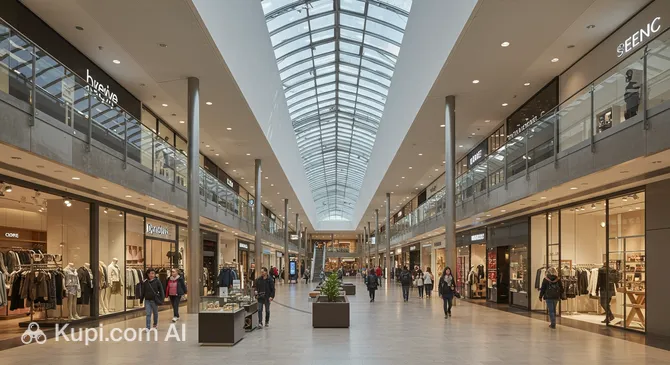
If you prefer having everything under one roof, the city boasts excellent shopping centers. Balexert is the largest mall in French-speaking Switzerland, offering over 100 shops, a cinema, and numerous restaurants. It is easily accessible by tram and provides a comprehensive retail experience perfect for families. Another great option is La Praille Shopping and Leisure Center, located near the stadium, which combines a wide variety of stores with entertainment facilities like bowling.
Balexert. Illustration.
Source: Kupi.com AI
Traveler photos:
For a change of pace, the Plainpalais Flea Market is a local institution. Held on the large Plainpalais esplanade on Wednesdays and Saturdays (and some Sundays), it is the perfect spot to rummage for vintage books, antiques, clothing, and second-hand curiosities. For food lovers, the markets at Place de la Fusterie or the indoor Halles de Rive offer fresh local produce, cheeses, and gourmet treats that reflect the region's culinary richness.
When it comes to gifts, Swiss chocolate is the obvious and delicious choice; you can buy it in supermarkets for great value or in artisanal chocolateries for a premium treat. Other classic souvenirs include the iconic Swiss Army Knife, traditional music boxes, and, of course, a Swiss watch. You can find timepieces ranging from fun, affordable Swatches to lifetime investment pieces throughout the city.
Most shops operate from Monday through Friday, typically opening around 09:00 and closing between 18:30 and 19:00. On Thursdays, many stores stay open late, often until 21:00. Saturday hours are generally until 18:00. It is crucial to remember that nearly all shops are closed on Sundays, except for those located at the airport and the main train station. Credit and debit cards are widely accepted everywhere, although having some cash is useful for small purchases at market stalls.
Travelers residing outside of Switzerland can take advantage of the Tax-Free shopping system. If you spend more than 300 CHF in a single store, you are eligible for a VAT refund. Look for the "Tax Free" sign in shop windows and ask the staff for a refund form at the checkout, which you can then process at the customs office when leaving the country.