Support

Vesoul

About

Nestled in the picturesque Bourgogne-Franche-Comté region, Vesoul is a captivating destination that perfectly embodies the gentle pace of life in eastern France. As the capital of the Haute-Saône department, this charming town offers a delightful mix of architectural heritage, lush greenery, and a welcoming atmosphere. With a population of approximately 15,000 inhabitants, it provides an intimate setting for travelers seeking an authentic experience away from the bustling crowds of larger metropolises.

The town is geographically distinctive, situated at the confluence of the Durgeon and Colombine rivers and dominated by the iconic limestone hill known as La Motte. Visitors exploring the history of Vesoul will discover a rich past reflected in the well-preserved "Vieux Vesoul" district. Here, wandering through narrow streets reveals elegant townhouses dating back to the 15th and 18th centuries, showcasing the town's enduring legacy and cultural significance.
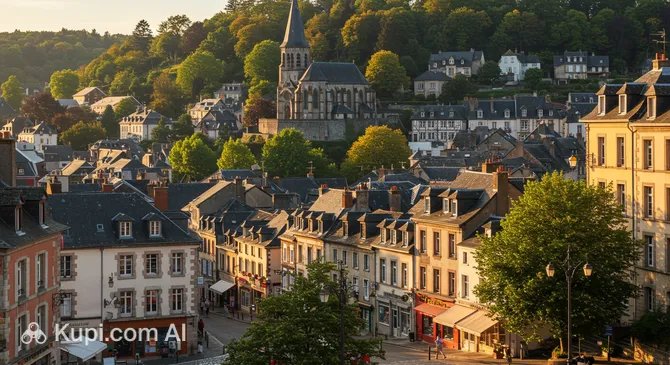
Vesoul. Source: Kupi.Binoculars

One of the city's most celebrated features is undoubtedly La Motte de Vesoul. This hill not only serves as a natural landmark but also hosts the Chapel of Notre-Dame-de-la-Motte at its summit, offering breathtaking panoramic views of the Jura mountains and the surrounding valley. For art and history enthusiasts, the Musée Georges-Garret is a must-visit, housing impressive collections of archaeology and fine arts within a historic former convent.

Whether you are hiking up the scenic trails of La Motte, admiring the floral displays that have earned Vesoul the label of a "Ville Fleurie," or simply enjoying local cuisine in a cozy brasserie, this town promises a memorable visit. Vesoul invites you to slow down and savor the unique character of this beautiful corner of the country.

Weather Overview

The climate in this region is generally temperate, offering distinct seasons that transform the landscape throughout the year. Travelers planning a trip should check the detailed weather in Vesoul to pack appropriately, as conditions can vary. Generally, the city enjoys pleasant, warm summers and experiences cool winters with regular precipitation distributed across the months.

Summer is often considered the most comfortable time to visit, particularly from June to August. During these months, average temperatures hover around 19°C to 21°C, with daily maximums reaching up to 26.2°C in July. While this is the sunniest period, it is not entirely dry; you can still expect about 11 to 12 wet days per month, ensuring the surrounding greenery remains lush.

Winters, spanning from December to February, are significantly colder. Average temperatures drop to between 3.5°C and 5.2°C, and minimums can fall close to freezing, around 0.9°C in January. This season also sees a higher frequency of damp weather, with December experiencing up to 18 wet days, making it advisable to bring warm layers and waterproof clothing.

Spring and autumn offer mild transitional weather. May is particularly lovely, with average temperatures rising to 14.1°C, while September retains some of the summer warmth at an average of 16.8°C. Rainfall remains a consistent feature year-round, so carrying an umbrella is a good idea regardless of when you choose to explore the city.

Interesting Facts

Beyond the scenic hill of La Motte and its historic streets, Vesoul holds fascinating cultural anecdotes that often surprise visitors. From global musical fame to a prestigious cinematic reputation, this town possesses a character far richer than its modest size suggests.
  • A Song That Made History: The town is forever linked to the legendary Belgian singer Jacques Brel, whose 1968 song "Vesoul" became a classic of French chanson. Although the lyrics playfully list the city as part of a chaotic travel itinerary, the catchy accordion rhythm and the iconic refrain immortalized the name of Vesoul in pop culture throughout the French-speaking world.

  • A Hub for Asian Cinema: Surprisingly, Vesoul hosts the International Festival of Asian Cinemas (FICA), which is recognized as the oldest festival in Europe dedicated entirely to Asian films. Founded in 1995, this major annual event attracts directors and cinephiles from across the globe, temporarily transforming the quiet town into a vibrant international crossroads.

  • Birthplace of a Master: The city is the hometown of the renowned 19th-century academic painter and sculptor Jean-Léon Gérôme. Today, the local Musée Georges-Garret houses a substantial collection of his paintings and sculptures, many of which were donated by the artist himself, offering a rare and intimate look at his artistic legacy.

How to Get There

Reaching this charming destination in the Bourgogne-Franche-Comté region is relatively straightforward, thanks to its proximity to several major transport hubs in eastern France and neighboring Switzerland. Whether you prefer flying or taking the train, there are multiple options to suit your itinerary. For a comprehensive guide on planning your route, you can read all ways to reach the city.

The city of Vesoul does not have its own airport, but you can fly into EuroAirport Basel–Mulhouse–Freiburg (IATA: EAP), situated near Basel. It is a major international gateway located approximately 103 km from Vesoul. From there, a taxi or bus transfer typically takes roughly 1.5 hours. Alternatively, for a closer but smaller option, you can choose Dole-Jura Airport (IATA: DLE) in the city of Dole. This regional airport is about 85 km away, with a travel time of approximately 1 hour by road.

For clarity, here is a summary of the main airports:

Airport Name City Passenger Traffic Km from City
Geneva AirportGenevaVery Large153.7
EuroAirport Basel–Mulhouse–FreiburgBaselLarge103.5
Strasbourg AirportStrasbourgMedium150.0
Dole-Jura AirportDoleSmall84.8
Metz-Nancy-Lorraine AirportMetzSmall151.7

Travelers preferring rail transport can access the region via major railway hubs in nearby cities. A convenient option is the Dijon Railway Station in Dijon, located about 91 km from Vesoul. It serves as a key transit point for high-speed trains. From Dijon, you can continue your journey by road, which takes about 1 hour and 15 minutes, or connect to regional trains. Another significant hub is Basel SBB station in Basel, approximately 108 km away, offering extensive international connections.

Below is a list of the nearest major railway stations:

Station City Passenger Traffic Km to Center
Bern Railway StationBernVery Large122.4
Basel SBB stationBaselVery Large108.3
Oerlikon Railway StationZurichVery Large128.1
Basel Badischer BahnhofBaselLarge109.4
Dijon Railway StationDijonLarge91.1

Main Attractions

La Motte de Vesoul is arguably the city's most emblematic site and a favorite spot for both locals and visitors seeking fresh air and scenery. Rising above the town, this limestone hill is topped by the Chapel of Notre-Dame-de-la-Motte, which was built in the mid-19th century to protect the city from cholera. A hike to the summit is rewarding; once you reach the top, you are greeted with a sweeping panoramic view that stretches across the Saône valley and, on clear days, as far as the Jura mountains and the Vosges.

For a dive into the region's cultural heritage, the Musée Georges-Garret is an essential stop. Housed in a beautiful former Ursuline convent dating back to the late 17th century, the museum offers a serene setting to explore diverse collections. It is particularly renowned for its extensive assembly of works by Jean-Léon Gérôme, a Vesoul native and master of Academic art. Additionally, the archaeology section features fascinating Gallo-Roman artifacts discovered in the surrounding Haute-Saône area, making it a compelling visit for history buffs.

A stroll through Vieux Vesoul (Old Vesoul) reveals the town's architectural charm and history. This district, clustered around the Church of Saint-Georges, preserves a medieval layout enriched by Renaissance-era facades. As you wander through the narrow, winding streets, look for the distinctive "hôtels particuliers" (private mansions) with their inner courtyards and stone staircases. The area has a quiet, authentic atmosphere that invites you to inspect the details of the buildings and enjoy the local shops.

Just a short distance from the city center lies the Lac de Vesoul - Vaivre, a massive artificial lake that serves as the recreational heart of the area. Spanning over 90 hectares, it is surrounded by a popular 5-kilometer walking and cycling path that is perfect for a leisurely afternoon. The lake is also a haven for ornithologists, as it hosts a bird reserve where various migratory species can be observed. Whether you are interested in sailing, windsurfing, or simply having a picnic by the water, this spot offers a refreshing escape into nature.

Local Cuisine

The local cuisine of Vesoul is a comforting reflection of the Haute-Saône terroir, characterized by hearty, rustic flavors that make excellent use of the region's dairy and smoked meats. A culinary staple you must try is Cancoillotte, a runny, low-fat cheese made from skimmed milk curds. It is often served warm over potatoes or used as a rich sauce for chicken in a dish known as Poulet à la Vésulienne. You will also frequently encounter Jambon de Luxeuil, a renowned smoked ham from the nearby town of Luxeuil-les-Bains, which is often served as part of a traditional assiette comtoise alongside regional sausages and cheeses.

For those with a sweet tooth, the city offers a unique and festive specialty known as the Cochon de la Sainte-Catherine. This gingerbread pig is traditionally sold during the city's massive Sainte-Catherine fair in November; it is often coated in chocolate and famously features a small wooden whistle as a tail. Another regional delight to look for is Griottines de Fougerolles, small wild cherries macerated in Kirsch brandy. These are a true emblem of the local area and are often served with desserts or even savory dishes to add a touch of fruitiness.

The beverage scene is dominated by the fruit brandies and wines of the surrounding countryside. The area is famous for Kirsch de Fougerolles, a cherry brandy with AOC protection that is perfect as a digestif after a heavy meal. Wine lovers should explore the local vintages from Champlitte or Charcenne, which offer distinct, authentic flavors that pair beautifully with the region's rich cheeses like Comté and Morbier.

To truly experience the local food culture, a visit to the market is essential. The city comes alive on Thursday and Saturday mornings, particularly around the indoor Halles and the Place de la République. Here, local producers sell fresh vegetables, artisanal cheeses, and cured meats directly to residents. For a sit-down meal, the town's brasseries and restaurants offer a warm, convivial atmosphere where you can enjoy a Potée Comtoise (a slow-cooked stew of smoked meats and vegetables) while mingling with the locals.

Travel Tips

To ensure your visit to Vesoul is as relaxing and enjoyable as the town's atmosphere, a little preparation goes a long way. While this charming capital of Haute-Saône is welcoming and easy to navigate, keeping these practical tips in mind will help you experience the local lifestyle like a true insider.

  1. Clothing and Gear: Since the weather can be changeable, especially in spring and autumn, it is wise to dress in layers. Bring a waterproof jacket or umbrella, as showers are not uncommon. Most importantly, pack comfortable walking shoes. You will need them to explore the cobblestone streets of the Vieux Vesoul and to hike up the trails of La Motte for the best views.

  2. Transportation: The city center is compact and best explored on foot. For destinations further afield, such as the Lac de Vesoul-Vaivre or commercial areas, you can rely on the local bus network. Taxis are available but not always easily hailed on the street; it is better to book one in advance or find a designated rank near the train station.

  3. Finances: The currency is the Euro (€). While credit cards (Visa and Mastercard) are widely accepted in hotels, restaurants, and supermarkets, it is essential to carry some cash. You will need small bills and coins for purchases at the Thursday and Saturday markets, as well as for small transactions in local bakeries or cafés.

  4. Health and Safety: Vesoul is a safe and peaceful town with low crime rates, but standard precautions should still be taken with personal belongings. Pharmacies are easily identified by a flashing green cross and are well-stocked. In case of any serious emergency, dial 112, the universal European emergency number.

  5. Communication: French is the sole official language. While younger generations and tourism staff often speak English, it is less common among older residents. Learning a few basic phrases like "Bonjour" (Hello), "S'il vous plaît" (Please), and "Merci" (Thank you) is highly appreciated and will go a long way in breaking the ice.

  6. Local Etiquette: Politeness is paramount in French culture. Always greet shopkeepers or staff with a friendly "Bonjour" when entering a store and say "Au revoir" when leaving. When dining out, keep in mind that lunch is typically served strictly between 12:00 PM and 2:00 PM; attempting to find a full meal outside these hours can be difficult.

  7. What to Avoid: Do not expect shops to be open on Sundays or Mondays. Many local businesses, including some restaurants and boutiques, close for the entire day on Sunday and often on Monday mornings. Plan your shopping and dining itinerary accordingly to avoid disappointment.

  8. Seasonal Tip: If you are visiting in late November, be prepared for the Sainte-Catherine Fair. It is a massive local event on November 25th where the whole town celebrates; streets are packed with stalls, and it is the only time you can buy the traditional gingerbread pig with a whistle. It is a fantastic cultural experience, but book your accommodation well in advance!

Armed with these practical insights, you are all set to discover the hidden gems of Vesoul with confidence. Embrace the slower pace, enjoy the local flavors, and have a wonderful time exploring this delightful corner of France!

Entertainment & Nightlife

While Vesoul may not have the frenetic pace of a major metropolis, its nightlife is characterized by a warm, convivial atmosphere that reflects the welcoming spirit of the region. Instead of sprawling superclubs, the city focuses on lively bars, cultural venues, and modern entertainment complexes where locals gather to unwind. The evening scene is primarily divided between the historic city center, perfect for a relaxed drink, and the more modern commercial zones that host larger facilities.

For those looking to start the evening with a traditional French apéritif, the area around Place de la République and the narrow streets of Vieux Vesoul are the places to be. Here, you will find a selection of brasseries and pubs where the terrace culture thrives, especially during the warmer months. It is a great spot to mingle with residents and enjoy local wines or craft beers in a laid-back setting. The dress code is generally casual and unpretentious, making it easy for travelers to fit right in.

A significant hub for evening entertainment is the Espace de la Motte. This area is home to the Cinéma Majestic, a modern multiplex that screens the latest international blockbusters and French films. It is a popular destination for families and groups of friends, often serving as the starting point for a night out. Nearby, you can find venues like Au Bureau, a pub-brasserie inspired by London pubs, which stays open late and offers a lively vibe with music, hearty food, and a wide selection of draught beers.

If you prefer a more active night out, Sport Bowling Vesoul is a fantastic option. Located just a short distance from the city center, this facility offers much more than just bowling lanes; it features laser games and arcade zones, making it a favorite for energetic groups looking for fun well into the night. For culture lovers, the Théâtre Edwige Feuillère is the crown jewel of the city's artistic life. Named after the famous actress born in Vesoul, this theater hosts a diverse program ranging from contemporary plays and classical music to dance performances.

For daytime family fun, the Ludolac water park is an excellent choice. Situated next to the extensive Lac de Vesoul-Vaivre, this aquatic center features multiple pools and water slides, providing a perfect way to cool off on summer afternoons. It complements the natural beauty of the lake area by offering a safe and recreational environment for visitors of all ages.

Regarding practicalities, nightlife in Vesoul typically winds down earlier than in larger cities, with many bars closing around 1:00 AM or 2:00 AM. Thursdays are often popular with the local student population, while Fridays and Saturdays attract a broader crowd. The city is very safe for night walks, but public transport is limited in the late hours. It is highly advisable to book a taxi in advance if you plan to stay out late, as hailing one on the street can be difficult.

Parks & Museums

Vesoul is a city where nature and urbanity coexist beautifully, a fact recognized by its prestigious "4 Flowers" status in the national "Villes et Villages Fleuris" competition. This dedication to greenery is most evident in the Jardin Anglais (English Garden), a verdant sanctuary located right in the city center. Spanning three hectares, this botanical gem was designed in the mid-19th century and retains its romantic, undulating layout. Visitors can stroll along winding paths shaded by majestic, century-old trees, including exotic species like giant sequoias, tulip trees, and ginkgo biloba. With its charming pergola, soothing stream, and vibrant floral beds that change with the seasons, the park offers a peaceful retreat for reading, picnicking, or simply escaping the bustle of the streets.

Just a short distance from the urban core, the Réserve Naturelle Nationale du Sabot de Frotey provides a more rugged natural experience. This protected area is renowned for the "Sabot," a massive limestone rock formation resembling a wooden shoe, which sits prominently on the plateau. The reserve is a haven for biodiversity, particularly famous for its dry grasslands that come alive in spring with blooming wild orchids. Hiking trails wind through the site, offering nature enthusiasts not only the chance to observe rare flora and fauna but also to enjoy sweeping panoramic views over Vesoul and the Durgeon valley. It is an ideal spot for photographers and hikers seeking to immerse themselves in the region's characteristic limestone landscape.

In terms of cultural institutions, the Musée Georges-Garret remains a key reference point, housed in a striking former convent. While it anchors the artistic heritage of France's eastern region, those looking for dynamic and varied cultural experiences should also visit the Chapelle de l'Hôtel de Ville. This historic chapel, part of the 18th-century town hall complex, has been repurposed as a vibrant exhibition space. Unlike the permanent collections of the main museum, the chapel hosts a rotating schedule of temporary events, ranging from contemporary art installations and photography showcases to local heritage exhibitions. Its intimate scale and architectural beauty make it a hidden gem for discovering the current creative pulse of the city.

Beyond these specific sites, the city's commitment to integrating nature is visible in the numerous smaller squares and the green corridors along the Durgeon and Colombine rivers. Whether you are exploring the manicured lawns of the public gardens or trekking the wilder paths of the nature reserve, Vesoul offers a refreshing balance of outdoor leisure and cultural discovery.

Getting Around

The public transport system in Vesoul is designed to serve the scale of this compact city effectively. Given its modest size, there is no metro, tram, or trolleybus network; instead, mobility relies primarily on a well-organized bus network known as Moova. This network connects the city center with the surrounding neighborhoods and the municipalities of the greater agglomeration. The buses are modern and generally punctual, centering their operations around the Multimodal Exchange Hub (Pôle d'Échange Multimodal) located right next to the railway station.

For visitors, the ticketing system is straightforward and affordable. A single journey ticket typically costs around €1.20 and is valid for one hour, allowing for transfers. If you plan to use the bus frequently during your stay, it is more economical to purchase a "Carnet" (a book of 10 tickets) or a 24-hour pass. Tickets can be purchased directly from the driver upon boarding (usually requiring cash and preferably exact change) or at the dedicated Moova agency located at the train station. There is also a mobile app available that allows users to consult schedules and purchase E-tickets directly from their smartphones.

Travelers should be aware of the operating hours to plan their trips smoothly. Buses generally run from approximately 6:30 AM to 7:30 PM on weekdays and Saturdays. It is important to note that service is significantly reduced on Sundays and public holidays, and there are no night bus services. When waiting at a stop, always signal the driver clearly to ensure the bus pulls over, and remember to validate your ticket immediately upon boarding to avoid fines.

Beyond buses, the city is strongly committed to eco-friendly mobility, making cycling a popular alternative. The local transport authority offers a bike rental service, including electric bikes, which are perfect for navigating the slightly hilly terrain or visiting the nearby Lac de Vesoul-Vaivre. The city features a growing network of cycle paths, particularly the "Voie Verte" (Greenway), which offers a safe and scenic route for cyclists and pedestrians alike.

For distances within the historic "Vieux Vesoul" district, walking is often the most efficient choice, as the main attractions are clustered close together. For late-night travel or trips to areas not covered by the bus routes, taxis are available, though they are not typically hailed on the street. It is advisable to locate the taxi rank at the train station or book a ride by phone in advance. While there are no funiculars or historic trams, the simplicity and accessibility of the transport mix make getting around stress-free.

Accommodation

Finding a place to stay in Vesoul is generally a stress-free experience, as the city offers a range of accommodation options that cater to various preferences and budgets. The hospitality scene here is defined by its human scale; rather than sprawling luxury resorts, travelers will find a selection of charming independent hotels, reliable national chains, and welcoming bed and breakfasts (chambres d'hôtes). For those seeking a more immersive nature experience, the area also provides excellent camping facilities and rental apartments.

When choosing where to base yourself, there are two primary areas to consider. The city center is ideal for visitors who want to be within walking distance of the historic Vieux Vesoul, the train station, and local restaurants. Staying here places you in the heart of the action, close to the markets and architectural landmarks. Alternatively, the area surrounding the Lac de Vesoul-Vaivre offers a more resort-like atmosphere. Located just a few kilometers from the center, this zone is perfect for families and outdoor enthusiasts, offering campsites and lodgings with easy access to water activities and walking paths.

A crucial tip for booking accommodation in Vesoul is to be mindful of the city's major cultural events. While availability is usually good throughout the year, hotels can fill up quickly during the International Festival of Asian Cinemas in February and the massive Sainte-Catherine Fair in November. If your trip coincides with these popular dates, it is highly recommended to secure your room several months in advance to avoid disappointment.

In terms of cost, Vesoul is generally quite affordable compared to larger French tourist hubs. The price range typically spans from budget-friendly options for backpackers and campers to mid-range prices for comfortable three-star hotels. Booking can be easily managed through major online travel platforms, though many of the smaller, family-run guesthouses appreciate direct contact via phone or their own websites, which can sometimes secure you a better rate or a more personalized stay.

Nearby Cities

For those looking to explore the surroundings, Vesoul serves as an excellent base for day trips to several interesting nearby locations.

One of the most compelling destinations is Besançon, located less than an hour's drive away. Encircled by a loop of the Doubs River, this historic city is famous for its imposing Citadel, a masterpiece by the military engineer Vauban that is listed as a UNESCO World Heritage site. Visitors can explore the charming old town, visit the Museum of Time, and enjoy the vibrant atmosphere of the historic capital of Franche-Comté.

Another excellent option is Belfort, situated to the east. It is renowned for the monumental "Lion of Belfort," a massive red sandstone sculpture by Frédéric Auguste Bartholdi that commemorates the city's resistance during the Franco-Prussian War. The city also features a formidable citadel and a colorful old town that makes for a pleasant afternoon stroll. For those willing to travel a bit further, Dijon offers a taste of ducal grandeur with its magnificent Palace of the Dukes and its reputation as a gastronomic hub famous for mustard and fine wines.

City Population Distance (km)
Dijon158,00289
Besançon118,25844
Mulhouse108,94290
Belfort46,95453
Epinal32,25665

These nearby destinations offer a glimpse into the diverse culture and landscapes of the region.

Shopping & Souvenirs

Shopping in Vesoul offers a delightful blend of provincial charm and modern convenience. As a small regional capital, the city does not feature the overwhelming crowds of massive metropolises, allowing for a more relaxed browsing experience. The retail landscape is characterized by a mix of independent boutiques, traditional artisans, and national chains, making it easy to find everything from high-end fashion to authentic local produce.

The heart of the shopping action lies in the pedestrian-friendly city center. The Rue Paul Morel serves as the primary commercial artery, lined with clothing stores, perfumeries, and bookshops. Adjacent streets like Rue Georges Genoux and Rue d'Alsace-Lorraine branch off to reveal smaller, specialized boutiques selling jewelry, home decor, and shoes. Exploring these cobblestone lanes is the best way to discover unique, family-run businesses that have served the community for generations.

For a more concentrated retail experience or larger purchases, visitors often head to the commercial zones on the outskirts. The Centre Commercial E.Leclerc Vesoul is a prominent shopping hub located just north of the center. It hosts a large hypermarket along with a gallery of various service providers and fashion retailers. Another significant area is the Zone Commerciale de l'Oasis, situated in the neighboring commune of Pusey but serving as the main retail park for the Vesoul agglomeration, featuring major sports, electronics, and furniture outlets.

Markets are an integral part of daily life here and offer a vibrant shopping atmosphere. The Halles de Vesoul, located on Place de la République, is the focal point for fresh products. On Thursday and Saturday mornings, this area bustles with activity as local producers set up stalls both indoors and outdoors. While food is the main attraction, you can also find flowers, textiles, and regional crafts, making it a perfect spot to mingle with locals and soak up the town's culture.

When looking for souvenirs to bring home, the region's gastronomy takes center stage. A jar of Griottines de Fougerolles (wild cherries macerated in Kirsch) is a classic gift from the area. You might also look for boxes of traditional biscuits from local bakeries or a bottle of artisanal syrup. For non-food items, look for handcrafted pottery or items featuring the "Lion" motif, often associated with the broader Franche-Comté region.

Store opening hours in Vesoul typically follow the traditional French schedule. Most shops in the city center are open from 9:00 AM or 10:00 AM to 7:00 PM, Monday through Saturday. It is important to note that many smaller independent boutiques may close for a lunch break between 12:00 PM and 2:00 PM. Sunday closures are the norm, except for some bakeries and small grocery stores in the morning. Payment by credit card (Visa and Mastercard) is widely accepted, though carrying some cash is advisable for small purchases at the market.

Travelers residing outside the European Union may be eligible for a tax refund (VAT) on purchases exceeding a certain amount (typically €100.01) in a single store. Look for shops displaying the "Tax-Free Shopping" sign and ask for a detourne slip at the checkout, which you will need to validate at customs upon leaving the EU.

Reached the end of the page?

That means the route is fully explored