Support

Bitburg

About

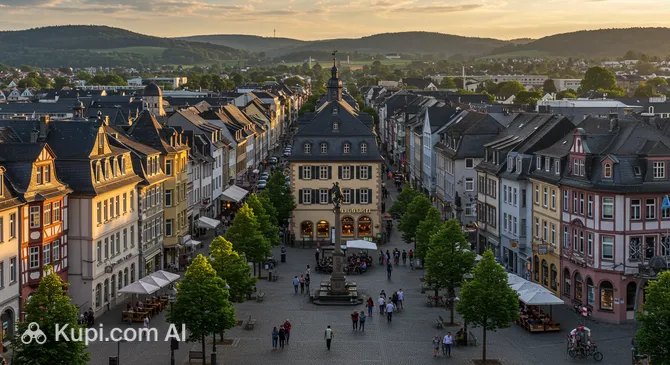
Bitburg is a charming city located in the Rhineland-Palatinate state of Germany. While it is internationally renowned for its premium pilsner beer, this town in the South Eifel region offers much more than just a famous brewery. With a population of approximately 15,700 residents, it serves as a lively cultural and economic hub for the surrounding area, blending modern amenities with a relaxed, small-town atmosphere.

Bitburg. Source: Kupi.Binoculars

The city boasts a rich heritage that dates back roughly 2,000 years to the Roman Empire, originally known as Beda. Visitors interested in the history of Bitburg can explore fascinating remnants of the past through the Roman archaeological tour, which highlights the ancient city wall and other significant excavations. Beyond its historical roots, the city is famously home to the Bitburger Brewery, where guided tours provide an exclusive insight into the brewing tradition that has put this town on the global map.

Surrounded by the picturesque landscapes of the Eifel, Bitburg is also an excellent base for hiking and cycling enthusiasts looking to explore the green countryside. Whether you are here to taste the local brew, discover ancient ruins, or simply enjoy the scenic nature, Bitburg welcomes you with a unique blend of tradition and hospitality.

Weather Overview

The climate in this region is temperate, offering distinct seasonal changes that shape the local atmosphere. Travelers can generally expect warm, pleasant summers and cold winters, with the weather in Bitburg remaining relatively mild compared to more extreme continental climates. The warmest period typically spans from June to August, where average high temperatures reach a comfortable 21°C to 23°C, creating excellent conditions for hiking and outdoor activities.

Winter brings a crisp chill to the air, particularly from December through February, when average temperatures drop to between 2°C and 4°C and nighttime lows hover near freezing. Precipitation is a constant companion throughout the year, with roughly 11 to 17 wet days per month regardless of the season. This consistent moisture keeps the Eifel landscapes lush, so carrying an umbrella or a waterproof jacket is recommended no matter when you choose to visit.

Interesting Facts

Beyond the main attractions and its world-famous beer, Bitburg holds many fascinating secrets and local traditions that surprise many visitors. Digging deeper into the city's culture reveals a blend of quirky legends and significant modern influences.
  • The Legend of the Gäßestrepper: Locals are often affectionately nicknamed "Gäßestrepper" (Goat Pullers) due to a clever ruse from the Thirty Years' War. Legend has it that during a siege, the starving citizens sewed the skin of their last goat onto different children and paraded them on the city walls. The besiegers, tricked into believing the town had endless food supplies, eventually gave up and left.

  • A "Little America" Legacy: For roughly 40 years, Bitburg was home to a significant U.S. Air Force base, creating a unique cultural bond. The American presence was so strong that the area was often referred to as "Little America," and even today, you can find traces of this trans-Atlantic friendship in the local community.

  • European Folklore Festival: This small city hosts one of the largest folklore festivals in Germany. The event transforms the town center into a vibrant stage where dance and music groups from across the globe gather to showcase their traditional heritage, making it a colorful highlight of the cultural calendar.

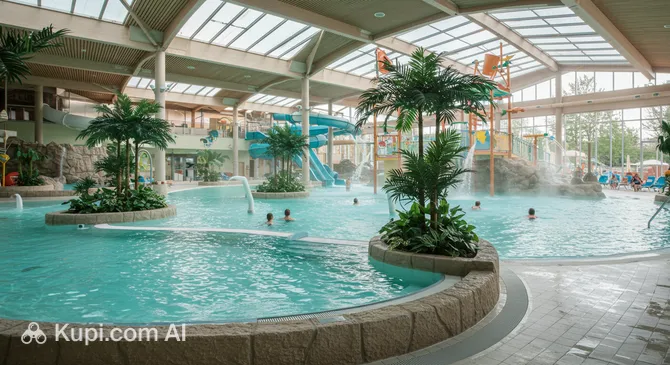
  • A Modern Leisure Landmark: While history dominates the streets, the city is also known for the Cascade Adventure Pool and Sauna. This extensive water park is a major regional attraction, offering a fun and relaxing escape that contrasts with the ancient Roman ruins found nearby.

Cascade Adventure Pool and Sauna. Source: Kupi.Binoculars

How to Get There

Reaching the Eifel region requires a bit of planning, as the town is tucked away in a scenic rural area. For a detailed breakdown of routes, including driving directions and public transport connections, you can read more about how to get to Bitburg on our dedicated page.

The city of Bitburg does not have its own airport, but you can fly into Luxembourg Airport (LUX) in Luxembourg City, which is about 44 km from Bitburg. The journey by taxi or bus typically takes approximately 1 hour and 30 minutes. Another convenient option is Frankfurt-Hahn Airport (HHN), located in the city of Frankfurt am Main, roughly 53 km away. From there, the travel time is around 1 hour and 40 minutes.

For clarity, here is a summary of the main airports:

Airport Name City Passenger Traffic Km from City
Cologne Bonn Airport Cologne High 109.9
Luxembourg Airport Luxembourg City Medium 44.2
Frankfurt-Hahn Airport Frankfurt am Main Medium 52.7
Liege Airport Liege Small 107.5
Metz-Nancy-Lorraine Airport Metz Small 111.4

The city of Bitburg does not have a major intercity railway station, but you can arrive at Koblenz Hauptbahnhof in the city of Koblenz, which is about 87 km from Bitburg. From there, you can get a taxi or bus, which takes about 2 hours and 30 minutes. Alternatively, travelers often use Bonn Hauptbahnhof in the city of Cologne, located approximately 94 km away. Reaching Bitburg from this station takes around 2 hours and 40 minutes.

Below is a list of the nearest major railway stations:

Station City Passenger Traffic Km to Center
Bonn Hauptbahnhof Cologne High 94.2
Koblenz Hauptbahnhof Koblenz High 86.9
Liège-Guillemins Station Liege Medium 100.4
Kaiserslautern Station Kaiserslautern Medium 107.1
Aachen Hauptbahnhof Aachen Medium 94.5

Main Attractions

Bitburg offers a delightful mix of historical depth, cultural experiences, and modern leisure facilities. Whether you are interested in the ancient Roman roots of the city, its world-renowned brewing tradition, or simply looking for a place to relax, the town has several highlights to explore.

For those seeking relaxation or family fun, the Cascade Adventure Pool and Sauna is a perfect destination regardless of the weather. This extensive water park features thrilling slides, a wave pool, and safe play areas for children, ensuring entertainment for all ages. Visitors looking for tranquility can unwind in the premium sauna world, which offers a variety of themed saunas and wellness treatments designed to rejuvenate the body and mind.

A visit to this city would be incomplete without exploring the Bitburger Marken-Erlebniswelt. Located in the historic brewery building, this brand experience center invites guests to discover the history of the famous beer that has been brewed here since 1817. The tour engages all senses, guiding visitors through the brewing process and the company's heritage, culminating in a tasting session in the atmospheric "Genießer-Lounge" within the old boiler house.

History enthusiasts can step back in time on the Archaeological Trail, which highlights the city's origins as the Roman settlement known as Vicus Beda. This walking route connects 11 different stations throughout the town center, showcasing well-preserved remnants of the ancient defensive wall and towers. It provides a fascinating insight into the strategic importance of the location during the Roman Empire and allows visitors to visualize the ancient fortifications that once stood there.

For art and culture lovers, Haus Beda serves as a vibrant cultural hub in the heart of the city. This center hosts a variety of concerts and events but is best known for its art museum. Inside, visitors can admire the impressive collection of works by the renowned Eifel painter Fritz von Wille, offering a deep dive into the region's artistic landscape through his captivating landscapes and portraits.

Local Cuisine

To fully understand the culture of Bitburg, one must explore its hearty and rustic culinary traditions. As part of the Eifel region, the local cuisine is characterized by substantial, home-style cooking that relies heavily on fresh, regional ingredients. The food here is designed to be comforting, with potatoes, pork, and game meat playing central roles in many traditional recipes.

One of the most iconic dishes you must try is Döppekooche. Originally considered a substitute for roasted goose, this savory cake is made from grated potatoes, onions, eggs, and spices, often enriched with pieces of bacon or sausage. It is baked in a cast-iron pot until it achieves a crispy crust and a soft, flavorful interior. Another regional favorite is Himmel un Äd (Heaven and Earth), a unique combination of mashed potatoes ("earth") and applesauce ("heaven"), typically served with fried black pudding and onions. For those who prefer meat, a classic Jägerschnitzel with mushroom sauce or a local game stew reflects the forested surroundings of the Eifel.

When it comes to drinks, the city is world-famous for one thing above all else: beer. A visit here is incomplete without enjoying a freshly tapped Bitburger Premium Pils. The slogan "Bitte ein Bit" is known across Germany, but tasting this crisp, hoppy pilsner in its hometown offers a special experience. Apart from the famous beer, the region is also known for Viez, a tart apple wine that is popular throughout the Rhineland-Palatinate. It is often served in a porcelain cup known as a Viezporz and can be drunk pure or mixed with sparkling water.

The dining culture in Bitburg is rooted in Gemütlichkeit—a sense of warmth and coziness. Locals and tourists alike tend to gather in traditional Gasthäuser (guest houses) and rustic taverns, where the atmosphere is informal and welcoming. These establishments are the heart of the community, serving generous portions of food alongside the local brew. While you will find international options and modern bistros in the city center, the true flavor of Bitburg is best experienced in these wood-paneled inns where generations have gathered to eat, drink, and socialize.

Travel Tips

Planning a trip to the beer capital of the Eifel region is an exciting prospect, but a little preparation goes a long way in ensuring a smooth journey. To help you make the most of your stay in this historic city, here is a collection of practical advice covering everything from packing essentials to local customs.

  1. Clothing and Gear: Given the Eifel region's changeable weather, the "onion principle" (layering) is your best friend. Even in summer, evenings can be cool, and rain is possible year-round, so a sturdy umbrella and a waterproof jacket are essential. If you plan to explore the Roman archaeological trail or the surrounding countryside, pack comfortable, non-slip walking shoes.

  2. Transportation: While the city center is compact and walkable, exploring the wider area is best done by car, as rural connections can be infrequent. Public transport is managed by the VRT (Verkehrsverbund Region Trier); buses connect the town center with the nearby Bitburg-Erdorf train station (about 4 km away). Taxis are available but should ideally be booked in advance, especially in the evenings.

  3. Finances: The official currency is the Euro (€). While major hotels, supermarkets, and the brewery center accept credit cards (Visa/Mastercard), Germany is still very fond of cash (Bargeld). Smaller bakeries, traditional guesthouses, and kiosks may not accept cards, so always carry some cash. ATMs (Geldautomaten) are widely available. Tipping is customary; rounding up the bill or leaving about 5-10% is standard.

  4. Health and Safety: Bitburg is a very safe city with high hygiene standards. Pharmacies are identified by a large red "A" (Apotheke); they rotate emergency night shifts if you need medicine after hours. Tap water is safe to drink. For general emergencies, dial 112 for ambulance and fire services, or 110 for the police.

  5. Communication: The official language is German. While staff at tourist attractions like the brewery and larger hotels speak English, it may be less common in rural villages or with older residents. Learning a few phrases like "Guten Tag" (Good day) and "Danke" (Thank you) is appreciated. Free Wi-Fi is often available in cafes, but buying a prepaid SIM card at a local supermarket is reliable for constant connectivity.

  6. Local Etiquette: Politeness is highly valued. When entering a small shop or waiting room, it is polite to greet everyone with a general "Hallo" or "Guten Tag." Since you are in a famous brewing town, remember the golden rule of drinking: when clinking glasses and saying "Prost," always make eye contact with your counterpart—it is considered rude (and bad luck!) not to.

  7. What to Avoid: Do not walk in designated bicycle lanes; locals cycle quickly and expect the path to be clear. Additionally, avoid making loud noise or mowing lawns on Sundays (Ruhetag), as Sunday is strictly observed as a quiet day of rest throughout the country.

  8. Shopping Hours: Be aware that most shops, including supermarkets, are closed on Sundays and public holidays. On weekdays and Saturdays, shops typically close by 8:00 PM, though smaller boutiques may close earlier on Saturdays. Plan your grocery shopping accordingly to avoid being caught out.

Armed with these tips, you are ready to navigate Bitburg with the confidence of a local. Whether you are here to delve into Roman history or savor the world-renowned pilsner right at the source, a relaxed and trouble-free experience awaits you in this welcoming corner of Germany.

Entertainment & Nightlife

Bitburg’s nightlife reflects the city’s identity as a brewing capital: it is less about thumping techno clubs and more about the convivial atmosphere of traditional German pubs, known as Kneipen. The evening scene is centered around the Marktplatz (Market Square) and the adjacent pedestrian zone in the city center. Here, locals and visitors gather to enjoy freshly tapped beer in a relaxed, rustic setting. The vibe is generally casual and welcoming, with a mix of generations sitting together at long wooden tables, embodying the true spirit of Eifel hospitality.

For those looking to experience the heart of the local social scene, Bitburger am Markt is the quintessential stop. Located directly on the main square, it serves as the flagship taproom where the beer is as fresh as it gets. Another popular venue is Bistro Finesse, which offers a slightly more modern atmosphere, often drawing a younger crowd for cocktails and music. If you are looking for a classic, cozy pub experience, Klimbim is a well-known local favorite where the night often extends into the early hours with lively conversation and drinks.

Practicalities for a night out in Bitburg are straightforward. Most bars and pubs are open until around 1:00 AM or 2:00 AM on weekends, though hours can be shorter on weekdays. The dress code is almost exclusively casual; jeans and a nice top are perfectly acceptable everywhere. Prices are reasonable compared to larger German cities, with a glass of beer typically costing between €3 and €5. While the city center is compact and walkable, if your accommodation is further out, it is advisable to book a taxi in advance, as there is no Uber service and local cabs can be busy on Friday and Saturday nights.

Bitburg is an incredibly safe city, and walking around at night poses very little risk. The streets around the pedestrian zone are well-lit and generally quiet after the shops close. If you need to get home late, local taxi numbers are widely available at bars, and staff are usually happy to call one for you. There are no specific "bad neighborhoods" to avoid, allowing you to explore the evening charm of the town with peace of mind.

While the nights are for socializing, the city offers plenty of entertainment during the day as well. Visitors can catch the latest films at the local Eifel-Kino or enjoy a few rounds at the bowling center. For a more active experience that transitions well from day to evening, the Cascade Adventure Pool and Sauna is a top choice. This facility is not just for swimming; its extensive sauna world offers a relaxing retreat where you can unwind after a day of sightseeing before heading out for dinner.

Parks & Museums

Bitburg may be famous for its industry, but the city and its surroundings also offer a surprising wealth of green spaces and cultural institutions that celebrate the region's heritage. From tranquil parks perfect for a leisurely stroll to museums that preserve the artistic and historical legacy of the Eifel, visitors will find plenty of opportunities to explore the quieter, more reflective side of the town.

For those seeking fresh air within the city limits, Bedapark is a central green oasis that serves as a popular gathering spot for locals. Located near the cultural center, this park features well-maintained paths, mature trees, and open lawns, making it an ideal location for a relaxing afternoon break or a picnic. Just a short drive from the city center lies the Bitburg Reservoir (Bitburger Stausee) in Biersdorf, which is undoubtedly the premier natural attraction in the area. Nestled in the picturesque Prüm valley, this expansive lake is surrounded by a dense forest and offers a 5-kilometer circular trail that is perfect for hiking, jogging, or simply enjoying the serene water views.

The city's cultural landscape is anchored by the Kreismuseum Bitburg-Prüm (District Museum). This institution is a treasure trove for history buffs, offering a comprehensive look at the everyday life of the Eifel region over the past centuries. The exhibits cover a wide range of topics, from agricultural history and rural craftsmanship to the impact of various wars on the local population. It provides a deeply human perspective on how the people of this rugged region lived, worked, and adapted through the ages.

Art enthusiasts should not miss the Fritz-von-Wille-Museum, housed within the Haus Beda cultural center. Fritz von Wille was one of the most significant landscape painters of the Eifel, and his works played a crucial role in shaping the romantic image of the region in the early 20th century. The museum displays a rotating selection of his paintings, known for their atmospheric depictions of volcanic craters, moors, and castles, effectively capturing the raw beauty of the local landscape on canvas.

In terms of historical landmarks, the Roman Wall remains the city's most significant architectural heritage. While much of the ancient settlement has been built over, sections of the original fortification, including the foundations of towers, are visible along the Archaeological Trail. These ruins serve as a silent testament to the city's strategic importance as Beda on the Roman road between Trier and Cologne.

For a truly authentic experience, take a short excursion to the nearby Roman Villa Otrang in Fließem. Just a few kilometers outside Bitburg, this site features remarkably preserved mosaic floors from a grand Roman estate, offering a rare glimpse into the luxury of ancient rural life north of the Alps. It is a quiet, less crowded gem that perfectly complements the history found within the city walls.

Getting Around

Public transport in Bitburg is primarily designed to serve the needs of a smaller town and its surrounding rural communities. The city does not have a metro, tram, or trolleybus system. Instead, the backbone of local transit is a network of buses operated under the Verkehrsverbund Region Trier (VRT). These buses connect the city center with residential neighborhoods and neighboring villages. For rail connections, travelers must use the Bitburg-Erdorf railway station, located approximately four kilometers from the town center. Regular shuttle buses link the main bus station in the city (ZOB) with the train station, ensuring a smooth transition for those arriving by rail.

The payment system is integrated into the VRT regional network, meaning the same ticket is valid for both buses and regional trains within the designated zones. Fares are determined by the number of zones you travel through. For a typical stay, visitors can choose between single tickets (EinzelTicket) or day tickets (TagesTicket), which offer unlimited travel within selected zones for one day. A single trip within the city limits is quite affordable, usually costing a few euros. Tickets can be purchased directly from the bus driver, at ticket machines at the train station, or conveniently via the VRT-App or DB Navigator mobile apps, which also provide real-time timetables.

For tourists, the most practical advice is to carry some cash, particularly coins and small notes, as buying a ticket directly from the bus driver is the most common method in this area. If you purchase a paper ticket from a machine, remember to validate it before boarding if it is not already date-stamped. Operating hours for buses are generally reliable during weekdays, typically running from early morning until early evening. However, service frequency drops significantly on weekends and public holidays. It is highly recommended to check the return schedule in advance if you plan to travel late, as night bus services are limited.

Given the compact nature of the city center, walking is often the most efficient way to explore the main attractions, shops, and restaurants. For longer distances or trips to the countryside where bus connections might be infrequent, taxis are a reliable alternative. Unlike in major metropolises, you cannot simply hail a cab on the street; you must locate a designated taxi stand or call a local company to book a ride. Car-sharing options are less prevalent here than in larger cities, but traditional car rental agencies are available for those wishing to explore the wider Eifel region at their own pace.

Cycling is another popular alternative, especially for leisure. While there is no automated city bike rental scheme, the region is famous for its scenic bike paths, such as the Kylltal-Radweg. Renting a bicycle from a local shop allows you to navigate the town and its green surroundings effortlessly. Although Bitburg lacks a historic metro or cable car, the train journey to and from the Bitburg-Erdorf station offers its own scenic charm, winding through the picturesque valleys and forests of the Eifel landscape, making the commute itself a visually pleasant experience.

Accommodation

Accommodation in Bitburg reflects the town’s hospitable and down-to-earth character, offering a comfortable mix of options rather than large international luxury chains. The hospitality landscape is dominated by traditional, family-run hotels and cozy guesthouses known as Gasthäuser. These establishments often provide a personal touch, serving local breakfast specialties and ensuring a warm, authentic experience. In addition to hotels, there is a good selection of holiday apartments and vacation rentals, which are particularly popular among families and hikers exploring the Eifel region for extended periods.

For most travelers, staying in the city center is the most convenient option. Being located near the pedestrian zone and the historic marketplace allows for easy walking access to the main attractions, including the brewery experience and the various restaurants serving local cuisine. This area is also the hub for local bus connections, making it a practical base for those without a car. Alternatively, visitors looking for tranquility may prefer accommodations on the outskirts or in the neighboring villages. These locations often offer scenic views of the rolling Eifel countryside and direct access to hiking and cycling trails, providing a peaceful retreat after a day of sightseeing.

Pricing in Bitburg is generally moderate and offers good value for money compared to larger German tourist hubs. You can typically find affordable budget rooms and comfortable mid-range options without much difficulty. While spontaneous visits are often possible, it is highly advisable to book your accommodation in advance if you plan to visit during the summer months or during major local events, such as the European Folklore Festival, when the town fills up quickly. Most hotels and guesthouses are listed on major online booking platforms, though some smaller, traditional establishments may still prefer direct inquiries via email or phone.

Nearby Cities

For those looking to explore the surroundings, Bitburg serves as an excellent base for day trips to several interesting nearby locations:
City Population Distance (km)
Trier 110,636 25
Merzig 29,745 58
Idar-Oberstein 28,423 63
Wittlich 19,345 26
Mayen 19,335 64

Located just a short drive south, Trier is widely considered the oldest city in Germany and is an absolute must for history lovers. It boasts an impressive array of UNESCO World Heritage sites, most notably the Porta Nigra, a colossal Roman city gate that has stood for centuries. Visitors can wander through the Imperial Baths, marvel at the ancient amphitheater, or explore the magnificent Trier Cathedral, making it a perfect destination for a cultural deep dive.

For a unique experience centered around craftsmanship and nature, Idar-Oberstein is a fascinating choice. Known globally as a center for gemstones and jewelry, the town offers visitors the chance to tour historic gemstone mines and museums. A visual highlight of the city is the Felsenkirche (Church in the Rock), a striking house of worship built directly into a jagged cliff face overlooking the town.

Closer to Bitburg lies Wittlich, often referred to as the center of the Moseleifel. It is a charming town characterized by its historic market square and the old town hall. Wittlich provides a more relaxed pace for a leisurely afternoon of shopping and dining, and it is famous for its annual "Säubrenner" fair, which celebrates a local legend with festivities and roast pork.

These nearby destinations offer a glimpse into the diverse culture and landscapes of the region.

Shopping & Souvenirs

Shopping in Bitburg offers a relaxed and pleasant alternative to the hustle and bustle of larger cities. As a small town, it does not feature massive department stores or high-end luxury boulevards, but it provides a charming mix of owner-operated boutiques, modern retail chains, and specialty shops. The experience here is personal and convenient, with most stores located within easy walking distance of one another, allowing visitors to combine a shopping trip with a sightseeing tour of the historic center.

The heart of the city's retail scene is the pedestrian zone (Fußgängerzone), primarily centered around Trierer Straße and the main Marktplatz. This car-free area is where locals and tourists alike come to stroll, browse, and shop. Here, you will find a variety of fashion boutiques, shoe stores, bookstores, and opticians. The atmosphere is laid-back, often punctuated by stops at local cafes or ice cream parlors that line the street, making it a social hub as much as a commercial one.

Unlike major metropolitan areas, Bitburg does not have large, enclosed shopping malls in the traditional sense. Instead, the city center itself functions as an open-air shopping district. For more practical needs, larger supermarkets, electronics stores, and drugstores are generally located in the retail parks on the outskirts of the town, such as along the Südring or Saarstraße. These areas are easily accessible by car or bus and offer a wider range of everyday goods.

For a taste of local life, the Weekly Market (Wochenmarkt) is a highlight. Held every Friday on the Bedaplatz, this market is where regional farmers and producers showcase the best of the Eifel. Visitors can purchase fresh fruits, vegetables, local cheeses, meats, and flowers. It is an excellent place to discover the agricultural richness of the region and to buy fresh ingredients for a picnic or a snack.

When it comes to souvenirs, the most iconic choice is undoubtedly related to the city's brewing heritage. The shop at the Bitburger Marken-Erlebniswelt offers a wide range of branded merchandise, from classic beer glasses and bottle openers to clothing and collector's items. Beyond beer, look for regional Eifel products such as local honey, fruit brandies (Schnapps), or handmade pottery, which make for authentic and meaningful gifts to take home.

Opening hours in Bitburg follow the standard German pattern. Most shops in the city center open around 9:00 AM or 10:00 AM and close by 6:00 PM on weekdays, though some larger chains may stay open until 7:00 PM or 8:00 PM. On Saturdays, shops often close earlier, typically around 2:00 PM or 4:00 PM, although supermarkets usually remain open longer. It is important to remember that nearly all shops, including grocery stores, are closed on Sundays.

Regarding payment, while major supermarkets and chain stores accept credit and debit cards (Visa, Mastercard, and Maestro), smaller boutiques, bakeries, and market stalls often prefer or strictly require cash (Euros). It is always advisable to carry some cash with you when shopping in the city center. Visitors from outside the European Union may be eligible for tax-free shopping on purchases over a certain amount; look for the "Tax Free" signage in participating store windows and ask for a refund form at the checkout.
Reached the end of the page?

That means the route is fully explored